
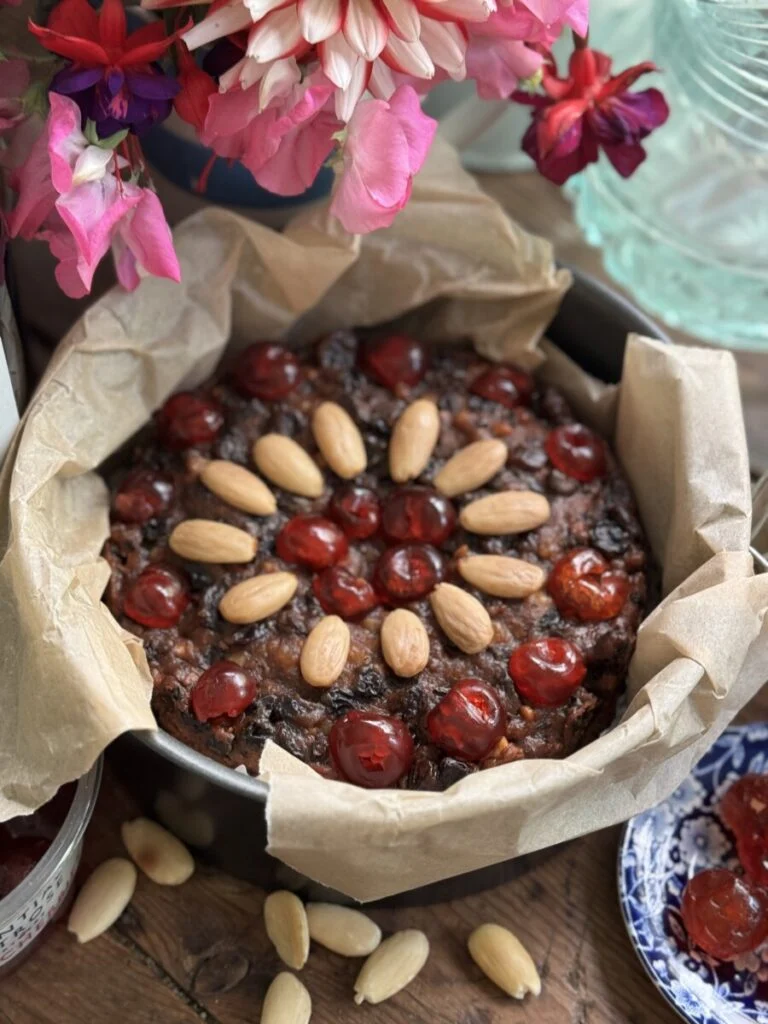
The Melton Hunt Cake remains one of the most distinguished artifacts of British regional baking, serving as a direct window into the social and gastronomic history of the Victorian era. Originating in the market town of Melton Mowbray, Leicestershire, this dense, fruit-laden confection was first commissioned in 1854 by the prestigious Melton Hunt Club. While the town is internationally recognized for its protected status pork pies, the Melton Hunt Cake occupies a parallel space in the local cultural canon, representing the intersection of equestrian tradition and the refined culinary expectations of the mid-19th-century British landed gentry.

A Chronology of the Melton Hunt Tradition
The genesis of the cake is tied to the mid-19th century, a period when the Melton Hunt was at the height of its influence. In 1854, local baker John Dickinson developed the recipe specifically to serve as a high-energy, portable sustenance for the gentry participating in the hunt. The cake was designed to be paired with a "stirrup cup"—a final drink of sherry or port offered to riders before they departed for the field.

The timeline of the cake’s evolution can be categorized into three distinct phases:

- The Foundation (1854): The initial creation by John Dickinson, characterized by the use of high-quality dried fruits, dark Muscovado sugar, and a generous infusion of rum.
- The Era of Standardization (19th–20th Century): As the recipe gained popularity, it became a staple of country house hospitality in Leicestershire, eventually becoming a standard inclusion in regional baking manuals.
- The Modern Preservation (21st Century): Contemporary interest has seen a revival of the cake, with food historians and culinary experts, such as those documenting regional British recipes, working to preserve the specific techniques required to achieve its characteristic richness and aesthetic presentation.
Nutritional Composition and Culinary Characteristics
The distinct profile of the Melton Hunt Cake is derived from a meticulous balance of ingredients. Unlike standard fruit cakes, which may prioritize shelf-stability over flavor, the original formulation focuses on moisture and depth. The incorporation of dark Muscovado sugar provides a molasses-rich undertone, while the addition of glacé cherries and a precise arrangement of blanched almonds on the surface creates a visual signature similar to the Scottish Dundee cake.

Data regarding the standard preparation of the cake reveals a high caloric density, consistent with its historical purpose as a source of sustained energy for outdoor pursuits. A single serving—typically a 12th of a standard cake—contains approximately 321 calories. The composition is structured around 17 grams of total fat and 36 grams of carbohydrates, primarily sourced from the high fruit content. The inclusion of rum not only serves as a flavoring agent but also acts as a preservative, allowing the cake to be stored for extended periods, a common necessity in the 19th-century pantry.

Socio-Cultural Context and Modern Perspectives
The Melton Hunt Cake is inextricably linked to the history of fox hunting in the United Kingdom. This association has prompted a shift in how the culinary community presents the recipe today. While the tradition of the hunt is historically significant to the region, modern culinary writers, including Karen Burns-Booth, often draw a sharp distinction between the preservation of local gastronomic heritage and the endorsement of the activities that necessitated the cake’s original creation.

The separation of the "recipe" from the "practice" reflects a broader trend in British food journalism: the objective preservation of cultural heritage. By documenting the exact methods of 1854, historians ensure that the technical skill required to produce such a complex cake is not lost, regardless of the evolving public sentiment regarding the origins of the associated hunt. This approach allows the cake to be appreciated for its intrinsic quality as a traditional British fruit cake, suitable for contemporary tea services or formal gatherings, rather than being strictly viewed through the lens of its initial 19th-century utility.

Technical Analysis: The Art of the Fruit Cake
From a technical standpoint, the Melton Hunt Cake is a study in preservation and texture. The "feeding" of the cake—the process of piercing the sponge with a skewer and introducing spirits such as brandy, whisky, or sherry—is a practice designed to mature the flavors over time. This technique, while common in traditional Christmas cakes, is essential to the Melton Hunt variety, which is often intended to be served after a maturation period of at least several days.

The specific requirement for concentric circles of almonds on the top is not merely aesthetic; it requires a controlled baking process to ensure the nuts remain toasted without burning, while the dense, fruit-heavy crumb below achieves a uniform bake. The use of blanched almonds ensures a clean, neutral crunch that contrasts with the intense sweetness of the glacé cherries and dried fruits.

Broader Impact on Regional British Cuisine
The survival of the Melton Hunt Cake serves as a case study for the endurance of regional British foods in a globalized market. As supermarkets continue to offer standardized versions of traditional cakes, the persistence of the "original" recipe serves as a benchmark for quality.

The implications of this historical preservation are significant:

- Culinary Identity: The recipe reinforces Leicestershire’s reputation as a center for high-quality artisanal baking, linking the town of Melton Mowbray to a broader history of regional excellence.
- Heritage Tourism: The existence of such specific, localized recipes acts as an anchor for culinary tourism, drawing visitors interested in the history of British foodways.
- Skill Transmission: By detailing the preparation process, modern platforms facilitate the transfer of traditional techniques from the professional kitchen to the home cook, ensuring that the labor-intensive methods of the 19th century remain viable in the modern domestic setting.
Comparative Analysis: The Dundee vs. The Melton
While frequently compared to the Scottish Dundee cake due to the almond-topping design, the Melton Hunt Cake is distinct in its composition. The Dundee cake is typically lighter, often characterized by a more delicate crumb and a higher reliance on orange marmalade or zest for flavor. In contrast, the Melton Hunt variant is notably more robust, with a darker color palette achieved through the liberal use of dark sugar and the specific addition of cherries, which are not a standard feature in the traditional Scottish recipe.

Conclusion
The Melton Hunt Cake remains a testament to the longevity of regional traditions. Its transition from a utilitarian fuel for the Victorian gentry to a celebrated classic of British baking highlights the importance of documentation and culinary archiving. By maintaining the integrity of the 1854 recipe, bakers and historians ensure that a piece of 19th-century social history is preserved for future generations, stripped of its original political context but rich in its cultural and sensory legacy. Whether enjoyed with a modern cup of tea or in the traditional manner with a glass of port, the cake offers a tangible connection to the past, serving as a reminder that the history of a nation is often found in the recipes that survive the passing of time.
