
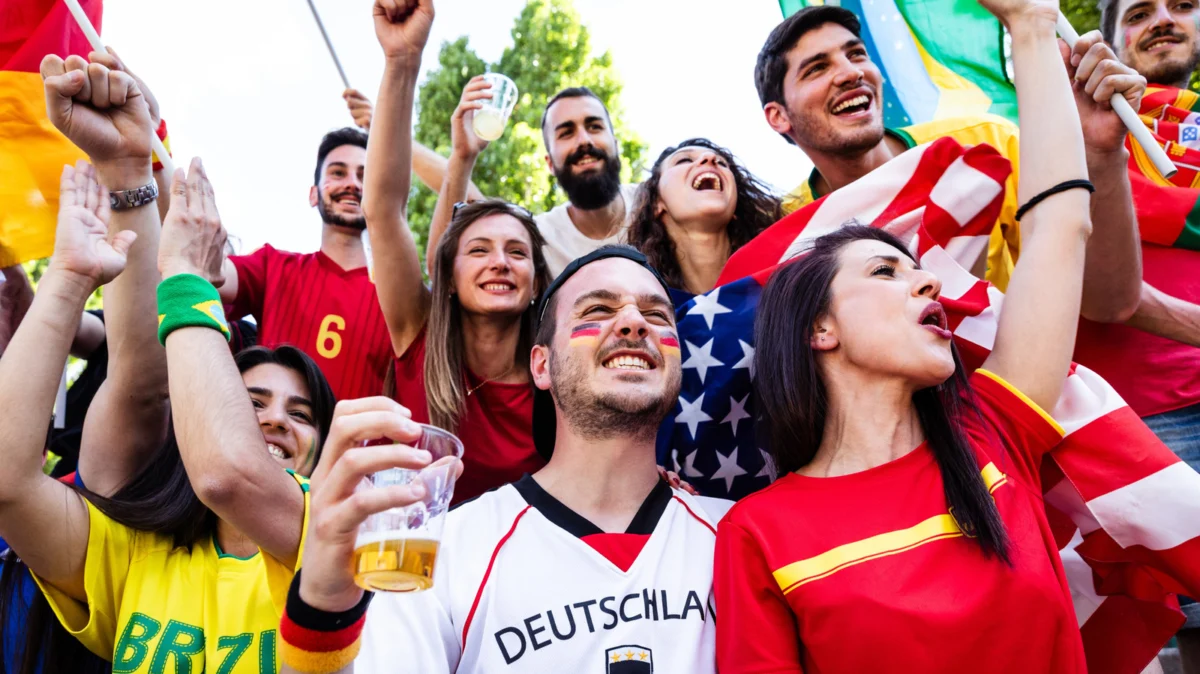
The quadrennial spectacle of the FIFA World Cup has descended upon North America, transforming 16 cities across the United States, Mexico, and Canada into a vibrant hub of global camaraderie and athletic prowess from June 11 to July 19, 2026. This monumental tournament, a celebration of the world’s most beloved sport, draws not only elite athletes from 48 nations but also a fervent international fan base, fostering a profound cultural exchange. Amidst the roar of the crowds and the strategic brilliance on the pitch, an unexpected cornerstone of the visitor experience has emerged: the colossal Texas-born gas station chain, Buc-ee’s. What began as a quirky discovery shared on social media has rapidly escalated into a significant, albeit unconventional, tourist destination for World Cup attendees navigating the vast American landscape.
From Social Media Buzz to Official Transit Routes: The Buc-ee’s Phenomenon
The burgeoning reputation of Buc-ee’s among international visitors gained significant traction through social media platforms, notably X (formerly Twitter). A German soccer fan, identified as Freddy (@FreddyLA7), inadvertently catapulted the roadside attraction into the global spotlight with a series of posts documenting his cross-country journey. One particularly viral post featured a photograph of a Buc-ee’s exterior, complete with its seemingly endless rows of gas pumps, accompanied by the incredulous caption, "DUDE LMAO THIS IS A GAS STATION" and a cascade of crying emojis. This initial wave of astonishment resonated deeply with fellow travelers and sparked a broader curiosity about this uniquely American establishment.
The sentiment was echoed by other international visitors. A French tourist, sharing their experience on Instagram, confessed a pre-conceived notion of disdain for what they perceived as American excess. "I wanted to hate it, be the superior Frenchman, a snob," the user recounted, "but then I ate the beaver nuggets… I ate one, then I had the whole bag in the parking lot like a wild animal." This candid admission underscored the transformative power of Buc-ee’s offerings, particularly its signature Beaver Nuggets, which have become a gateway to appreciating the chain’s broader appeal. These anecdotal accounts, amplified across social media, painted a picture of a place that defied expectations, offering an experience far beyond that of a typical fueling station.
Buc-ee’s: A Microcosm of American Excess and Hospitality
The unexpected popularity of Buc-ee’s among World Cup tourists is not merely a fleeting trend; it has solidified its place as a noteworthy point of interest. In the sprawling Dallas-Fort Worth metroplex, one of the key host cities for the tournament, the local public transit system has officially incorporated Buc-ee’s into its shuttle services. This initiative, designed to ferry fans to and from stadiums across the vast metropolitan area, now extends to iconic local attractions such as the Fort Worth Zoo and Botanic Gardens, the thrill-seeking destination of Six Flags, and, significantly, Buc-ee’s.
For residents of Texas, where Buc-ee’s is a ubiquitous and cherished landmark, the idea of a dedicated bus route to a gas station might seem unusual. However, for international visitors, Buc-ee’s presents itself as a captivating, and perhaps even allegorical, representation of American culture. The sheer scale of the flagship stores, including the world’s largest gas station boasting 120 fueling pumps, is a testament to this. This prodigious size, which often elicits a sense of awe and disbelief reminiscent of viral internet reactions, is merely the entry point. Beyond the vast expanse of the fueling area, visitors are invited into a 75,000-square-foot convenience store that many describe as resembling a high-end supermarket.
Within these expansive retail environments, a veritable cornucopia of American culinary and consumer goods awaits. The menu features an array of popular Buc-ee’s snacks, from the aforementioned Beaver Nuggets to an extensive selection of jerky, including premium beef jerky varieties. Heartier options, such as the renowned brisket sandwiches, are also a significant draw. Furthermore, the stores are known for stocking unique and often overlooked "hidden gems," encouraging exploration and discovery among patrons. This comprehensive offering, encompassing everything from savory meals to sweet treats and a vast retail selection, positions Buc-ee’s as a quintessential American experience, a place where visitors can sample a diverse range of regional flavors and lifestyle products.
The Economic and Cultural Implications of a Gas Station Tourist Hub
The integration of Buc-ee’s into official World Cup transit routes and its widespread recognition by international visitors carry several interesting implications, both economically and culturally. Economically, this unexpected tourism draw injects revenue into Buc-ee’s coffers, likely increasing sales of fuel, merchandise, and food items. More broadly, it directs tourist spending towards a specific type of American retail experience, potentially influencing perceptions of American commerce and hospitality. This phenomenon also benefits local economies surrounding Buc-ee’s locations, as these visitors may extend their stays or explore adjacent areas.
Culturally, Buc-ee’s serves as an unintentional ambassador for a particular facet of American identity: abundance, convenience, and a certain brand of friendly, unpretentious hospitality. While the world may continue to debate the merits of "football" versus "soccer," the universal appeal of well-executed comfort food and a well-stocked convenience store transcends linguistic and cultural barriers. The chain’s success with international tourists suggests that its unique model, blending extensive amenities with a focus on quality food and a clean, welcoming environment, has broader resonance than initially anticipated. This "excess on display," as described in the original reporting, is not just a Texas phenomenon but is now being experienced and appreciated by a global audience.
A Broader Look at World Cup Tourism and Infrastructure
The 2026 FIFA World Cup’s expansive geographical footprint across North America presents a unique logistical challenge and opportunity. Hosting matches in 16 diverse cities requires robust transportation infrastructure and a coordinated effort to guide visitors through unfamiliar territories. The success of initiatives like the DFW transit system’s inclusion of Buc-ee’s highlights the need for creative solutions that cater to the practical needs and burgeoning curiosities of international travelers.
Beyond Buc-ee’s, World Cup tourism invariably involves exploring local landmarks, engaging with regional cuisines, and immersing oneself in the host country’s culture. The fact that a gas station has emerged as a significant point of interest speaks volumes about the distinctive nature of Buc-ee’s and its ability to capture the imagination of visitors. It also underscores the potential for unexpected attractions to become integral parts of a major sporting event’s visitor experience, offering a more authentic and memorable journey than solely relying on traditional tourist sites.
The World Cup, in its essence, is a catalyst for connection. It brings people together, fosters understanding, and creates shared memories. While the athletic competition takes center stage, the peripheral experiences – the interactions, the discoveries, the unexpected delights – often leave the most lasting impressions. In the case of the 2026 FIFA World Cup, Buc-ee’s has, quite remarkably, become one such delight, offering a distinctly American, and surprisingly satisfying, pit stop on the global pilgrimage to witness the beautiful game. As the tournament progresses, it will be fascinating to observe whether this gas station chain’s star continues to rise as a must-visit destination for future international visitors to the United States.
