
The Architectural Composition of the Casserole
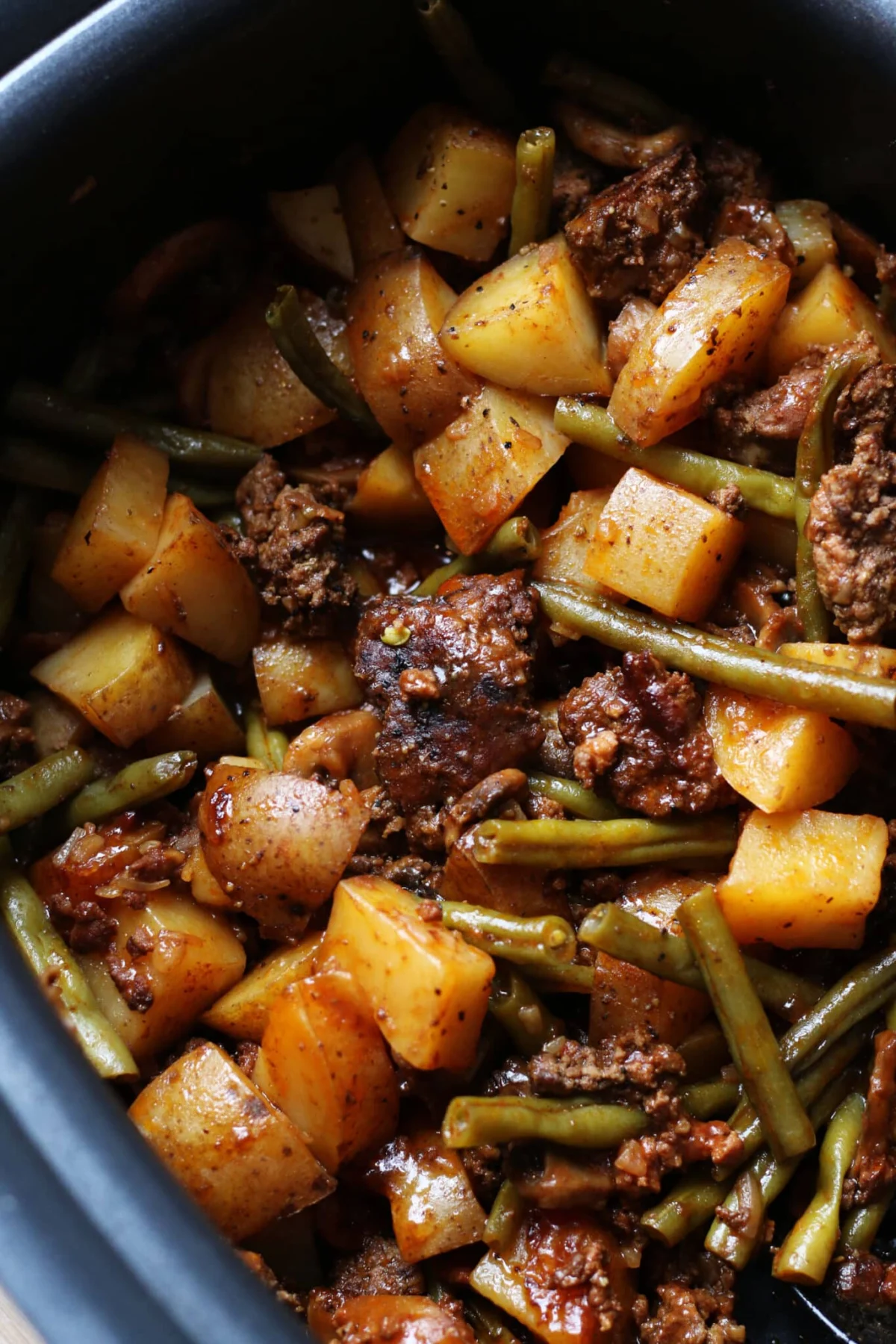
The Country Meat and Mashed Potato Casserole is defined by its distinct structural layers, each contributing to a specific sensory experience. The foundation consists of a dense yet aerated bed of mashed potatoes. Unlike traditional recipes that may rely on stovetop boiling, the modern iteration utilizes high-pressure steam. This method ensures that the starch molecules in the potatoes are hydrated evenly, resulting in a smoother texture when combined with lipids such as butter and half-and-half.

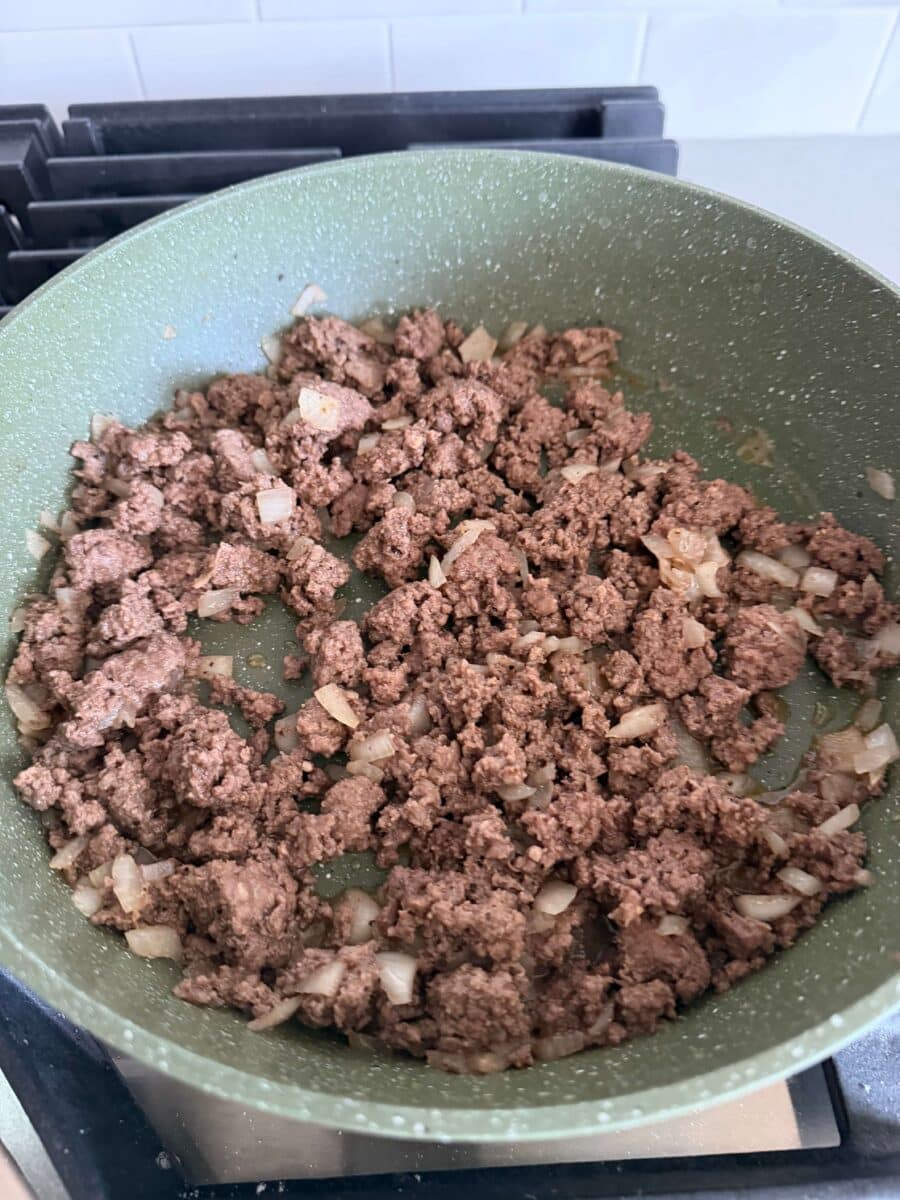
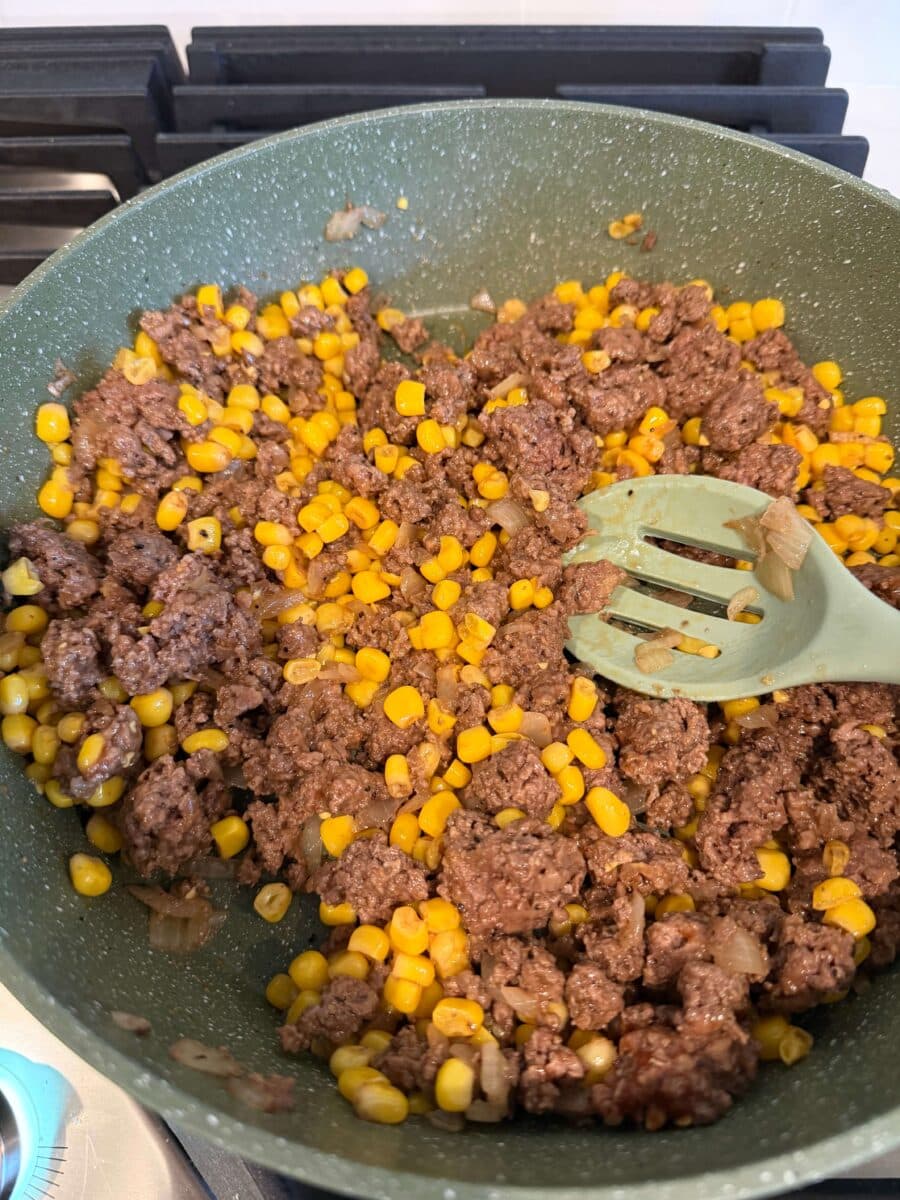
The second layer is a savory protein composite. Ground beef, typically chosen for its accessibility and rapid cooking time, is sautéed with aromatics—specifically yellow or white onions. The inclusion of corn provides a textural contrast, offering a "snap" that offsets the softness of the meat and potatoes. The flavor profile of the beef is further enhanced by a specific blend of seasonings: garlic powder, black pepper, and Lawry’s Seasoned Salt. A notable inclusion in the meat mixture is ketchup, which introduces a subtle acidity and sugar content, bridging the gap between the savory beef and the naturally sweet corn.
The final element is a topical application of shredded cheese. When applied to the hot meat mixture, the cheese undergoes a phase change, melting into the crevices of the beef and corn to provide a cohesive binding agent that adds a salty, fatty finish to each serving.

Historical Context and the Casserole Tradition
To understand the significance of the Country Meat and Mashed Potato Casserole, one must examine the history of "meat and potato" culture in the United States. Casseroles, or "one-dish meals," rose to prominence in the mid-20th century, particularly during the Great Depression and World War II. During these eras, home cooks were tasked with stretching limited protein portions. By layering ground meat with inexpensive bulk fillers like potatoes, families could achieve caloric density and nutritional balance on a restricted budget.
This specific recipe is a direct descendant of the "Cottage Pie," a term used since the late 18th century to describe a meat pie made with beef and a mashed potato crust. The "Shepherd’s Pie" variant, which technically utilizes lamb, is often used interchangeably in American vernacular. The "Country" designation in the title suggests a rural or Midwestern influence, where flavor profiles tend to be mild, familiar, and focused on hearty staples. The adaptation of this dish from the "I Am Homesteader" platform highlights a broader trend of digital recipe sharing that prioritizes family-friendly, "low-barrier" cooking.

Technological Integration: The Role of the Instant Pot
A critical component of this dish’s modern preparation is the use of the Instant Pot, a brand of multicooker that became a global phenomenon in the 2010s. According to market research data, the multicooker market was valued at approximately $721 million in 2021 and is projected to continue growing. The integration of such technology into traditional recipes reflects a shift in consumer behavior: the desire for "slow-cooked" quality with "fast-food" convenience.
In the Country Meat and Mashed Potato Casserole, the Instant Pot is used specifically for the potatoes. Pressure cooking potatoes at high heat for approximately eight minutes allows for a faster breakdown of cellular walls compared to traditional boiling, which can take 20 to 30 minutes. This efficiency is a primary driver for the recipe’s popularity among working-class families and "time-poor" households.

Step-by-Step Chronology of Preparation
The preparation of the Country Meat and Mashed Potato Casserole follows a precise chronological sequence to ensure all components reach the ideal temperature simultaneously:
- Hydration and Pressurization: The process begins with the addition of 1.5 cups of water to the Instant Pot. Potatoes, peeled and cubed, are placed in a steamer basket to prevent waterlogging. The unit is sealed and set to manual high pressure for a duration of eight minutes.
- Protein Sautéing: While the potatoes are under pressure, the stovetop phase commences. Ground beef and diced onions are added to a skillet over medium-high heat. The beef is browned for approximately five minutes, a process known as the Maillard reaction, which develops the complex savory flavors essential to the dish.
- Seasoning and Integration: Once the beef is browned and excess grease is drained, the heat is reduced. Garlic powder, pepper, seasoned salt, ketchup, and corn are stirred into the mixture. This allows the flavors to meld at a low simmer while the potatoes finish.
- The Mashing Phase: Upon the completion of the Instant Pot cycle, a quick pressure release is performed. The softened potatoes are transferred to a mixing bowl where they are combined with butter, half-and-half, and additional seasoning salt.
- Assembly: The final stage involves layering. A generous portion of mashed potatoes is plated first, followed by the seasoned meat and corn mixture. The dish is finished with a sprinkle of shredded cheese, which melts upon contact with the steaming components.
Economic and Nutritional Analysis
From an economic perspective, the Country Meat and Mashed Potato Casserole is highly efficient. As of 2024, ground beef and potatoes remains two of the most cost-effective grocery staples in the North American market. According to the USDA, potatoes are the most consumed vegetable in the United States, with the average American consuming roughly 110 pounds per year. Ground beef accounts for nearly 40% of all beef consumed in the U.S., largely due to its versatility and lower price point compared to whole-muscle cuts.
Nutritially, the dish provides a high-calorie profile suitable for active individuals or growing families. The potatoes offer significant amounts of potassium and Vitamin C, while the beef provides essential protein, iron, and B vitamins. The inclusion of corn adds dietary fiber. However, analysts note that the dish is also high in saturated fats and sodium, primarily stemming from the butter, half-and-half, and seasoned salts. Modern health-conscious adaptations often suggest substituting ground turkey for beef or using low-fat Greek yogurt in place of half-and-half to alter the macronutrient balance.
Customization and Consumer Reaction
One of the primary reasons for the enduring success of this flavor profile is its "customizability." Culinary experts refer to this as the "deconstructed" or "bowl-style" trend. By serving the components in a way that allows for individual toppings—such as bacon bits, sour cream, or green onions—the dish appeals to a wide demographic, including children who may prefer "mild and familiar" flavors.
Statements from home-cooking enthusiasts often highlight the "nostalgia factor" of the dish. "It tastes like a homemade version of a fast-food potato bowl," many reviewers note, referring to the popular bowls offered by chains like KFC. This comparison is not accidental; the food industry has long understood that the combination of creamy starch, savory protein, and a hint of sweetness (provided here by ketchup and corn) triggers a strong "craveability" response in the human palate.
Broader Implications for the Culinary Landscape
The Country Meat and Mashed Potato Casserole is more than just a recipe; it is a reflection of the current state of home gastronomy. It demonstrates the "fusion" of different eras—18th-century English pie structures, 20th-century American casserole seasonings, and 21st-century pressure-cooking technology.

As inflation continues to impact food prices, the reliance on "bulk" ingredients like potatoes and ground meat is expected to rise. Furthermore, the move toward "one-pot" or "hybrid" cooking methods indicates that the modern home cook values time as much as taste. This dish sits at the intersection of these trends, providing a template for how traditional comfort food will continue to adapt and survive in a rapidly changing social and technological environment.
In conclusion, the Country Meat and Mashed Potato Casserole stands as a testament to the resilience of simple, hearty flavors. Its ability to be adapted, its economic viability, and its use of modern kitchen technology ensure its place in the repertoire of the contemporary home cook, bridging the gap between the rural kitchens of the past and the high-tech households of the future.
