
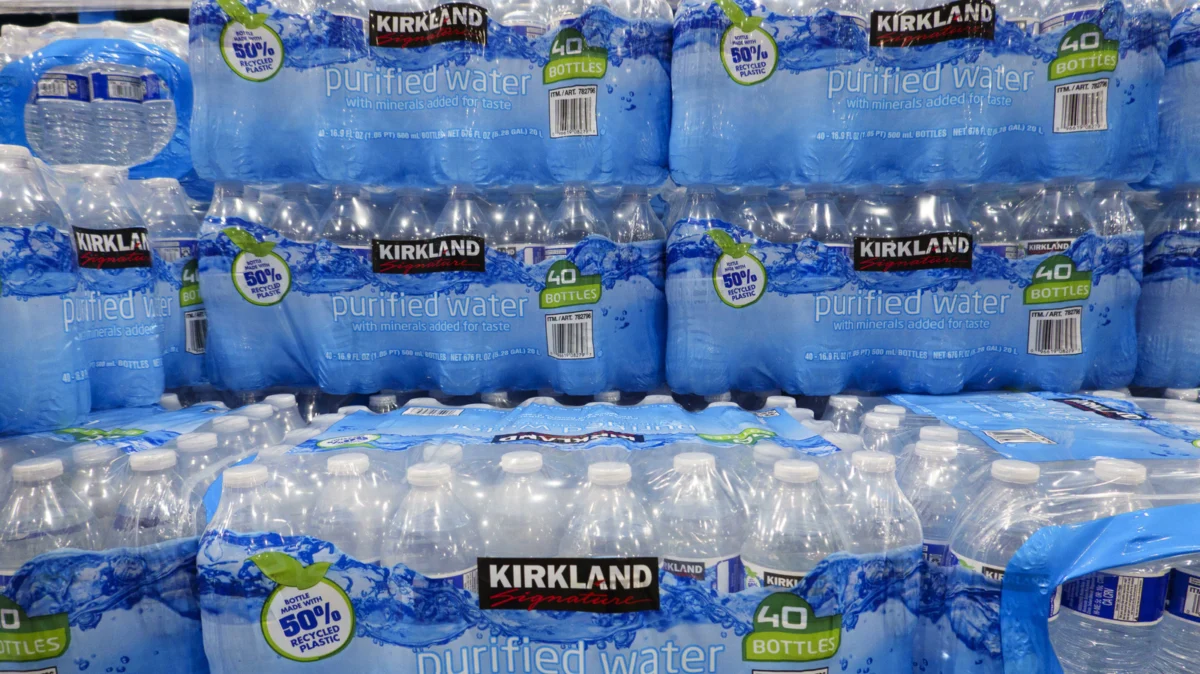
In a significant move towards enhancing sustainability within its extensive product offerings, Costco has begun rolling out a notable packaging alteration for its popular Kirkland Signature bottled water. At select warehouse locations, customers are now encountering 40-packs of purified water that have been stripped of their traditional plastic labels. This innovative approach, which involves embossing the Kirkland Signature logo directly onto the bottle, is being lauded by many as a substantial step forward in reducing plastic waste and potentially improving the recyclability of the product. The change, while visually striking, has also sparked discussion and debate among consumers regarding its true environmental efficacy and broader implications.
The shift away from printed labels is designed to address several key environmental concerns associated with single-use plastic bottles. Traditional labels often involve inks, adhesives, and separate plastic or paper materials that can complicate the recycling process. By eliminating these components, Costco aims to streamline the recycling stream, making it easier for both consumers and recycling facilities to process the empty bottles. Furthermore, the removal of the label production process itself can lead to a reduction in energy consumption and greenhouse gas emissions associated with manufacturing and printing. This aligns with a growing global trend among major retailers and manufacturers to adopt more eco-conscious packaging solutions in response to increasing consumer demand and regulatory pressures.
The new label-less bottles are being offered at a price point that remains largely consistent with the previous iteration, typically ranging from $3.99 to $5.99 for a 40-pack. This competitive pricing, a hallmark of Costco’s value proposition, ensures that the sustainability initiative does not come at a significant additional cost to the consumer. The embossed logo, described by some as lending a "luxe appearance, almost like glass," has been a point of positive feedback, with many customers appreciating the minimalist aesthetic.
The initial unveiling of this new packaging on social media platforms, particularly by Costco fan accounts like @costcohype, generated immediate and widespread enthusiasm. Videos and posts showcasing the label-less bottles quickly garnered attention on Instagram and Facebook, sparking a flurry of positive comments and shares. This online buzz reflects a growing segment of consumers who are actively seeking out and supporting brands that demonstrate a commitment to environmental responsibility.
"That little bit less waste will add up quickly considering how much water Costco sells," commented one user on Facebook, echoing a sentiment shared by many who recognize the sheer volume of Kirkland Signature water sold annually. This perspective highlights the potential for widespread impact when a large-scale retailer implements such changes. Another commenter on Instagram noted the perceived redundancy of labels, stating, "no need for labels" anyway. This suggests a consumer sentiment that prioritizes function and environmental impact over traditional branding elements on certain products.
Beyond the environmental benefits, some consumers have identified practical advantages for their own businesses. Instagram users pointed out that the absence of a label makes the bottles more adaptable for customization. "This is perfect for me," one user explained. "I put my spa labels on them to give to my clients." This indicates a secondary market benefit, where the simplified packaging allows for easier rebranding or personalization for smaller businesses and event organizers. Anecdotal reports from customers also suggest an improvement in the perceived quality of the bottle itself, with some noting that the plastic feels thicker and more robust than before.
However, this packaging evolution is not without its complexities and has also drawn scrutiny from a segment of the consumer base. While the intention is to improve recyclability, the change to a thicker plastic for the embossed logo has raised concerns about the overall environmental footprint of the bottles. The thicker plastic, while potentially more durable, could also mean a greater amount of plastic is used in the production of each bottle, potentially negating some of the environmental gains achieved by eliminating the label. This has led to discussions about the actual biodegradability of the bottles and the potential for increased microplastic shedding.
The thicker plastic construction has prompted worries about an increased risk of microplastics entering the water supply. While the original article notes that the water inside remains the same, the material of the vessel itself is a point of concern for some consumers who are increasingly aware of the pervasive issue of microplastic contamination in food and beverages.
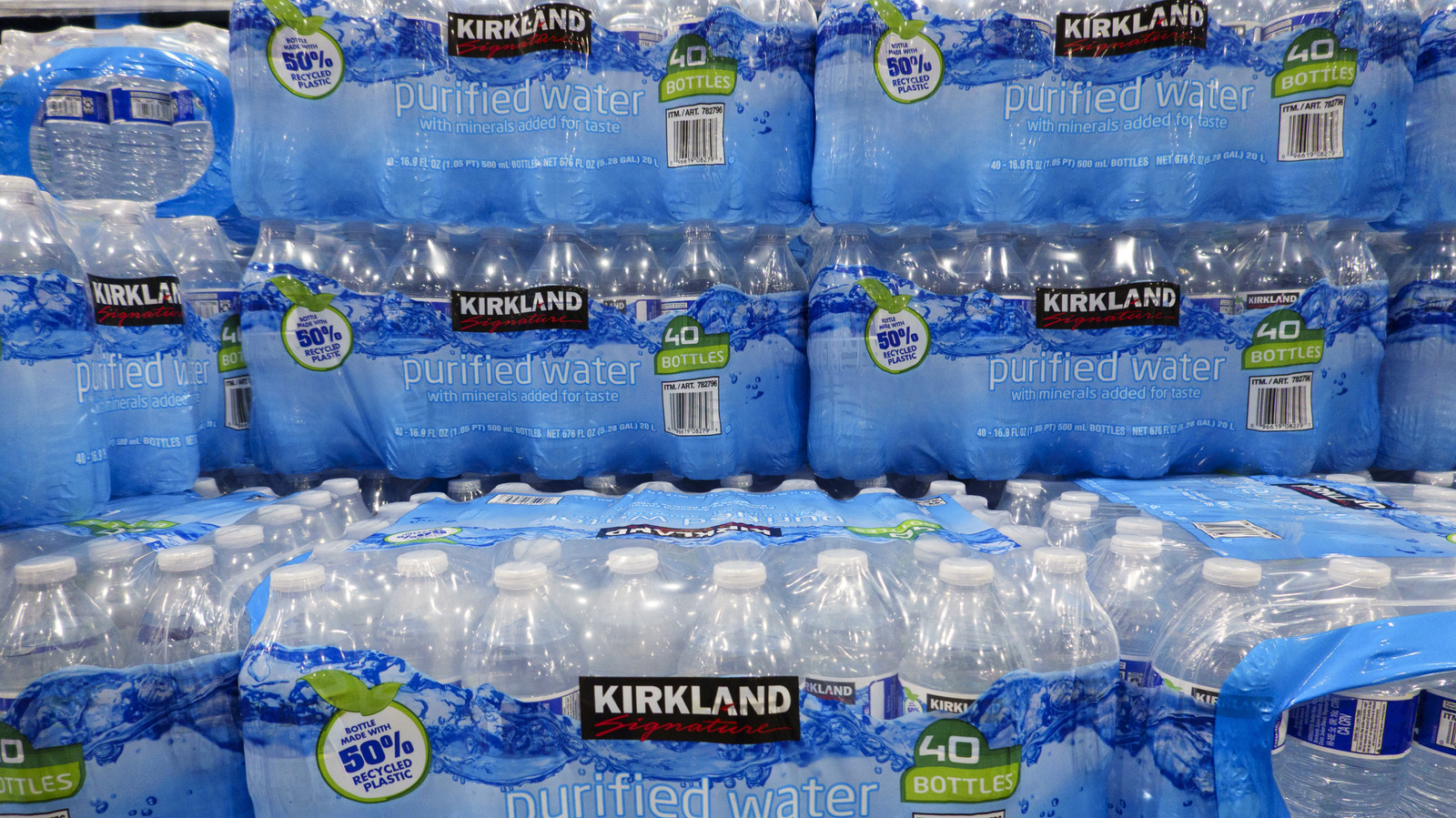
Furthermore, the recyclability of these new bottles is not universally guaranteed. Some recycling centers may have specific requirements regarding labeling for sorting and processing, particularly for redemption programs. One Instagram user shared a critical experience: "I had a recycle place tell me they couldn’t accept unlabeled water bottles that didn’t specify recycling redemption requirements on the label." This highlights a potential disconnect between Costco’s intended recycling benefits and the practical realities of waste management infrastructure in different regions. The lack of explicit recycling instructions on the bottle, which would typically be part of a label, could lead to confusion and improper disposal.
On Facebook, some users expressed doubts about the genuine sustainability of the change, questioning the overall cost-benefit for consumers. Despite the "nicer feel" of the thicker bottles, critics argue that they will likely "require more plastic to produce," thereby increasing the environmental burden. This sentiment suggests a demand for transparency from corporations regarding the full lifecycle impact of their packaging decisions, not just the immediate reduction of one component.
The implications of this shift extend beyond just the consumer-facing product. For Costco, the elimination of labels translates to reduced printing costs and a streamlined supply chain. However, the broader question remains whether the benefits of reduced printing and label disposal outweigh the potential drawbacks of increased plastic usage and potential recycling challenges. It’s a complex equation that involves manufacturing processes, logistics, and the end-of-life management of the product.
The discussion online also points to a philosophical divide among environmentally conscious consumers. Many argue that individuals who are truly committed to eco-friendly practices would likely avoid single-use plastic bottles altogether, opting for reusable alternatives. For this group, the label-less bottle, while an improvement over its predecessor, is still a compromise. However, for those who do rely on bottled water, a label-less product represents a step in the right direction, offering a slightly more sustainable option.
The article also suggests a practical, albeit indirect, environmental benefit that transcends the packaging itself: the potential for increased reuse of the bottles. The absence of labels makes them more amenable to repurposing for other uses, such as DIY projects or garden planters. As the article notes, "You can also reuse empty plastic water bottles in your garden rather than tossing them — and now you won’t have to remove that pesky label!" This encourages a circular economy mindset, where products are given a second life, thereby reducing the demand for new materials and minimizing waste.
The timeline for this rollout is not explicitly detailed, but the reports suggest it is an ongoing initiative being implemented in phases across different Costco warehouses. The initial emergence of these label-less bottles in late 2023 and early 2024, as indicated by social media posts from that period, suggests a gradual introduction rather than a company-wide immediate switch. This phased approach allows Costco to gauge consumer reaction, monitor operational impacts, and make any necessary adjustments to the strategy.
While Costco has not issued a formal public statement detailing the specific environmental targets or rationale behind this packaging change, the move aligns with broader corporate social responsibility trends within the retail sector. Many large corporations are setting ambitious sustainability goals, including targets for reducing plastic waste, increasing the use of recycled content, and improving the recyclability of their packaging. Costco, as one of the world’s largest retailers, has the potential to influence industry standards and consumer behavior through such initiatives.
The debate surrounding Costco’s label-less water bottles underscores the intricate challenges of achieving true sustainability in mass-market consumer goods. While innovative packaging solutions like this can offer tangible benefits, they also necessitate a holistic evaluation of material sourcing, manufacturing processes, consumer behavior, and end-of-life management. The ongoing conversation among Costco shoppers demonstrates a keen awareness and engagement with these issues, pushing for greater transparency and accountability from the brands they support. As this initiative continues to roll out, its long-term success will likely depend on its ability to balance environmental improvements with consumer expectations and the practicalities of waste management systems.
