
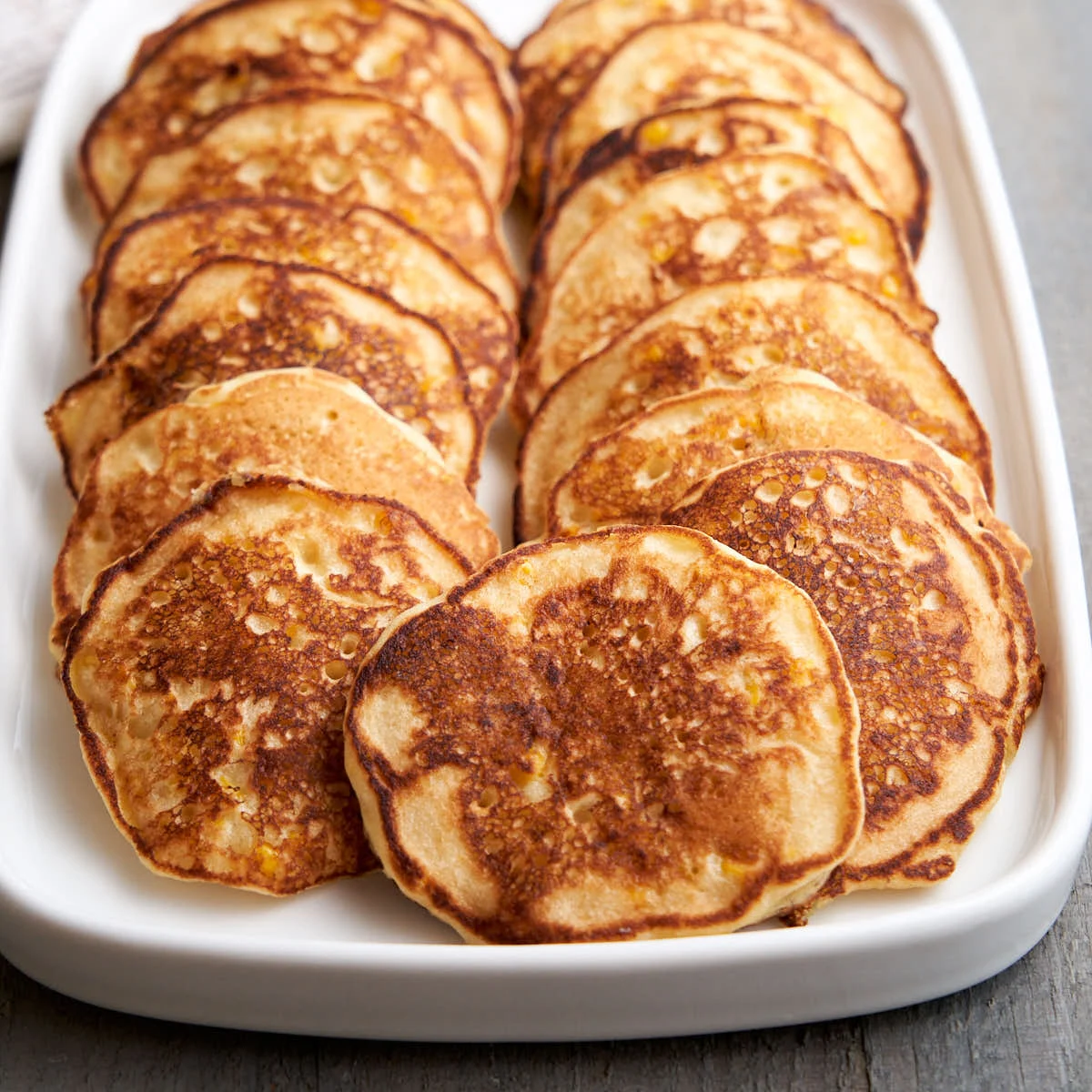
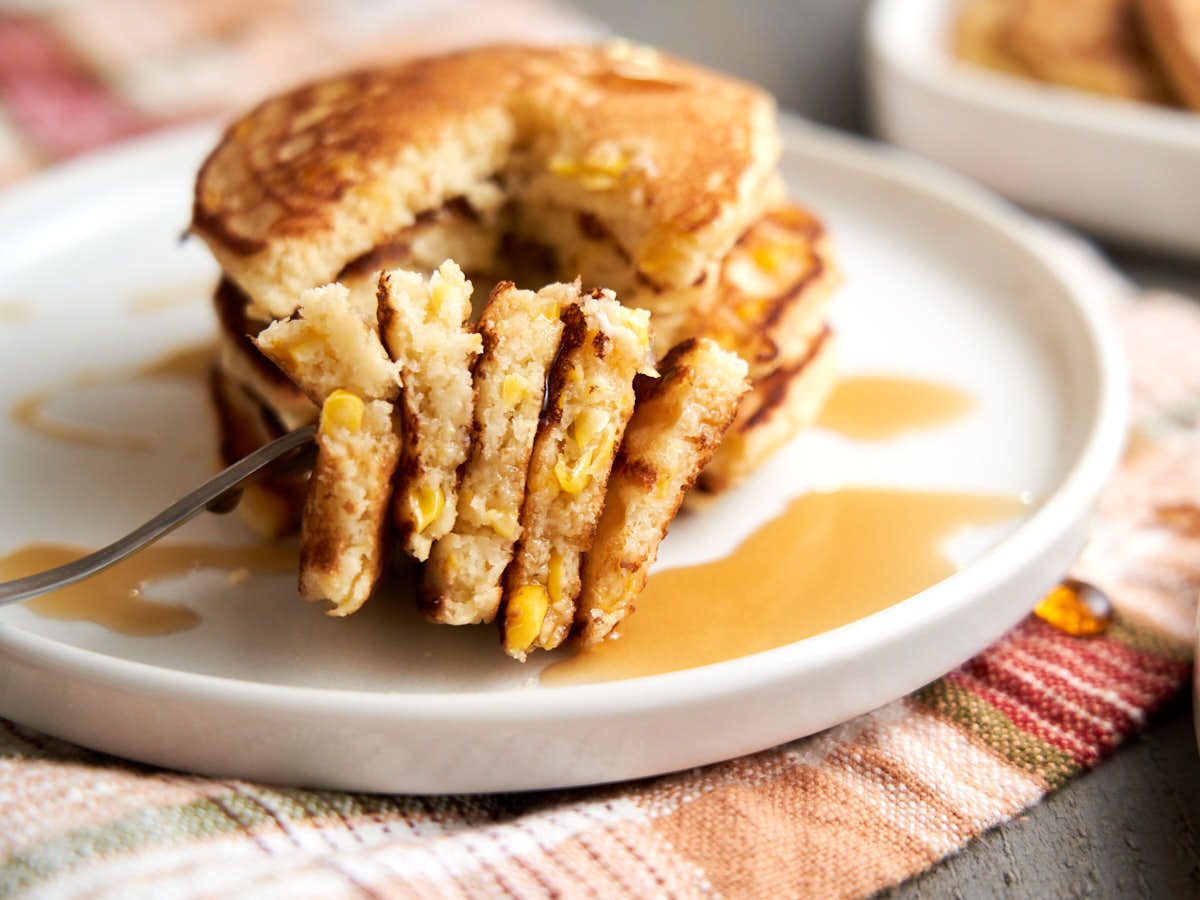
The culinary landscape of breakfast and brunch is constantly evolving, with home cooks and professional chefs alike seeking novel ways to reimagine classic dishes. In this pursuit of innovation, a particular recipe for corn pancakes, leveraging the unique properties of canned cream-style corn, has emerged as a delightful discovery, offering a texture and flavor profile that deviates from the traditional pancake experience. This recipe, detailed by The Worktop, promises a soft, custard-like interior, reminiscent of corn pudding, but in a format perfectly suited for a morning meal.
The foundation of this unique pancake lies in its primary ingredient: canned cream-style corn. Unlike whole kernel corn, cream-style corn has been processed to break down the kernels and incorporate a creamy element, resulting in a smoother, more cohesive texture. This characteristic is precisely what contributes to the pancakes’ signature custard-like interior. The natural sweetness of the corn, enhanced by the creamy consistency, creates a subtle sweetness that pairs harmoniously with breakfast accompaniments.
Background and Culinary Context
Pancakes, a staple across various global cuisines, typically derive their texture from a batter made with flour, eggs, milk, and leavening agents like baking powder or soda. The resulting product is often light, fluffy, and slightly chewy. Corn pudding, on the other hand, is a baked dessert or side dish that emphasizes the creamy, sweet essence of corn, often achieved through a combination of corn kernels, milk or cream, eggs, and sometimes a binder like flour or cornstarch, resulting in a dense, rich, and spoonable consistency. The corn pancake recipe effectively bridges these two culinary concepts, capturing the comforting sweetness and creamy texture of corn pudding within the convenient and familiar form of a pancake.
The rise of such recipes can be attributed to several factors. Firstly, there’s a growing interest in nostalgic and comfort foods, with a twist. Home cooks are increasingly looking to elevate familiar dishes with unique ingredients or techniques. Secondly, the accessibility and versatility of canned goods, like cream-style corn, make them attractive for quick and easy meal preparation. Cream-style corn, a pantry staple for many, offers a convenient way to impart a distinct flavor and texture without the need for fresh corn preparation, which can be seasonal and more labor-intensive.
Recipe Breakdown and Culinary Techniques
The preparation of these corn pancakes follows a straightforward "two-bowl" method, a common and efficient technique for pancake batter. This involves combining dry ingredients in one bowl and wet ingredients in another, before gently merging them. This approach helps to prevent overmixing, which can lead to tough pancakes, ensuring a tender result.
Key ingredients typically include:
- Flour: The structural base of the pancake.
- Sugar: Enhances the natural sweetness of the corn.
- Baking Powder/Soda: Provides leavening for a lighter texture.
- Salt: Balances the sweetness and enhances overall flavor.
- Eggs: Bind the ingredients and contribute to richness.
- Milk: Provides moisture and helps create the batter’s consistency.
- Canned Cream-Style Corn: The star ingredient, responsible for the unique texture and flavor.
- Melted Butter: Adds richness and flavor to the batter, and is crucial for cooking.
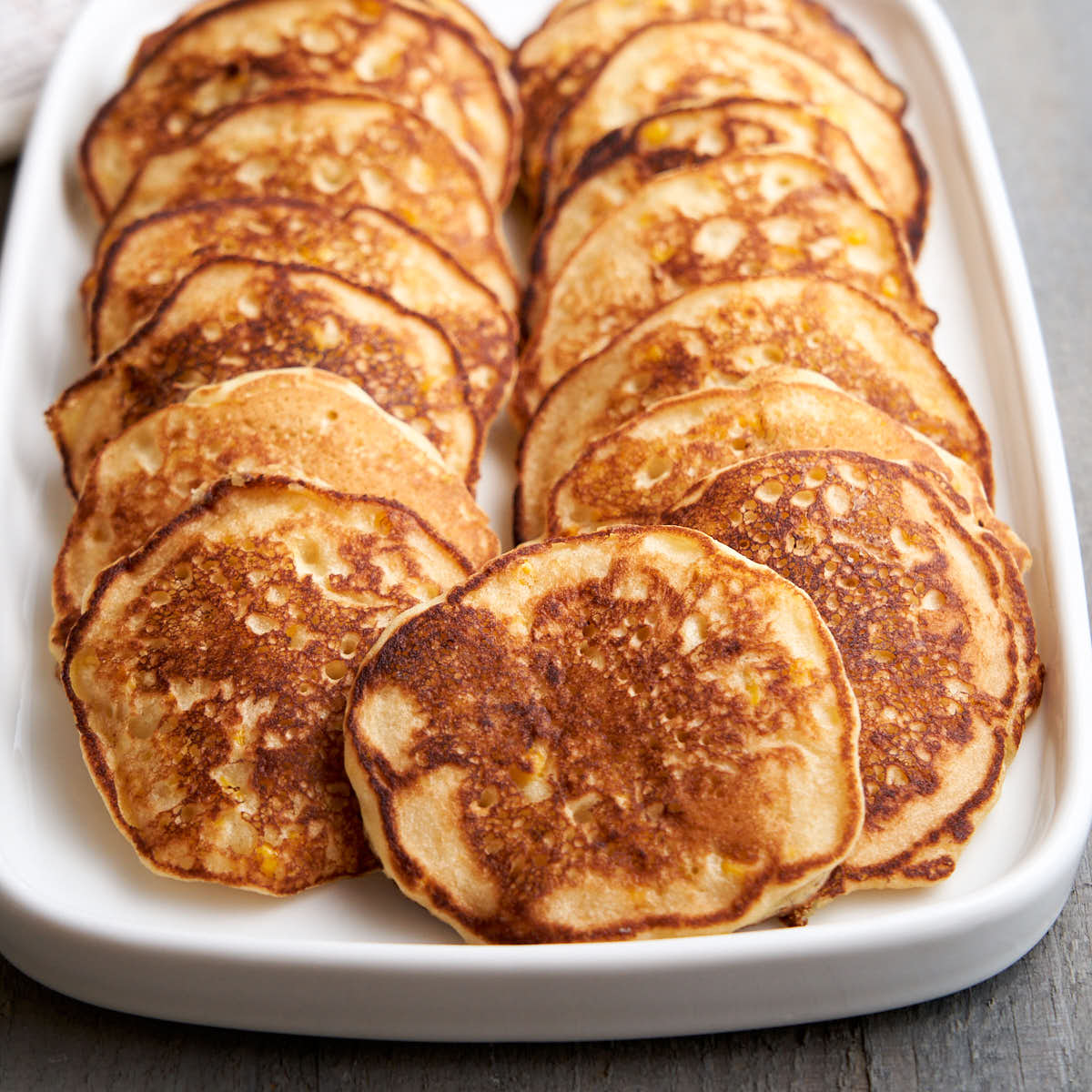
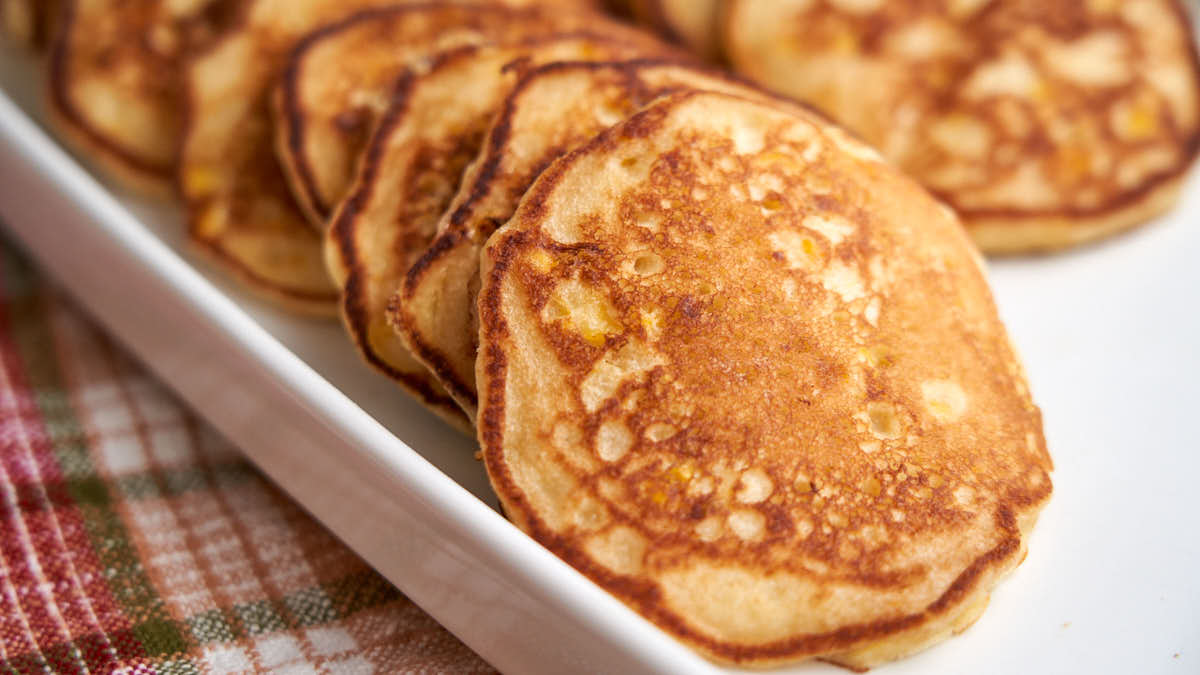
A notable technique emphasized in the recipe is the use of butter for cooking the pancakes. Sautéing the pancakes in butter not only prevents sticking but also imparts an extra layer of richness and a desirable golden-brown crust. The article even suggests using a silicone brush to spread melted butter evenly, which can create a "lacy appearance" on the pancakes, a visually appealing characteristic that enhances the dining experience. This detail highlights the attention to presentation and the subtle nuances that elevate a simple recipe.
Cooking and Flipping Precision
The success of any pancake lies in its proper cooking. The recipe advises cooking these corn pancakes on medium heat, with a crucial caveat: adjust the heat as needed. Stoves and griddles vary in their heat distribution, and overly high heat can lead to burnt exteriors and undercooked interiors. The visual cues for flipping are clearly defined: a light golden-brown color on the bottom, slightly dried edges, and the appearance of bubbles on the surface of the pancake. These indicators ensure that the pancake is ready to be flipped, allowing for even cooking on both sides.
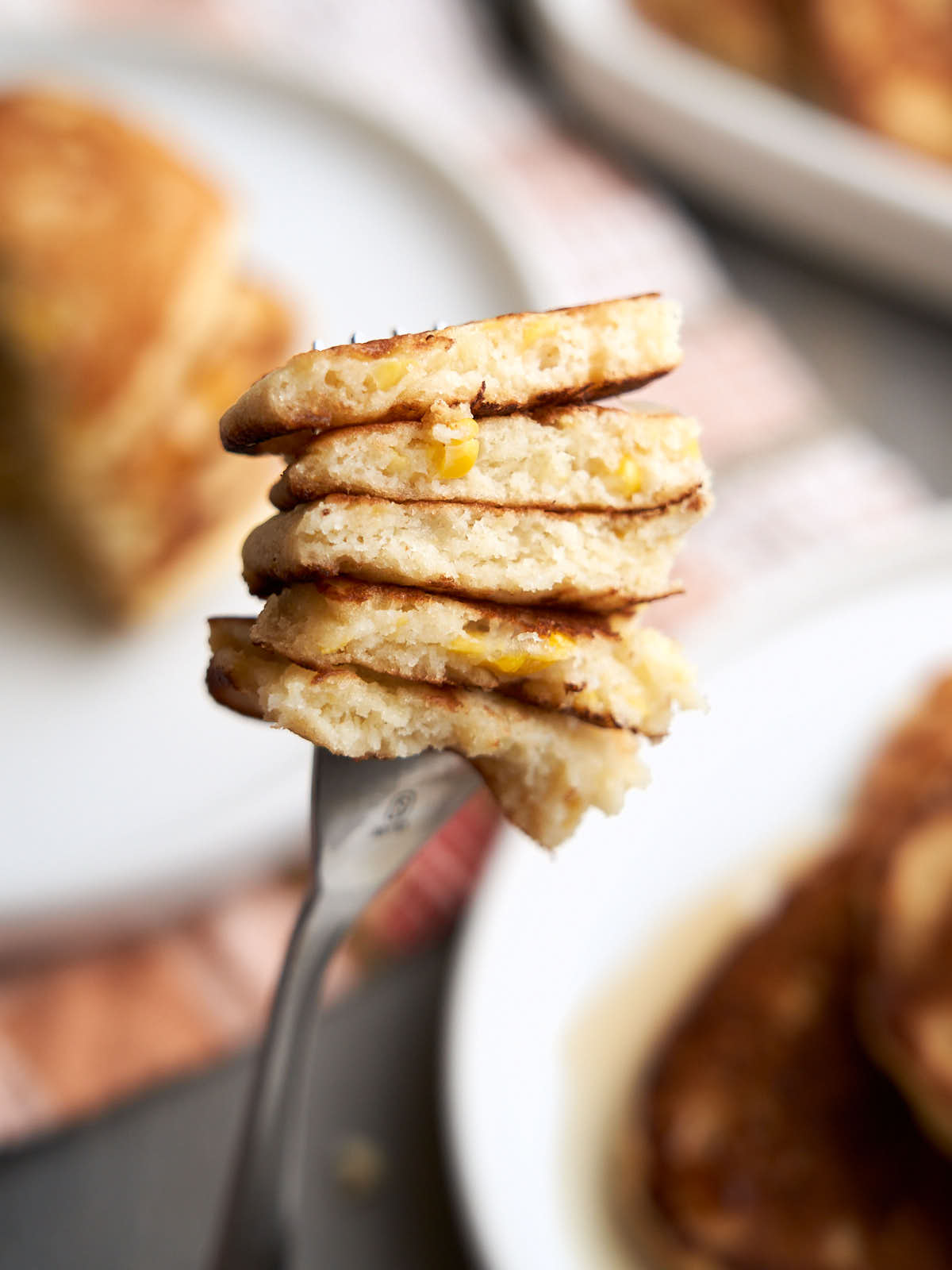
The cooking time after flipping is typically a few minutes, until the second side also achieves a light golden-brown hue. This methodical approach ensures that the delicate custard-like interior is cooked through without compromising the exterior texture.
Serving Suggestions and Culinary Versatility
The article suggests that these corn pancakes are best served with a touch of maple syrup, allowing the inherent flavors of the corn to shine. However, the recipe’s subtle sweetness also lends itself to other applications. It can be enjoyed plain, acting as a delightful side dish to savory meals, or with a simple smear of salted butter. This versatility positions the corn pancake not just as a breakfast item, but as a adaptable component of various dining occasions.
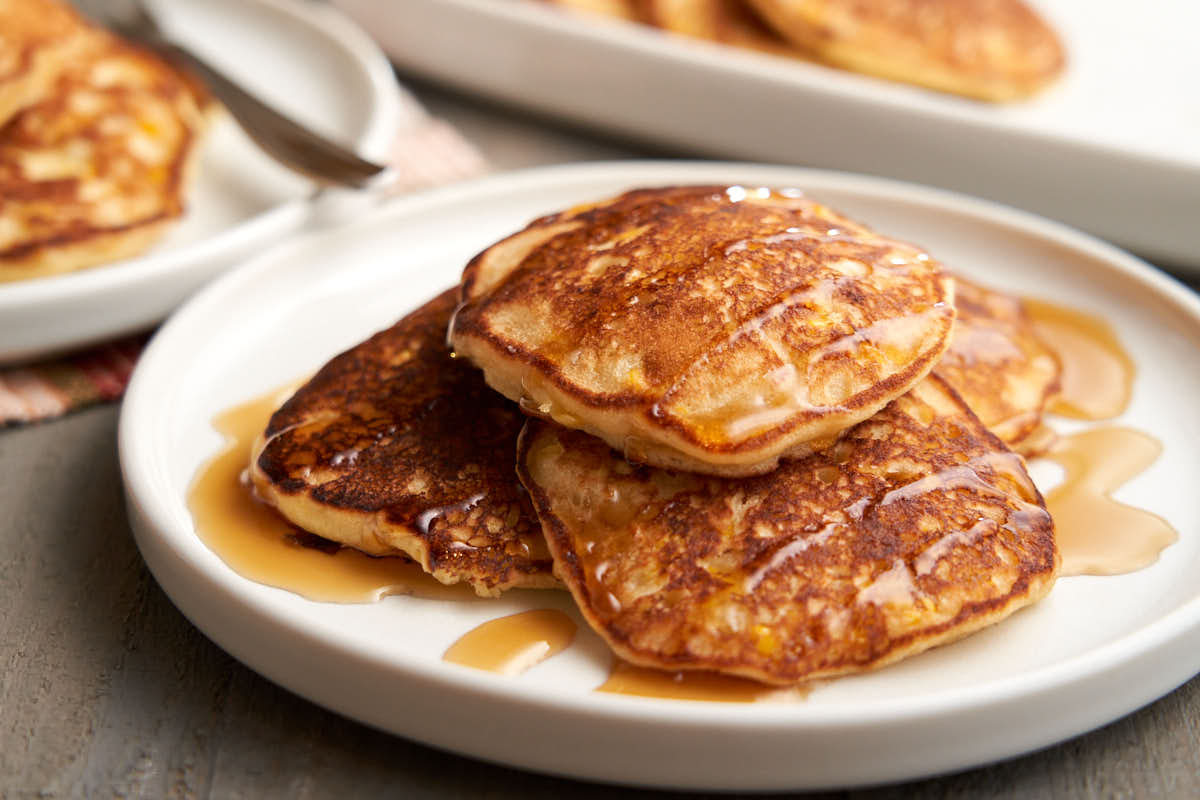
The inclusion of suggestions for additional toppings, such as honey, fruit preserves, or even a dollop of sour cream or crème fraîche, further expands its culinary appeal. While classic pancake toppings like whipped cream or berries might overpower the delicate corn flavor, these alternatives offer complementary notes that enhance, rather than compete with, the pancake’s unique profile.
Broader Implications and Culinary Trends
The popularity of recipes like these corn pancakes reflects a broader trend in the food world: the exploration of comfort food through ingredient innovation and textural experimentation. Consumers are increasingly seeking out dishes that offer a sense of familiarity while simultaneously providing a novel sensory experience. The use of a common pantry staple like cream-style corn in an unexpected way, to create a pancake with a pudding-like texture, exemplifies this trend.

Furthermore, the emphasis on detailed instructions and helpful tips, such as the "two-bowl process" and the importance of heat management, caters to a growing demographic of home cooks who are eager to replicate restaurant-quality dishes in their own kitchens. The accessibility of the ingredients and the relatively straightforward preparation method make this recipe appealing to a wide range of culinary skill levels.
The mention of this recipe being particularly suitable for Thanksgiving morning further underscores its appeal as a festive and comforting dish. It taps into the seasonal culinary traditions while offering a unique twist that can impress guests. The suggestion to explore other breakfast recipes with corn also indicates a growing appreciation for the versatility of this often-underestimated ingredient in breakfast contexts.
In conclusion, the corn pancake recipe detailed by The Worktop offers a compelling example of culinary creativity, transforming a simple pantry staple into a sophisticated and delicious breakfast option. By masterfully blending the textural qualities of corn pudding with the beloved format of a pancake, this recipe provides a unique and satisfying culinary experience that resonates with contemporary food trends and the enduring appeal of comfort food. The detailed preparation advice and serving suggestions further solidify its place as a recipe worth exploring for any adventurous home cook.
