
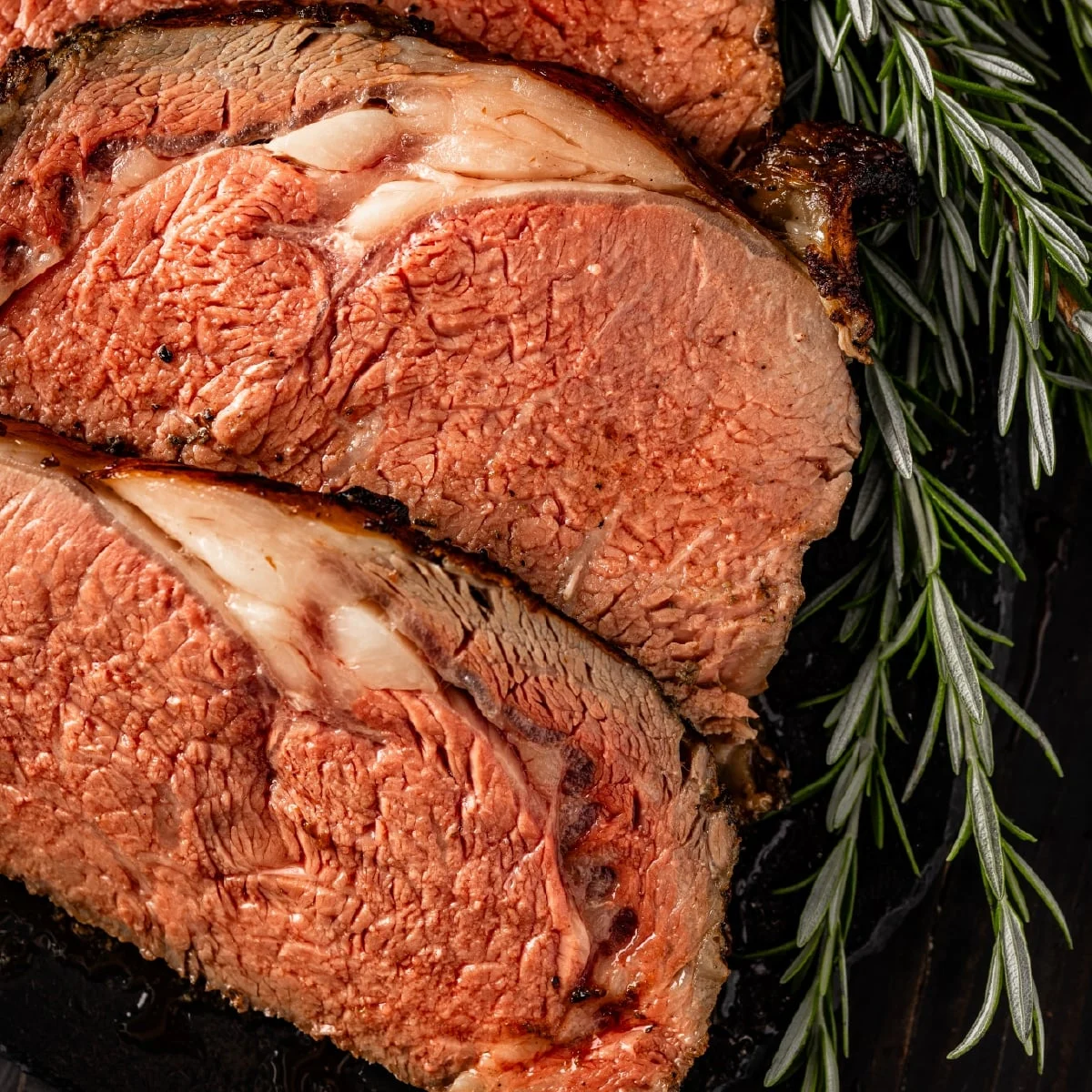
The culinary landscape for home entertainers has undergone a significant transformation with the integration of laboratory-grade technology into the domestic kitchen, specifically through the method of sous vide. As the centerpiece of holiday gatherings and high-end dining, the prime rib roast—historically known as the standing rib roast—represents one of the most significant financial investments a home cook can make in a single protein. The adoption of sous vide, a French term meaning "under vacuum," provides a technical solution to the inherent risks of roasting large, expensive cuts of beef: uneven doneness and moisture loss. By utilizing a temperature-controlled water bath, cooks can ensure a edge-to-edge medium-rare consistency that was previously the exclusive domain of high-end steakhouses.
The Technical Foundations of Sous Vide Prime Rib
The methodology behind sous vide prime rib relies on the principles of thermal equilibrium. Unlike traditional oven roasting, which subjects the exterior of the meat to high temperatures (325°F to 450°F) to drive heat toward the center, sous vide sets the cooking medium to the exact desired final internal temperature. For a perfect medium-rare finish, the water bath is maintained at 129°F (53.9°C).

This precision eliminates the "gray band"—the overcooked outer layer of meat that often occurs in traditional roasting. When a 6-pound roast is submerged in a 129°F environment for a duration of eight hours, the muscle fibers undergo a controlled denaturation. The connective tissues, specifically collagen, begin to soften without the muscle fibers tightening and expelling their intracellular juices, which typically happens at temperatures exceeding 140°F.
Chronology of the Sous Vide Preparation Process
The execution of a professional-grade sous vide prime rib follows a strict chronological sequence designed to maximize flavor penetration and textural integrity.
- Preparation and Seasoning: The process begins with a high-quality beef roast, typically a three- or four-bone prime rib. The meat is coated in a specialized rub, often consisting of kosher salt, cracked black pepper, garlic powder, onion powder, and dried herbs such as rosemary and thyme. The salt serves a dual purpose: seasoning and breaking down the surface proteins to allow for better moisture retention.
- Vacuum Sealing: Once seasoned, the roast is placed in a heavy-duty plastic bag. A vacuum sealer is employed to remove all oxygen, ensuring the bag sinks and that there is direct thermal contact between the water and the meat. For those without professional vacuum equipment, the "water displacement method" using zip-top freezer bags is a viable alternative, utilizing Archimedes’ principle to force air out of the bag as it is lowered into the water.
- The Thermal Bath: The sealed roast is submerged in the water bath, controlled by an immersion circulator. For a standard 6-pound roast, a duration of eight hours is required to ensure the heat has fully penetrated to the geometric center of the meat and held there long enough to achieve the desired texture.
- The Finishing Sear: Upon removal from the water bath, the meat appears unappealingly gray due to the lack of a Maillard reaction (the chemical reaction between amino acids and reducing sugars that gives browned food its distinctive flavor). To rectify this, the roast is patted dry—a critical step, as moisture inhibits browning—and seared quickly at extremely high heat. This can be achieved on a preheated grill, in a cast-iron skillet, or under a high-heat broiler for approximately 5 to 10 minutes.
Market Trends and the Accessibility of Precision Tools
The rise in popularity of sous vide cooking is reflected in global market data. According to industry reports, the global sous vide machine market has seen a Compound Annual Growth Rate (CAGR) of over 5% in recent years. This growth is driven by the decreasing cost of immersion circulators, which have dropped from professional-only price points of $1,000+ to consumer-friendly models ranging from $70 to $200.

Furthermore, the economic implications of using sous vide for prime rib are notable. With USDA Prime and Choice beef prices experiencing volatility, the "insurance" provided by sous vide is attractive to consumers. By eliminating the risk of overcooking a roast that may cost between $100 and $200, the technology pays for itself by preventing food waste and ensuring a restaurant-quality outcome.
Nutritional Profile and Food Safety Analysis
A standard serving of prime rib is nutritionally dense. Data indicates that a typical portion contains approximately 1,362 calories, with 62 grams of protein and 121 grams of fat. While high in saturated fats (50g), it also provides essential minerals such as iron (8mg) and potassium (1,022mg).
From a food safety perspective, the sous vide method often raises questions regarding the "danger zone" (40°F to 140°F) defined by the USDA. However, food scientists note that pasteurization is a function of both temperature and time. While 129°F is below the traditional 145°F recommendation for beef, maintaining that temperature for eight hours is sufficient to significantly reduce pathogen levels, making it a safe practice for healthy adults when using high-quality, intact muscle meats.

Comparative Analysis: Sous Vide vs. Traditional Roasting
The debate between traditionalists and modernists often centers on the "bark" or crust of the meat. Traditional roasting allows for a long, slow dehydration of the exterior, creating a thick, flavorful crust. Sous vide, by contrast, keeps the meat in a 100% humid environment.
To bridge this gap, culinary experts recommend the "reverse sear" or the "post-sous vide sear." By applying a heavy dusting of rub and using fresh aromatics like rosemary and garlic during the final searing phase, cooks can replicate the sensory experience of a traditional roast while maintaining the superior internal texture provided by the water bath.
Statements from Culinary Experts and Industry Leaders
Susie Bulloch, a prominent figure in the outdoor cooking community and founder of Hey Grill Hey, emphasizes the reliability of the method. "When you use the sous vide method to cook prime rib, you guarantee that perfect, medium-rare doneness in every bite," Bulloch states. This sentiment is echoed across the barbecue and grilling industry, where the "revol-que-tion" has seen a merging of low-and-slow smoking techniques with high-tech water bath precision.

Culinary scientists further point out that sous vide is particularly effective for reheating leftovers—a common challenge with prime rib. Traditional reheating methods often overcook the meat, turning a medium-rare slice into a well-done one. Sous vide allows the meat to be brought back to its original cooking temperature (129°F) without further cooking the proteins, preserving the quality of the initial meal.
Broader Impact on Home Entertaining and Holiday Traditions
The integration of sous vide into holiday traditions like Christmas or Easter dinner represents a shift in how hosts manage their time. The "set it and forget it" nature of the immersion circulator frees up oven space for side dishes—a perennial logistical challenge during large family gatherings.
Moreover, the psychological impact on the home cook cannot be overstated. The "holiday hero" phenomenon, as described by enthusiasts, stems from the confidence that the main course will be flawless. As more households adopt these precision tools, the standard for home-cooked festive meals continues to rise, moving away from the guesswork of analog thermometers toward the digital certainty of the 21st-century kitchen.

In conclusion, the sous vide prime rib is more than a recipe; it is an application of food science that democratizes professional culinary results. Through a combination of proper seasoning, vacuum technology, and precise thermal control, the home cook can master one of the most challenging cuts of meat in the carnivorous repertoire. As technology continues to evolve, the barrier between the enthusiast and the executive chef continues to thin, one water bath at a time.
