
The Historical and Culinary Context of Scarpariello
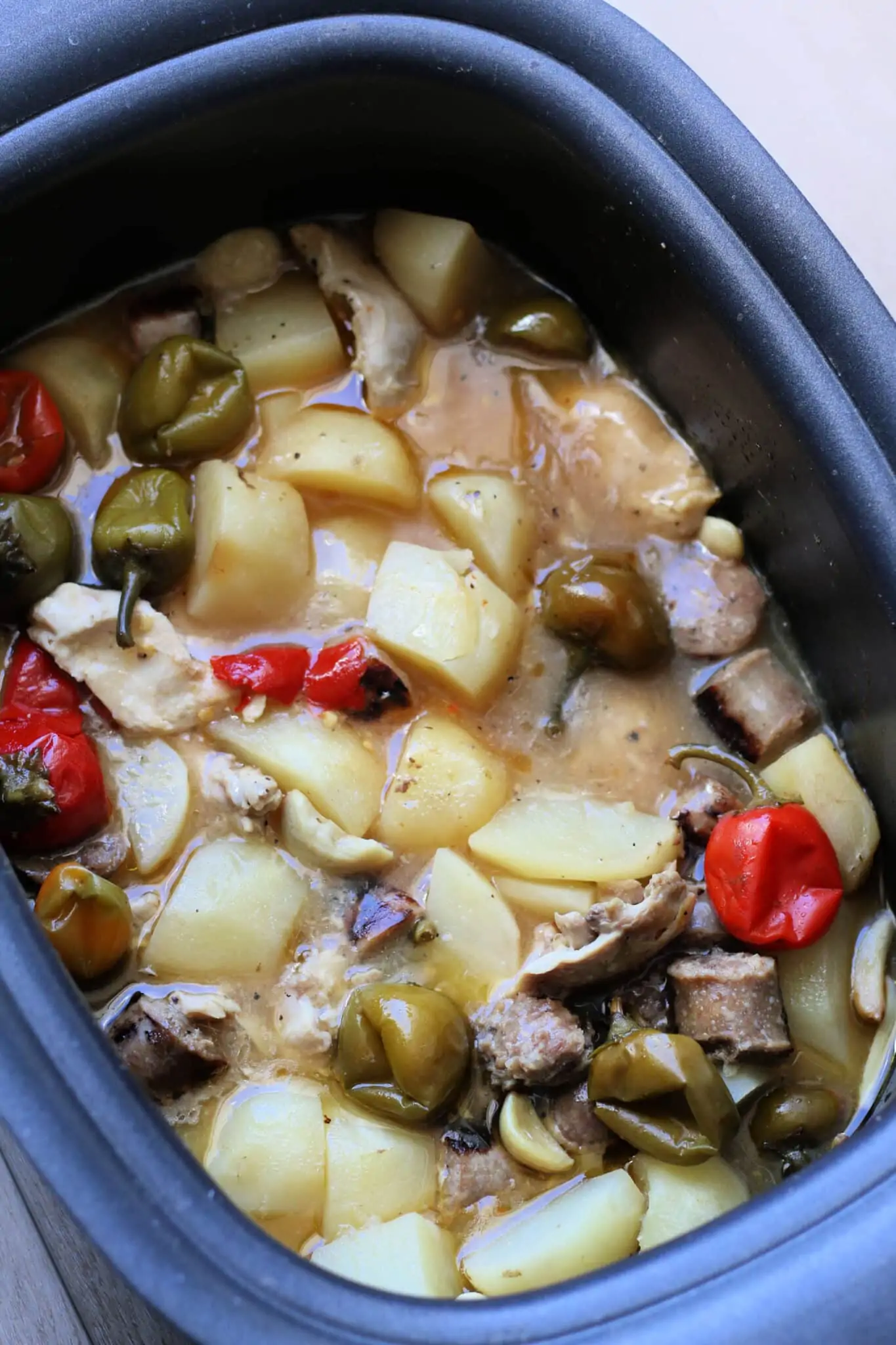
To understand the significance of this slow-cooker adaptation, one must first examine the roots of Chicken Scarpariello. Historically cited as a staple of Italian-American communities, particularly in the Northeastern United States, the name "Scarpariello" translates roughly to "shoemaker’s style." While the exact origin of the name remains a subject of culinary debate, the most widely accepted theory suggests it was a meal so simple and quick that even a busy shoemaker could prepare it between repairs. Traditionally, the dish is characterized by a sharp, acidic sauce made from vinegar-brined peppers, often sautéed in a skillet with bone-in chicken pieces and sliced sausage.
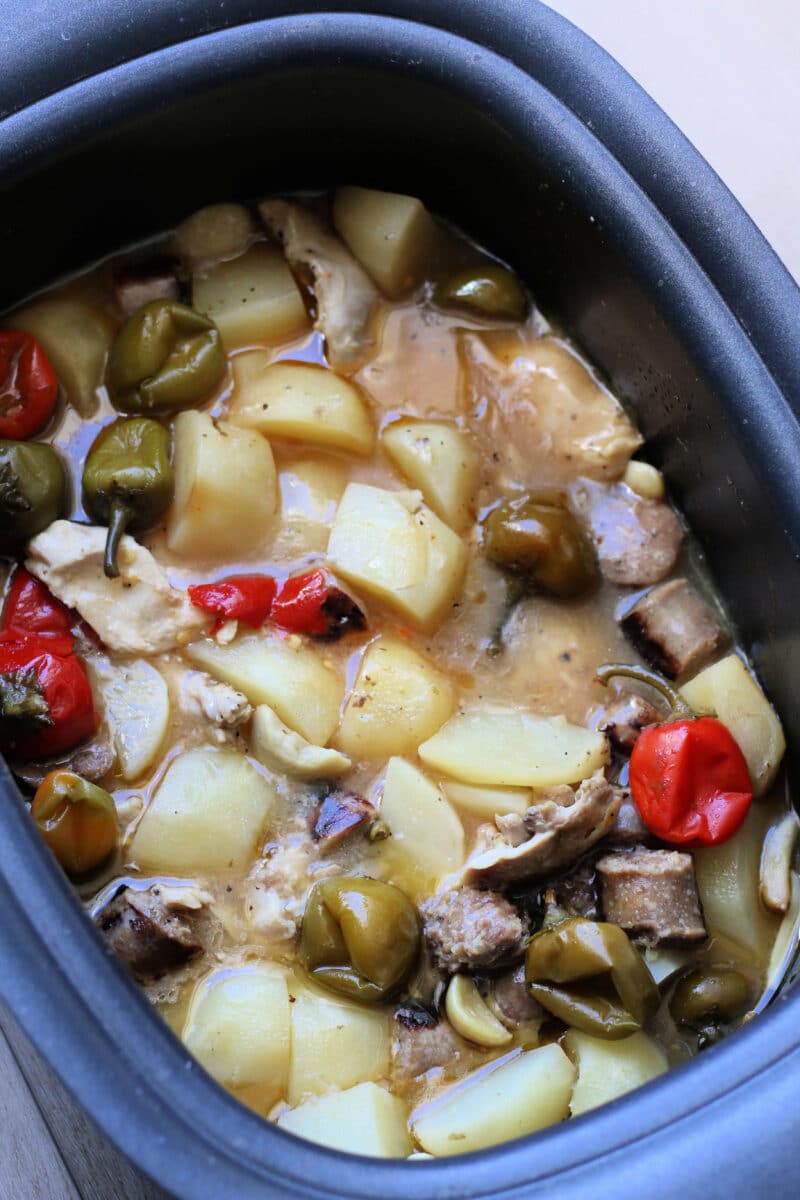
The transition of this dish from a high-heat skillet preparation to a low-heat slow cooker environment marks a shift in domestic kitchen science. In a traditional skillet version, the acidity of the peppers provides a bright contrast to the rendered fat of the chicken and sausage. In the slow cooker version, this acidity serves a dual purpose: it acts as a tenderizing agent for the poultry over several hours while simultaneously providing the primary cooking liquid. This eliminates the need for additional broths or stocks, which can sometimes dilute the punchy flavors that define the dish.

Culinary Mechanics: The Role of Piquant Ingredients
The hallmark of this specific iteration is the use of cherry peppers and an unusually high volume of garlic. While twenty cloves of garlic might appear excessive to the casual cook, the chemical transformation that occurs during a three-to-four-hour braise is foundational to the dish’s success. Raw garlic contains allicin, the compound responsible for its pungent and biting flavor. However, prolonged exposure to gentle heat breaks down these compounds, converting the sharp bite into a mellow, buttery sweetness that integrates into the surrounding sauce.
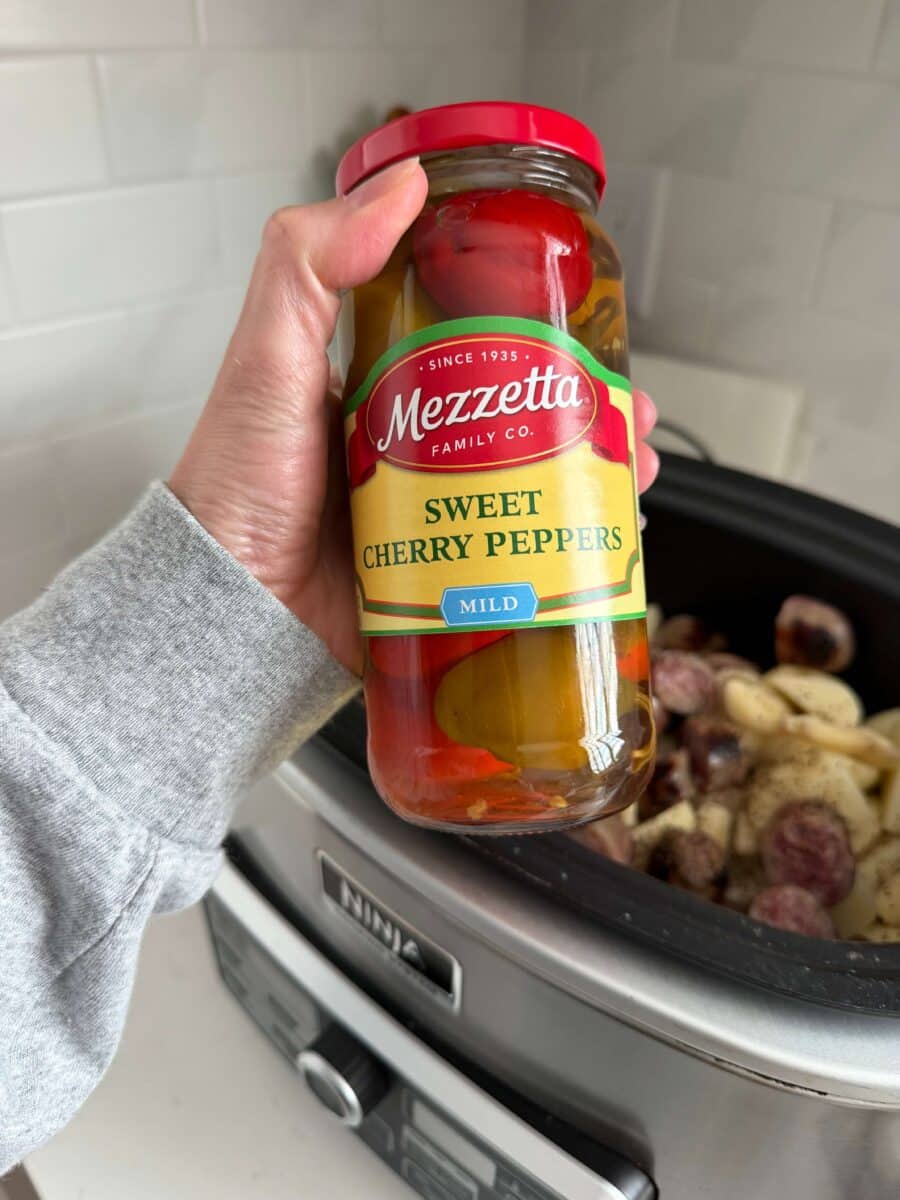
Furthermore, the cherry peppers act as the "star" of the recipe. By utilizing both the peppers and the juice from the jar, the cook introduces a complex profile of salt, vinegar, and heat. This acidity is crucial for balancing the richness of the Italian sausage and the starchiness of the potatoes. From a food science perspective, the vinegar in the pepper brine helps to break down the connective tissues in the chicken, ensuring a "fall-off-the-bone" texture that is highly sought after in slow-cooker preparations.
A Chronology of Preparation and Execution
The execution of Chicken Scarpariello follows a logical sequence designed to maximize flavor while minimizing active kitchen time. The process is divided into a brief searing phase followed by a prolonged braising phase.
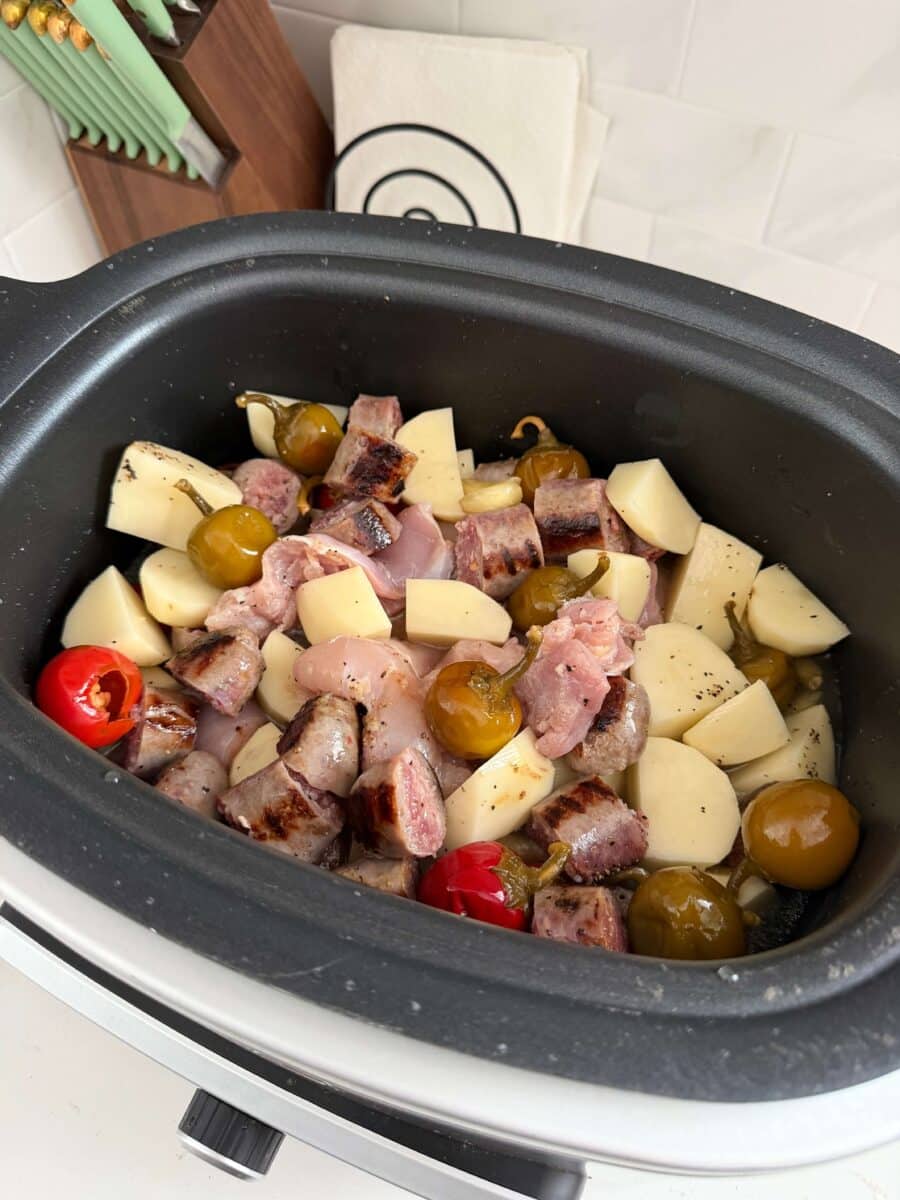
- The Searing Phase: The process begins with the browning of the Italian sausage links in olive oil over medium-high heat. This step, which takes approximately six minutes, is the only active cooking required before the slow cooker takes over. This phase is critical because the Maillard reaction—the chemical reaction between amino acids and reducing sugars that gives browned food its distinctive flavor—cannot be effectively achieved within the moist environment of a slow cooker.
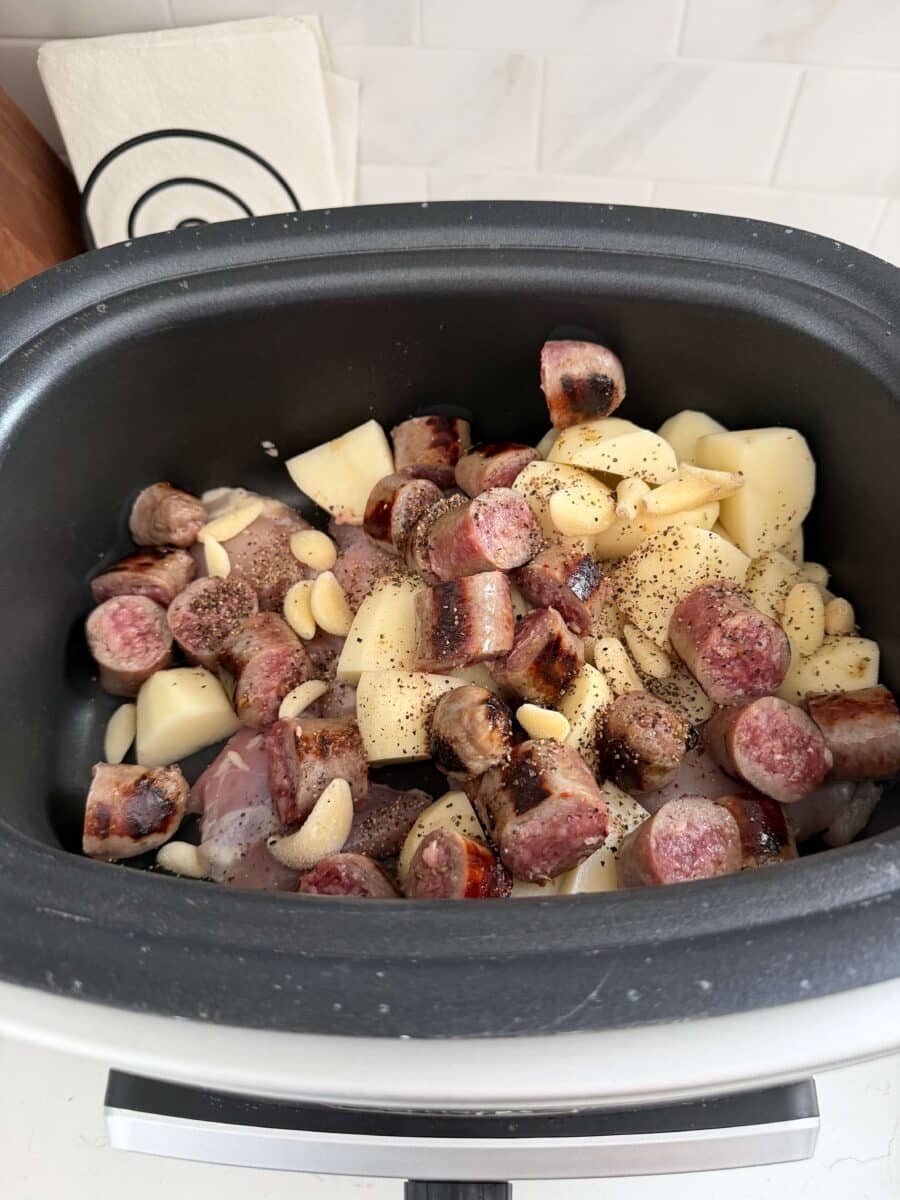
- The Assembly Phase: Following the searing, the sausage is sliced into one-inch rounds. These are added to the slow cooker along with baby potatoes, chicken thighs or breasts, twenty whole garlic cloves, and a full jar of tangy cherry peppers including the liquid.
- The Braising Phase: The unit is set to a low temperature for a duration of three to four hours. During this window, the chicken reaches its safe internal temperature, the potatoes soften, and the garlic cloves reach a "melt-in-the-mouth" consistency.
- The Thickening Phase: Ten minutes before serving, a slurry of cornstarch and water is introduced. This final step transforms the thin cooking liquid into a velvety sauce that coats the meat and vegetables, providing a more cohesive mouthfeel.
Supporting Data: The Rise of the One-Pot Economy
The popularity of recipes like Chicken Scarpariello is supported by broader economic and social data regarding American eating habits. According to market research, the "multicooker" and slow cooker market has seen sustained growth over the last decade, with an estimated 80% of U.S. households owning at least one slow-cooking appliance. This trend is driven by the rising cost of dining out and a simultaneous decrease in the amount of time families have to dedicate to evening meal preparation.

Furthermore, "dump-and-go" recipes—those requiring almost no preparation beyond placing ingredients in a pot—have become a dominant sub-genre of culinary media. The Chicken Scarpariello recipe fits perfectly into this "efficiency-first" model. By utilizing pre-packaged pantry staples like jarred peppers and sausages, the recipe reduces the "barrier to entry" for home cooks who might otherwise avoid traditional Italian recipes that require multiple pans and complex timing.

Inferred Reactions and Domestic Impact
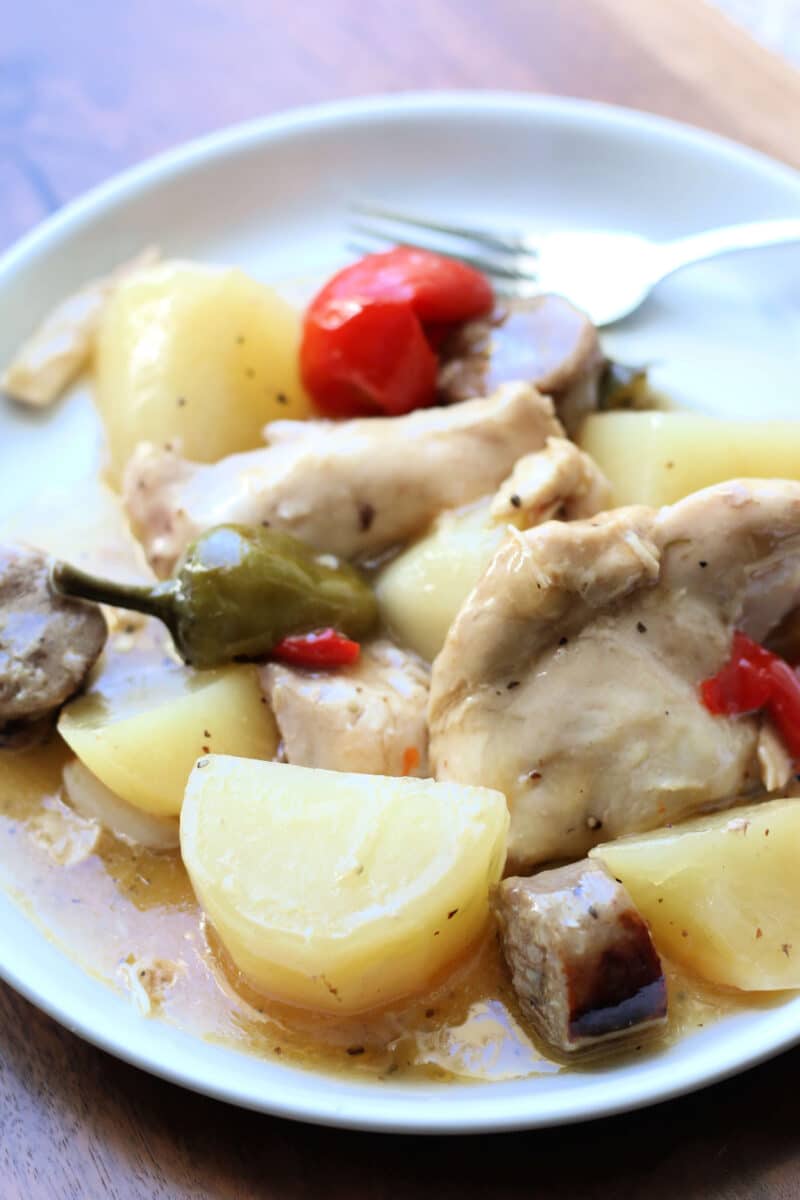
While official critical reviews of specific home-kitchen recipes are rare, user engagement and anecdotal evidence suggest a high level of satisfaction with this flavor profile. In domestic settings, the reaction to the dish often centers on the surprising mellowing of the garlic and the smoky depth provided by the sausage. For example, observations from testers indicate that the Italian sausage often becomes the most coveted element of the meal, absorbing the piquant juice of the cherry peppers.
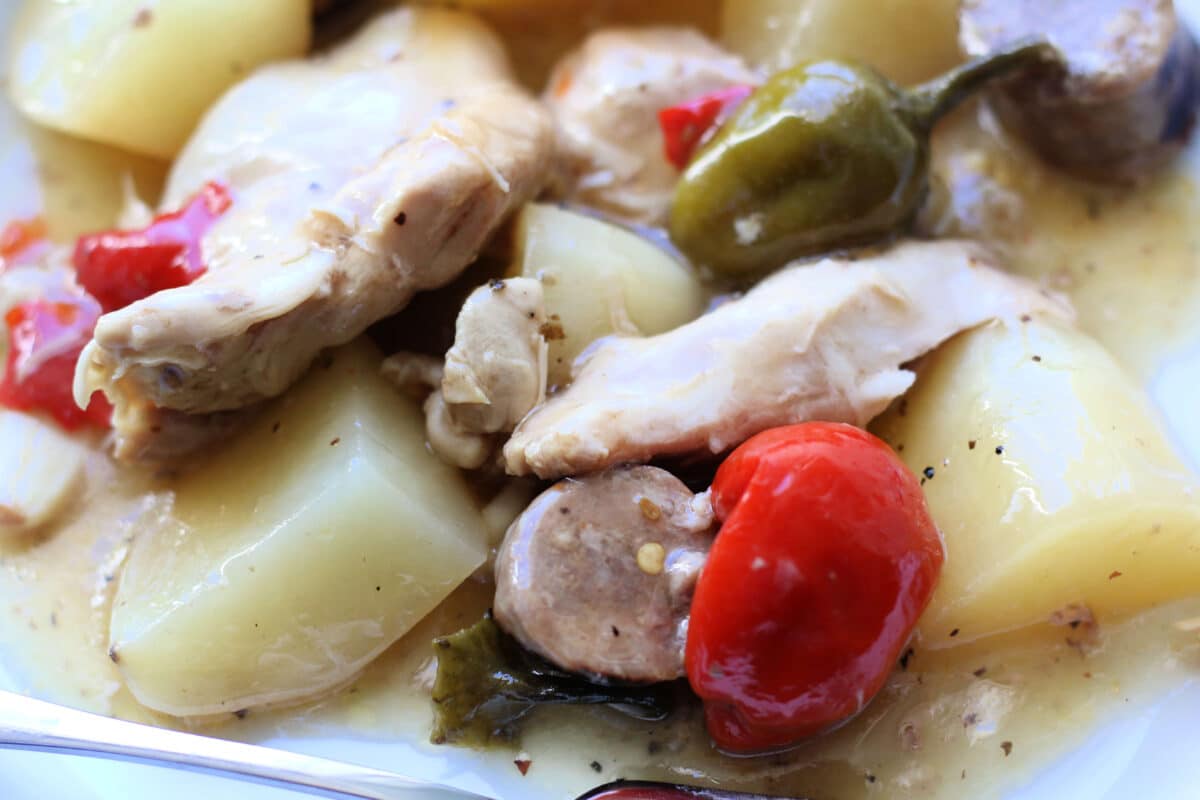
The dish also addresses a common complaint regarding slow-cooker meals: the tendency for flavors to become "muddled" or "bland" after hours of cooking. Because this recipe relies on high-acid and high-aromatic ingredients (vinegar and garlic), the final product maintains a vibrant, sharp profile that distinguishes it from the more common cream-based or tomato-heavy slow-cooker stews.
Broader Implications for Modern Meal Planning
The success of Chicken Scarpariello in a slow-cooker format has broader implications for how traditional ethnic cuisines are preserved and adapted. There is often a tension between "authenticity" and "accessibility" in the culinary world. Purists might argue that Scarpariello must be fried in a pan to achieve the correct texture. However, the adaptation of the dish for a slow cooker ensures that the flavor profile remains part of the modern culinary lexicon.
This recipe also highlights the importance of "pantry-power" ingredients. The ability to create a high-quality dinner using a jar of peppers, a package of sausage, and a head of garlic speaks to a more sustainable and budget-friendly way of eating. It encourages home cooks to look toward high-impact flavor agents rather than expensive cuts of meat or labor-intensive techniques.
Analysis of Nutritional and Seasonal Versatility
From a nutritional standpoint, the dish provides a balanced distribution of macronutrients. The chicken and sausage offer high protein content, while the potatoes provide necessary carbohydrates. The inclusion of twenty garlic cloves also adds a significant boost of antioxidants and sulfur compounds, which are associated with various health benefits, including improved cardiovascular health and immune support.

Seasonally, Chicken Scarpariello occupies a unique niche. While it is a "warm" and "comforting" meal suitable for winter months, the brightness of the vinegar and the heat of the peppers provide a light, zesty quality that makes it appropriate for spring or even summer dining. It avoids the heaviness of traditional beef stews while remaining more substantial than a standard chicken salad or pasta dish.

Conclusion
Chicken Scarpariello, as presented in this slow-cooker format, is more than just a convenient dinner option; it is a testament to the enduring nature of Italian-American flavor profiles and their ability to evolve with technological changes in the kitchen. By focusing on the synergy between acidity, fat, and slow-cooked aromatics, the dish provides a restaurant-quality experience with a fraction of the traditional effort. As the "one-pot" cooking movement continues to grow, adaptations such as these will likely remain at the forefront of the domestic culinary landscape, proving that convenience does not have to come at the expense of complex, historical flavor.
