
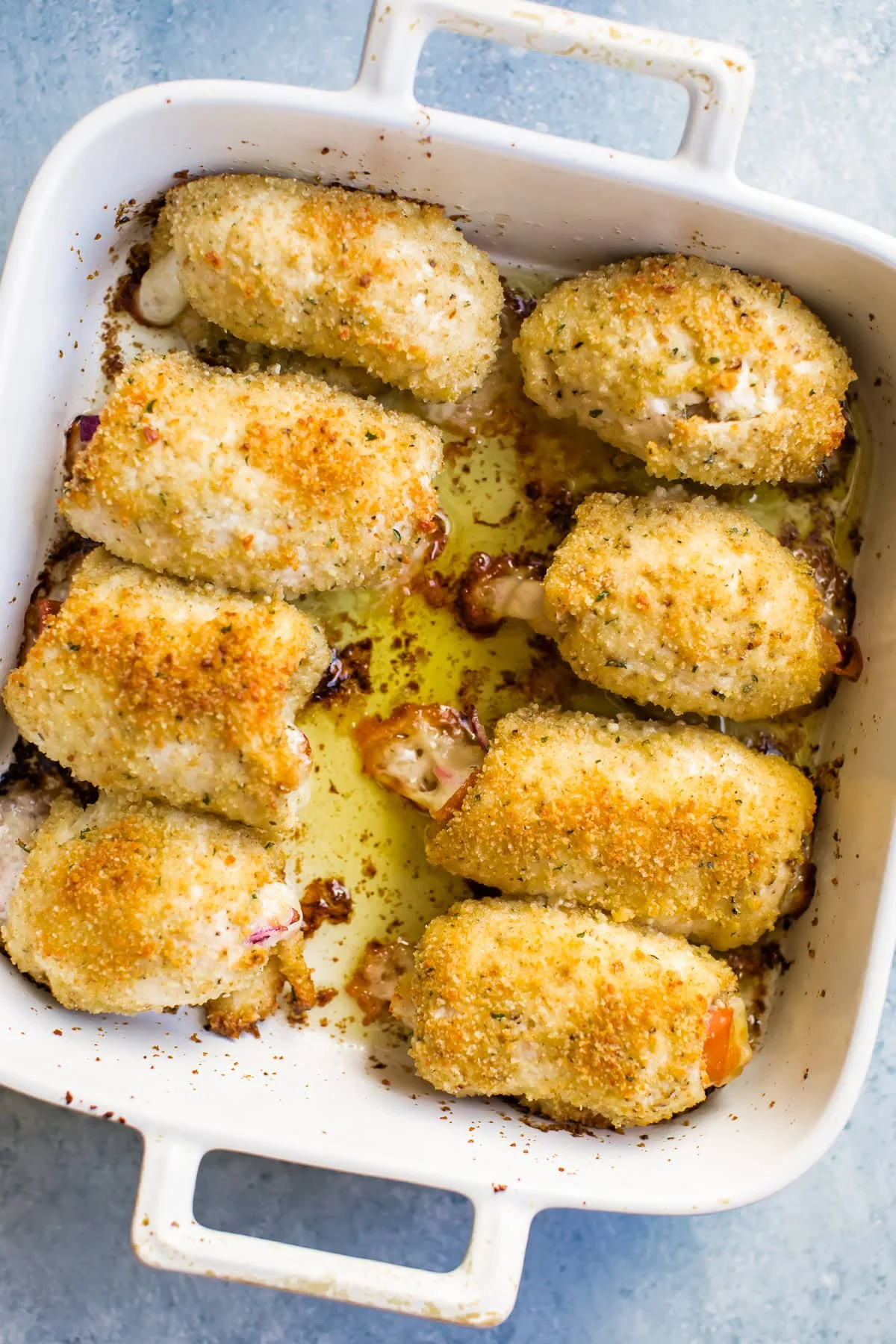
The Evolution of the Rollatini Technique
The culinary technique known as "rollatini" traditionally refers to thin slices of meat—often veal or chicken—that are rolled around a filling, typically consisting of cheese, herbs, or cured meats. While the method has roots in Italian-American cuisine, it has undergone significant refinement in the 21st century. The specific iteration featuring prosciutto and provolone gained prominence in the home-cooking community around 2011, as home chefs began seeking ways to elevate standard chicken breast preparations beyond simple grilling or pan-searing.
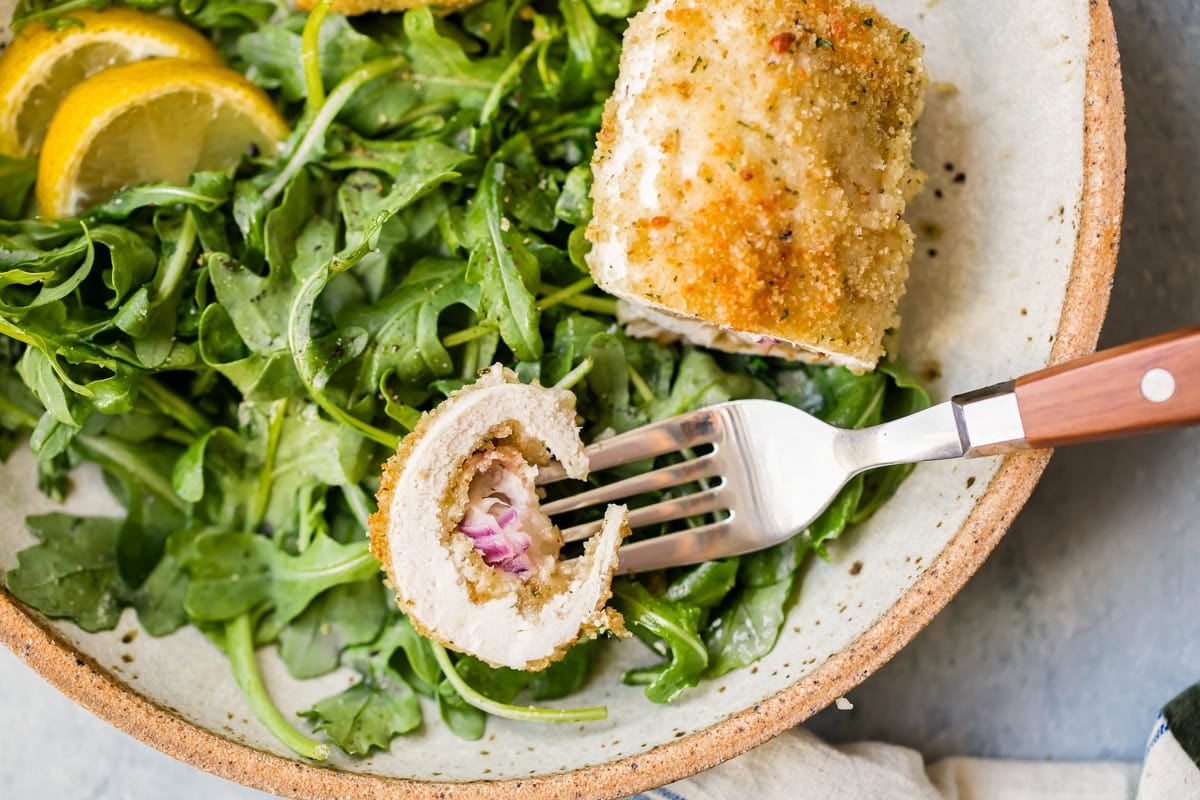
The dish’s success is largely attributed to the interplay of textures and the strategic use of moisture-retaining ingredients. By incorporating cured pork and semi-hard cheese inside the protein, the internal temperature of the chicken remains consistent during the baking process, effectively preventing the dryness often associated with lean poultry.
Culinary Methodology and Technical Refinement
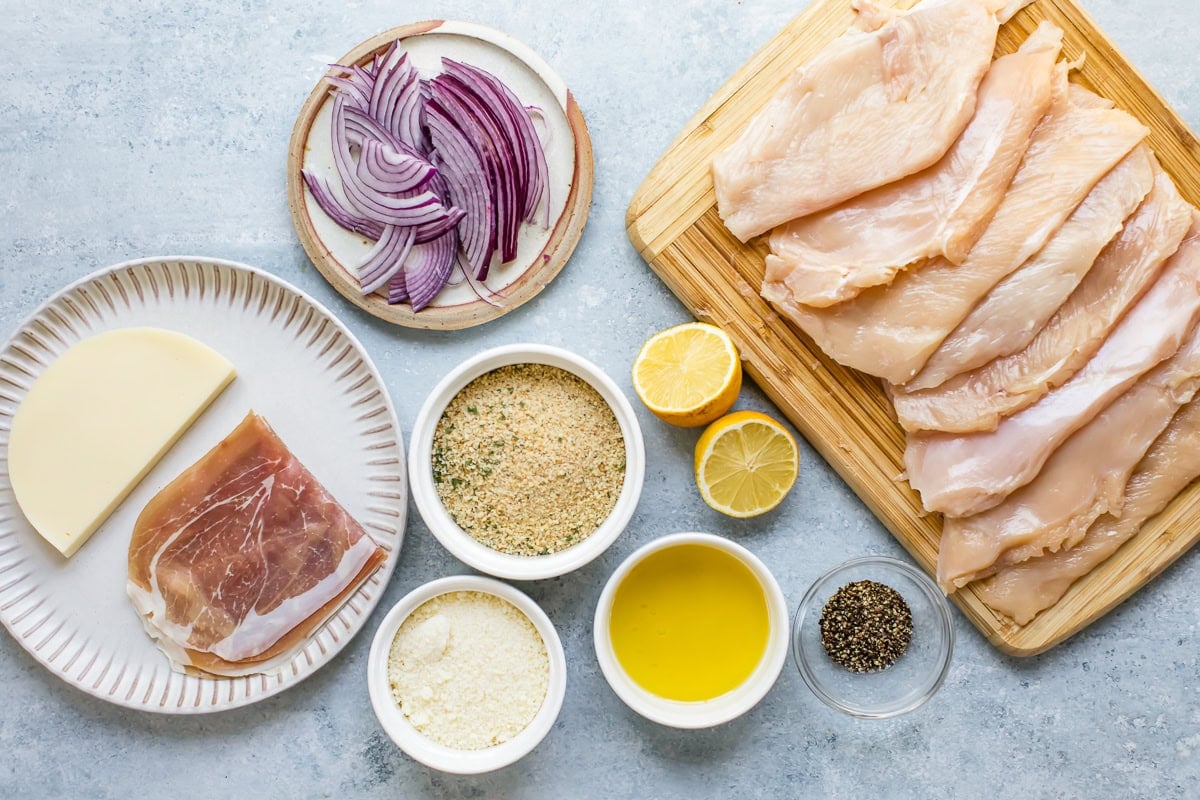
The preparation of this dish requires precision in handling the protein. Culinary professionals emphasize the importance of pounding the chicken cutlets to a uniform thickness, typically around a quarter-inch, to ensure that the roll remains tight and cooks evenly throughout. The selection of ingredients is equally critical; the saltiness of the prosciutto balances the mild, creamy profile of the provolone, while the addition of finely diced red onion provides a sharp, aromatic contrast.
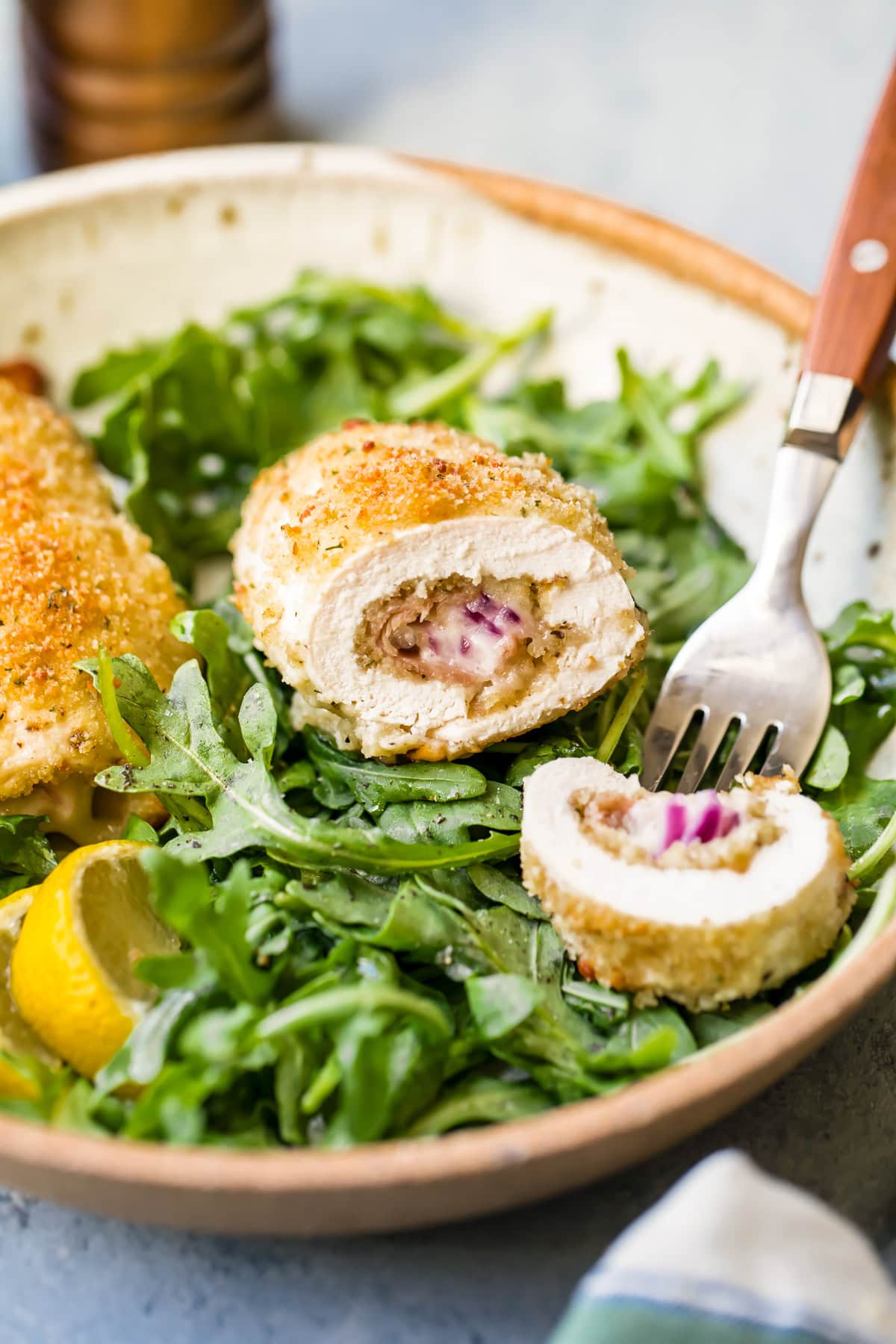
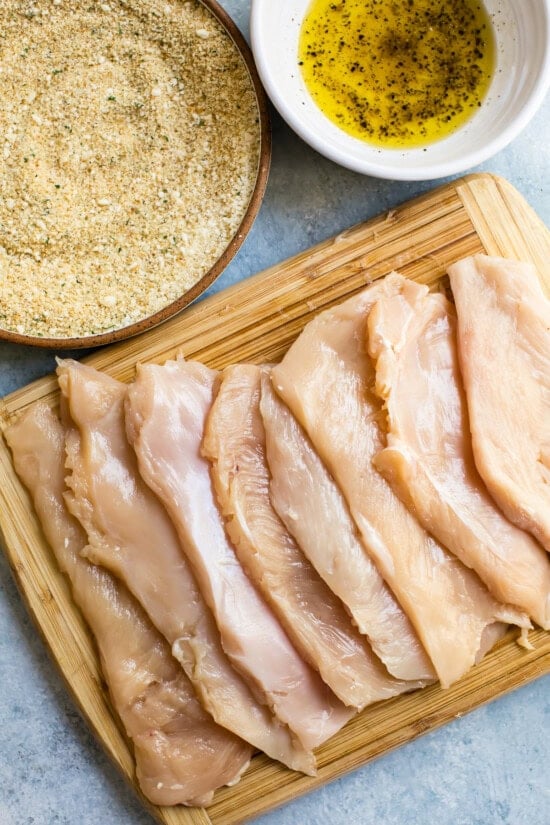
One notable departure from classic breading techniques is the replacement of the traditional egg-wash binder with a combination of extra virgin olive oil and fresh lemon juice. This adjustment serves two purposes: first, the acidity of the lemon juice acts as a mild tenderizer for the meat; second, the olive oil provides a lipid base that promotes the Maillard reaction in the oven, resulting in a golden-brown crust without the need for deep-frying.
Nutritional Profile and Dietary Implications
From a nutritional standpoint, the dish provides a high-protein intake, which is essential for muscle repair and satiety. Based on standardized laboratory analysis of the recipe, a serving of two pieces contains approximately 413 kilocalories. The breakdown includes 49 grams of protein, 17 grams of fat, and 10 grams of carbohydrates.

The inclusion of prosciutto, while flavor-forward, contributes to the sodium content of the dish, which registers at approximately 899 milligrams per serving. Nutritionists often advise pairing this dish with fiber-rich sides, such as an arugula or tomato salad, to balance the glycemic load and increase the intake of micronutrients like Vitamin C and potassium. The shift toward baking rather than frying also marks a significant reduction in trans-fats and overall caloric density, aligning with broader public health initiatives aimed at promoting heart-healthy home cooking.
Chronology of Culinary Adoption
The rise of the "baked" version of this recipe can be traced through the archives of digital culinary platforms over the last decade. Between 2011 and 2015, there was a measurable shift in search trends toward "easy, healthy dinner" solutions. During this period, the Chicken Rollatini model moved from restaurant-only menus to home kitchens, facilitated by the widespread availability of step-by-step instructional photography and the emergence of specialized kitchen gadgets.
By 2020, the integration of air-fryer technology into residential kitchens added a new dimension to the recipe. Data indicates that adapting the rollatini for the air fryer—cooking at 400°F for approximately 12 minutes—has reduced the preparation time for the average household, further cementing the dish’s status as a weeknight favorite.
Industrial Impact on Home Meal Planning
The popularity of recipes like the Chicken Rollatini with Prosciutto and Cheese reflects a broader trend in the food industry: the "premiumization" of the home kitchen. Consumers are increasingly willing to invest in high-quality cured meats and artisanal cheeses to replicate restaurant-quality experiences at home.

Industry analysts observe that this behavior shift is driven by the rising cost of dining out, which has incentivized households to seek out "special occasion" recipes that utilize relatively inexpensive primary ingredients like chicken breast. By applying professional techniques—such as rolling and stuffing—to budget-friendly proteins, households can achieve a high culinary output with minimal financial overhead.
Expert Recommendations for Preparation
To maintain the integrity of the dish, culinary experts highlight three essential procedural rules:
- Uniformity: The use of a meat mallet to ensure consistent thickness is non-negotiable. Variations in thickness lead to uneven cooking, where one part of the chicken may be overcooked while the other remains under-prepared.
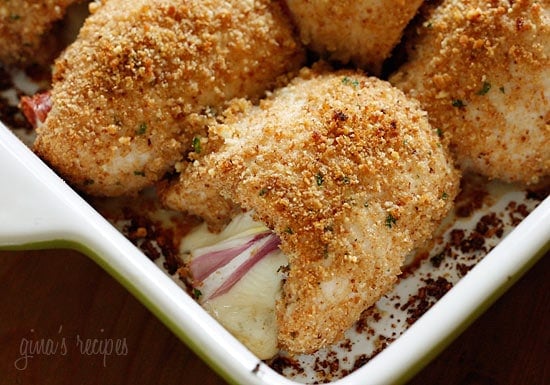
- Seam Management: When assembling, the roll must be placed "seam-side down" on the baking sheet. This allows the heat to seal the roll before the cheese reaches its melting point, preventing the filling from leaking.
- Resting Period: Much like larger cuts of meat, the rollatini benefits from a three-to-five-minute resting period post-oven. This allows the juices to redistribute throughout the protein, ensuring that the final bite is as succulent as the first.
Broader Implications for Culinary Education
The endurance of this recipe in digital databases speaks to the effectiveness of clear, visual-heavy instruction. As food media continues to evolve, the reliance on high-resolution photography and precise, time-stamped cooking instructions has become the gold standard. The success of this specific dish demonstrates that when complex-sounding culinary terms (like "rollatini") are paired with approachable, simple methods, the barrier to entry for the home cook is lowered.
Furthermore, the recipe serves as a base for experimentation. Culinary creators often suggest variations, such as incorporating spinach into the filling for added iron or utilizing different cheeses like mozzarella or fontina. This flexibility allows the recipe to remain relevant across varying consumer tastes and dietary trends, ranging from low-carb diets to Mediterranean-style eating patterns.
Future Outlook
As technology continues to influence how we interact with food, the Chicken Rollatini remains a reliable benchmark for balanced, high-protein meals. The ongoing integration of smart-oven features and air-frying capabilities will likely continue to optimize the cooking time, making it even more efficient for the modern, time-pressed consumer. Whether served alongside a simple salad or more complex sides like risotto, the dish remains a definitive example of how basic kitchen staples can be transformed through technique into a meal that is both nutritious and indulgent.
The legacy of such recipes is found in their repeatability and their ability to bridge the gap between amateur cooking and professional presentation. By continuing to prioritize fresh, high-quality ingredients and simple, effective methods, the home kitchen remains the most vital space for nutritional and culinary innovation.
