
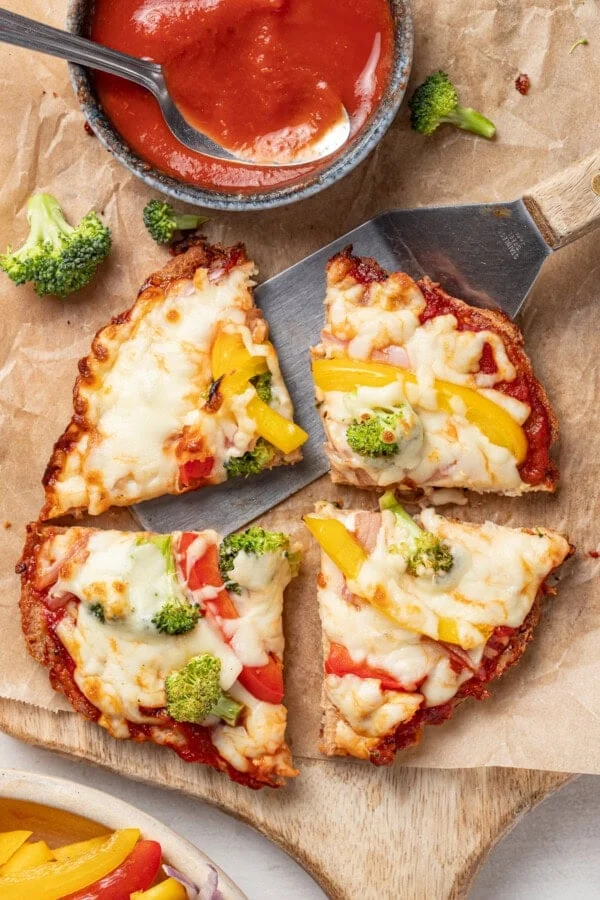
The culinary landscape is continually evolving, driven by health-conscious consumers and the pervasive influence of social media trends. Amidst this dynamic environment, a novel dish has emerged, capturing widespread attention for its innovative approach to a beloved comfort food: the chicken crust pizza. This high-protein alternative replaces traditional flour-based dough with a savory crust composed primarily of ground chicken and Parmesan cheese, offering a compelling option for those seeking gluten-free, low-carbohydrate, or protein-rich meal solutions without sacrificing flavor or the quintessential pizza experience.
The Genesis of Alternative Crusts and the Rise of Chicken Pizza
The concept of alternative pizza crusts is not new. For years, individuals adhering to specific dietary regimens, such as ketogenic (keto), paleo, or gluten-free diets, have experimented with unconventional bases. Cauliflower crusts, zucchini crusts, and even portobello mushroom caps have served as ingenious foundations for pizza toppings, each offering a distinct texture and nutritional profile. These innovations stemmed from a growing demand for healthier versions of comfort foods, allowing consumers to enjoy their favorite dishes while adhering to dietary restrictions or health goals.
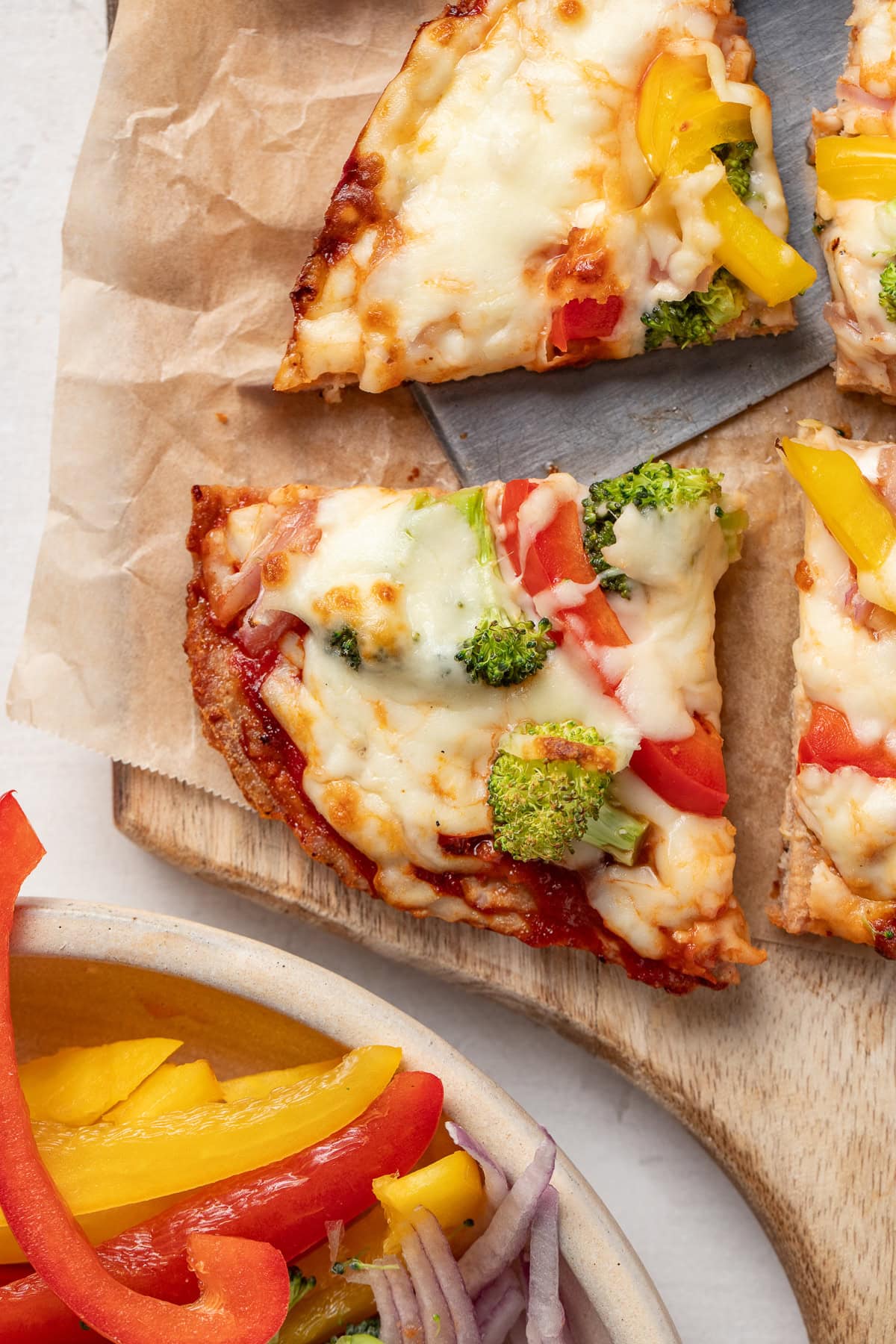
The chicken crust pizza represents a significant evolution in this trend, shifting from vegetable-based alternatives to a meat-centric foundation. While cauliflower crusts offer a vegetable boost and lower calories, the chicken crust elevates the protein content dramatically, appealing directly to those prioritizing macronutrient intake for satiety, muscle building, or weight management. Its ascent on platforms like TikTok, Instagram, and Pinterest highlights a broader shift in food culture, where viral recipes can quickly transform niche dietary hacks into mainstream culinary phenomena. The simplicity of its core ingredients—ground chicken, Parmesan, and seasonings—combined with the promise of a satisfying pizza experience, has fueled its rapid popularization across various online communities.
Deconstructing the Innovation: Ingredients and Preparation
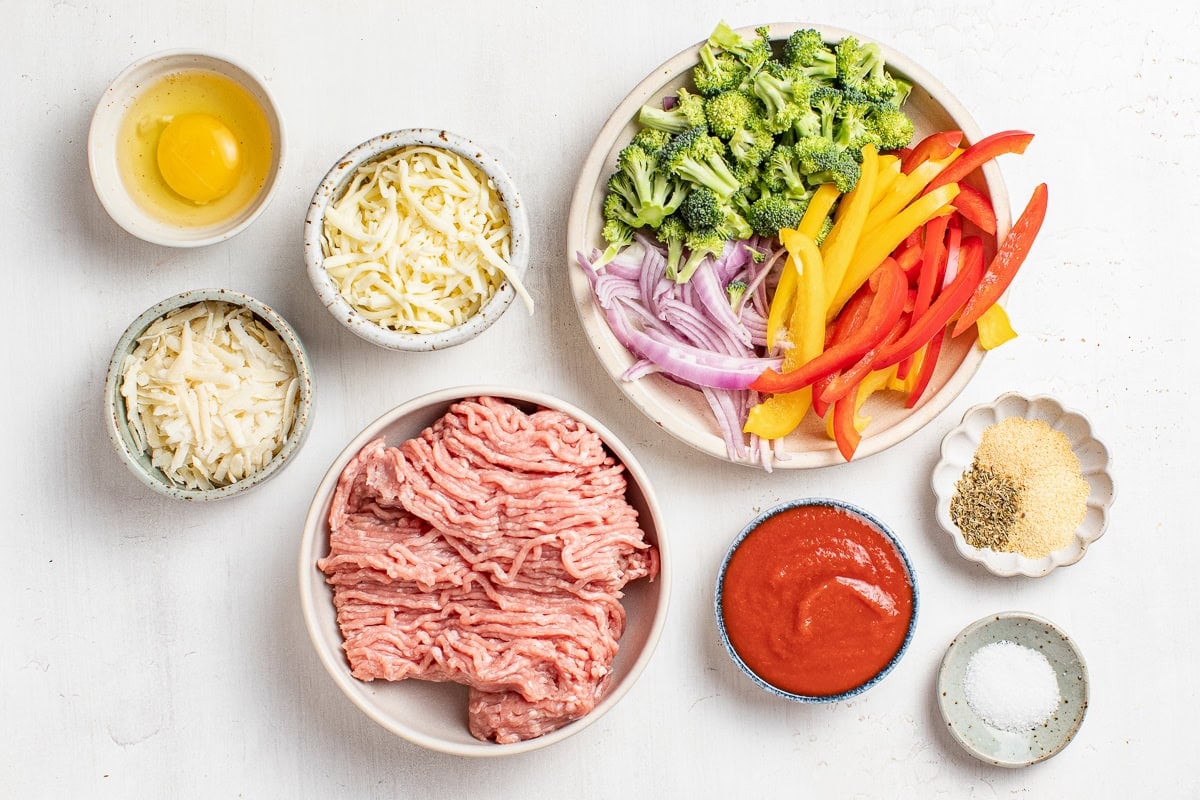
At its core, the chicken crust pizza is an exercise in minimalist innovation. The crust, entirely devoid of traditional flour, is crafted from seasoned ground chicken and grated Parmesan cheese. This combination not only binds the crust together but also imparts a rich, savory flavor that complements various pizza toppings. Key to its success is the selection of quality ground chicken, with leaner options generally preferred to minimize excess moisture, which can lead to a soggy crust. Common seasonings often include garlic powder, onion powder, Italian herbs, and salt, enhancing the chicken’s natural flavor and creating a robust base.
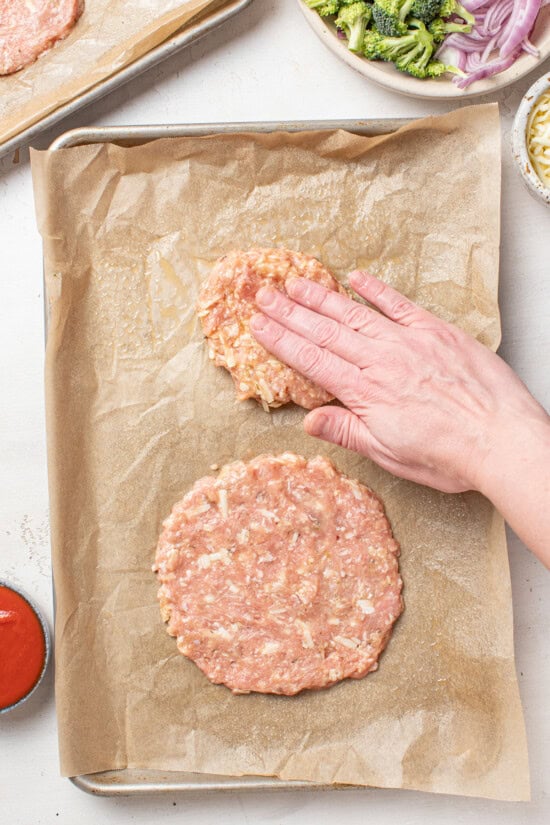
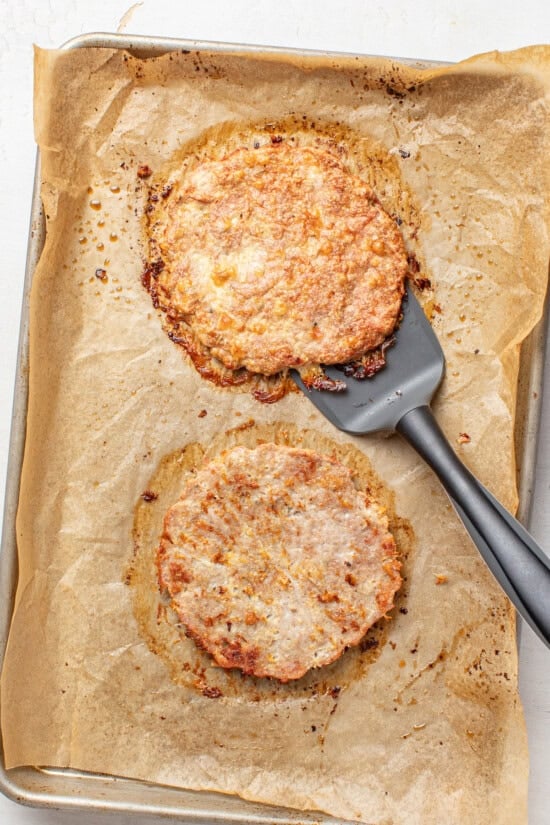
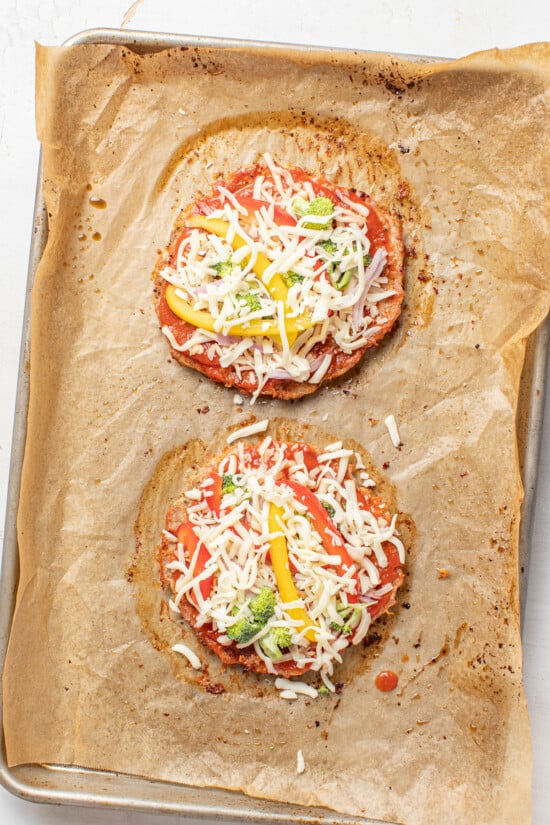
The preparation process is critical to achieving the desired texture and structural integrity. Unlike traditional dough that requires kneading and rising, the chicken crust involves pressing the seasoned chicken mixture onto a baking sheet, typically lined with parchment paper, into a thin, uniform disc—approximately ¼-inch thick. This initial shaping is crucial, as an overly thick crust may not cook through evenly or achieve crispness. The crust then undergoes a two-stage baking process. The first bake, without any toppings, is designed to cook the chicken thoroughly, firm up the crust, and, importantly, allow any excess moisture to evaporate or render out. This step is paramount in preventing a soggy final product. Once the crust is golden and firm, it is removed from the oven, topped with sauce, cheese, and desired ingredients, and then returned for a second bake until the cheese is melted and bubbly, and the toppings are heated through. This methodical approach ensures a tender interior with satisfyingly crisp edges, closely mimicking the textural appeal of a well-made conventional pizza.
Nutritional Profile and Dietary Advantages
The primary appeal of chicken crust pizza lies in its impressive nutritional profile, particularly its high protein content and low carbohydrate count, making it a powerful contender in the realm of healthy comfort foods. A single serving (one pizza, as per the provided data) offers approximately 287 calories, a stark contrast to a typical slice of conventional pepperoni pizza, which can range from 300-400 calories for a single slice, and a whole small pizza easily exceeding 1000 calories.
The most striking difference lies in the macronutrient breakdown. The chicken crust pizza boasts an impressive 34 grams of protein per serving. This is significantly higher than most traditional pizzas, where protein content, even with meat toppings, often hovers around 12-18 grams per slice. High-protein meals are widely recognized by nutritionists for their ability to promote satiety, helping individuals feel fuller for longer and potentially reducing overall caloric intake. This makes chicken crust pizza an excellent option for those managing weight, building muscle, or simply looking to increase their protein intake.
Furthermore, with only 7 grams of carbohydrates per serving, this pizza is a game-changer for individuals following low-carb, ketogenic, or paleo diets. Traditional pizza crusts, made from refined wheat flour, are typically carbohydrate-dense, with a single slice often containing 30-40 grams of carbohydrates. The drastic reduction in carbohydrates in the chicken crust version makes it a viable and enjoyable option for maintaining ketosis or managing blood sugar levels.

The fat content, at 14.5 grams (6 grams saturated fat), is comparable to or even lower than many traditional pizzas, especially when considering the leaner ground chicken used. The inclusion of Parmesan cheese contributes to both flavor and fat, but its overall impact is balanced by the lean protein base. With 152 mg of cholesterol and 856.5 mg of sodium, these values are important considerations for individuals monitoring intake for cardiovascular health, though they remain within reasonable limits for a meal, especially when compared to processed convenience foods. The 2 grams of fiber and 2.5 grams of sugar further round out its nutritional benefits, particularly when loaded with additional vegetable toppings.
In essence, the chicken crust pizza transforms a typically carb-heavy, occasional indulgence into a nutritionally robust, high-protein meal that aligns with a variety of modern dietary preferences, showcasing a significant advancement in healthier eating without compromising on the joy of pizza.
Culinary Versatility and Customization
Beyond its nutritional merits, the chicken crust pizza shines in its remarkable culinary versatility. The neutral yet savory base of chicken and Parmesan provides a robust canvas for an endless array of toppings, allowing for personalized creations that cater to diverse palates and dietary needs. This adaptability is a key factor in its widespread appeal, as it empowers home cooks to experiment and make the dish truly their own.

For those who appreciate the classics, a simple application of marinara sauce, fresh mozzarella, and a sprinkle of dried oregano can evoke the familiar taste of a traditional Margherita or Neapolitan pizza. Adding slices of lean pepperoni or cooked sausage maintains the high-protein theme while delivering classic flavors.
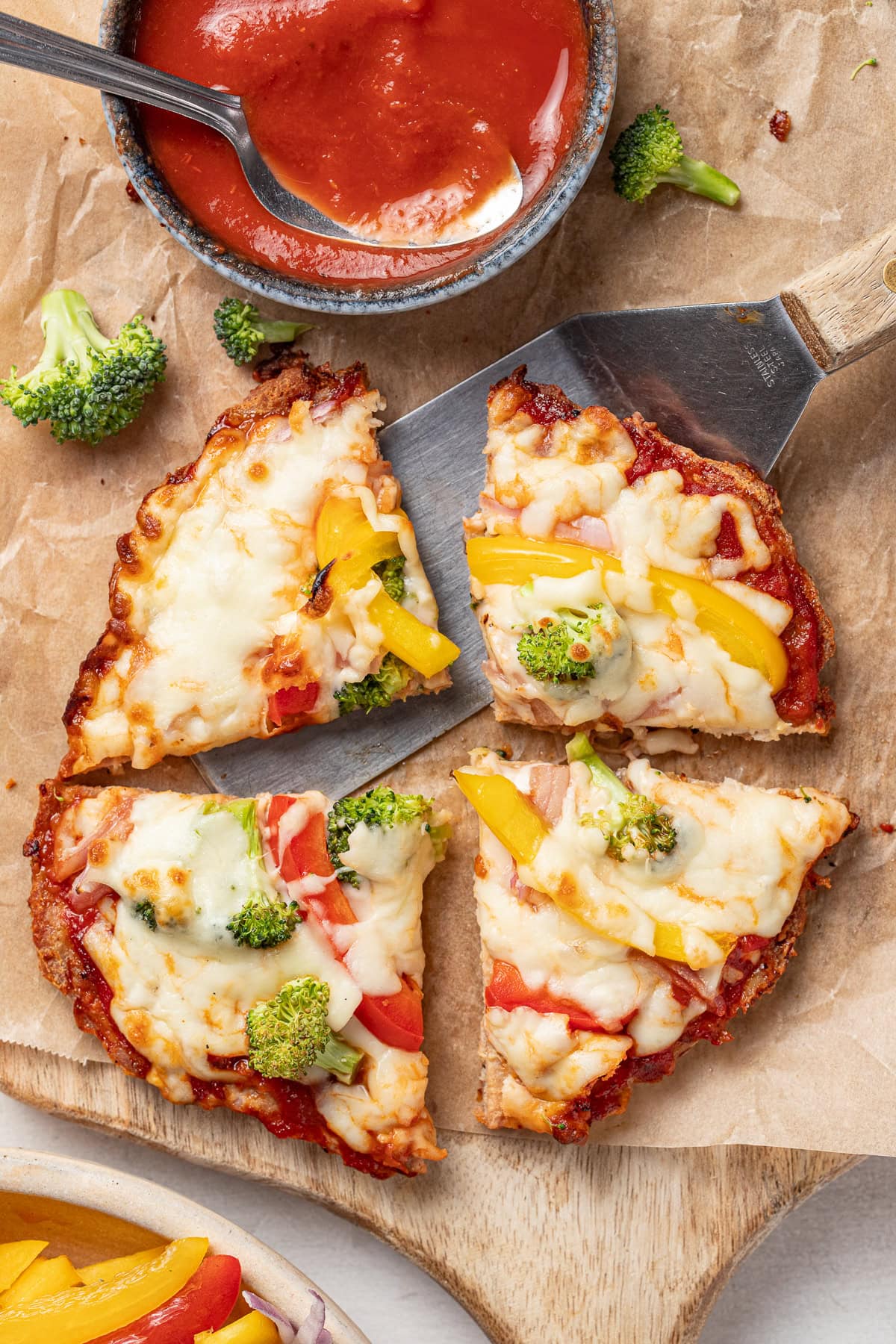
Vegetable enthusiasts can transform the chicken crust pizza into a vibrant, nutrient-dense meal. Options abound, from thinly sliced bell peppers, onions, and mushrooms to spinach, broccoli florets, and cherry tomatoes. A critical culinary tip for using watery vegetables like spinach or mushrooms is to sauté them beforehand. This step removes excess moisture, preventing the crust from becoming soggy and ensuring a crisp texture. Other popular vegetable combinations include roasted red peppers, artichoke hearts, olives, and fresh basil, adding layers of flavor and texture.
For those who crave a kick, the chicken crust readily accommodates spicy toppings. Sliced jalapeños, red pepper flakes, or a drizzle of hot honey can elevate the flavor profile, creating a gourmet experience. Other creative combinations might include barbecue chicken pizza (using a sugar-free BBQ sauce, shredded chicken, and red onions), buffalo chicken pizza (with buffalo sauce and blue cheese crumbles), or even a Mediterranean-inspired version with feta, sun-dried tomatoes, and Kalamata olives. The inherent savory quality of the chicken crust means it can pair well with both red and white sauces, from classic tomato-based options to creamy Alfredo or pesto. This flexibility not only keeps the dish exciting but also encourages a continuous stream of shared recipes and ideas within online culinary communities, solidifying its status as a highly customizable and engaging meal.
Mastering the Chicken Crust: Tips for Success
Achieving the perfect chicken crust pizza involves a few key techniques that address potential pitfalls, particularly the common concern of sogginess. Adhering to these guidelines ensures a firm, flavorful crust that can proudly support a generous layer of toppings.
Firstly, the thickness of the crust is paramount. It should be pressed thinly, ideally around ¼-inch. A thicker crust not only takes longer to cook through but also retains more moisture, increasing the likelihood of a soft, unappealing texture. Even pressure during shaping is essential to ensure uniform cooking.
Secondly, the two-stage baking process is non-negotiable. The initial bake of the bare crust serves a dual purpose: it fully cooks the ground chicken and allows excess moisture to evaporate. This "pre-baking" step is critical for developing a firm, stable base before any wet toppings are introduced. Skipping this stage almost guarantees a soggy result. Monitoring the crust during this initial bake for a golden-brown color and firm texture is key.
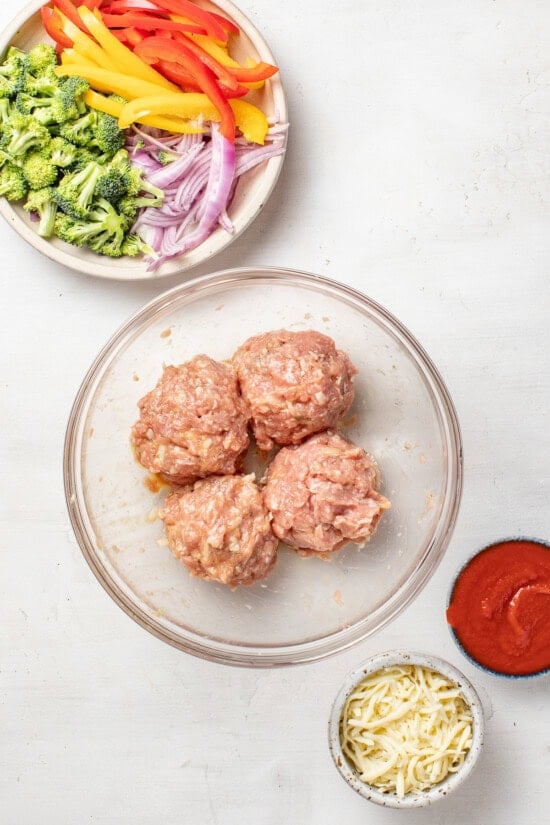
Thirdly, managing watery toppings is crucial. Ingredients like fresh spinach, mushrooms, or certain types of tomatoes contain a high water content. Adding them raw and in large quantities directly to the crust can release moisture during the second bake, compromising the crust’s crispness. The recommended solution is to sauté or roast these vegetables beforehand to remove excess water. This not only prevents sogginess but also intensifies their flavor.
Finally, proper reheating is essential for maintaining the integrity of leftovers. Microwaving chicken crust pizza is strongly discouraged, as it often results in a rubbery texture and a soggy crust. Instead, reheating in a skillet over medium heat or in an air fryer at approximately 360°F (180°C) for 5 to 7 minutes is recommended. Both methods effectively crisp up the crust and melt the cheese without overcooking the toppings, ensuring a delicious experience even days after preparation.
For storage, cooked chicken crust pizza leftovers can be kept in an airtight container in the refrigerator for up to four days. For longer preservation, the pre-baked crust (without toppings) can be frozen for up to three months. It should be cooled completely before freezing, wrapped tightly to prevent freezer burn. To use, thaw the crust, then add toppings and bake as directed, or bake directly from frozen, adjusting baking times as needed. These practical tips collectively empower home cooks to consistently produce a high-quality chicken crust pizza that is both delicious and structurally sound.
Social Media as a Culinary Catalyst
The meteoric rise of chicken crust pizza underscores the profound influence of social media platforms in shaping contemporary culinary trends. In an era dominated by visual content and instantaneous sharing, platforms like TikTok, Instagram, and Pinterest have evolved into powerful incubators for food innovation, transforming niche recipes into viral sensations.
Chicken crust pizza’s journey from a dietary hack to a widespread phenomenon exemplifies this dynamic. Its visual appeal—a golden, firm crust piled with vibrant toppings—is perfectly suited for platforms where short videos and high-quality images dominate. Users are drawn to seeing the transformation from raw ingredients to a finished, delicious-looking dish, often accompanied by quick, easy-to-follow instructions. The "wow" factor of a pizza without traditional dough, coupled with its perceived health benefits, makes it inherently shareable.
The interactive nature of social media further amplifies its reach. Users not only consume content but also actively participate by trying the recipes themselves, sharing their own customized versions, and offering tips and modifications. This user-generated content creates a self-reinforcing cycle of discovery and adoption. Hashtags like #ChickenCrustPizza and #HighProteinPizza become discovery tools, connecting enthusiasts and fostering a community around the dish. The ease with which a recipe can be demonstrated in a 60-second video or a series of compelling photos means that culinary techniques, once confined to cookbooks or professional kitchens, are now accessible to millions, democratizing food innovation and accelerating the pace at which new trends emerge and solidify in the public consciousness.
Market Impact and Future Outlook
The sustained popularity of chicken crust pizza is not merely a passing fad; it signals broader shifts in consumer preferences that have significant implications for the food industry. Its success highlights a growing market demand for "better-for-you" comfort foods that don’t compromise on taste or satisfaction.
From a market perspective, the innovation presents opportunities for food manufacturers and retailers. We could foresee the emergence of pre-made, raw chicken crusts in the refrigerated or frozen sections of grocery stores, offering convenience to consumers who wish to bypass the initial preparation steps. Similarly, restaurants, particularly those catering to health-conscious clientele or offering customizable menus, might integrate chicken crust pizza as a specialty item. This trend aligns with the broader growth in the "free-from" food category, including gluten-free and low-carb options, which continues to expand globally.
The success of chicken crust pizza also underscores a cultural embrace of culinary experimentation in the home kitchen. Consumers are increasingly empowered by online resources and are less hesitant to try unconventional ingredients and preparation methods. This fosters a more adventurous approach to cooking, moving away from rigid adherence to traditional recipes.
Looking ahead, the longevity of chicken crust pizza will likely depend on its continued evolution and integration into everyday cooking. As nutritional awareness continues to rise, dishes that effectively merge indulgence with health benefits are poised for sustained relevance. Its current trajectory suggests it is more than just a fleeting trend; it is a testament to how creative ingredient substitutions can redefine classic dishes for a modern, health-conscious audience, potentially paving the way for further innovations in protein-forward, low-carb alternatives across various food categories.
Expert Perspectives on High-Protein Alternatives
While specific expert statements on chicken crust pizza are not readily available in the provided text, the general consensus among nutritionists and dietitians supports the benefits of incorporating high-protein meals into a balanced diet. Protein is fundamental for muscle repair and growth, hormone production, and enzyme function, and it plays a crucial role in satiety, which can aid in weight management. A meal like chicken crust pizza, which provides 34 grams of protein, is often lauded as an effective way to meet daily protein requirements, particularly for active individuals or those aiming for greater fullness from their meals.
Culinary experts, too, acknowledge the ingenuity behind such alternative crusts. The challenge of creating a stable, flavorful, and enjoyable pizza base without traditional flour requires a deep understanding of ingredient properties and cooking techniques. The successful execution of a chicken crust, which achieves both structural integrity and palatable texture, is seen as an innovative solution in the evolving landscape of dietary-friendly cuisine. These developments push the boundaries of traditional cooking, demonstrating that dietary restrictions do not necessarily equate to culinary limitations but rather inspire creative problem-solving and the discovery of new, delicious possibilities.
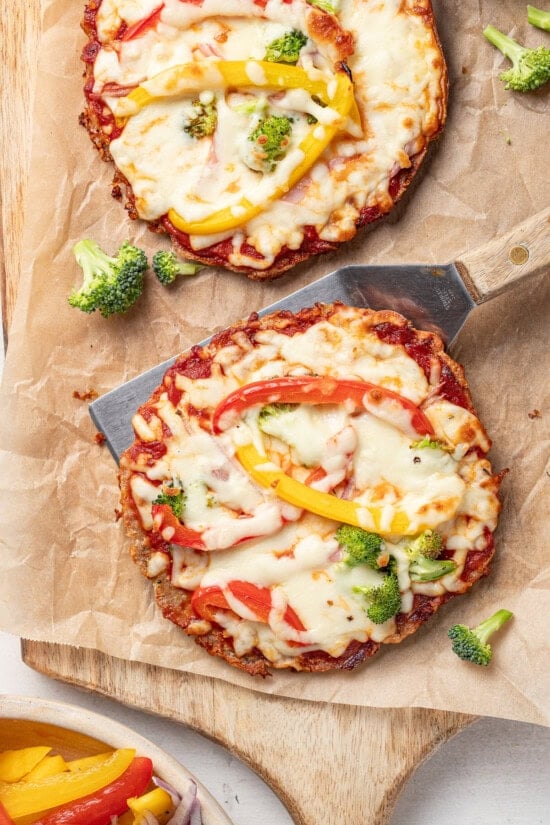
In conclusion, the chicken crust pizza stands as a testament to culinary ingenuity in the face of evolving dietary preferences. Offering a high-protein, naturally gluten-free alternative to traditional pizza, it has rapidly gained traction across social media, becoming a popular choice for those seeking to enjoy a beloved comfort food while adhering to specific health and nutritional goals. Its carefully considered preparation, versatile customization options, and impressive nutritional profile position it as more than just a passing trend, but rather a significant and delicious innovation within the modern culinary sphere.
