
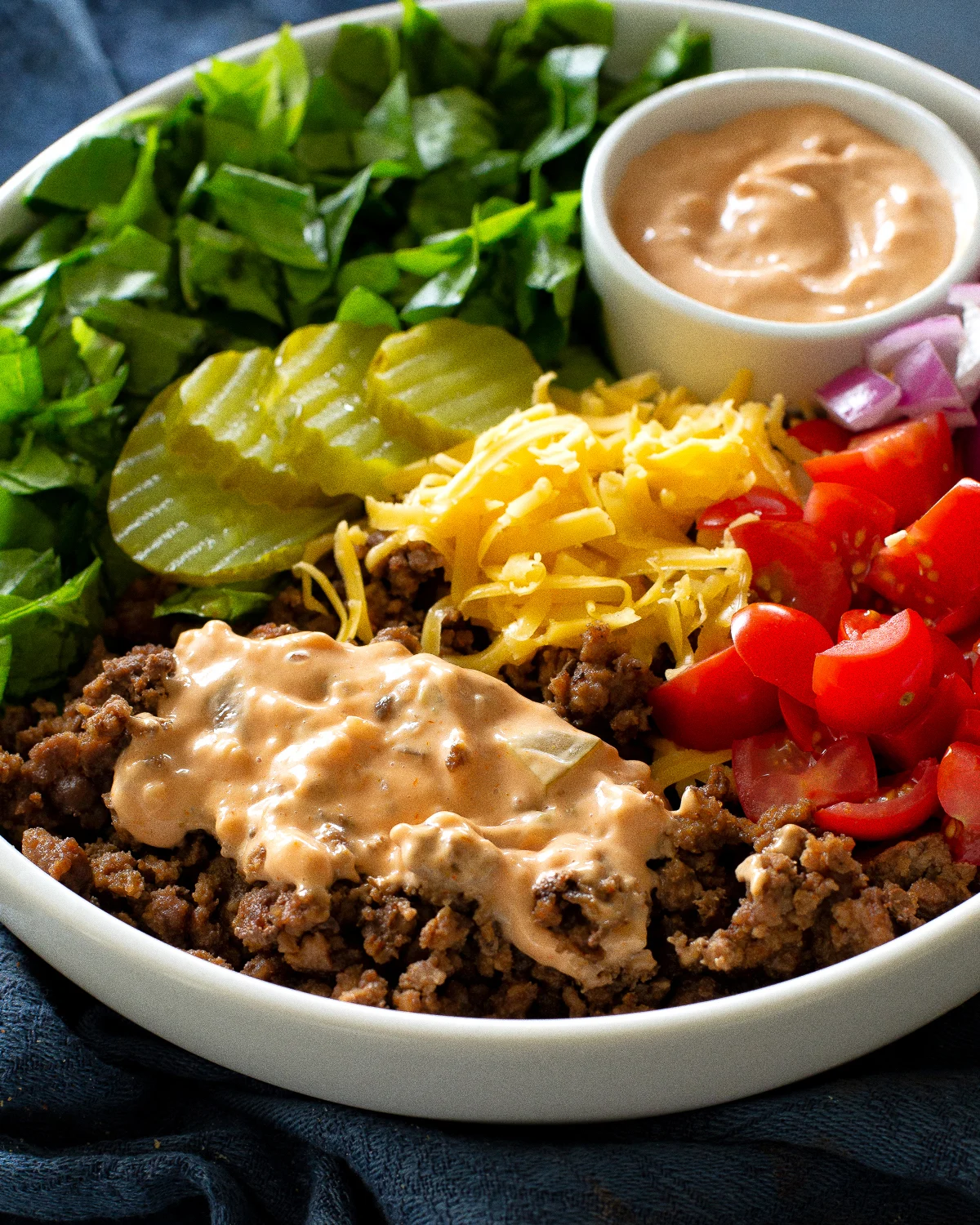
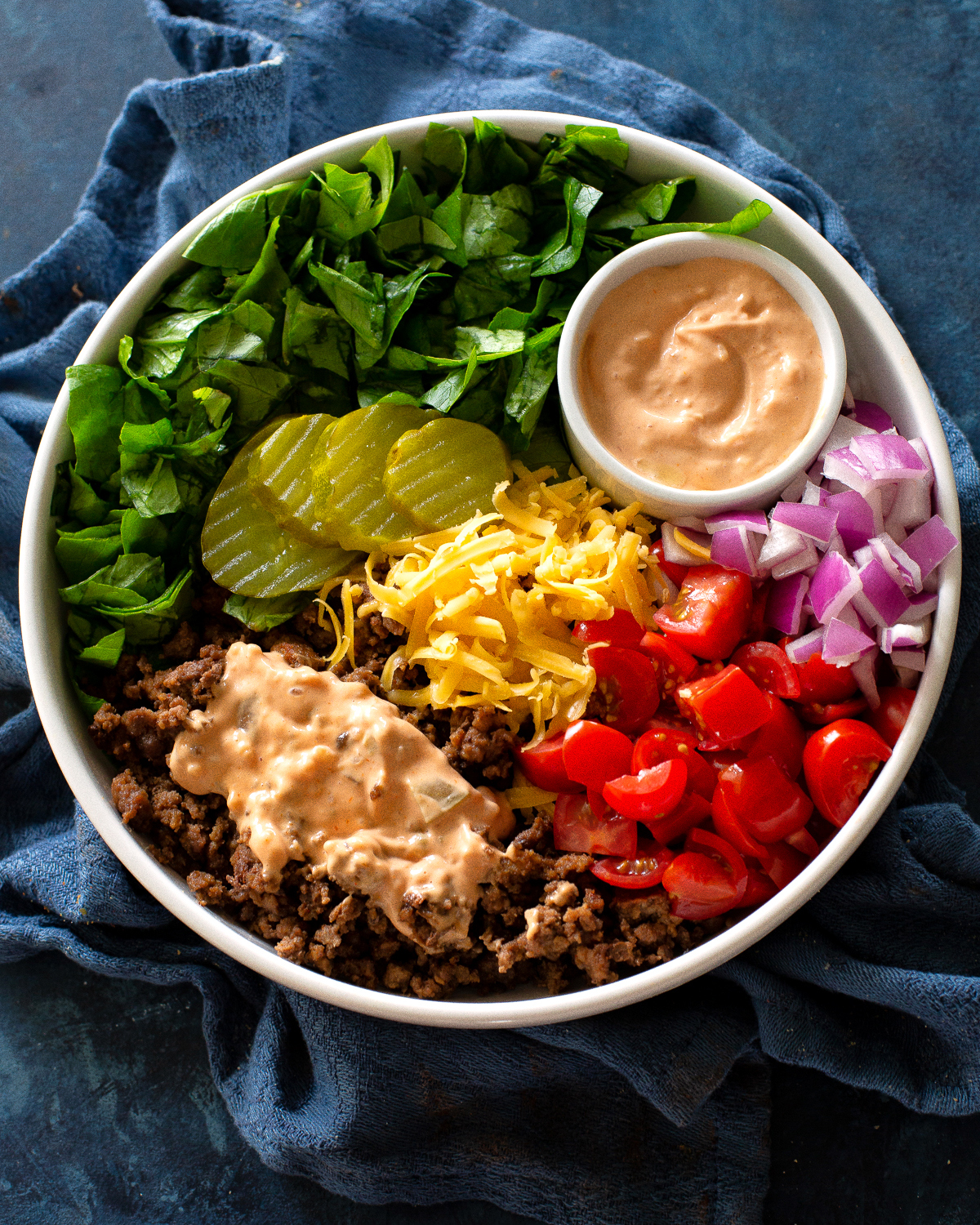
Burger bowls are emerging as a popular culinary trend, offering a deconstructed take on the classic cheeseburger. These dishes feature seasoned ground beef as the base, complemented by traditional burger toppings such as tomatoes, pickles, and onions, all brought together with the distinct flavor of a savory burger sauce. This innovative preparation aims to replicate the familiar taste of fast-food burgers without the need for a bun, appealing to consumers seeking both flavor and a potentially lighter alternative.
The concept behind burger bowls is rooted in the desire to capture the essence of a beloved fast-food experience in a more customizable and potentially healthier format. By separating the core components of a burger – the seasoned patty, the crisp vegetables, the tangy pickles, and the rich cheese – and presenting them in a bowl, chefs and home cooks are able to highlight each element while allowing for easy portion control and ingredient substitution. The key to achieving the authentic fast-food burger taste, according to proponents of this dish, lies in the specific blend of seasonings used for the beef and the composition of the accompanying burger sauce.
Origins and Evolution of the Burger Bowl Concept
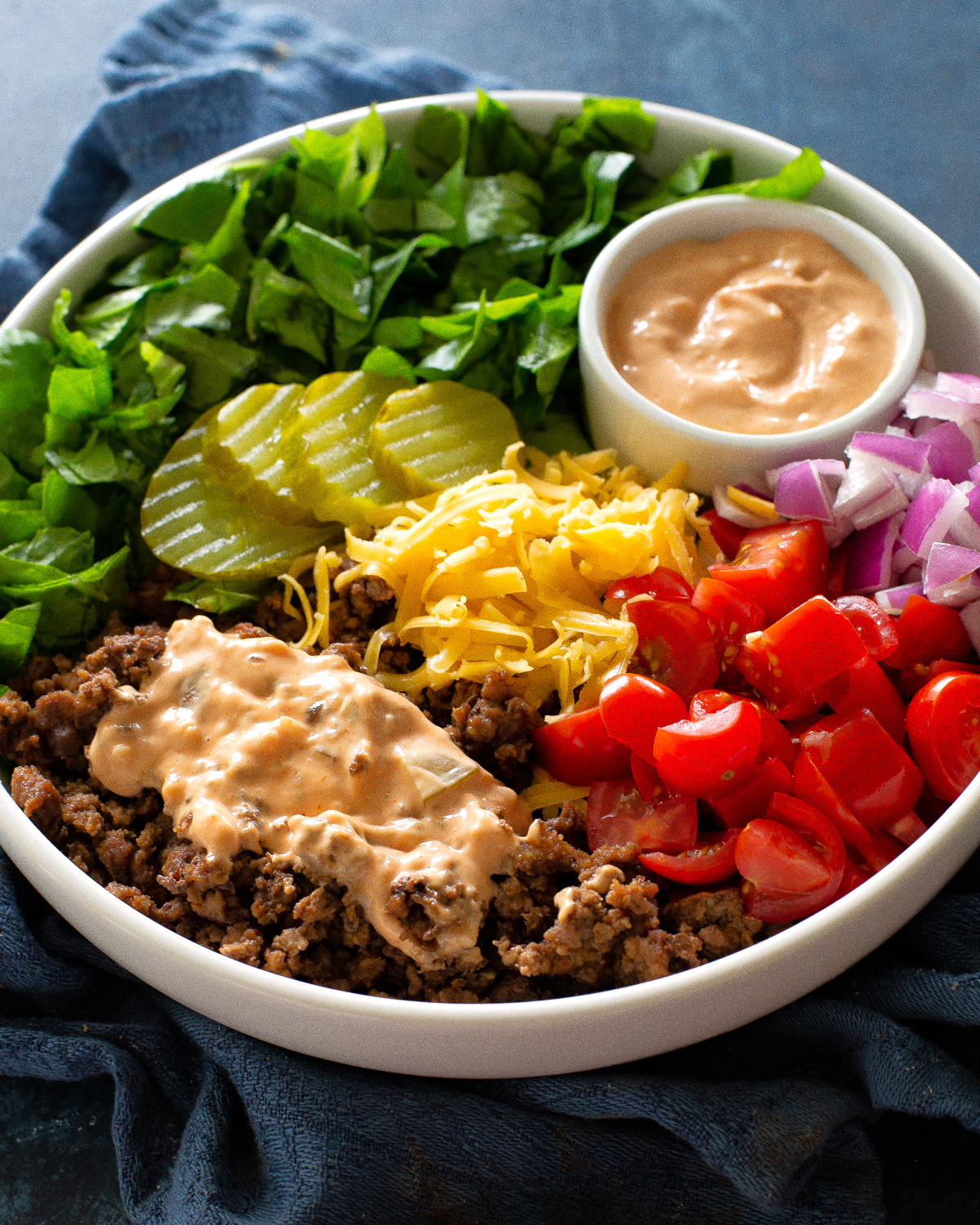
While the exact origin of the "burger bowl" as a distinct dish is difficult to pinpoint, its rise in popularity can be attributed to several intersecting culinary trends. The broader movement towards deconstructed dishes, which began gaining traction in fine dining circles, has trickled down into everyday cooking. This approach allows for greater flexibility and emphasizes the individual flavors and textures of ingredients. Simultaneously, the increasing demand for low-carb and gluten-free meal options has driven innovation in how traditional comfort foods are prepared. Burger bowls fit perfectly into this niche, offering a satisfying burger experience without the carbohydrates found in a bun.
The inclusion of fries as an optional component, as mentioned in anecdotal accounts of homemade burger bowls, further underscores the dish’s connection to fast-food culture. This addition transforms the bowl into a hearty and indulgent meal, directly referencing popular drive-thru combinations. The personal endorsement from individuals, such as a college son requesting the recipe be shared, highlights the dish’s resonance and appeal across different demographics, particularly among those who grew up with familiar fast-food flavors.
Key Components and Culinary Considerations
The foundation of any successful burger bowl is the seasoned ground beef. The quality of the beef, typically ranging from 80/20 to 90/10 lean-to-fat ratios, plays a significant role in the final flavor and texture. Seasoning often includes salt, pepper, and sometimes garlic powder, onion powder, or a proprietary blend designed to enhance the natural savory notes of the meat. Cooking methods for the beef can vary, from pan-frying to baking, with the goal of achieving a well-browned exterior and a juicy interior.
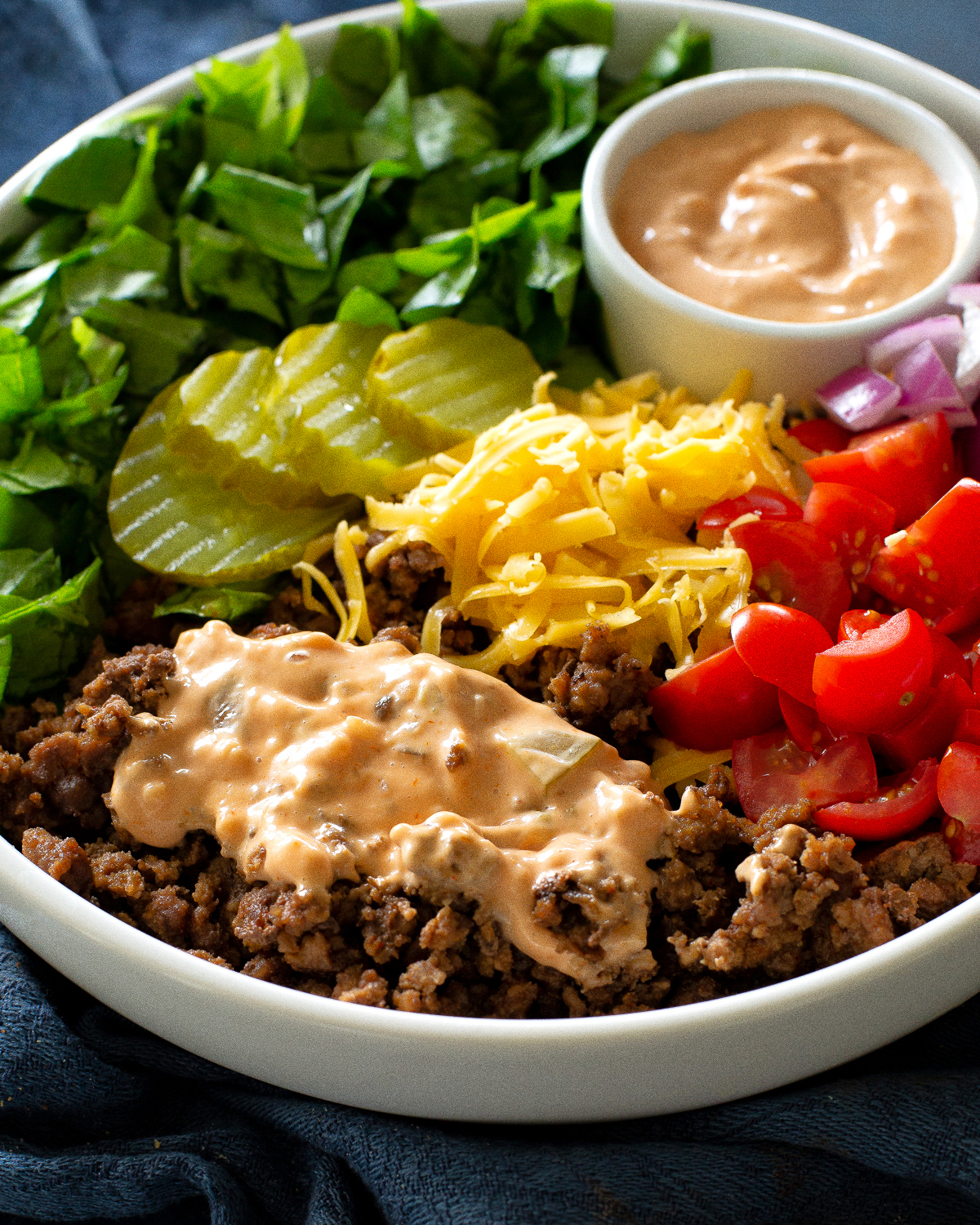
The "burger sauce" is a critical element that aims to mimic the distinctive taste of fast-food condiments. While recipes vary, these sauces often contain a base of mayonnaise or sour cream, combined with ketchup, mustard, pickle relish, and a touch of vinegar or lemon juice for acidity. The precise balance of these ingredients is key to achieving the desired flavor profile.
Nutritional Data and Market Trends
The nutritional profile of a burger bowl can vary significantly based on the chosen toppings and the preparation of the beef and sauce. Generally, a burger bowl can offer a protein-rich meal. For instance, a standard serving of 4 ounces of 80/20 ground beef contains approximately 250-300 calories, 20-25 grams of protein, and 15-20 grams of fat. When combined with fresh vegetables like lettuce, tomatoes, and onions, the dish can provide essential vitamins and fiber.
The market for convenient, flavorful, and customizable meal options continues to grow. Data from market research firms indicates a sustained consumer interest in "better-for-you" versions of comfort foods. This trend is fueled by a desire for healthier eating habits without sacrificing taste or the emotional satisfaction derived from familiar dishes. The rise of meal-prep services and the increased focus on home cooking during recent years have further amplified the appeal of recipes that are both accessible and adaptable. The global fast-casual restaurant market, which often features customizable bowls and deconstructed meals, is projected to continue its upward trajectory, suggesting a strong consumer appetite for such offerings.
Broader Implications and Consumer Impact
The popularity of burger bowls signifies a broader shift in consumer preferences. It reflects a desire for meals that are both indulgent and adaptable, allowing individuals to tailor their food to specific dietary needs or taste preferences. This trend aligns with the growing emphasis on mindful eating, where consumers are more aware of the ingredients they consume and seek out options that offer a balance of flavor, nutrition, and convenience.
Furthermore, the deconstruction of familiar dishes like the cheeseburger into bowl formats speaks to a culinary creativity that prioritizes versatility. It allows for easy adaptation for various dietary requirements, such as keto, paleo, or low-carb diets, by simply omitting or substituting specific ingredients. This adaptability makes burger bowls an inclusive option for a wider range of consumers. The ease of preparation also contributes to their appeal, making them a viable weeknight meal solution for busy individuals and families. As culinary trends continue to evolve, the burger bowl stands as an example of how classic flavors can be reimagined to meet contemporary demands for health-conscious, customizable, and delicious dining experiences.
