
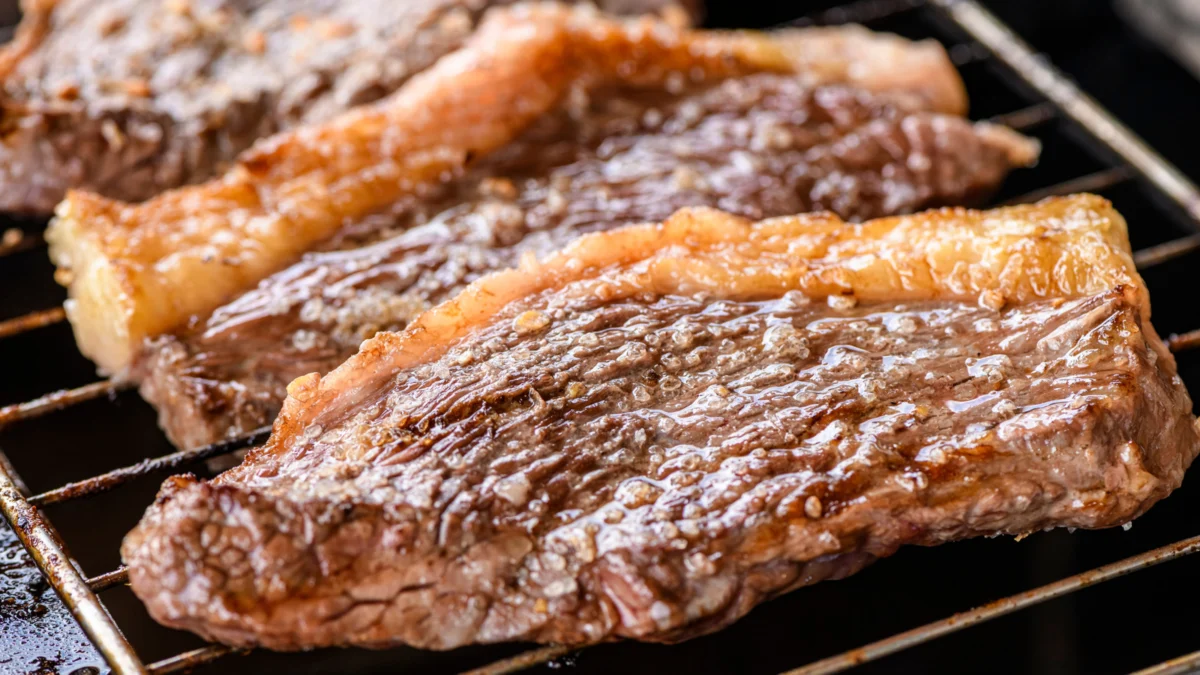
The vibrant culinary landscape of Brazil offers a unique dining experience that can be recreated in any home kitchen. At the heart of this experience is the churrascaria, a Brazilian steakhouse renowned for its "rodízio" service, a Portuguese term meaning rotation. This all-you-can-eat style of service features a continuous offering of expertly grilled meats, carved tableside, complemented by an array of carefully curated hot and cold side dishes. Emulating this traditional Brazilian steakhouse approach at home involves more than just grilling prime cuts of beef; it hinges on the artful arrangement and selection of these essential accompaniments, transforming a simple meal into an immersive culinary event.
The fundamental principle behind a successful Brazilian-style beef plate is the balance of flavors and textures. The rich, savory notes of grilled beef, particularly iconic cuts like picanha (top sirloin cap), are best enhanced by a diverse selection of sides. These sides serve not only to complement the meat but also to cleanse the palate, introduce contrasting temperatures, and add layers of complexity to each bite. By setting up these dishes in a manner reminiscent of a well-organized salad bar, hosts can empower their guests to construct their own personalized plates, fostering an interactive and engaging dining atmosphere. This approach mirrors the authentic churrascaria experience, where patrons have the freedom to choose their preferred combinations from an abundant spread.
The Genesis of the Rodízio Experience
The rodízio dining style, originating in the southern regions of Brazil, particularly among the gaucho (cowboy) culture, evolved from a practical method of preparing and sharing large quantities of meat. Initially, gauchos would skewer various cuts of beef and grill them over open fires, sharing the bounty with their communities. Over time, this communal feasting tradition was refined and commercialized, leading to the sophisticated churrascarias that are now celebrated globally. The modern rodízio experience is a testament to this heritage, offering a seemingly endless parade of succulent meats, from tender sirloin and ribeye to flavorful chicken and pork, all expertly seasoned and grilled to perfection.
The accompanying side dishes are not mere afterthoughts; they are integral to the rodízio’s success. They provide the necessary counterpoints to the richness of the meat, offering acidity, freshness, starch, and sweetness. The typical churrascaria offers a substantial buffet of these accompaniments, often including a variety of salads, cooked vegetables, rice and bean dishes, and traditional Brazilian breads. This extensive selection ensures that every diner can find pairings that suit their palate, making the meal a truly personalized culinary journey. The strategic setup of these sides at home aims to replicate this sense of abundance and choice, elevating the home dining experience.
Crafting the Perfect Brazilian Beef Plate at Home
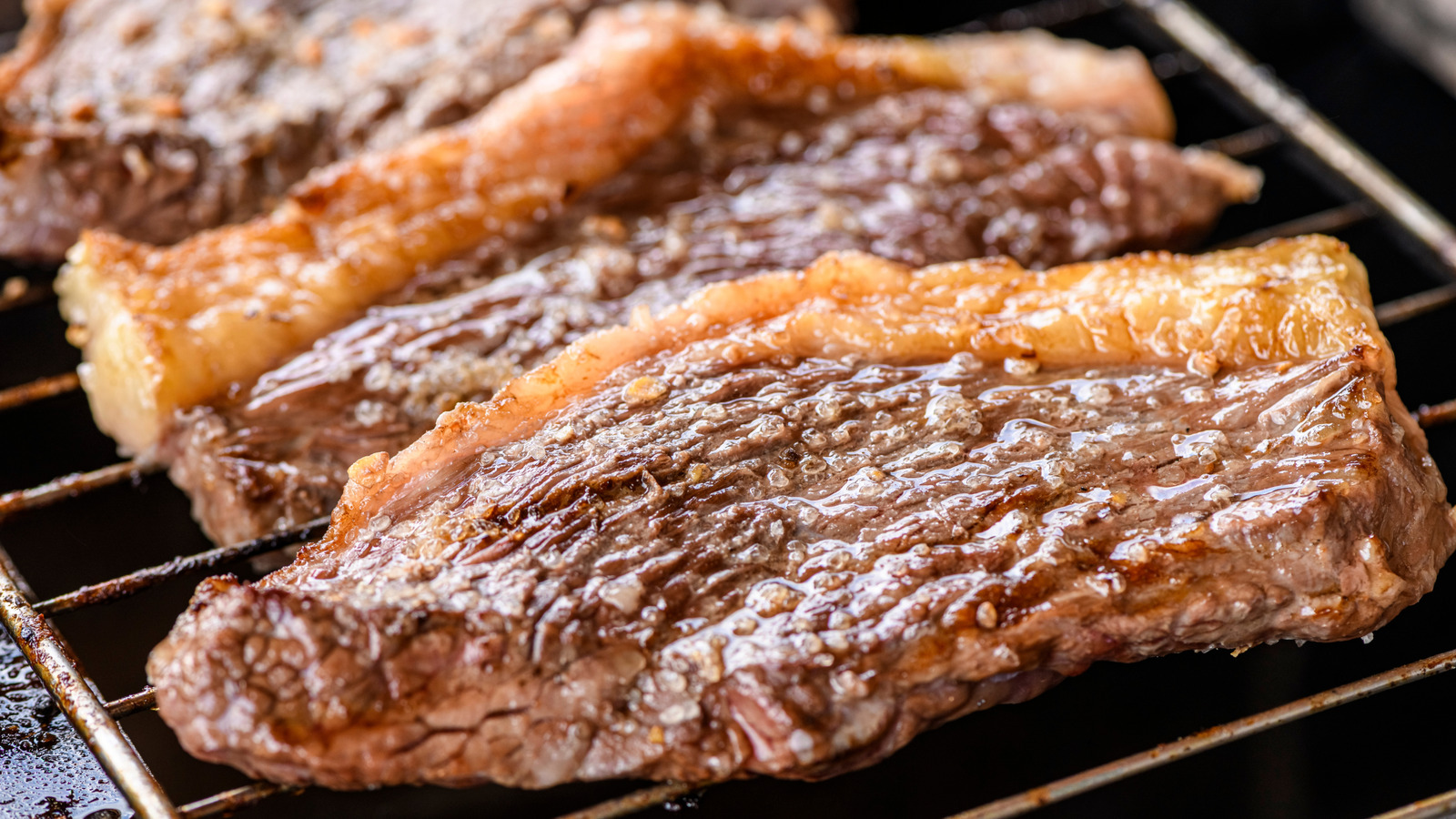
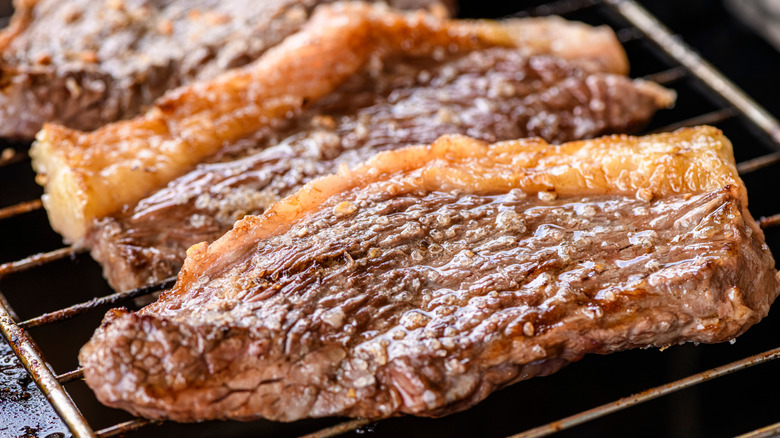
To bring the churrascaria experience home, the first step is to select your preferred beef cuts. While a professional churrascaria might offer a dozen or more varieties, a home cook can focus on a few high-quality options. Picanha, with its distinctive fat cap that renders during cooking to infuse the meat with incredible flavor, is a quintessential choice. Other excellent options include sirloin, flank steak, or even a well-marbled ribeye. The cooking method, typically grilling over high heat to achieve a perfect sear while keeping the interior tender and juicy, is crucial.
Once the star protein is planned, the focus shifts to the supporting cast: the side dishes. The key is variety, encompassing both hot and cold elements. A "side bar" approach is ideal, allowing guests to serve themselves and create their ideal plate. This setup not only simplifies serving but also enhances the interactive nature of the meal, encouraging conversation and shared enjoyment.
Essential Hot Sides to Complement Your Beef
Hot sides play a vital role in providing warmth, comfort, and contrasting textures against the grilled meats. Among the most beloved Brazilian staples is pão de queijo, a small, baked cheese roll that is delightfully chewy on the inside and slightly crisp on the outside. These gluten-free delights are made with tapioca flour, cheese, eggs, and milk, offering a subtle savory flavor that pairs exceptionally well with beef. Preparing a fresh batch just before serving will elevate the entire meal.
Another indispensable hot side is feijoada, Brazil’s national dish. While a full feijoada, a rich stew of black beans with various cuts of pork and beef, can be a meal in itself, a smaller, more concentrated version can serve as a powerful accompaniment. The deep, earthy flavors of the slow-cooked beans and meats provide a robust counterpoint to the grilled beef. This dish is often served with steamed white rice, which absorbs the flavorful broth beautifully.
For a starchier element, consider yucca fries or roasted potatoes. Yucca, also known as cassava, offers a slightly sweet, starchy flavor and a creamy texture when cooked. Fried yucca sticks can mimic the appeal of French fries, while roasted yucca cubes provide a more rustic option. Similarly, simple roasted potatoes, perhaps seasoned with herbs and garlic, offer a familiar yet satisfying starch.
Farofa, toasted cassava flour, is a ubiquitous Brazilian condiment that adds a unique textural dimension. It can be prepared in various ways, often incorporating ingredients like bacon, onions, eggs, or butter. Sprinkled over beef, beans, or rice, farofa provides a delightful crunch and a nutty, savory flavor. Its versatility makes it an essential component of any Brazilian-inspired meal.
Refreshing Cold Sides for Palate Cleansing
Cold sides are crucial for balancing the richness of the meat and offering a burst of freshness. A salada de palmito, or palm heart salad, is a classic choice. This salad typically features tender marinated palm hearts, combined with ingredients like tomatoes, onions, bell peppers, olives, and a zesty vinaigrette. The slight tang of the dressing and the delicate texture of the palm hearts provide a refreshing contrast.
Brazilian potato salad, known as maionese de batata, offers a creamy and satisfying alternative to traditional mayonnaise-based salads. Unlike its American counterpart, the Brazilian version often incorporates finely diced carrots, apples, and a touch of apple cider vinegar for added brightness, along with fresh parsley for herbaceous notes. It’s a starchy, cooling element that is incredibly comforting.
For a lighter, more vegetal option, a simple mixed green salad with a light vinaigrette can be effective. However, to lean further into Brazilian flavors, consider a couve refogada, which is sautéed collard greens. While often served hot, it can also be prepared slightly ahead of time and served at room temperature, offering a slightly bitter, earthy note that complements the richness of the beef.
The Art of Presentation: The Side Bar Concept
The concept of a "side bar" is central to recreating the churrascaria ambiance at home. Instead of serving dishes family-style at the main dining table, arrange all the hot and cold side dishes on a separate counter or buffet table. This allows guests to move freely, survey all the options, and construct their plates at their own pace.
Logistical Considerations for the Side Bar:
- Temperature Control: For hot dishes, consider using chafing dishes or slow cookers to keep them warm throughout the meal. For cold dishes, ensure they are kept chilled, perhaps by placing bowls on ice beds or ensuring they are served directly from the refrigerator.
- Visual Appeal: Arrange the dishes attractively. Use varied serving platters and bowls to create visual interest. Garnish dishes with fresh herbs or a drizzle of sauce to enhance their appeal.
- Flow: Consider the order in which guests will approach the bar. Typically, salads and colder items are placed first, followed by starches and hot dishes, and finally condiments like farofa and chimichurri.
- Utensils: Provide appropriate serving utensils for each dish to prevent cross-contamination and ensure ease of use.
Beyond the Plate: Sweet Endings and Flavor Enhancers
No Brazilian feast is complete without a sweet finale and flavorful sauces to enhance the meat. Fried plantains are a popular dessert or sweet side. When ripe, plantains caramelize beautifully when fried, offering a soft, sweet, and slightly caramelized bite. They provide a delightful contrast to the savory elements of the meal.
Grilled pineapple, often brushed with cinnamon and sugar, is another churrascaria favorite. The grilling process caramelizes the natural sugars in the pineapple, creating a sweet and slightly tart accompaniment with a hint of smoky char. It’s particularly effective when served alongside richer cuts of beef.
For a truly decadent ending, a caramel flan (quindim) is an excellent choice. This rich, creamy custard, flavored with coconut and topped with a glossy caramel sauce, offers a sweet and satisfying conclusion to the meal.
No discussion of Brazilian beef is complete without mentioning chimichurri sauce. While originating in Argentina, it has been widely adopted and adapted in Brazil. This vibrant, herb-based sauce, typically made with parsley, garlic, oregano, olive oil, and vinegar, is a perfect condiment for grilled meats. Its herbaceous and slightly acidic profile cuts through the richness of the beef, adding a layer of freshness and complexity. Offering a generous bowl of chimichurri at the side bar is essential.
The Broader Impact: Cultural Exchange and Culinary Appreciation
The popularity of Brazilian churrascarias worldwide, and the desire to replicate this experience at home, speaks to a broader trend of cultural exchange through food. As global travel becomes more accessible and culinary information more readily available, people are increasingly eager to explore and recreate international dining experiences. The rodízio model, with its emphasis on abundance, quality, and interactive dining, has a universal appeal.
Recreating a Brazilian-style beef plate at home is more than just a cooking project; it’s an opportunity to engage with Brazilian culture. It encourages an appreciation for the specific ingredients, cooking techniques, and dining customs that define this unique cuisine. By meticulously planning and arranging the side dishes, home cooks can not only impress their guests but also gain a deeper understanding and respect for the culinary traditions of Brazil. The success of such an endeavor lies in the thoughtful selection and presentation of each component, ensuring that the entire plate, from the perfectly grilled beef to the vibrant array of sides, tells a delicious story of Brazilian hospitality and flavor. The act of setting up a "side bar" transforms the meal from a passive consumption of food into an active, engaging, and memorable culinary adventure, embodying the very spirit of the rodízio.
