
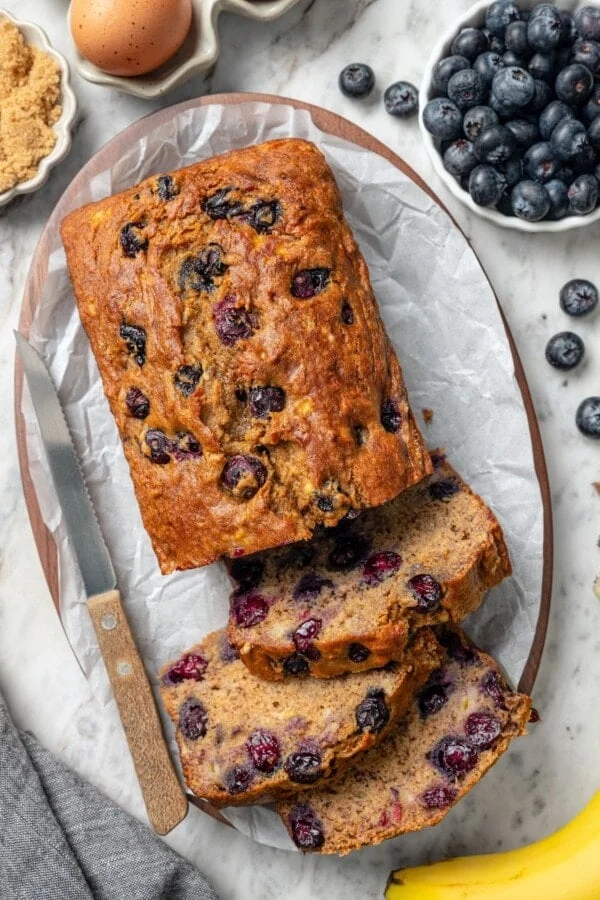
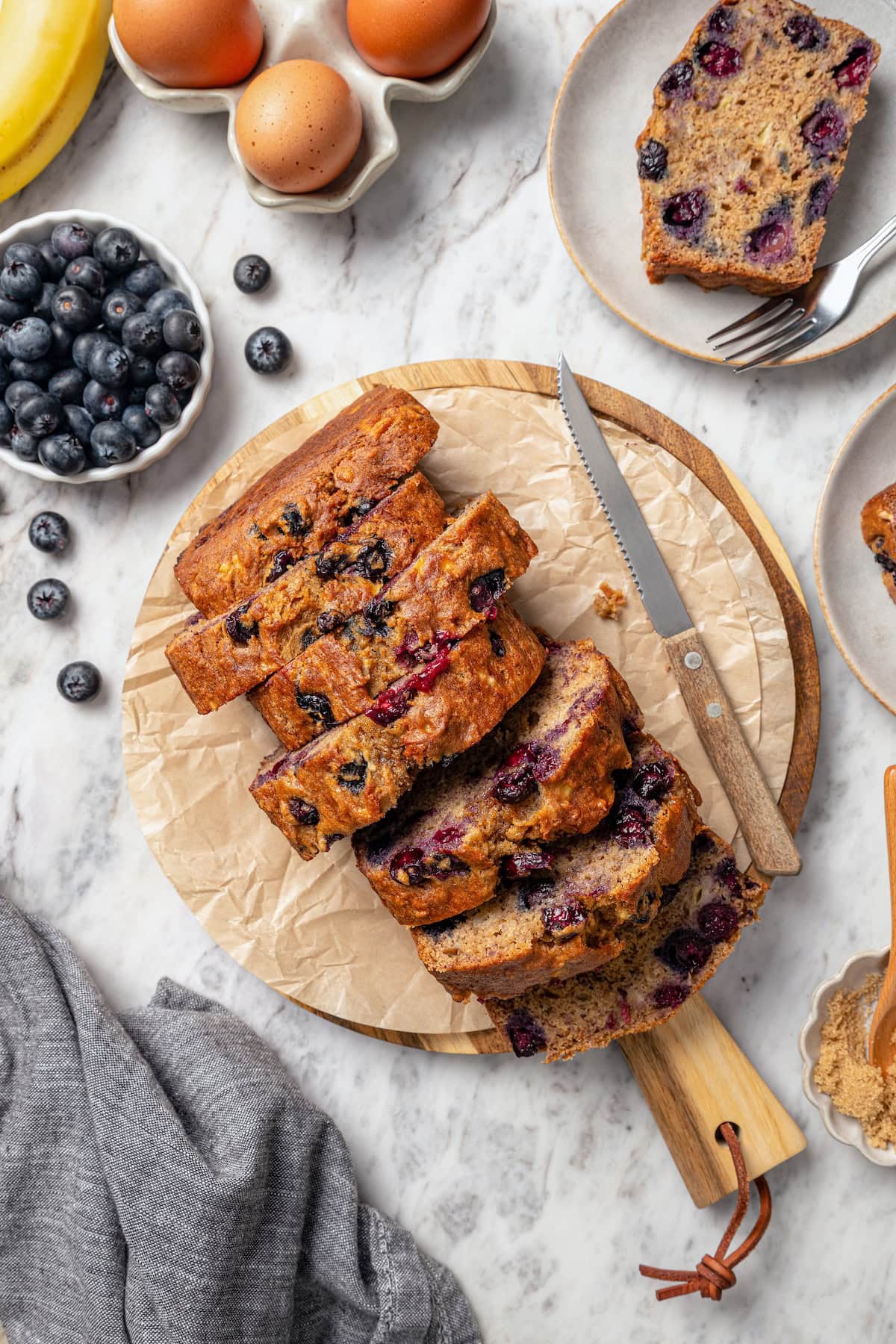
This culinary creation, a blueberry banana bread, exemplifies the evolving landscape of home baking, offering a significantly lightened-up version of a beloved classic without compromising on moisture or flavor. Utilizing ripe bananas and succulent blueberries for natural sweetness, and incorporating white whole wheat flour, applesauce, and egg whites, this recipe positions itself as a healthier alternative ideal for various dietary considerations. Its appeal extends beyond mere taste, touching upon nutritional benefits and the practical use of overripe fruit, a common household occurrence.
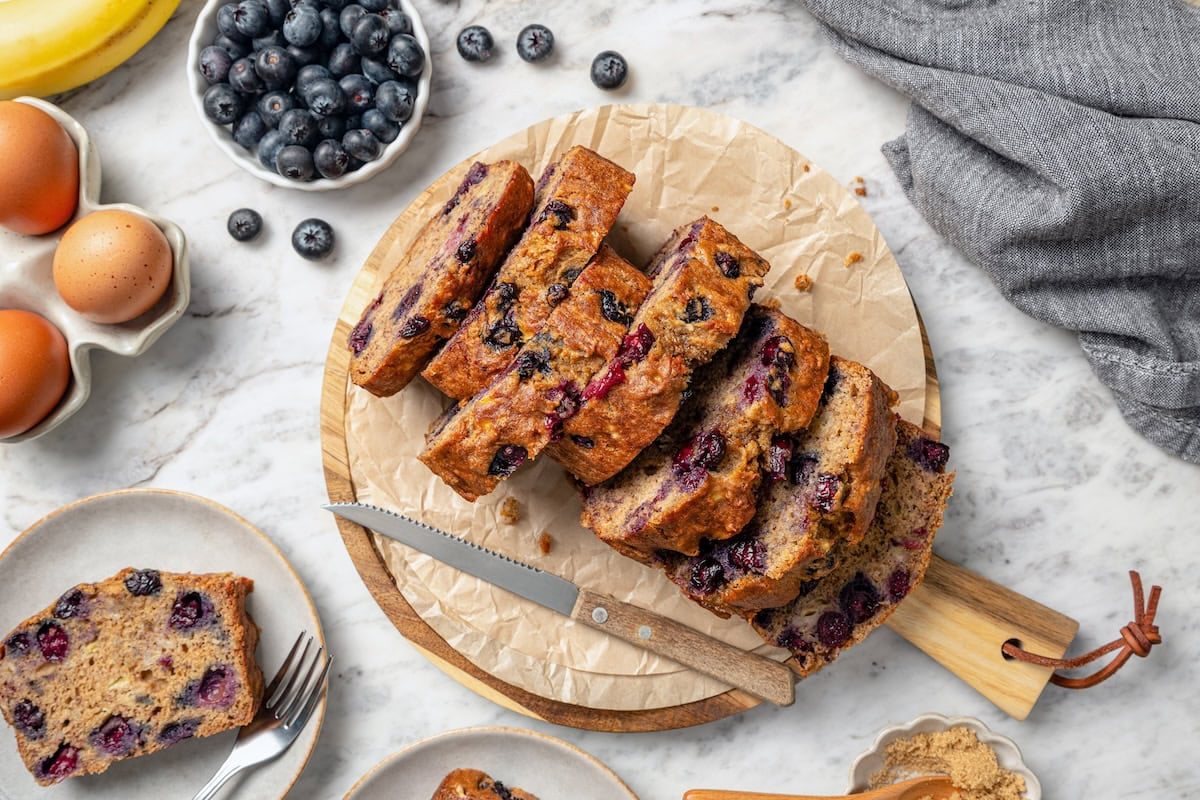
The Enduring Legacy of Banana Bread: A Historical Perspective
Banana bread’s origins are deeply intertwined with American culinary history, particularly gaining prominence during the Great Depression. Before this era, bananas were largely considered a luxury, and their use in baking was not widespread. However, as food scarcity and frugality became paramount, home cooks sought innovative ways to utilize every ingredient, including overripe bananas that would otherwise be discarded. The introduction of baking powder and baking soda to the American kitchen in the late 19th and early 20th centuries provided the necessary leavening agents, transforming what could have been a dense, unappetizing mixture into a tender, moist loaf.
The first published recipes for banana bread began appearing in community cookbooks in the 1930s, notably in Balanced Recipes, a cookbook produced by Pillsbury in 1933. Its popularity surged, cementing its place as a staple in American households. This period marked a shift from primarily yeast-leavened breads to quick breads, which required less time and skill, making them accessible to a broader audience. The inherent sweetness of bananas also meant less added sugar was needed, a practical consideration during economically challenging times. Over the decades, banana bread evolved, with countless variations emerging, incorporating nuts, chocolate chips, and other fruits. The addition of blueberries, as seen in this particular recipe, represents a modern iteration, blending the classic comfort of banana with the vibrant tang and additional nutritional benefits of berries.
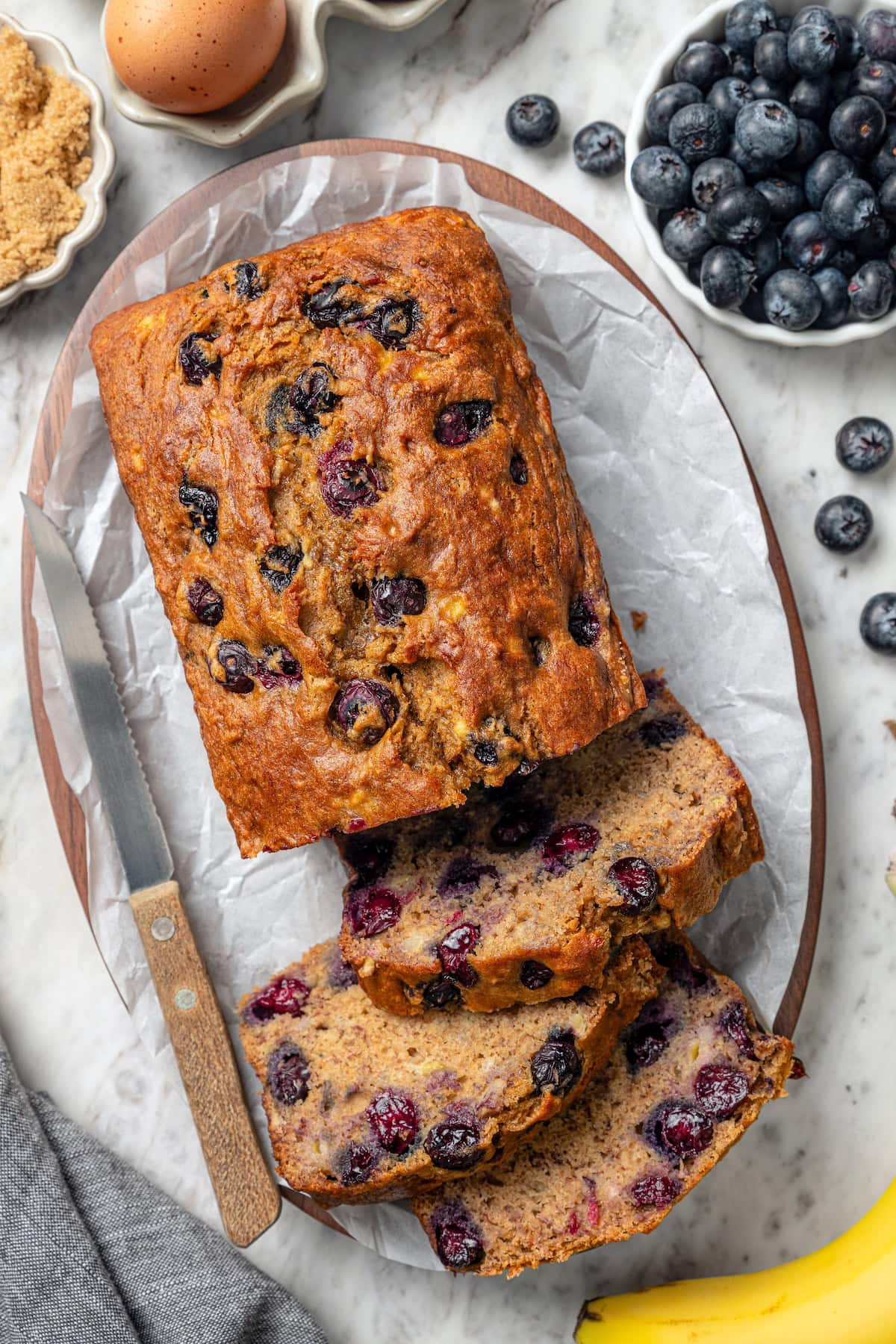
Nutritional Powerhouses: The Synergy of Bananas and Blueberries
The foundation of this healthier banana bread lies in its primary fruit components: bananas and blueberries. Both contribute significantly to the bread’s flavor profile, moisture, and nutritional value, enabling a reduction in added sugars and fats.
Bananas: As they ripen, bananas convert their starch into natural sugars, making them an ideal, naturally sweet base for baking. Beyond sweetness, bananas are a rich source of potassium, an essential electrolyte vital for maintaining fluid balance, nerve signals, and muscle contractions. A medium banana typically contains around 422 mg of potassium, representing approximately 9% of the daily recommended intake. They also provide dietary fiber, particularly pectin, which aids digestion and contributes to a feeling of fullness. Furthermore, bananas are a good source of Vitamin B6, which plays a crucial role in metabolism, and Vitamin C, an antioxidant. The pectin in ripe bananas also contributes to the bread’s moist texture, forming a gel-like substance that helps retain water.

Blueberries: Often hailed as a "superfood," blueberries are packed with antioxidants, particularly anthocyanins, which give them their distinctive blue hue. These compounds are linked to numerous health benefits, including improved cardiovascular health, enhanced brain function, and anti-inflammatory effects. A one-cup serving of blueberries contains approximately 84 calories, 21 grams of carbohydrates (15 grams of which are sugar), and 3.6 grams of fiber. They are also a good source of Vitamin C and Vitamin K, which is important for blood clotting and bone health. In baking, blueberries burst with juicy sweetness and a slight tartness, providing delightful flavor pockets and further contributing to the bread’s overall moisture. Their natural sugars also play a role in reducing the need for refined sugar in the recipe.
The combination of these two fruits creates a synergistic effect, offering a complex sweetness and a robust nutritional profile. This inherent sweetness allows for a significant reduction in added sugars, aligning with contemporary dietary guidelines that advocate for limiting free sugars.

The Science of Substitution: Crafting a Healthier Loaf
The "lightened-up" aspect of this blueberry banana bread is a testament to clever ingredient substitutions rooted in an understanding of baking science. By replacing traditional components with healthier alternatives, the recipe significantly reduces fat and calorie content while maintaining desirable texture and flavor.
White Whole Wheat Flour: Traditional banana bread often calls for all-purpose flour. This recipe, however, opts for white whole wheat flour. While both are derived from wheat, white whole wheat flour is milled from a different variety of wheat (hard white wheat) than traditional whole wheat flour (hard red wheat). This results in a lighter color and milder flavor, making it more palatable for those accustomed to refined flours, yet it retains all the nutritional benefits of whole grains. Whole wheat flour, including its white variety, contains the entire wheat kernel—the bran, germ, and endosperm. This means it’s a superior source of fiber, protein, and various micronutrients like B vitamins, iron, and magnesium, compared to all-purpose flour, which strips away the bran and germ. The higher fiber content contributes to satiety and can help regulate blood sugar levels. From a baking perspective, whole wheat flour absorbs more liquid, often requiring slight adjustments to recipes to prevent dryness. However, in a moist quick bread like banana bread, this can be managed effectively, especially with the inclusion of mashed bananas and applesauce.
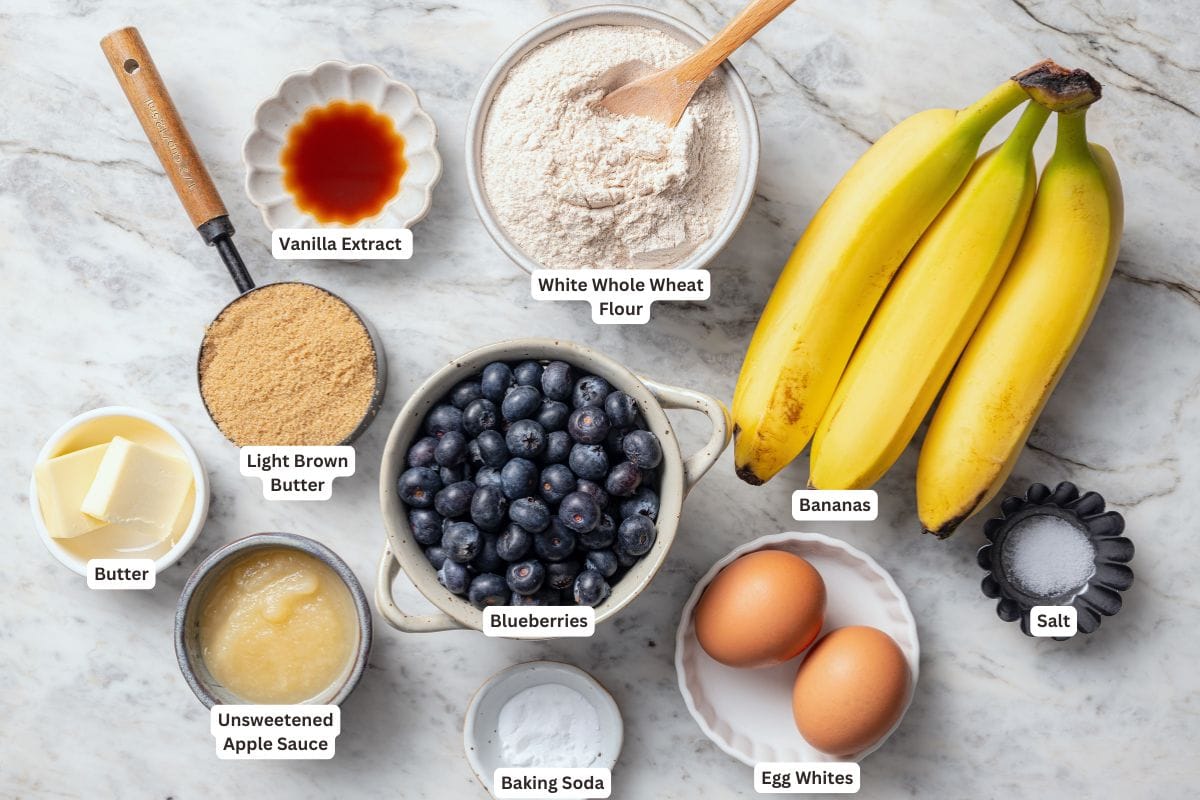
Applesauce as a Fat Substitute: One of the most impactful substitutions in this recipe is the use of applesauce to replace a portion of the oil or butter. Fats in baking contribute to moisture, tenderness, and richness. Applesauce, particularly unsweetened varieties, mimics some of these properties. Its high water content and natural pectin contribute to a moist crumb, and its slight acidity can interact with baking soda to enhance leavening. While it doesn’t replicate the richness or flakiness that fat provides in certain baked goods, for a quick bread, it’s an excellent alternative. A typical tablespoon of unsweetened applesauce contains only about 7 calories and no fat, compared to approximately 100 calories and 11 grams of fat in a tablespoon of butter or oil. This substitution alone can drastically reduce the calorie and fat content of the bread.
Egg Whites for Reduced Cholesterol and Fat: Traditional banana bread recipes often call for whole eggs. This healthier version specifically mentions using egg whites. Egg whites are primarily protein and water, containing virtually no fat or cholesterol. A large whole egg contains approximately 70-80 calories, 5 grams of fat, and 185 mg of cholesterol, whereas a large egg white contains about 17 calories, no fat, and no cholesterol. While egg yolks contribute richness and emulsification properties, egg whites primarily add structure and moisture through their protein content. They help create a lighter texture and reduce the overall fat and cholesterol profile of the bread, appealing to those monitoring these dietary components.
By combining white whole wheat flour, applesauce, and egg whites, this recipe strategically addresses common nutritional concerns associated with traditional baked goods. The result is a bread that is not only lower in fat and calories but also higher in fiber and micronutrients, making it a more wholesome choice for breakfast, snack, or dessert.
The Art and Science of Baking Blueberry Banana Bread
Achieving the perfect balance of moisture, texture, and flavor in a quick bread like blueberry banana bread involves understanding a few key baking principles.
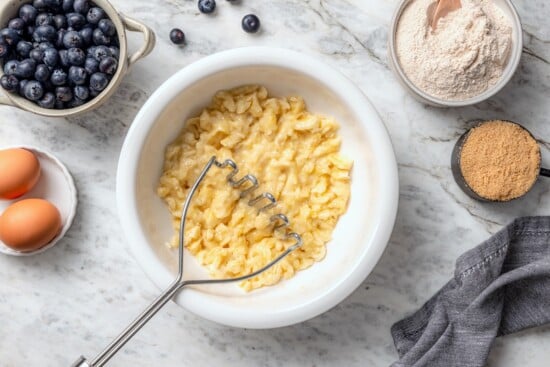
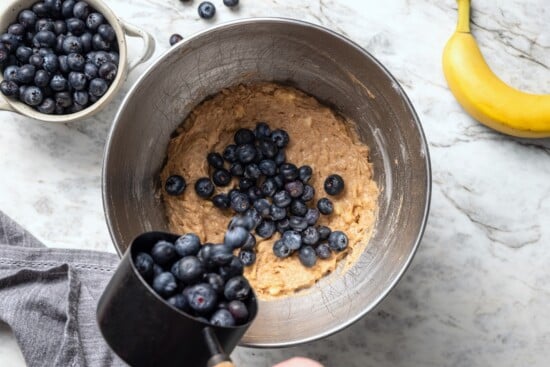
Ingredient Preparation: The ripeness of bananas is crucial. Overripe bananas (those with significant brown spots) are sweeter and easier to mash, releasing more natural sugars and moisture into the batter. Blueberries, whether fresh or frozen, should be gently folded into the batter at the very end to prevent them from sinking to the bottom during baking. If using frozen blueberries, it’s often recommended not to thaw them, and optionally, to lightly toss them in a tablespoon of flour before adding them to the batter; this helps them remain suspended and prevents their moisture from excessively thinning the batter.
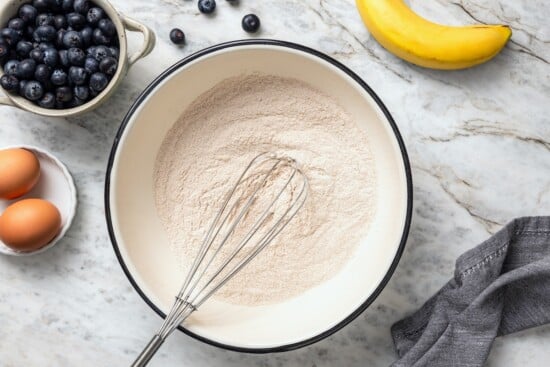
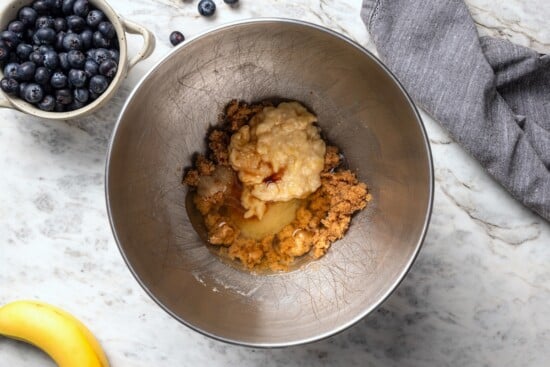
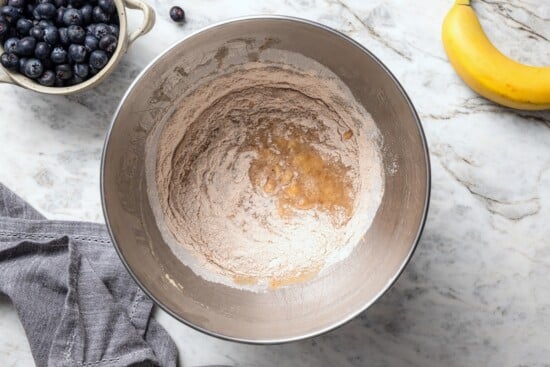
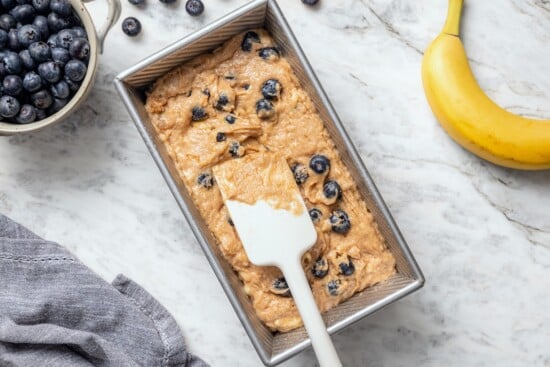
Mixing Technique: Quick breads benefit from minimal mixing. Overmixing develops the gluten in the flour, leading to a tough, dense crumb. The process typically involves combining dry ingredients separately, then wet ingredients, and finally incorporating the dry into the wet until just combined. Lumps in the batter are acceptable and often preferred to an overmixed, smooth batter. The mashed bananas, applesauce, and egg whites ensure adequate moisture without excessive fat, while the white whole wheat flour provides a robust structure without being overly heavy.
Baking Temperature and Time: The specified baking temperature (typically around 350°F or 175°C) and duration (around 50-60 minutes for a loaf) are critical for even cooking. A quick bread needs sufficient time for the leavening agents (baking soda/powder) to react, creating air pockets, and for the internal structure to set. A common test for doneness is inserting a toothpick into the center of the loaf; if it comes out clean, the bread is baked through. The moist nature of this recipe, due to bananas, blueberries, and applesauce, might require slightly longer baking times than drier recipes.
Cooling Process: Allowing the bread to cool in the pan for a short period (e.g., 10-15 minutes) before transferring it to a wire rack is important. This allows the internal structure to firm up, preventing the loaf from collapsing. Cooling completely on a wire rack ensures air circulation, preventing condensation that could make the bottom soggy.
Broader Dietary Implications and Culinary Trends
This healthier blueberry banana bread recipe is more than just a single dish; it represents a broader trend in contemporary culinary practices—the demand for "lightened-up" versions of comfort foods. As public health awareness grows and dietary recommendations emphasize whole grains, reduced sugar, and lower saturated fat, home cooks and professional chefs alike are innovating to meet these needs without sacrificing taste or enjoyment.
The rise of food blogs and online recipe platforms, such as Skinnytaste (the source of this recipe), has played a significant role in disseminating these healthier adaptations. These platforms often provide detailed nutritional information, ingredient substitutions, and practical tips, empowering individuals to make informed choices about their diet. The emphasis on natural sweeteners, fiber-rich ingredients, and lean protein sources reflects a holistic approach to eating that prioritizes nutrient density.
Furthermore, the versatility of quick breads makes them an ideal canvas for healthier experimentation. They can be easily adapted into muffins, which are perfect for portion control and on-the-go snacking, or varied with different fruits (cranberries, strawberries), nuts (pecans, walnuts), or spices (cinnamon, nutmeg) to suit individual preferences. This adaptability encourages culinary creativity while adhering to healthier principles.
The implications for public health are substantial. By making comforting, traditionally indulgent foods more nutritious and accessible, these recipes contribute to a culture of mindful eating. They demonstrate that healthy eating does not necessitate a complete overhaul of one’s diet but can involve simple, intelligent substitutions that enhance nutritional value while retaining the joy of food. This particular blueberry banana bread serves as a prime example, offering a delicious, moist, and naturally sweet treat that aligns with modern health-conscious lifestyles.
Storage and Preservation for Optimal Enjoyment
Proper storage is key to maintaining the freshness and quality of homemade quick breads like this blueberry banana bread. Due to its high moisture content from the bananas, blueberries, and applesauce, it has a relatively short shelf life at room temperature.
Room Temperature Storage: For consumption within 2-3 days, the bread can be stored at room temperature. It should be wrapped tightly in plastic wrap or aluminum foil, or placed in an airtight container. This prevents it from drying out and helps maintain its moist texture. Keeping it in a cool, dry place away from direct sunlight is advisable.
Refrigeration: To extend its freshness, particularly in warmer climates or if planning to consume it over 4-5 days, refrigeration is recommended. Again, wrap it tightly or store it in an airtight container to prevent it from absorbing odors from other foods in the refrigerator and to protect its moisture. Chilled bread can be gently warmed in a toaster oven or microwave for a fresh-baked feel.
Freezing for Longer Preservation: Blueberry banana bread freezes exceptionally well, making it an excellent option for meal prepping or enjoying portions over a longer period. To freeze, ensure the bread has cooled completely. Wrap the entire loaf or individual slices tightly in plastic wrap, then an additional layer of aluminum foil, or place them in freezer-safe bags. This double layer helps prevent freezer burn. Properly wrapped, the bread can be stored in the freezer for up to 2-3 months. When ready to enjoy, thaw frozen slices or the whole loaf at room temperature, or gently reheat in a microwave or oven.

Observing these storage guidelines ensures that this healthier blueberry banana bread remains a delightful and convenient option for breakfasts, snacks, or desserts, maximizing its utility and minimizing food waste. The thoughtful design of this recipe, from its healthful ingredients to its practical preparation and storage, positions it as a valuable addition to any modern, health-conscious kitchen.
