
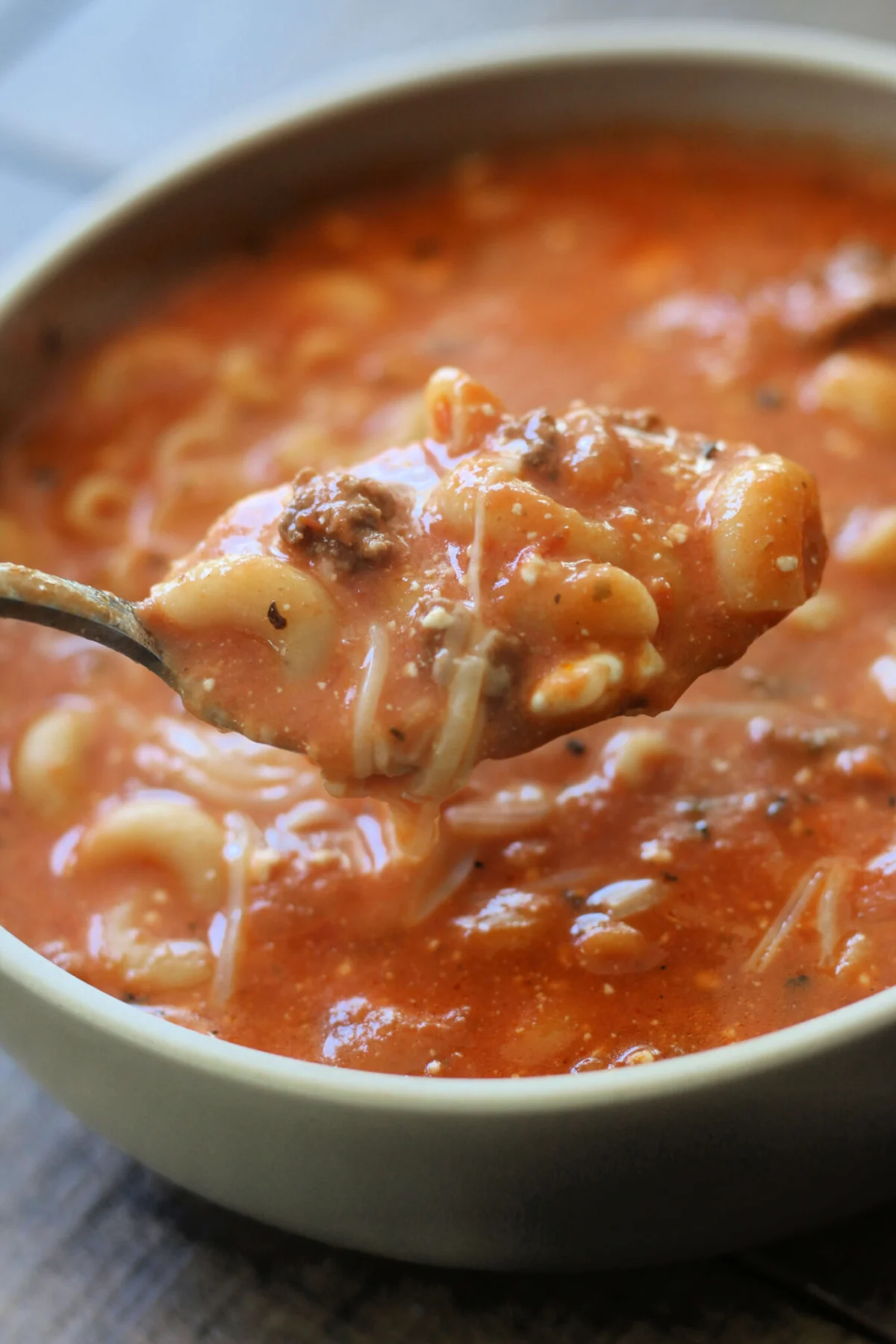
The Evolution of Amish Culinary Traditions in the Digital Age
Amish cuisine has long been defined by its reliance on home-grown ingredients, seasonal availability, and a focus on caloric density required for manual labor. Historically, these recipes—often referred to as "plain" cooking—avoided aggressive seasoning, relying instead on the natural flavors of high-quality meats, dairy, and grains. The "6-Ingredient Hamburger Casserole" is a prime example of this heritage, originally consisting of ground beef, pasta, a tomato base, and cheese, with minimal intervention.
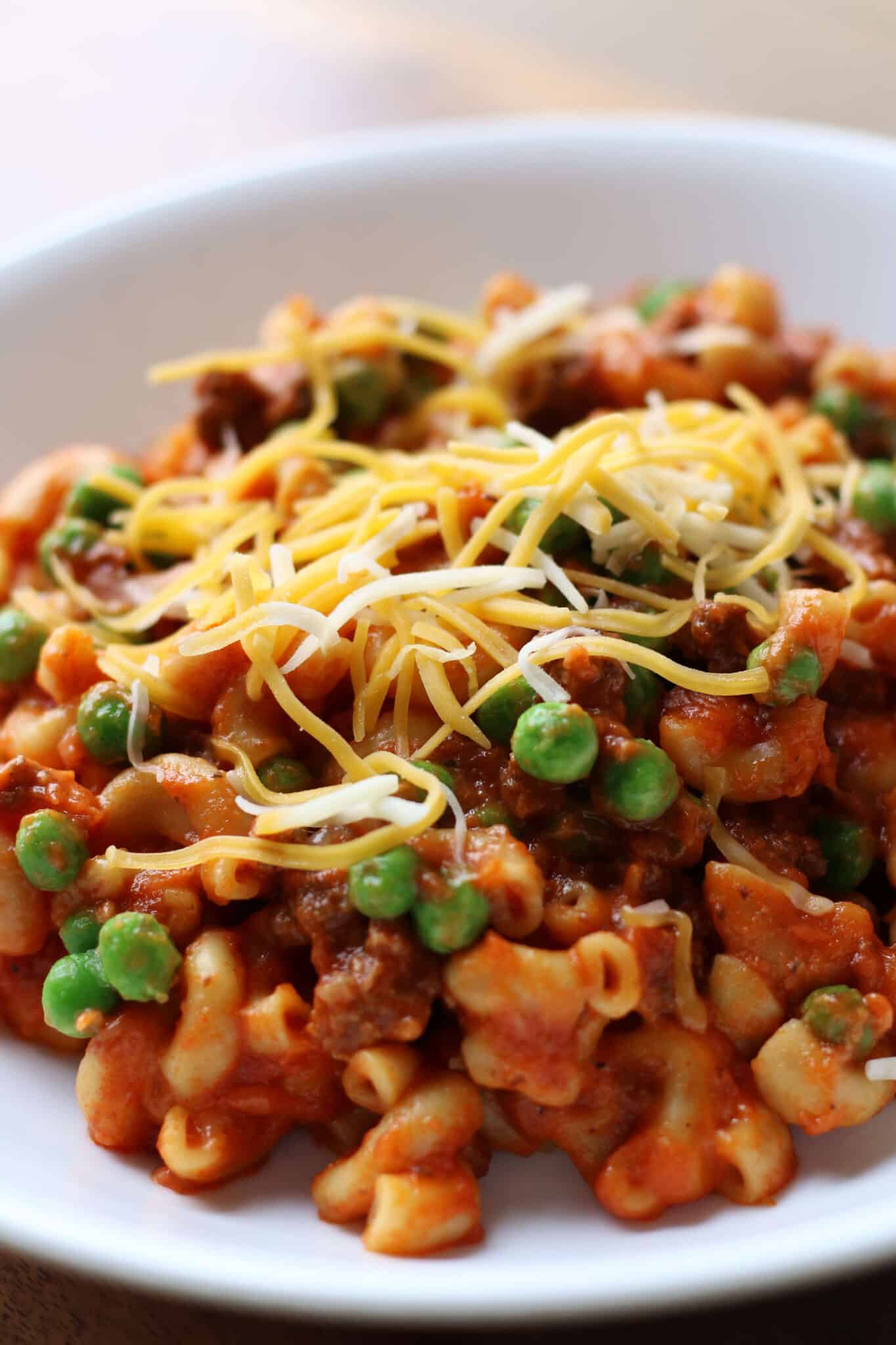
However, as these recipes move from handwritten ledger books to digital platforms like 365 Days of Crockpot, they undergo a process of "flavor enrichment." Modern adaptations frequently integrate aromatics such as garlic powder, onion powder, and Worcestershire sauce. Culinary analysts note that this transition reflects a shift in consumer expectations; where satiety was once the primary goal, contemporary home cooks prioritize "umami" and depth of flavor. The inclusion of five additional seasoning elements in the updated version of this casserole illustrates the standardizing of the American spice cabinet as a baseline for all home-prepared meals.
Technical Specifications and Procedural Chronology
The transition of the hamburger casserole from a slow-baked oven dish to a four-minute pressure-cooked meal marks a significant shift in domestic efficiency. The process, as outlined by culinary experts, follows a strict chronological order designed to optimize texture and prevent the "burn" notice common in high-starch pressure cooking.
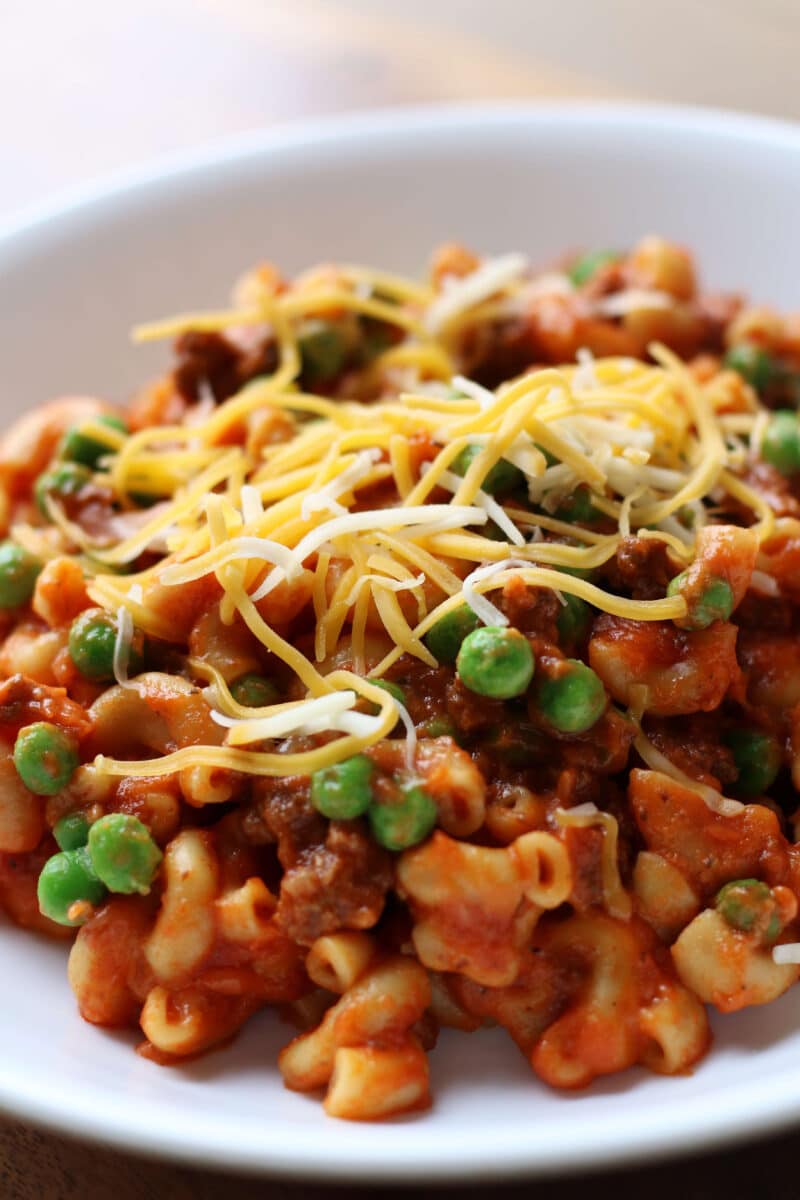
- The Searing Phase: The process begins with the "Saute" function, reaching temperatures sufficient to trigger the Maillard reaction in the ground beef. This five-minute browning period is critical for developing the base savory notes of the dish.
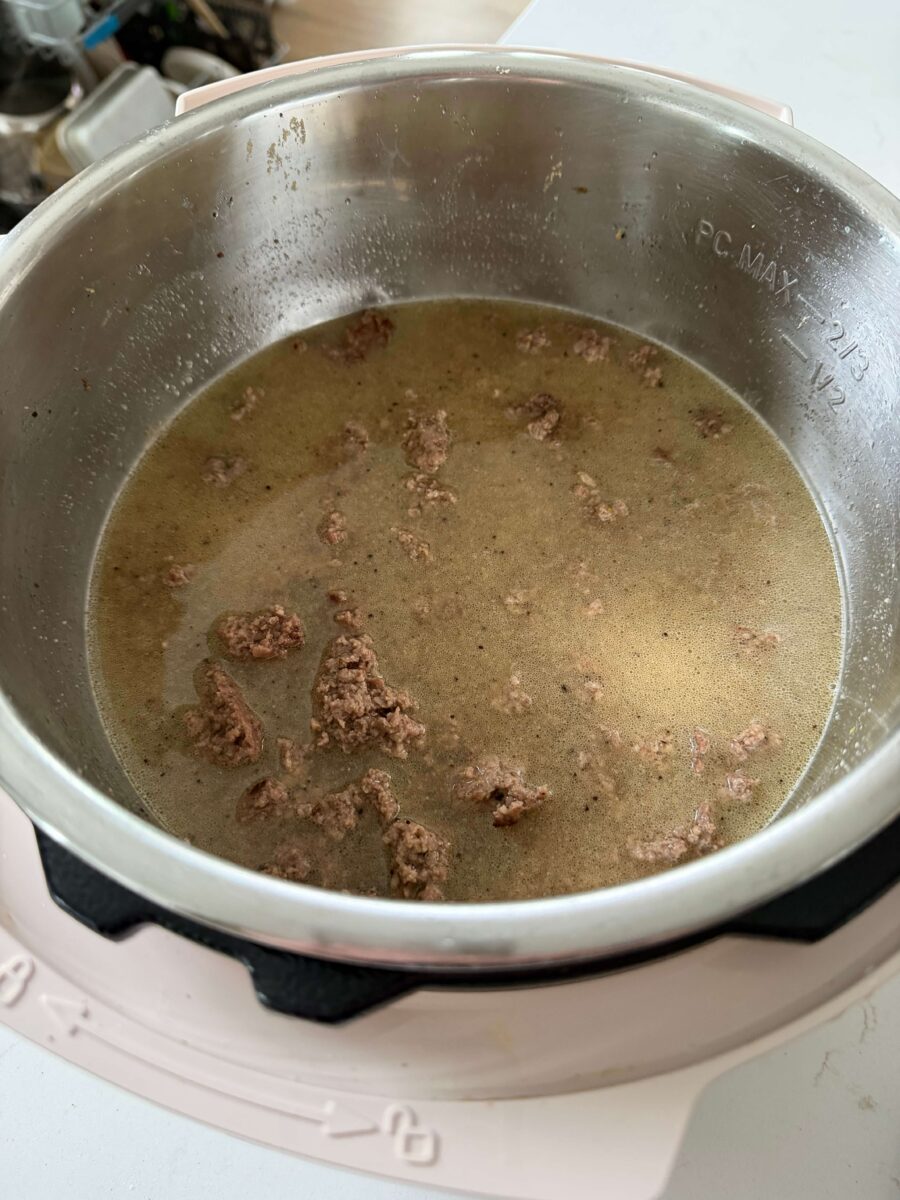
- Deglazing and Liquid Management: After draining excess lipids, the introduction of beef broth serves a dual purpose. It provides the necessary steam for pressure generation and allows for the mechanical scraping of the pot’s bottom. This step is vital for removing "fond"—the caramelized bits of protein—which prevents scorched sensors during the high-heat cycle.
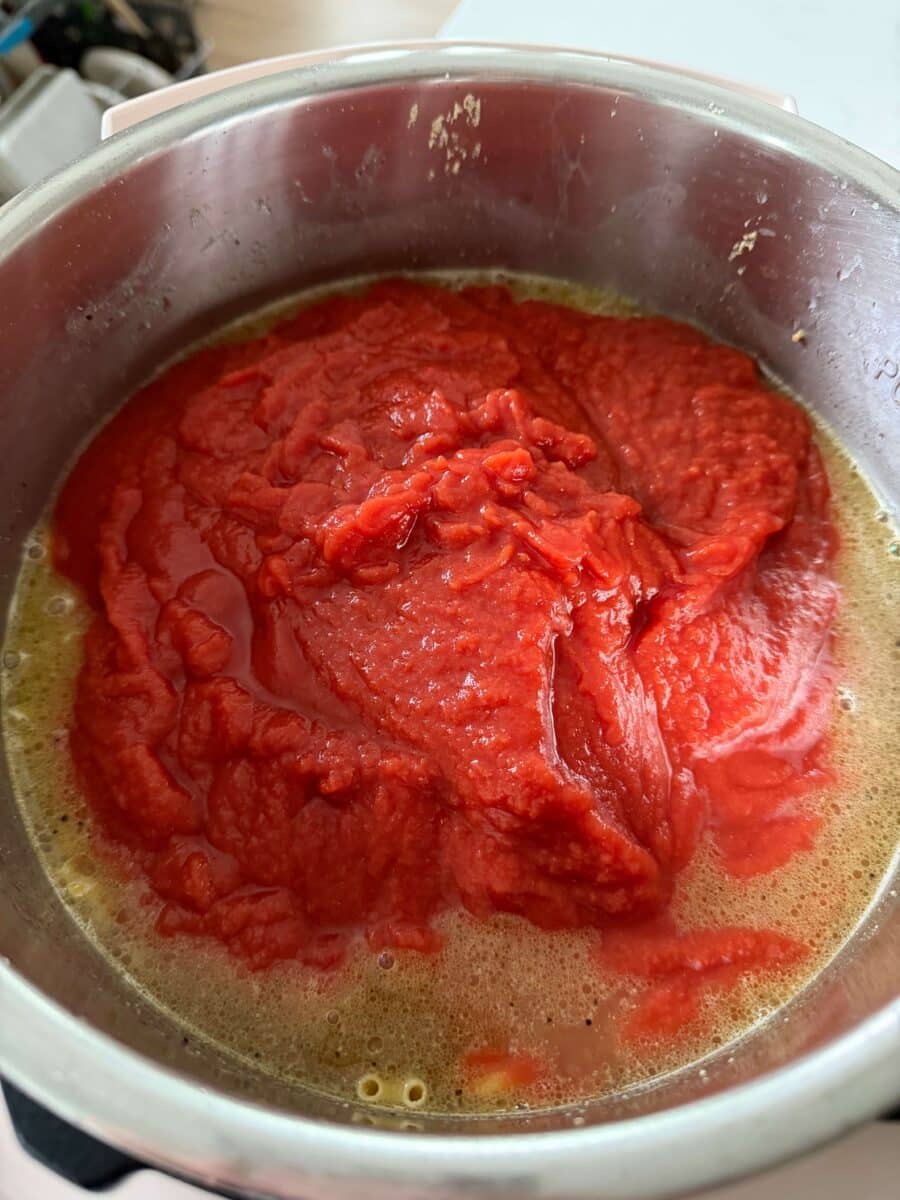
- The Stratification Method: Unlike traditional stovetop boiling, Instant Pot pasta requires specific layering. The macaroni is added but not stirred, followed by a layer of crushed tomatoes and Worcestershire sauce. This stratification ensures that the heavier tomato solids do not settle at the bottom, which would otherwise impede heat distribution.
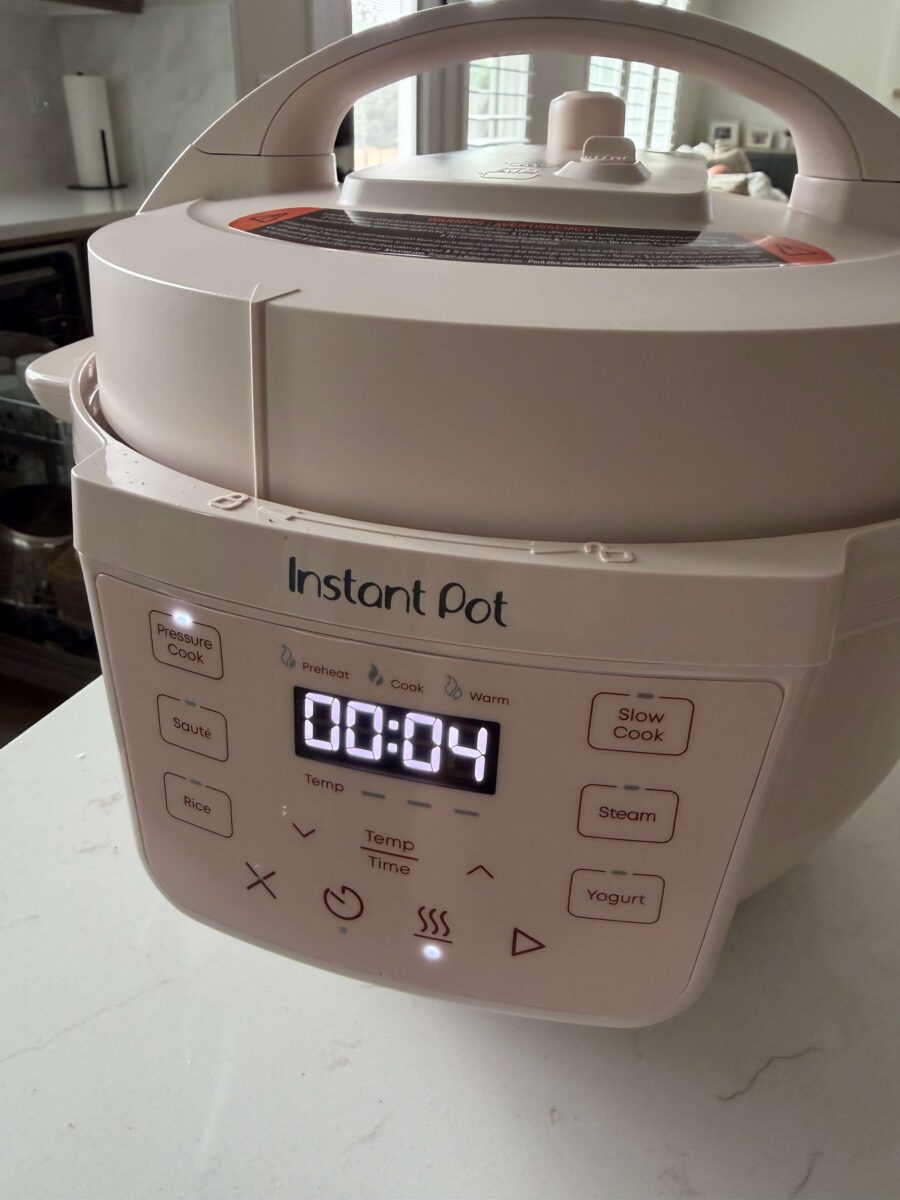
- Pressurization and Equilibrium: The device is set to high pressure for a duration of four minutes. This is followed by a five-minute "Natural Pressure Release" (NPR). This period of stasis allows the internal temperature to stabilize and the pasta to reach an al dente state without becoming mushy through over-agitation.
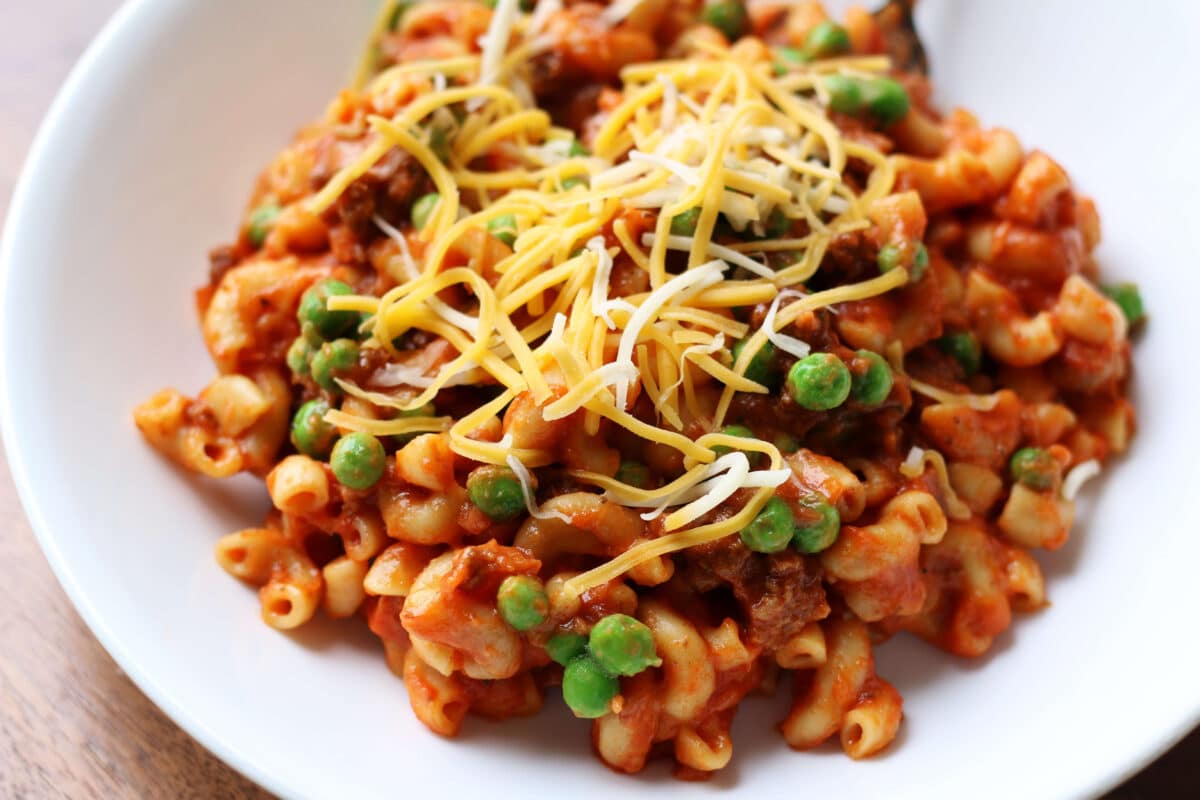
- The Finishing Integration: The final stage involves the manual folding of frozen peas and shredded cheddar cheese into the residual heat of the mixture. This method utilizes carryover cooking to steam the vegetables and emulsify the dairy, creating a cohesive sauce without the need for additional thickeners.
Economic and Nutritional Data Analysis
The popularity of the Amish 6-Ingredient Hamburger Casserole is inextricably linked to current economic pressures facing American households. As of 2024, food-at-home indices have shown significant volatility, leading consumers to seek out "bulk-buy" friendly recipes.
Ground beef remains one of the most versatile and accessible proteins for the average consumer, while dry pasta offers an shelf-stable carbohydrate source with a low cost-per-serving ratio. By combining these with frozen vegetables and canned tomato products, the casserole provides a complete nutritional profile—protein, complex carbohydrates, and fiber—at a fraction of the cost of processed convenience foods or restaurant delivery.
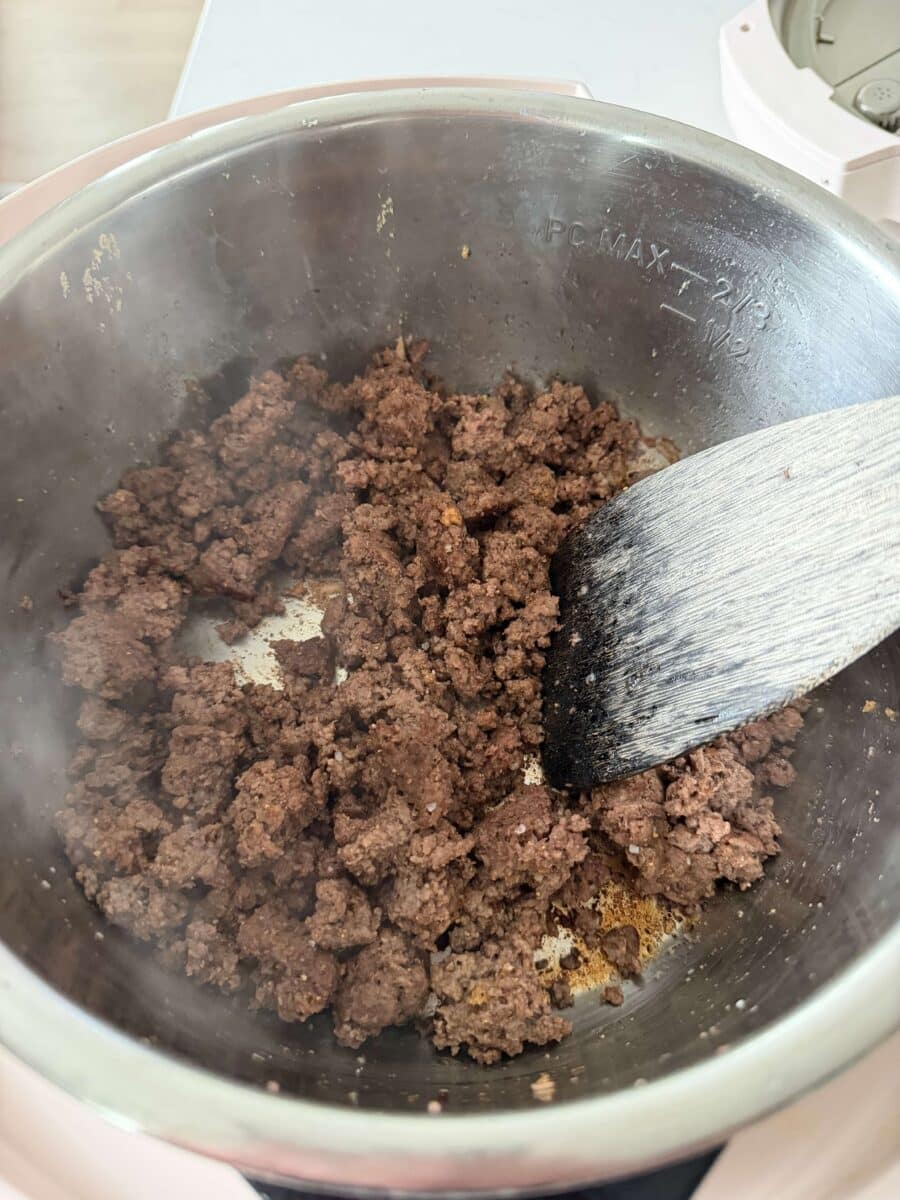
From a nutritional standpoint, the dish offers approximately 20 to 25 grams of protein per serving, depending on the lean-to-fat ratio of the beef used. The substitution of spinach for peas, as suggested by the recipe’s developers, further increases the micronutrient density, specifically adding Vitamin K, Vitamin A, and folate to the meal’s profile.
Market Trends: The One-Pot Revolution
The rise of the "one-pot" meal is a documented phenomenon in the housewares and grocery sectors. Market research indicates that the primary barrier to home cooking is not the cooking itself, but the subsequent cleanup. By utilizing a single vessel for browning, boiling, and simmering, the Amish Hamburger Casserole aligns with the "efficiency-first" mindset of the modern workforce.
The Instant Pot, specifically, has seen a resurgence as a tool for "dump and go" recipes. This trend is supported by data from recipe indexing sites, which show a 30% increase in searches for "pressure cooker beef pasta" over the last two fiscal quarters. This reflects a broader societal move toward "set-it-and-forget-it" technology that allows for multitasking in high-stress domestic environments.
Comparative Culinary Analysis
The Amish 6-Ingredient Hamburger Casserole does not exist in a vacuum; it is part of a larger family of American comfort foods. It shares structural similarities with several regional variations:
- American Goulash: Often referred to as "Johnny Marzetti" in some regions, this dish focuses more heavily on a liquid tomato sauce and often includes bell peppers and onions.
- Indiana Chowder Casserole: A variation that incorporates mushrooms and egg noodles, showcasing the flexibility of the ground beef and pasta template.
- Golden Corn Ranch Beef Casserole: A more modern, "fusion" take that uses ranch dressing mix and pepper jack cheese to pivot the flavor profile toward a Southwest aesthetic.
The Amish version remains the most "neutral" of these options, providing a canvas that is easily modified to suit different dietary needs, such as gluten-free pasta substitutions or the use of plant-based meat alternatives.
Institutional and Consumer Responses
While there are no official governing bodies for Amish recipes, the community of home-cooking influencers and culinary bloggers acts as a de facto peer-review system. Reactions to the modified 11-ingredient version have been largely positive, with many users noting that the addition of garlic and onion powder "bridges the gap" between traditional blandness and modern palates.
Health-conscious consumers have also weighed in, advocating for the "hidden vegetable" technique—stirring in chopped spinach or finely diced zucchini—to increase the dish’s volume without significantly altering the flavor or caloric count. This adaptability is cited as a key reason for the recipe’s longevity in the digital space.
Broader Implications for Domestic Life
The enduring appeal of the Amish 6-Ingredient Hamburger Casserole suggests that despite the rapid pace of technological change, the core human desire for "homestyle" comfort remains unchanged. The recipe serves as a bridge between generations; it preserves the spirit of 19th-century resourcefulness while employing 21st-century mechanics.
As families continue to navigate a landscape of rising costs and diminishing free time, the reliance on these "hybrid" recipes is expected to grow. The casserole is more than just a meal; it is a data point in the ongoing story of how humans adapt their traditions to survive and thrive in a changing world. By simplifying the process and enhancing the flavor, modern cooks are ensuring that the culinary foundations of the past are not lost, but rather reformulated for the future.
