
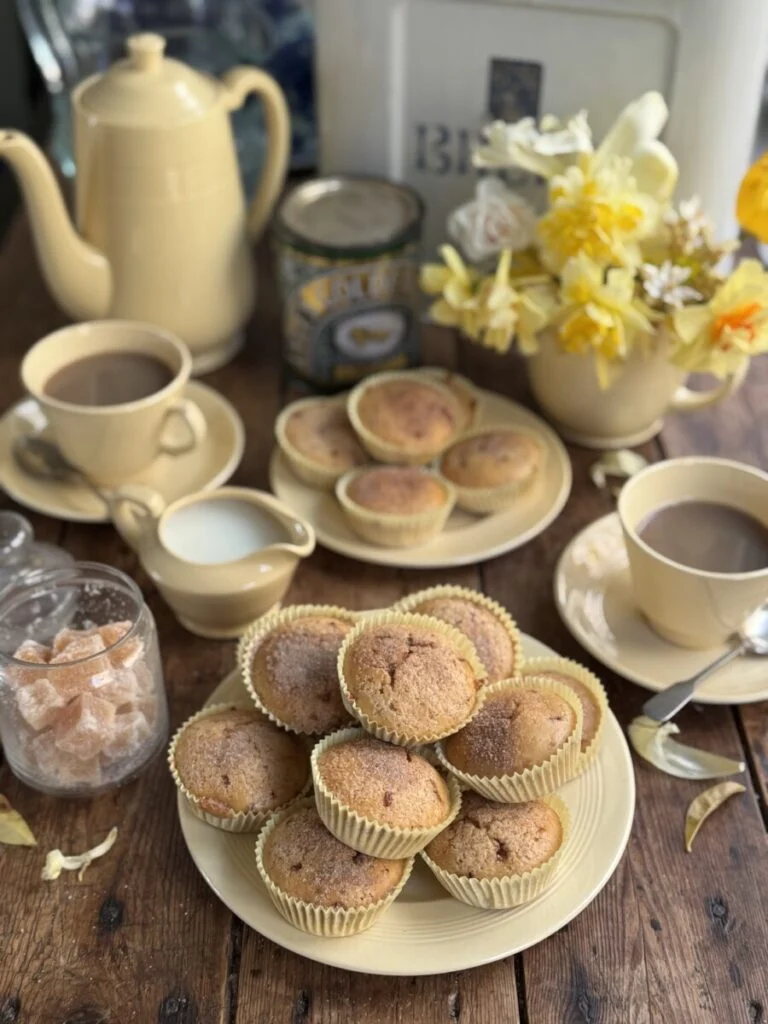
A century-old recipe for Afternoon Tea Cakes featuring Lyle’s Golden Syrup and crystallised ginger has been revived and published by culinary historian Karen Burns-Booth, offering a delectable glimpse into British baking traditions of the 1920s. Released on April 25, 2026, this faithful recreation, originally sourced from a vintage Lyle’s Golden Syrup recipe booklet, marks the centenary of these dainty individual cakes, providing contemporary bakers with an authentic taste of the past. The reintroduction highlights the enduring appeal of heritage recipes and the cultural significance of ingredients like golden syrup in British culinary identity.
Historical Context: A Glimpse into 1920s British Baking

The year 2026 marks 100 years since the probable initial publication of this particular recipe, placing its origins firmly in the mid-1920s. This period, often referred to as the "Roaring Twenties," was a time of significant social and economic change following the First World War. For many households in Britain, home baking remained a central activity, offering both sustenance and comfort. Afternoon tea, a cherished ritual, continued to thrive, evolving slightly with new culinary influences and the increasing availability of ingredients. Small, individual cakes, often referred to as "fairy cakes" or "buns" (as noted by Burns-Booth, echoing her late father’s terminology), were staples of the tea tray, valued for their manageability and suitability for informal gatherings.
The widespread availability of branded ingredients also played a crucial role in standardizing home baking. Lyle’s Golden Syrup, an iconic British product, was already a household name by the 1920s. First introduced in 1883 by Abram Lyle & Sons, its distinctive green and gold tin and lion emblem became synonymous with quality and versatility. The company actively promoted its product through recipe booklets, like the one from which this recipe originates, encouraging consumers to incorporate golden syrup into a wide array of sweet and savoury dishes. These booklets served as invaluable educational tools, guiding home cooks and cementing golden syrup’s place as a fundamental ingredient in British kitchens. The inclusion of golden syrup in the Afternoon Tea Cakes recipe is thus a testament to its pervasive presence and popular use during that era, contributing a unique depth of flavour and moistness characteristic of many traditional British bakes.

The Revival: Karen Burns-Booth’s Culinary Archaeology
Karen Burns-Booth, known for her dedication to preserving and sharing culinary heritage through her platform, has meticulously recreated this 100-year-old recipe. Her work exemplifies a growing trend among food enthusiasts and historians to delve into vintage cookbooks and recipe archives, not merely for nostalgic purposes, but to understand the evolution of food culture, ingredient usage, and domestic life. By publishing this specific recipe on its centennial, Burns-Booth not only celebrates a particular confection but also provides a tangible link to the past, allowing modern bakers to experience the flavours and textures that delighted generations before them.

The recipe’s re-publication in 2026 is part of a broader movement to digitise and popularise historical culinary texts, making them accessible to a wider audience than ever before. This digital preservation ensures that valuable gastronomic knowledge, often contained in fragile, out-of-print booklets, is safeguarded for future generations. Burns-Booth’s efforts resonate with a public increasingly interested in provenance, traditional craftsmanship, and the stories behind their food.
Key Ingredients and Their Cultural Significance

The Afternoon Tea Cakes are characterised by two primary flavour profiles: golden syrup and crystallised ginger.
- Lyle’s Golden Syrup: This inverted sugar syrup is renowned for its rich, buttery caramel notes and distinctively glossy texture. Unlike granulated sugar, golden syrup contributes moisture and a unique depth of flavour that is quintessential to many British desserts, from treacle tart to flapjacks. Its consistent quality and long shelf-life made it an indispensable ingredient for home bakers in the early 20th century, particularly during times when other sweeteners might have been scarcer or more expensive. The syrup’s iconic tin, still largely unchanged since its inception, is recognized by Guinness World Records as the world’s oldest brand packaging.
- Crystallised Ginger: The inclusion of crystallised ginger adds a warm, spicy counterpoint to the sweetness of the golden syrup. Ginger has a long history in British cooking, having been imported and used as a spice for centuries. Crystallised ginger, where ginger pieces are cooked in sugar syrup and then coated in sugar, provided a convenient and flavourful way to incorporate this spice into baking. It offered a pleasant chewiness and a gentle heat, making these cakes particularly appealing. For those who might prefer a milder flavour, the recipe notes offer the traditional alternative of currants or raisins, highlighting the adaptability of historical recipes to individual tastes and available ingredients. These dried fruits were also common additions to cakes and buns, providing sweetness and texture.
The combination of these ingredients creates a balanced and comforting flavour profile, reflecting the preferences of the era for wholesome yet indulgent treats suitable for a leisurely afternoon tea.

The Anatomy of a Vintage Tea Cake
According to Burns-Booth’s findings and recreation, these cakes are designed as "dainty little fairy cakes." This term refers to their small size, typically baked in individual paper cases within a patty tin. This format was practical for portion control, ease of serving, and aesthetic appeal on a tea tray. The small size also meant quicker baking times, an advantage for busy households.

The recipe yields approximately 18 small cakes, making them ideal for a family or a small gathering. Their modest size is noted as "just the right size for tiny hands," suggesting their suitability for children, while "two cakes are perfect for the grown-ups, especially with a cup of tea or coffee." This emphasis on portioning underscores the social context of afternoon tea, where a variety of small items were often presented.
The cakes are also noted for their excellent keeping qualities, remaining fresh in a cake tin for "3 or 4 days," and are suitable for freezing. This practicality was a hallmark of traditional baking, where efficiency and minimizing waste were important considerations for household management.

Serving and Presentation: Echoes of Elegance
The presentation of food has always been integral to the enjoyment of a meal, and afternoon tea is no exception. Burns-Booth mentions serving these cakes on "pretty vintage Woodsware Jasmine china, with some spring flowers from our cottage garden." This detail, while personal to her experience, evokes the broader cultural practice of thoughtful presentation that accompanied afternoon tea.

In the 1920s, table settings for afternoon tea often involved fine china, linen tablecloths, and fresh flowers, even in modest homes. The act of preparing and serving tea was a moment of refined domesticity, a brief respite from daily routines. The "dainty" nature of the cakes themselves lent well to such presentations, fitting seamlessly into the aesthetic of the era. The use of "cinnamon sugar for the sugar topping before baking" further enhances their visual appeal and adds another layer of subtle flavour, a simple yet effective decorative touch common in historical baking.
Broader Implications: Culinary Heritage in the Digital Age

The revival of this 100-year-old recipe by Karen Burns-Booth carries several broader implications for contemporary food culture:
- Preservation of Culinary Heritage: In an era of rapidly changing food trends, the deliberate effort to unearth, test, and share vintage recipes is crucial for preserving intangible cultural heritage. Each recipe tells a story of its time, its ingredients reflecting agricultural practices, trade routes, and social norms.
- Education and Skill Development: These recipes often employ traditional techniques and ingredient combinations that might be less common today. Their recreation can educate modern bakers on foundational skills and historical culinary approaches, fostering a deeper understanding of where contemporary cooking originated.
- Nostalgia and Comfort: There is a persistent human desire for comfort food and nostalgia. Vintage recipes tap into this, offering a sense of connection to the past, often associated with simpler times or family traditions. The "Afternoon Tea Cakes with Golden Syrup" fit perfectly into this category, promising warmth and familiarity.
- Role of Digital Platforms: Blogs and online platforms like Burns-Booth’s are instrumental in democratizing access to historical culinary information. What once might have been confined to dusty archives or specialized libraries is now readily available to a global audience, fostering a community of heritage food enthusiasts.
- Brand Legacy: For companies like Lyle’s Golden Syrup, the resurgence of interest in their vintage recipes reinforces their brand legacy and historical significance. It connects new generations of consumers to the rich history of their products, highlighting their enduring quality and versatility.
Nutritional Profile

According to the provided nutritional information for the Afternoon Tea Cakes, based on a yield of 18 servings:
- Calories: 75 per serving
- Total Fat: 3g
- Saturated Fat: 1g
- Unsaturated Fat: 2g
- Sodium: 38mg
- Carbohydrates: 12g
- Fiber: 0g
- Sugar: 3g
- Protein: 1g
This profile indicates a relatively light treat, especially when compared to many modern confectioneries. The moderate calorie and sugar content per serving align with the historical context of cakes consumed as part of a balanced afternoon tea, rather than as standalone indulgent desserts. The figures underscore the "dainty" nature of the cakes, designed to be enjoyed in small portions.

Conclusion: An Enduring Legacy
The revival of the 100-year-old Afternoon Tea Cakes with Golden Syrup recipe by Karen Burns-Booth is more than just the publication of a sweet treat; it is an act of cultural preservation. It invites us to pause and appreciate the culinary landscape of a bygone era, reminding us of the simple pleasures that have graced British tea tables for generations. As home baking continues its resurgence, driven by a desire for authenticity and connection, these vintage recipes serve as invaluable touchstones, bridging the past and present one delicious bite at a time. The continued fascination with such historical bakes ensures that the legacy of traditional British cookery, and iconic ingredients like Lyle’s Golden Syrup, will continue to inspire and delight for centuries to come.
