
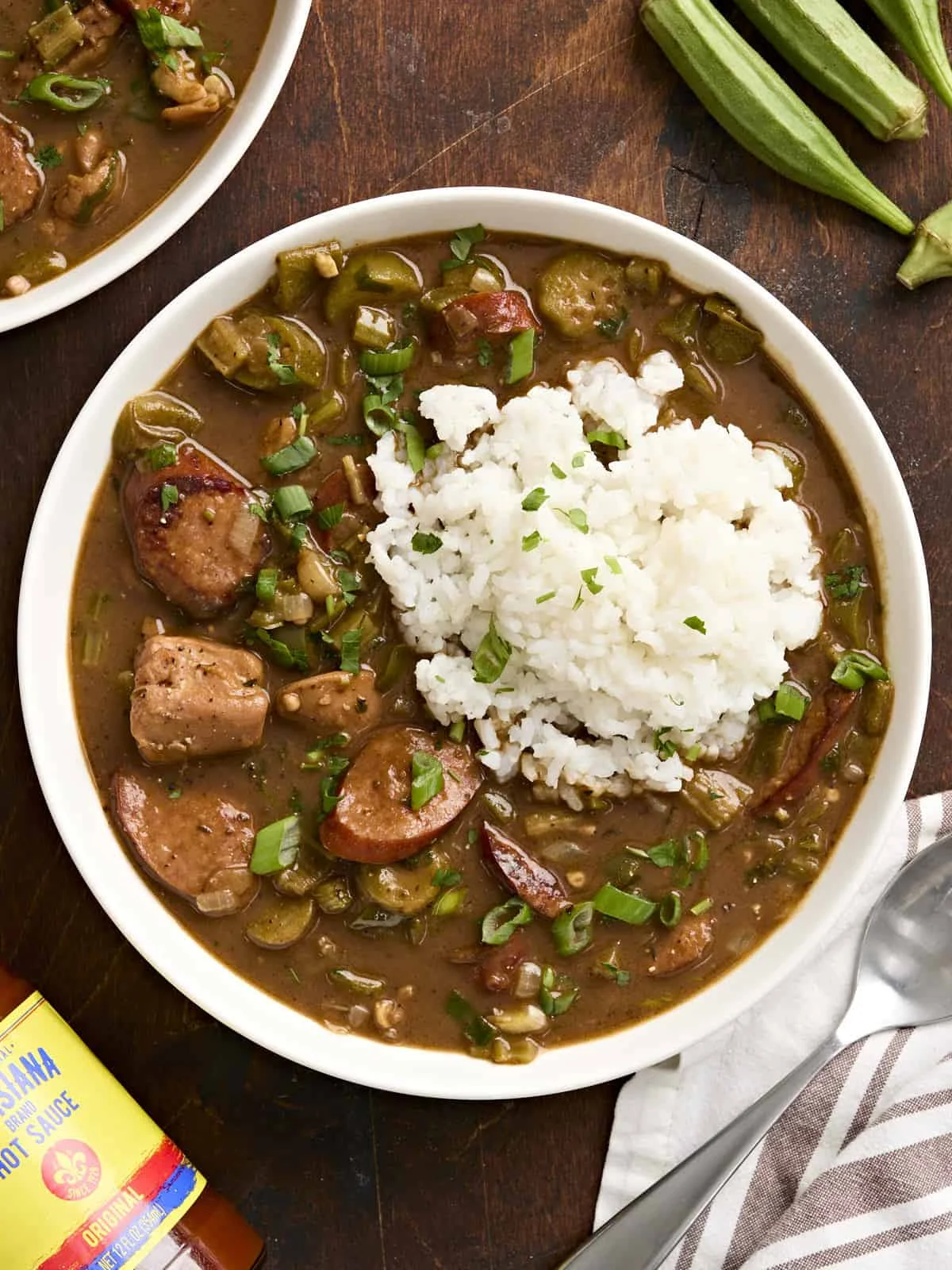
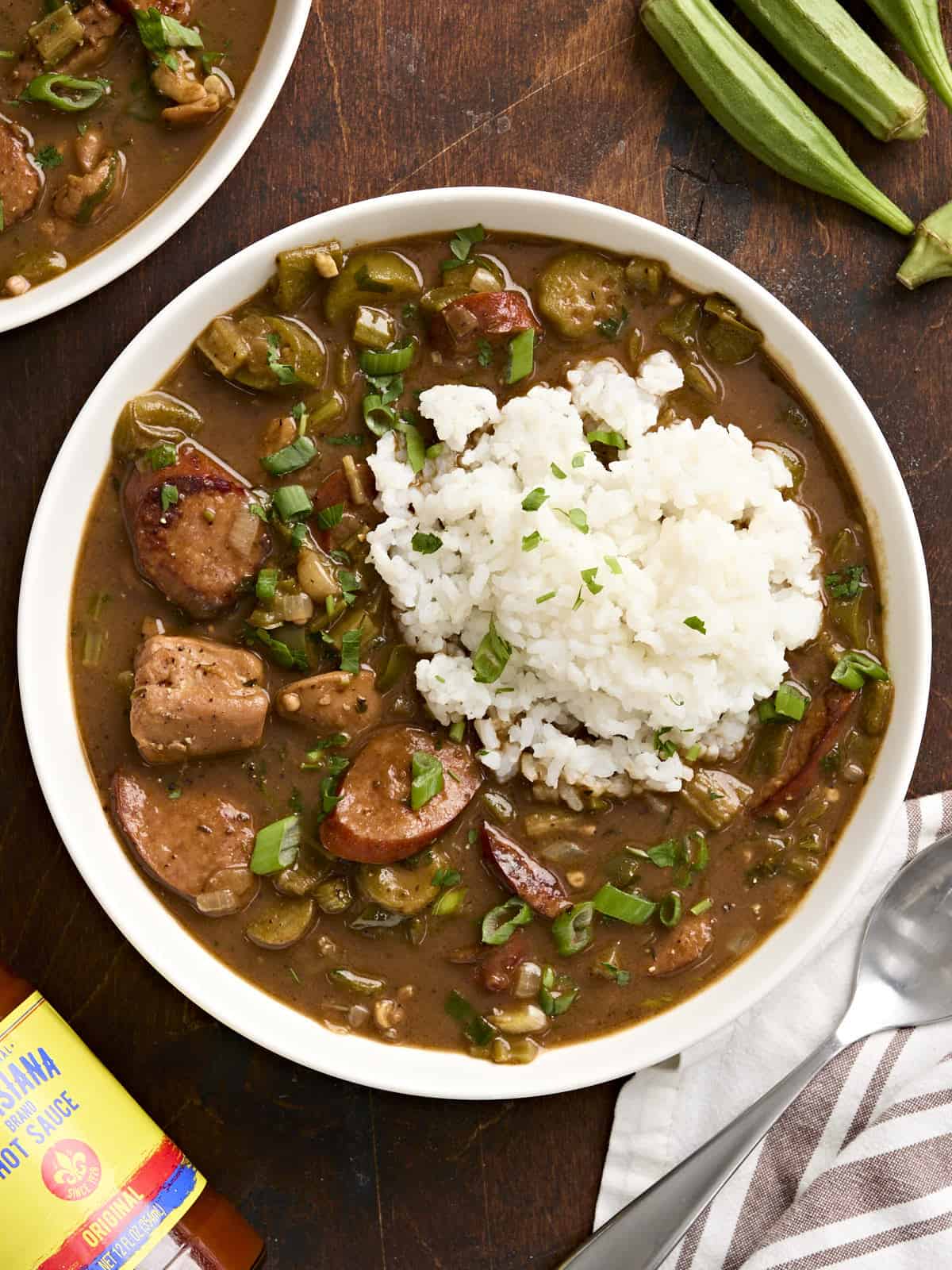
The culinary landscape of the American South is defined by dishes that serve as historical records of migration, adaptation, and cultural fusion. Among these, gumbo stands as the preeminent symbol of Louisiana’s complex heritage. A recent technical analysis and recipe development project conducted by the Nashville Test Kitchen has highlighted the intricate balance between traditional preparation methods and modern economic constraints. By focusing on a chicken and andouille sausage base, the study illustrates how a labor-intensive dish can remain accessible to the average household, costing approximately $1.88 per serving. This report examines the historical context, chemical processes, and socio-economic implications of preparing this foundational Cajun-Creole staple.
The Historical Evolution of Gumbo
Gumbo is not merely a soup or a stew; it is a gastronomic intersection where West African, French, Spanish, and Native American influences meet. The word itself is derived from the West African Bantu word for okra, kingombo. Historically, the dish evolved in the 18th century as enslaved Africans, French settlers, and Spanish colonists adapted their native cooking techniques to the ingredients available in the Louisiana bayous.
The timeline of gumbo is marked by three distinct thickening agents: okra, filé powder (ground sassafras leaves, introduced by the Choctaw people), and the French-inspired roux. While Creole versions of the dish often incorporate tomatoes—a nod to Spanish and Italian influences—Cajun gumbo, such as the version analyzed by the Nashville Test Kitchen, typically omits tomatoes and relies on a darker roux to achieve a robust, smoky profile. This distinction is central to regional identity in Louisiana, where the choice of ingredients can signal specific ancestral lineages.
Technical Analysis of the Roux and the Maillard Reaction
The heart of any gumbo is the roux, a mixture of fat and flour cooked to varying degrees of darkness. In professional culinary terms, the roux serves two purposes: as a thickening agent and as a primary flavor driver. However, as the roux darkens, its thickening power decreases, necessitating a longer simmering time or the addition of secondary thickeners like okra.
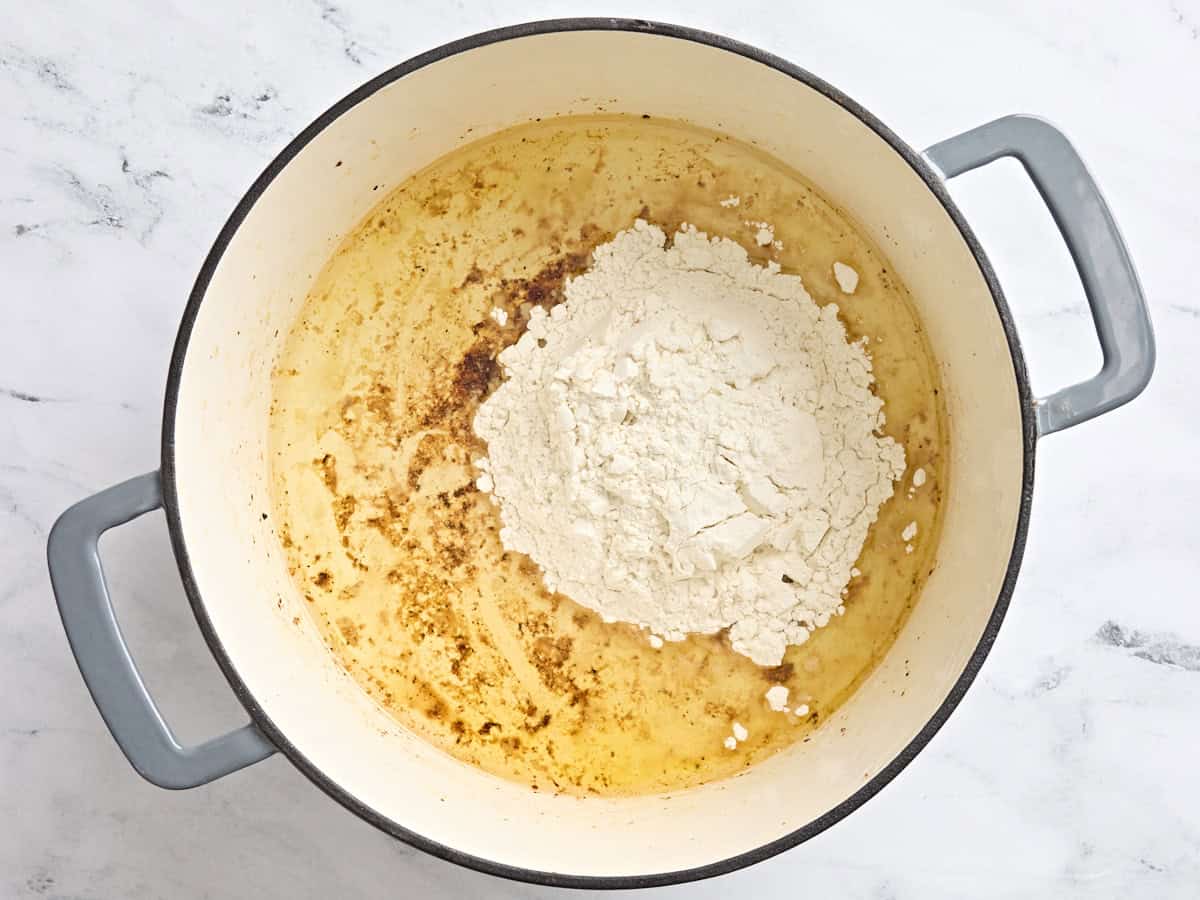
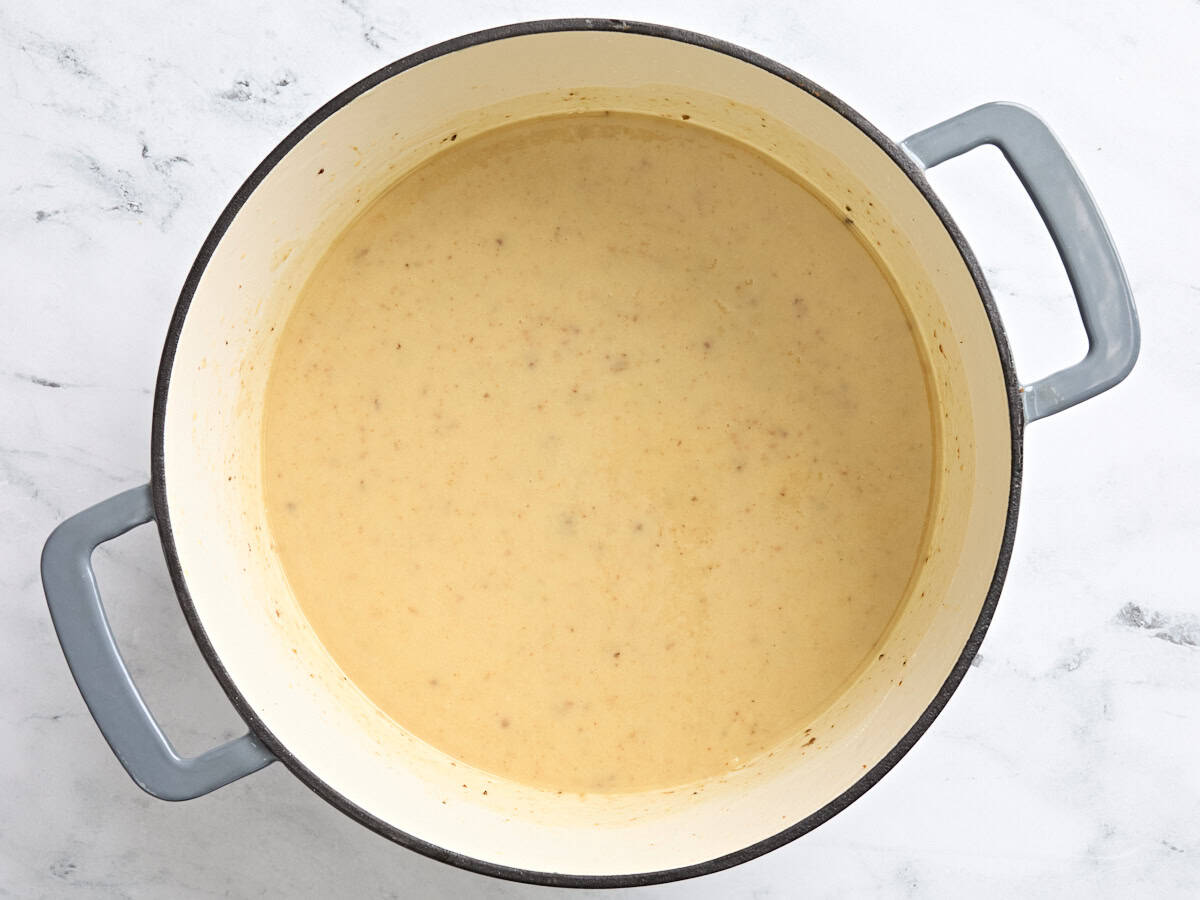
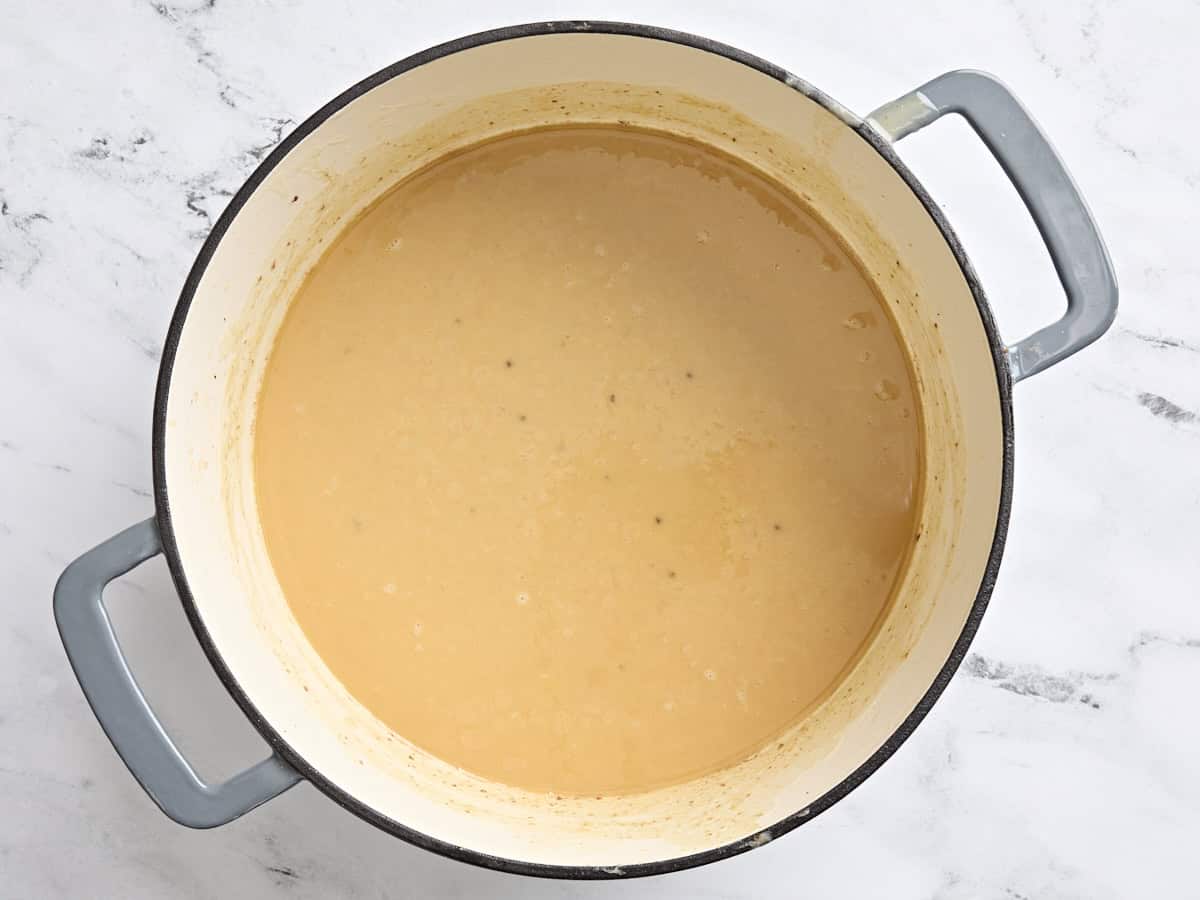
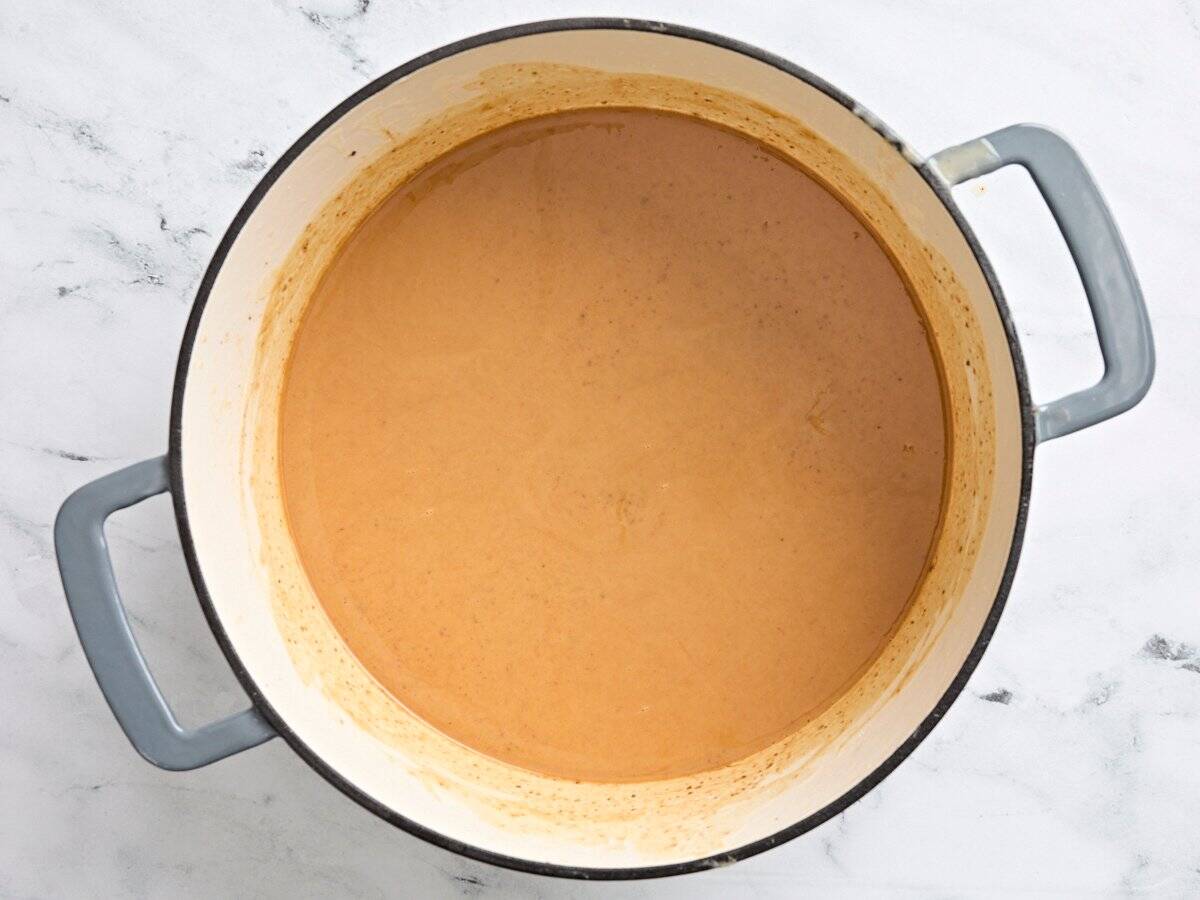
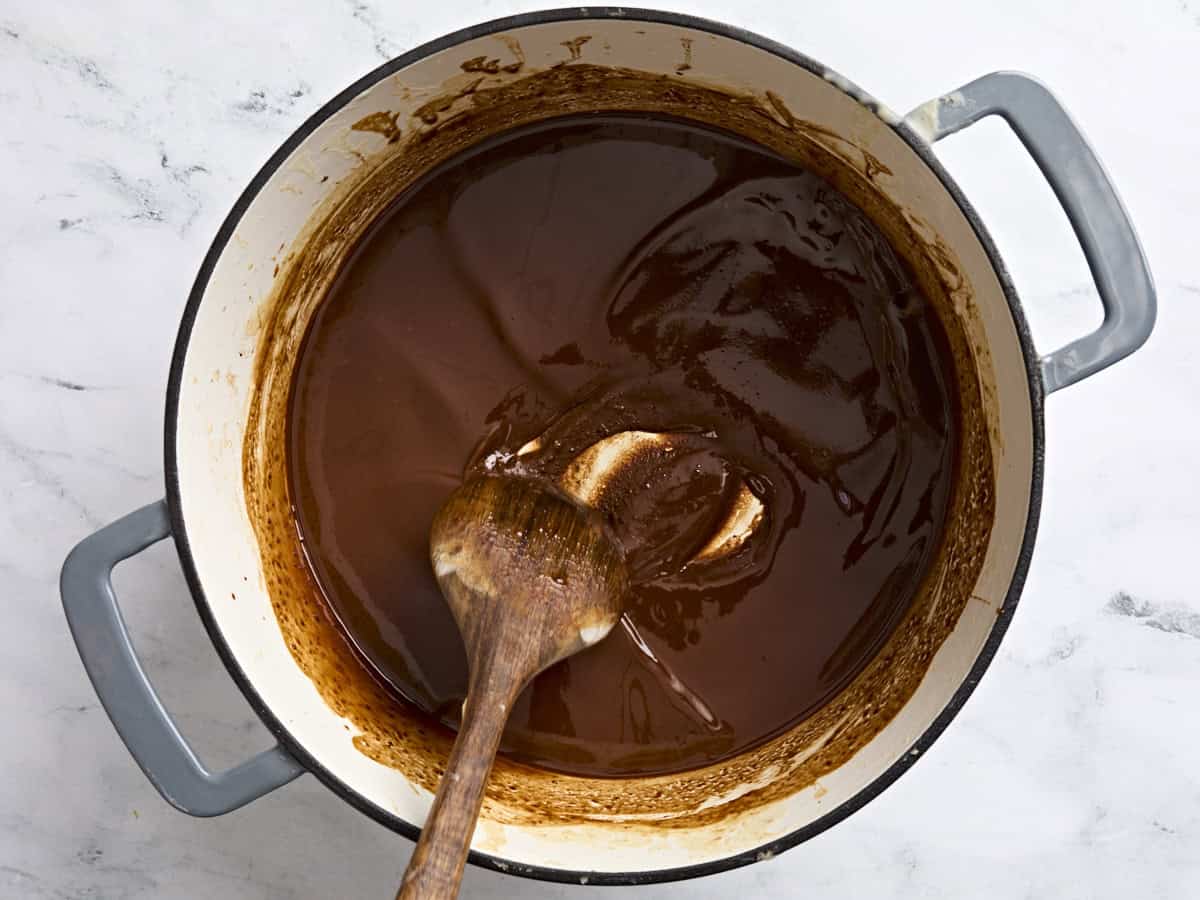
The Nashville Test Kitchen’s methodology emphasizes a "dark roux," which requires approximately two hours of constant agitation over medium-low heat. This process is a prolonged application of the Maillard reaction—a chemical reaction between amino acids and reducing sugars that gives browned food its distinctive flavor.
Culinary experts warn that the window between a "chocolate-colored" roux and a "burnt" roux is exceptionally narrow. If the flour reaches its scorched point, the starch molecules break down into carbon, resulting in a bitter acridity that cannot be masked. Consequently, the preparation of gumbo is often cited by chefs as a lesson in "culinary patience," where the chef must remain physically present for the duration of the browning process to ensure the integrity of the base.
The Role of the Holy Trinity and Protein Selection
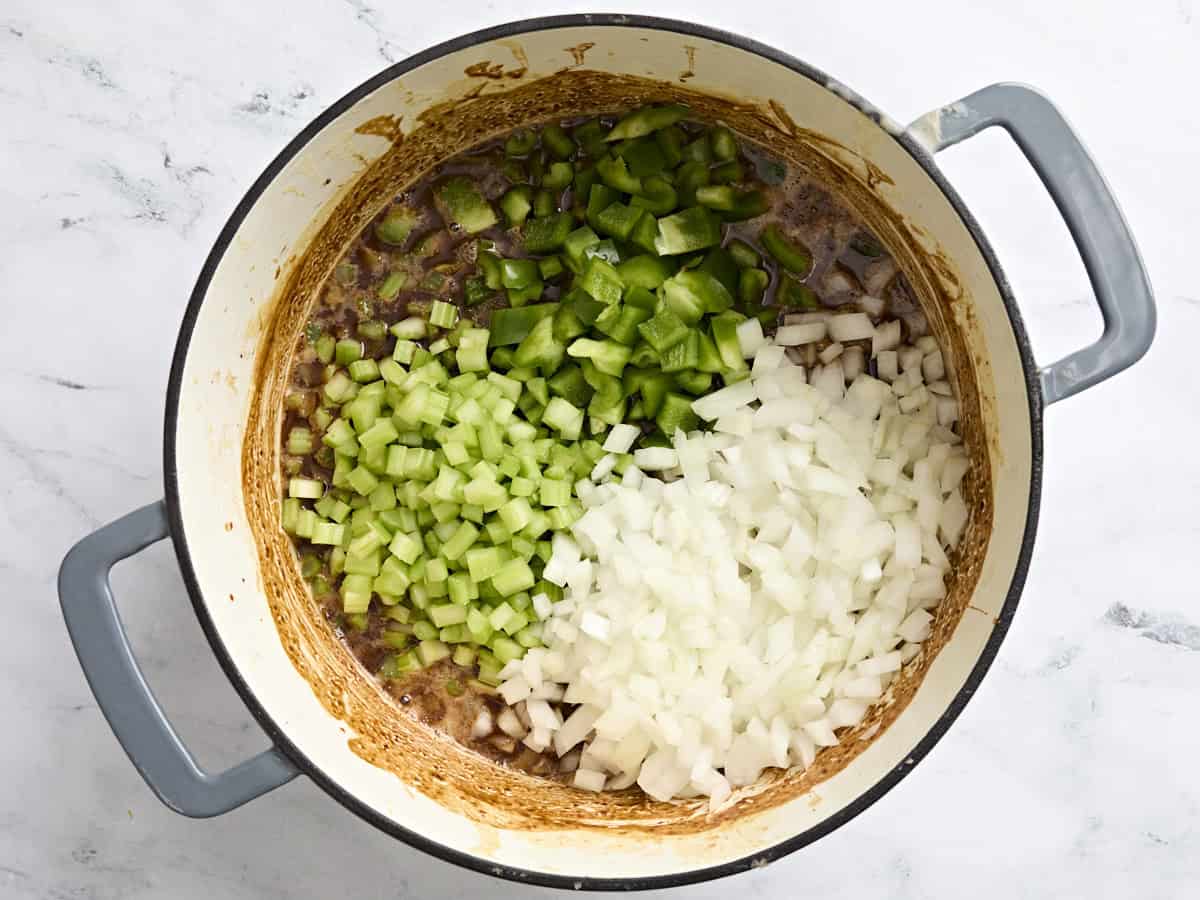
Following the establishment of the roux, the "Cajun Holy Trinity" is introduced. This combination of onions, bell peppers, and celery is a regional variation of the French mirepoix (onions, carrots, and celery). The omission of carrots in favor of bell peppers is a historical adaptation to the Gulf Coast climate, where peppers flourished more readily than root vegetables.
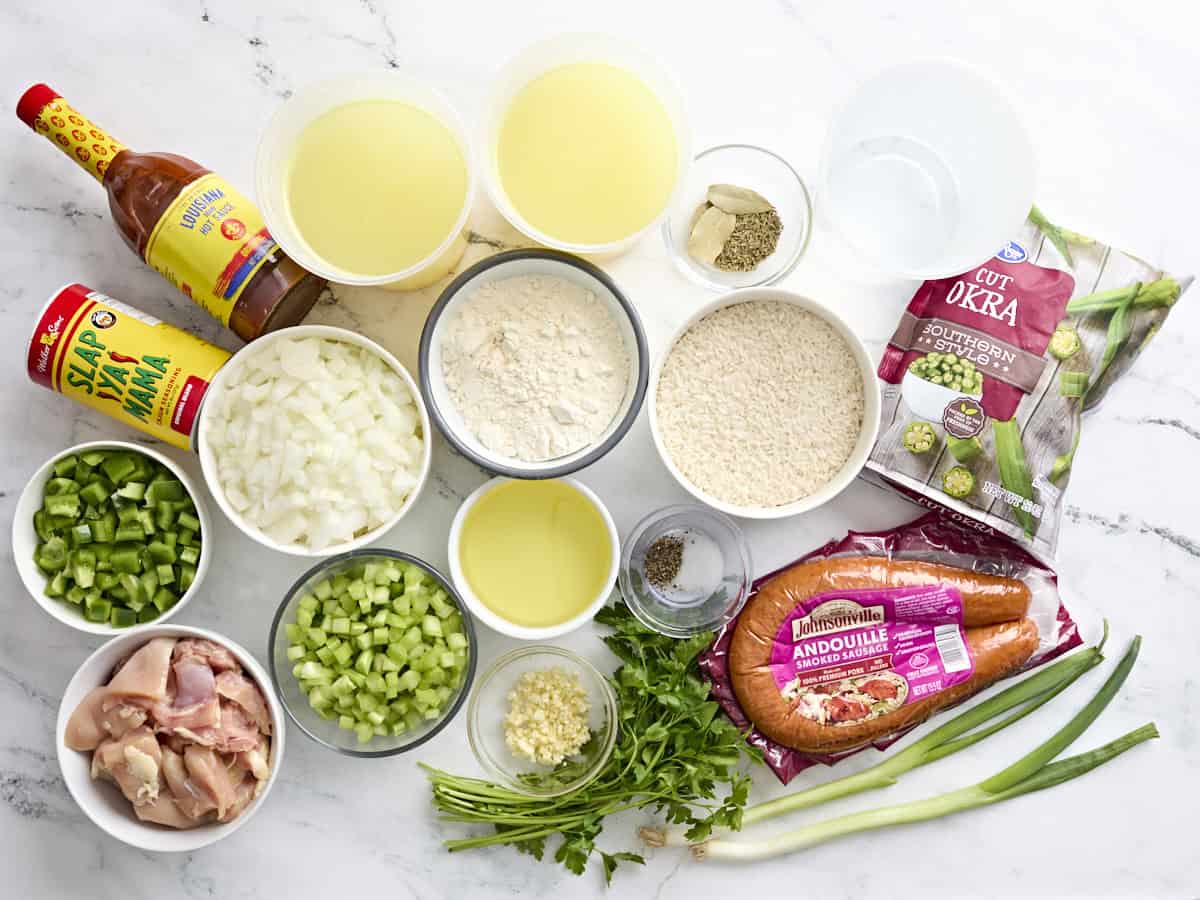
The selection of proteins in the Nashville Test Kitchen’s model—chicken thighs and andouille sausage—is a strategic choice balancing flavor and cost.
- Andouille Sausage: A double-smoked pork sausage of French origin, andouille provides the necessary fat and spice (typically garlic, pepper, and onions) to season the broth from within.
- Chicken Thighs: Unlike chicken breasts, thighs contain more connective tissue and fat, allowing them to remain tender during the extended simmering process required for gumbo.
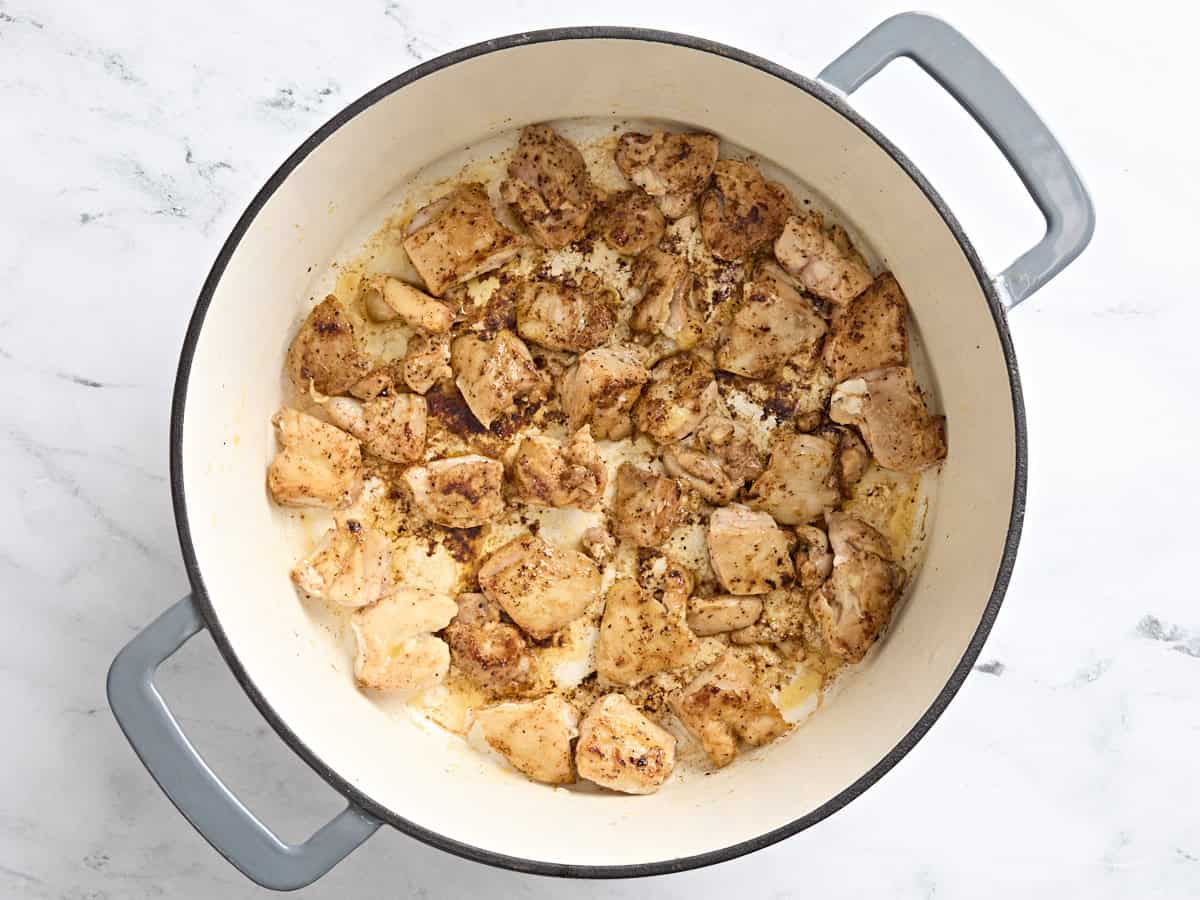
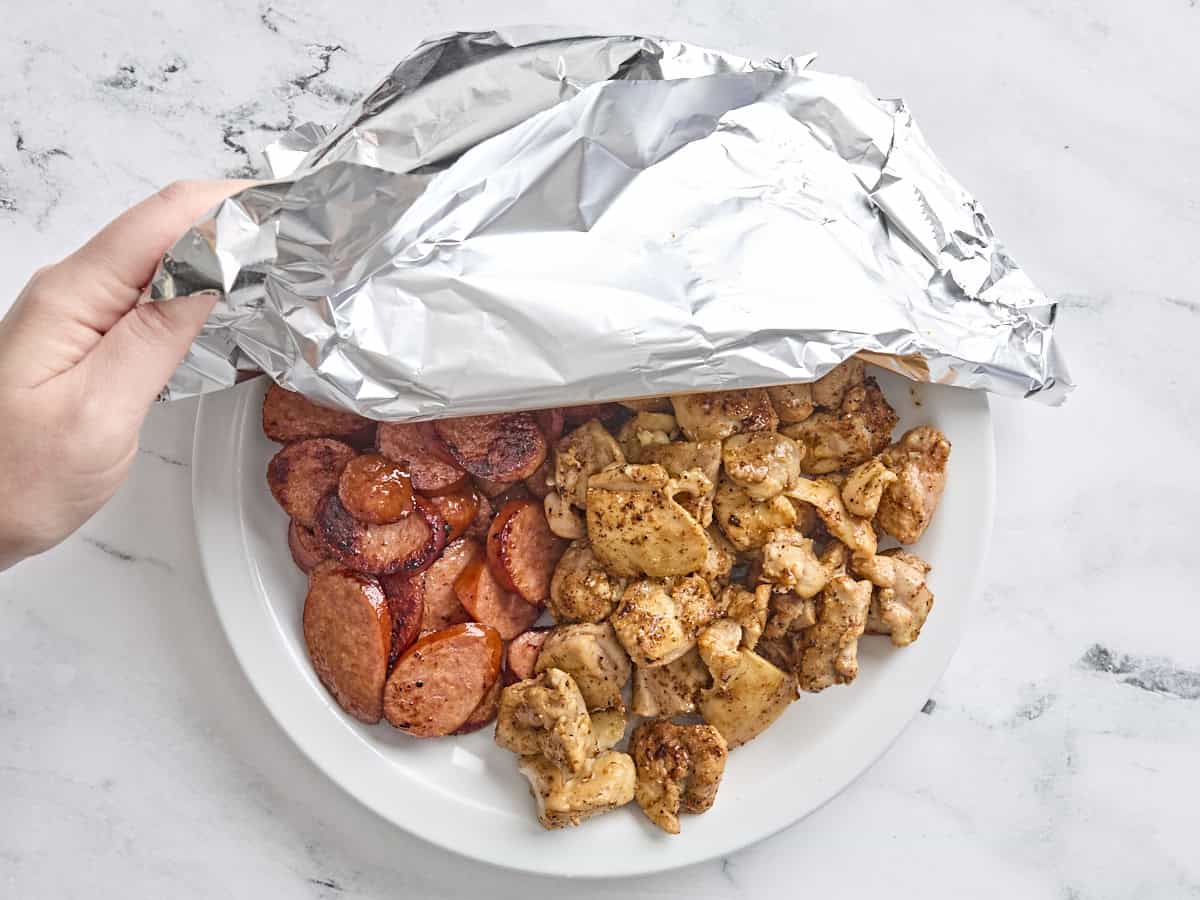
Data from the test kitchen indicates that browning these proteins prior to their inclusion in the stew creates a "fond"—the browned bits at the bottom of the pan—which adds a deeper layer of complexity to the final product.
Economic Implications and Food Security
In an era of rising food inflation, the economic accessibility of traditional dishes has become a focal point for recipe developers. The Nashville Test Kitchen’s gumbo recipe was evaluated for its cost-effectiveness, yielding a total recipe cost of $15.06 for eight servings.

Cost Breakdown per Component:
- Proteins (Chicken and Andouille): These represent the largest expenditure but provide the bulk of the 27g of protein per serving.
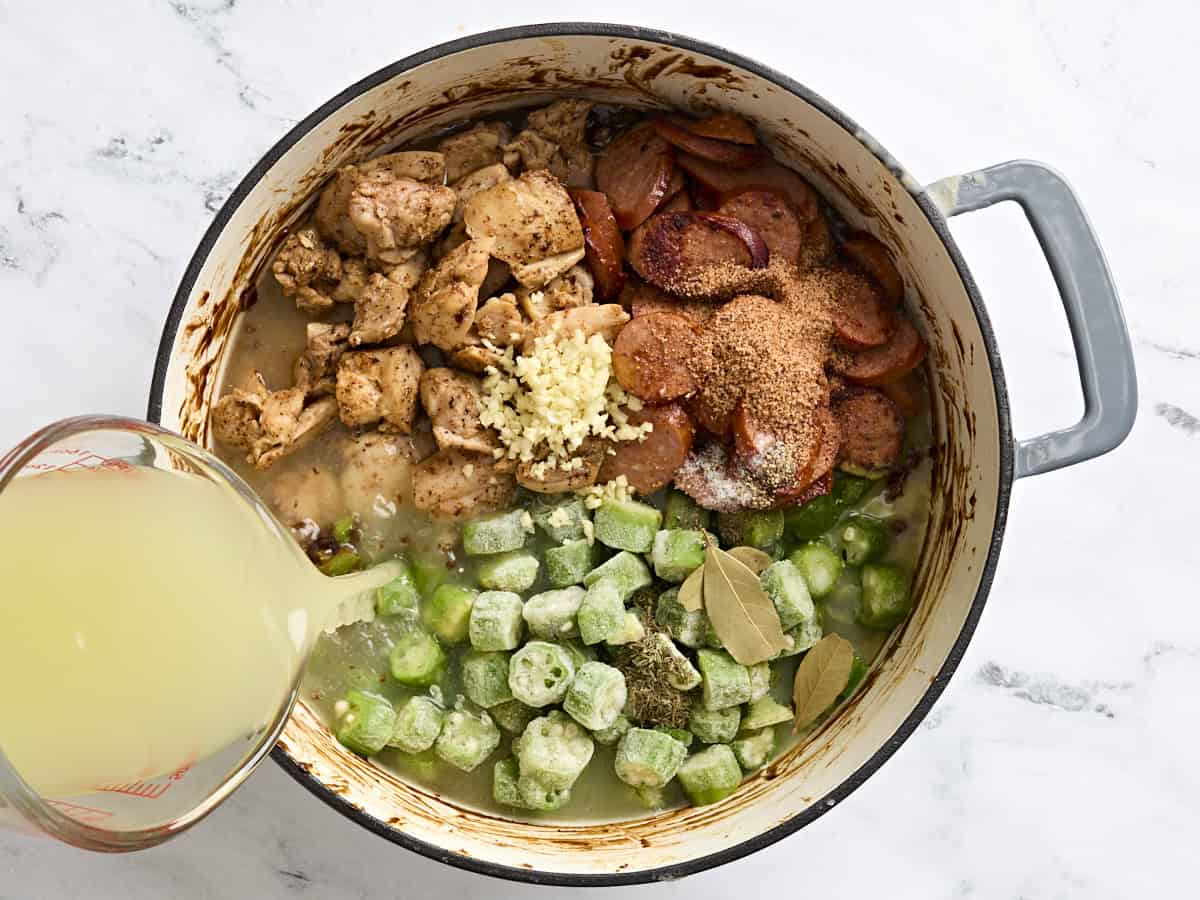
- Vegetables (Okra and Trinity): Using frozen okra was identified as a key cost-saving measure, reducing the price without significantly compromising the texture, as the okra’s primary role is to act as a natural mucilaginous thickener.
- Broth Base: The use of bouillon concentrates, such as "Better Than Bouillon," was noted as a superior alternative to boxed stocks, offering a higher flavor-to-cost ratio.
At $1.88 per serving, this gumbo model outperforms most commercially processed "ready-to-eat" meals in both nutritional density and volume. This highlights the role of home cooking as a tool for food security, allowing families to consume high-quality, culturally significant meals at a fraction of restaurant or convenience-store prices.
Nutritional Profile and Health Analysis
A single serving of the analyzed gumbo, including a standard portion of white rice, contains approximately 673 calories. The macronutrient distribution is as follows:
- Protein: 27g
- Carbohydrates: 58g
- Fat: 37g
- Sodium: 1280mg
While the protein content is substantial, the sodium level represents approximately 56% of the recommended daily intake. Culinary analysts suggest that while the dish is a "comfort food" staple, the high sodium content—largely derived from the andouille sausage and Cajun seasoning blends—is a factor for consumers to monitor. To mitigate this, developers suggest utilizing low-sodium broths or custom spice blends to maintain the flavor profile while reducing the mineral load.
Chronology of Preparation
The assembly of a traditional gumbo is a sequential process where timing is as critical as the ingredients themselves. The Nashville Test Kitchen outlines a specific timeline to ensure optimal results:
- Phase I: Protein Searing (20 Minutes): Slicing and browning the andouille and seasoned chicken thighs to develop the flavor base.
- Phase II: The Roux Development (120 Minutes): The most critical stage, requiring low heat and constant stirring until a deep mahogany hue is achieved.
- Phase III: Vegetable Integration (5-10 Minutes): Adding the "Holy Trinity" to the hot roux, which effectively "stops" the cooking of the flour by introducing moisture from the vegetables.
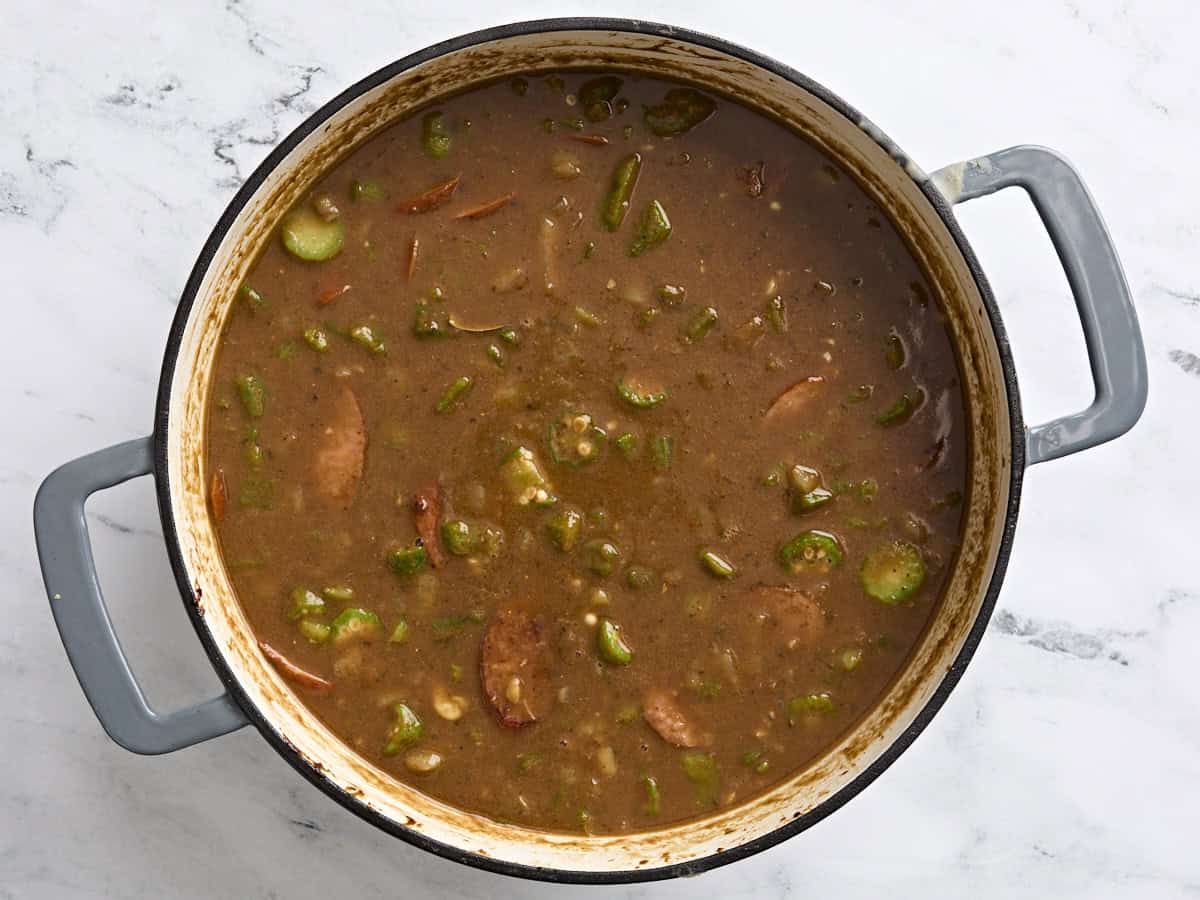
- Phase IV: Simmering (30-45 Minutes): Combining the proteins, okra, spices, and broth. This stage allows the flavors to meld and the okra to release its thickening properties.
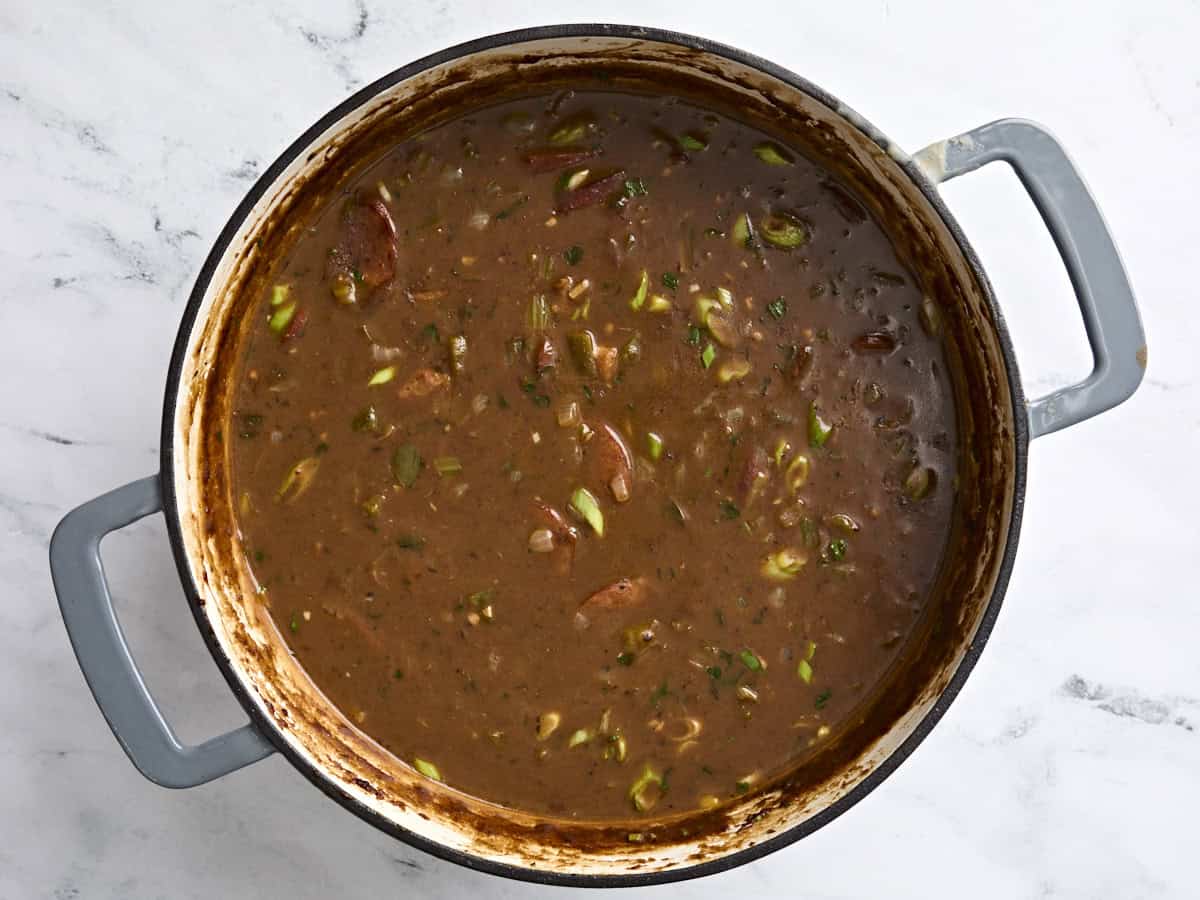
- Phase V: Finishing (5 Minutes): The addition of fresh parsley, green onions, and hot sauce to provide a bright, acidic contrast to the heavy, smoky stew.
Regional Reactions and Culinary Authenticity
The definition of "authentic" gumbo is a subject of passionate debate within the Louisiana culinary community. Melissa Nolan, a chef instructor and recipe developer involved in the testing process, notes that gumbo is "personal." While the Nashville Test Kitchen’s version follows the Cajun tradition of a dark roux and no tomatoes, Creole practitioners in New Orleans might argue for the inclusion of a tomato base and seafood, such as shrimp or blue crab.

Culinary historians argue that there is no single "correct" recipe; rather, gumbo is a "living" dish that reflects the socioeconomic status and geographic location of the cook. In coastal regions, seafood is the primary protein, while inland "prairie" gumbos rely on poultry and wild game. The Nashville model serves as a "bridge" recipe—utilizing accessible supermarket staples to replicate the complex flavors historically found in rural Louisiana kitchens.

Broader Impact and Cultural Preservation
The documentation and modernization of recipes like gumbo serve a dual purpose. First, they preserve cultural heritage by translating "oral traditions" (the recipes of "MawMaws") into standardized formats that can be replicated by younger generations. Second, they democratize gourmet cooking. By proving that a world-class stew can be made for under $2.00 a serving, culinary researchers encourage a return to slow-cooking methods that prioritize quality and community.
In conclusion, the Louisiana gumbo remains one of the most resilient and adaptable dishes in the American repertoire. Whether served in a fine-dining establishment in the French Quarter or prepared in a Nashville test kitchen, its success depends on the intersection of science (the roux), history (the ingredients), and patience (the cook). As economic pressures continue to shift consumer habits, the ability to create nutrient-dense, flavorful, and affordable meals like gumbo will remain an essential skill in the modern domestic kitchen.
