
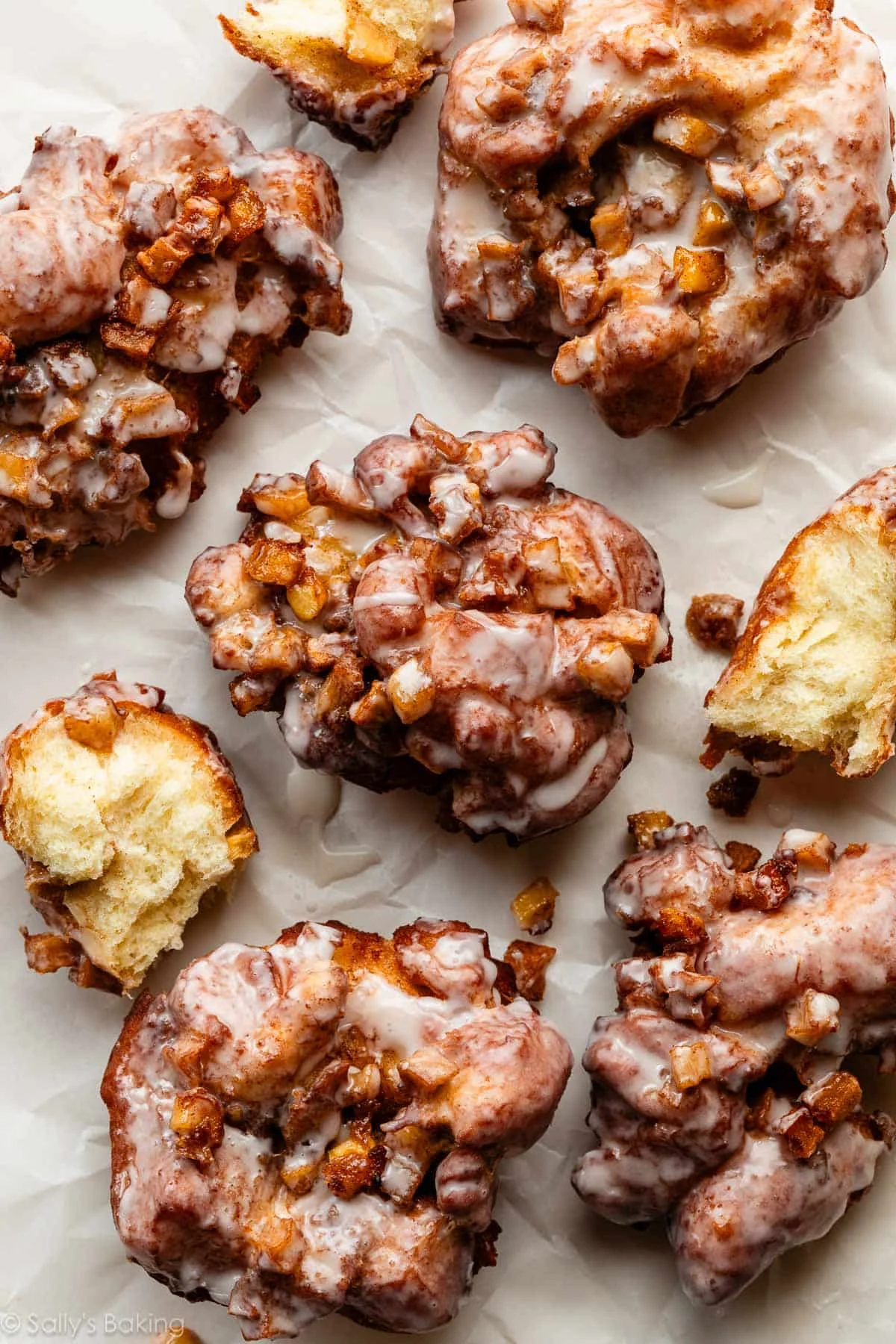
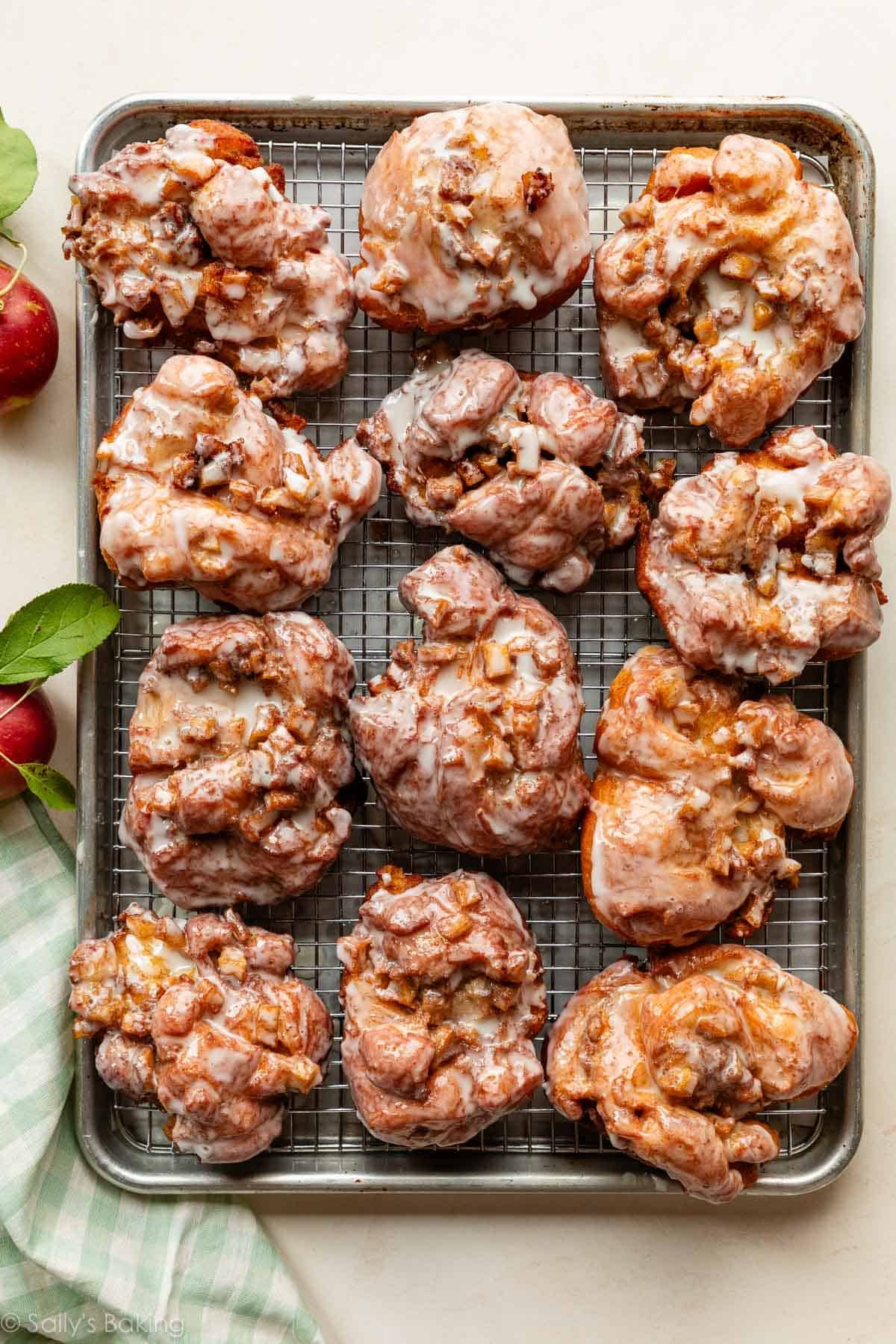
The culinary evolution of the American doughnut has long been defined by the tension between mass-produced convenience and the labor-intensive traditions of artisanal baking. Among the most complex iterations of fried dough is the apple fritter, a confection that balances the structural requirements of yeast-raised dough with the moisture content of fresh fruit. Unlike standard glazed doughnuts, which rely on a uniform crumb, the apple fritter requires a precise integration of cinnamon-spiced apples, a crisp, caramelized exterior, and a tender, aerated center. This report details the technical requirements for producing high-quality, from-scratch apple fritters, an endeavor that has recently seen a resurgence in home kitchens across the United States.
The Anatomy of a Fritter: Technical Specifications
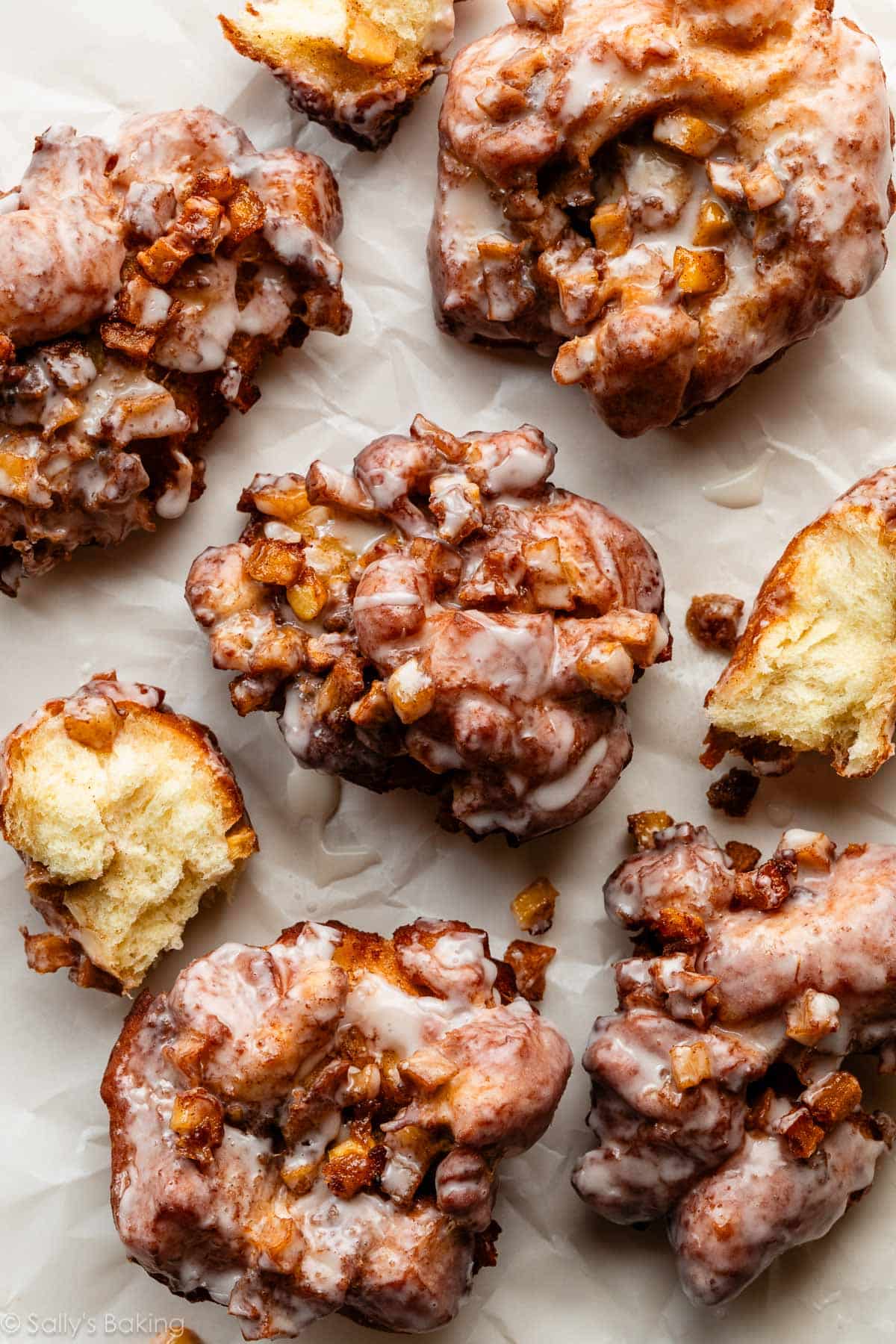
A classic apple fritter is not merely a doughnut with fruit; it is a hybrid of a yeast-leavened pastry and a rustic fruit cake. The technical difficulty lies in the moisture management of the filling. Fresh apples, if not properly treated, release excessive water during the frying process, which can compromise the integrity of the surrounding dough, leading to a gummy texture.
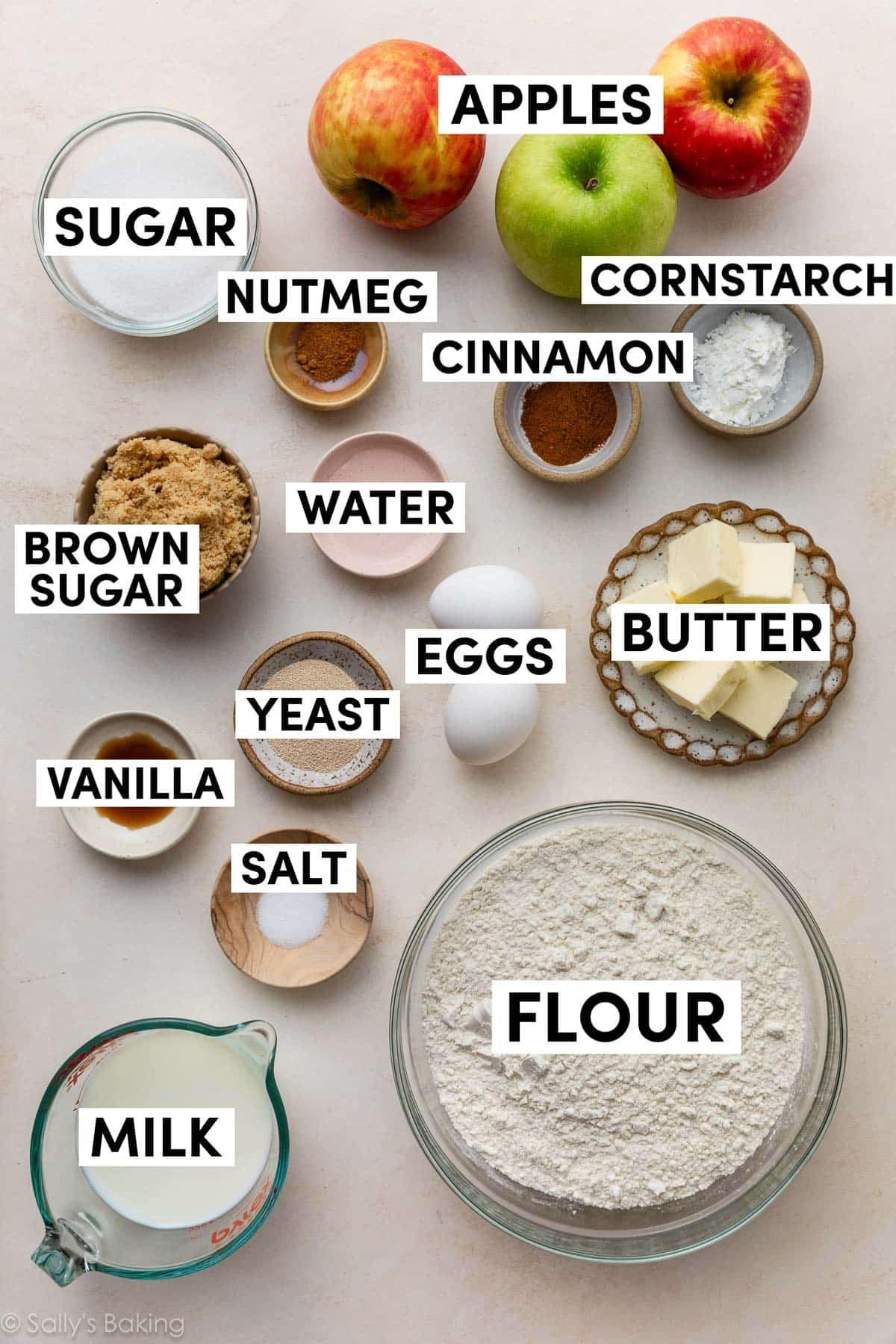
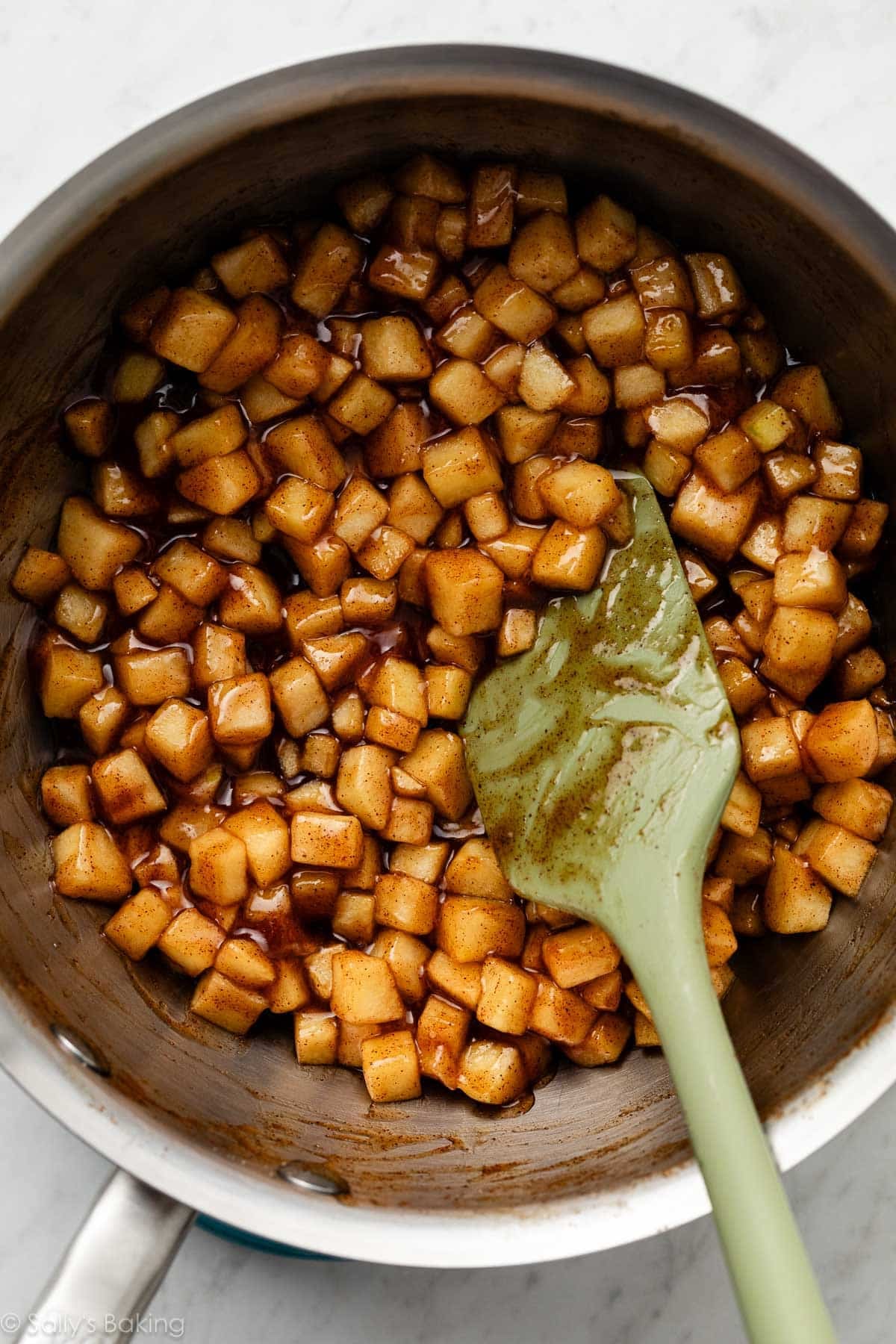
To mitigate this, professional and home bakers employ a cooking method where diced apples are sautéed with brown sugar and spices before being thickened with a cornstarch slurry. This process, often referred to as "pre-cooking the filling," ensures that the fruit maintains a distinct texture while preventing the dough from absorbing excess liquid. The finished product, when executed correctly, achieves a temperature-controlled equilibrium where the exterior is dehydrated by hot oil to reach a state of crispness, while the interior remains steamed by the trapped moisture of the fruit.
Historical Context and Cultural Significance
The origins of the fritter can be traced back to medieval European culinary practices, where various fruits and vegetables were dipped in batter and fried. In the American context, the apple fritter became a staple of regional bakery culture in the mid-20th century, particularly in agricultural regions where apple orchards provided a steady supply of produce.
Historically, the fritter was a way for bakers to utilize irregular or bruised fruit that was still palatable but aesthetically unsuitable for retail display. Over the decades, the apple fritter has transitioned from a practical bakery "scrap" item into a premium offering. According to industry trend reports from the American Bakers Association, consumer demand for "authentic, heritage-style" pastries has increased by 14% over the last five years, driving home bakers to seek out recipes that replicate the traditional, non-industrialized production methods once common in small-town bakeries.
Chronology of Preparation
Achieving a professional-grade result requires a structured, multi-stage timeline. The process is labor-intensive and generally follows this sequence:
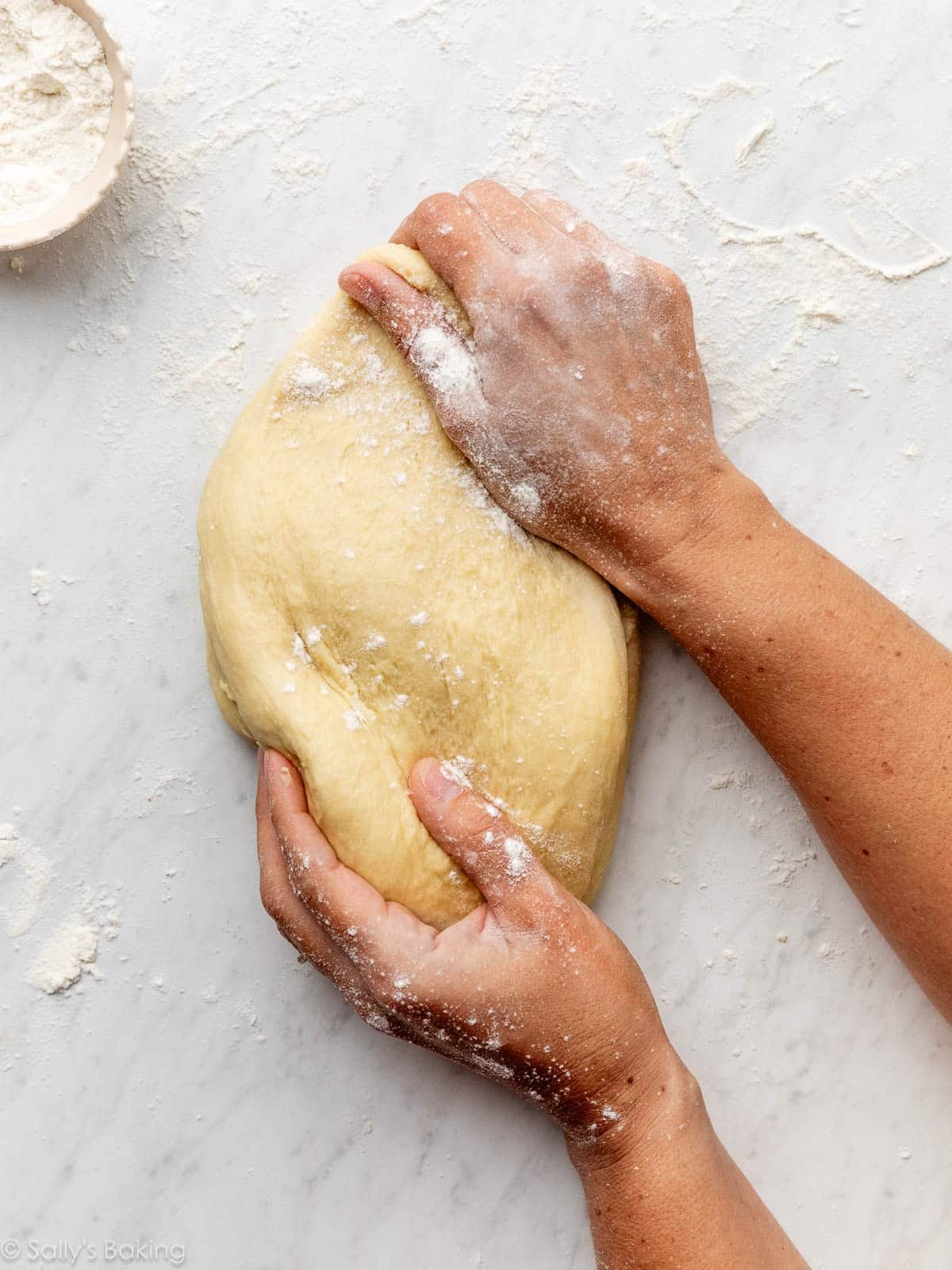
- Dough Development (Hours 1–3): The base is a yeast-risen dough. The kneading process is critical; gluten development must be sufficient to support the weight of the apple chunks. Proper fermentation allows for the necessary aeration that creates the "fluffy" interior.
- Filling Preparation (Concurrent): While the dough rises, the apples are prepared. By the time the dough is ready, the filling must be cooled to room temperature to prevent it from "killing" the yeast or melting the dough fats prematurely.
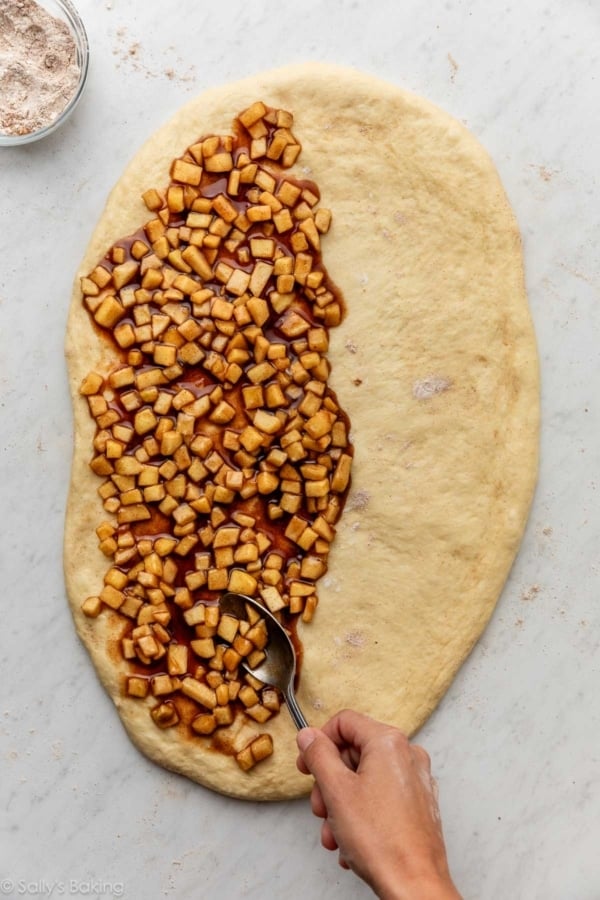
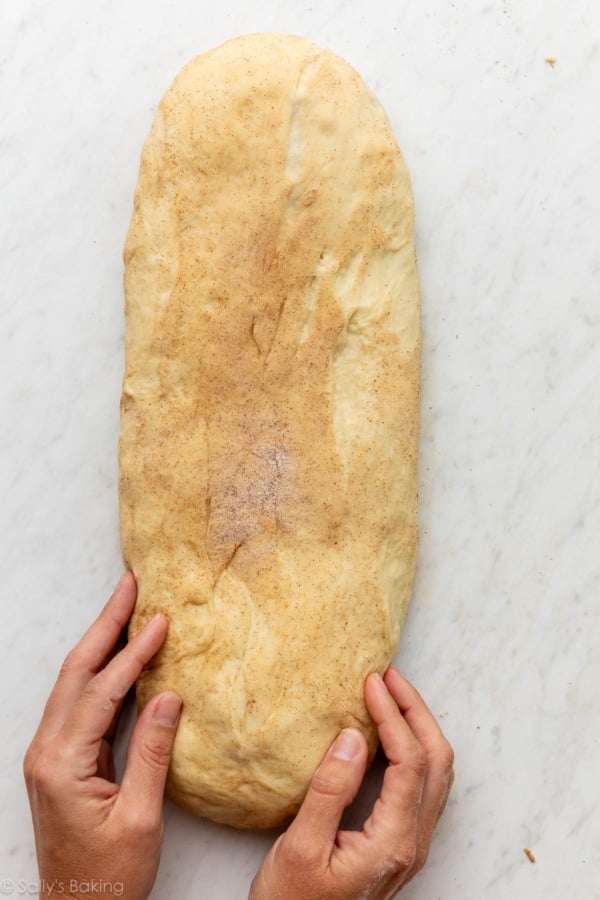
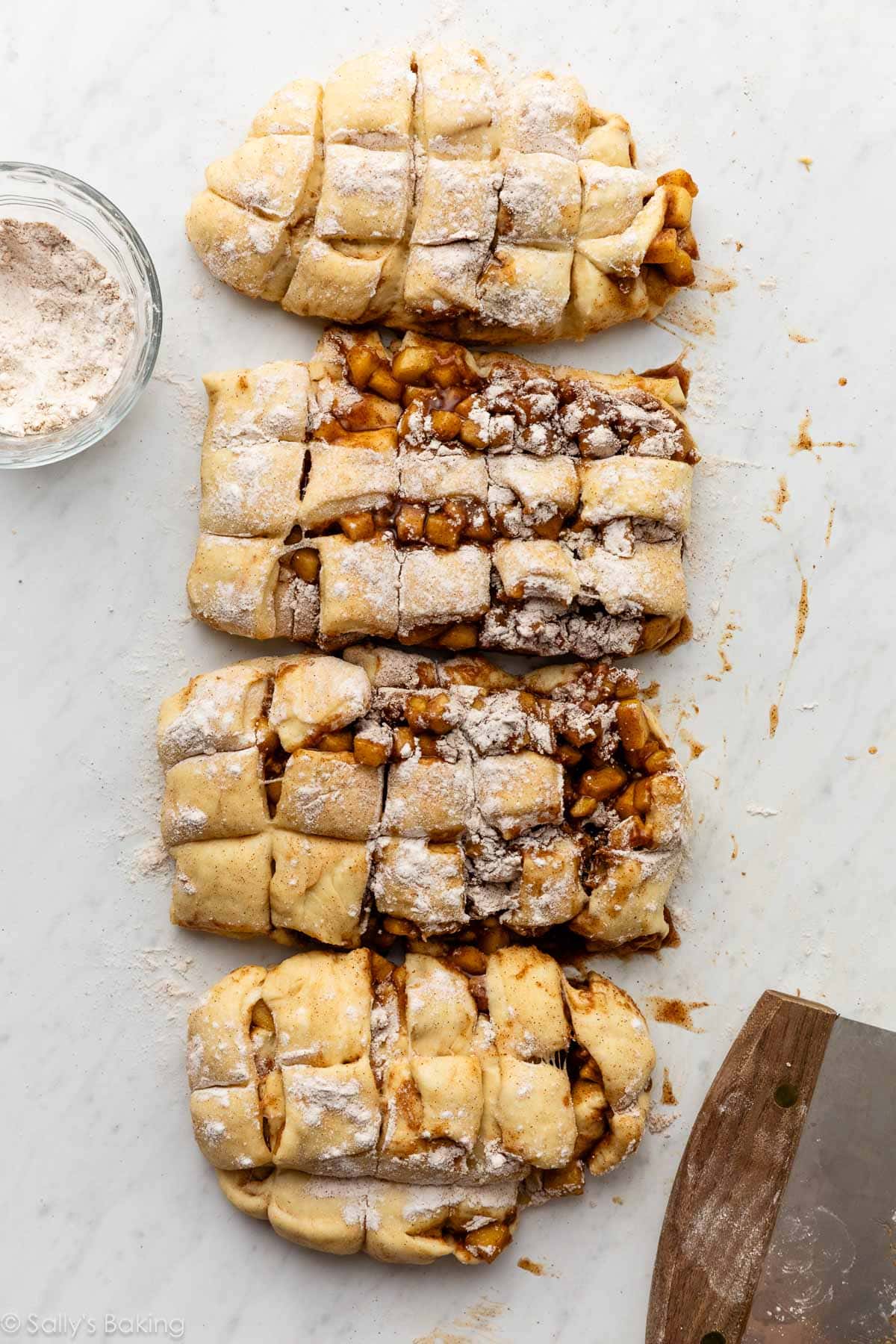
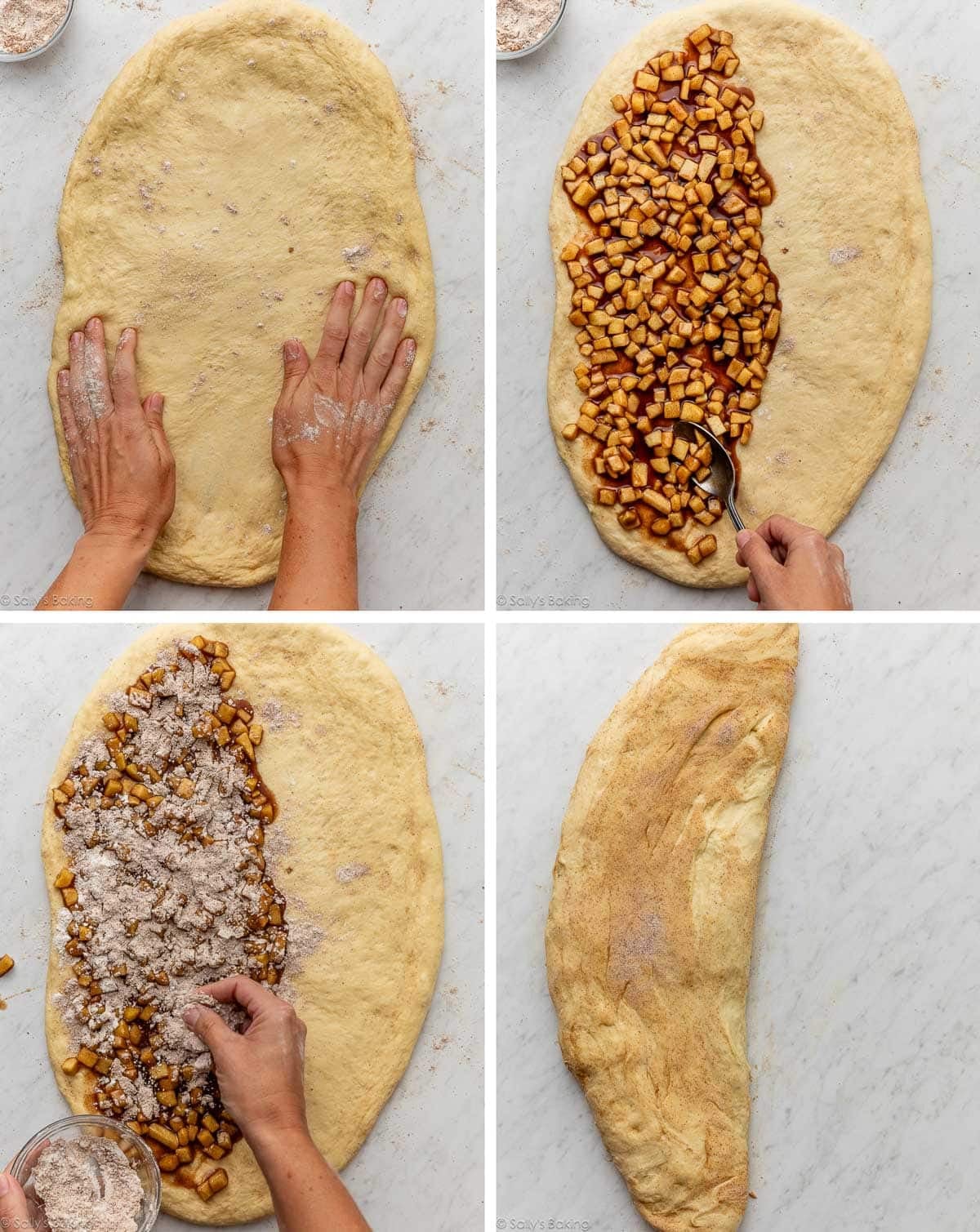
- The Assembly and Shaping (45 Minutes): This is the most technically demanding phase. The dough is rolled into a sheet, topped with the cooled apple mixture, and folded. The subsequent "crosshatch" cutting technique is used to increase the surface area, which ensures that more of the dough is exposed to the hot oil for optimal crisping.
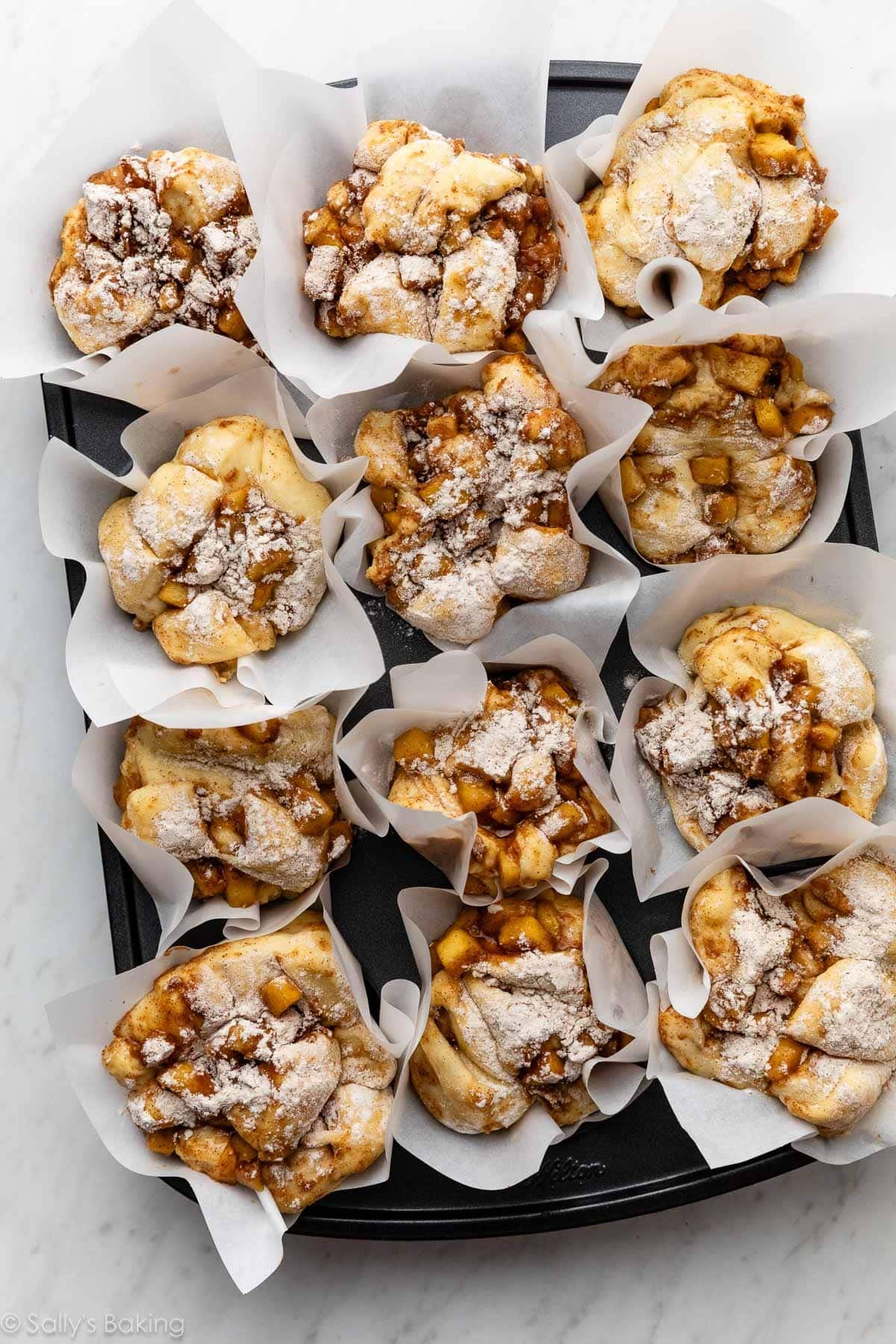
- Resting Period (30 Minutes): Shaped fritters are placed on individual parchment squares. This prevents the dough from sticking and allows for a final proofing stage that restores the air bubbles collapsed during the shaping process.
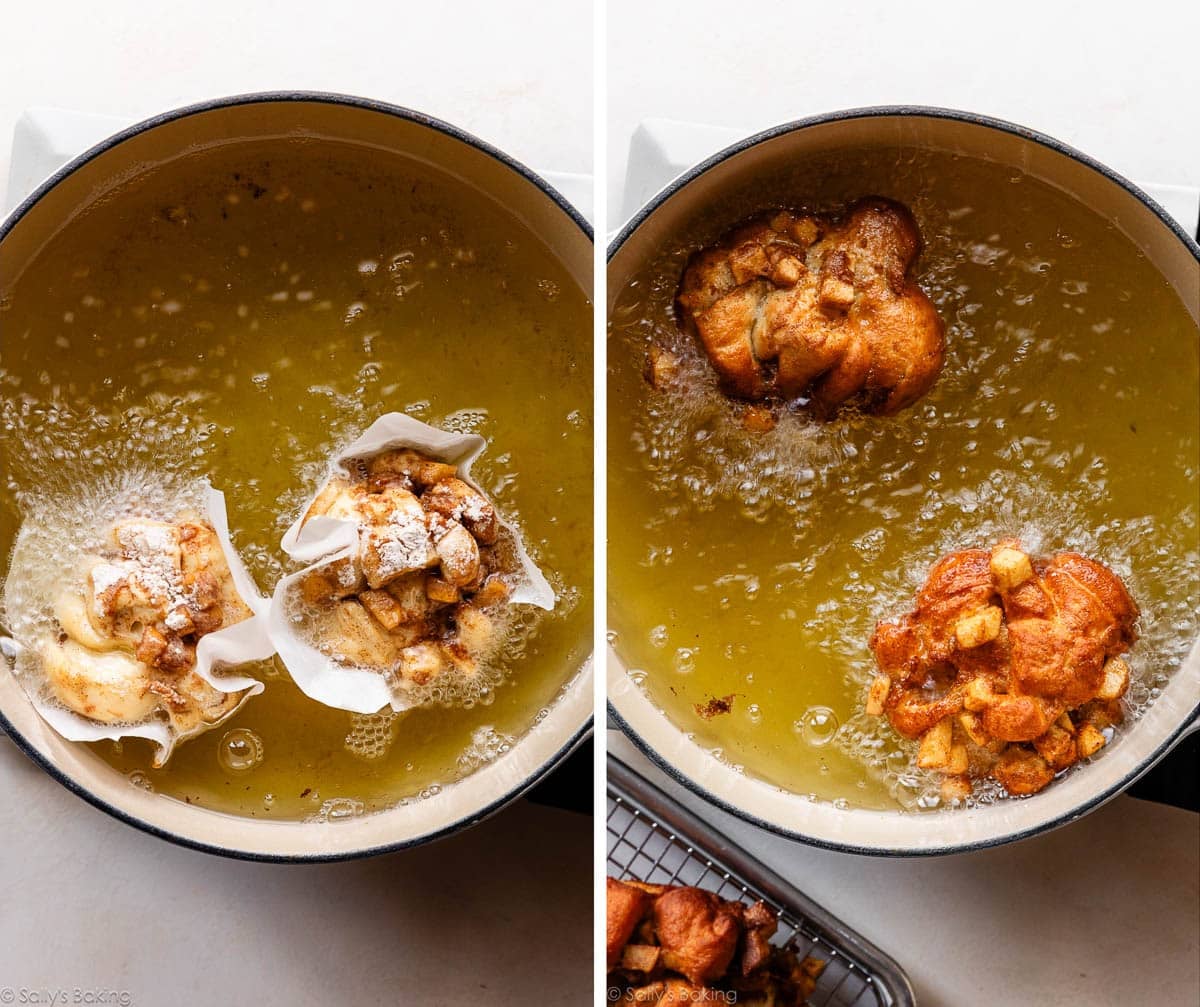
- Frying and Finishing (45 Minutes): Frying occurs at a strictly maintained temperature, typically between 350°F and 375°F.
Data on Oil and Thermal Dynamics
The science of frying is a critical variable in the success of the fritter. Professional culinary standards dictate the use of oils with high smoke points—such as peanut, canola, or vegetable oil—to avoid the development of off-flavors or the release of carcinogenic compounds during the Maillard reaction.
Thermal analysis of the frying process indicates that if the oil temperature drops below 340°F, the dough acts as a sponge, absorbing fat and resulting in a greasy, heavy product. Conversely, if the temperature exceeds 380°F, the exterior burns before the internal thermal energy can reach the center of the fritter, leaving the dough raw. A "sweet spot" of 360°F is generally accepted as the industry standard for ensuring a golden-brown finish while cooking the center through.
Industry Perspectives and Expert Recommendations
Prominent bakers emphasize the importance of equipment. The use of a Dutch oven or a heavy-bottomed pot is cited as a primary factor in temperature stability. A heavy pot retains heat more effectively than thin stainless steel, which is prone to significant temperature fluctuations when cold dough is introduced to the oil.
Furthermore, industry experts strongly advise against the use of air fryers for this specific recipe. While air fryers are effective for reheating, the physics of deep-fat frying—where the hot oil creates an immediate, moisture-proof seal—cannot be replicated by convection heat. An air fryer tends to dry out the apple pieces before the surrounding dough has finished baking, leading to a fibrous, disappointing texture.
Broader Impact and Implications
The resurgence of high-effort home baking, characterized by recipes like these, reflects a broader shift in consumer behavior. As automated food production continues to dominate the commercial landscape, there is a measurable trend toward "slow-process" cooking. This movement is not just about the final product, but about the acquisition of traditional skills.
The "mess" associated with this process—often cited as a deterrent—is increasingly viewed by enthusiasts as a hallmark of authenticity. From a culinary sociology perspective, the act of making a labor-intensive item from scratch acts as a form of leisure and stress relief, providing a stark contrast to the instantaneous nature of modern digital life.
Conclusion: The Future of the Fritter
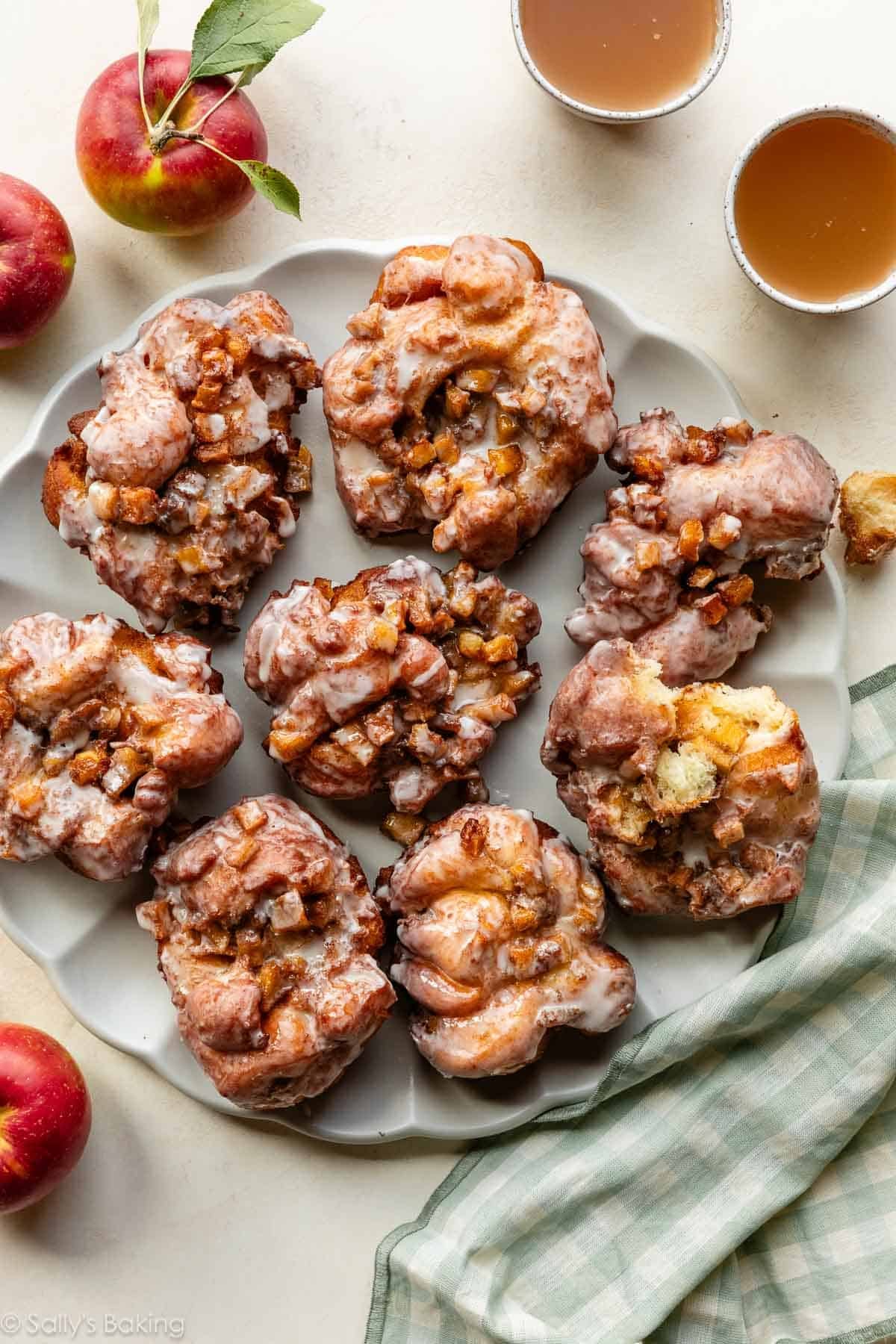
The apple fritter remains a complex, high-maintenance pastry that demands respect for the chemistry of baking. As interest in culinary arts grows, the demand for refined, traditional recipes will likely continue to rise. For the home baker, the success of the fritter depends not on shortcuts, but on the disciplined adherence to the foundational principles of fermentation, thermal regulation, and precise ingredient preparation. Whether served warm from the kitchen or enjoyed as a traditional bakery staple, the apple fritter stands as a testament to the enduring appeal of craft-based food production.
