
Historical Context and Culinary Evolution
The term "lumberjack" in culinary nomenclature historically refers to the high-energy, heavy-carb meals provided to logging crews in North America during the 19th and early 20th centuries. These workers often consumed upwards of 5,000 to 8,000 calories per day to sustain the physical exertion required for manual timber harvesting. Historically, these meals were prepared in massive cast-iron vessels over open fires or wood-burning stoves, utilizing shelf-stable ingredients such as dried beans, preserved meats, and root vegetables.
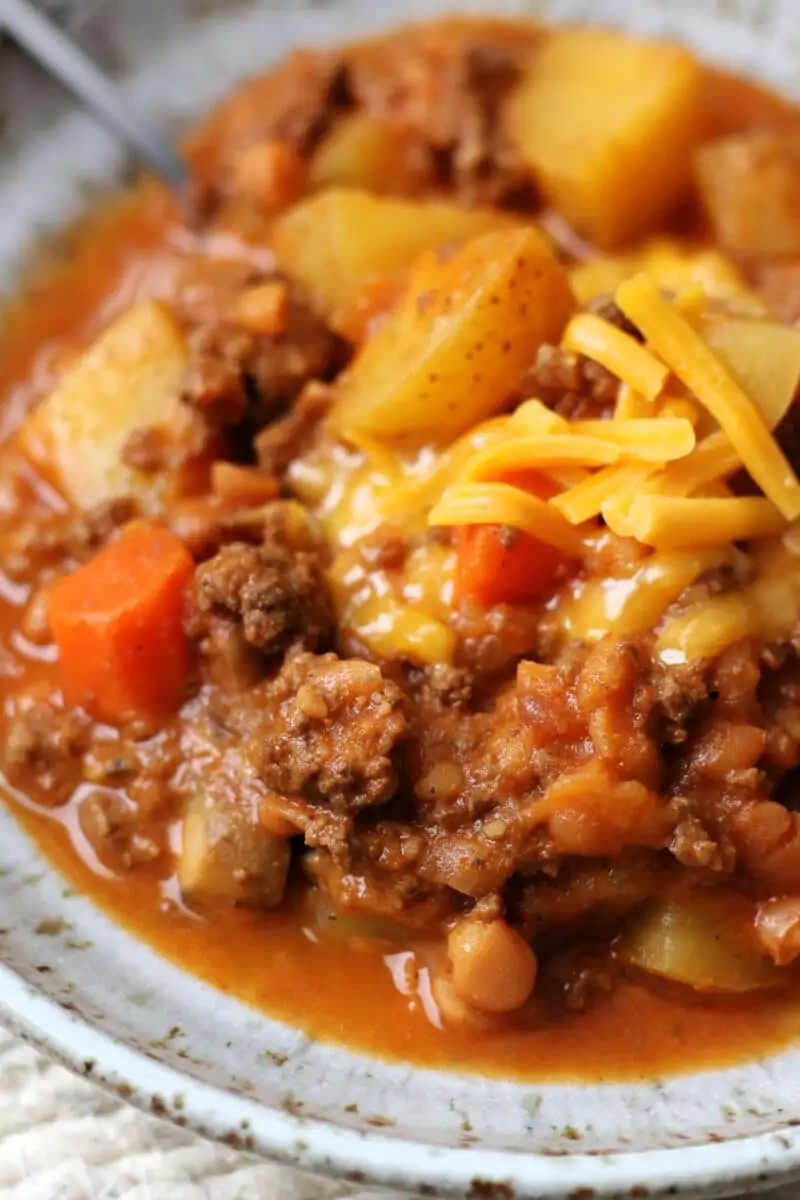
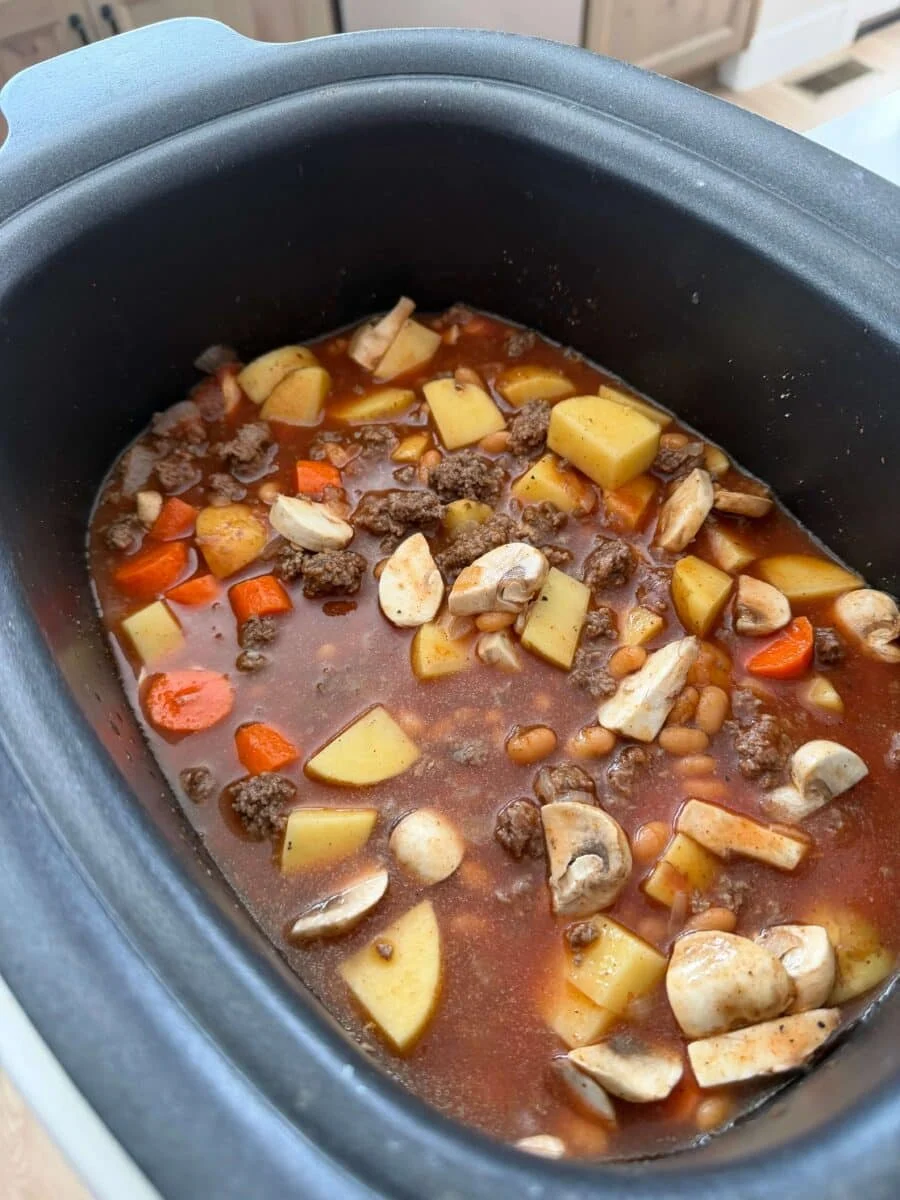
The modern adaptation of this dish—the Slow Cooker Lumberjack Casserole—retains the core philosophy of "one-pot" efficiency while catering to the contemporary preference for slow-cooker technology. This transition represents a broader trend in domestic food science where labor-intensive, slow-simmered meals are re-engineered for the convenience of the modern workforce, which prioritizes "set-and-forget" cooking methods without sacrificing the structural integrity of the ingredients.
Nutritional Composition and Ingredient Analysis
The nutritional profile of this casserole is anchored by three primary pillars: lean protein, complex carbohydrates, and soluble fiber.
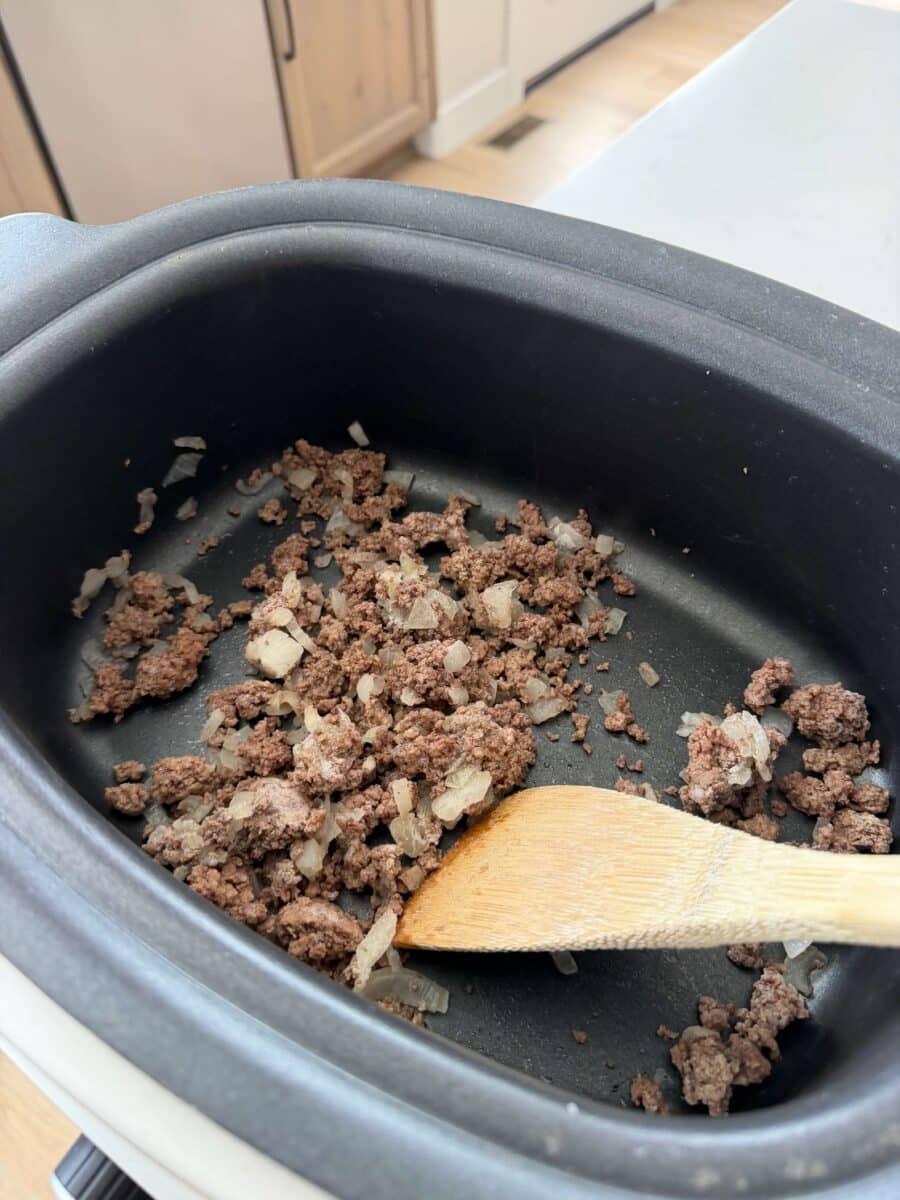
- Protein Source: The use of 16 ounces of lean ground beef provides essential amino acids and iron. From a metabolic standpoint, the browning process (Maillard reaction) is a critical step in this recipe. By heating the beef and onions to a medium-high temperature before the slow-cooking phase, the cook develops depth of flavor that would be absent if the meat were simply boiled.
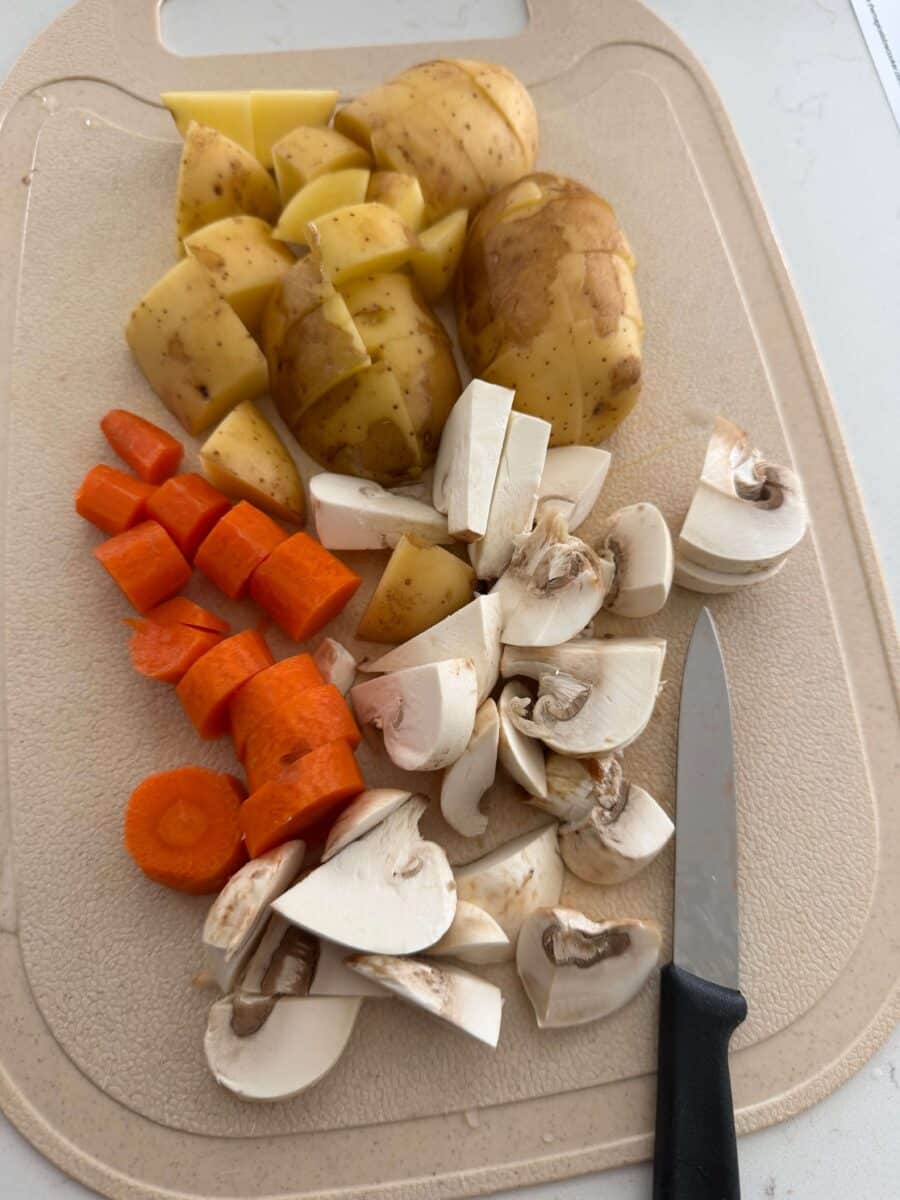
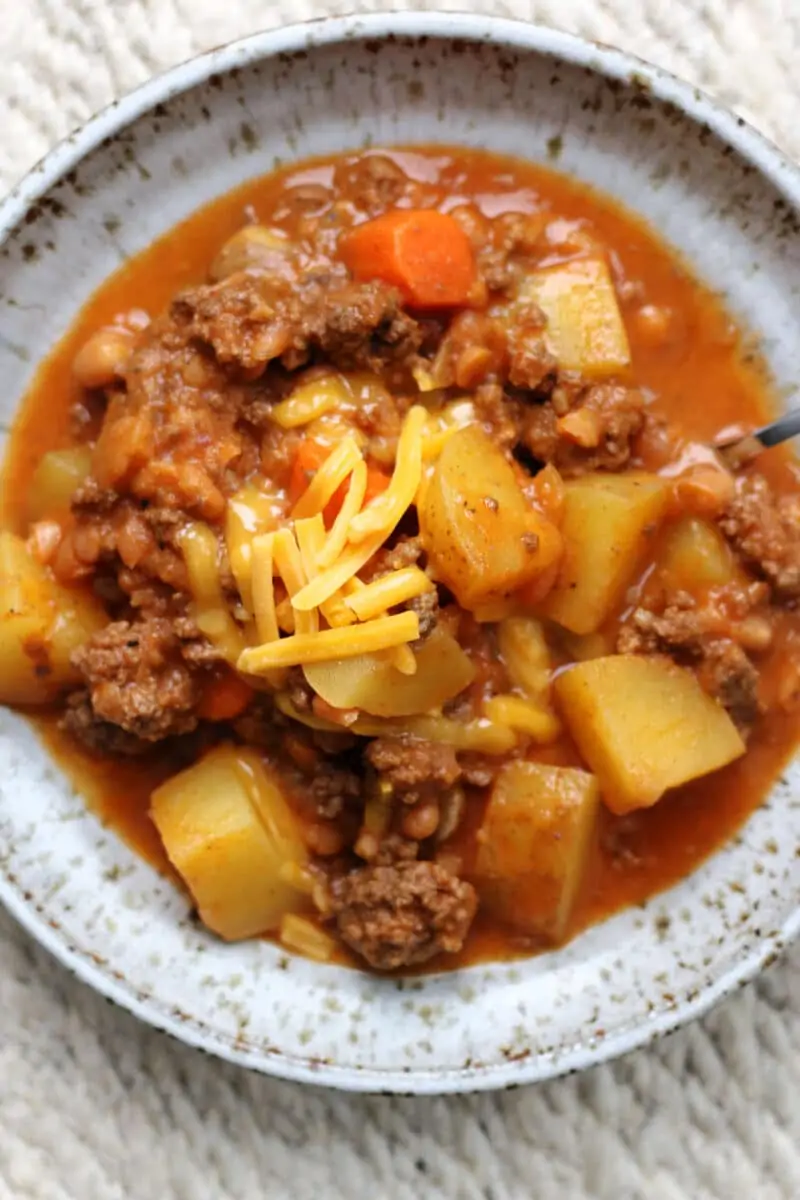
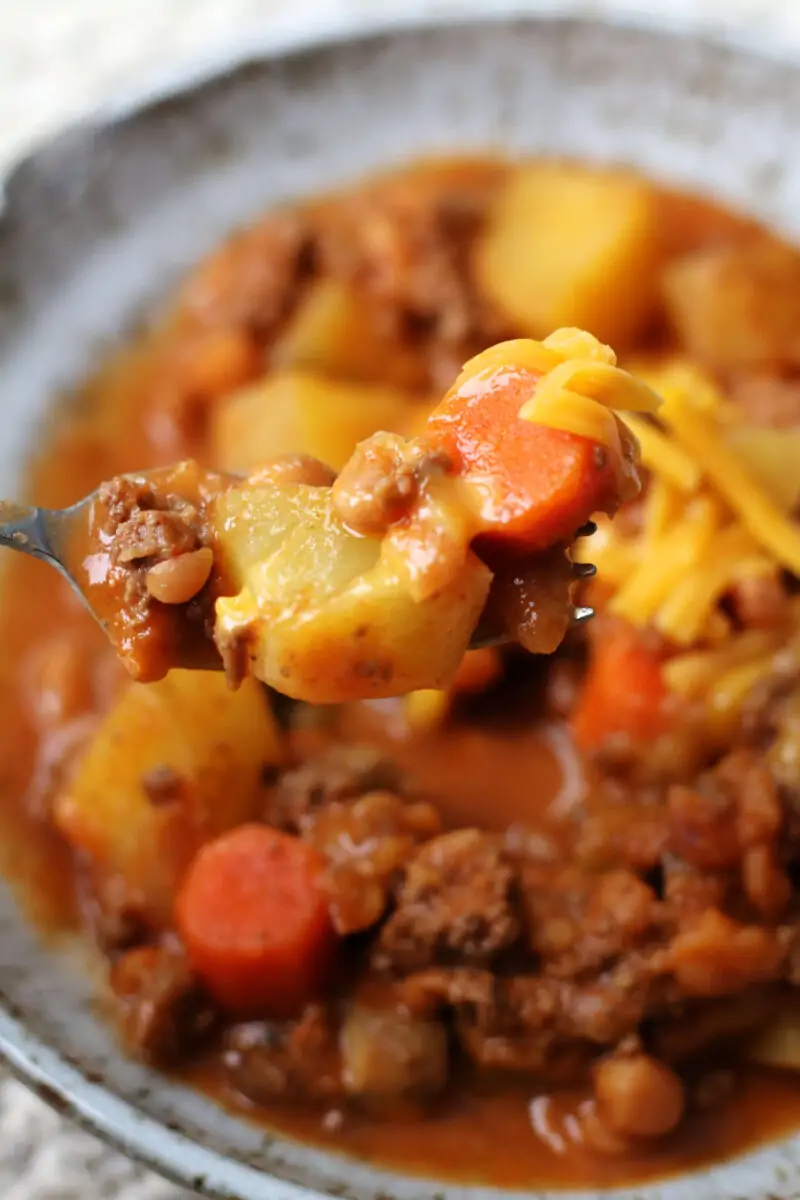
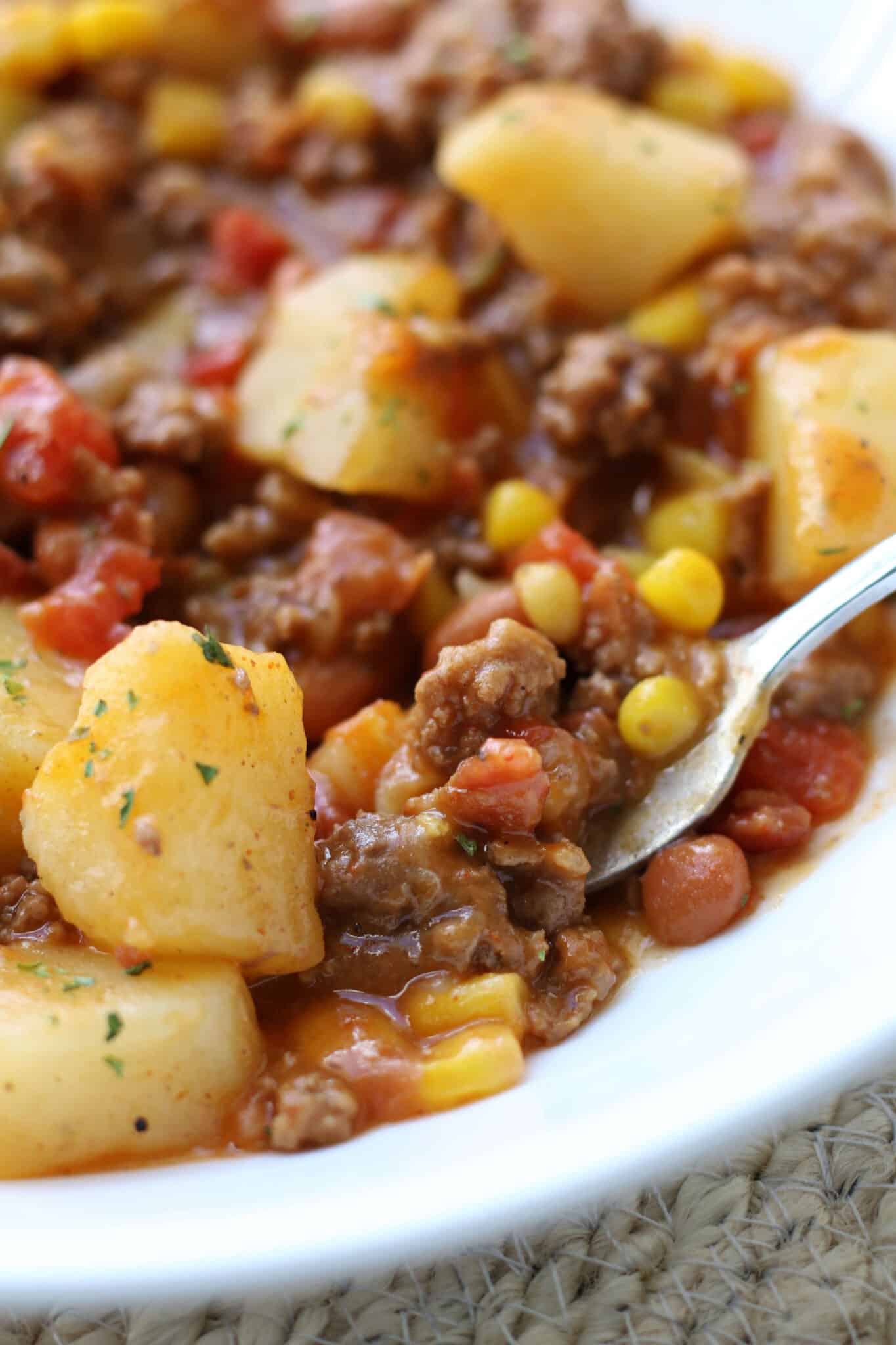
- Complex Carbohydrates: Yukon Gold potatoes are preferred in this recipe due to their medium starch content, which allows them to maintain structural integrity during extended heat exposure. Unlike Russet potatoes, which may disintegrate into a puree, Yukon Golds provide a creamy texture while remaining distinct pieces within the stew.
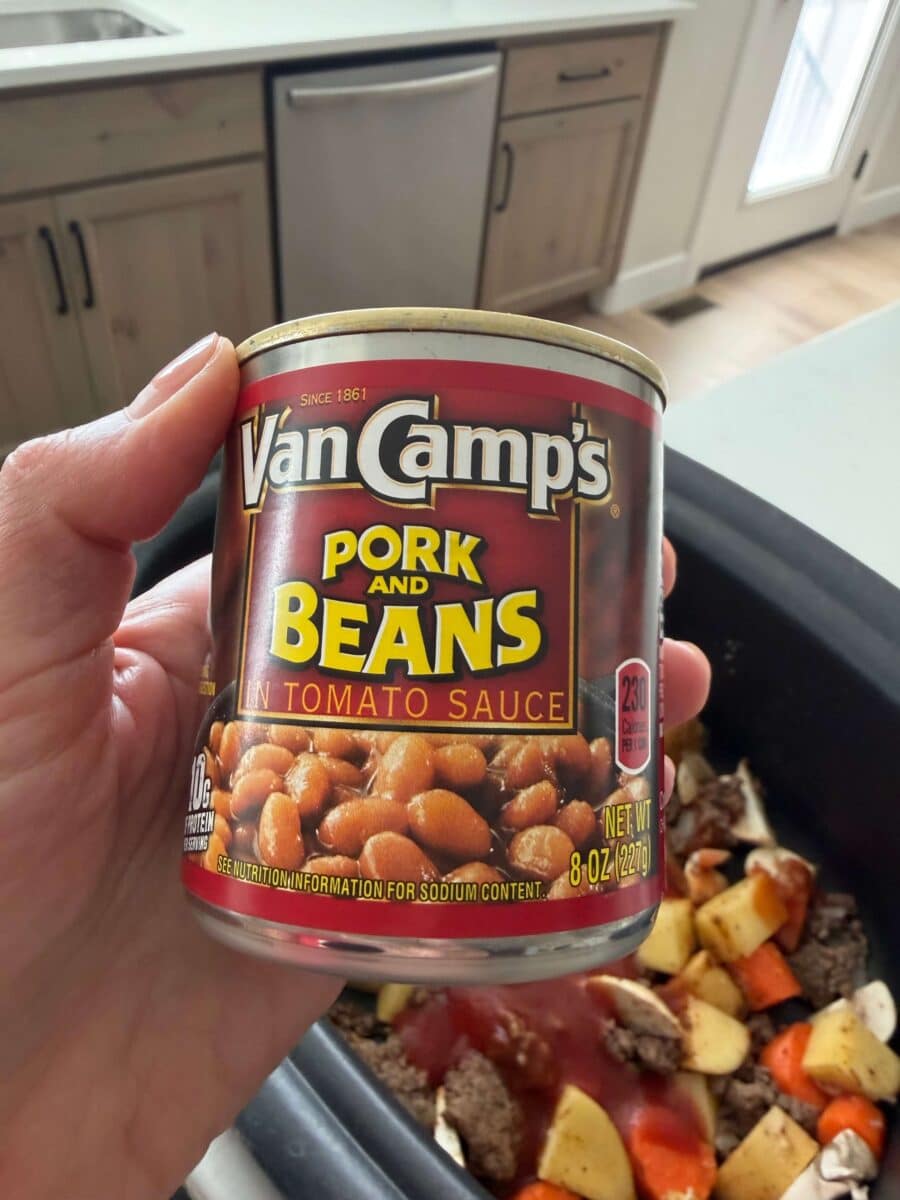
- Legume Integration: The inclusion of pork and beans adds a significant source of dietary fiber and B vitamins. In nutritional science, the combination of legumes and meat is noted for its ability to regulate glycemic response, providing a slower, more sustained release of energy—a hallmark of the "lumberjack" dietary standard.
Chronology of Preparation
To ensure optimal texture and food safety, the preparation follows a strict thermal progression:
- Phase 1: Pre-Searing (0–10 minutes): The browning of ground beef and diced onions is the foundational step. The primary purpose is to remove excess lipids, which, if left in the crockpot, would result in an overly greasy final product.
- Phase 2: Assemblage (5 minutes): Ingredients are introduced into the vessel. The addition of water, tomato sauce, and aromatics (onion powder, garlic powder, chili powder) creates a braising liquid. This liquid is essential for heat transfer via convection within the slow cooker.
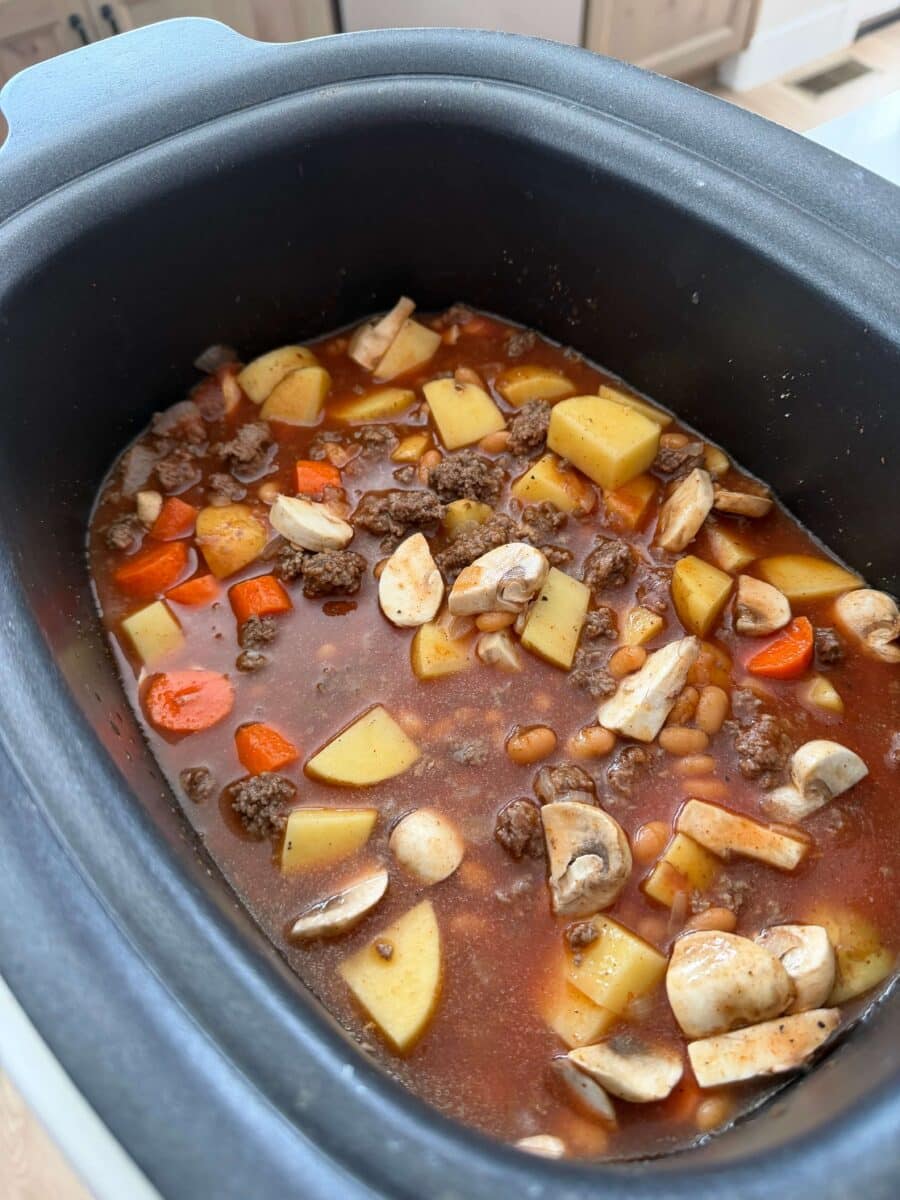
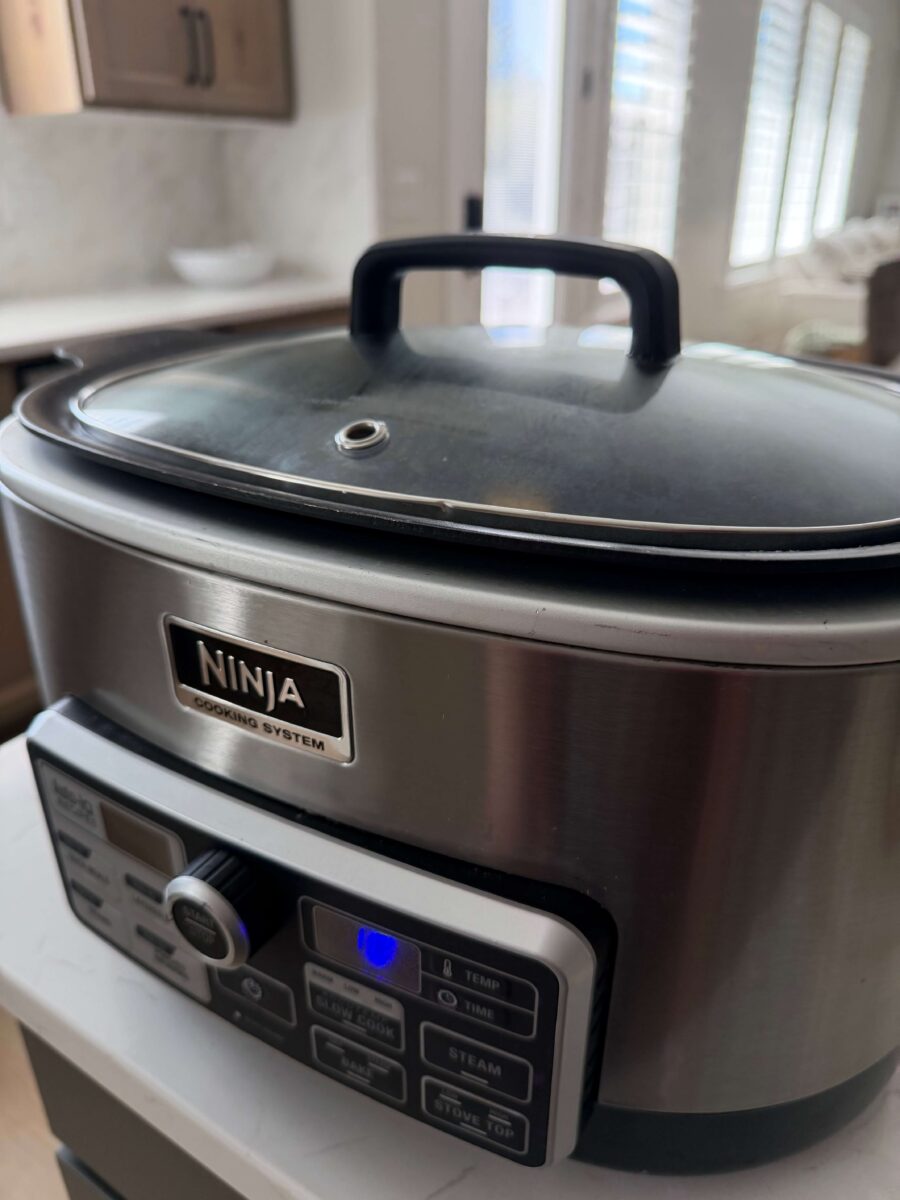
- Phase 3: Thermal Processing (2.5 to 4 hours): During this window, the connective tissues in the beef soften, and the potatoes absorb the spiced tomato-based liquid. Internal temperature testing is vital, as slow cookers vary significantly in wattage and thermal retention.
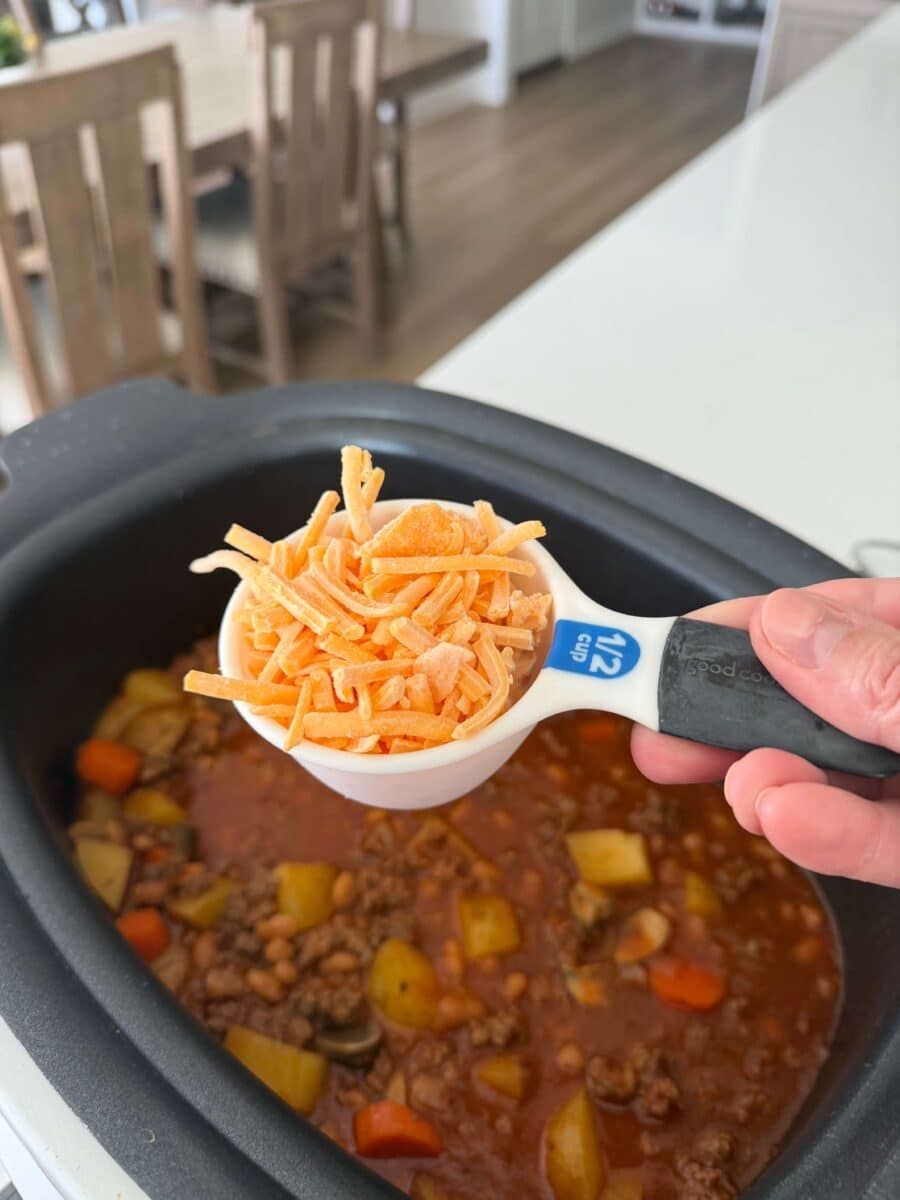
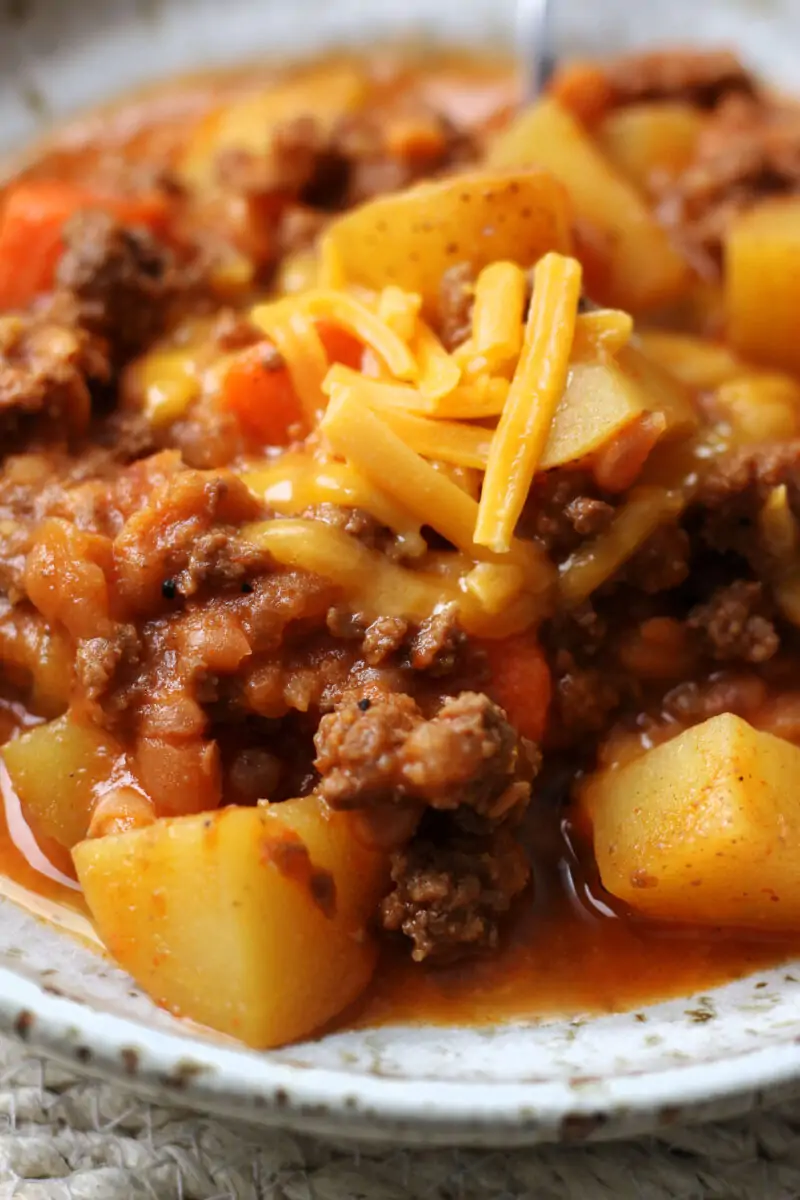
- Phase 4: Finishing (5 minutes): The addition of cheddar cheese at the final stage is a tactical choice. If added too early, the proteins in the cheese may denature and separate, leading to a grainy texture. Incorporating it just before serving ensures a uniform, emulsified sauce.
Data and Consumer Trends in Slow Cooking
The rise in popularity of slow-cooker casseroles is backed by shifting consumer data. According to recent market analysis in the home-appliance sector, the "one-pot" category has seen a 15% year-over-year increase in interest among demographics aged 25–40. This shift is attributed to a desire for cost-effective meal prepping.
The ingredient cost of a dish like the Slow Cooker Lumberjack Casserole is relatively low compared to pre-packaged processed meals, with the primary costs being the protein and fresh produce. Furthermore, the ability to utilize "filler" ingredients like mushrooms allows for a reduction in total meat consumption without diminishing the perceived heartiness of the meal. Mushrooms, in particular, provide umami—a savory quality that enhances the flavor profile of the beef without the need for excessive sodium.
Implications for Modern Meal Planning
The implications of adopting such recipes extend beyond simple hunger satisfaction. From an organizational perspective, this recipe exemplifies the "batch cooking" methodology. Because the dish is designed to be stable under refrigeration and reheating, it serves as a solution for individuals managing time-sensitive schedules.
Critics of the "dump-and-go" cooking style often point to the potential for mushy textures; however, the precise timing of the potato addition and the inclusion of dense carrots mitigates this risk. The recipe is also highly modular. For instance, the substitution of ground turkey or plant-based protein alternatives for beef does not fundamentally alter the cooking physics, provided the fat content is adjusted to maintain the emulsion of the sauce.
Expert Perspectives on Stew-Based Nutrition
Dietitians often cite stews and casseroles as the ideal delivery system for vegetables that might otherwise be unpalatable to children or picky eaters. By masking the texture of carrots and mushrooms within a rich, cheese-laden sauce, the cook increases the vegetable intake of the household without significant resistance.
Furthermore, the "lumberjack" style of cooking addresses the psychological aspect of comfort food. Research into culinary psychology suggests that dense, warm, and savory meals trigger the release of neurotransmitters associated with satiety and relaxation. This makes the dish not merely a source of fuel, but a tool for domestic stress reduction during colder months or periods of high activity.
Summary of Best Practices for Success
For those intending to replicate this dish, adherence to the following technical guidelines is recommended:
- Moisture Management: The half-cup of water added is a baseline. If using a newer, more tightly sealed slow cooker, less moisture will evaporate, potentially resulting in a thinner sauce. It is advisable to check the consistency 30 minutes before the estimated finish time.
- Ingredient Uniformity: Consistency in the size of the potato and carrot cubes (approximately 1 inch) is the most critical factor in achieving even doneness. If pieces are too varied in size, smaller pieces will break down into the sauce while larger pieces remain undercooked.
- Seasoning Calibration: The use of chili powder and garlic powder suggests a flavor profile that leans toward a "western" or "cowboy" aesthetic. Adjusting these levels according to regional palate preferences is encouraged, provided the salt content remains within a balanced range to allow the natural flavors of the beef to emerge.
In conclusion, the Slow Cooker Lumberjack Casserole stands as a testament to the enduring utility of slow-cooking methods. It successfully bridges the gap between historical, labor-intensive culinary traditions and the time-efficient requirements of the modern era, offering a nutritionally balanced, economically viable, and culturally resonant meal.
