
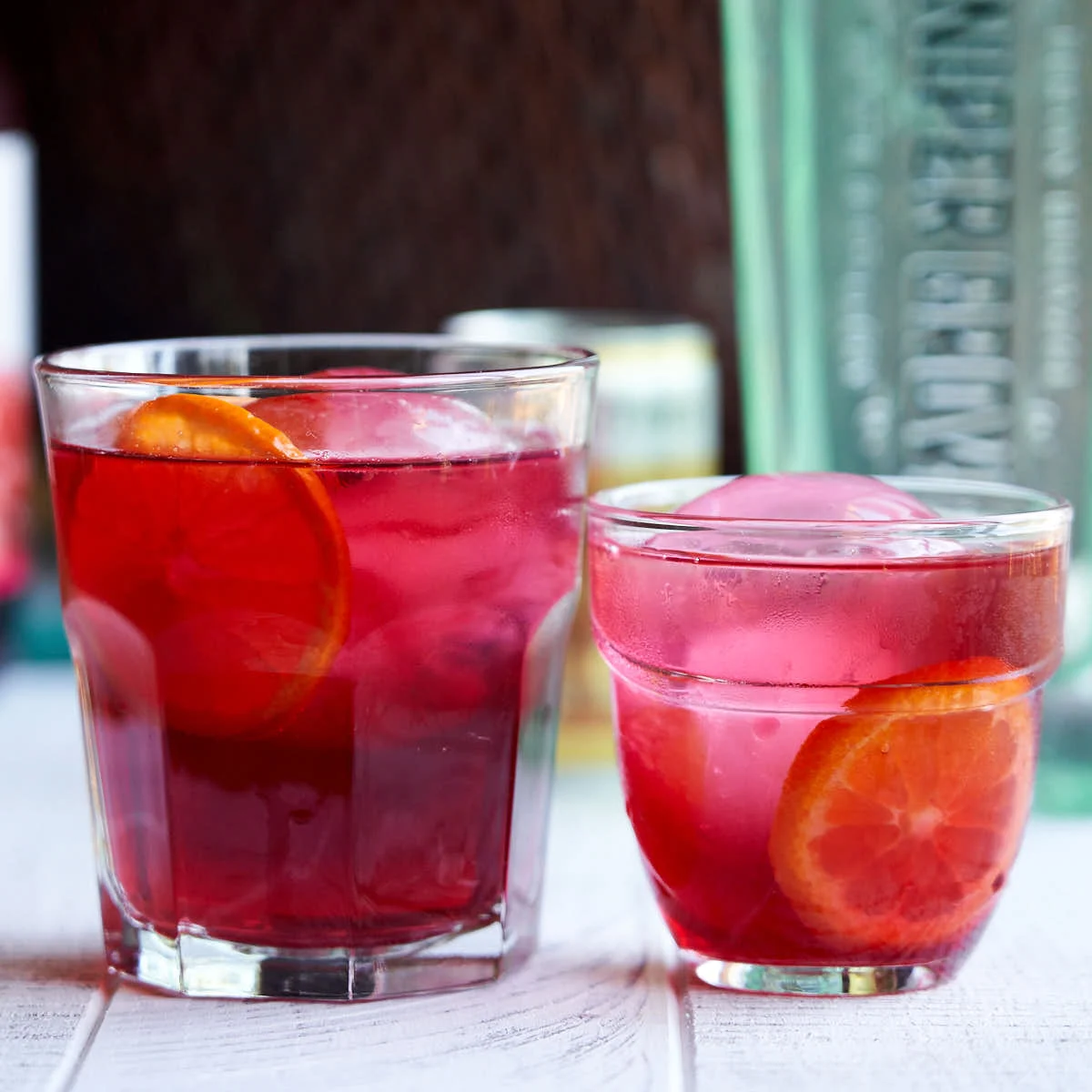
The tradition of the holiday brunch has evolved significantly over the past decade, with a marked increase in demand for seasonal, craft-style beverages that complement mid-morning culinary offerings. As households prepare for the 2021 holiday season, mixologists and home entertainers are increasingly turning toward elevated takes on classic cocktails. Among the most prominent trends this year is the adaptation of the traditional gin and tonic, specifically modified to incorporate the distinct, tart flavor profile of fresh cranberries—a staple of North American holiday menus.
Historical Context of the Gin and Tonic
The classic gin and tonic, a drink with roots dating back to the British colonial era in India, was originally formulated as a medicinal necessity. The quinine in tonic water was used as a prophylactic against malaria, and gin was added to improve the palatability of the bitter tonic. Over the centuries, the beverage transformed from a clinical necessity into one of the most recognizable highball cocktails globally.
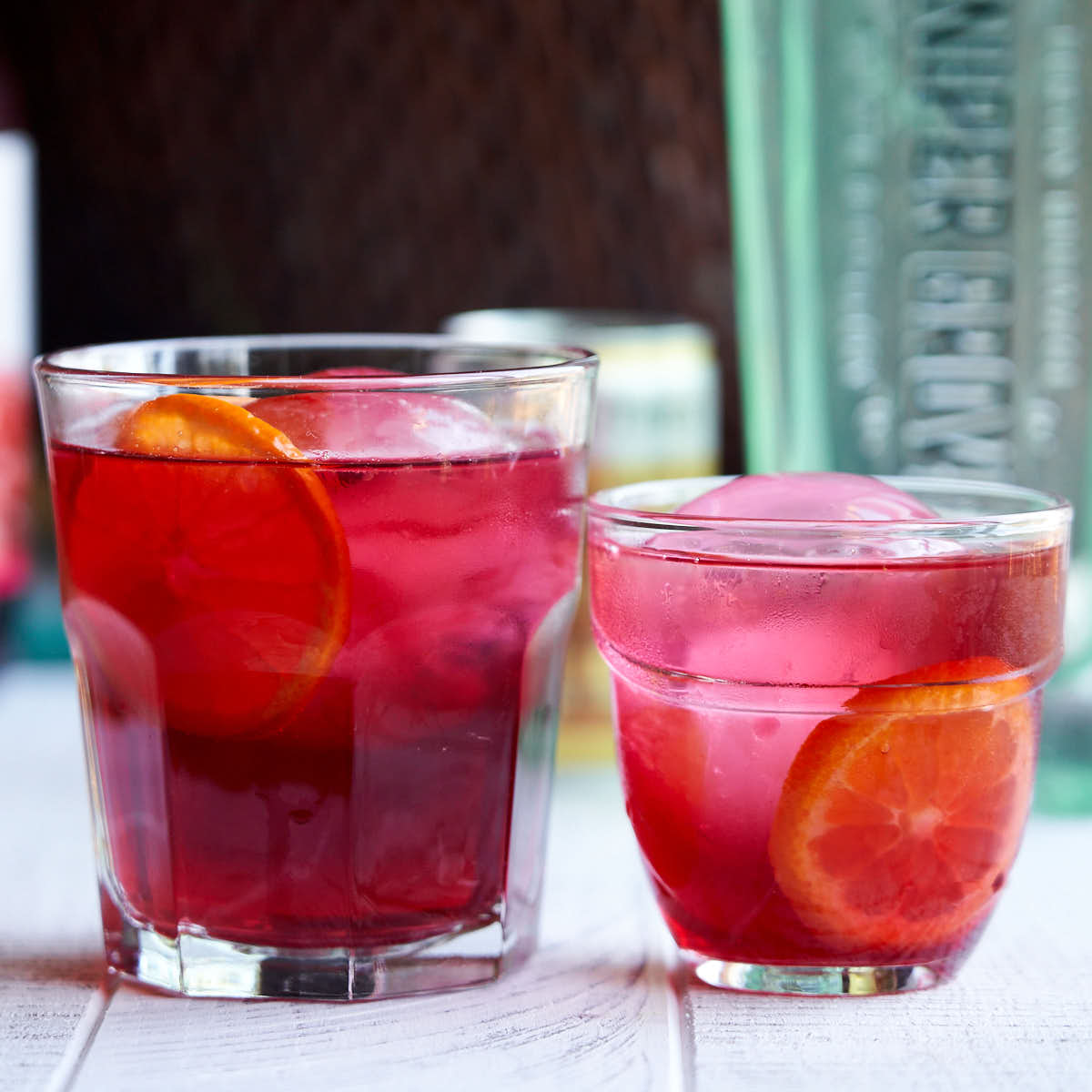
In the modern era, particularly within the last five years, the "craft cocktail" movement has encouraged the infusion of seasonal botanicals and fruit juices into these traditional base recipes. The integration of cranberry juice into the standard gin and tonic structure is not merely a stylistic choice; it represents a functional alignment with the agricultural peak of the cranberry, which is harvested primarily in the autumn and winter months in regions such as Wisconsin, Massachusetts, and the Pacific Northwest.
Seasonal Consumption Trends and Data
Market analysis regarding holiday consumption patterns indicates that consumer interest in seasonal beverages peaks between mid-November and early January. According to industry reports from the American Distilling Institute, the demand for gin—specifically craft and small-batch American dry gins—has seen a steady year-over-year increase. This growth is largely attributed to the spirit’s versatility in mixed drinks.
The inclusion of cranberry in cocktails provides a unique chemical balance. Cranberries are high in acidity and contain natural tannins, which cut through the herbaceous notes of juniper-heavy gin. From a nutritional and culinary standpoint, the use of unsweetened, 100% pure cranberry juice is recommended by professionals to maintain control over the drink’s sweetness, allowing the consumer to adjust the balance based on personal preference or the specific botanical profile of the gin being used.
The Evolution of Presentation: The Role of Ice Technology
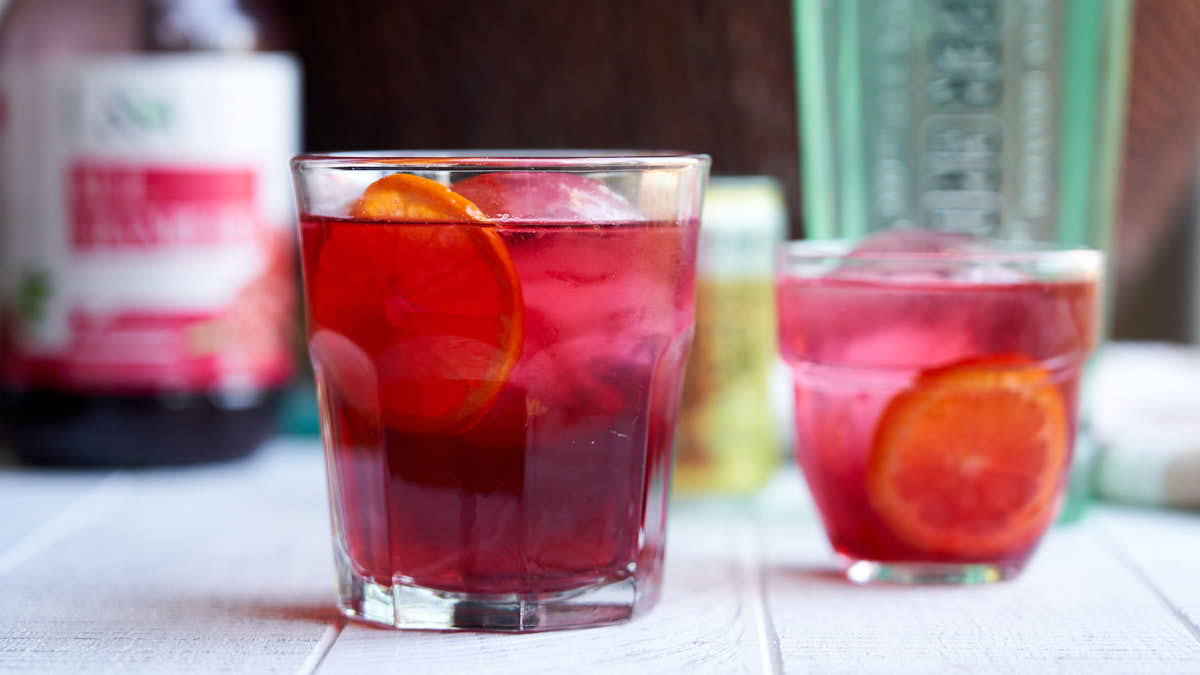
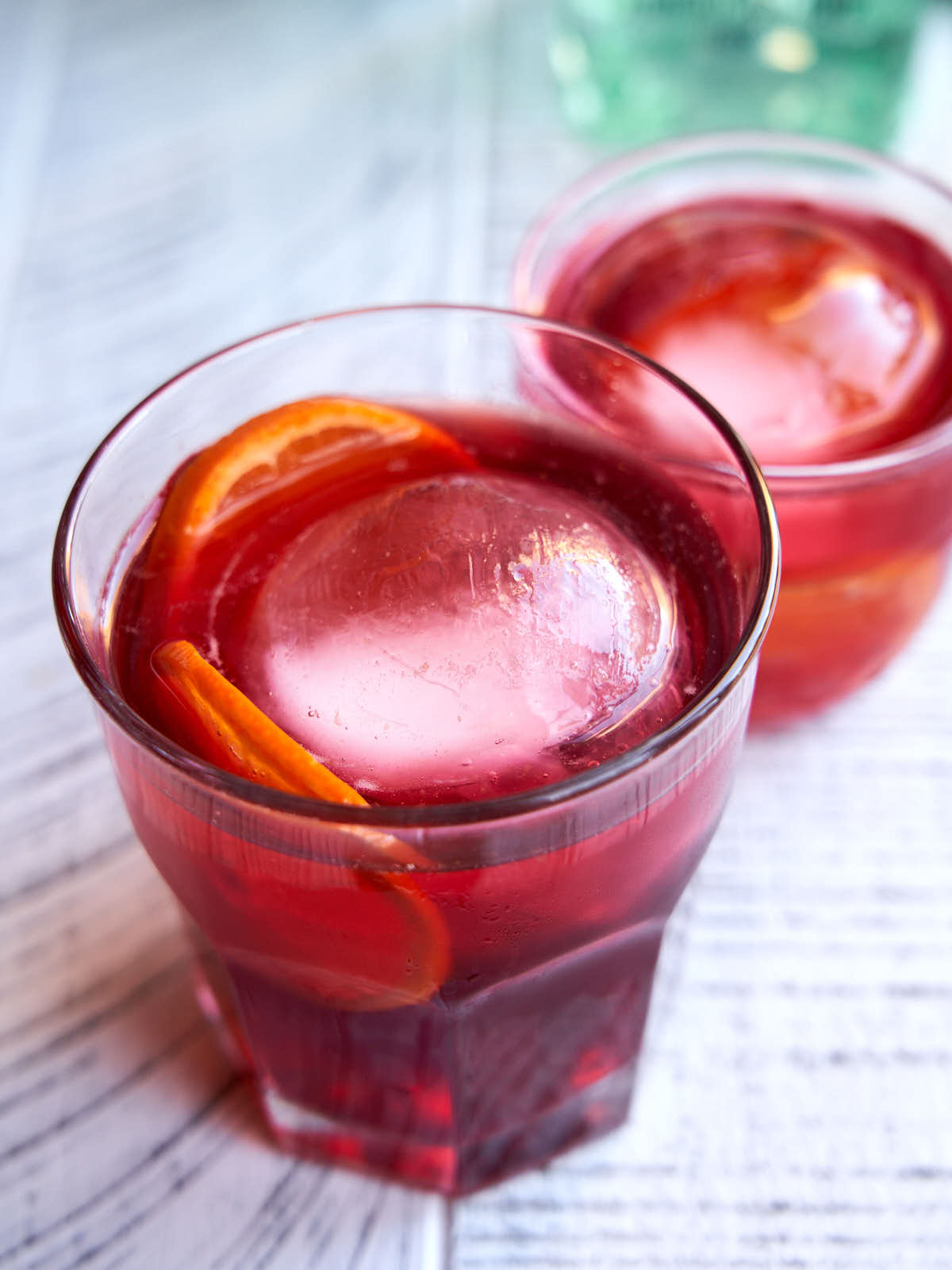
A significant development in home bartending during the 2020 and 2021 period has been the democratization of advanced ice-making techniques. Previously reserved for high-end cocktail bars, the use of silicone sphere molds has become mainstream. Beyond the aesthetic appeal, which aligns with the sophisticated presentation requirements of holiday hosting, there is a technical justification for the use of large-format ice.
Large ice spheres possess a smaller surface-area-to-volume ratio compared to standard cubic ice. This physical property slows the rate of melting, which is critical for maintaining the integrity of a gin and tonic. Because the drink relies on a delicate balance between the carbonation of the tonic water and the proof of the spirit, slow dilution ensures that the cocktail remains cold without becoming watered down over the course of a brunch service.
Crafting the Contemporary Holiday Cocktail
To achieve the optimal balance in a holiday-themed gin cocktail, consistency in ingredient selection is paramount. Experts suggest that the choice of gin should favor American dry varieties that lean into citrus or earthier botanicals rather than intensely floral, perfumed options that might clash with the tartness of the cranberry.
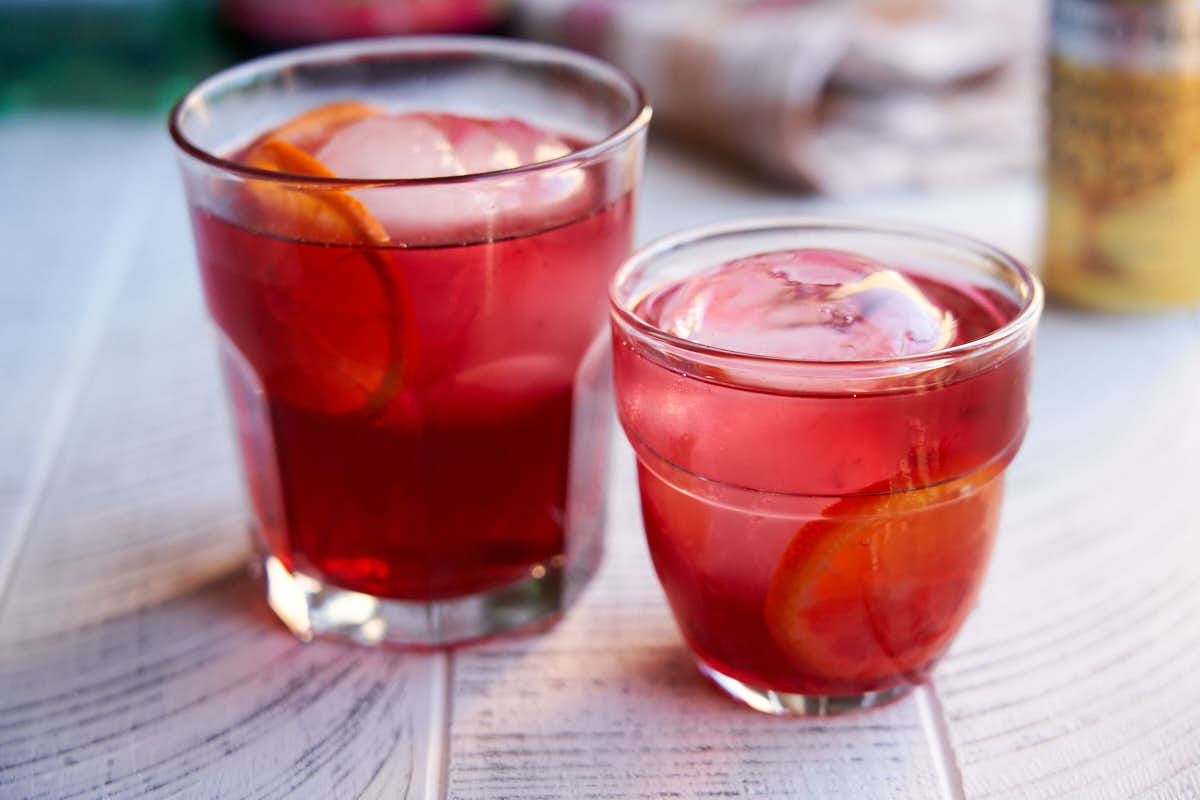
The standard preparation procedure for this beverage includes:
- Selection of Base: A high-quality American dry gin serves as the foundation.
- Juice Integration: Utilizing pure, unsweetened cranberry juice provides the characteristic deep red hue and tartness. For those preferring a sweeter profile, the integration of a simple syrup or a sweetened juice blend is often the preferred adjustment.
- Carbonation Management: Tonic water should be chilled to at least 40°F (4°C) prior to pouring to ensure maximum carbonation retention.
- Garnish Strategy: Clementines or other winter citrus provide an essential aromatic component. The essential oils released from the zest upon expression provide a bright counterpoint to the deep, berry-forward notes of the cranberry.
Industry Implications and Consumer Behavior
The shift toward at-home brunch cocktails represents a broader change in how consumers interact with the hospitality industry. Following the global disruptions of 2020, there has been a sustained interest in "home-hospitality." Retail data confirms that sales of cocktail equipment, including high-quality glassware and ice molds, remain elevated compared to pre-2019 levels.
This trend is not merely a result of convenience but reflects a growing sophistication in the home consumer base. As enthusiasts become more educated on the nuances of spirit profiles and the chemistry of dilution, the barrier to entry for crafting professional-grade drinks at home has effectively lowered.
Safety and Regulatory Considerations
While the focus remains on celebration, industry associations continue to emphasize responsible consumption. The calorie density of a typical cranberry gin cocktail, which averages approximately 120–150 kilocalories depending on the tonic-to-juice ratio, makes it a relatively moderate choice for a morning or early afternoon event. However, nutritionists often remind consumers that the hidden sugars in pre-sweetened mixers can significantly impact the glycemic load of such beverages.
Broader Impact on Holiday Planning
The integration of specific holiday-themed cocktails into brunch menus serves as a focal point for social gatherings. By pairing these drinks with traditional brunch staples—such as savory egg dishes or lighter pastries—hosts can create a cohesive dining experience that emphasizes the seasonality of the ingredients.
Looking ahead, the longevity of this trend seems secure. The combination of local, seasonal produce (cranberries) and a classic, globally recognized spirit (gin) creates a "comfort" beverage that aligns with the psychological need for tradition during the holiday period. As the market continues to evolve, it is likely that we will see further innovation in the use of garnishes, such as dehydrated fruit or spice infusions like cinnamon and star anise, which further bridge the gap between traditional culinary flavors and contemporary mixology.
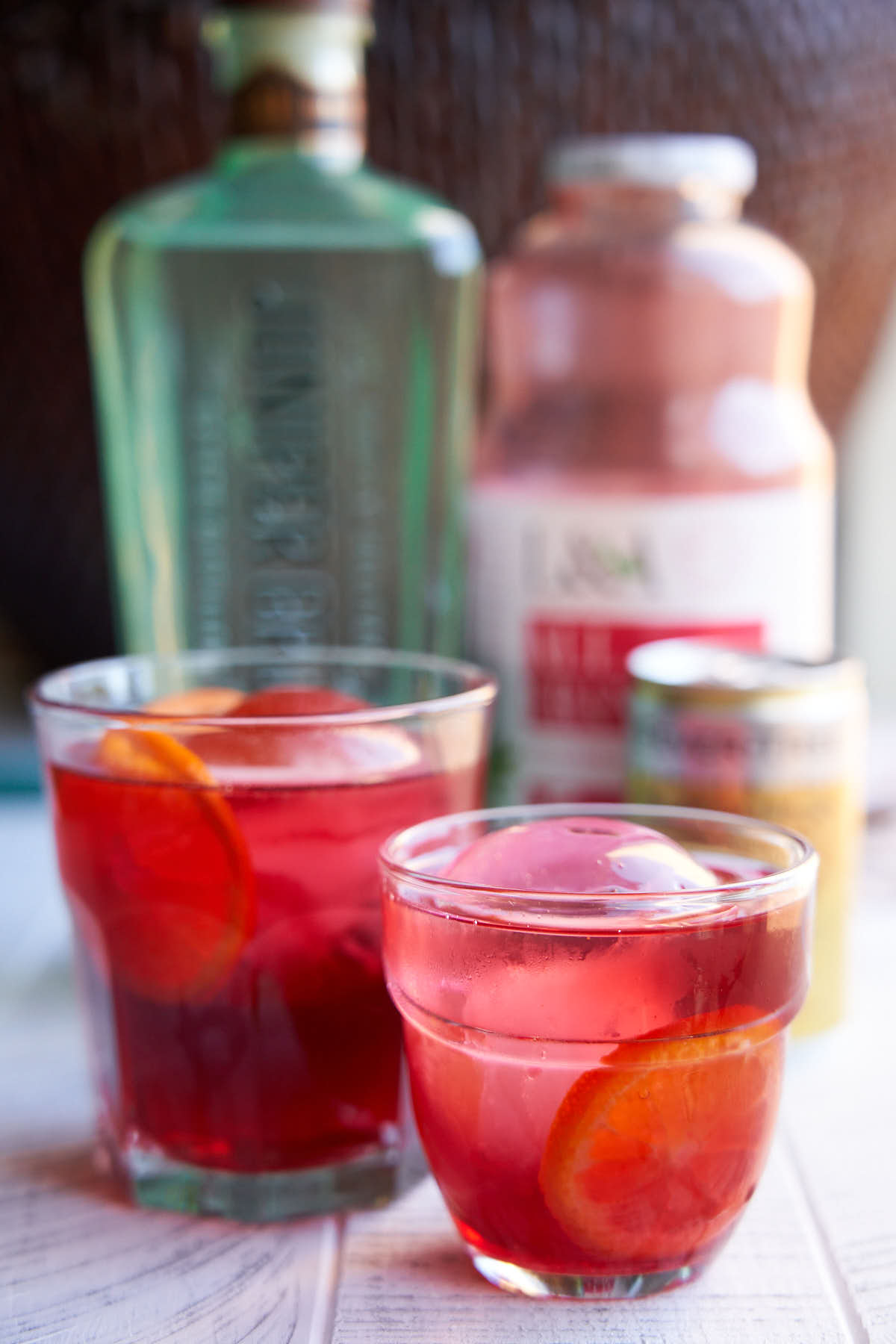
Ultimately, the popularity of the cranberry gin cocktail during the 2021 holiday season serves as a case study in how simple, accessible ingredients can be elevated through minor technical adjustments. Whether through the precise choice of ice geometry or the careful selection of a local, small-batch gin, the focus remains on providing a high-quality experience that honors both the history of the drink and the festive nature of the occasion. For home entertainers, the ability to replicate this experience serves as a testament to the enduring appeal of the classic, yet evolved, cocktail.
