
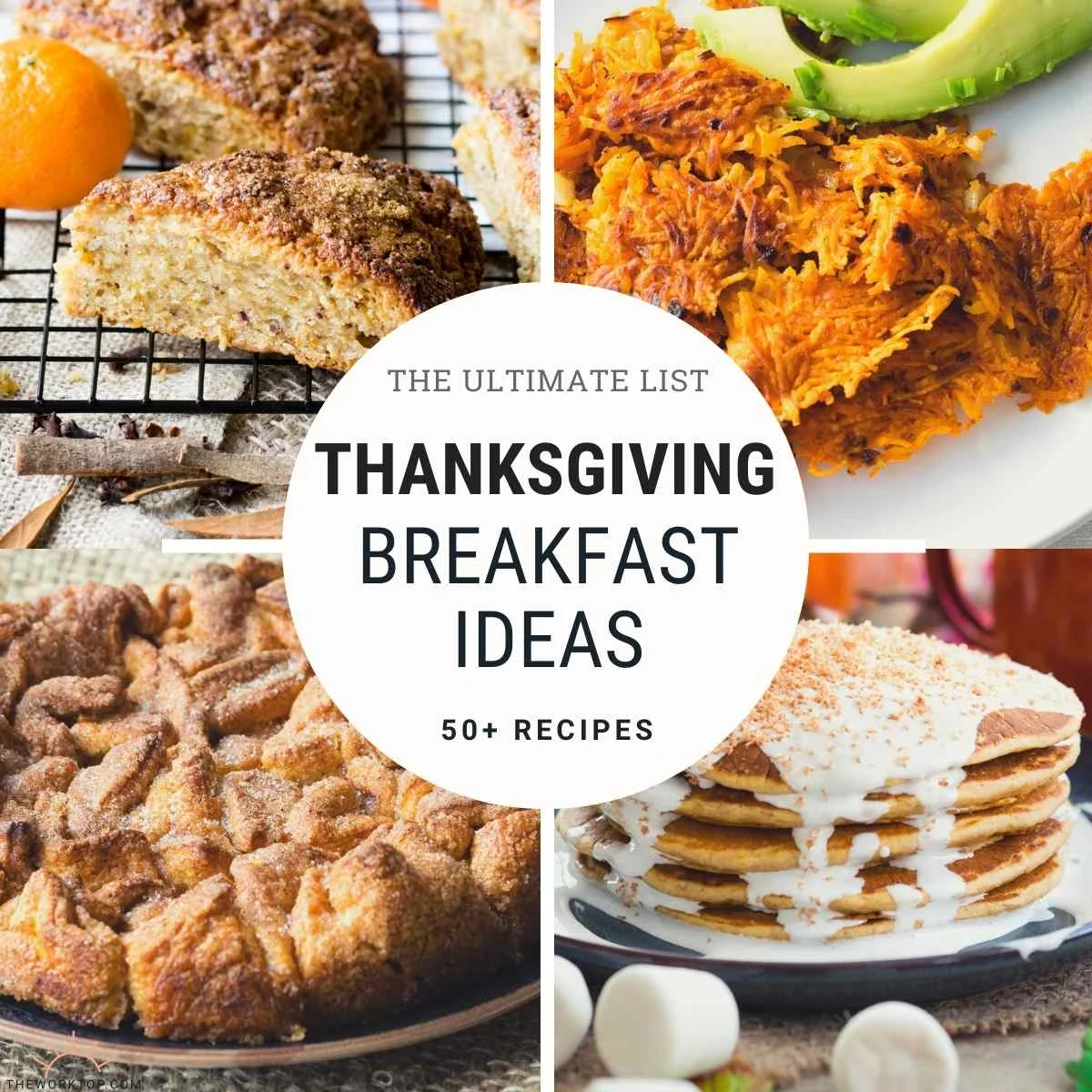
Thanksgiving morning is frequently defined by the anticipation of the evening’s massive feast, leading many households to skip breakfast or opt for a hurried snack. However, culinary experts and nutritionists increasingly suggest that a structured, intentional start to the day not only manages hunger levels but also sets a festive, communal tone for the holiday. With over 50 distinct breakfast recipes ranging from savory, protein-rich casseroles to seasonal sweet treats, the modern Thanksgiving morning can be transformed into a culinary event in its own right, providing sustenance for the long day of preparation ahead.

The Nutritional and Social Rationale for a Thanksgiving Breakfast
Data from food industry surveys indicate that while the traditional Thanksgiving meal is typically served in the late afternoon, the gap between the last meal on Wednesday and the Thursday main course often spans 18 to 20 hours. For many, this prolonged fasting period leads to "grazing" on appetizers, which can result in over-consumption of high-calorie, low-nutrient snacks before the turkey is even carved.
Incorporating a breakfast or brunch that features fiber-rich ingredients—such as pumpkin, apples, and hearty grains—can help stabilize blood sugar levels. By providing a balanced start to the day, hosts and guests alike can approach the main event with a sense of moderation. Furthermore, in households where family members arrive at different times, a breakfast service acts as a low-pressure social anchor, allowing for connection before the intense kitchen labor of the afternoon begins.
The Evolution of the Thanksgiving Brunch: A Strategic Approach
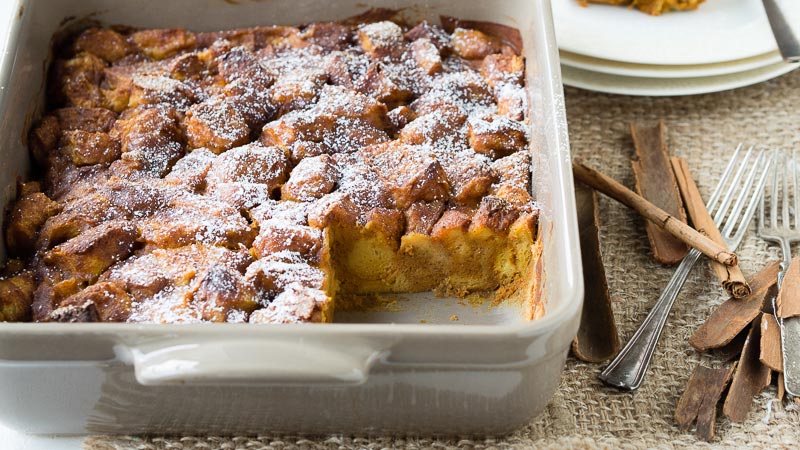
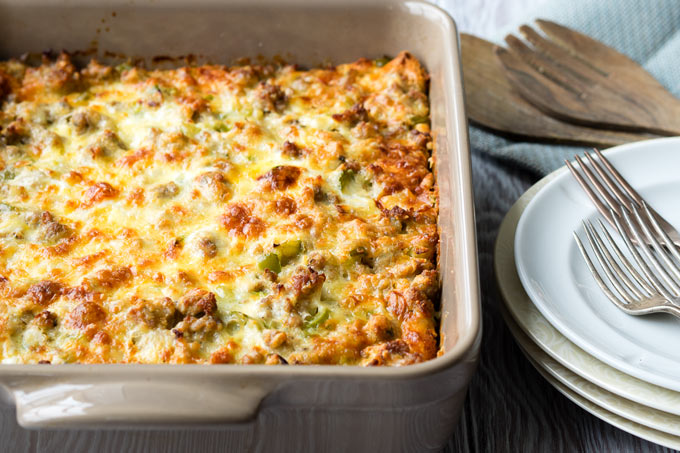
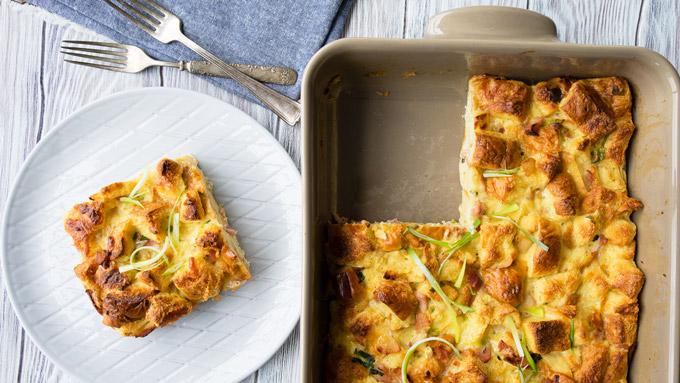
The trend toward elaborate Thanksgiving breakfasts reflects a broader shift in holiday management. Rather than viewing the morning as a mere prelude, many hosts now utilize "make-ahead" recipes to minimize stress. Casseroles, which can be assembled on Wednesday evening and refrigerated, have become the standard for large gatherings. These dishes, such as pumpkin-infused French toast or savory sausage and egg bakes, provide a professional-quality meal with minimal morning effort.
The logistical advantage of these recipes cannot be overstated. By utilizing the oven before the primary turkey roasting begins, cooks can ensure that the kitchen remains functional and organized. This "prep-first" strategy is a hallmark of efficient holiday hosting, allowing the chef to focus on the technical requirements of the main meal while family members are well-fed and energized.

Categorizing the Holiday Menu: From Savory to Sweet
To provide a comprehensive culinary experience, Thanksgiving breakfast menus should be categorized by both dietary preference and preparation method.
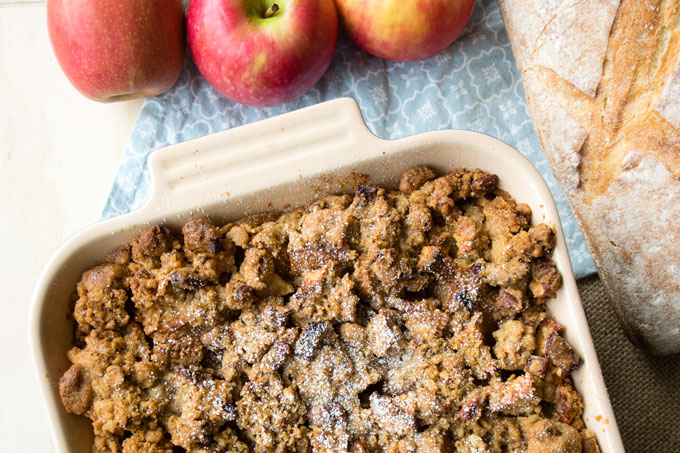
Savory Casseroles and Skillets
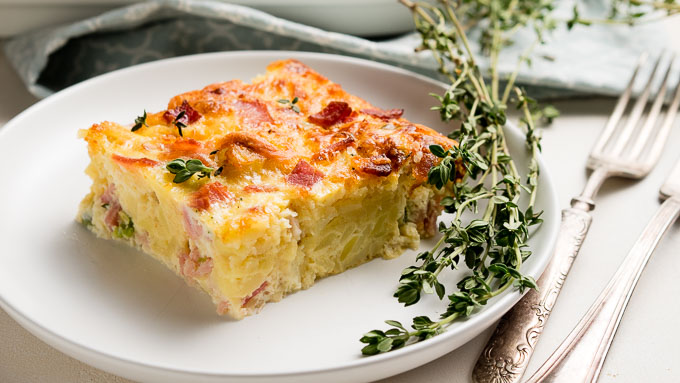
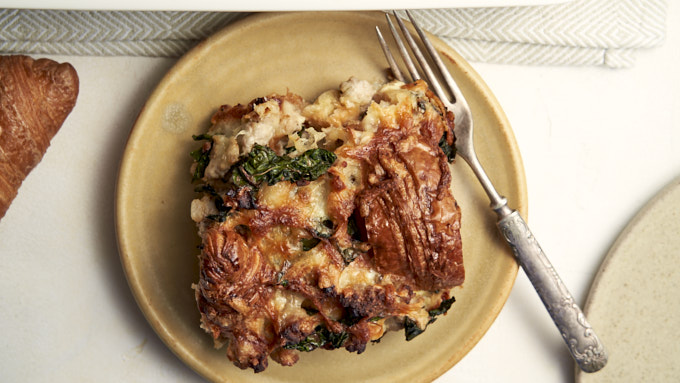
The most popular category remains the savory breakfast casserole. These dishes typically combine eggs, proteins (such as sausage, bacon, or ham), and various vegetables or starches. For example, recipes utilizing tater tots or croissants as a base offer a familiar, comforting texture that appeals to all age groups. Skillet-based meals, such as sweet potato and bacon hash, introduce the quintessential autumn flavors of the season early in the day, reinforcing the holiday theme.
Seasonal Sweets and Baked Goods
For those who prefer a lighter, pastry-oriented start, the inclusion of autumn spices—cinnamon, nutmeg, and cloves—is essential. Pumpkin-based donuts, muffins, and pancakes are perennial favorites. These items serve as an ideal accompaniment to morning coffee or tea, providing a subtle nod to the season without overwhelming the palate before the main event. Notably, many of these recipes are adaptable, allowing for the inclusion of alternative flours or vegan ingredients to accommodate a wide range of dietary restrictions, including gluten-free and plant-based diets.
Dietary Inclusivity in Modern Holiday Planning
Modern Thanksgiving menus must increasingly account for diverse dietary requirements. A successful breakfast strategy includes at least one option that is allergen-friendly. Vegan carrot cakes, gluten-free sweet potato scones, and dairy-free pumpkin smoothies are no longer just niche offerings; they are expected components of a thoughtful menu.
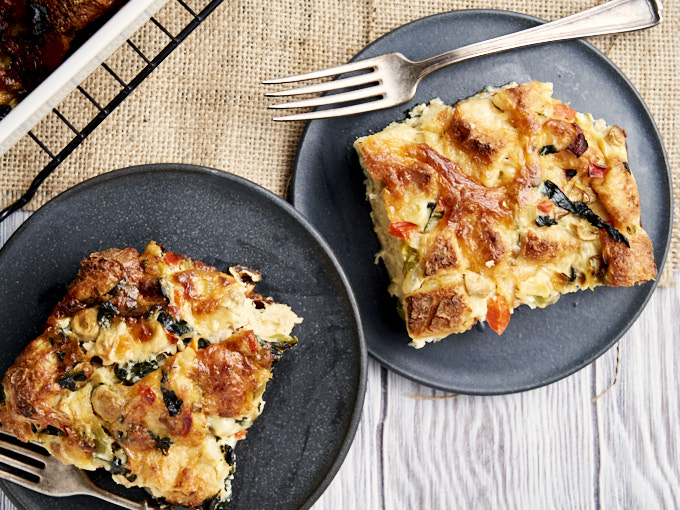
When hosting a large group, the objective is to provide a "universal" breakfast that can be enjoyed by everyone. This reduces the need for multiple cooking stations and creates a more inclusive dining experience. For instance, a hearty vegetable-forward breakfast casserole—minus the meat—can serve as a primary protein source for both vegetarians and meat-eaters, provided it is seasoned with high-quality herbs and robust cheeses.
Beverages: The Morning Pick-Me-Up
The beverage program for Thanksgiving morning should mirror the warmth of the food. Coffee-based drinks, such as maple pecan lattes or spiced pumpkin beverages, have become staples in many households. For those looking for an alcoholic component, brunch-specific cocktails—such as hibiscus-infused gin tonics or cranberry-forward mimosas—provide a sophisticated, celebratory touch.
These drinks also serve a functional purpose. A well-caffeinated guest is often more helpful in the kitchen, and a light, refreshing cocktail can help bridge the gap between the morning hours and the start of the formal appetizers.
Economic and Practical Implications
Beyond the culinary aspects, the shift toward a more robust Thanksgiving breakfast has economic implications. By investing time and resources into a morning meal, households often find they reduce the volume of expensive, store-bought appetizers purchased to tide guests over until the late afternoon. Homemade breakfasts utilizing staple fall ingredients—potatoes, onions, eggs, and seasonal produce—are generally more cost-effective and provide better nutritional value.

From a labor standpoint, the emphasis on "no-cook" or "low-cook" options, such as yogurt bowls or pre-baked muffins, allows the host to maintain a relaxed demeanor. The goal of the morning is to build momentum for the afternoon’s feast, not to exhaust the host before the primary meal commences.
Conclusion: A Foundation for Tradition
The incorporation of a designated Thanksgiving breakfast is more than a trend; it is a strategic approach to modern holiday hosting. By choosing from a vast array of recipes—whether they be savory casseroles that feed a crowd, quick-fix muffins, or festive morning drinks—families can create new traditions that emphasize connection and health. As the industry continues to innovate, the focus remains on the same core principle: the holiday is a celebration that begins the moment the sun rises, and the right breakfast is the perfect way to honor that time. Whether preparing a complex, make-ahead casserole or a simple, seasonal smoothie, the effort put into the morning meal pays dividends in the form of a more organized, energized, and harmonious Thanksgiving day.
