
In an economic climate marked by rising consumer prices, savvy shoppers are constantly seeking avenues to stretch their budgets further without compromising on their preferred goods. A recent analysis of grocery prices has highlighted warehouse club giant Costco as a particularly compelling destination for purchasing common snack items, most notably potato chips, when cost-effectiveness is a primary concern. By comparing the unit prices of popular chip brands across different retail giants, the study suggests that Costco’s bulk offerings can translate into significant savings per ounce, making it a strategic choice for budget-conscious consumers.
The Economics of Snack Purchasing: A Comparative Analysis
The investigation centered on three widely consumed snack categories: Doritos, generic potato chips (specifically, kettle-cooked varieties), and pretzels. The comparison involved pricing data gathered from a King Soopers grocery store in the Denver area, a Walmart superstore, and a Costco warehouse. The objective was to determine which retailer offered the most economical option on a per-unit or per-ounce basis, a crucial metric for understanding true value in bulk purchases.
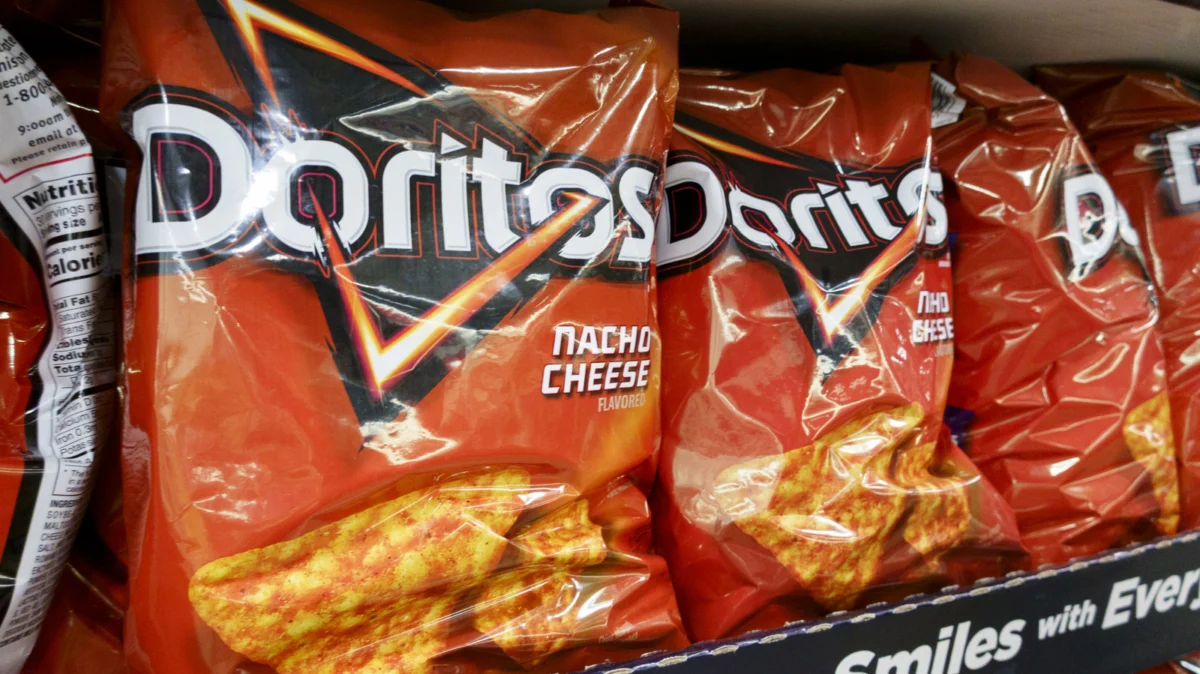
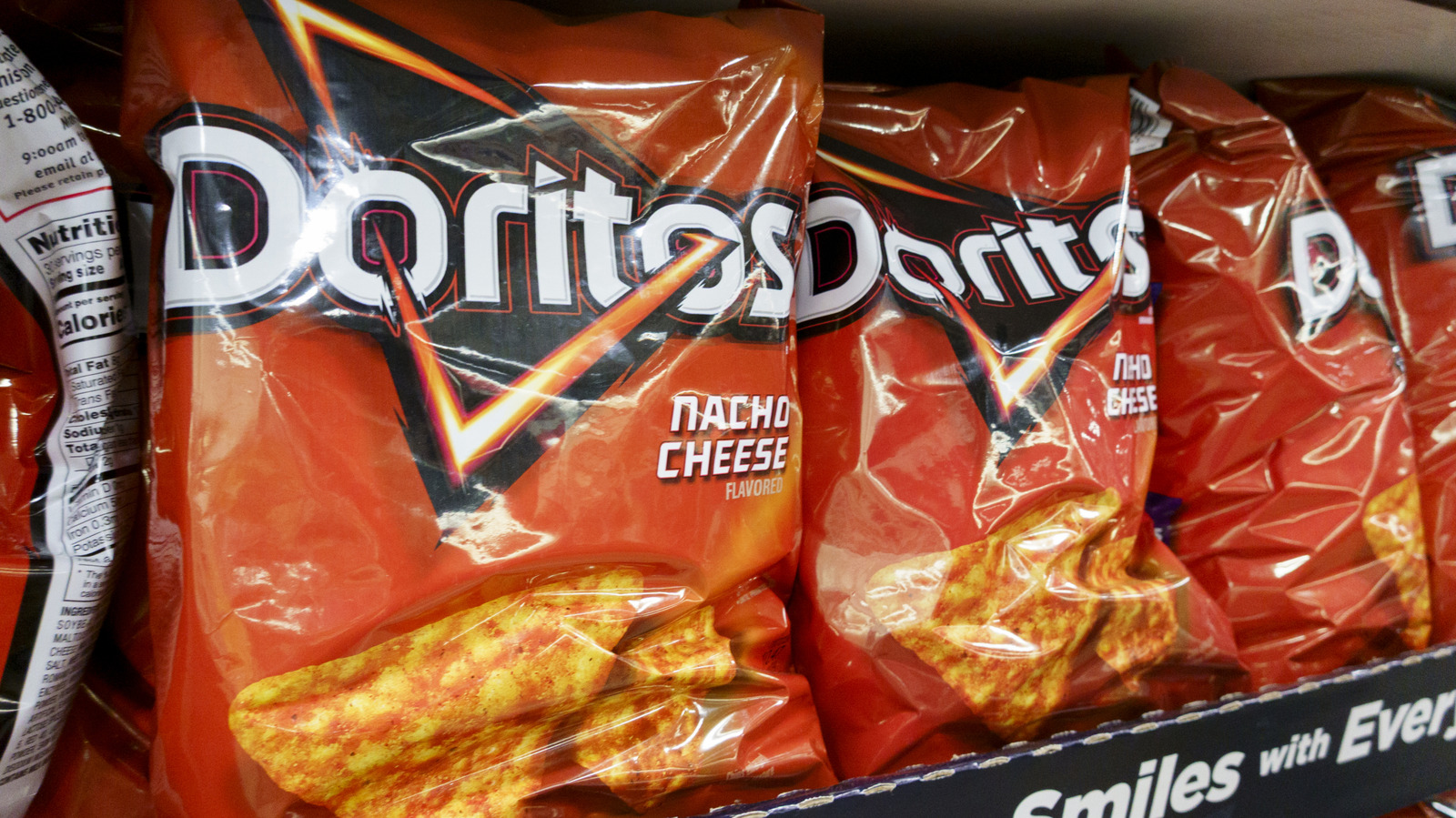
Doritos: When it comes to the ubiquitous cheese-flavored tortilla chips, Costco emerged as the undisputed leader in cost per ounce. A standard 14.5-ounce bag at a King Soopers location was priced at $7.99, equating to approximately 55 cents per ounce. Walmart offered a slightly more competitive price, with a comparable 14.5-ounce bag retailing for $5.49, or about 41 cents per ounce. However, Costco significantly undercut both, with a substantial 30-ounce bag of Doritos available for just $8.27. This price point translates to an impressive 28 cents per ounce, demonstrating a nearly twofold saving compared to the grocery store and a substantial reduction from Walmart’s offering. The fact that Costco’s larger bag, more than double the size of the grocery store’s offering, was only marginally more expensive underscores the inherent economic advantage of its bulk model for this particular product.
Kettle-Cooked Potato Chips: The analysis also extended to a favored brand of kettle-cooked potato chips, Cape Cod, which has previously been recognized for its quality. At King Soopers, an eight-ounce bag of Cape Cod chips commanded a price of $4.99, resulting in a cost of 62 cents per ounce. Walmart presented a larger 14-ounce bag for $4.98, bringing the per-ounce cost down to 36 cents. Costco, in line with its strategy for other snacks, offered a generous 30-ounce bag of Cape Cod kettle-cooked potato chips for $8.80. This bulk purchase lowered the cost to an attractive 29 cents per ounce, positioning Costco as the most economical choice for consumers who frequently enjoy this type of snack. The significant difference in per-ounce pricing suggests that smaller, individually purchased bags at traditional supermarkets carry a considerable premium.
Pretzels: The third category examined was pretzels, with a specific focus on Snack Factory Pretzel Crisps. At Walmart, a 14-ounce bag of these crunchy snacks was priced at $5.32, equating to 38 cents per ounce. King Soopers charged a higher $6.99 for the same 14-ounce bag, resulting in a per-ounce cost of 50 cents. Costco again proved to be the most budget-friendly option, offering a large 28-ounce bag of organic Pretzel Crisps for $10.20. This bulk purchase effectively reduced the per-ounce cost to 36 cents, making it a compelling value proposition for consumers who appreciate these pretzel snacks. The consistent pattern across these diverse snack types reinforces the notion that Costco’s membership-based model and large-scale purchasing power translate into tangible savings for its patrons.
The Costco Advantage: Beyond Just Price
While the per-ounce pricing is a significant factor, the overarching appeal of Costco for snack enthusiasts extends beyond mere cost savings. The warehouse club’s business model is predicated on offering a curated selection of high-quality goods in substantial quantities, thereby leveraging economies of scale to provide lower prices. This strategy is particularly effective for non-perishable or semi-perishable items like chips, where consumers often have staple preferences and can readily consume larger packages.
However, the economic advantage at Costco does come with certain prerequisites. A Costco membership, which typically costs an annual fee, is the initial barrier to entry. For consumers who do not regularly shop at Costco or whose consumption habits do not align with bulk purchases, the membership fee may outweigh the savings on individual items. Furthermore, the substantial quantities offered necessitate adequate storage space within the household. For individuals or smaller families, managing and consuming large packages of snacks before they potentially lose their freshness can be a challenge. Finally, the sheer volume and appealing price points of snack items at Costco can test even the most disciplined consumer’s self-control, potentially leading to overconsumption if not managed mindfully.
Expanding the Scope: Other Costco Bargains
The principle of cost savings through bulk purchasing at Costco is not limited to snack items. A broader look at frequently purchased grocery staples reveals similar economic advantages. This suggests that for households that can effectively utilize bulk purchases, Costco can serve as a significant cost-saving hub for a substantial portion of their grocery needs.
Produce: Even seemingly high-cost produce items can become more economical at Costco. For instance, while Honeycrisp apples have seen price increases due to various market factors, making them a more expensive option at some retailers, Costco offers a more palatable alternative. A four-pound bag of Cosmic Crisp apples, a variety often positioned as a premium choice, is available at Costco for $7.59, which breaks down to approximately $1.90 per pound. This is considerably less than the nearly $3 per pound that some other retailers may charge for similar premium apple varieties.
Dairy: The dairy aisle also presents compelling savings. A four-pound package of Kirkland Signature brand unsalted sweet cream butter costs $10.88 at Costco. This quantity and price make it substantially more cost-effective than purchasing single-pound packages of generic store-brand butter, which can retail for as much as $3.99 each. In the egg category, Costco’s organic offerings also stand out. A 24-count carton of organic, pasture-raised eggs is priced at $9.07. This is a significant value when compared to a standard dozen (12-count) carton of organic, cage-free eggs at a traditional grocery store like King Soopers, which might cost $4.99. The larger count and often higher quality certifications (e.g., pasture-raised) at Costco contribute to a more favorable price per egg.
Pantry Staples: For families with children, granola bars are often a non-negotiable pantry staple. Costco provides an exceptional value proposition in this regard. A bulk package containing 64 chocolate chip granola bars is available for $12.25, resulting in a cost of just 19 cents per bar. While a 36-count box of store-brand granola bars might seem like a deal at $8.99 (approximately 25 cents per bar), Costco’s offering provides a more substantial quantity at a lower individual item price, making it a more economical choice for families who consume granola bars regularly.
Broader Economic Implications and Consumer Behavior
The findings from this price comparison offer valuable insights into consumer behavior and the evolving landscape of retail economics. In an era of persistent inflation, consumers are increasingly prioritizing value and seeking out retailers that can offer significant cost reductions. Warehouse clubs like Costco, with their membership models and bulk offerings, are well-positioned to capitalize on this trend. Their ability to negotiate lower prices from suppliers due to large order volumes, coupled with efficient supply chain management, allows them to pass on savings to their members.
The data also highlights the importance of unit pricing for informed purchasing decisions. While a large package might have a higher sticker price, a closer examination of the cost per ounce, per pound, or per item often reveals substantial savings. This underscores the need for consumers to look beyond the headline price and engage in comparative shopping, even within the same retail environment.
The success of Costco’s model also has broader implications for the grocery industry. Traditional supermarkets are under pressure to adapt and offer competitive pricing, often through loyalty programs, private label brands, and targeted promotions. The rise of online grocery delivery services and discount retailers further intensifies this competitive environment.
However, the Costco model is not without its limitations, as previously noted. The requirement of a membership fee, the need for significant storage space, and the potential for impulse buying due to the attractive pricing of bulk items are all factors that consumers must consider. For individuals or households with limited storage capacity or those who do not consume products at a rate commensurate with bulk packaging, the savings may not materialize as intended.
In conclusion, while the definition of the "best place to buy chips" can be subjective and depend on individual priorities, the evidence strongly suggests that Costco offers a compelling economic advantage for consumers prioritizing cost-effectiveness. The consistent pattern of lower per-ounce pricing across various popular chip brands, coupled with similar savings on other grocery staples, positions Costco as a strategic shopping destination for budget-conscious households. However, potential members must weigh the benefits of bulk savings against the annual membership fee and their own consumption and storage capabilities to determine if the warehouse club model truly aligns with their needs. The ongoing economic climate is likely to keep such cost-saving strategies at the forefront of consumer decision-making for the foreseeable future.
