
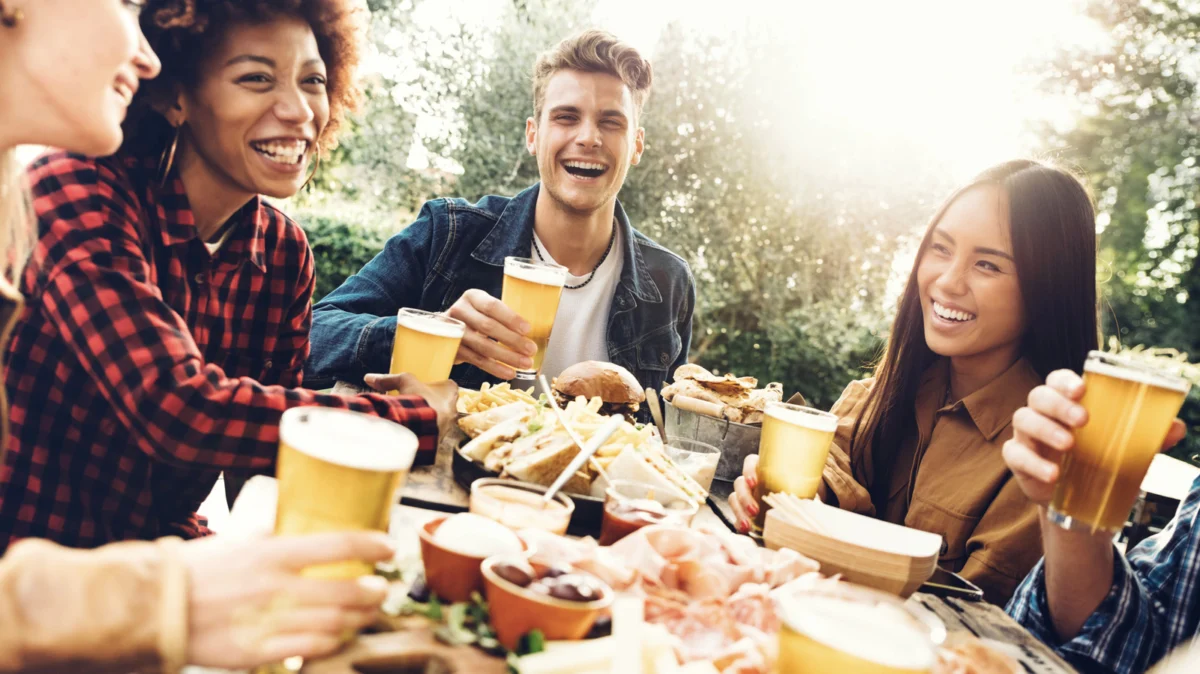
Generation Z is redefining social norms and consumption habits across various aspects of life, from career aspirations to interpersonal relationships and leisure activities. This demographic is also demonstrating a distinct approach to alcohol consumption, diverging significantly from the patterns established by Millennials, Gen X, and Baby Boomers. A pivotal shift observed is the move towards earlier drinking occasions, a trend identified and popularized by the Bacardi 2026 Cocktail Trends Report. This report indicates that Gen Z is increasingly opting for afternoon beverages on patios or quick drinks with friends immediately after work, effectively supplanting the traditional late-night "nightcap." This emergent "daycap" phenomenon is not only reshaping how alcohol is consumed and enjoyed but also influencing the entire beverage industry.
The "daycap" trend is a global occurrence, with substantial adoption rates among young adults worldwide. According to Bacardi’s findings, over half of young adults in France and more than a third in the United States are embracing earlier drinking times to facilitate earlier evenings. This pattern extends to other nations, with 40% of respondents in Spain and India reporting earlier engagement in eating, drinking, and socializing. Italy and Australia also show significant participation, with over 30% of their young adult populations adopting this trend. Beyond the temporal shift, Gen Z’s drinking habits are characterized by a greater emphasis on "mindful indulgence and casual imbibing." This translates to a preference for lower Alcohol By Volume (ABV) beverages, which facilitate a smoother transition into the evening without compromising the following day. Financial considerations also appear to play a role, aligning with Gen Z’s preference for fast-casual dining establishments that offer good value. This inclination towards economic efficiency extends to their social drinking habits, where early-evening happy hour menus become more appealing. Furthermore, Gen Z is a driving force behind the burgeoning ready-to-drink (RTD) beverage market, seeking out convenient and flavorful options for at-home consumption.
The Rise of the Daycap: A Generational Shift in Social Drinking
The concept of a "daycap" signifies a departure from the established traditions of evening socializing. Historically, the nightcap was a solitary or shared drink consumed late at night, often as a prelude to sleep. It carried connotations of winding down after a long day, indulgence, and perhaps a touch of decadence. However, for Generation Z, the social calendar and the perceived benefits of alcohol consumption have evolved. The data from Bacardi’s report suggests a strategic reallocation of social time. Instead of extending social engagements late into the night, young adults are prioritizing earlier interactions, allowing for more balanced lifestyles and potentially better sleep hygiene. This shift is not merely about the time of day but also about the purpose of the drink. A "daycap" is less about intense indulgence and more about a relaxed, social lubricant that complements daytime or early evening activities.
This transition can be partly attributed to the changing work culture and the growing emphasis on work-life balance. As younger generations navigate careers, they often seek to disconnect more effectively at the end of the workday. An early evening drink with colleagues or friends can serve as a distinct marker for the transition from professional responsibilities to personal time. This contrasts with previous generations who might have viewed late-night socializing as a more integral part of career networking or unwinding from demanding professions. The accessibility of information regarding health and wellness also plays a crucial role. Gen Z, having grown up in the digital age, is acutely aware of the potential negative impacts of excessive alcohol consumption on both physical and mental well-being. This awareness naturally leads to more conscious choices about when and how they choose to drink.
Health Implications: Daycap vs. Nightcap
The emergence of the "daycap" trend prompts an important question regarding its health implications compared to the traditional nightcap. As Gen Z has entered legal drinking age, they have simultaneously witnessed and participated in a societal surge in health tracking and a heightened prioritization of wellness. This awareness is amplified by growing concerns surrounding the health effects of alcohol consumption, a sentiment underscored by recent updates to CDC guidelines. These guidelines now emphasize that even moderate alcohol consumption carries health risks compared to abstaining entirely.
While the short answer to whether a daycap is inherently healthier than a nightcap is complex, certain aspects of the Gen Z approach suggest potential benefits, albeit with caveats. Studies have indicated that drinking earlier in the day can sometimes lead to increased overall consumption. However, the Gen Z model of consuming fewer drinks with lower ABV earlier in the evening represents a more health-conscious choice than engaging in heavy drinking late into the night.
Sleep hygiene is a critical component of wellness for this generation. While alcohol can induce sleepiness, it significantly disrupts the natural circadian rhythm, even after it has been metabolized. Therefore, drinking earlier does not automatically guarantee improved sleep quality. Nevertheless, an afternoon or early evening drink, as part of a mindful indulgence, is generally a more favorable option than extended bar crawls that extend into the early morning hours. The avoidance of severe hangovers is another compelling factor driving this generational shift. A "daycap" is often accompanied by a snack or a meal, which can mitigate or lessen hangover symptoms, according to medical experts like those at the Cleveland Clinic. This practical approach reflects Gen Z’s desire to enjoy alcoholic beverages without compromising their daily functionality or overall well-being. The distinction lies in the intent: a true Gen Z "daycap" is about mindful enjoyment and social connection, rather than simply drinking earlier for the sake of it.
Industry Impact and Future Projections
The "daycap" trend is poised to have a significant and lasting impact on the beverage alcohol industry. As consumer preferences evolve, manufacturers, distributors, and retailers must adapt their strategies to cater to this new demand. This includes a greater emphasis on lower-ABV products, non-alcoholic alternatives, and ready-to-drink options that align with the casual and convenient consumption patterns of Gen Z. The demand for RTDs, in particular, has surged, driven by their portability, diverse flavor profiles, and ease of consumption, fitting perfectly with the on-the-go lifestyle of younger consumers.
The shift also necessitates a reevaluation of marketing and promotional activities. Campaigns that once focused on late-night entertainment or indulgent evening experiences may need to pivot towards promoting social gatherings, outdoor activities, and mindful consumption occasions earlier in the day. This could involve collaborations with lifestyle brands, sponsorship of daytime events, and the development of social media content that resonates with Gen Z’s values and aesthetics.
Furthermore, the hospitality sector, including bars and restaurants, will likely see changes in their operational models. This might involve optimizing happy hour offerings, introducing curated menus of lighter beverages for afternoon patrons, and creating environments conducive to early evening social interactions. The rise of specialized bars focusing on craft cocktails with lower ABV or unique non-alcoholic options could also gain traction.
Supporting Data and Market Analysis
The Bacardi 2026 Cocktail Trends Report serves as a foundational document for understanding this evolving landscape. While specific figures vary by region, the consistent reporting of increased early-day drinking across diverse markets highlights a significant behavioral shift. For instance, the Bacardi report cites specific percentages:
- France: Over 50% of young adults are drinking earlier.
- United States: More than one-third of young adults are adopting earlier drinking habits.
- Spain & India: Approximately 40% of surveyed young adults report earlier social drinking.
- Italy & Australia: Over 30% of young adults are participating in earlier drinking occasions.
These figures, while projections for 2026 based on current trends, are indicative of a broader consumer movement. The underlying drivers – health consciousness, work-life balance priorities, and financial prudence – are well-documented societal trends among Gen Z. Market research from firms like Nielsen and IWSR Drinks Market Analysis has consistently shown the growth of the low- and no-alcohol (LONO) segment and the RTD category, directly correlating with the preferences described in the "daycap" phenomenon. The LONO market, for example, has experienced double-digit growth globally, demonstrating a clear consumer demand for alternatives to traditional alcoholic beverages.
The economic implications for the industry are substantial. A shift towards lower ABV products could mean a change in revenue streams, with a potential increase in volume sales offset by a decrease in revenue per unit if lower-ABV options are priced accordingly. However, the growth in the RTD market, often featuring premium ingredients and innovative flavors, suggests opportunities for higher-margin products. The focus on mindful consumption also opens doors for premiumization within the lower-ABV and non-alcoholic categories, where consumers are willing to pay more for quality and perceived health benefits.
Broader Societal Implications
The "daycap" trend extends beyond the beverage industry, reflecting broader societal shifts in how younger generations approach leisure, social interaction, and personal well-being. It signals a generation that is actively seeking to optimize their time and health, making conscious choices that align with their values. This move towards earlier, more mindful social drinking could contribute to a reduction in alcohol-related harms, such as accidents, public intoxication, and long-term health issues associated with excessive consumption.
Furthermore, this trend may influence family dynamics and parenting styles. As younger generations establish their own social rituals, they may pass on these habits to their children, potentially fostering a more balanced approach to alcohol consumption from an earlier age. The emphasis on early evening social connection could also strengthen community ties, as people have more opportunities to engage with friends and neighbors during daylight or early evening hours.
The adaptation of the alcohol industry to these changing consumer habits also has implications for public health policy. As the market responds to demand for lower-ABV and healthier options, policymakers may need to consider how these shifts affect taxation, regulation, and public health campaigns. The ongoing dialogue between industry innovation and public health objectives will be crucial in navigating the evolving landscape of alcohol consumption. Ultimately, Generation Z’s "daycap" trend is not just about when they drink, but a reflection of their broader commitment to a more balanced, intentional, and health-conscious lifestyle.
