
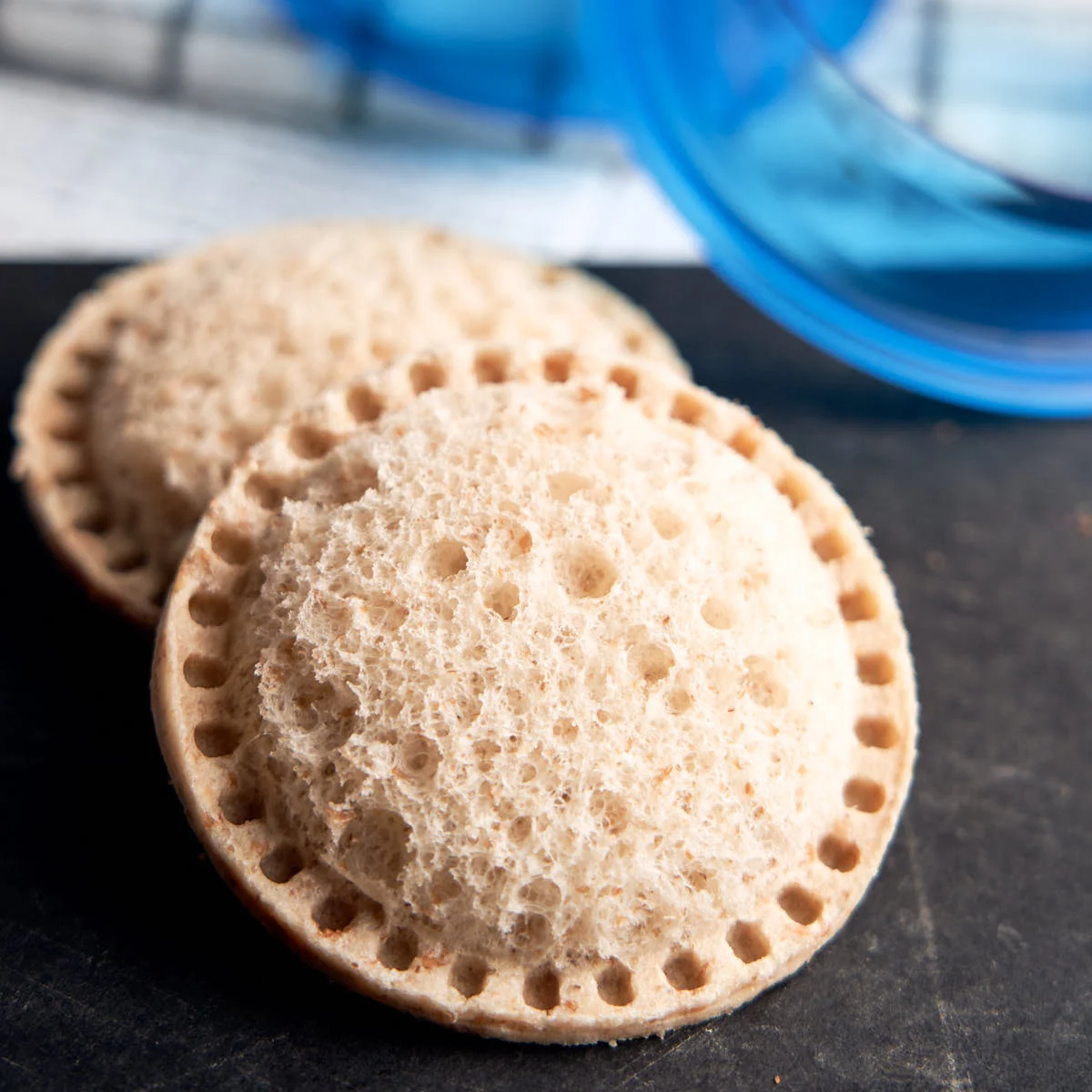
The popularity of the pre-packaged Uncrustables sandwich, a convenient and kid-friendly snack, has long been established. However, a growing trend towards homemade alternatives is gaining traction, driven by a desire for healthier ingredients, cost savings, and a reduction in plastic waste. This shift is exemplified by the burgeoning interest in creating homemade peanut butter and honey Uncrustables, a simple yet rewarding culinary endeavor.
The appeal of the homemade version lies in its ability to offer greater control over ingredients. While store-bought Uncrustables often contain added sugars in both the peanut butter and the honey spread, the homemade approach allows consumers to select peanut butter with no added sugar and pure honey, thereby making a healthier choice. This distinction is significant for families seeking to manage their children’s sugar intake and avoid processed ingredients.
The Rise of the Uncrustable Maker
The resurgence of homemade Uncrustables has been significantly boosted by the availability of specialized "uncrustable makers" or sandwich cutters and sealers. These tools simplify the process, enabling home cooks to replicate the distinctive sealed edge of the commercial product. While the concept might seem niche, the market for these gadgets, primarily found on online retail platforms, indicates a substantial consumer base. Reviews often highlight specific brands and models, with users sharing their preferences for those that best mimic the classic Smucker’s Uncrustables edge.
Comparative Analysis: Homemade vs. Store-Bought
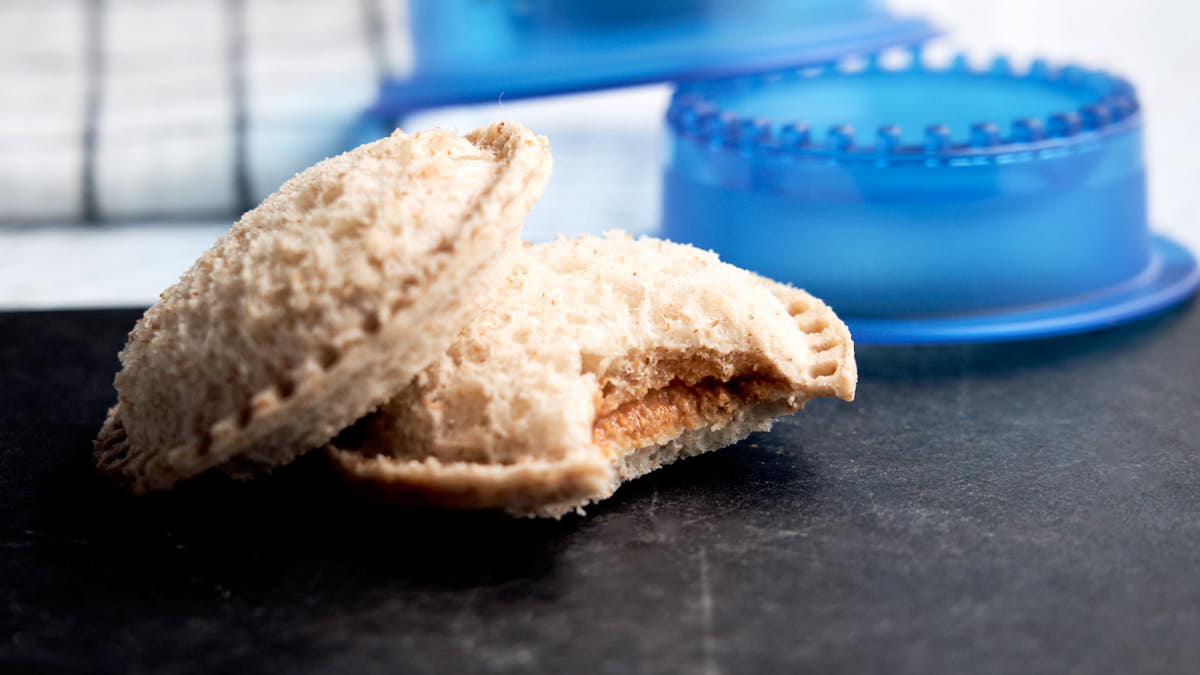
At its core, a peanut butter and honey Uncrustable is a simple assembly of three components: bread, peanut butter, and honey. However, the nutritional profiles can diverge significantly. A typical store-bought Uncrustable, for instance, might list sugar as the first ingredient in its "honey spread," and added sugars within the peanut butter itself. This is a stark contrast to homemade versions where the consumer can opt for natural peanut butter, which primarily consists of peanuts, and pure honey, a natural sweetener.
Data from the United States Department of Agriculture (USDA) indicates that a typical slice of white bread contains approximately 75-80 calories and around 2 grams of sugar. Natural peanut butter, without added sugars, offers about 190 calories per two tablespoons, with a significant protein content. Pure honey, on the other hand, provides around 64 calories per tablespoon, primarily in the form of natural sugars.
By controlling these ingredients, families can create a more wholesome snack. For example, a homemade Uncrustable using unsweetened peanut butter and pure honey on whole wheat bread could offer a more balanced nutritional profile, providing sustained energy and essential nutrients without the high sugar content found in some commercial alternatives. This conscious ingredient selection is a key driver for parents looking to provide healthier lunchbox options.
Addressing the Waste Factor: Creative Uses for Bread Crusts
A common question that arises with homemade Uncrustables is the fate of the bread crusts removed by the sealing tool. Rather than discarding them, many home cooks have found innovative ways to utilize these leftover pieces, further enhancing the cost-effectiveness and sustainability of the homemade approach.
One popular method is to transform the crusts into homemade croutons. By pan-frying them in olive oil or butter and seasoning with herbs and spices such as garlic powder, onion powder, Italian seasoning, or even a pinch of paprika, these crusts can become a delightful snack or a crunchy topping for soups and salads. This not only prevents food waste but also adds an extra culinary element to family meals.
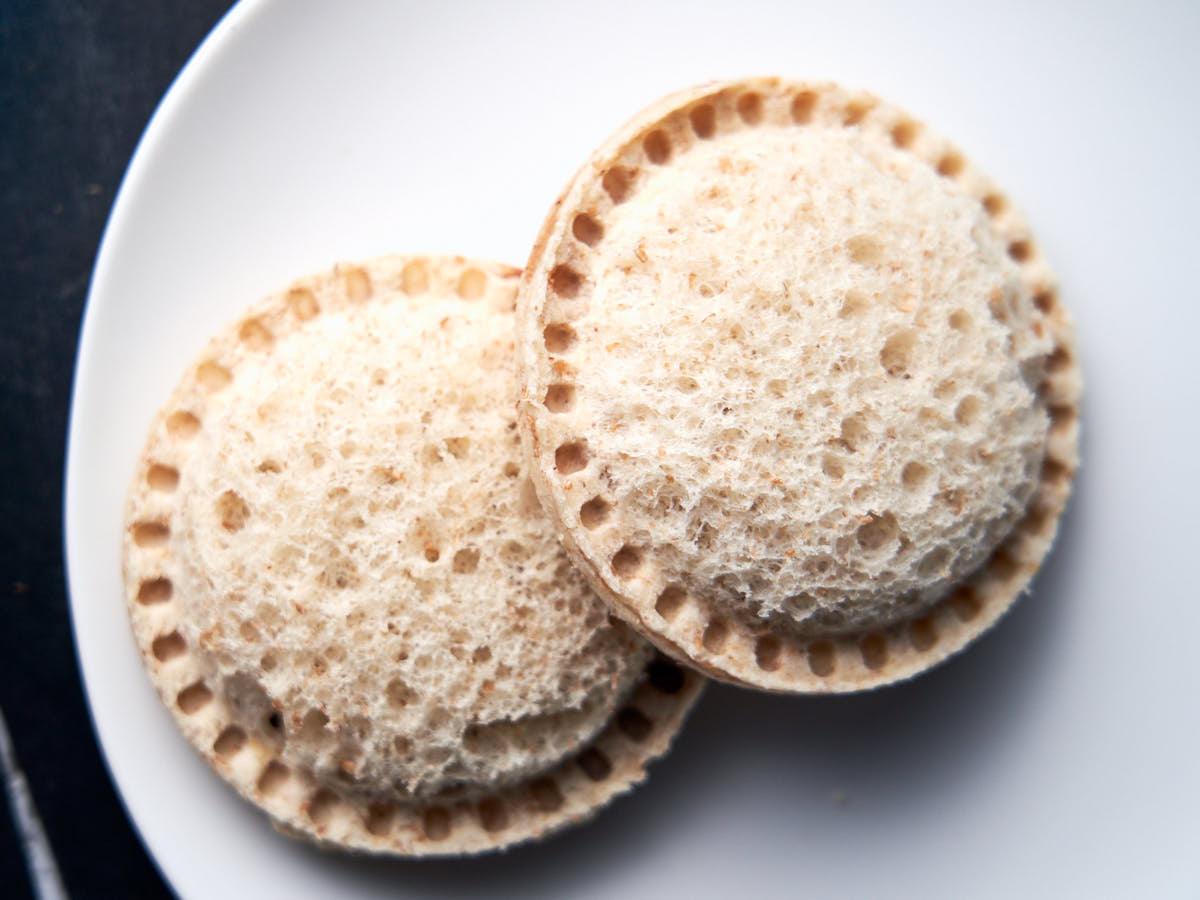
Another practical application is the creation of breadcrumbs. The crusts can be dried out in a toaster oven on low heat and then pulsed in a food processor or blender, or even crushed with a fork, to produce fresh breadcrumbs. These can be used in various dishes, from breading chicken or fish to enhancing the texture of casseroles.
For some, the simplest solution is to consume the crusts directly. If only one sandwich is being made, the removed crusts can serve as a light breakfast or a satisfying snack, especially for individuals who find a whole slice of bread too substantial. This "eat them" approach is the most direct way to eliminate waste.
The Uncrustable Maker: A Tool for Family Engagement
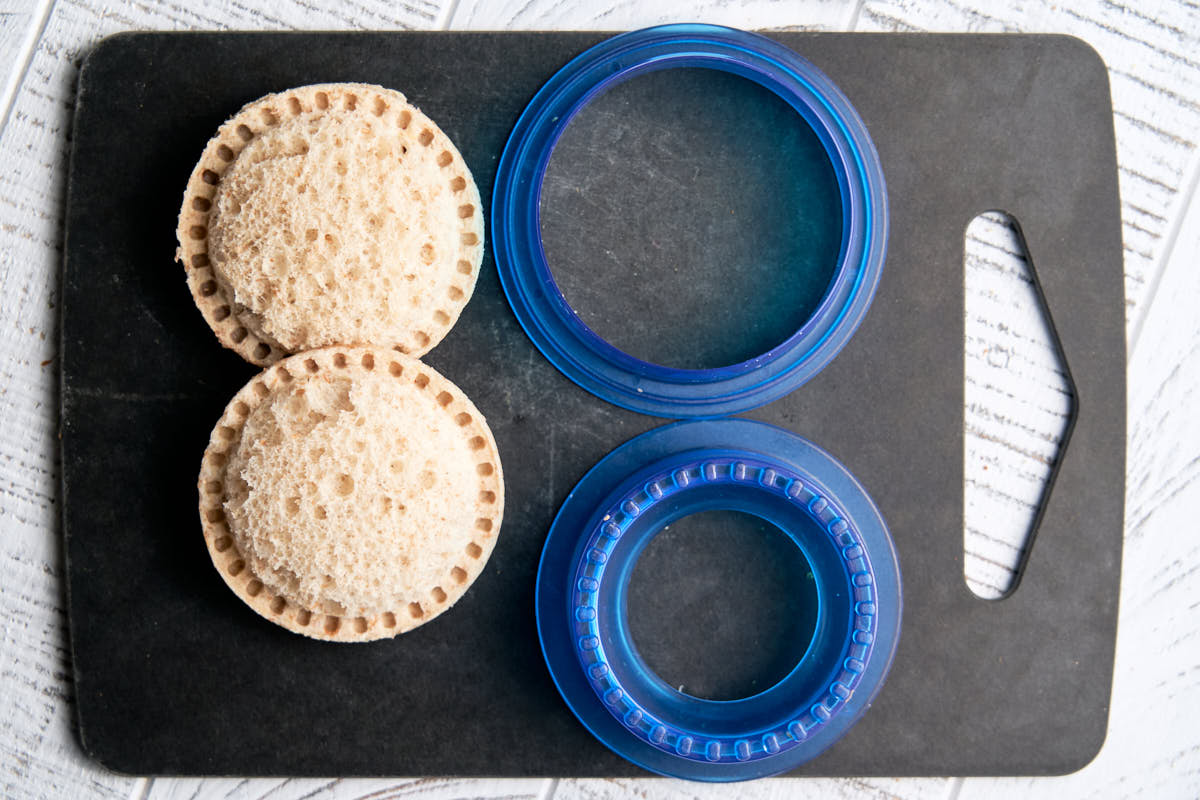
The process of making Uncrustables at home is not just about healthier eating and cost savings; it also presents an excellent opportunity for family involvement. Engaging children in the kitchen, allowing them to spread the peanut butter and honey, and use the sandwich cutter can foster an early interest in cooking and healthy eating habits. This hands-on experience can make meal preparation a fun and educational activity.
The choice of an "uncrustable maker" is often a point of discussion among enthusiasts. Many models are available on online marketplaces, offering various designs and sealing mechanisms. Some users prioritize makers that replicate the classic crimped edge, while others are content with different edge styles. The recommendation of specific tools, like the one that produces the classic Smucker’s Uncrustables edge, suggests a desire for authenticity and familiarity.
Broader Implications: A Shift Towards Conscious Consumption
The trend of making homemade peanut butter and honey Uncrustables is a microcosm of a larger societal shift towards more conscious consumption. Consumers are increasingly scrutinizing ingredient lists, seeking out healthier and more sustainable options, and looking for ways to reduce their environmental footprint.
This movement extends beyond food, influencing purchasing decisions across various sectors. The emphasis on reducing plastic packaging, for example, is a significant driver for the popularity of reusable bags, water bottles, and food containers. In the context of food, the desire to control ingredients, avoid artificial additives, and minimize food waste are all facets of this broader trend.
The ability to replicate popular convenience foods at home not only offers practical benefits but also empowers individuals to take greater control over their diets and their impact on the environment. As more families discover the ease and advantages of creating their own versions of beloved snacks, the popularity of homemade Uncrustables is likely to continue to grow, solidifying its place as a smart and satisfying alternative.
Future Outlook and Ingredient Innovations
As the demand for healthier and more customizable food options increases, it is plausible that ingredient manufacturers will respond by offering a wider range of sugar-free peanut butters, natural honey alternatives, and even pre-portioned, no-sugar-added spreads designed for home sandwich making. Furthermore, the development of more versatile and user-friendly sandwich-making tools could further simplify the process and encourage even broader adoption. The ongoing exploration of alternative fillings for these homemade treats also suggests a dynamic and evolving landscape within this culinary niche, with parents and food bloggers continuously sharing new ideas and recipes.
