
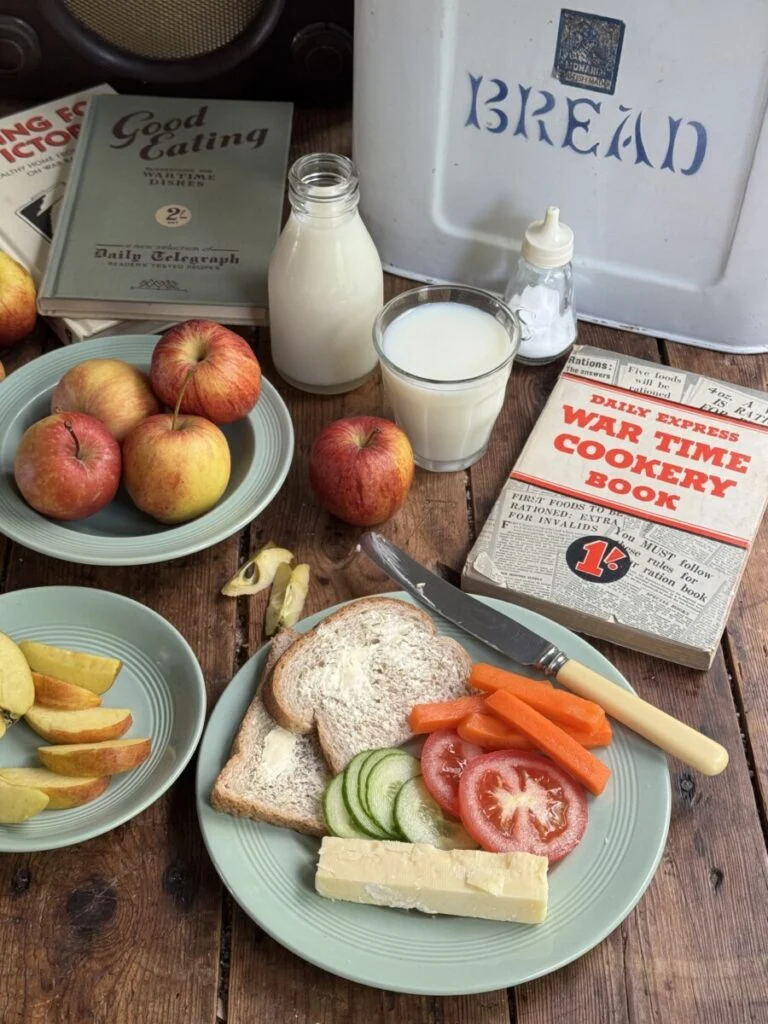
The Oslo Meal, also known as the Oslo Breakfast or Oslo Experiment, emerged as a pivotal nutritional intervention during a period of immense scarcity and societal need. Conceived by Norwegian physician and health reformer Carl Schiøtz in 1932, this innovative "no-cook" meal was initially designed to provide a wholesome, filling, and easily administrable breakfast for children in schools. Its foundational principles—simplicity, nutritional density, and the use of fresh, readily available ingredients—made it an ideal solution that transcended its Norwegian origins, eventually becoming a staple in UK primary schools during the challenging years of World War II and persisting into the early 1950s.

Historical Context: The Genesis of a Nutritional Revolution
The interwar period in Europe was marked by significant socio-economic disparities, and public health concerns, particularly regarding child malnutrition, were paramount. Dr. Carl Schiøtz, a prominent figure in Norwegian public health, recognised the profound impact of diet on children’s physical and cognitive development. His vision for the Oslo Meal was not merely about feeding children but about fundamentally improving their health through scientific nutritional principles. Schiøtz advocated for a meal rich in whole grains, fresh fruits and vegetables, and dairy, believing these components were crucial for growth and disease prevention. The "no-cook" aspect was revolutionary, simplifying preparation and making it accessible even in schools lacking extensive kitchen facilities or staff. This practicality was key to its widespread adoption.

The meal’s success in Norway quickly garnered international attention. Its reputation for improving children’s health prompted health officials in other countries to consider similar initiatives. In the United Kingdom, where concerns about child welfare and nutrition were growing, the Oslo Meal presented a compelling model. Pre-war Britain, despite its industrial might, faced significant pockets of poverty and malnutrition, particularly in urban areas. Many children arrived at school hungry, impacting their ability to learn and thrive. It was against this backdrop that the Oslo Meal first made its way to British shores.
Introduction to the UK and Early Success

The Oslo Meal was first introduced as an experiment in London schools in 1938, a year before the outbreak of World War II. The trials were closely monitored, and the results were overwhelmingly positive. Reports indicated remarkable improvements in the health of participating children, with many experiencing significant gains in both weight and height, ranging from 40% to an astonishing 100%. These outcomes provided irrefutable evidence of the meal’s efficacy and underscored the urgent need for robust nutritional programmes for children.
The success of the London experiment paved the way for broader implementation. As the specter of war loomed, and then became a stark reality, the British government, through its newly formed Ministry of Food, recognised the Oslo Meal’s potential not just as a health initiative but as a strategic tool for national resilience.

The Wartime Imperative: The Ministry of Food Steps In
The outbreak of World War II in September 1939 plunged Britain into an era of unprecedented rationing and food shortages. With U-boat campaigns threatening supply lines and agricultural production diverted or hampered, ensuring adequate nutrition for the entire population became a monumental task. The Ministry of Food was established with the critical mandate to manage food supplies, control distribution, and educate the public on healthy eating under austere conditions.

In this context, the "no-cook" nature and inherent nutritional value of the Oslo Meal made it an invaluable asset. It required no fuel for cooking, a precious commodity, and relied on ingredients that, while rationed, were prioritised for essential consumption. The Ministry of Food adopted the Oslo Meal, initially expanding its experimental phase, before integrating it into wider public health campaigns. It was championed not only for children but also found favour among adults seeking quick, healthy, and satisfying meals that adhered to strict rationing regulations.
Rationing and the Strategic Importance of Cheese

Rationing permeated every aspect of wartime life. Essential foodstuffs like meat, sugar, butter, and cheese were allocated in small, controlled quantities. The Ministry of Food’s guidelines were not just about scarcity; they were about maximising nutritional benefit from limited resources. A prime example of this strategic approach was the emphasis placed on cheese.
Children, considered the future of the nation, received a higher cheese ration than adults – 2 ounces per week compared to the 1 ounce allocated to grown-ups. This disparity highlighted cheese’s perceived importance as a concentrated source of protein and calcium. A Ministry of Food War Cookery Leaflet, No. 12, explicitly stated: "Cheese is such an important food it deserves a place of its own at meal-times. Use it as a main dish and not as an afterthought to a meal already containing meat or fish. Used in this way cheese can be made to help out the meat ration." This directive perfectly encapsulated the resourcefulness and nutritional focus of wartime food policy, making cheese a cornerstone of meals like the Oslo Meal.

The Composition of the Oslo Meal: Simplicity and Substance
The Oslo Meal was less a rigid recipe and more a prescribed collection of nourishing components, designed to be eaten together. Its simplicity was its strength, making it adaptable to the resources available and easy for anyone to assemble. The core ingredients, as detailed in government guidelines of the time, were:

- Bread: Typically two slices of the "National Loaf," a wholemeal bread introduced during the war to maximise nutrient retention from grain and ensure fairness in distribution. This provided essential fibre and carbohydrates.
- Fats: A thin spread of butter or margarine, offering vital fats and energy.
- Protein: A small block of cheese, providing crucial protein, calcium, and fats, aligning with the Ministry of Food’s emphasis on its dietary value.
- Fresh Vegetables: Fresh lettuce leaves were standard, supplemented by other salad items such as raw carrot, cucumber, or tomato. These supplied essential vitamins, minerals, and fibre. Home-grown produce was particularly encouraged, tying into the "Dig for Victory" campaign.
- Dairy: A glass of cold milk, offering protein, calcium, and vitamins, vital for growing children.
- Fruit: Often an apple or other seasonal fruit, providing natural sugars, vitamins, and fibre.
The method was equally straightforward: thinly spread butter or margarine on the bread, slice the cheese, chop the lettuce and salad items, and serve everything on a plate with the milk. Leaving the tomato whole was sometimes suggested as a "treat," adding a touch of appeal to the otherwise utilitarian meal.
Beyond the Plate: Social and Cultural Echoes

The Oslo Meal left a lasting impression on a generation, not just through its nutritional benefits but also through the shared experiences it fostered. Anecdotes from those who grew up during this period often reflect the scarcity and resourcefulness that defined wartime childhoods. For instance, the practice of children lining up to eat apple cores (sometimes referred to colloquially as "gook") discarded by those fortunate enough to have an apple tree in their garden highlights the deep value placed on every scrap of food. This poignant detail underscores how drastically times have changed, yet it serves as a powerful reminder of the era’s challenges and the resilience of its people.
The collective memory of the Oslo Meal is intertwined with broader themes of national unity, shared sacrifice, and the government’s concerted efforts to safeguard public health during a crisis. It symbolised a collective commitment to ensuring that even in the darkest hours, the nation’s children would not be left to suffer from malnutrition.

Lasting Impact and Legacy
The Oslo Meal continued to be a feature in UK schools until rationing officially ended in the early 1950s. Its sustained presence for over a decade, spanning the war and the immediate post-war recovery, cemented its place in British social history. The "Oslo Experiment" demonstrated unequivocally that simple, well-planned, and consistent nutritional interventions could have a profound positive impact on population health, particularly among vulnerable groups like children.

Its legacy extends beyond the immediate improvements in child health. The principles behind the Oslo Meal — emphasizing whole foods, raw vegetables, and a balanced macronutrient profile — align remarkably well with modern dietary recommendations. It served as an early, large-scale public health campaign that arguably influenced the development of comprehensive school meal programmes and broader government initiatives focused on nutrition in the decades that followed. The government’s proactive stance on children’s dietary health, as exemplified by the Oslo Meal, laid groundwork for future welfare policies.
Modern Relevance and Contemporary Applications

In today’s world, where there is renewed interest in sustainable eating, "no-cook" meals, and mindful consumption, the Oslo Meal offers valuable lessons. Its core components—whole grain bread, cheese, fresh greens, raw vegetables, and milk—form a balanced and nutrient-dense meal that remains relevant. For individuals seeking quick, healthy lunch options or snacks, the Oslo Meal provides a historical blueprint that is both practical and beneficial. It serves as a testament to the enduring power of simple, wholesome ingredients to sustain and nourish.
One can easily adapt the original concept to contemporary tastes and availabilities. For example, the bread could be a modern artisan wholemeal loaf, the cheese a mature cheddar, and the salad items expanded to include a wider variety of seasonal produce. The fundamental appeal of a "no-cook" solution, especially for busy lifestyles, ensures that the spirit of the Oslo Meal continues to resonate.

Original Government Ingredients List (for reference and modern inspiration):
Ingredients:

- 2 slices of bread (preferably a wholemeal or "national loaf" style)
- A little butter or margarine
- Small block of cheese (as visually represented in historical depictions)
- Fresh lettuce leaves
- Salad items such as carrot, cucumber, or tomato (preferably home-grown for optimal freshness)
- A glass of cold milk
Method:
- Thinly spread the butter or margarine on the bread.
- Slice the block of cheese into strips.
- Chop the lettuce and other salad items.
- Serve all components on a plate with the accompanying glass of milk.
- For an added touch, consider leaving the tomato whole.
The Oslo Meal, whether viewed through the lens of wartime necessity or modern healthy eating, stands as a remarkable example of how thoughtful nutritional planning can address significant public health challenges and leave a lasting positive impact on generations. It is a humble yet powerful reminder of the value of simple, nutritious food.
