
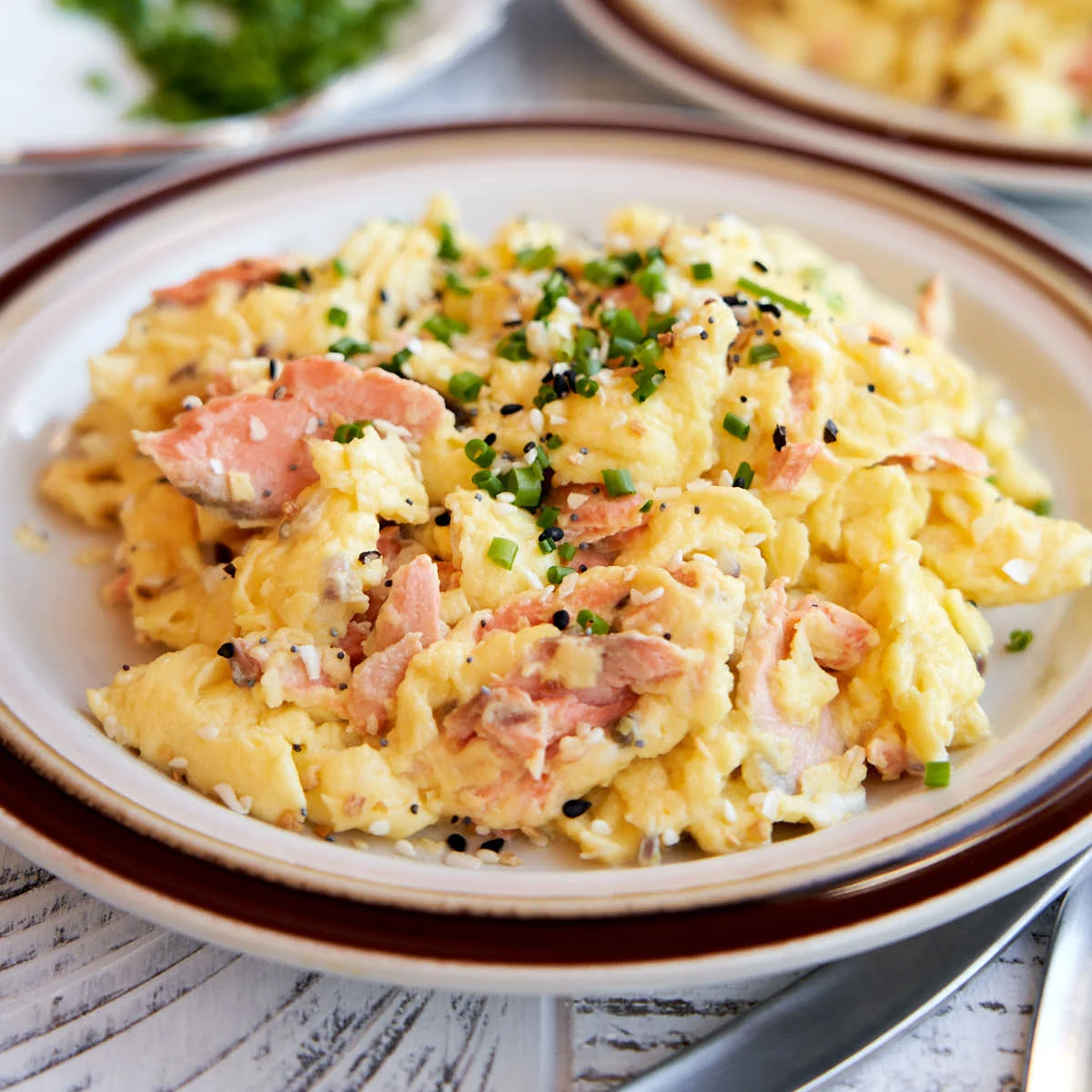
This article explores the culinary versatility of combining salmon and eggs, a breakfast and brunch option that is gaining traction for its ease of preparation, nutritional benefits, and effective use of leftover ingredients. The simplicity of this dish belies its potential to transform humble leftovers into a sophisticated and satisfying meal.
The Rise of Salmon and Eggs as a Breakfast Staple
In an era where culinary efficiency and mindful consumption are paramount, the humble combination of salmon and eggs is emerging as a go-to breakfast solution. This pairing offers a compelling narrative: it’s quick to prepare, nutritionally dense, and serves as an ingenious method for repurposing cooked salmon. The appeal lies not only in its taste but also in its practicality, making it a viable option for both busy weekdays and leisurely weekend brunches.
The genesis of this dish often stems from the common kitchen scenario of having leftover cooked salmon. Instead of letting this valuable protein go to waste, home cooks are discovering its perfect synergy with scrambled eggs. This culinary practice aligns with the growing trend of "nose-to-tail" or "root-to-stem" cooking, emphasizing resourcefulness and minimizing food waste. The inherent flavors of salmon, whether baked, pan-seared, or grilled, complement the creamy richness of eggs, creating a harmonious blend that is both comforting and invigorating.
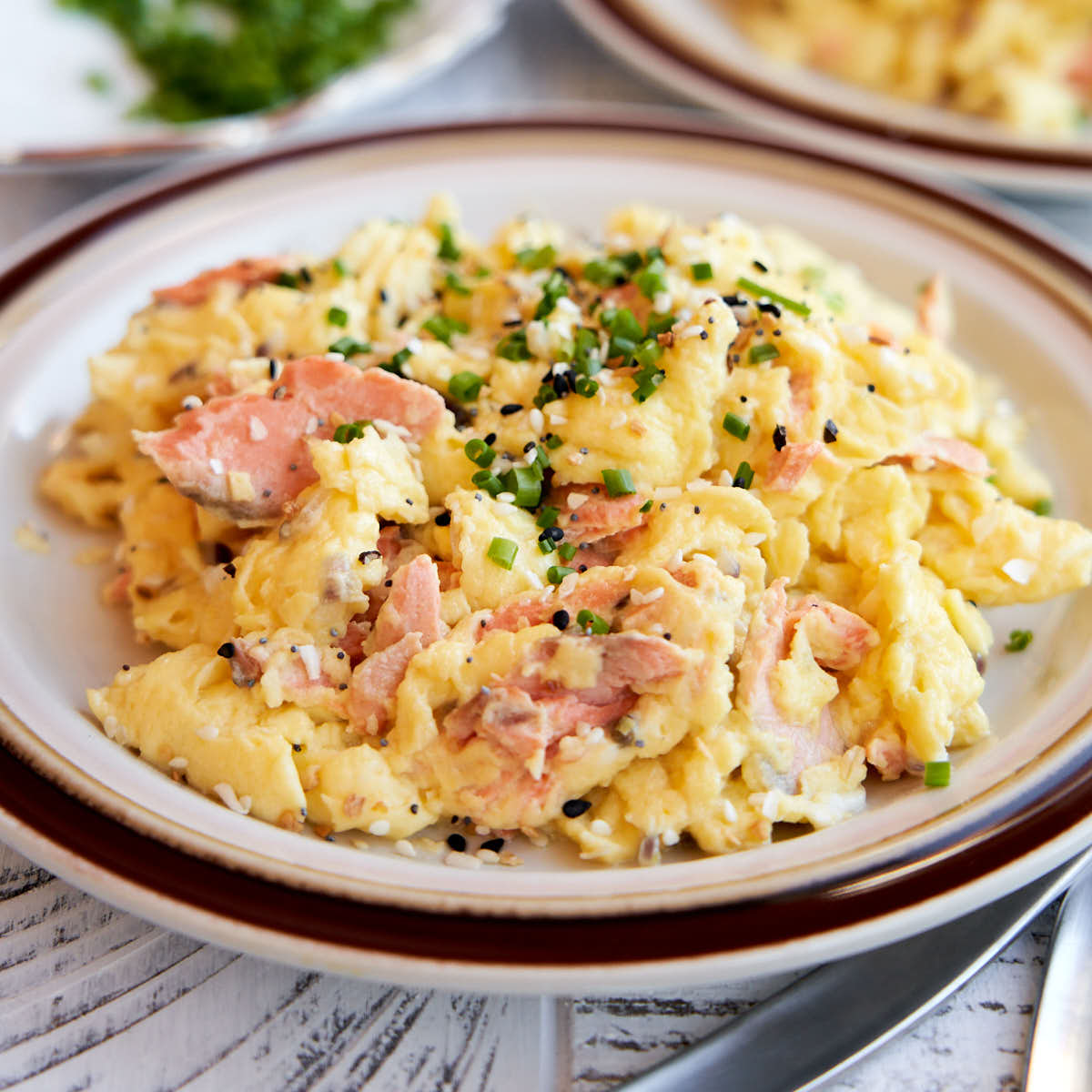
Nutritional Powerhouse: A Breakfast of Champions
Beyond its delicious taste and convenience, the salmon and egg breakfast boasts significant nutritional advantages. Salmon is renowned for its high content of omega-3 fatty acids, particularly EPA and DHA, which are crucial for brain health, reducing inflammation, and supporting cardiovascular well-being. According to the American Heart Association, regular consumption of fatty fish like salmon can help lower blood pressure and reduce the risk of heart disease.
Eggs, on the other hand, are a complete protein source, providing all nine essential amino acids. They are also rich in choline, vital for brain development and function, as well as vitamins A, D, E, and B vitamins, and minerals like selenium and iron. Combining these two powerhouses in a single meal creates a breakfast that is not only satisfying but also contributes significantly to daily nutrient intake, promoting sustained energy and cognitive function throughout the day.
Mastering the Art of Salmon and Egg Scramble: Key Techniques
While the concept of salmon and eggs is straightforward, achieving the perfect dish involves a few key culinary techniques. The preparation often centers around transforming leftover cooked salmon into a delectable scramble.
1. The Creamy Egg Base: The Role of Half-and-Half
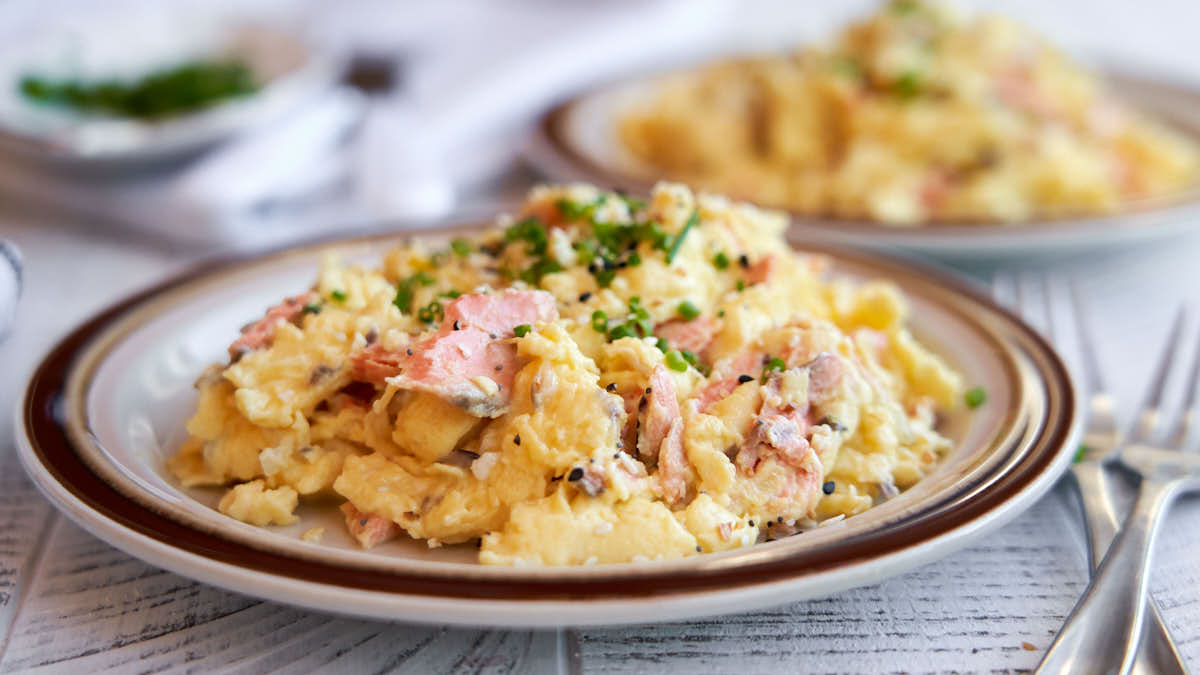
A crucial element for achieving exceptionally creamy and fluffy scrambled eggs is the inclusion of half-and-half. This dairy product, a blend of milk and cream, introduces a higher fat content than regular milk, which is essential for preventing eggs from becoming rubbery. The fat coats the egg proteins, allowing them to cook more gently and resulting in a velvety texture. While whole milk can be used as a substitute in a pinch, it will not yield the same luxurious mouthfeel. The difference in richness and melt-in-your-mouth quality is noticeable when half-and-half is employed.
2. The Art of Beating Eggs
Thoroughly beating the eggs is paramount for both visual appeal and textural perfection. Using a whisk, or a fork if a whisk is unavailable, ensures that the egg yolks and whites are completely integrated, eliminating streaks and gloopy lumps. This process not only creates a uniform color but also incorporates air into the mixture. This aeration is key to achieving light and fluffy scrambled eggs that don’t collapse. An extra 30 seconds of vigorous beating, even when the mixture appears uniform, can make a significant difference in the final texture.
3. Strategic Salmon Integration
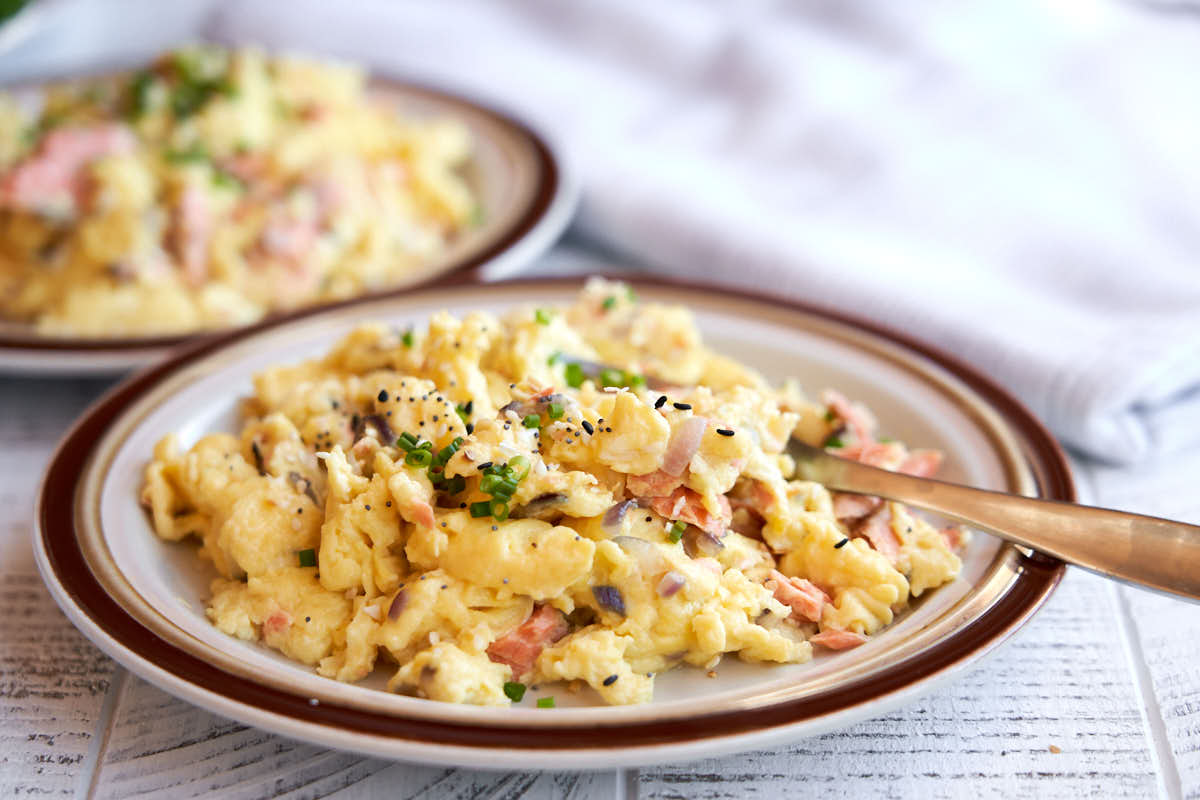
The timing of adding the salmon to the eggs is critical. It is advisable to allow the leftover salmon to come to room temperature before incorporating it into the dish. Adding cold fish directly to the cooking eggs can lower the pan’s temperature, disrupting the cooking process and potentially leading to unevenly cooked eggs. Furthermore, the salmon should be added towards the end of the scrambling process, when the eggs are still wet but beginning to form curds. This allows the salmon to heat through sufficiently without becoming overcooked and dry. The slightly wet eggs will adhere to the salmon, effectively folding the fish into the scramble.
4. The Finishing Touches: Seasoning and Garnish
The final flourish for this salmon and egg creation often involves a sprinkle of "Everything but the Bagel" seasoning. This popular blend, featuring sesame seeds, poppy seeds, dried garlic, dried onion, and sea salt, adds a delightful texture and a savory depth of flavor that beautifully complements the salmon and eggs. Fresh chives, finely chopped, provide a burst of color and a delicate oniony note. For those who may not always have fresh herbs on hand, freeze-dried chives offer a convenient and long-lasting alternative.
Selecting the Right Salmon: A Matter of Preparation
The type of cooked salmon used for this recipe is versatile, with cooked fillets being the ideal choice. Whether the salmon was baked, pan-seared, or grilled, it can be successfully repurposed. If fresh cooked salmon is not readily available, it is a simple matter to cook a fillet beforehand using any preferred method.
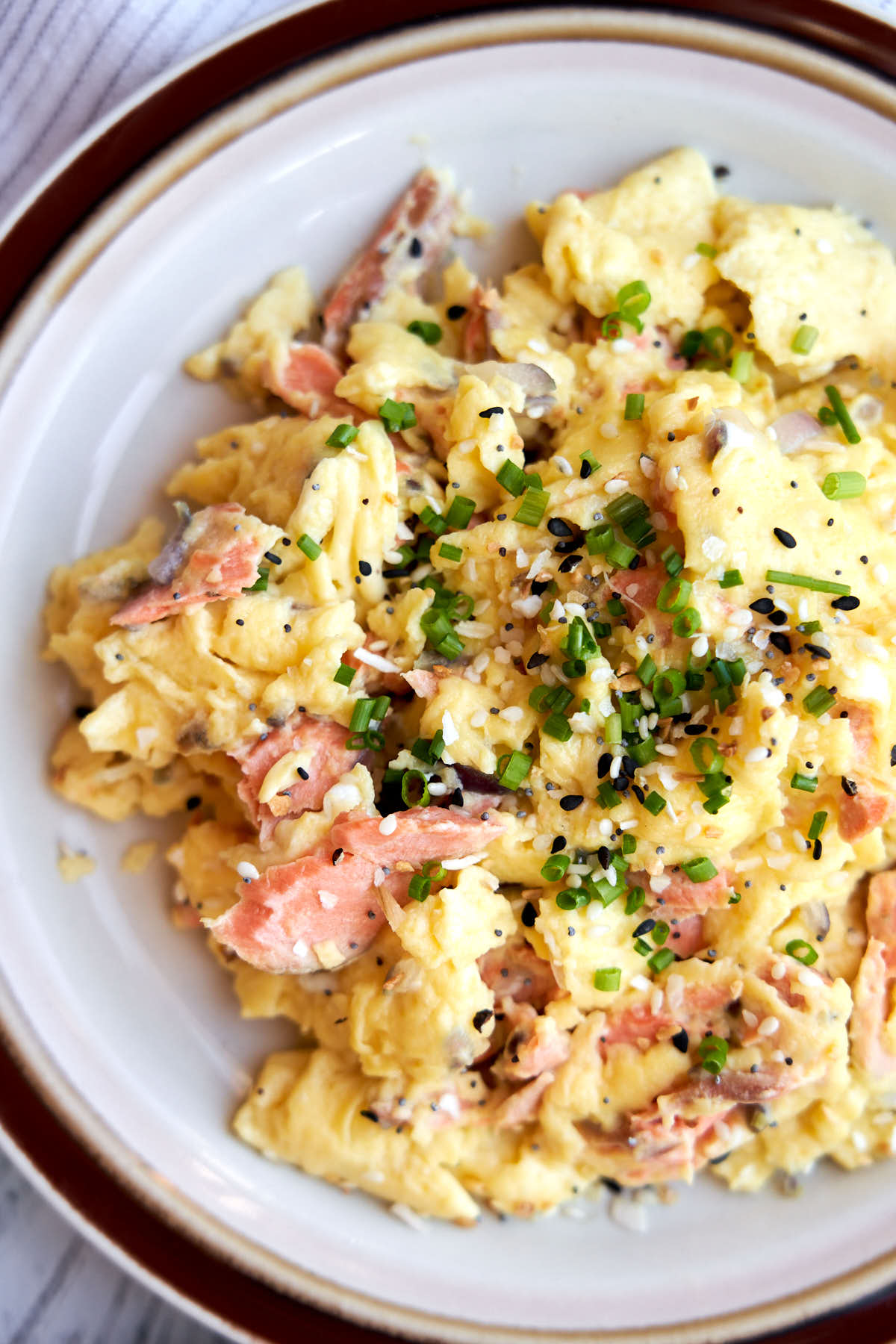
It is crucial to note that this recipe is not intended for smoked salmon. The high salt content of smoked salmon would likely overpower the dish, and its texture would change undesirably during the cooking process, potentially becoming dry and unappetizing. The focus is on utilizing plain cooked salmon to allow its natural flavors to shine through.
Culinary Versatility and Broader Implications
The salmon and egg breakfast exemplifies a broader culinary trend towards maximizing ingredient potential and reducing food waste. As consumers become more conscious of their environmental impact and the economic benefits of resourceful cooking, dishes like this are likely to gain further prominence. The ease of preparation also makes it an attractive option for meal prepping, where components can be prepared in advance to save time during the week.
This simple yet elegant dish also has implications for the foodservice industry. Restaurants and cafes could easily incorporate a salmon and egg scramble onto their menus, offering a nutritious and appealing option that caters to health-conscious diners and those seeking innovative ways to enjoy seafood. The adaptability of the recipe, allowing for variations in seasoning and accompaniments, makes it a flexible addition to any breakfast or brunch offering.
The growing popularity of salmon and eggs as a breakfast choice underscores a shift in culinary perceptions, where once-reserved ingredients are now being embraced for their versatility and nutritional value in everyday meals. This trend not only benefits the individual consumer by providing a healthy and delicious meal but also contributes to a more sustainable approach to food consumption. As more people discover the delights of this simple pairing, it is poised to become a staple in kitchens worldwide.
