
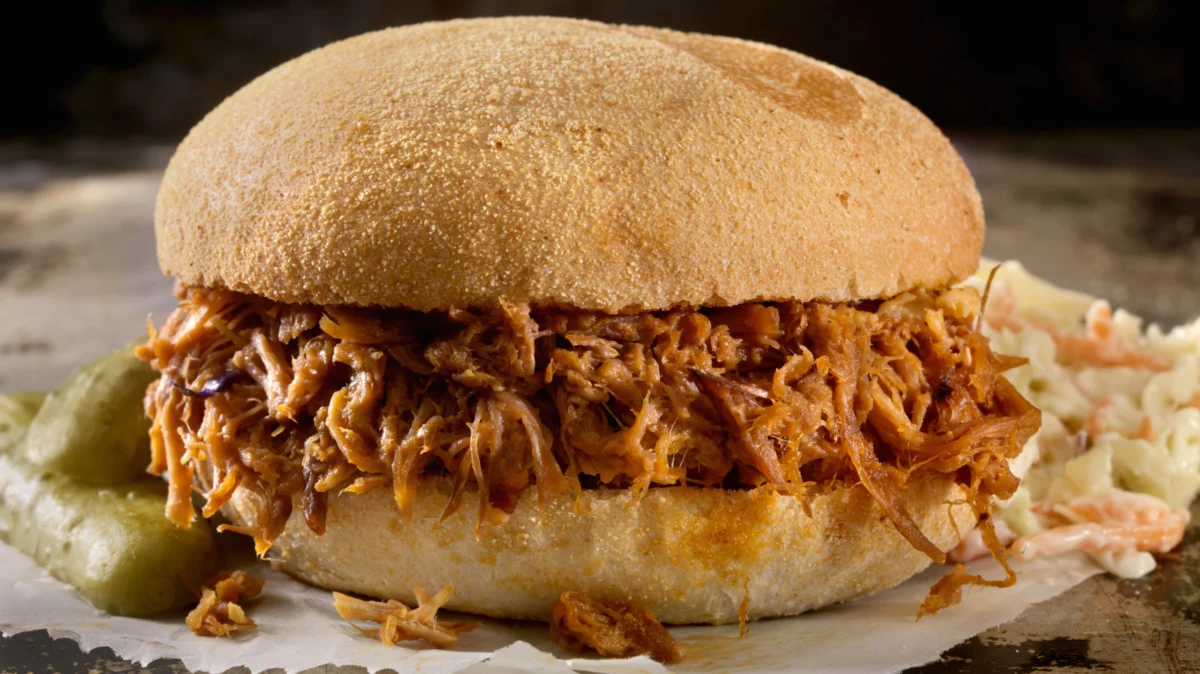
Summertime is synonymous with outdoor gatherings, from casual barbecues to more elaborate cookouts, and at the heart of many of these convivial feasts often lies a perfectly prepared pulled pork. While pork’s inherent flavor profile offers a pleasing balance of savory and sweet, the true culinary magic that elevates a simple pulled pork recipe to extraordinary levels lies in the application and strategic reapplication of its accompanying rub. Experts and seasoned pitmasters alike emphasize that a well-executed rub can amplify the pork’s natural deliciousness by a factor of ten, transforming it from a good dish into an unforgettable culinary experience.
The fundamental approach to maximizing pulled pork flavor begins long before the meat hits the smoker or slow cooker. A robust, evenly distributed rub applied to the exterior of the pork roast several hours, or even overnight, prior to cooking is the cornerstone of this flavor-building process. This allows the spices to penetrate the meat, creating a flavorful crust and infusing the entire roast with aromatic complexity. However, the secret to achieving that "10x flavor" boost, as highlighted by culinary authorities, is to reserve a portion of this meticulously crafted rub for a post-cooking application.
This nuanced technique, which involves adding more rub after the pork has been cooked and pulled apart, is gaining traction among barbecue enthusiasts and professional chefs. The reasoning is straightforward: as the pork cooks, a significant amount of its rendered fat and juices, which carry a concentrated essence of the initial rub, are released. By incorporating additional rub into the pulled meat, along with these flavorful drippings, the intensity and depth of the spice blend are significantly amplified, creating a more dynamic and layered taste profile.
The Foundation: Mastering the Initial Rub Application
The journey to exceptionally flavorful pulled pork starts with a high-quality rub. Whether one opts for a time-tested homemade blend or a premium store-bought option, the initial application is critical. This initial seasoning acts as the bedrock upon which subsequent flavor layers are built. It’s during this phase that the spices, often a complex symphony of salt, pepper, paprika, brown sugar, garlic powder, onion powder, and a medley of other aromatics, begin their work, tenderizing the meat and laying the groundwork for the Maillard reaction – the chemical process responsible for the browning and rich flavor development during cooking.
For those seeking to create their own signature rub, a foundational recipe can be a starting point for endless customization. A common and effective blend includes:
- Salt: Enhances natural flavors and helps with moisture retention. Kosher salt or sea salt are often preferred for their texture and cleaner taste.
- Black Pepper: Provides a pungent kick and complements the richness of pork. Freshly ground pepper offers the most vibrant flavor.
- Brown Sugar: Contributes sweetness and aids in caramelization, creating a beautiful, dark crust. Light or dark brown sugar can be used, with dark brown sugar offering a deeper molasses note.
- Paprika: Adds color and a mild, smoky, or sweet pepper flavor, depending on the variety used (e.g., sweet, smoked, or hot).
- Garlic Powder and Onion Powder: These provide foundational savory notes that are essential in most meat rubs.
- Chili Powder: Adds warmth and a subtle chili flavor.
- Cumin: Introduces an earthy, smoky depth.
- Cayenne Pepper: For those who enjoy a touch of heat, cayenne provides a noticeable but often manageable level of spice.
- Mustard Powder: Offers a tangy counterpoint to the sweetness and richness of the pork.
The precise ratios of these ingredients can be adjusted to personal preference, creating a rub that is uniquely yours. This homemade approach not only allows for complete control over the flavor profile but also often proves more cost-effective than purchasing pre-made blends.
The "10x Flavor" Secret: Reapplying the Rub Post-Cooking
The true innovation that elevates pulled pork to extraordinary heights lies in the strategic reapplication of the rub after the meat has been cooked and broken down. This technique, while seemingly simple, has a profound impact on the final flavor. As the pork undergoes its slow cooking process, whether in a smoker, oven, or slow cooker, it releases a considerable amount of flavorful juices and rendered fat. These liquids are saturated with the essence of the initial rub, acting as a concentrated flavor base.
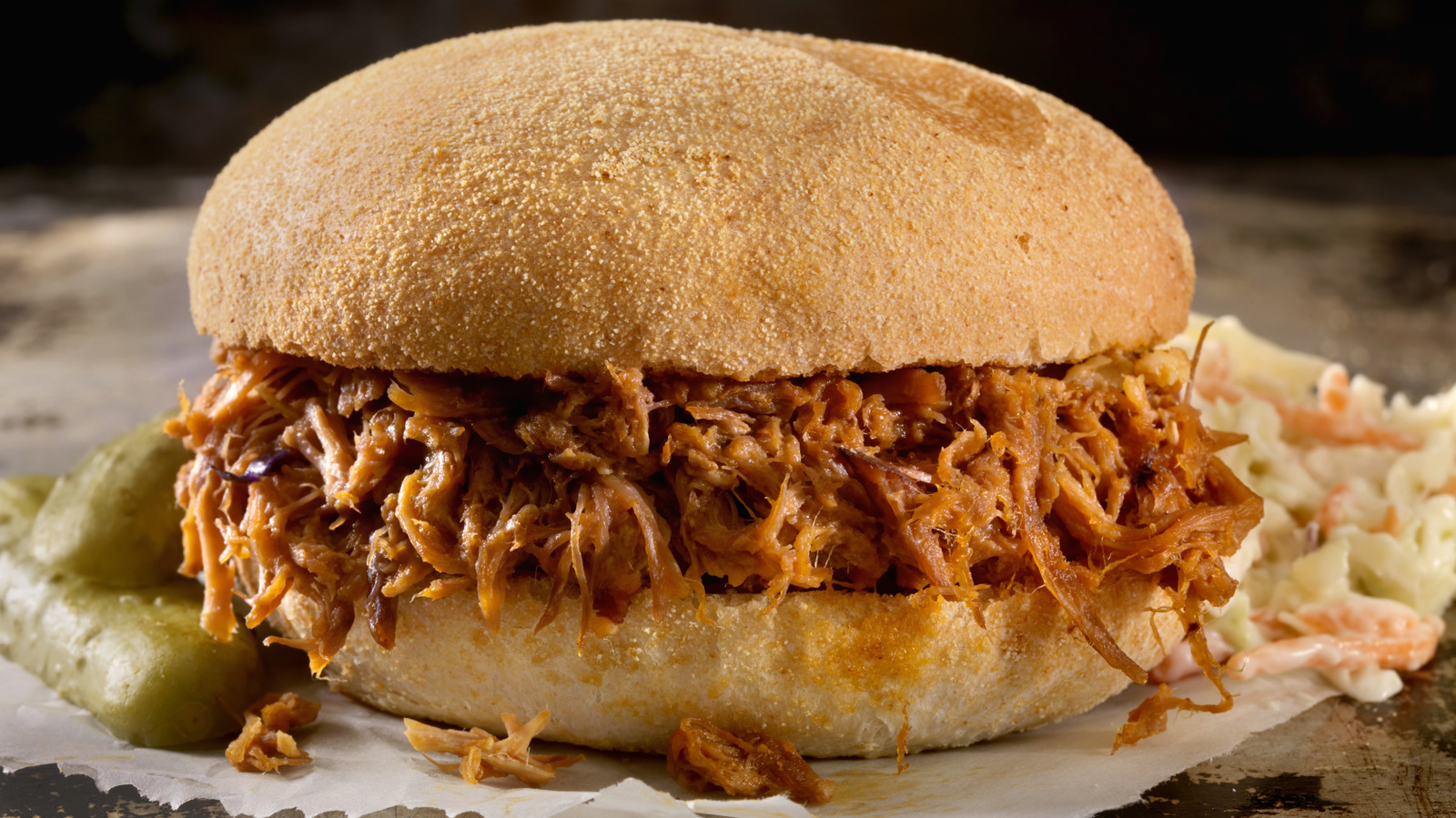
Once the pork is tender and ready to be pulled, the process of reincorporating the rub begins. A portion of the reserved rub is sprinkled generously over the shredded meat. This is often accompanied by a small amount of fat or butter, which helps to distribute the rub evenly and creates a richer, more cohesive texture. This step essentially re-seasons the meat, infusing it with a fresh burst of the spice blend and ensuring that every strand of pork is coated in a potent flavor.
Community forums and online culinary discussions frequently feature passionate exchanges about this technique. Pitmasters on platforms like Reddit have shared their personal variations, underscoring the widespread appeal of this flavor-enhancing method. One user’s anecdote highlights a common practice: "Pull the meat, sprinkle some of the seasoning, add a bunch of butter, mix it up." This simple yet effective approach ensures that the rub adheres to the shredded meat and melts into the fat, creating a deeply flavorful and moist final product.
Another enthusiast offered a slightly different, yet equally effective, strategy that involves a transitional cooking phase. "My preferred method is to transfer the pork butt to a roasting pan for the last hour or two of the cook, which catches the perfect amount of drippings to mix in with some extra rub," they stated. This method not only captures the precious drippings but also allows for a final boost of flavor as the meat mingles with its own concentrated essence and the added rub. This technique is particularly valuable for retaining moisture and ensuring the pulled pork remains exceptionally tender and succulent.
Optimizing Flavor and Texture: Beyond the Rub
While the dual application of the rub is a game-changer, several other factors contribute to the overall excellence of pulled pork. The cut of meat itself plays a significant role. Pork shoulder, also known as pork butt or Boston butt, is the preferred cut for pulled pork due to its high fat content and connective tissues. These elements break down during slow cooking, resulting in exceptionally tender and moist meat that shreds easily.
The cooking method also influences the final outcome. Smoking, the traditional method, imparts a distinct smoky flavor that complements the pork beautifully. The low and slow approach allows the connective tissues to render, creating that signature melt-in-your-mouth texture. However, excellent pulled pork can also be achieved in an oven or a slow cooker, especially when combined with the rub reapplication technique.
The role of braising liquid, often used in oven or slow cooker preparations, cannot be overlooked. While some recipes call for minimal liquid to encourage a drier, more rub-focused product, others utilize a flavorful braising liquid. When braising, the drippings that accumulate at the bottom of the pot are a treasure trove of flavor. Incorporating some of these drippings along with the extra rub further enhances the taste and moisture content of the pulled pork. This liquid can be a simple blend of broth and aromatics, or it can be a more complex concoction, depending on the desired flavor profile.
Complementary Flavors and Serving Suggestions
Once the pulled pork has been meticulously seasoned and prepared, the possibilities for its consumption are virtually limitless. Its inherent versatility makes it a welcome addition to a wide array of dishes.
Classic Pairings:
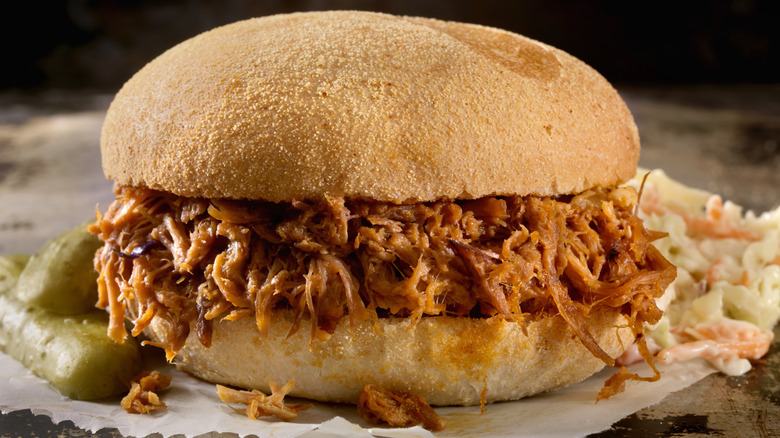
- Pulled Pork Sandwich: This is perhaps the most iconic way to enjoy pulled pork. Served on a soft bun with a side of coleslaw and pickles, it’s a hearty and satisfying meal. The tangy coleslaw cuts through the richness of the pork, while the pickles provide a refreshing crunch and acidity.
- Platter Style: Enjoying pulled pork on its own, accompanied by classic barbecue sides such as macaroni and cheese, baked beans, potato salad, and cornbread, allows the rich flavor of the pork to be the star of the meal.
- Barbecue Accompaniments: Grilling vegetables such as squash, mushrooms, bell peppers, and onions alongside the pulled pork provides a fresh, smoky counterpoint to the richness of the meat.
Creative Culinary Applications:
- Topping for Macaroni and Cheese: The savory, slightly sweet, and spiced pulled pork is an exceptional topping for creamy, cheesy macaroni and cheese, transforming a comfort food staple into a decadent meal.
- Filling for Grilled Cheese Sandwiches: Imagine the rich, pulled pork nestled between slices of melted cheese in a perfectly grilled sandwich. This offers a sophisticated twist on a beloved classic.
- Baked Potato Topping: A generous portion of pulled pork piled atop a fluffy baked potato, perhaps with a drizzle of barbecue sauce and a dollop of sour cream, makes for a substantial and flavorful meal.
- Nachos and Tacos: Pulled pork can also be used as a protein-rich filling for tacos or as a topping for loaded nachos, offering a delicious and satisfying twist on these popular dishes.
- Salads and Grain Bowls: For a lighter yet still flavorful option, pulled pork can be incorporated into salads or grain bowls, providing a protein boost and a complex flavor dimension.
Commercial Rubs and Their Unique Contributions
While homemade rubs offer unparalleled customization, the market also provides a range of commercially produced rubs designed to deliver exceptional flavor. One such notable option is The Notorious P.I.G. Rub from PS Seasoning. This particular rub is inspired by pop culture, offering a unique flavor profile that can add an unexpected and enjoyable dimension to pulled pork. Such commercially developed rubs often undergo extensive testing to achieve a balanced and appealing taste, making them a convenient choice for those seeking consistent results. When selecting a commercial rub, it’s advisable to read reviews and understand the flavor notes it aims to achieve, whether it’s sweet, spicy, smoky, or a combination thereof.
Broader Implications and Culinary Trends
The emphasis on maximizing flavor through techniques like the dual rub application reflects a broader trend in modern cuisine: the pursuit of deeper, more nuanced flavors. Home cooks and professional chefs alike are increasingly looking for ways to elevate familiar dishes, transforming them into something truly special. The evolution of barbecue and smoking techniques, once considered niche, has now entered the mainstream, influencing how people approach cooking meat.
The accessibility of information through online platforms and social media has democratized culinary knowledge, allowing for the rapid dissemination of innovative techniques. The popularity of the pulled pork "10x flavor" trick is a testament to this phenomenon, where a simple yet effective method can be shared and adopted by a global community of food lovers.
Furthermore, this focus on flavor enhancement aligns with a growing appreciation for the craft of cooking. It encourages a more thoughtful approach to ingredient selection, preparation, and execution. By understanding the principles behind flavor development, individuals can not only replicate successful recipes but also experiment and innovate, creating their own signature dishes. The journey of a humble pork roast to a flavor-packed pulled pork masterpiece is a culinary adventure that rewards attention to detail and a willingness to embrace proven techniques. The satisfaction derived from creating a dish that delights the senses is, in itself, a significant culinary outcome.
