
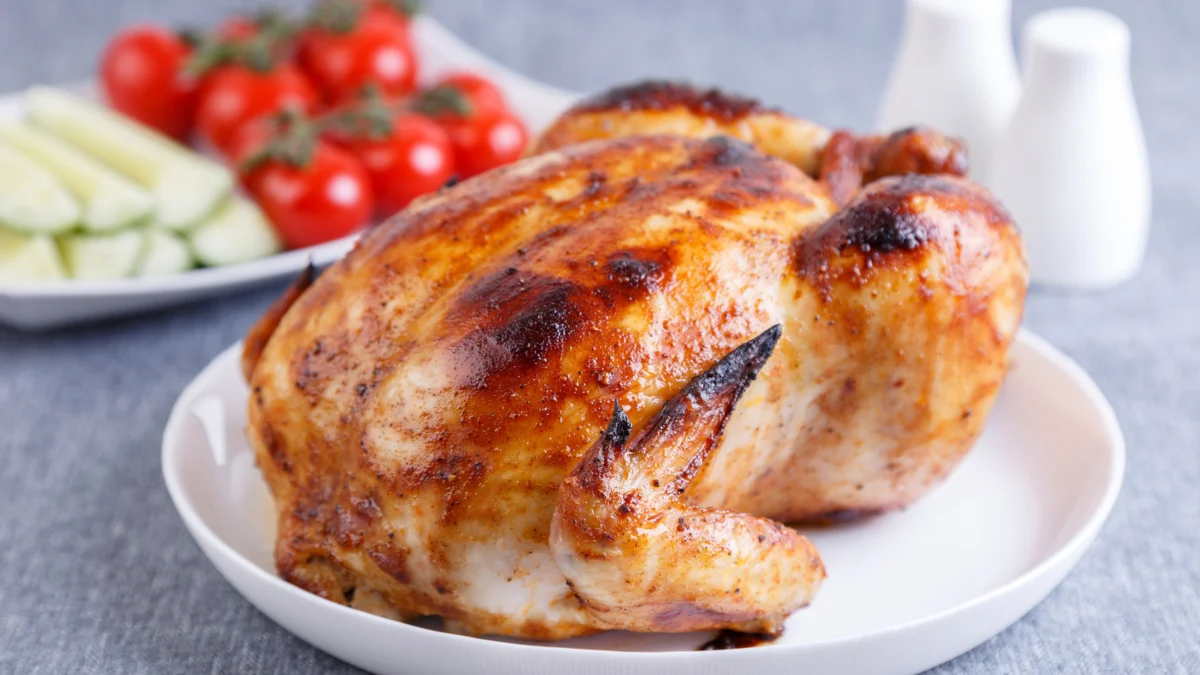
Rotisserie chicken, a ubiquitous convenience at grocery stores nationwide, offers a warm, flavorful, and ready-to-eat meal solution that has become a cornerstone of busy households and quick weeknight dinners. Its popularity stems from its accessibility and versatility, transforming from a simple roasted bird into components for sandwiches, salads, soups, and casseroles. However, the journey from store counter to delicious leftover often involves a crucial step that many consumers overlook: proper refrigeration. Mismanagement of this post-purchase handling can significantly shorten the lifespan of this convenient protein and, more critically, compromise its safety.
According to Lacey Baier, author of "Cleanish Meal Prep" and a recognized authority on food preparation and storage, the prevailing methods of refrigerating leftover rotisserie chicken are frequently suboptimal. Baier’s expert advice, shared with Tasting Table, centers on a specific, often overlooked, location within the refrigerator: the back of the lowest shelf. This seemingly minor detail has significant implications for maintaining the optimal temperature for cooked poultry, thus preserving its freshness and preventing the growth of harmful bacteria.
The common practice of placing leftover rotisserie chicken on any available shelf, or even in the refrigerator door, is a practice Baier strongly advises against. The reasoning behind her recommendation is rooted in fundamental principles of refrigeration and food safety. Refrigerators are designed with temperature gradients, meaning not all zones maintain the same level of cold. The door, in particular, is the most dynamic and warmest part of the appliance. Each time the refrigerator is opened, the door’s contents are exposed to ambient room temperature, causing significant fluctuations. This inconsistency is detrimental to cooked foods like rotisserie chicken, which require a stable, low temperature to inhibit microbial proliferation.
The Science of Cold: Why the Lowest Shelf Matters
The U.S. Food and Drug Administration (FDA) Food Code recommends that all cooked foods, including poultry, be stored at or below 40 degrees Fahrenheit (4°C) to prevent the rapid multiplication of bacteria. Temperatures above this threshold can allow pathogens such as Salmonella, Listeria, and E. coli to grow to dangerous levels, even if the food is not visibly spoiled. Baier’s emphasis on the back of the lowest shelf is directly aligned with this food safety imperative.
"The temperature at the back [of the fridge] is the most consistent," Baier explained. "The door and front fluctuate every time you open it, which isn’t ideal for cooked protein." The lowest shelf is typically the coldest part of a refrigerator because cold air is denser and sinks. Storing food at the back of this shelf further ensures it is shielded from the warmer air that circulates when the door is opened. This consistent, lower temperature is crucial for extending the safe consumption window of rotisserie chicken. For consumers who rely on rotisserie chicken for quick meals like sandwiches, salads, or wraps, where the chicken is not reheated, maintaining its integrity through proper storage is paramount. Unreheated foods are particularly susceptible to foodborne illnesses if the ingredients have been compromised by improper temperature control.
Beyond the Bag: The Critical Step of Repackaging
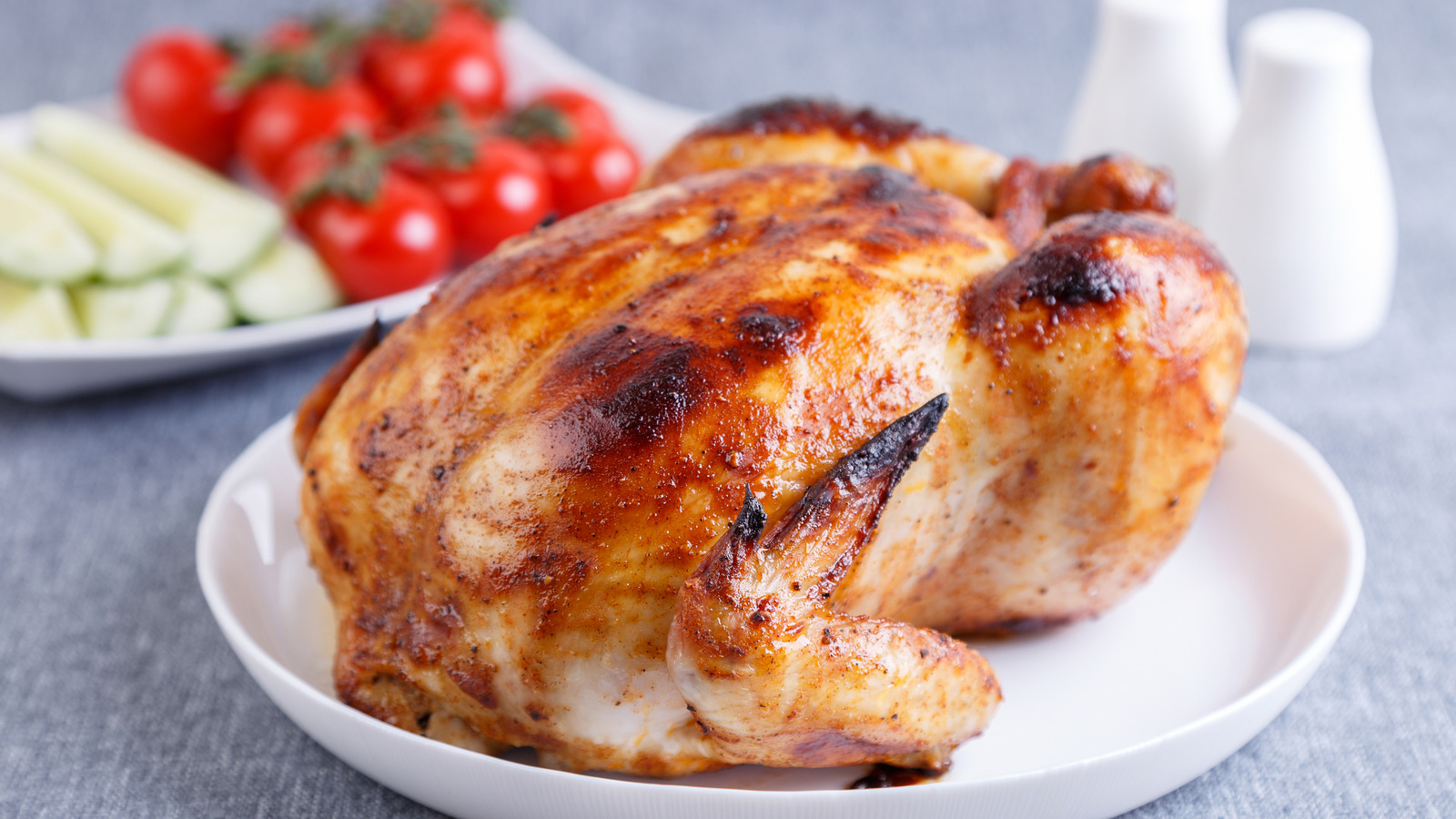
Beyond selecting the correct shelf, Baier highlights another critical, yet often overlooked, aspect of storing rotisserie chicken: its original packaging. While the convenience of leaving the chicken in the plastic bag or container it came in is undeniable, this practice can be a significant contributor to spoilage and bacterial growth.
"Transfer the chicken to an airtight container rather than leaving it in the store packaging, which isn’t designed for extended storage," Baier advises. The reasons for this recommendation are multifaceted and directly related to preventing the conditions that foster microbial growth.
The Perils of Vented Packaging and Condensation
Many store-bought rotisserie chicken containers are not hermetically sealed. They often feature vents or small openings designed to allow heat to escape during transport or to prevent excessive condensation build-up while the chicken is still warm. However, these same openings become pathways for air to enter, accelerating the drying out of the meat and, more importantly, exposing it to airborne bacteria.
Furthermore, freshly purchased rotisserie chicken is typically hot. When placed directly into a refrigerator, especially in a non-breathable or vented container, the residual heat from the chicken creates steam. This steam condenses inside the packaging, forming a moist environment. Bacteria thrive in warm, humid conditions. Even though the refrigerator’s overall temperature is cold, the microclimate within the plastic bag or container can become a breeding ground for harmful microbes. Over time, this trapped moisture and the potential for air ingress create an environment ripe for rapid bacterial proliferation, significantly diminishing the quality and safety of the chicken.
The Airtight Solution: Preserving Freshness and Safety
An airtight container, in contrast, addresses these issues effectively. By sealing the chicken away from the open air, it minimizes the risk of contamination from external sources and prevents the meat from drying out. While an airtight container is essential, Baier also offers a crucial tip to further mitigate condensation: allow the hot rotisserie chicken to cool at room temperature for at least 30 minutes before transferring it to the container and refrigerating it. This cooling period allows the majority of the steam to dissipate, reducing the amount of condensation that forms within the storage container.
The implication of this simple repackaging step is substantial. Properly stored rotisserie chicken, using an airtight container and the correct refrigeration zone, can remain safely edible for three to four days. This extended shelf life allows consumers to maximize their purchase, reduce food waste, and continue to enjoy the convenience and culinary benefits of rotisserie chicken throughout the week.
Broader Impact and Consumer Behavior Analysis
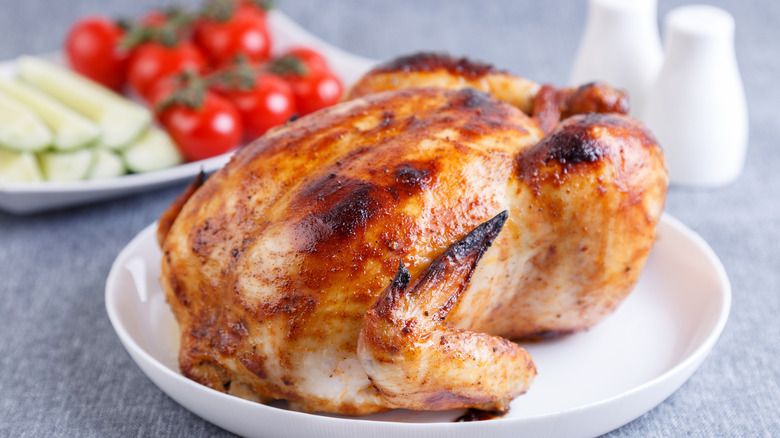
The widespread availability of rotisserie chicken in supermarkets has fundamentally altered household food preparation habits. Its low cost, coupled with the "ready-to-eat" convenience, makes it an attractive option for consumers facing time constraints, budget limitations, or a desire for healthier alternatives to processed fast food. According to industry reports, the rotisserie chicken market continues to experience robust growth, driven by these consumer trends. Major grocery chains often feature these birds prominently, frequently offering them at attractive price points, sometimes even as loss leaders to drive store traffic.
However, this convenience can inadvertently lead to a lapse in proper food handling practices. Consumers, accustomed to the immediate gratification of purchasing a cooked meal, may not always apply the same rigor to its storage as they would to raw ingredients. The subtle differences in temperature regulation within a refrigerator, and the impact of packaging on food preservation, are often not widely understood or prioritized.
The advice provided by experts like Lacey Baier serves as an educational intervention, aiming to bridge this knowledge gap. By emphasizing simple, actionable steps – choosing the correct refrigeration zone and using appropriate storage containers – consumers can significantly enhance the safety and longevity of their purchased food. This aligns with broader public health initiatives focused on reducing foodborne illnesses, which are estimated to affect millions of people annually in the United States, leading to hospitalizations and even fatalities.
Expert Endorsements and Future Implications
The insights shared by Baier are echoed by numerous food safety organizations and culinary professionals. The USDA’s Food Safety and Inspection Service (FSIS) consistently advises on the importance of proper refrigeration temperatures and the use of airtight containers for leftovers. Their guidelines underscore that cooked foods should be refrigerated within two hours of cooking or purchasing.
The continued promotion of best practices in food storage, disseminated through culinary media and food safety education channels, plays a vital role in consumer awareness. As rotisserie chicken remains a staple, understanding its optimal storage conditions is not just about preserving flavor and texture, but about safeguarding public health. The economic implication is also considerable; by extending the usable life of purchased food, consumers can reduce waste and make more economical food choices.
In conclusion, while rotisserie chicken offers unparalleled convenience, its proper storage requires a mindful approach. By heeding the advice of food safety experts and adopting the simple yet effective strategies of utilizing the coldest, most stable part of the refrigerator – the back of the lowest shelf – and transferring the chicken to an airtight container after a brief cooling period, consumers can ensure they are enjoying this popular convenience food safely and for its full intended duration. This practice not only benefits individual households but contributes to a broader culture of food safety and waste reduction.
