
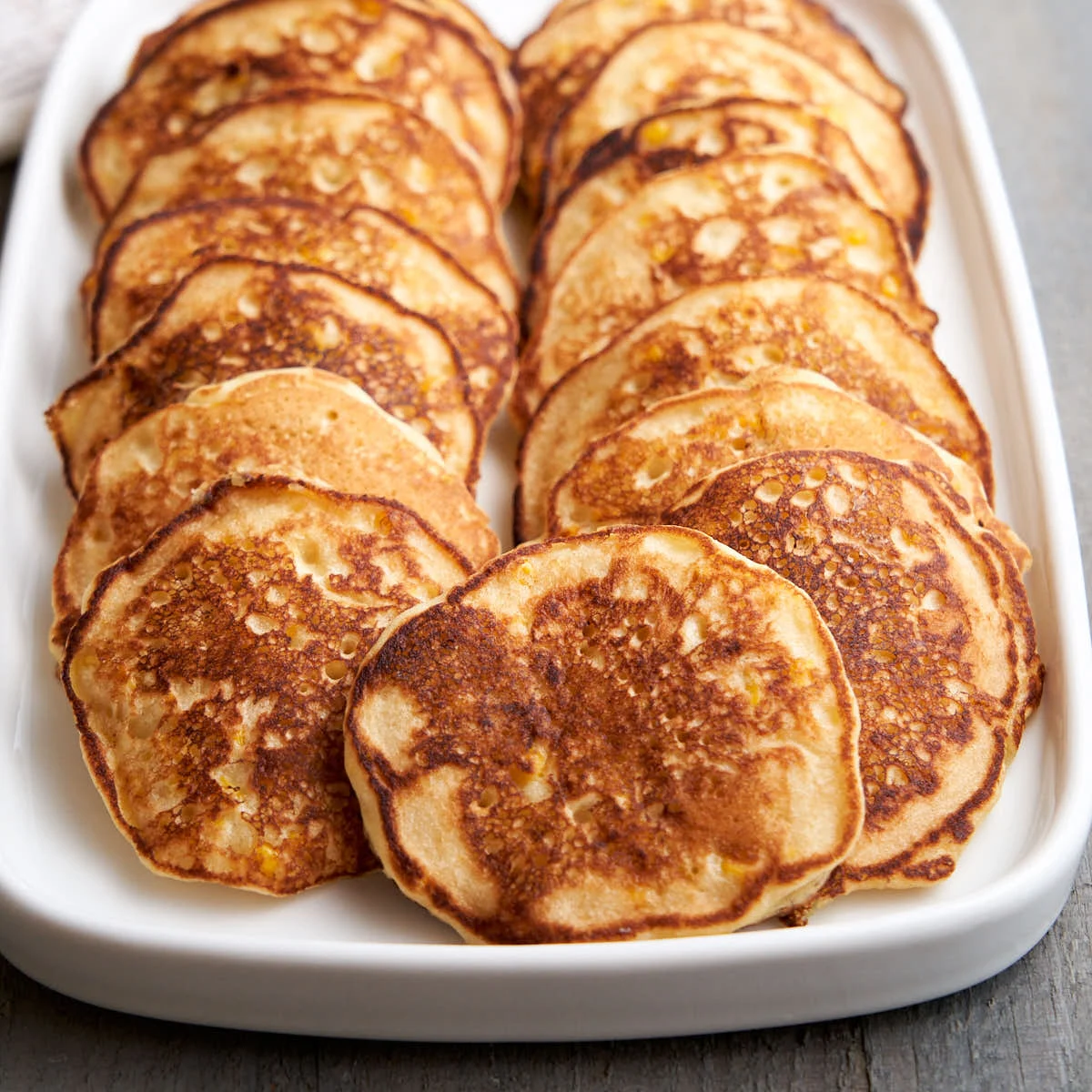
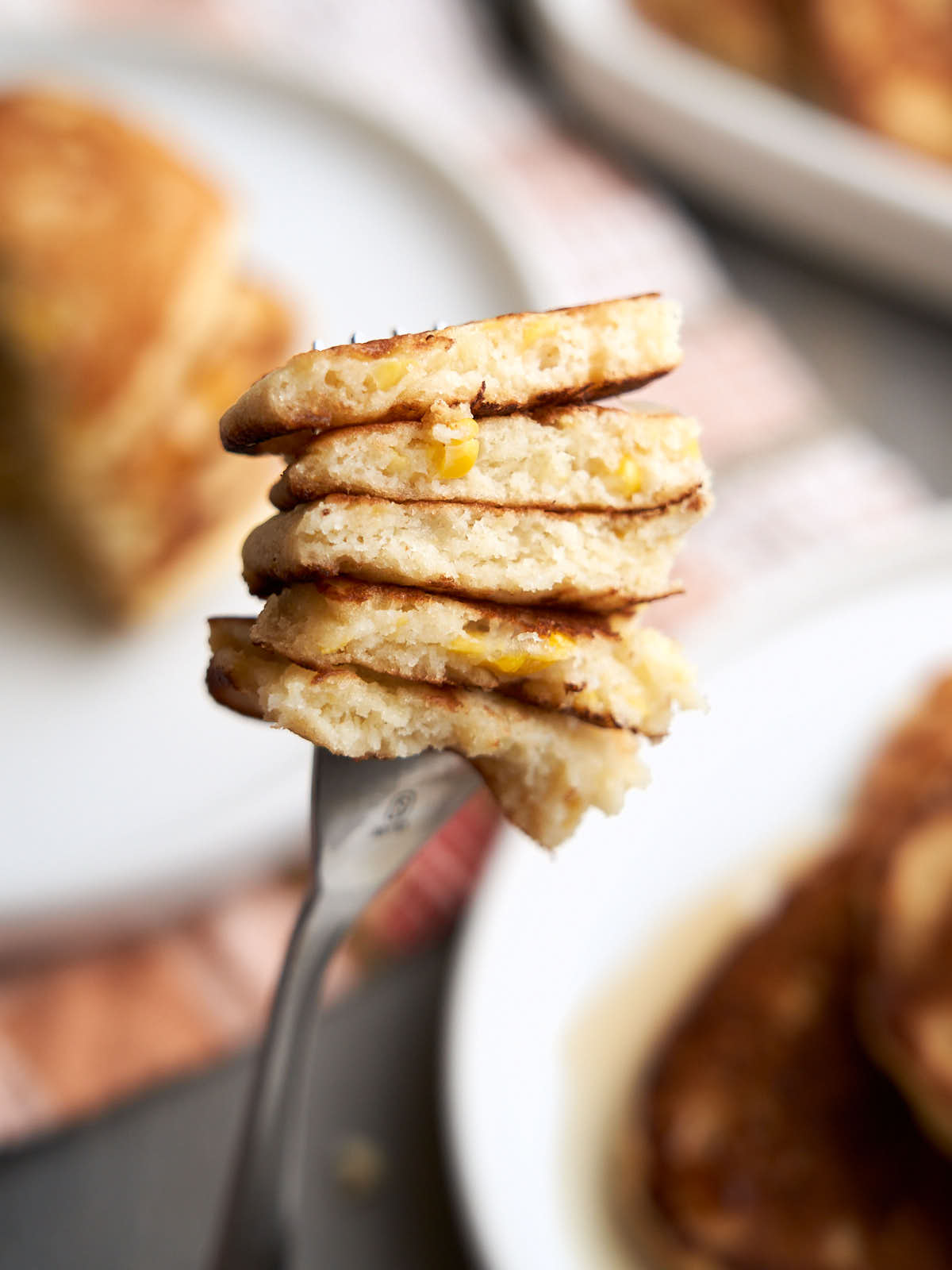
This article delves into the creation and appeal of corn pancakes, a dish that offers a unique twist on the traditional breakfast staple. By leveraging the creamy texture of canned cream-style corn, these pancakes achieve a remarkably soft, custard-like interior, reminiscent of corn pudding but in a delightful pancake form. The recipe, detailed below, emphasizes simplicity and accessible ingredients, making it a potentially popular choice for home cooks seeking novel breakfast and brunch options.
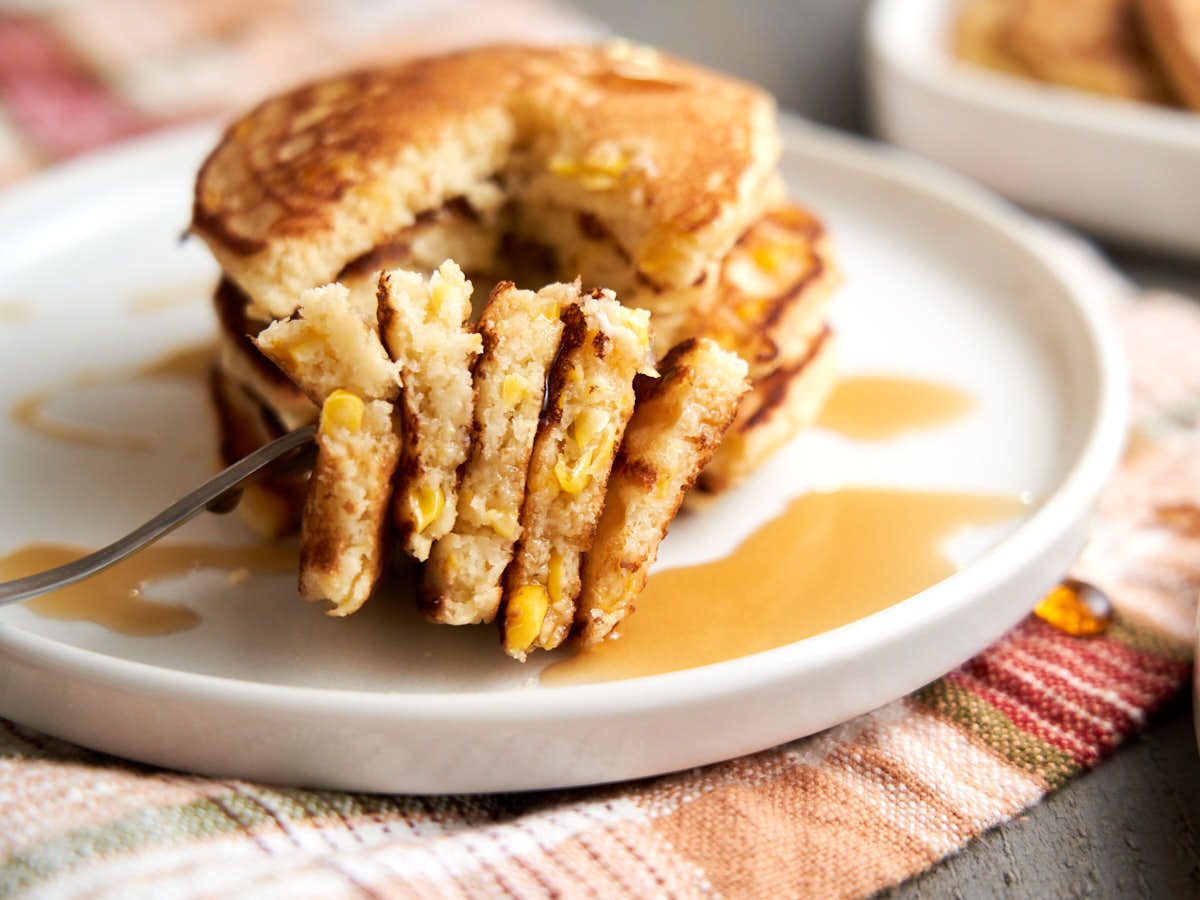
The fundamental appeal of these corn pancakes lies in their textural contrast. Unlike their lighter, airier counterparts, these pancakes offer a denser, more decadent bite. The inclusion of cream-style corn not only contributes to this unique mouthfeel but also infuses each pancake with a subtle, natural sweetness. This fusion of a familiar breakfast format with the distinct flavor and texture of corn creates a culinary experience that bridges the gap between comfort food and a novel treat.
The Genesis of Creamy Corn Pancakes
While the exact origin of corn pancakes is difficult to pinpoint, their evolution can be seen as a natural extension of the long-standing tradition of incorporating corn into various dishes across diverse cultures. Corn, a staple crop with origins in Mesoamerica, has been a cornerstone of diets for millennia, celebrated for its versatility and nutritional value. From cornbread and succotash in North America to polenta and arepas in South America, corn’s presence in savory and sweet preparations is well-established.
The concept of blending corn into a pancake batter likely emerged from a desire to enhance texture and flavor. The use of cream-style corn, a product that precooks and purees corn kernels with added liquid and seasonings, provides a convenient and effective way to achieve a smooth, moist batter with embedded corn flavor. This approach aligns with a broader culinary trend of reimagining classic dishes by incorporating unexpected ingredients or techniques to create new and exciting taste profiles. The recipe presented here appears to be a contemporary iteration of this culinary innovation, focusing on ease of preparation and appealing to a modern palate.
Deconstructing the Recipe: Ingredients and Method
The recipe for these corn pancakes hinges on a straightforward ingredient list, ensuring accessibility for most home cooks. The star ingredient, canned cream-style sweet corn, is crucial for achieving the signature texture. Its inherent creaminess and sweetness form the base of the pancake, while small corn kernels provide delightful textural bursts within each bite.
Beyond the corn, the recipe typically calls for standard pancake components: flour, a leavening agent (such as baking powder), sugar, salt, eggs, milk, and melted butter. The method follows a common pancake preparation technique, involving the separation of dry and wet ingredients. Dry ingredients are combined in one bowl, while wet ingredients are whisked together in another. These two mixtures are then brought together, followed by the incorporation of melted butter. This two-bowl approach helps to ensure a well-emulsified batter, minimizing lumps and promoting even cooking.
Key Ingredients and Their Roles:
- Canned Cream-Style Sweet Corn: The foundation of the pancake’s unique texture and flavor. It provides moisture, sweetness, and a smooth, custard-like consistency.
- All-Purpose Flour: Provides the structure for the pancakes.
- Baking Powder: Acts as the leavening agent, helping the pancakes to rise and become fluffy.
- Sugar: Enhances the natural sweetness of the corn and contributes to browning.
- Salt: Balances the sweetness and enhances the overall flavor profile.
- Eggs: Bind the ingredients together and contribute to richness and structure.
- Milk: Adds moisture and helps to create a smooth batter.
- Melted Butter: Contributes to richness, flavor, and helps prevent sticking during cooking.
The Art of Cooking Corn Pancakes
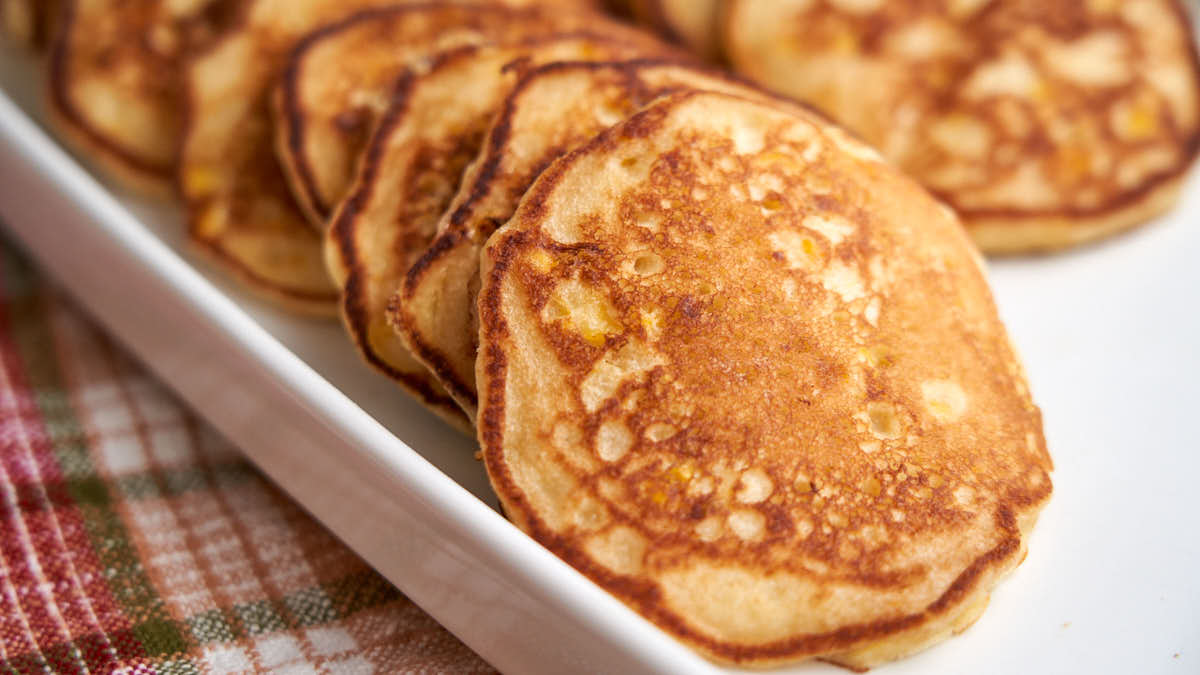
The cooking process for these corn pancakes is similar to that of traditional pancakes, with a few nuances to ensure optimal results. A griddle or non-stick frying pan is heated to a medium temperature, and a small amount of butter is used to grease the surface. The recipe suggests using a silicone brush for spreading the butter, which can create an aesthetically pleasing "lacy" appearance on the pancakes, similar to those found in thin pancake recipes. However, simply swirling the pan can also achieve satisfactory results.
Monitoring the heat is paramount. The recipe advises adjusting the stove heat as necessary, noting that different cooking surfaces and stove types can affect browning speed. Medium heat is generally recommended, but a medium-low setting might be required if pancakes begin to brown too quickly before cooking through.
Indicators for Flipping:
- Bottom Browning: The underside of the pancake should be a light golden brown.
- Dried Edges: The edges of the pancake will appear set and slightly dry.
- Bubbles on the Surface: Small bubbles forming on the uncooked top surface indicate that the batter is setting.
Once flipped, each pancake typically cooks for an additional couple of minutes until both sides are evenly golden brown. The goal is a pancake that is cooked through, with a moist interior and a lightly crisp exterior.
Complementary Toppings and Serving Suggestions
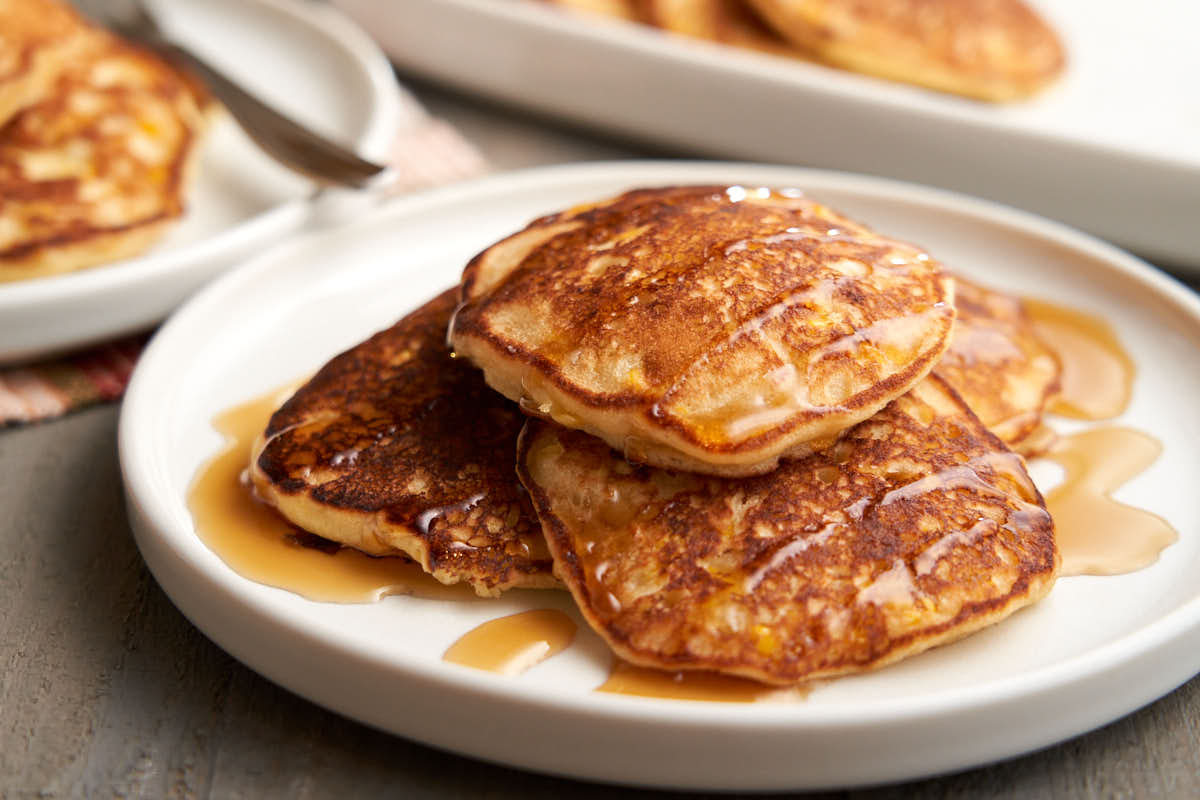
The subtle sweetness of these corn pancakes lends themselves to a variety of toppings, though the recipe suggests a minimalist approach to allow the corn flavor to shine. A drizzle of pure maple syrup is presented as a classic and effective pairing, enhancing the pancake’s natural sweetness without overpowering it. Honey is also suggested as a suitable alternative.
Beyond traditional sweet toppings, the versatility of these corn pancakes is highlighted. Their subtly sweet profile makes them an interesting accompaniment to savory dishes, where a simple smear of salted butter can provide a satisfying contrast. This adaptability positions the corn pancake not just as a breakfast item but as a potential side dish for a range of meals.
Suggested Toppings:
- Maple syrup
- Honey
- Salted butter
- Fresh berries (optional, for a touch of tartness)
- Whipped cream (optional, for a richer dessert-like experience)
- A dollop of sour cream or Greek yogurt (for a tangy counterpoint)
Broader Implications and Culinary Trends
The popularity of recipes like these corn pancakes reflects a growing interest among consumers in exploring diverse culinary traditions and embracing innovative flavor combinations. The "comfort food" category continues to evolve, with home cooks increasingly seeking ways to elevate familiar dishes with unique twists. The use of pantry staples like canned corn in novel ways also aligns with a trend towards practical yet creative cooking.
Furthermore, the emphasis on textural elements in modern cuisine is evident in the appeal of these pancakes. The contrast between a soft, custardy interior and a lightly crisp exterior is a sought-after characteristic in many dishes. This recipe capitalizes on that desire by delivering a uniquely satisfying mouthfeel.
The recipe’s success can be measured by its potential to become a go-to option for special occasions, such as Thanksgiving morning, where a festive and slightly unconventional breakfast can set a celebratory tone. As culinary creativity continues to flourish, dishes that offer a blend of familiarity and novelty, like these corn pancakes, are likely to remain a popular choice for home cooks looking to expand their culinary repertoire. The ability to transform a simple ingredient like canned corn into a delightful breakfast treat underscores the ongoing innovation in everyday cooking.
