
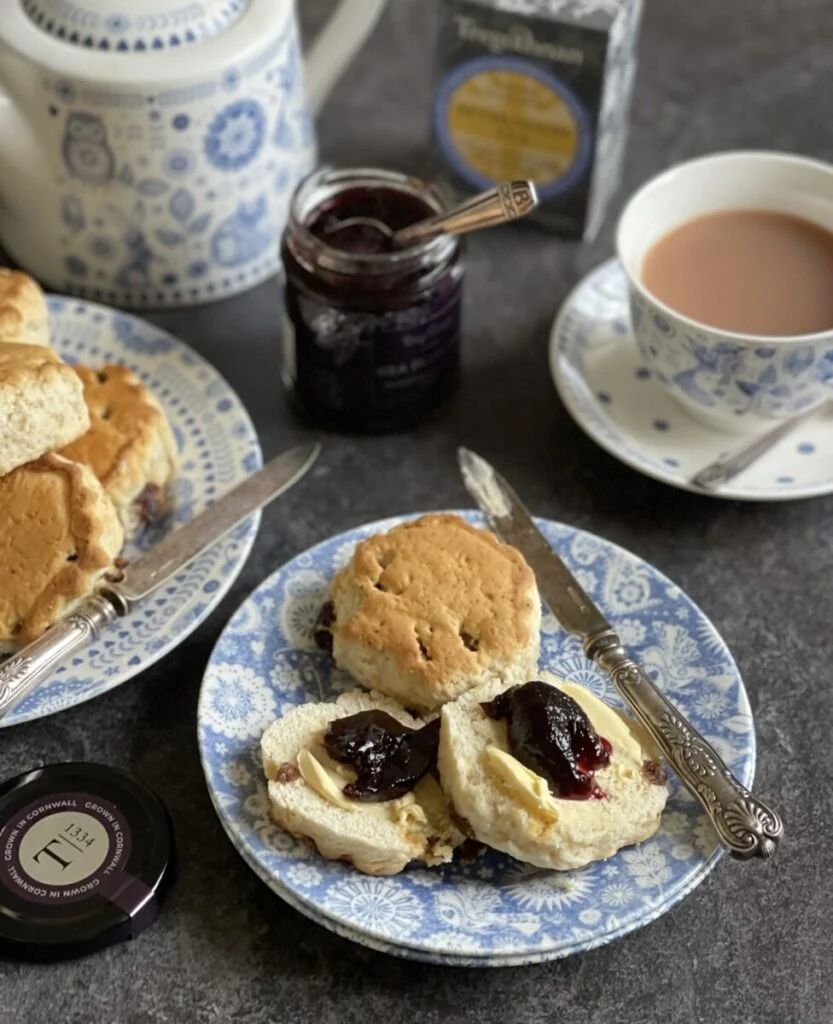
The genesis of these distinctive scones dates back to a captivating journey Burns-Booth undertook in 2021 aboard the Viking Venus. As part of an included excursion, she experienced the enchanting landscape of Tregothnan Estate, near Falmouth. Her account vividly describes "a steep but invigorating walk up bucolic country lanes and paths, past beehives and over wooden stiles," culminating in a breathtaking vista of the River Fal from the estate’s renowned tea terraces. This immersive experience, which involved meandering through "wild meadow flowers, ancient orchards and grassy countryside tracks," left an indelible impression, inspiring Burns-Booth to translate the essence of British tea heritage into a beloved culinary form. Her role as a regular contributor of specially created recipes and travel stories for Viking’s Explore Magazine provided the perfect platform for sharing this inspired creation.

A Culinary Twist: The Earl Grey Infusion

What truly distinguishes these scones is their profound and deliberate infusion with Earl Grey tea, which imparts a wonderful bergamot flavour throughout. Burns-Booth’s recipe employs a dual infusion technique: not only is the Earl Grey tea incorporated directly into the scone dough, but the dried fruit within the recipe is also meticulously steeped in hot Earl Grey tea. This method ensures a multi-layered flavour profile, where the citrusy and floral notes of bergamot are both prominent and harmoniously integrated. The tea-soaked fruit also benefits from this process, becoming "extra plump," which enhances the texture and juiciness of the finished scone. This innovative approach reflects a growing trend in modern patisserie to incorporate complex beverage profiles into baked goods, moving beyond simple flavourings to create a more sophisticated sensory experience.

Tregothnan Estate: Pioneering British Tea

The selection of Tregothnan Earl Grey tea for the original recipe is more than a mere ingredient choice; it is a narrative cornerstone. Tregothnan Estate holds a unique and historically significant position in British agriculture. It is globally recognized as the first place in the UK to successfully cultivate tea on a commercial scale, shattering the long-held belief that tea production was exclusive to specific Asian climates. In 2005, the estate made history by yielding Britain’s first major home-grown tea crop, an achievement that marked a pivotal moment for domestic agriculture and culinary identity.

Nestled in the temperate, often misty climate of Cornwall, Tregothnan benefits from unique microclimates that mimic those found in traditional tea-growing regions. This allows for the cultivation of a variety of tea plants, producing teas that are highly prized for their quality and distinct characteristics. Its Earl Grey, in particular, has garnered significant acclaim, with some culinary critics and tea connoisseurs dubbing it "the new Darjeeling" for its refined taste and aromatic complexity. The estate’s operations extend beyond tea, encompassing a commitment to botanical diversity and sustainable practices, making it a beacon for agro-tourism. Visitors can explore these historic tea gardens, offering a tangible connection to the origins of British tea and an appreciation for the pioneering spirit behind its cultivation. This direct link to Britain’s burgeoning tea-growing heritage imbues the Earl Grey Fruit Scones with an authentic story of provenance and local excellence.

The Quintessential British Cream Tea Tradition

The Earl Grey Fruit Scones are meticulously crafted to be enjoyed as part of a quintessential British cream tea – a cherished ritual that transcends a simple meal. This beloved tradition typically features freshly baked scones, generous dollops of clotted cream, and fruit jam, all served alongside a freshly brewed pot of loose leaf tea. Burns-Booth thoughtfully highlights the Cornish tradition for serving, emphasizing "jam first" before the clotted cream, a detail that often sparks good-natured debate with proponents of the Devonshire method.

The cultural significance of the cream tea is profound, representing a moment of indulgence, hospitality, and a connection to British heritage. Statistics from the British Bakers Association indicate that scones remain a perennial favourite, with millions consumed annually across the UK, contributing significantly to the country’s £1.5 billion bakery market. The introduction of Earl Grey into the scone itself offers a modern, aromatic twist on this classic, appealing to both staunch traditionalists and those seeking innovative culinary experiences. Market research firm Mintel reported a steady increase in consumer demand for premium, artisanal food products, particularly those with a clear provenance story. The tea-infused scone aligns perfectly with this trend, tapping into both the nostalgia for traditional British fare and the desire for sophisticated flavour innovations.

Karen Burns-Booth: A Culinary Voice

Through her established platform, Lavender and Lovage, Karen Burns-Booth has cultivated a reputation as a respected voice in the culinary sphere. Her expertise spans British and European cuisines, with a particular emphasis on seasonal and regionally sourced ingredients. Her consistent contributions to prestigious publications like Viking’s Explore Magazine underscore her ability to seamlessly intertwine captivating travel narratives with accessible, high-quality recipes. The development of the Earl Grey Fruit Scones specifically for Viking exemplifies a broader trend within the travel and culinary industries: the increasing desire to offer guests and readers an authentic, immersive taste of the destinations they encounter. By transforming her travel experiences into tangible, edible creations, Burns-Booth forges a compelling connection between geographical locale, cultural identity, and the art of gastronomy. This approach not only enriches the audience’s understanding of a destination but also empowers them to recreate a piece of that experience within their own homes, fostering a deeper appreciation for culinary discovery.

Recipe Versatility and Nutritional Insights

While the recipe explicitly recommends Tregothnan Earl Grey tea for its authentic connection and superior quality, Burns-Booth thoughtfully provides guidance for home bakers, stating that "any high quality Earl Grey tea" can be successfully substituted. This adaptability ensures the recipe’s accessibility to a broader audience, regardless of their proximity to specialty tea suppliers. This pragmatic approach underscores Burns-Booth’s commitment to enabling home cooks to replicate her culinary innovations with readily available ingredients.

The published nutritional information for the Earl Grey Fruit Scones provides valuable insights for health-conscious consumers. Each serving, defined as one scone, contains approximately 249 calories, 8 grams of total fat (comprising 4 grams of saturated fat and 3 grams of unsaturated fat), 54 milligrams of cholesterol, 230 milligrams of sodium, 39 grams of carbohydrates (including 1 gram of fiber and 10 grams of sugar), and 6 grams of protein. The recipe is designed to yield 10 scones, making it an ideal quantity for family consumption or for sharing during a small gathering. This detailed breakdown allows individuals to integrate this indulgent treat into their dietary plans responsibly, reinforcing the transparency and practicality embedded within the recipe’s design.

Broader Implications for Gastronomic Tourism and British Heritage

The release of Karen Burns-Booth’s Earl Grey Fruit Scones recipe carries significant implications that extend beyond the realm of home baking, influencing culinary tourism, the promotion of British heritage products, and the evolution of national cuisine.

- Enhancing Culinary Tourism: Recipes of this nature serve as powerful ambassadors for regional destinations. By explicitly linking the scones to Tregothnan Estate, Burns-Booth not only celebrates a specific, high-quality product but also implicitly encourages potential tourists to visit Cornwall. Such culinary narratives align perfectly with the burgeoning trend of experiential travel, where food and drink are central to cultural immersion and authentic discovery. Experts in horticulture and agro-tourism have long lauded Tregothnan for its pioneering efforts, demonstrating that suitable microclimates within Britain could support viable tea production, thereby diversifying agricultural output and creating new economic opportunities in rural areas.
- Promoting British Produce: Tregothnan’s achievement in establishing commercial tea cultivation in the UK is a testament to agricultural innovation. Recipes that prominently feature such home-grown products play a crucial role in raising their profile, fostering support for local economies, and instilling a sense of national pride in domestically produced goods. The appellation "the new Darjeeling" for Tregothnan teas highlights the quality and global potential of British tea, positioning it as a competitor on the international stage.
- Cultural Preservation and Evolution: While deeply rooted in the traditions of the British cream tea, the Earl Grey Fruit Scones represent a sophisticated evolution of this classic. They illustrate how cherished culinary heritage can be reinterpreted and revitalized with contemporary flavours and influences, ensuring its continued relevance for modern palates. This dynamic interplay between tradition and innovation is vital for the enduring vibrancy and appeal of national culinary identities.
- Cross-Sector Collaboration: The partnership evident in this recipe—between a respected culinary expert like Karen Burns-Booth, a luxury travel provider such as Viking Cruises, and a heritage estate like Tregothnan—exemplifies a successful model of cross-sector collaboration. Viking benefits from unique, high-quality content that enhances its brand image and enriches the travel experience for its guests. Tregothnan gains broader market exposure for its innovative products. And Burns-Booth further solidifies her reputation as a creative and knowledgeable food writer. This synergy creates a powerful promotional feedback loop that significantly amplifies the reach and impact of the recipe, fostering mutual growth and recognition. A spokesperson for Viking Cruises noted that "collaborations with esteemed culinary figures like Karen Burns-Booth allow us to offer our guests not only luxurious travel experiences but also an authentic taste of the cultures and landscapes we explore. This recipe perfectly encapsulates the spirit of discovery and British heritage."
The Future of Tea-Infused Gastronomy

The introduction of the Earl Grey Fruit Scones recipe is poised to further fuel the growing trend of incorporating tea beyond its traditional role as a beverage into diverse culinary applications. Chefs and home cooks alike are increasingly exploring tea as a nuanced flavouring agent in both sweet and savoury dishes, recognizing its complex aromatics and ability to impart remarkable depth. Earl Grey, with its distinctive bergamot oil, is particularly versatile in baking, demonstrating excellent compatibility with citrus fruits, chocolate, and various other fruit profiles. This recipe could serve as an inspiration, catalyzing a new wave of tea-centric desserts and pastries, thereby further cementing tea’s evolving role as a sophisticated and integral ingredient in contemporary gastronomy.

Conclusion

The introduction of Karen Burns-Booth’s Earl Grey Fruit Scones is more than a simple culinary offering; it is a meticulously crafted narrative that beautifully intertwines British heritage, innovative flavour profiles, and the compelling allure of gastronomic travel. From the picturesque, pioneering tea terraces of Tregothnan Estate to the inviting tables of discerning home bakers, these bergamot-infused scones embody a modern appreciation for traditional British fare, gracefully enriched by a global palate. As consumers continue their quest for authentic experiences and high-quality, provenance-led products, these aromatic delights stand poised to become a celebrated and enduring addition to the British tea-time repertoire, offering a delectable taste of Cornwall’s pioneering spirit and a profound testament to the timeless charm of a meticulously crafted scone.
