
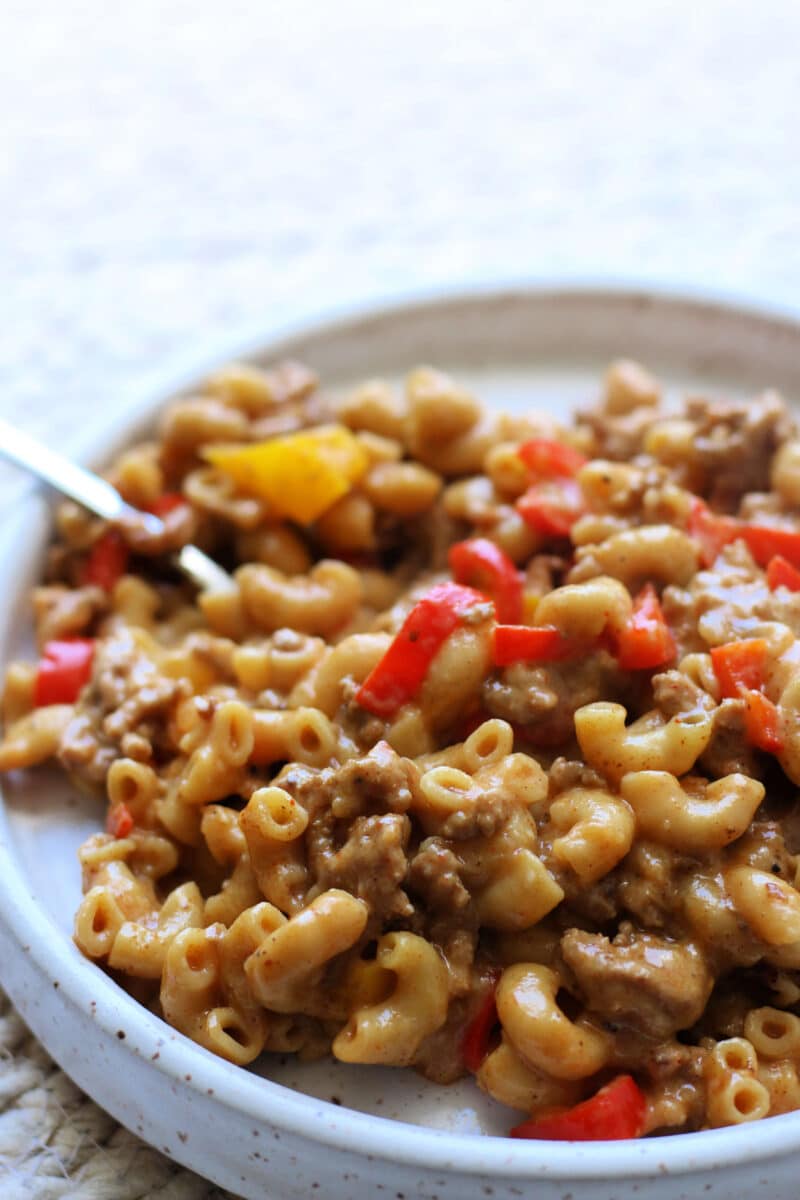
The culinary landscape of the twenty-first-century American household has been fundamentally altered by the advent of high-pressure multi-cookers, leading to a resurgence of the "one-pot" meal. Among the emerging staples in this category is the Cabo Casserole, a dish that represents a sophisticated intersection between traditional Mexican-inspired flavor profiles and the efficiency required by modern weeknight schedules. This dish, characterized by its use of seasoned ground pork, elbow macaroni, and a bespoke pepper jack cheese sauce, illustrates a broader shift in domestic gastronomy toward fusion comfort foods that prioritize both depth of flavor and logistical simplicity.
The Architecture of the Cabo Casserole
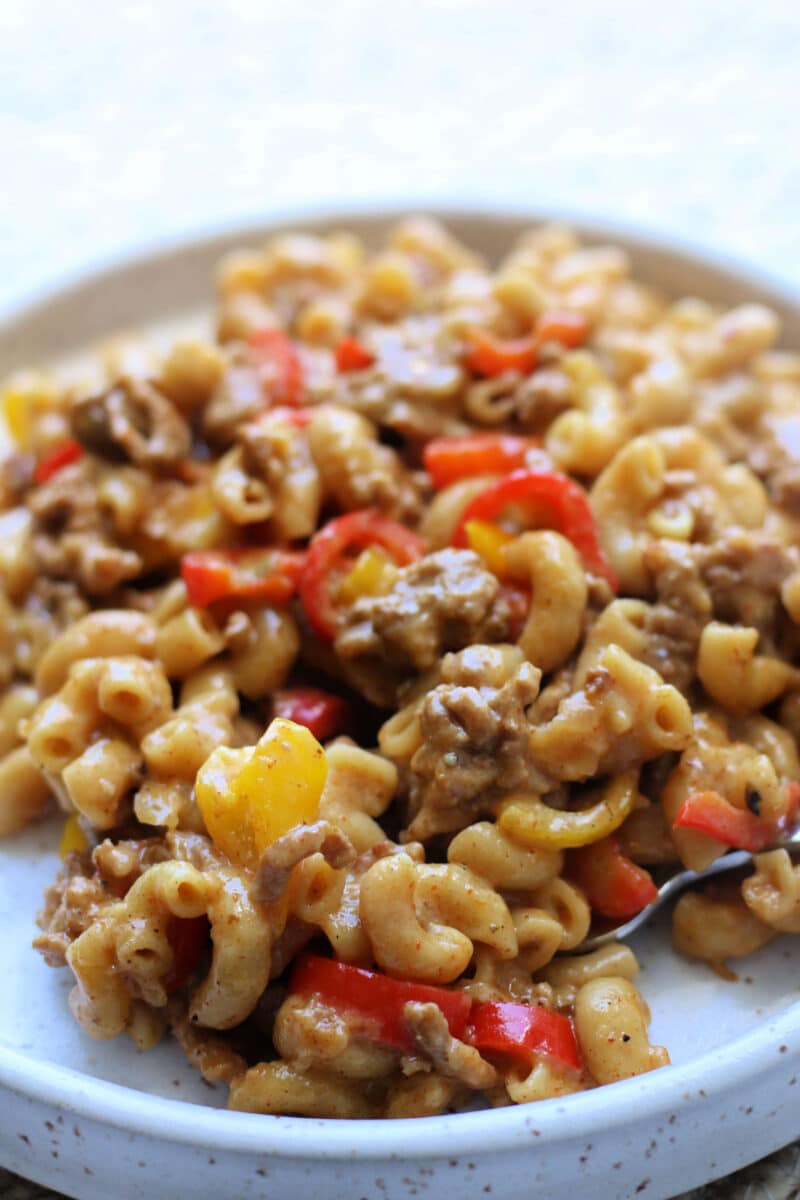
The Cabo Casserole is fundamentally a hybrid creation, blending the creamy, indulgent textures of a classic American macaroni and cheese with the bold, aromatic spices associated with the Baja Peninsula and broader Mexican cuisine. Unlike traditional casseroles that often rely on canned "cream of" soups as a binding agent, the Cabo Casserole utilizes a dual-method approach: pressure cooking for the primary proteins and starches, and a traditional stovetop roux for the cheese sauce.
The choice of protein is a defining feature of the dish. While many contemporary American pasta dishes utilize ground beef, the Cabo Casserole advocates for ground pork. Historically, ground pork has been underutilized in domestic pasta recipes, yet it offers a distinct advantage in both flavor and economics. According to recent agricultural market data, ground pork frequently maintains a lower price point per pound compared to lean ground beef, making it an attractive option for budget-conscious consumers. From a culinary perspective, pork provides a milder, more adaptable base that allows the complex spice blend—consisting of chili powder, smoked paprika, cumin, coriander, and oregano—to resonate more clearly.
Chronology of Preparation and Technical Execution
The preparation of the Cabo Casserole follows a precise sequence designed to maximize flavor extraction while minimizing the total time spent in the kitchen. The process can be divided into four distinct phases: the aromatics and protein sear, the pressure-stewing phase, the stovetop sauce integration, and the final assembly.
Phase I: The Sauté and Spice Bloom
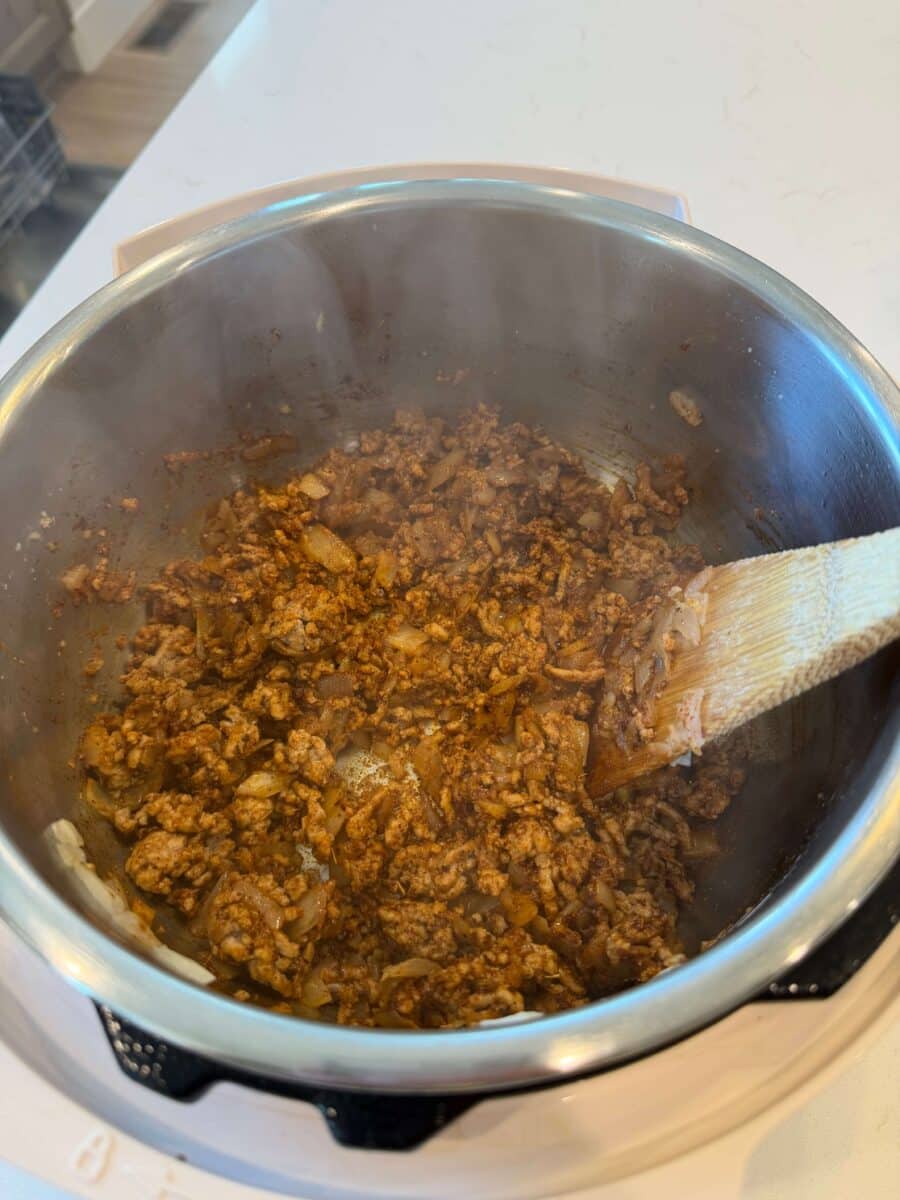
The process begins with the "Sauté" function of the Instant Pot. Once the vessel reaches the "Hot" designation, the ground pork is introduced alongside diced onions. This five-minute window is critical for the Maillard reaction, which browns the meat and develops the foundational savory notes of the dish. After draining excess lipids, the "spice bloom" occurs. By stirring in garlic, salt, pepper, and the primary spice array (chili powder, smoked paprika, oregano, cumin, and coriander), the heat of the pot activates the essential oils within the dried spices, creating a more vibrant flavor profile than would be achieved by adding them later in the liquid phase.
Phase II: Deglazing and Pressure Cooking
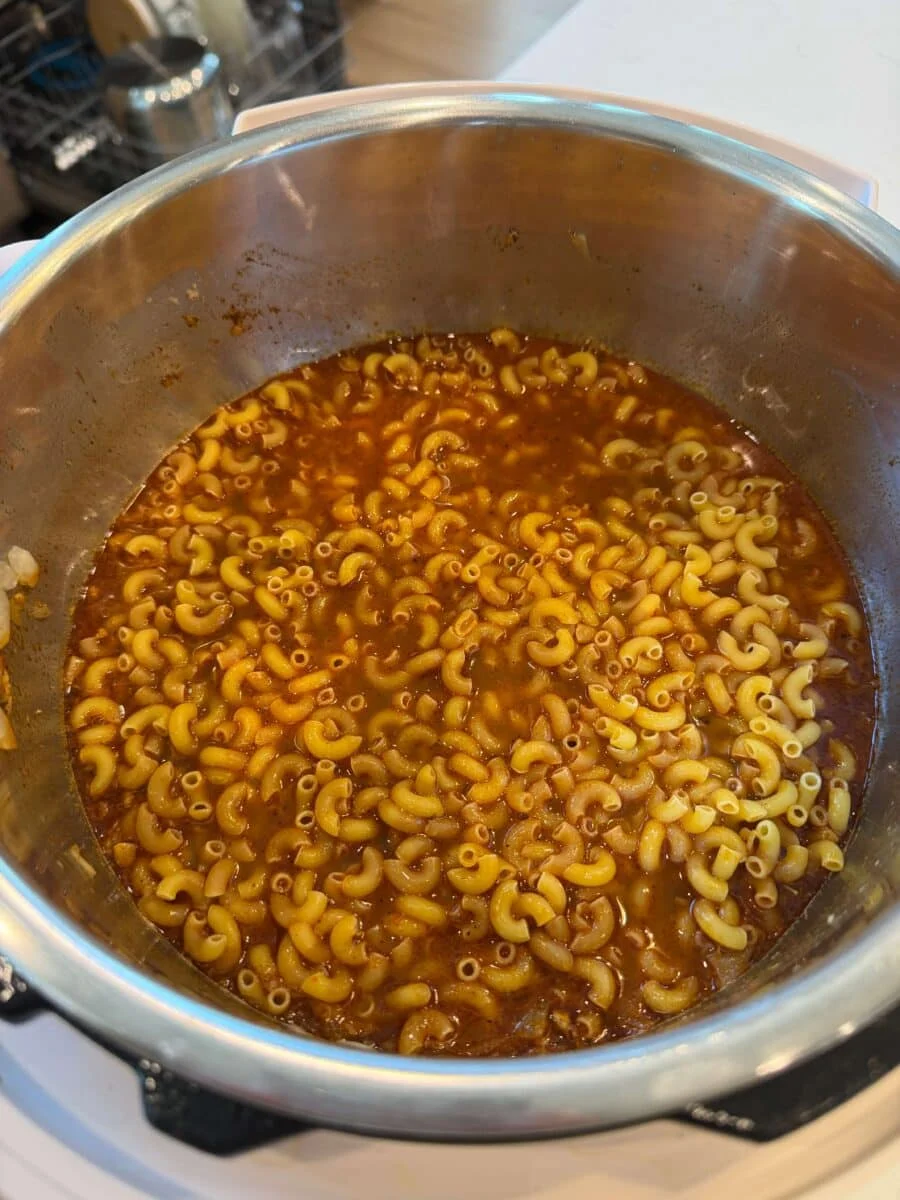
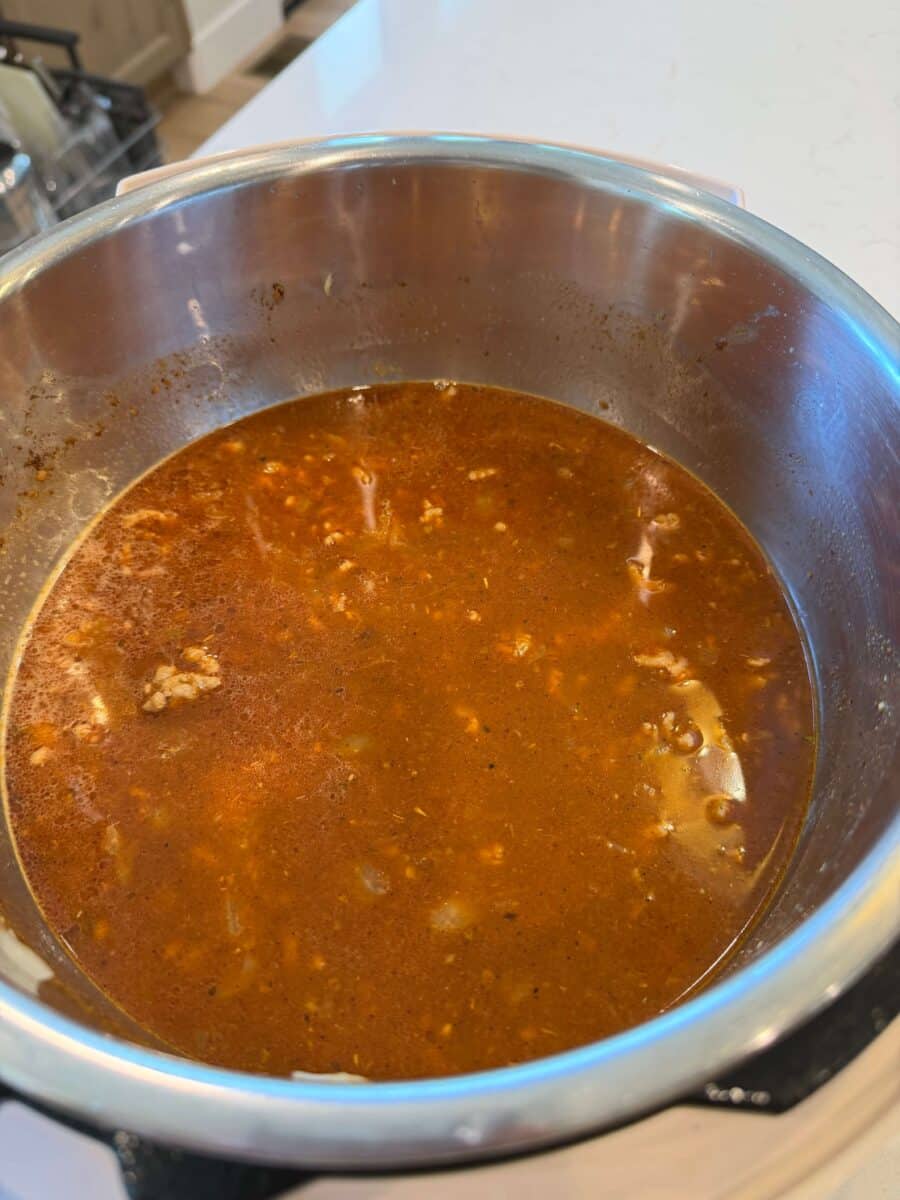
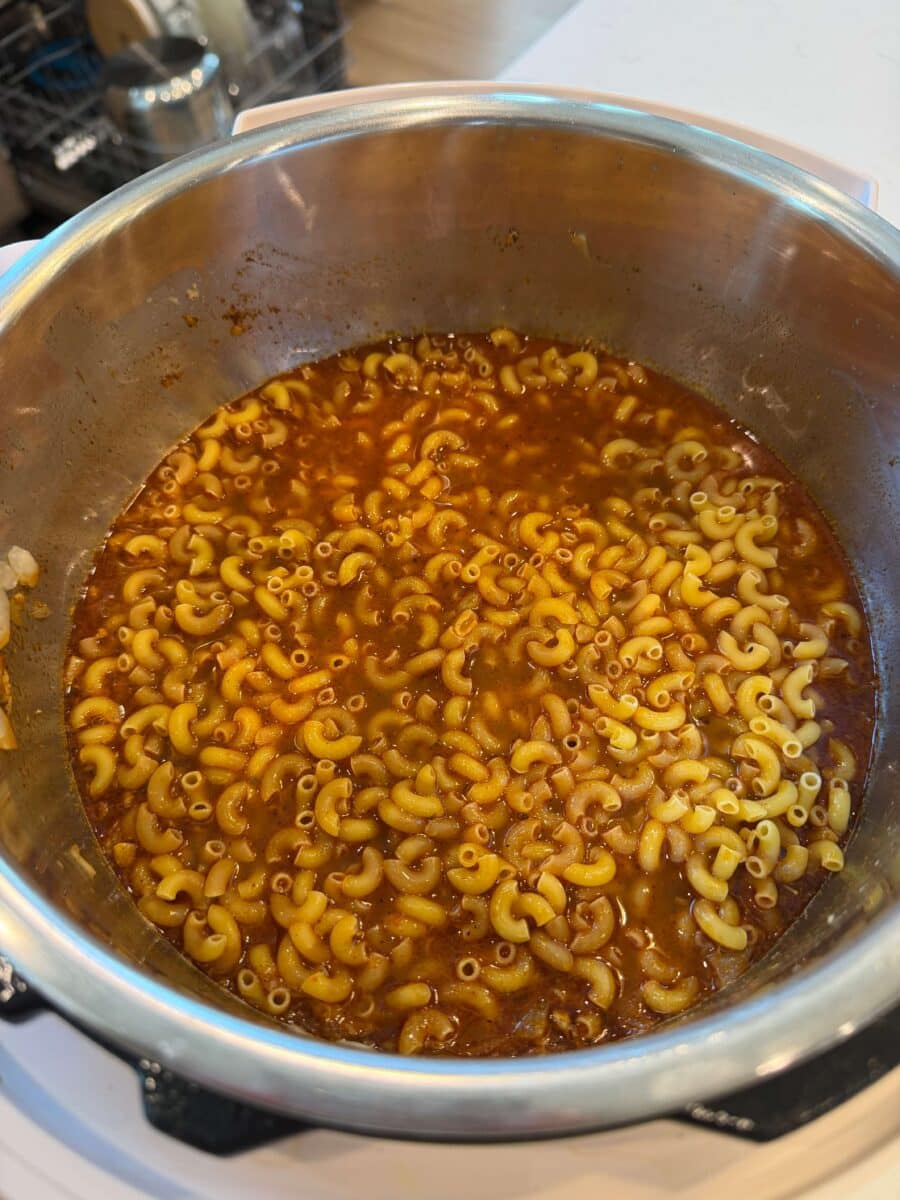
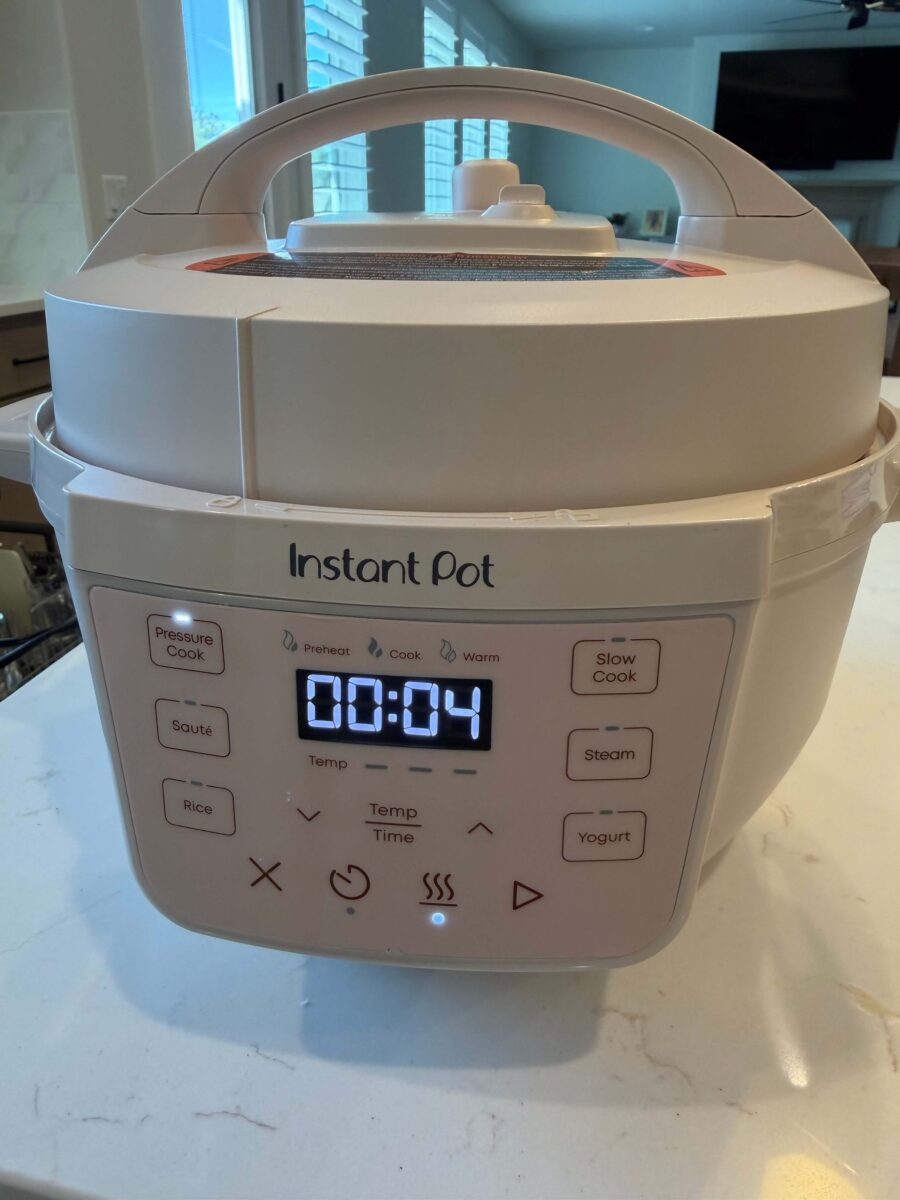
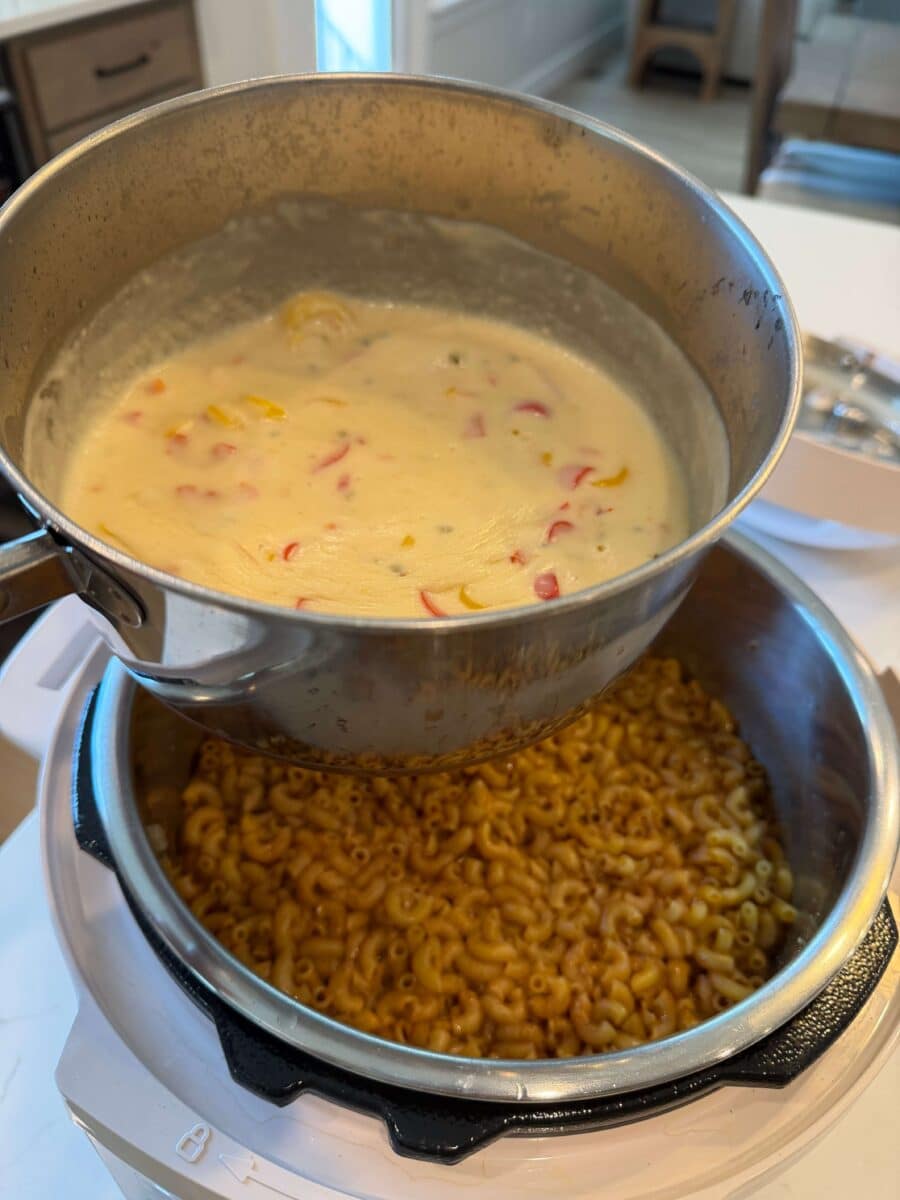
To prevent the common "Burn" error associated with high-pressure cooking, the pot is deglazed with a combination of vinegar and broth. This step ensures that any caramelized bits of pork (fond) are lifted from the bottom of the vessel. The dry macaroni is then layered on top. A crucial technical detail in this chronology is the instruction to avoid stirring the pasta into the liquid; this prevents the starch from settling and sticking to the heating element during the four-minute high-pressure cycle.
Phase III: The Secondary Stovetop Component
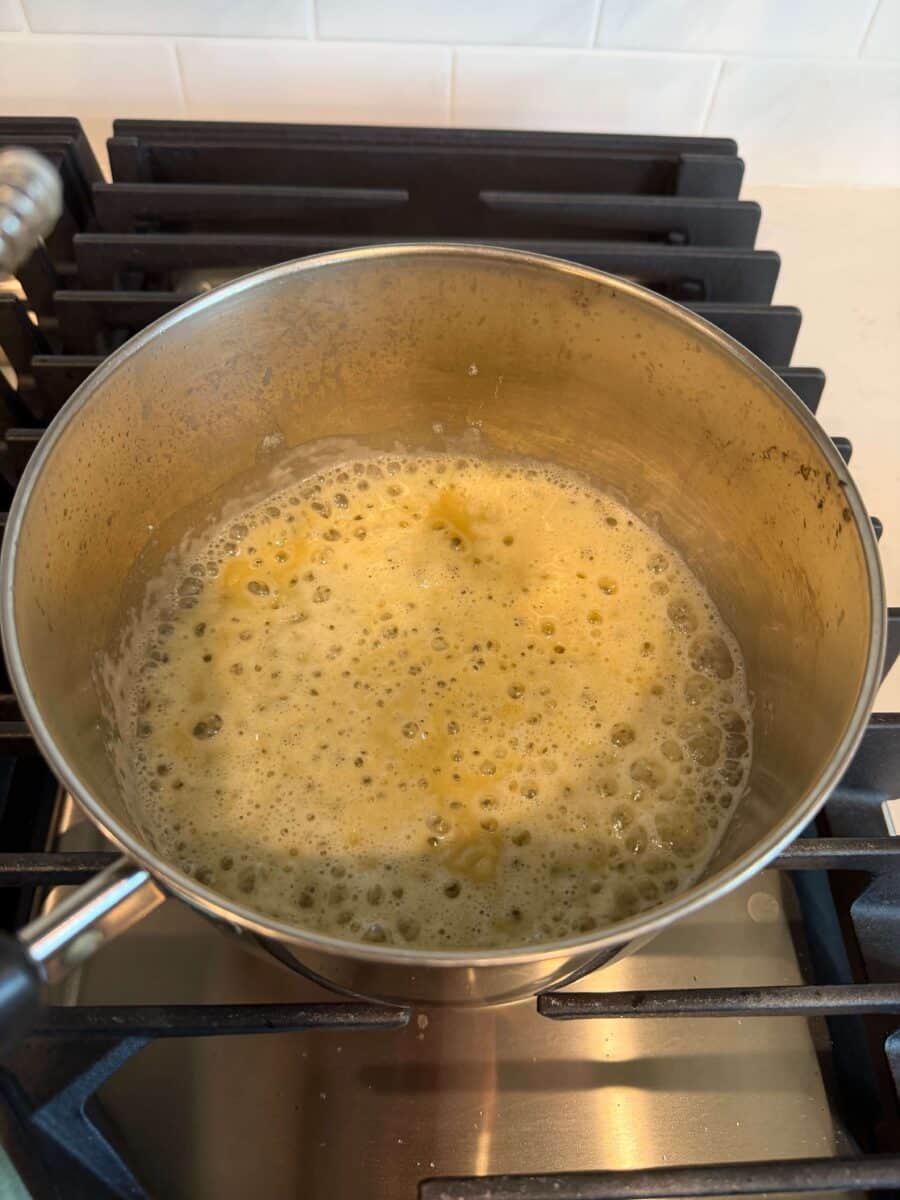
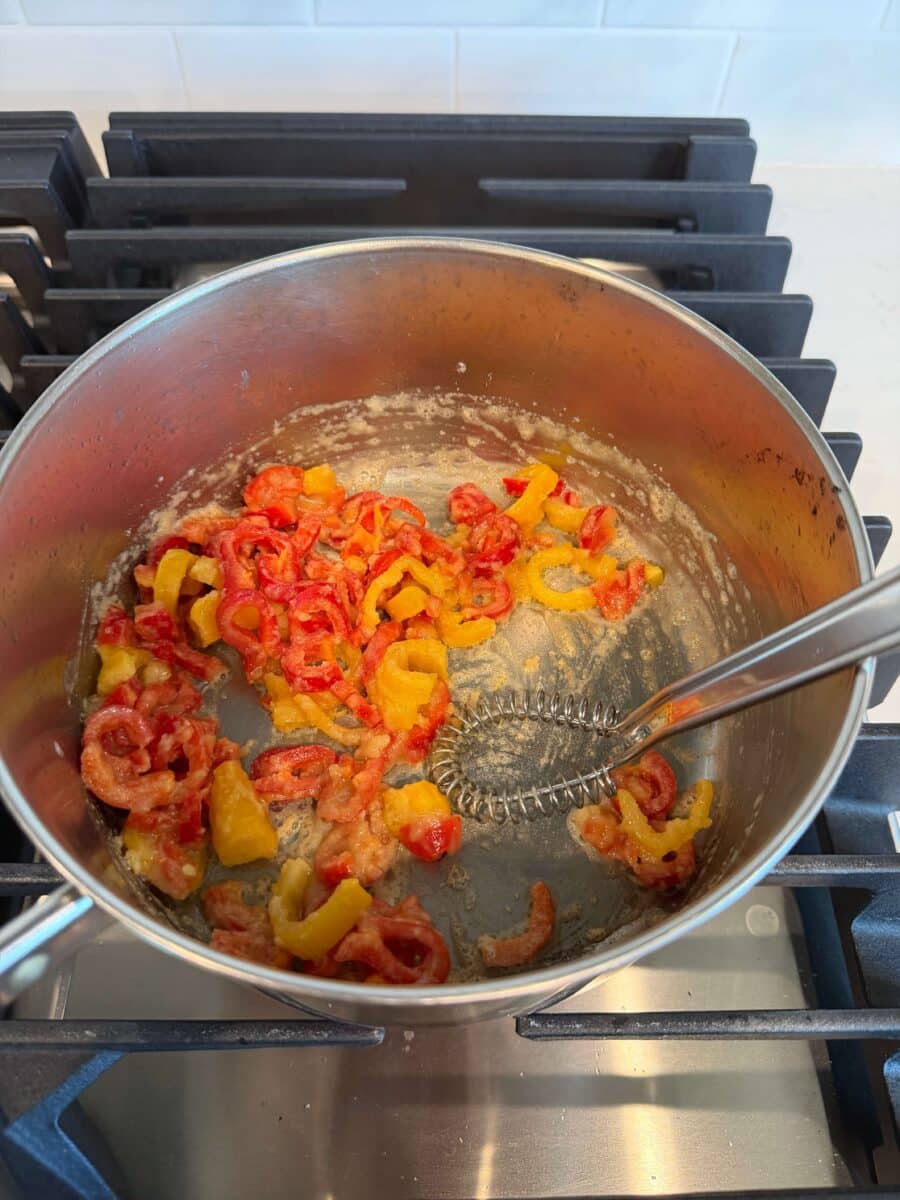
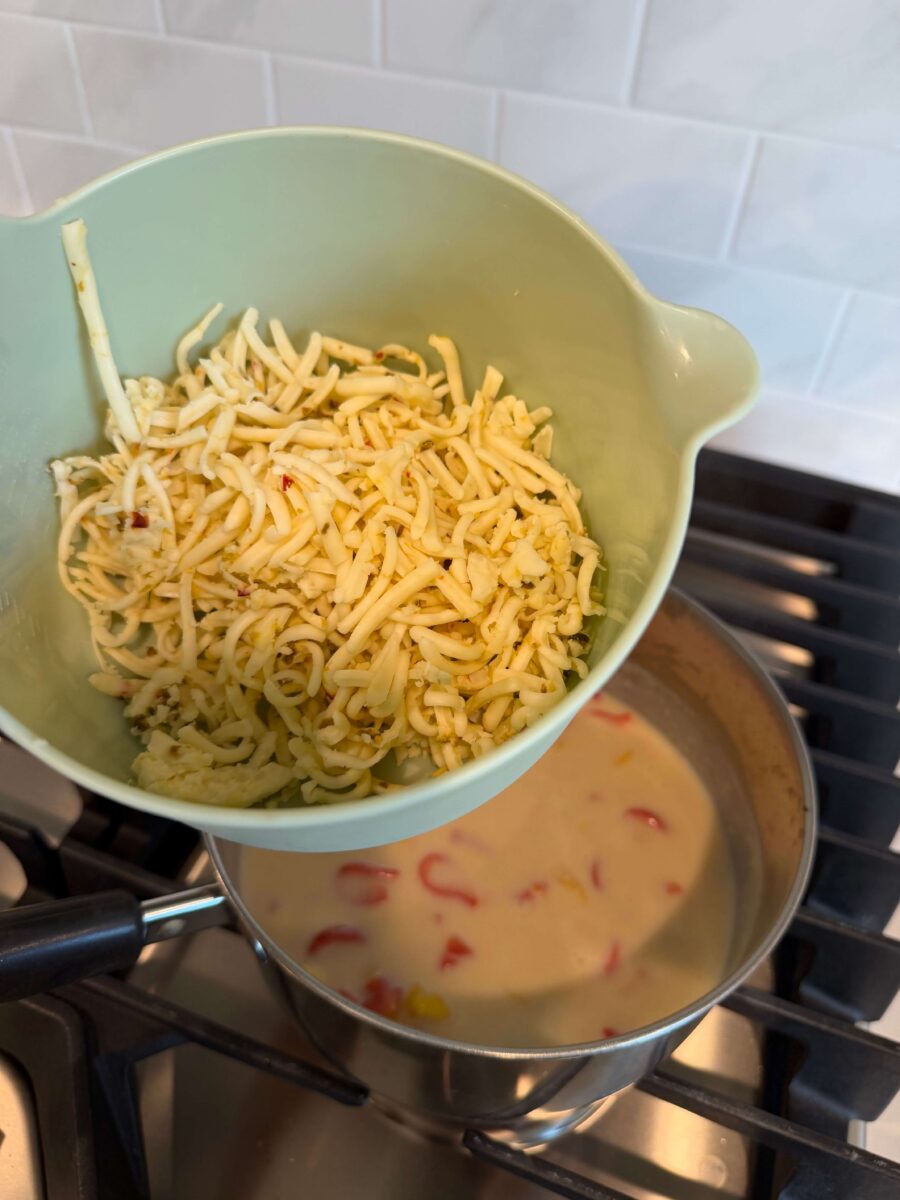
While the primary components are under pressure, the focus shifts to the stovetop. This phase involves the creation of a "mornay" style sauce. A roux is established using butter and flour, cooked for several minutes to eliminate the raw flour taste. Diced peppers are introduced to add texture and a mild heat, followed by the gradual incorporation of milk. The final addition of shredded pepper jack cheese creates a creamy, spicy emulsion that serves as the dish’s signature finish.
Phase IV: Integration and Resting
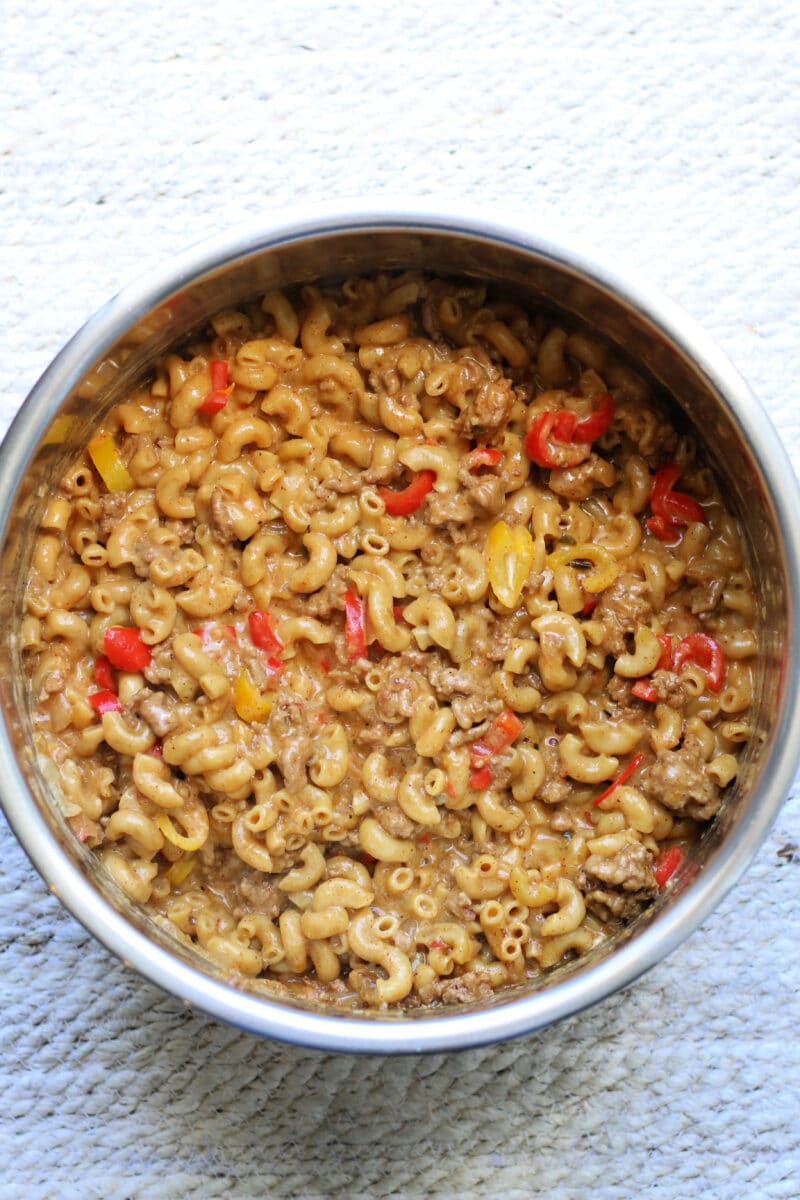
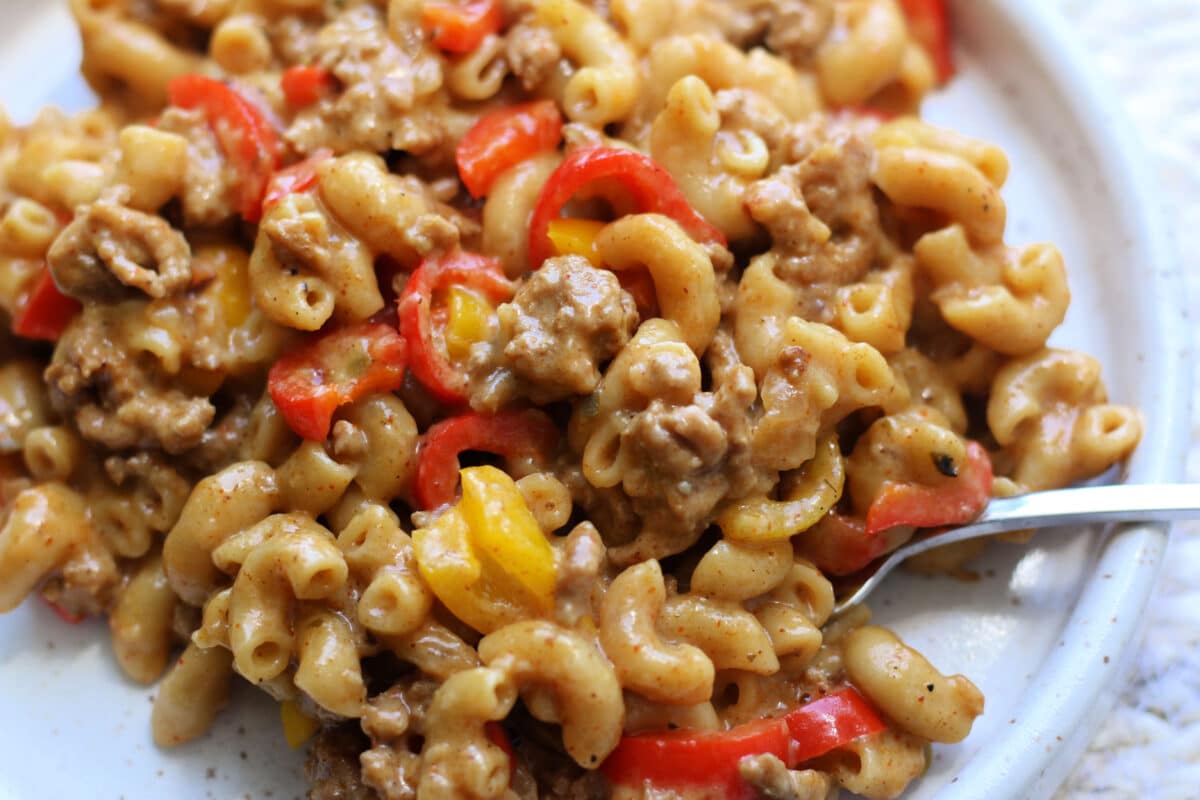
Upon the completion of the pressure cycle and a subsequent five-minute natural release, the steam is vented. The final step is the integration of the stovetop cheese sauce into the pressure-cooked pasta and pork mixture. This immediate mixing allows the residual heat of the pasta to further bind the sauce, resulting in a cohesive, velvet-textured casserole.
Supporting Data: The Economics and Efficiency of One-Pot Cooking
The rise of recipes like the Cabo Casserole is supported by significant shifts in consumer behavior and kitchen technology. The "Instant Pot" phenomenon, which began in earnest around 2010, has seen the device move from a niche enthusiast tool to a common appliance in over 20% of American households as of 2020.
Efficiency data suggests that pressure cooking can reduce energy consumption by up to 70% compared to traditional oven-based casserole methods. Furthermore, the time-saving aspect is quantifiable; a traditional baked macaroni and cheese casserole can require 45 to 60 minutes of active and passive time, whereas the Cabo Casserole’s pressure phase is limited to a mere four minutes of active cooking at high pressure.
From a nutritional standpoint, the ability to control ingredients in a "homemade" sauce versus a pre-packaged box meal allows for a reduction in sodium and the elimination of artificial preservatives. The inclusion of ground pork also provides a high-quality protein source, containing essential amino acids, B vitamins, and minerals such as phosphorus and selenium.
Culinary Perspectives and Market Implications
The adaptation of the Cabo Casserole from platforms such as Big Oven and 365 Days of Crockpot highlights the democratic nature of modern recipe sharing. Digital archives have allowed home cooks to bypass traditional cookbooks, favoring iterative, community-tested recipes that account for real-world variables like grocery store availability (e.g., the specific mention of Winco as a source for affordable pork).
Industry analysts suggest that the "Cabo" branding is part of a larger trend in "vacation-at-home" dining. By naming a dish after a popular destination like Cabo San Lucas, developers tap into a psychological desire for escapism through flavor. The use of pepper jack cheese and smoked paprika provides a sensory link to the Southwest and Mexico, even when the preparation method is rooted in modern convenience.

Broader Impact and Nutritional Considerations
As the domestic food industry continues to grapple with inflation and supply chain fluctuations, the Cabo Casserole serves as a blueprint for resilient home cooking. Its reliance on shelf-stable dry pasta, versatile ground meat, and basic dairy makes it accessible across various socioeconomic strata.

Furthermore, the recipe’s inherent flexibility allows for significant dietary adaptations. Culinary experts note that the dish can easily be converted to a gluten-free format by substituting the flour in the roux with cornstarch or a gluten-free flour blend and using legume-based pasta. For those seeking lower carbohydrate options, the seasoned pork and cheese sauce can be served over cauliflower or roasted vegetables, though this departs from the "one-pot" pasta tradition.

The environmental impact of this cooking style also merits mention. By utilizing a single pot for the majority of the process, water usage for cleanup is drastically reduced. In an era where sustainability is increasingly at the forefront of consumer consciousness, the reduction of the "dishwashing footprint" is a subtle but meaningful benefit of the one-pot movement.

Conclusion
The Cabo Casserole is more than a simple weeknight dinner; it is a reflection of the current state of American home cooking. It represents a successful marriage of global flavor influences and technological advancement. By prioritizing affordable proteins like ground pork and utilizing the precision of pressure cooking, the dish addresses the modern need for meals that are both high in quality and low in logistical friction. As home cooks continue to seek out recipes that offer "restaurant-quality" results within the constraints of a busy schedule, the popularity of fusion casseroles like this one is expected to endure, further cementing the role of the multi-cooker as the centerpiece of the contemporary kitchen.
