
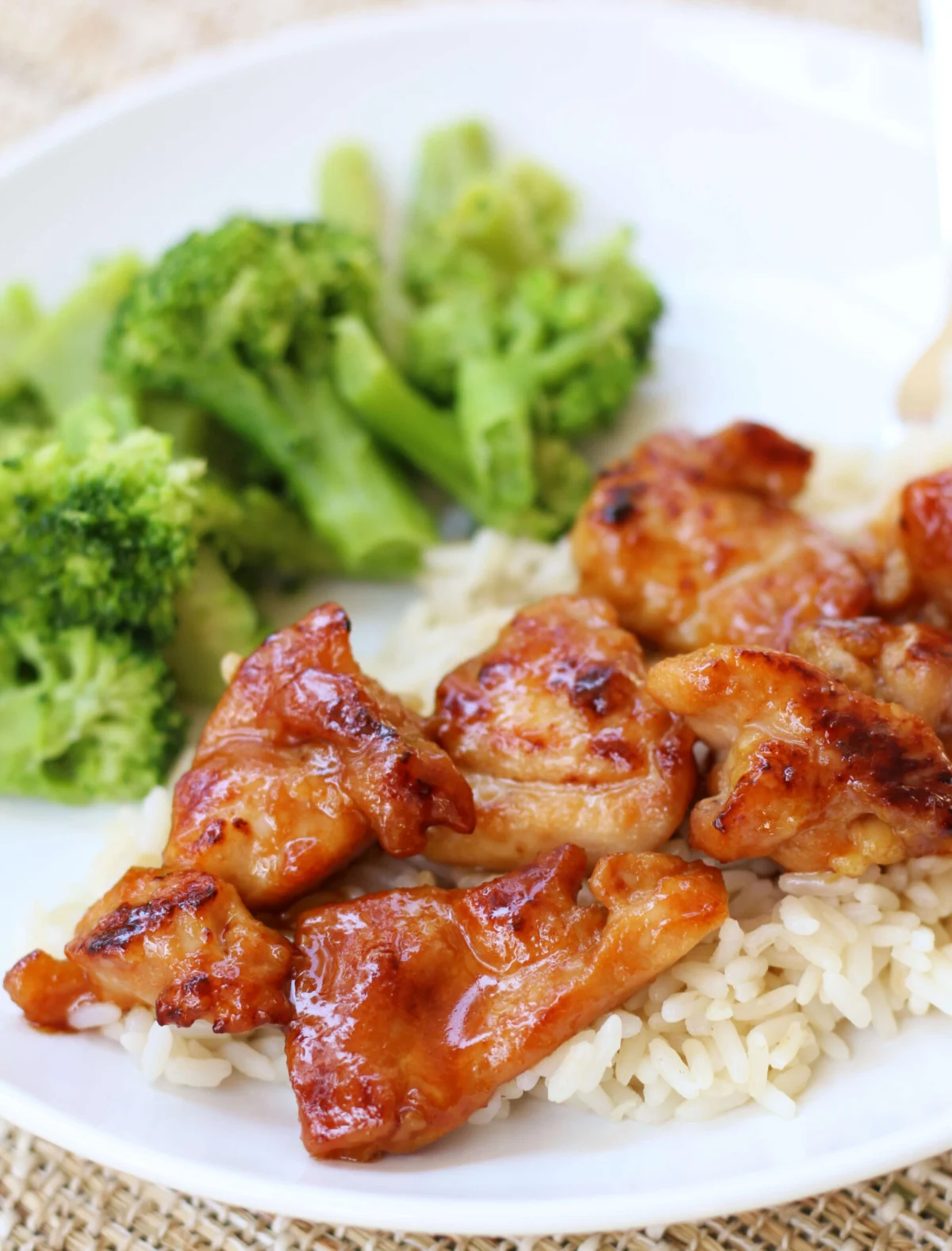
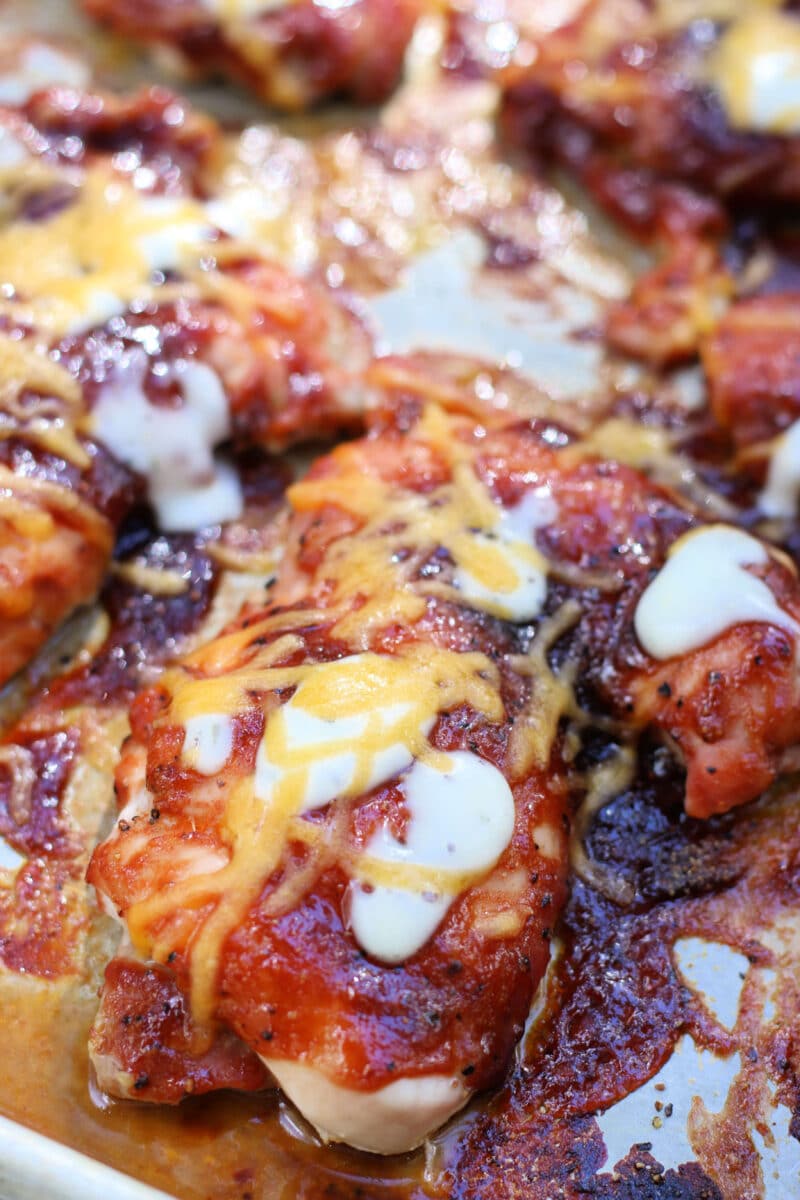
BBQ Mississippi Mud Chicken represents a significant evolution in the landscape of contemporary American home cooking, blending the smoky traditions of Southern barbecue with the creamy, herb-forward profiles of the Midwest. This dish, characterized by its layered application of seasoned chicken thighs, tangy barbecue glaze, ranch dressing, and melted cheddar cheese, serves as a quintessential example of the "sheet pan" culinary movement. As modern households increasingly prioritize efficiency without sacrificing flavor, such multi-textured recipes have transitioned from niche blog entries to staples of the domestic dinner rotation. The dish’s name, "Mississippi Mud," draws from a rich Southern tradition of dense, layered culinary creations, though in this savory context, it refers to the thick, rich coating of sauces that provides a "muddy" or deeply sauced aesthetic, ensuring the poultry remains succulent throughout the high-heat roasting process.
The Evolution of Southern Comfort Cuisine and the Mississippi Mud Nomenclature
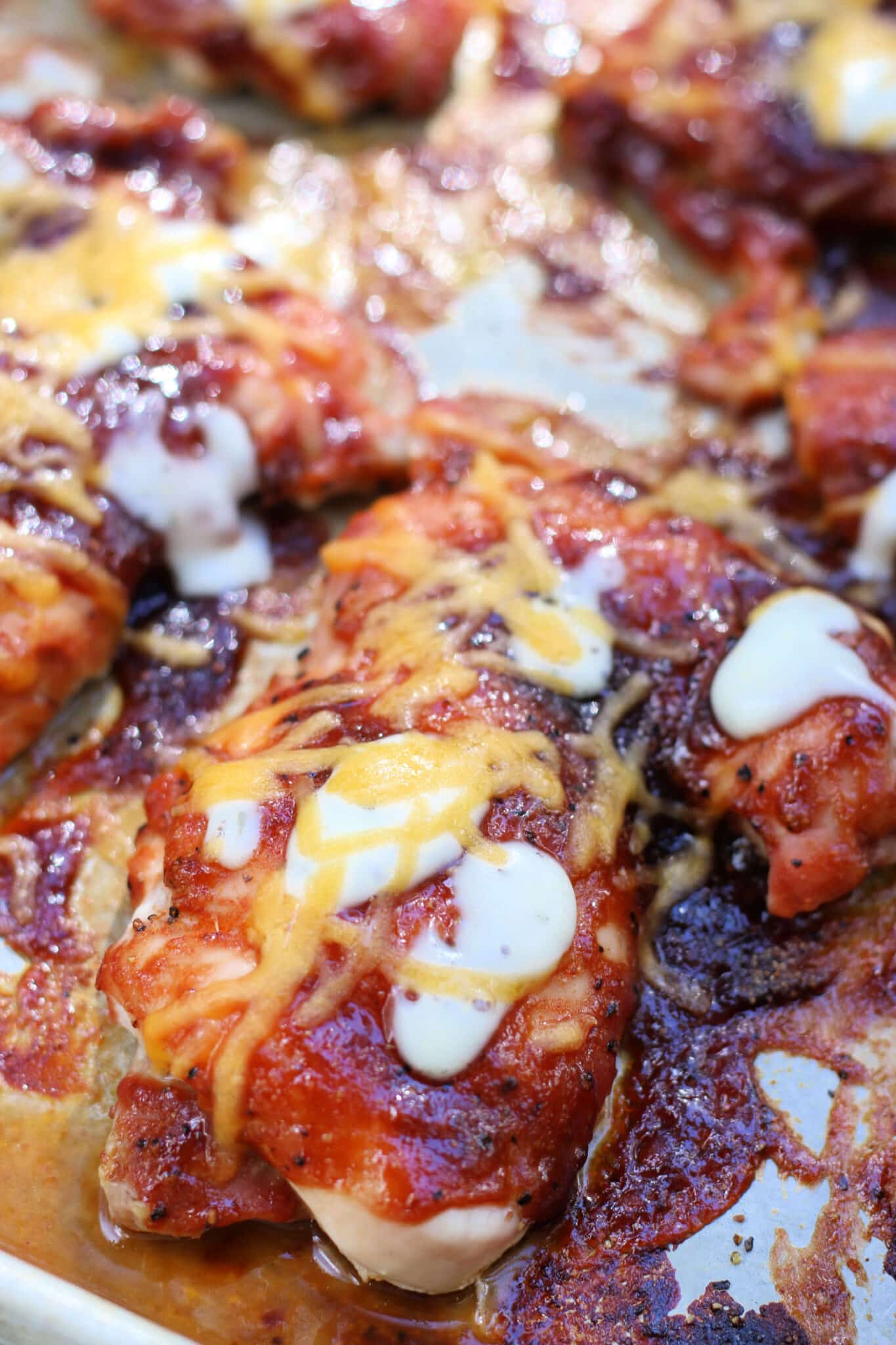
The term "Mississippi Mud" has historically been associated with the dessert world, specifically the Mississippi Mud Pie, a decadent chocolate treat meant to resemble the dark, rich soil of the Mississippi River banks. However, in recent years, the nomenclature has crossed over into savory territory. In the context of BBQ Mississippi Mud Chicken, the "mud" refers to the heavy application of barbecue sauce and ranch dressing, which, when baked, melds into a thick, flavorful coating. This transition highlights a broader trend in American gastronomy where traditional Southern flavor profiles are being reimagined through the lens of convenience and "fusion" comfort food.
The dish utilizes chicken thighs, a cut of meat that has seen a dramatic rise in popularity among both professional chefs and home cooks. Unlike the leaner chicken breast, the thigh contains more intramuscular fat and connective tissue. When subjected to the 400°F temperatures required for this recipe, the fat renders, basting the meat from within and creating a barrier against the drying effects of the oven. This choice of protein is essential for a dish that undergoes a multi-stage baking process, as it maintains its integrity far better than white meat under the weight of heavy sauces and cheeses.
Step-by-Step Chronology of the Mississippi Mud Technique
The preparation of BBQ Mississippi Mud Chicken follows a precise chronological sequence designed to maximize flavor depth and ensure food safety through proper internal temperature management.
- Pre-Heating and Surface Preparation: The process begins with the oven being calibrated to 400°F (approximately 204°C). This high heat is necessary to trigger the Maillard reaction—a chemical reaction between amino acids and reducing sugars that gives browned food its distinctive flavor. The baking sheet is typically prepared with non-stick spray or lined with parchment paper to manage the caramelization of the sugars in the barbecue sauce.
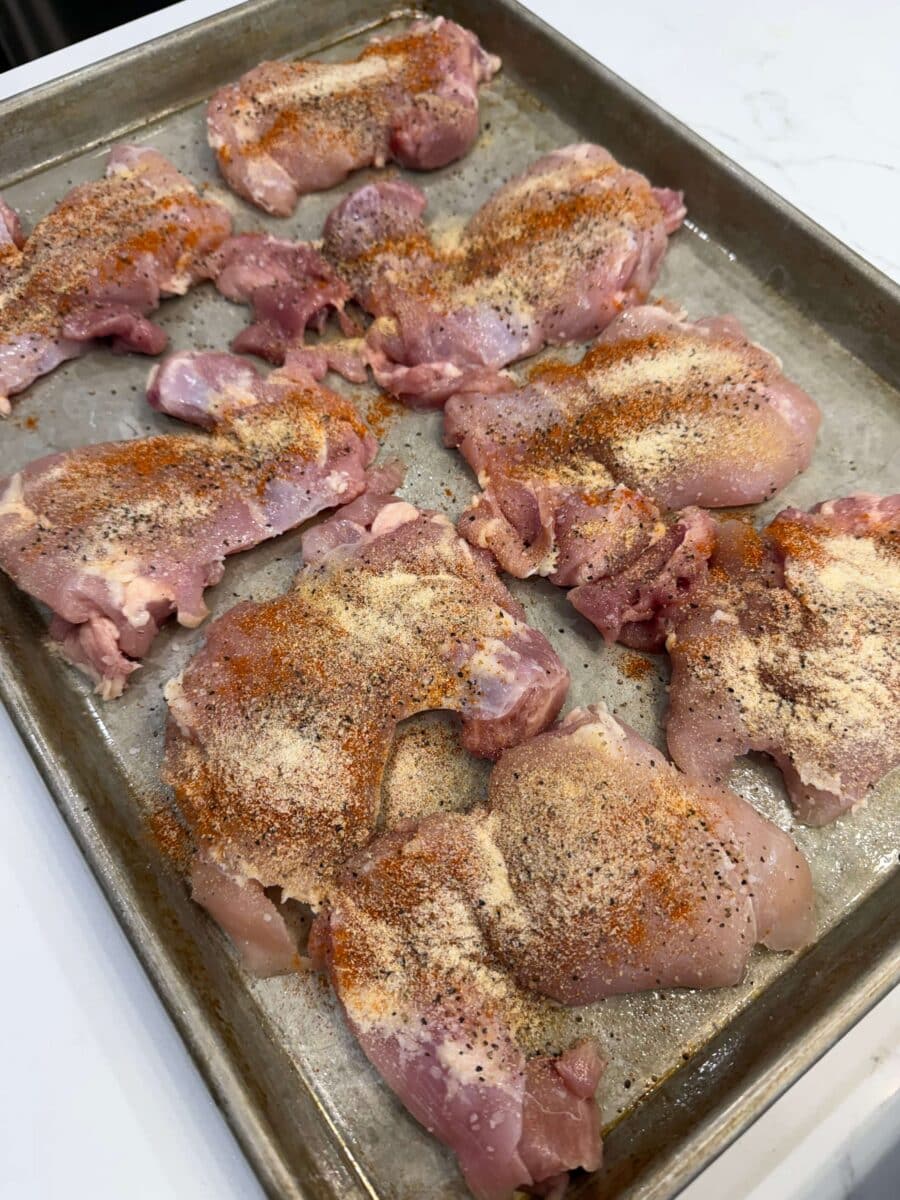
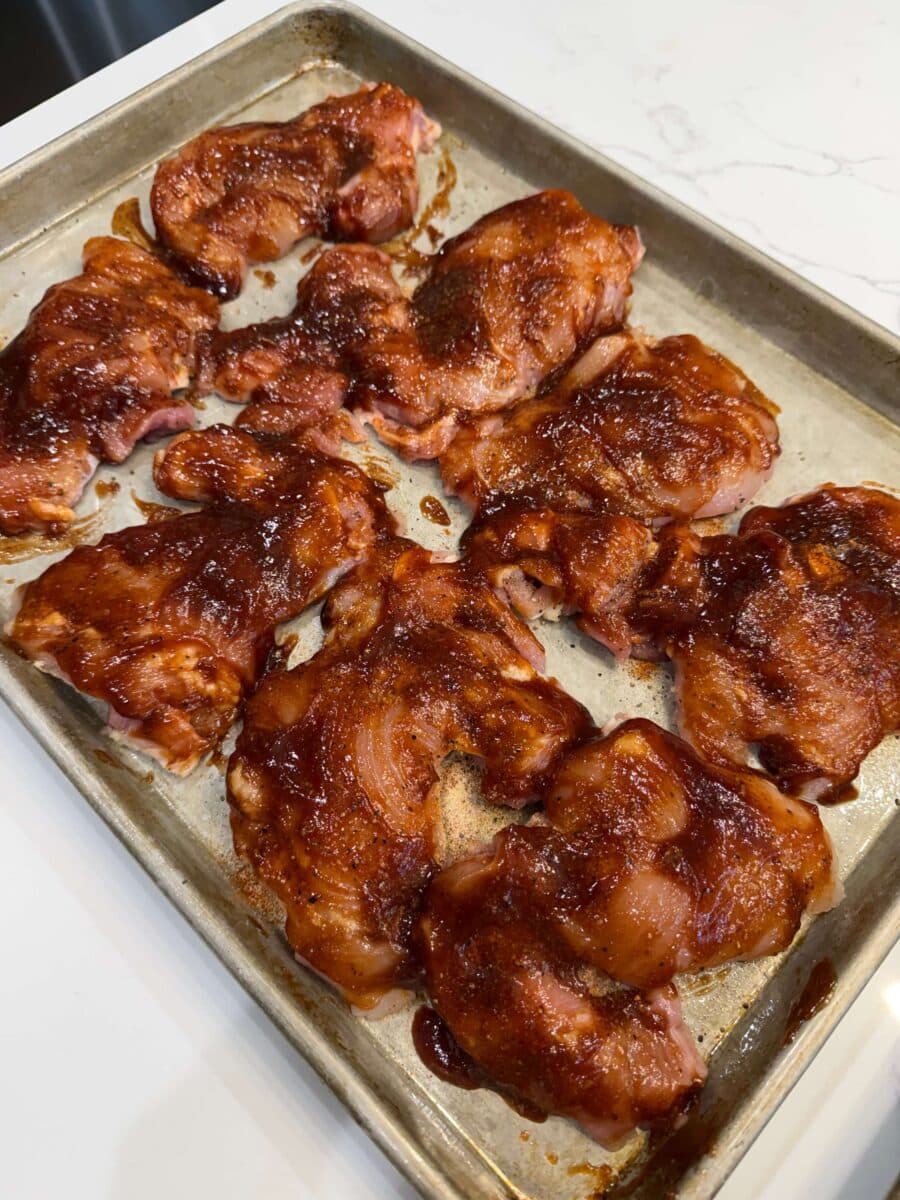
- Dry Rub Application: The raw chicken thighs are placed on the sheet and seasoned with a specific blend of salt, black pepper, garlic powder, onion powder, and paprika. This dry base serves as the primary layer of flavor, with the paprika providing both a mild earthiness and a vibrant reddish hue that complements the subsequent barbecue glaze.
- The Primary Glaze: Using a basting brush, a thick layer of barbecue sauce is applied to each thigh. This stage occurs before the initial bake, allowing the sugars in the sauce to begin the caramelization process, which creates a tacky, concentrated flavor base.
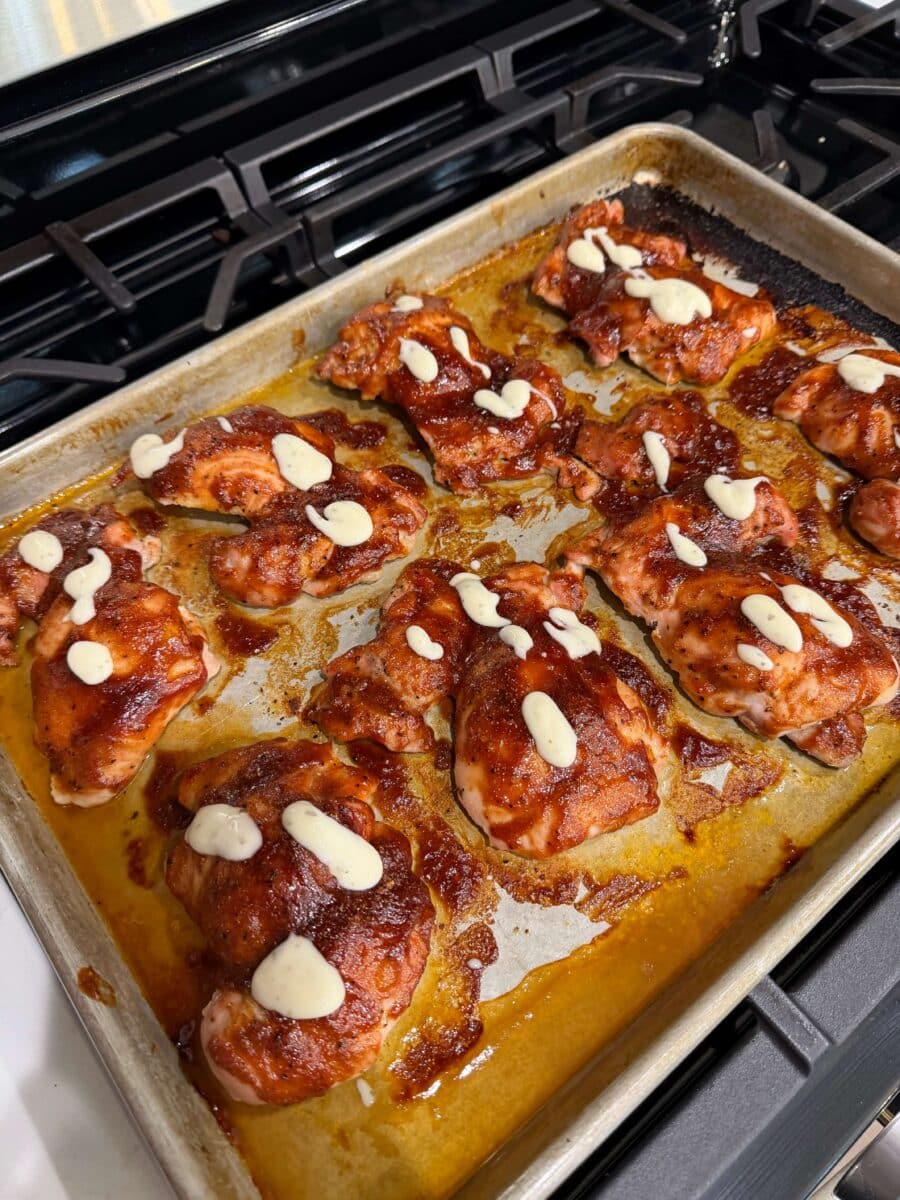
- The Initial Roast: The chicken is baked for a standard duration of 30 minutes. During this window, the internal temperature of the chicken reaches a safe threshold (typically 165°F), and the skin—if present—or the outer fibers of the meat begin to firm up.
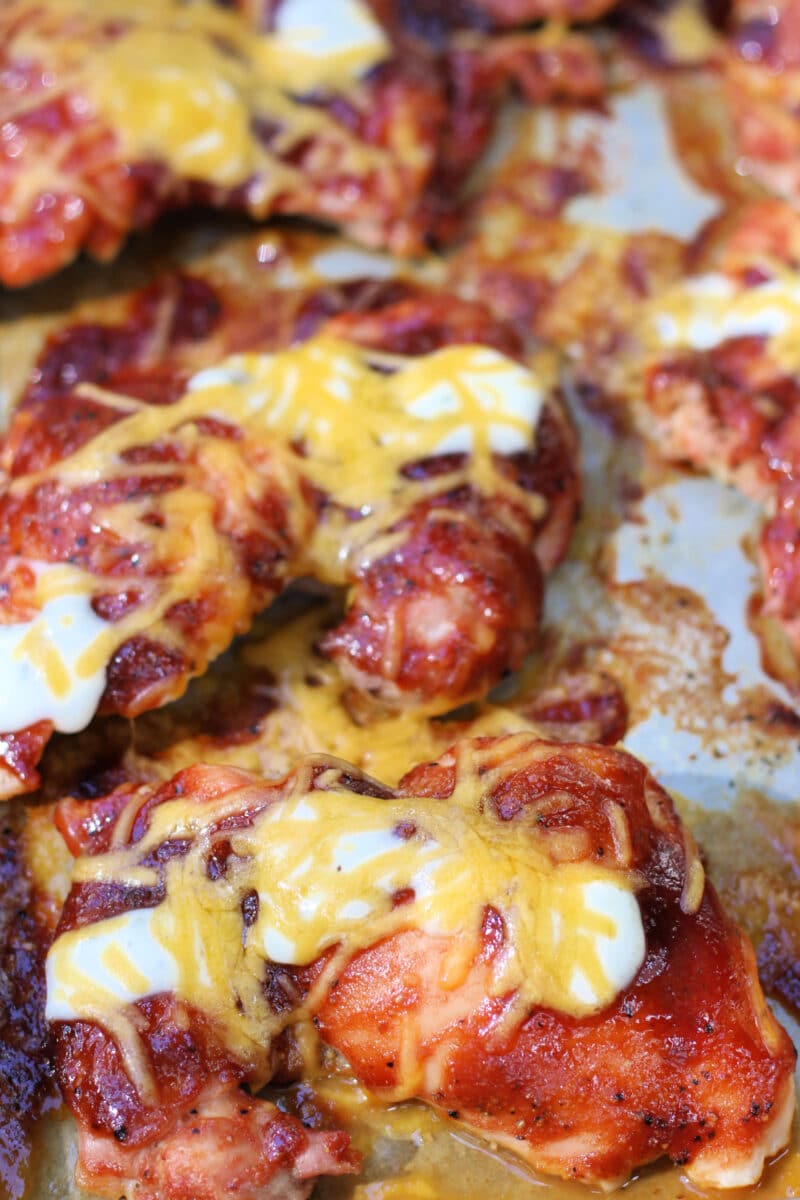
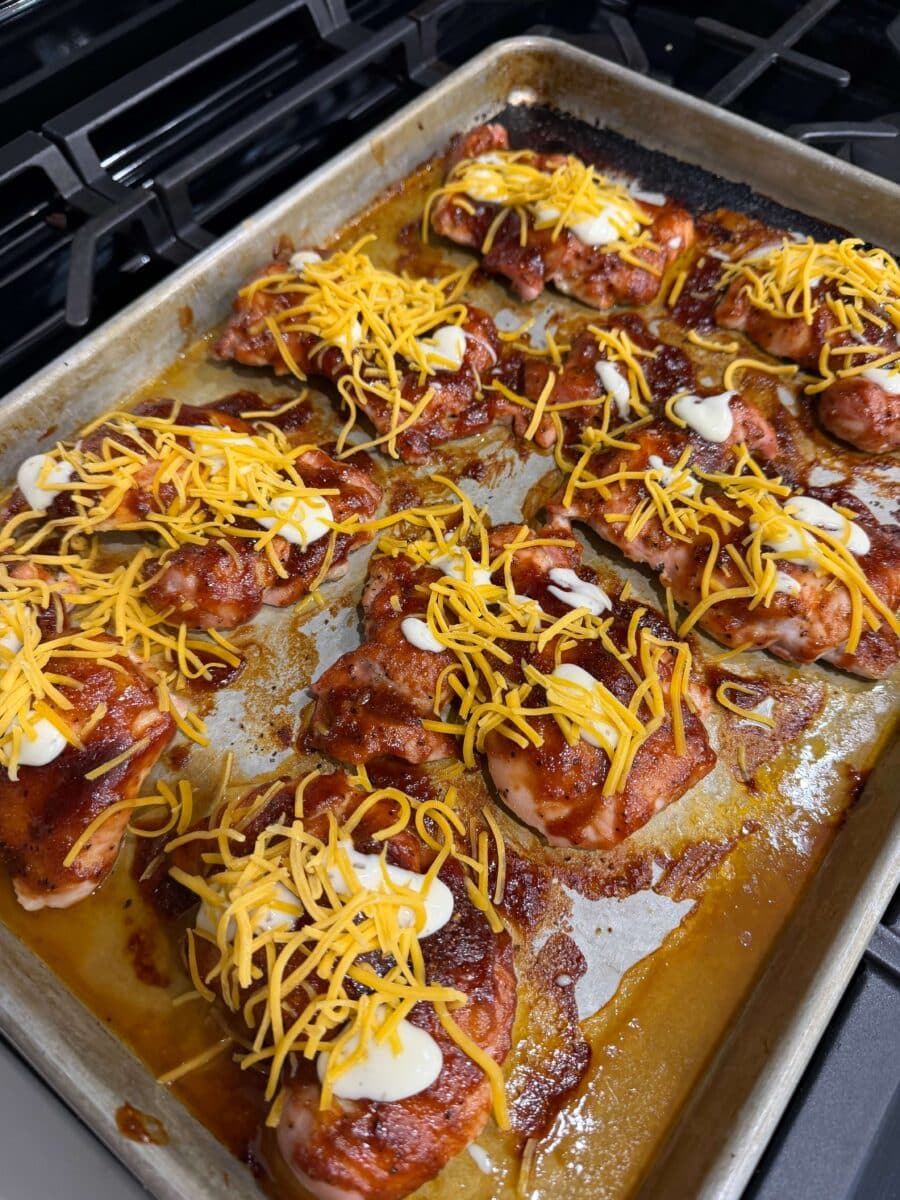
- The Layering Phase: After the initial 30 minutes, the chicken is removed briefly. A tablespoon of ranch dressing is drizzled over each piece, followed by approximately two tablespoons of shredded cheddar cheese. This layering is critical; the ranch provides acidity and moisture, while the cheddar adds a sharp, salty finish.
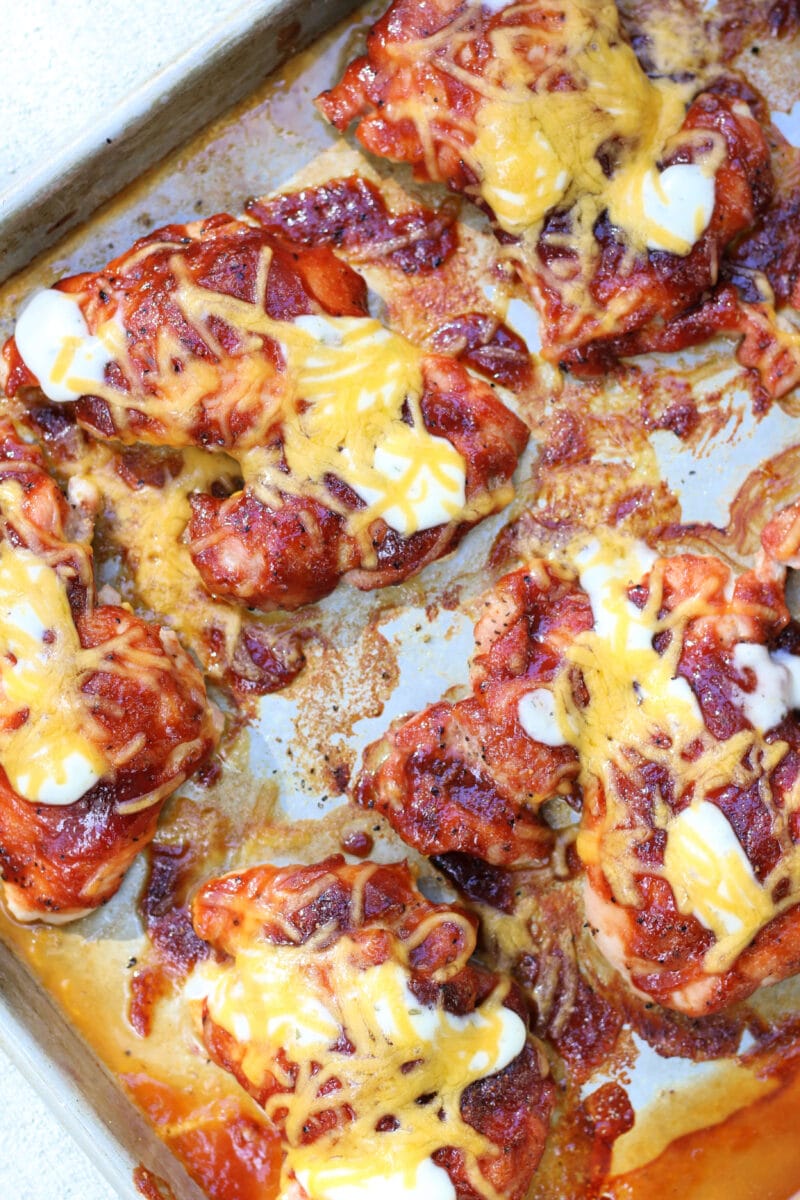
- The Final Melt: The pan is returned to the oven for a final three minutes. This short burst of heat is sufficient to melt the cheese and slightly "set" the ranch dressing without causing the dairy components to separate or burn.
Ingredient Analysis: The Science of Fusion Flavors
The success of BBQ Mississippi Mud Chicken lies in the chemical interaction between its core components. Barbecue sauce, which is typically tomato-based with high sugar content (from molasses, honey, or high-fructose corn syrup) and acidic elements (vinegar), provides a sweet-and-sour foundation. When exposed to heat, the water evaporates, leaving behind a concentrated glaze.
The addition of ranch dressing introduces a secondary layer of complexity. Modern ranch dressing is an emulsion of buttermilk, mayonnaise, and herbs like dill and chives. The lactic acid in the buttermilk acts as a tenderizer, while the fat content adds a creamy mouthfeel that offsets the smokiness of the barbecue sauce. This combination—barbecue and ranch—is often referred to in culinary circles as "Manch" or "BBQ Ranch," a flavor profile that has seen a 15% increase in menu appearances over the last five years, according to industry food trend reports.
Cheddar cheese serves as the final structural element. A sharp cheddar is usually recommended for this recipe because its lower moisture content and higher acidity allow it to melt smoothly while maintaining a distinct flavor that isn’t overshadowed by the bold sauces. The result is a dish that hits multiple sensory points: sweet, salty, tangy, and savory.
The Economic Rise of the Chicken Thigh
The shift toward chicken thigh-based recipes like Mississippi Mud Chicken is also reflective of broader economic trends in the poultry industry. For decades, the American market was dominated by a preference for white meat, leading to a significant price disparity between breasts and thighs. However, data from the USDA and market analysts show a narrowing of this gap as consumers become more educated on the culinary benefits of dark meat.
In the current inflationary environment, chicken thighs remain a more cost-effective option for families. They are also more "forgiving" in the kitchen. In a newsroom-style analysis of household waste, recipes that utilize thighs are found to have a higher success rate because the meat does not become "rubbery" if overcooked by a few minutes—a common occurrence in busy households managing multiple tasks.
Sheet Pan Cooking: A Modern Culinary Shift
BBQ Mississippi Mud Chicken is a prime example of the "sheet pan dinner" phenomenon, a trend that has revolutionized home meal preparation in the 21st century. Market research indicates that "one-pan" or "sheet-pan" recipes are among the most searched terms on digital recipe platforms.
The implications of this shift are twofold:
- Efficiency: By utilizing a single vessel for cooking, households reduce water and energy consumption associated with cleanup.
- Flavor Integration: When chicken, sauces, and fats are cooked together on a single flat surface, the drippings create a communal "jus" that can be used to flavor accompanying vegetables, such as corn or potatoes, which are often roasted alongside the protein.
Nutritional and Dietary Considerations
From a nutritional standpoint, BBQ Mississippi Mud Chicken is a protein-dense meal, though it is high in sodium and fats due to the processed nature of commercial barbecue sauces and ranch dressings. A standard serving of two chicken thighs with the prescribed toppings can range from 450 to 600 calories.
Dietary analysts suggest that for those monitoring caloric intake, "low-sugar" barbecue sauces and Greek yogurt-based ranch dressings can be substituted without compromising the fundamental structure of the dish. Furthermore, the recipe is naturally gluten-free, provided the barbecue sauce used does not contain thickening agents derived from wheat, making it a versatile option for diverse dietary needs.
Cultural Impact and Broader Implications
The rise of dishes like BBQ Mississippi Mud Chicken reflects a broader cultural shift toward "semi-homemade" cooking. This culinary philosophy, popularized by figures like Sandra Lee, emphasizes the use of high-quality store-bought staples (like bottled ranch and BBQ sauce) to create a meal that feels artisanal. In a fast-paced society, the ability to produce a "family-friendly dinner that’s packed with flavor" in under 40 minutes is more than a convenience; it is a necessity for maintaining the tradition of the family dinner.
Industry experts note that the "Mississippi Mud" branding also taps into a sense of regional nostalgia. Even for consumers outside the American South, the name evokes a sense of "down-home" cooking and hospitality. This psychological branding, combined with the undeniable utility of the sheet-pan method, ensures that recipes like BBQ Mississippi Mud Chicken will remain a fixture in the American culinary lexicon for the foreseeable future.
In conclusion, BBQ Mississippi Mud Chicken is not merely a recipe but a reflection of the intersection between traditional flavors and modern lifestyle demands. Its reliance on accessible ingredients, its strategic use of high-heat roasting, and its clever layering of flavor profiles make it a benchmark for contemporary domestic cooking. As families continue to seek balance between time constraints and the desire for high-quality meals, the "Mississippi Mud" approach offers a reliable, repeatable, and highly satisfying solution.
