
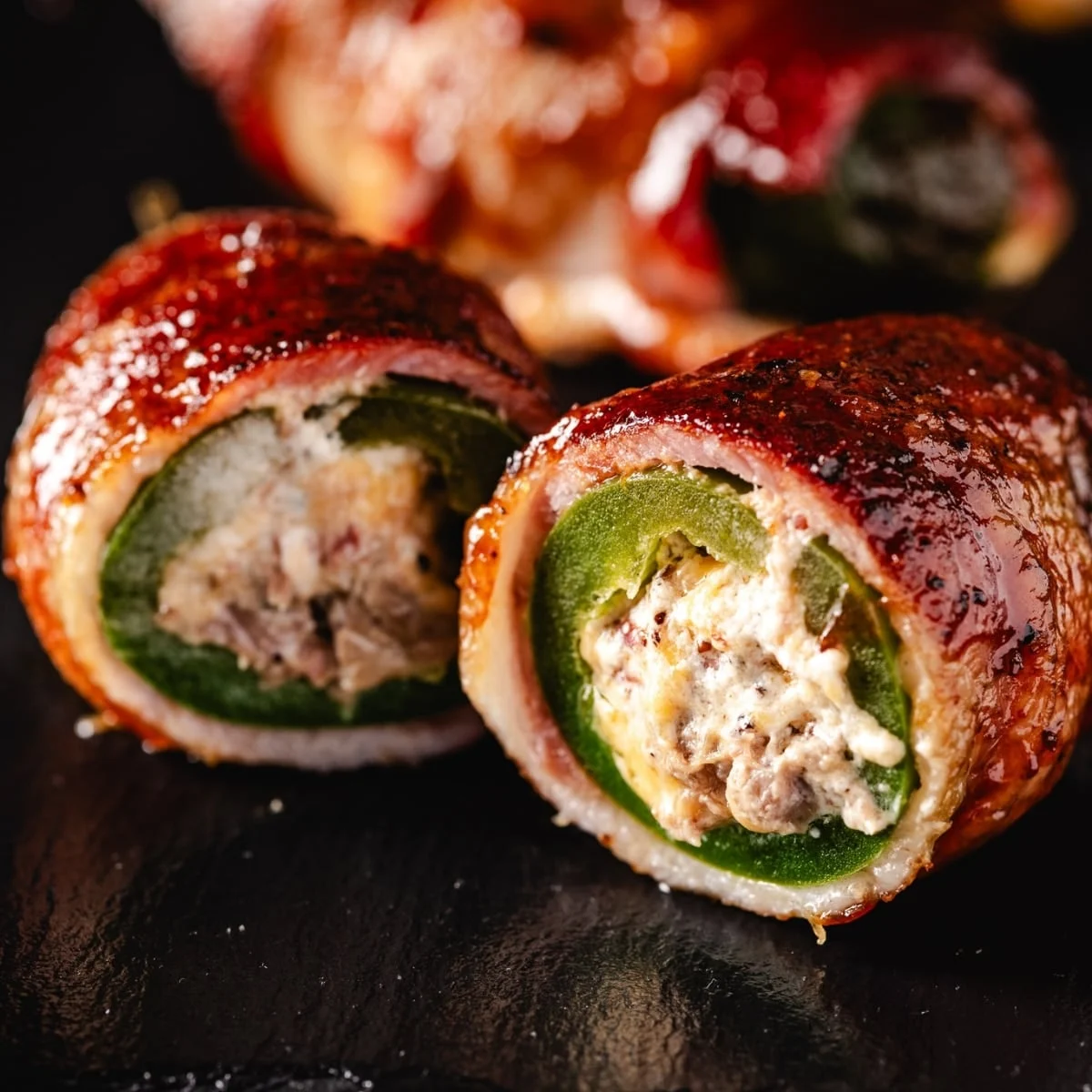
The Texas Twinkie has emerged as a cornerstone of modern barbecue culture, representing a sophisticated fusion of traditional Tex-Mex flavors and low-and-slow smoking techniques. While the name may evoke images of a cream-filled sponge cake, the reality is far more savory: a large jalapeño pepper deseeded and stuffed with a rich mixture of cream cheese and chopped smoked brisket, wrapped tightly in thick-cut bacon, seasoned with specialized dry rubs, and smoked until the bacon reaches a perfect lacquered finish. This culinary creation has transitioned from a local specialty in North Texas to a viral sensation, fueled by the rise of social media food culture and the increasing accessibility of high-end smoking equipment for home enthusiasts.
The Genesis of a Barbecue Icon
The chronology of the Texas Twinkie is inextricably linked to Hutchins BBQ, a multi-generational establishment located in McKinney and Frisco, Texas. While jalapeño poppers—peppers stuffed with cheese and wrapped in bacon—have been a staple of American bar food since the late 20th century, the innovation of incorporating high-quality, smoked brisket transformed the dish from a simple appetizer into a premium delicacy.

Hutchins BBQ introduced the Texas Twinkie approximately a decade ago, seeking a way to utilize the "point" and "flat" trimmings of their world-class briskets. The dish quickly became a signature item, often selling out within hours of the restaurant opening. By 2018, the popularity of the item had reached such a crescendo that it began appearing on menus across the United States, from craft barbecue pits in Brooklyn to backyard smokers in the Pacific Northwest. The democratization of the recipe was further accelerated by culinary influencers like Susie Bulloch of Hey Grill Hey, who adapted the professional pitmaster techniques for the domestic kitchen, incorporating signature elements such as "Sweet Rubs" and "Texas Style BBQ Sauces" to balance the heat of the jalapeño.
The Anatomy and Engineering of the Perfect Texas Twinkie
The construction of a Texas Twinkie is a precise exercise in culinary layering and temperature management. Unlike standard appetizers, the structural integrity of the pepper and the moisture content of the filling must be carefully managed to survive a multi-hour smoking process.
The Jalapeño Base
The selection of the pepper is the first critical step. Large, straight jalapeños are preferred for their capacity to hold the brisket filling. On the Scoville Heat Scale, jalapeños typically range from 2,500 to 8,000 units. The heat is primarily concentrated in the seeds and the internal pith (ribs). Journalistic analysis of the preparation process reveals that thorough deseeding is essential not only for heat control but also to create the maximum internal volume for the stuffing.

The Filling: A Study in Texture
The filling is a composite of textures. Cream cheese provides a smooth, cooling counterpoint to the spice, while sharp cheddar adds a salty, aged depth. However, the defining ingredient is the brisket. Pitmasters emphasize that the brisket should be pre-smoked and tender. Using leftover brisket is a common practice, as the fat has already rendered, allowing the meat to integrate seamlessly with the melting cheeses during the second round of smoking.
The Bacon Wrap and the Seasoning
The "wrap" serves a dual purpose: it seals the filling inside the pepper and provides a fatty basting agent that prevents the jalapeño from drying out. Traditional recipes call for thick-cut bacon, which can withstand the 250-degree Fahrenheit environment of a smoker for two hours without becoming brittle. The application of a "Sweet Rub"—typically a blend of brown sugar, paprika, garlic powder, and onion powder—facilitates the Maillard reaction, resulting in a caramelized, mahogany exterior.
Data and Market Trends in the BBQ Industry
The rise of specialized appetizers like the Texas Twinkie correlates with broader economic trends in the barbecue industry. According to market research, the global barbecue grill market was valued at approximately $5.4 billion in 2023 and is projected to grow significantly through 2030. This growth is driven by a shift toward "experiential cooking" and the "premiumization" of backyard dining.

Supporting data suggests that consumers are increasingly seeking "low-and-slow" recipes that justify the investment in pellet grills, offset smokers, and ceramic kamado-style cookers. The Texas Twinkie fits this niche perfectly. It requires technical skill—managing a fire, balancing flavors, and timing the render of the bacon—but offers a high visual and gustatory payoff. Furthermore, search engine data indicates a 40% year-over-year increase in queries related to "brisket appetizers" and "smoked jalapeño recipes," underscoring the dish’s status as a viral food trend.
Technical Chronology of the Smoking Process
To achieve the professional standard set by Texas pitmasters, the smoking process must follow a rigorous timeline:
- Preparation (Hour 0): Peppers are sliced lengthwise or "T-cut" to remove seeds. The filling—a ratio of approximately 60% brisket to 40% cheese—is piped or spooned into the cavity.
- Encapsulation (Hour 0.5): Bacon is wrapped in a spiral pattern, ensuring total coverage of the pepper’s opening to prevent cheese leakage.
- The Smoke Phase (Hours 1–2): The Twinkies are placed in a smoker preheated to 250°F (121°C). Hickory or oak wood is typically used to provide a robust smoke profile that can penetrate the bacon.
- The Glazing Phase (Final 15 Minutes): A Texas-style BBQ sauce—characterized by its tomato base and peppery finish—is brushed onto the bacon. The temperature may be slightly increased to "set" the sauce into a tacky, glass-like glaze.
- Resting (Post-Smoke): A 10-minute rest period is essential. This allows the molten cheese to firm up slightly, preventing it from flowing out when the pepper is bitten or sliced.
Industry Responses and Pitmaster Perspectives
The culinary community has largely embraced the Texas Twinkie as a testament to the versatility of smoked meats. Susie Bulloch, a prominent figure in the barbecue world and founder of Hey Grill Hey, has noted that the dish represents a "Backyard BBQ Hero" moment for many home cooks. By providing accessible versions of these complex recipes, influencers have bridged the gap between the exclusive world of competitive barbecue and the general public.

Professional pitmasters often view the Texas Twinkie as a solution to the "waste problem" in high-volume barbecue restaurants. Brisket trimmings, which might otherwise be discarded or relegated to sausage filler, are elevated to a premium price point when served inside a jalapeño. This "zero-waste" approach has become a model for modern sustainable kitchen management in the meat industry.
Broader Cultural Impact and Implications
The Texas Twinkie is more than just a recipe; it is a cultural artifact of the "Texas Brand." It embodies the state’s "bigger is better" philosophy and its penchant for bold, aggressive flavors. The dish’s popularity has also sparked a wave of regional variations. In the Midwest, some versions replace brisket with pulled pork, while in the Carolinas, a vinegar-based sauce is used for the final glaze.
However, the "Texas" designation remains the gold standard. The success of Hutchins BBQ in shipping these items nationwide via e-commerce platforms demonstrates a significant shift in how regional food specialties are consumed. Consumers in New York or California are now willing to pay premium shipping rates to experience an authentic Texas Twinkie, effectively turning a local snack into a national commodity.

As the barbecue landscape continues to evolve, the Texas Twinkie stands as a reminder of the power of innovation within traditional frameworks. It takes the most basic elements of fire, smoke, meat, and spice and reconfigures them into something that is simultaneously familiar and revolutionary. For the home cook, it remains the ultimate test of smoking proficiency; for the diner, it is a decadent explosion of Texas flavor that has earned its place in the pantheon of great American appetizers.
