
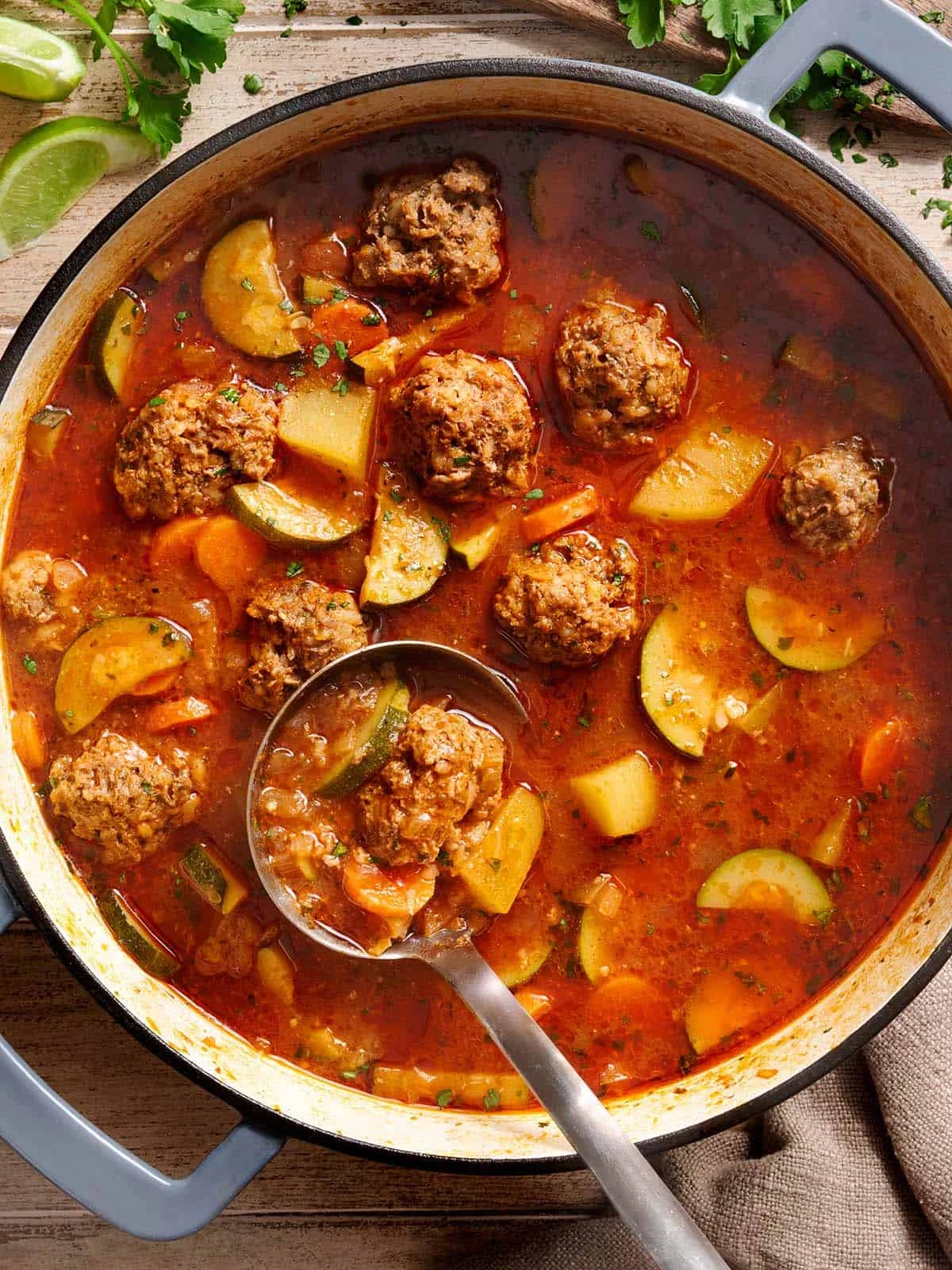
The traditional Mexican meatball soup, known as Albóndigas, has emerged as a focal point for culinary researchers and home economists seeking to bridge the gap between cultural heritage and modern budgetary constraints. Originating from a complex lineage of Mediterranean and Mesoamerican influences, the dish has transitioned from a communal staple to a high-efficiency meal-prep solution in the 21st century. Recent data from the Nashville Test Kitchen, a culinary research facility dedicated to recipe optimization, highlights the dish’s capacity to provide a nutritionally dense meal for as little as $2.13 per serving. This economic efficiency, combined with the soup’s inherent adaptability to dietary restrictions such as gluten-free requirements, positions Albóndigas as a significant subject in the study of sustainable and affordable domestic gastronomy.
Historical Chronology and Cultural Migration
The history of Albóndigas is a testament to the global nature of food evolution, spanning over a millennium and several continents. The term itself is derived from the Arabic word "al-bunduq," meaning hazelnut, or by extension, a small round object. This etymological root points to the dish’s origins in the Islamic world of the Middle East and North Africa. During the Umayyad conquest of Hispania in the 8th century, these culinary techniques were introduced to the Iberian Peninsula.
In Spain, the dish evolved into "albóndigas," typically served as tapas or in light stews. When Spanish explorers and settlers arrived in the Americas in the 16th century, they brought these recipes with them. In the region that would become Mexico, the dish underwent a profound transformation. Local ingredients, such as tomatoes, squash (zucchini), and various chilies, were integrated into the broth. Furthermore, the Mexican iteration of the soup became a "plato fuerte" or a main course, distinguished by a light, tomato-infused beef broth and the inclusion of hearty vegetables like potatoes and carrots.
By the 20th century, Albóndigas had become a cornerstone of Mexican-American cuisine, particularly in the Southwestern United States. In the modern era, the dish has seen a resurgence as home cooks prioritize "comfort foods" that are both shelf-stable and cost-effective. The current iteration developed by culinary experts like Jennie Alley emphasizes the use of uncooked rice as a binding agent—a technique that likely originated as a way to stretch expensive meat portions during times of economic hardship, now repurposed as a functional gluten-free alternative to traditional breadcrumbs.
Culinary Architecture and Ingredient Analysis
The Nashville Test Kitchen’s recent analysis of the Albóndigas recipe reveals a sophisticated balance of macronutrients and aromatics designed for both flavor depth and logistical ease. The construction of the soup is divided into two primary phases: the engineering of the meatball and the development of the simmering base.
The Meatball Matrix
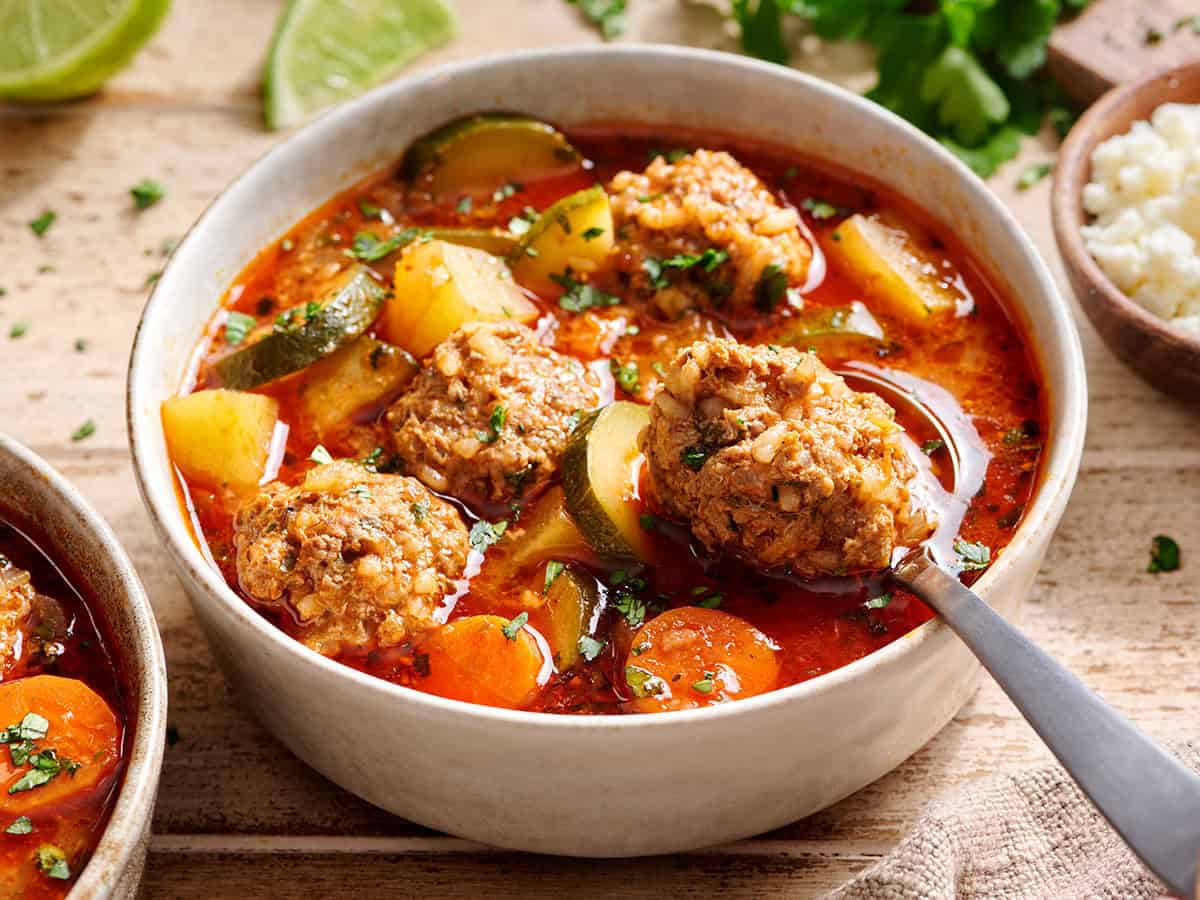
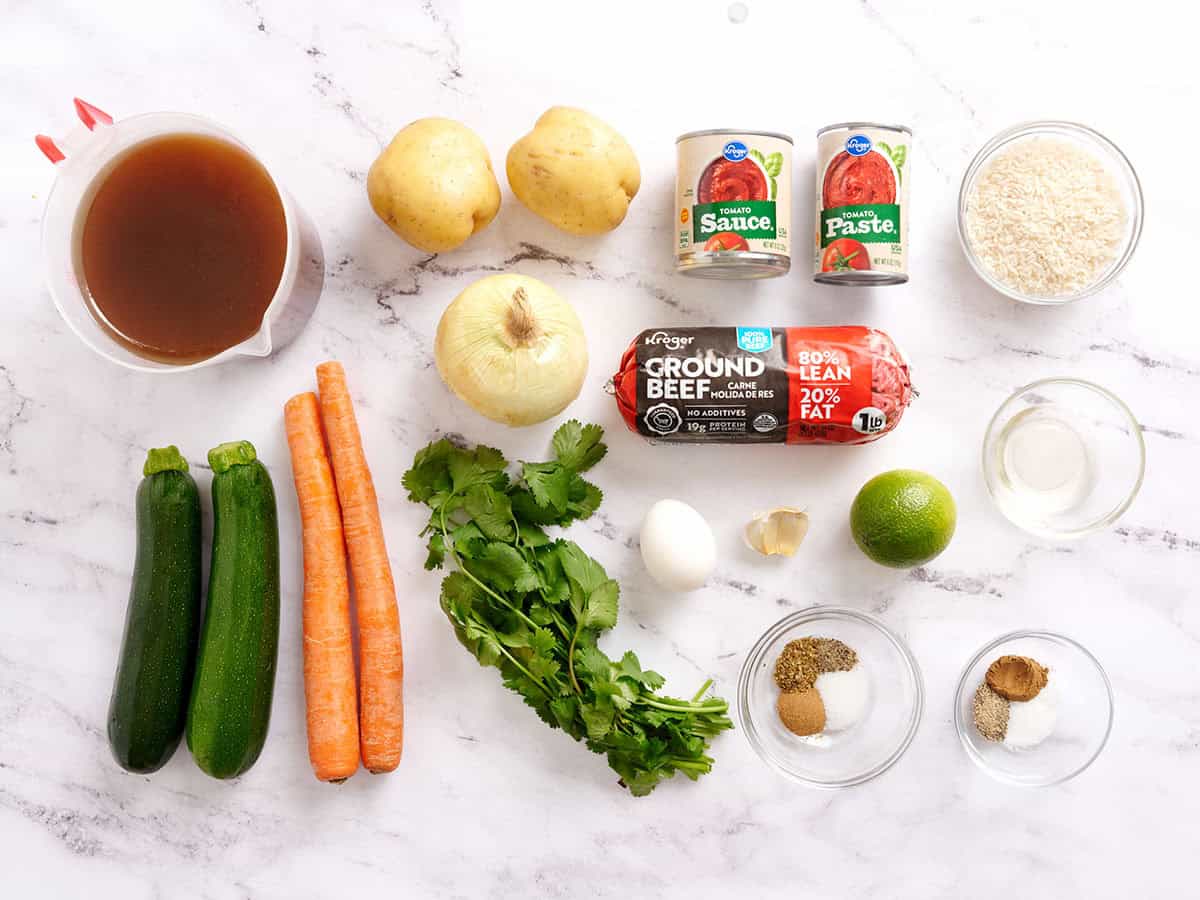
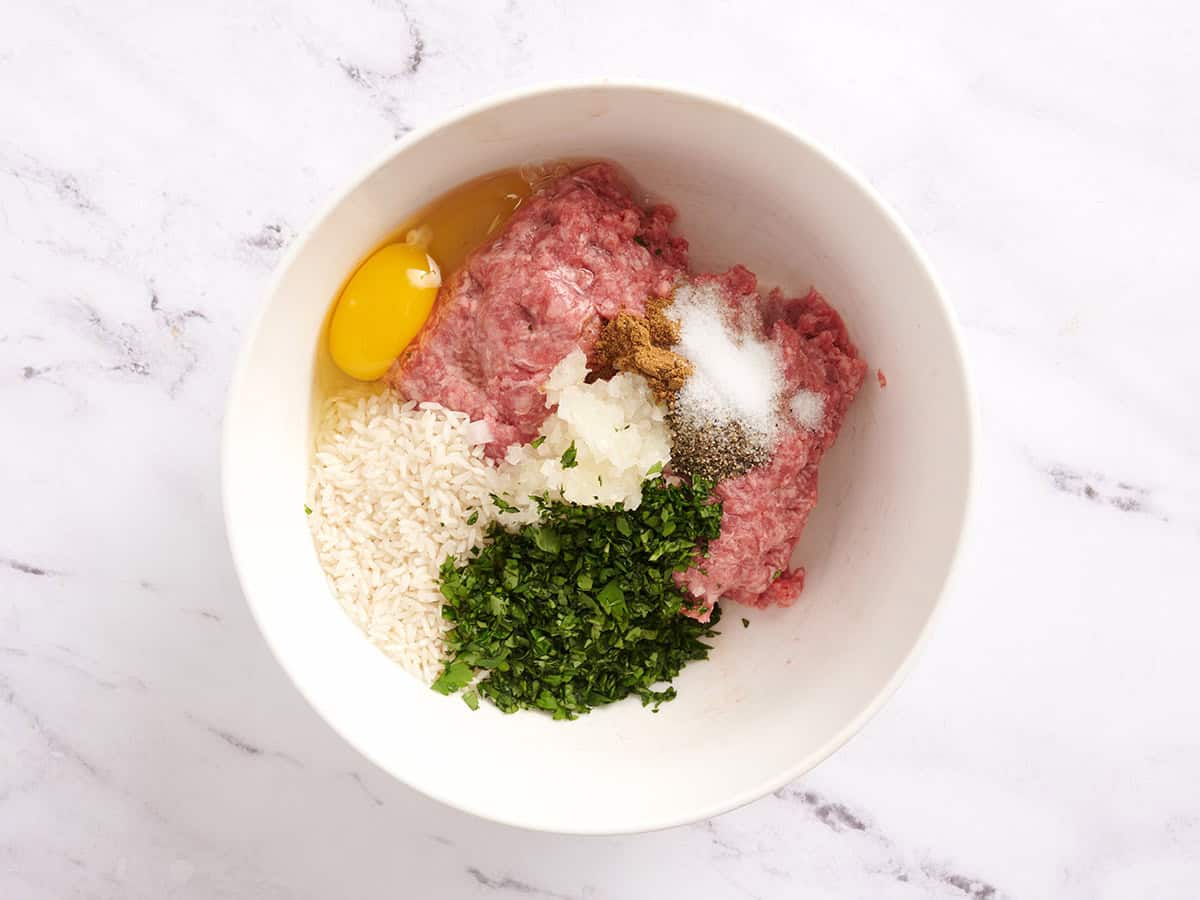
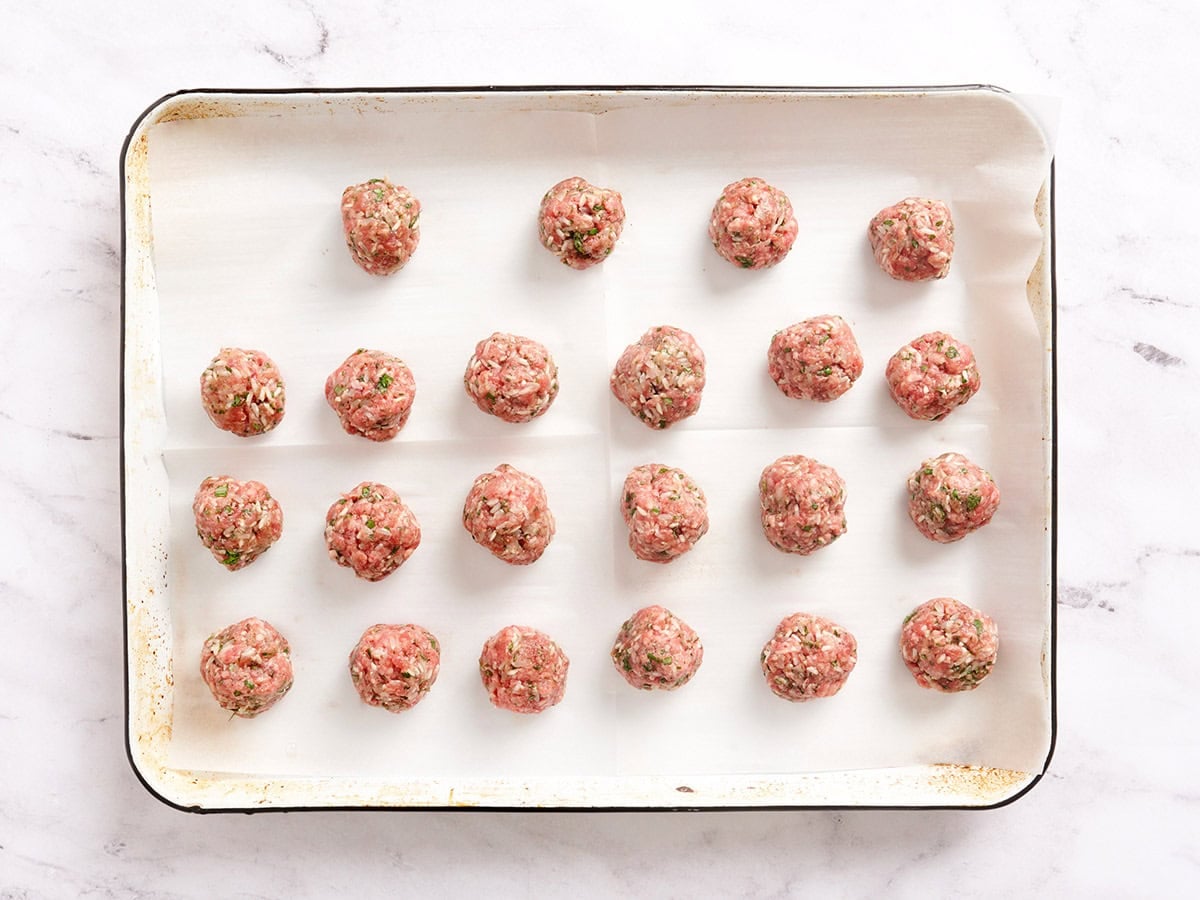
The modern Albóndigas meatball typically utilizes a 1-pound base of ground beef. The integration of 1/2 cup of uncooked white rice is the most critical technical aspect of the recipe. As the meatballs simmer, the rice grains absorb the surrounding moisture, expanding within the meat structure. This creates a "tenderizing" effect, preventing the beef from becoming overly dense or tough. Supporting ingredients include finely minced onion, garlic, and fresh cilantro, which provide volatile aromatic compounds that penetrate the meat during the cooking process.
The Broth and Vegetable Components
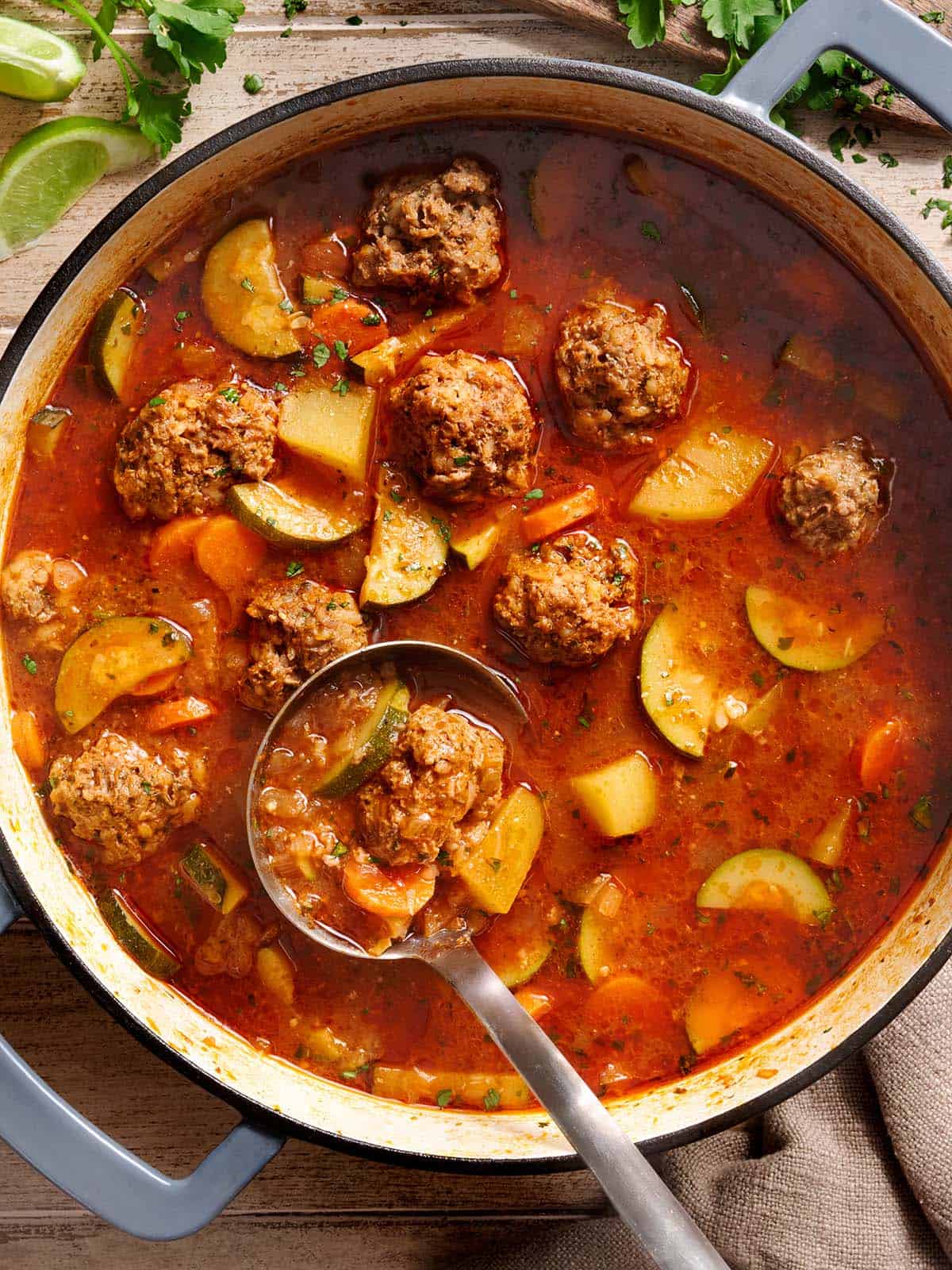
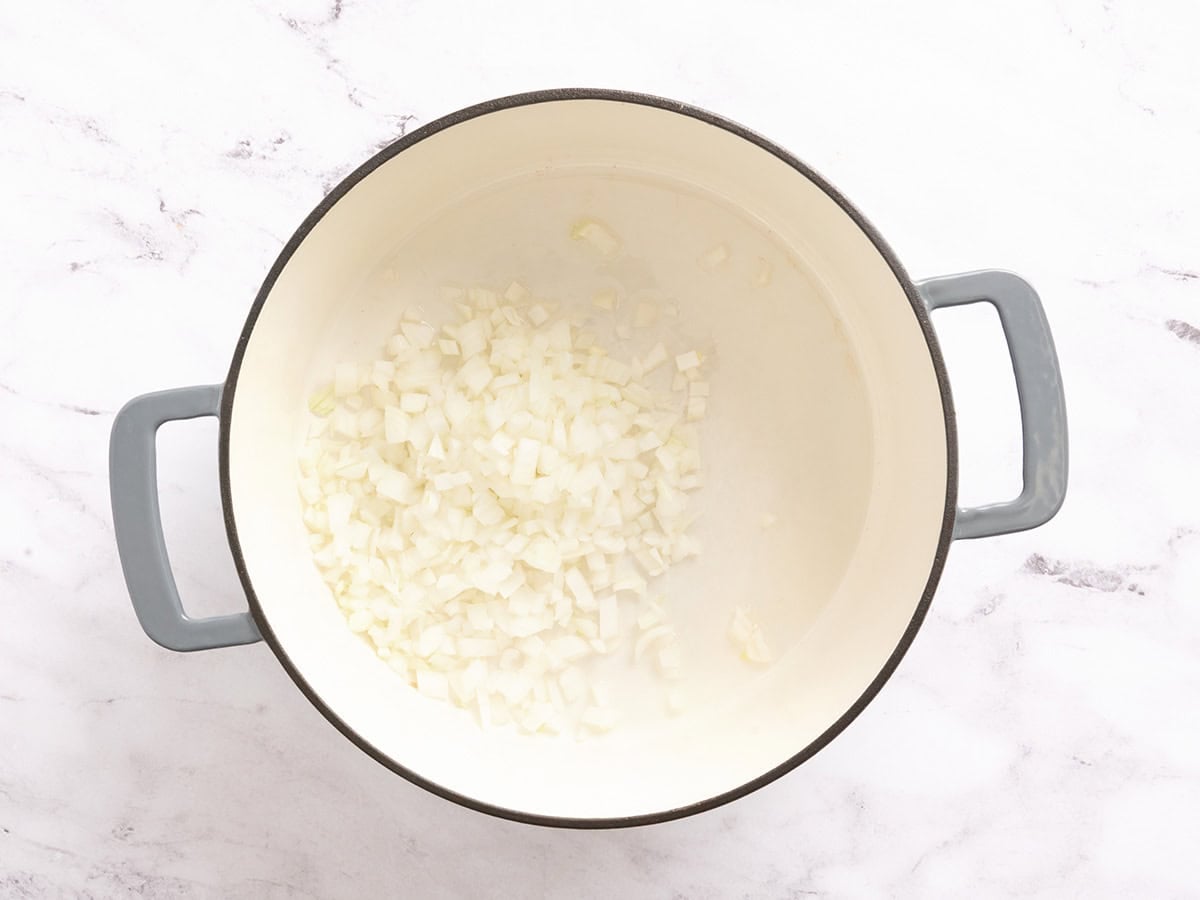
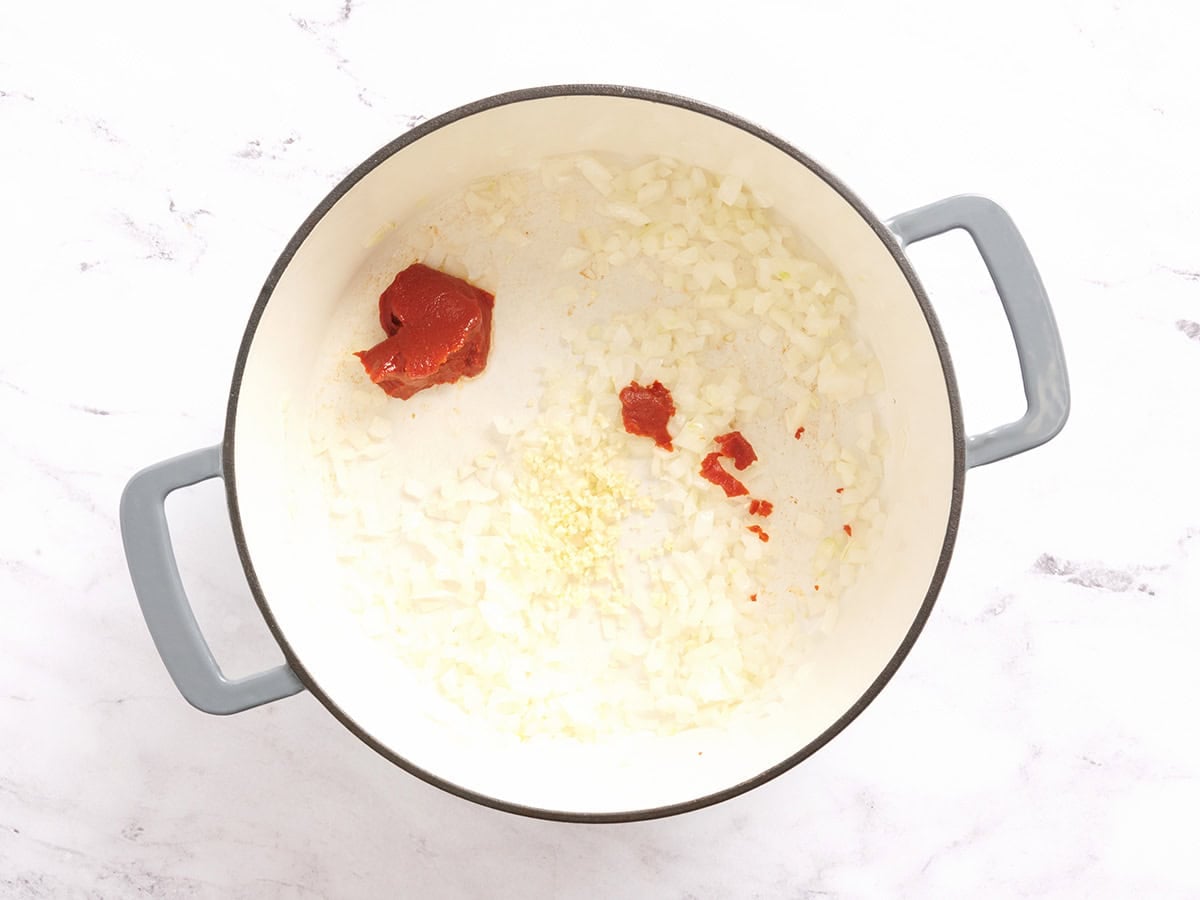
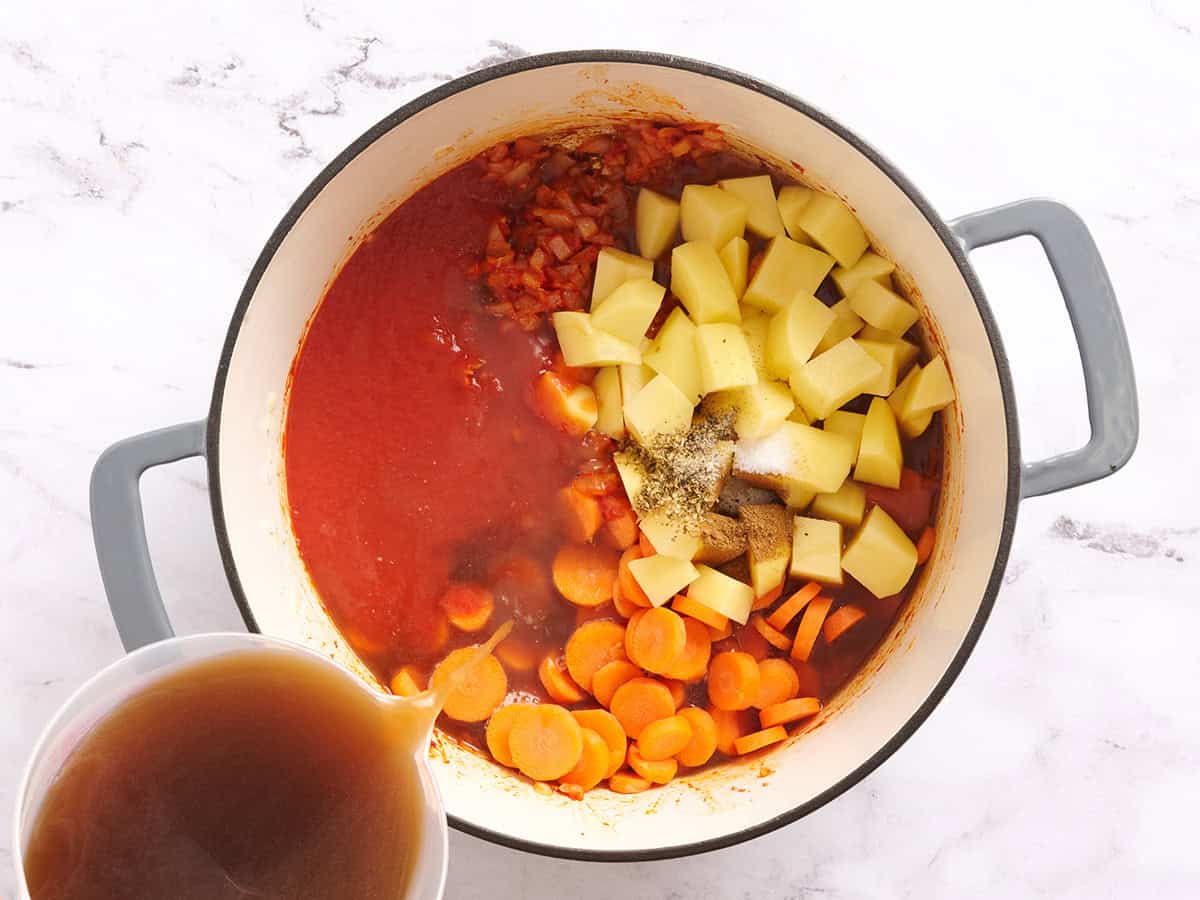
The soup base is constructed using a "sofrito-lite" method, beginning with sautéed onions and garlic, followed by the caramelization of tomato paste to deepen the umami profile. The liquid base typically consists of six cups of beef broth and one cup of tomato sauce. The vegetable selection—Yukon gold potatoes, carrots, and zucchini—is strategic. Potatoes and carrots are added early due to their longer cooking times and ability to release starches that slightly thicken the broth. Zucchini is added in the final five minutes to preserve its structural integrity and vibrant color.
Economic Data and Cost-Per-Serving Metrics
In an era of fluctuating food prices and high inflation, the economic profile of Albóndigas is particularly noteworthy. According to the Bureau of Labor Statistics’ Consumer Price Index, the cost of "food at home" has seen significant volatility over the past 36 months. In this context, the Nashville Test Kitchen’s standardized cost for a full pot of Mexican Meatball Soup is $12.78.
When broken down into six generous servings of two cups each, the cost is approximately $2.13 per person. This price point is significantly lower than the average cost of a fast-casual meal in the United States, which currently ranges from $12.00 to $18.00. The use of "Better Than Bouillon" or similar concentrated bases is cited as a key factor in maintaining these low costs without sacrificing flavor density. Furthermore, the recipe’s reliance on "pantry staples" like rice, dried oregano, and cumin reduces the need for specialty shopping trips, further lowering the "indirect costs" of meal preparation.
Nutritional Profile and Health Implications
From a nutritional standpoint, Albóndigas offers a balanced profile that aligns with many modern dietary guidelines, though it carries a high sodium content that requires management. A single 2-cup serving contains approximately 390 calories, 21 grams of protein, and 33 grams of carbohydrates.
The inclusion of 4 grams of fiber per serving, primarily from the carrots, potatoes, and zucchini, aids in digestive health and satiety. However, the sodium level is recorded at 1799 mg per serving, representing roughly 78% of the recommended daily intake for an average adult. Culinary experts suggest that while this is characteristic of traditional brothy soups, consumers can mitigate this by using low-sodium beef broth or increasing the ratio of fresh lime juice to salt, as the acidity of the lime enhances the perception of saltiness without the added sodium.
The dish is also naturally dairy-free and, through the substitution of rice for breadcrumbs, entirely gluten-free. This makes it an inclusive option for households managing celiac disease or gluten sensitivities without requiring expensive specialized "gluten-free" processed ingredients.
Official Responses and Expert Commentary
Culinary developers at Budget Bytes have noted that the "longevity" of the soup is one of its most praised attributes. In a statement regarding the recipe’s performance, developers emphasized that the flavor profile of Albóndigas often improves after a 24-hour refrigeration period. This is attributed to the ongoing infusion of spices like cumin and oregano into the meat and the stabilization of the tomato-based broth.
"The goal was to maintain the integrity of a Bodega-style soup while making it accessible for the average home cook," the Nashville Test Kitchen report stated. "By using uncooked rice as a binder, we solve two problems at once: cost and dietary accessibility. It is a functional piece of culinary history that works perfectly in a modern kitchen."
Nutritionists have also weighed in on the "satiety factor" of the soup. The combination of protein from the beef and complex carbohydrates from the rice and potatoes creates a meal that prevents the "glucose spikes" often associated with pasta-heavy soups, providing a more sustained release of energy.
Broader Impact and Global Culinary Trends
The resurgence of Albóndigas reflects a broader global trend toward "heritage cooking" as a form of economic and emotional resilience. As consumers move away from highly processed "convenience foods" due to both health concerns and rising prices, traditional soups and stews are regaining their status as the gold standard of domestic efficiency.
Furthermore, the adaptation of this Spanish-Mexican dish illustrates the "circular economy" of global recipes. A technique brought from the Middle East to Spain, then to Mexico, and finally refined in a Nashville test kitchen, shows how culinary knowledge adapts to the needs of the current generation. The transition of Albóndigas from a local Bodega discovery to a standardized, cost-analyzed meal-prep staple highlights a shift in how society values food: not just as fuel, but as a link to the past that must be made viable for the future.
As food insecurity remains a concern for many households, the ability to produce a high-protein, vegetable-rich meal for under $3.00 a serving is more than just a culinary achievement; it is a vital tool for economic stability. The Mexican Meatball Soup stands as a prime example of how traditional wisdom, when viewed through a modern analytical lens, provides solutions for the contemporary challenges of the kitchen.
