
This post may contain affiliate links. As an Amazon Associate I earn from qualifying purchases. See my Disclosure Policy for more information.
The seemingly simple peanut butter and honey sandwich, a beloved staple for children and adults alike, has undergone a delightful transformation with the rise of the homemade Uncrustable. This article delves into the burgeoning trend of creating these sealed, crustless delights at home, exploring the multifaceted advantages over their commercially produced counterparts. From enhanced nutritional control to significant cost savings and a reduction in environmental impact, the homemade Uncrustable is emerging as a preferred choice for discerning consumers.
The Appeal of the Crustless Sandwich: A Nostalgic Journey
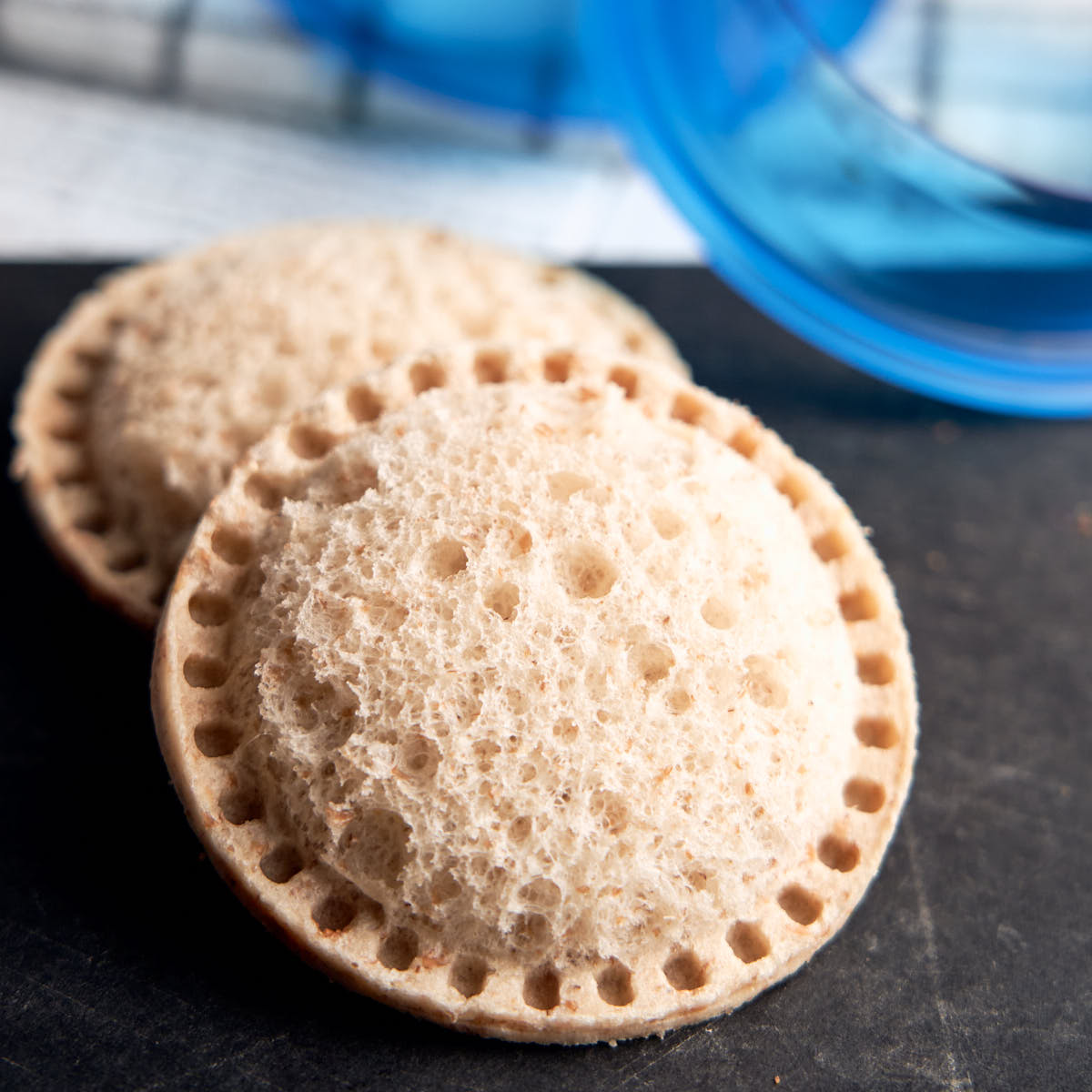
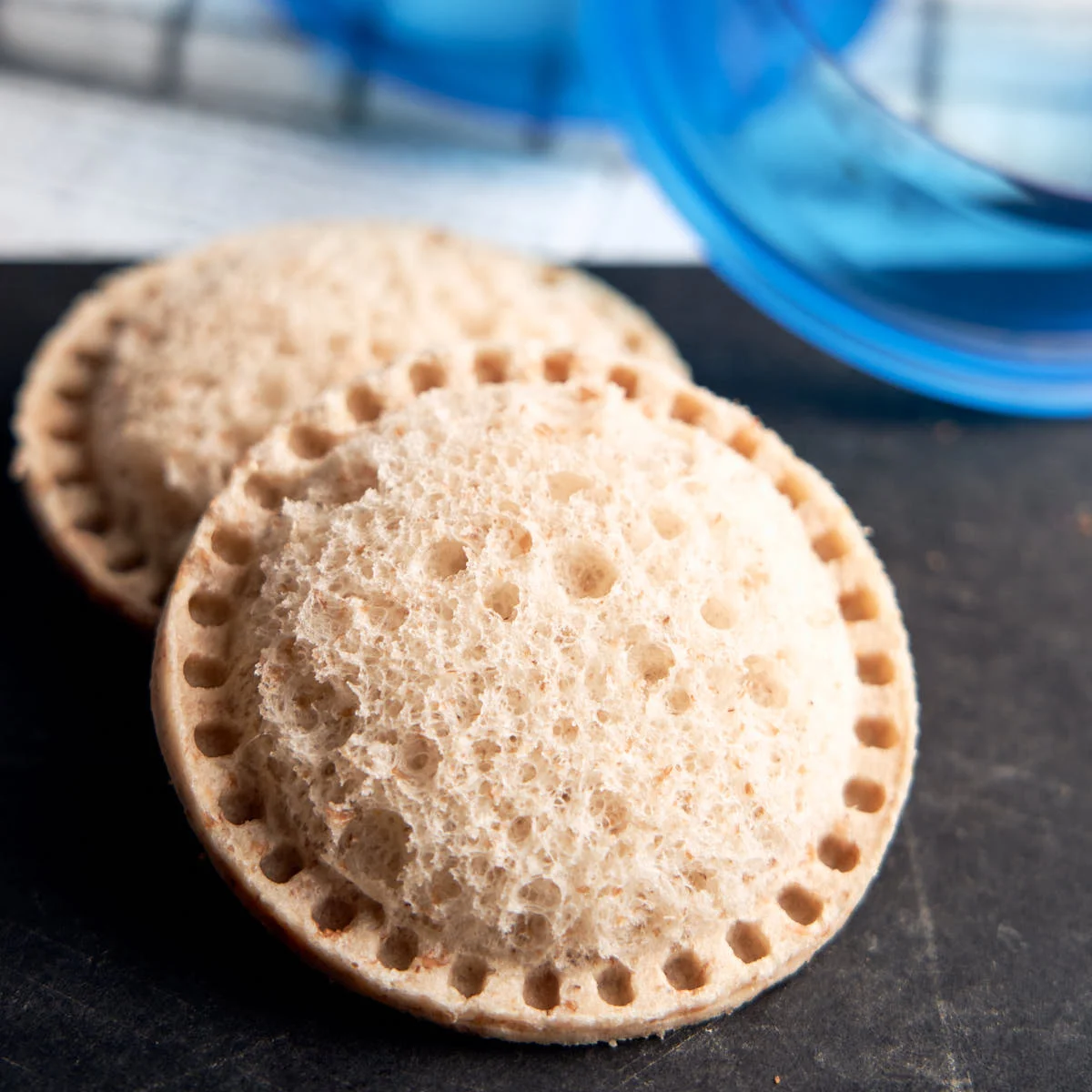
The concept of a crustless sandwich, particularly for younger palates, has long been a practical solution for picky eaters. The original Smucker’s Uncrustables, launched in the mid-1990s, capitalized on this by offering a convenient, pre-made, and sealed sandwich. Their success can be attributed to several factors: the elimination of the often-disliked bread crusts, the secure sealing which prevents messy fillings, and the inherent portability, making them ideal for lunchboxes and on-the-go consumption. Over the years, the popularity of these pre-packaged snacks has remained strong, reflecting a persistent demand for convenient, kid-friendly food options. However, a growing awareness of ingredient quality, cost, and environmental sustainability has paved the way for a DIY revolution.
The Homemade Advantage: A Trio of Benefits
The shift towards homemade Uncrustables is driven by a compelling combination of health, economic, and environmental advantages.
Healthier Ingredients: A Closer Look at Nutrition
One of the most significant draws of making Uncrustables at home is the unparalleled control over ingredients. Commercially produced Uncrustables, while convenient, often contain added sugars and processed ingredients. A closer examination of the ingredient list for many store-bought versions reveals that refined sugars can be a primary component of both the peanut butter spread and any added "honey" component. This can contribute to unnecessary sugar intake, especially for children.
By opting for a homemade approach, consumers can meticulously select their ingredients. This allows for the use of natural peanut butter that contains only peanuts, or peanut butter with minimal added sugar. Similarly, pure honey can be used instead of a processed honey spread. For instance, opting for a peanut butter where the only ingredients are peanuts and salt, and pairing it with natural honey, provides a significantly cleaner nutritional profile. This is particularly important for parents concerned about managing their children’s sugar consumption and ensuring they are getting wholesome nutrition. Data from the USDA consistently shows a higher percentage of added sugars in processed spreads compared to natural alternatives, reinforcing the health benefits of making these choices at home.
Economic Efficiency: Stretching the Family Budget
The cost-effectiveness of homemade Uncrustables is another powerful incentive. While the initial investment in a sandwich cutter and sealer tool might seem like an added expense, the long-term savings are substantial. Consider the price per sandwich: store-bought Uncrustables typically range from $0.75 to $1.50 per sandwich, depending on the retailer and promotional pricing. In contrast, the cost of bread, peanut butter, and honey for a homemade version is significantly lower, often falling between $0.20 and $0.40 per sandwich. This difference can translate into considerable savings over time, especially for families with multiple children or those who regularly pack lunches.
For example, a family packing five lunches a week would spend approximately $195 to $390 annually on store-bought Uncrustables. By contrast, the homemade alternative could cost as little as $52 to $104 annually, representing a potential saving of $143 to $286 per year. This economic advantage makes the homemade Uncrustable a practical and budget-friendly choice.
Environmental Stewardship: Reducing Plastic Waste
The environmental impact of single-use packaging is a growing concern for consumers. Store-bought Uncrustables are individually wrapped in plastic, contributing to the ever-increasing volume of landfill waste. A single family can generate a significant amount of plastic waste from these individually packaged snacks over the course of a school year.
The homemade approach drastically reduces this plastic footprint. By using reusable containers or beeswax wraps for storage, families can eliminate the need for individual plastic packaging altogether. This conscious choice not only benefits the environment but also aligns with a broader movement towards sustainable living and reduced consumption of single-use plastics. The reduction in plastic waste is a tangible benefit, contributing to a cleaner planet for future generations.
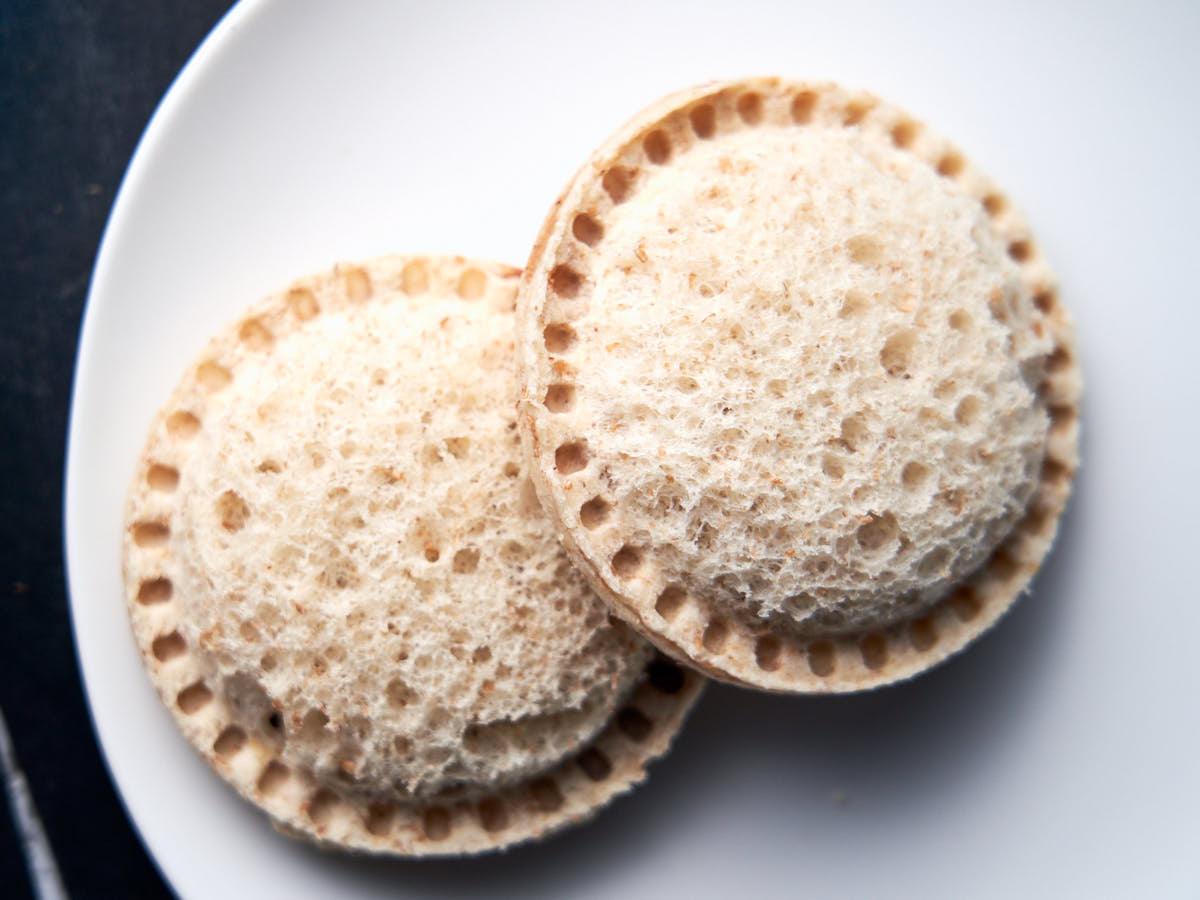
The Tools of the Trade: Mastering the Uncrustable Maker
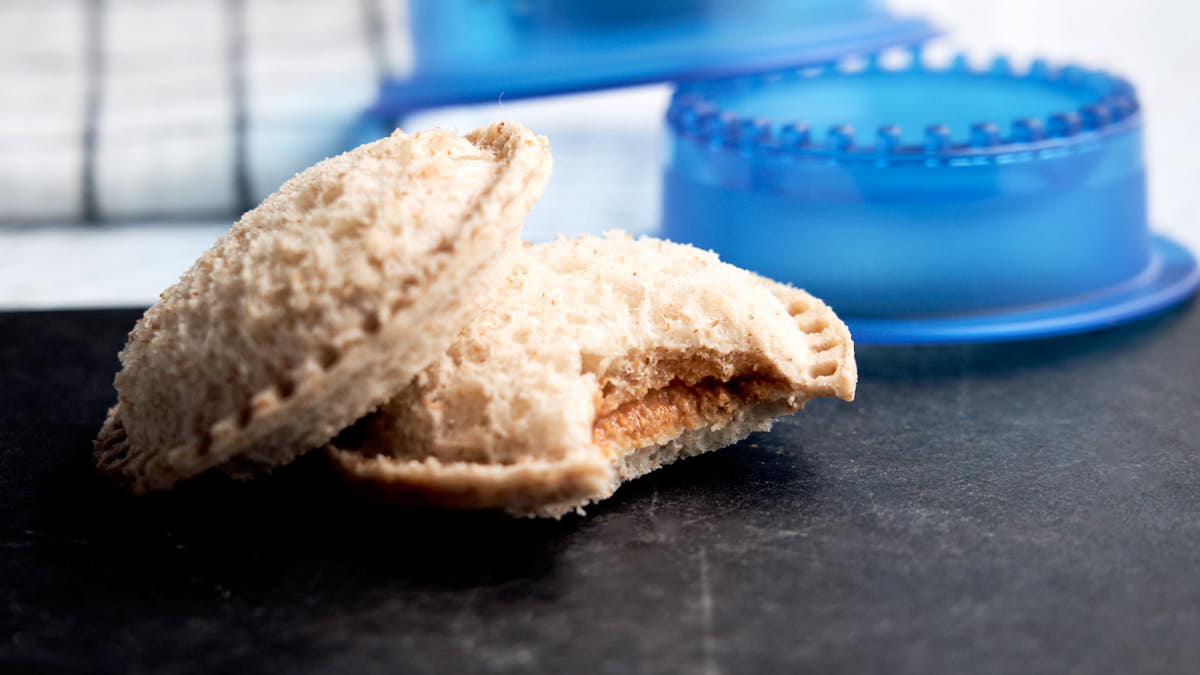
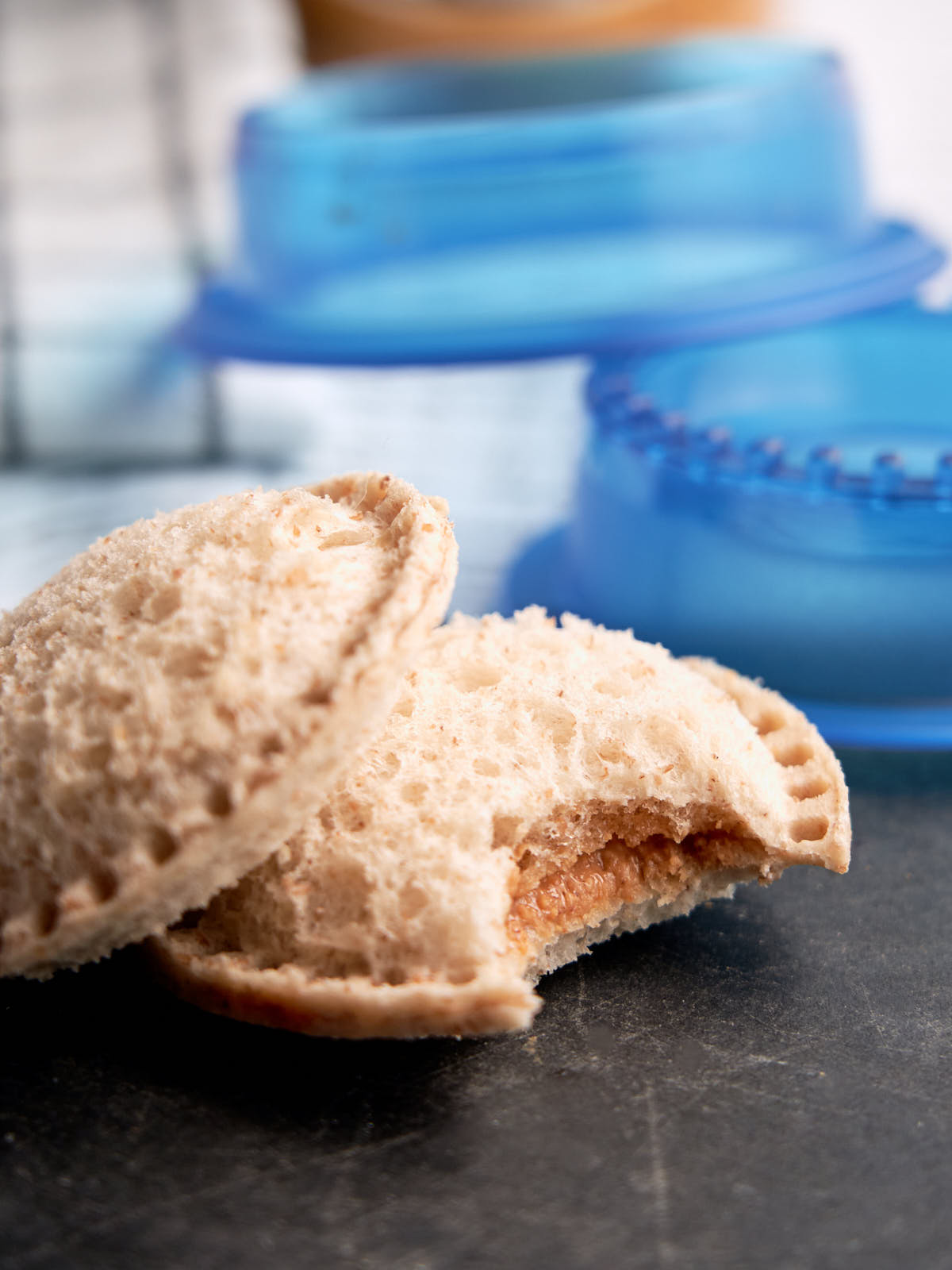
A key element in the creation of homemade Uncrustables is the specialized sandwich cutter and sealer tool. These tools, readily available online and in kitchenware stores, are designed to efficiently cut a sandwich into a desired shape (often round or square) while simultaneously crimping the edges to seal the filling inside. This replication of the commercial product’s seal is crucial for preventing leaks and maintaining the sandwich’s integrity.
While various brands and designs exist, many enthusiasts recommend specific models for their durability and effectiveness. The popular choice often features a design that mimics the classic Smucker’s edge, ensuring a familiar aesthetic. This emphasis on the "uncrustable maker" highlights the growing popularity of this kitchen gadget, with online retailers reporting increased sales of these items. Some models offer different edge styles, such as wavy or serrated crimps, allowing for customization. The ease of use of these tools makes the process accessible even for novice cooks.
A Step-by-Step Guide to Homemade Peanut Butter and Honey Uncrustables
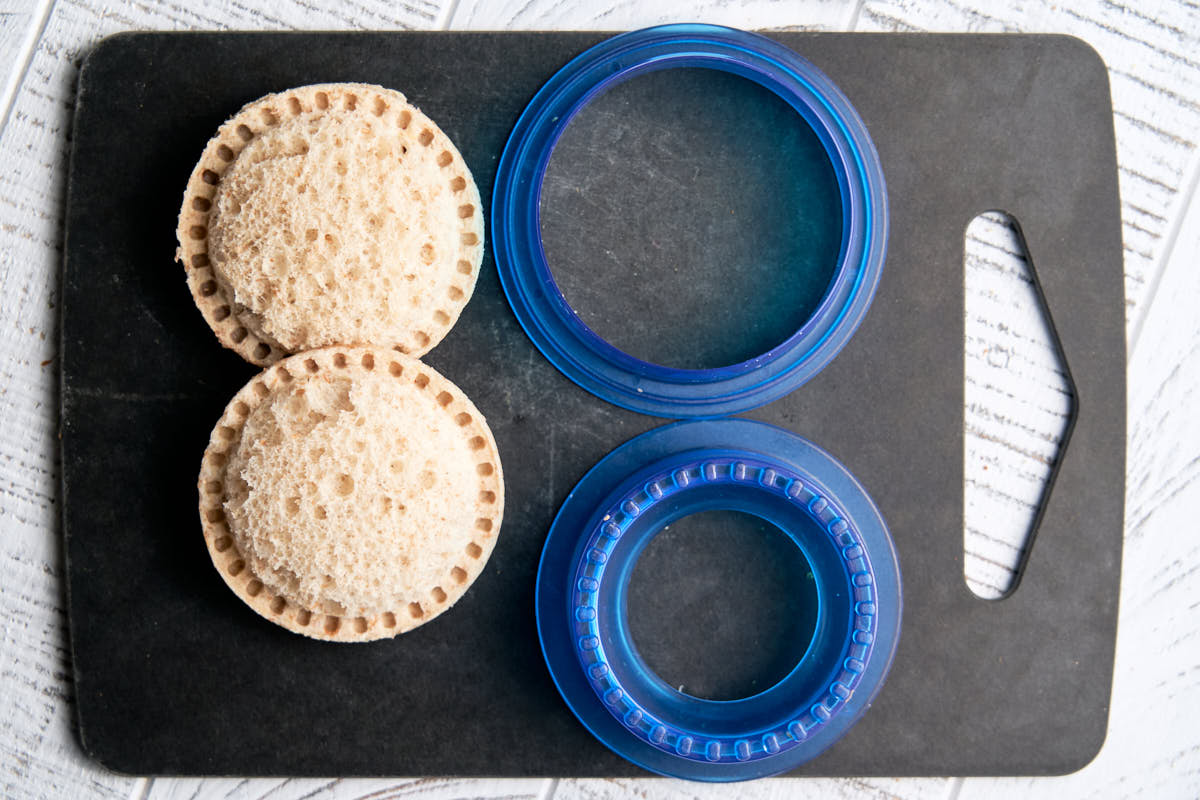
Creating peanut butter and honey Uncrustables at home is a straightforward process that can be a fun activity for the whole family.
Ingredients:
- 2 slices of bread (whole wheat, white, or gluten-free options are suitable)
- Peanut butter (natural or preferred brand)
- Honey (pure honey is recommended)
Equipment:
- Uncrustable maker (sandwich cutter and sealer)
- Butter knife or spreader
Instructions:
- Prepare the Bread: Lay out two slices of bread.
- Spread the Fillings: On one slice of bread, spread a generous layer of peanut butter. On the other slice, spread a layer of honey. Ensure the fillings do not extend beyond the intended sealing area to prevent leakage.
- Combine the Slices: Carefully place the honey-covered slice on top of the peanut butter-covered slice, ensuring the edges align.
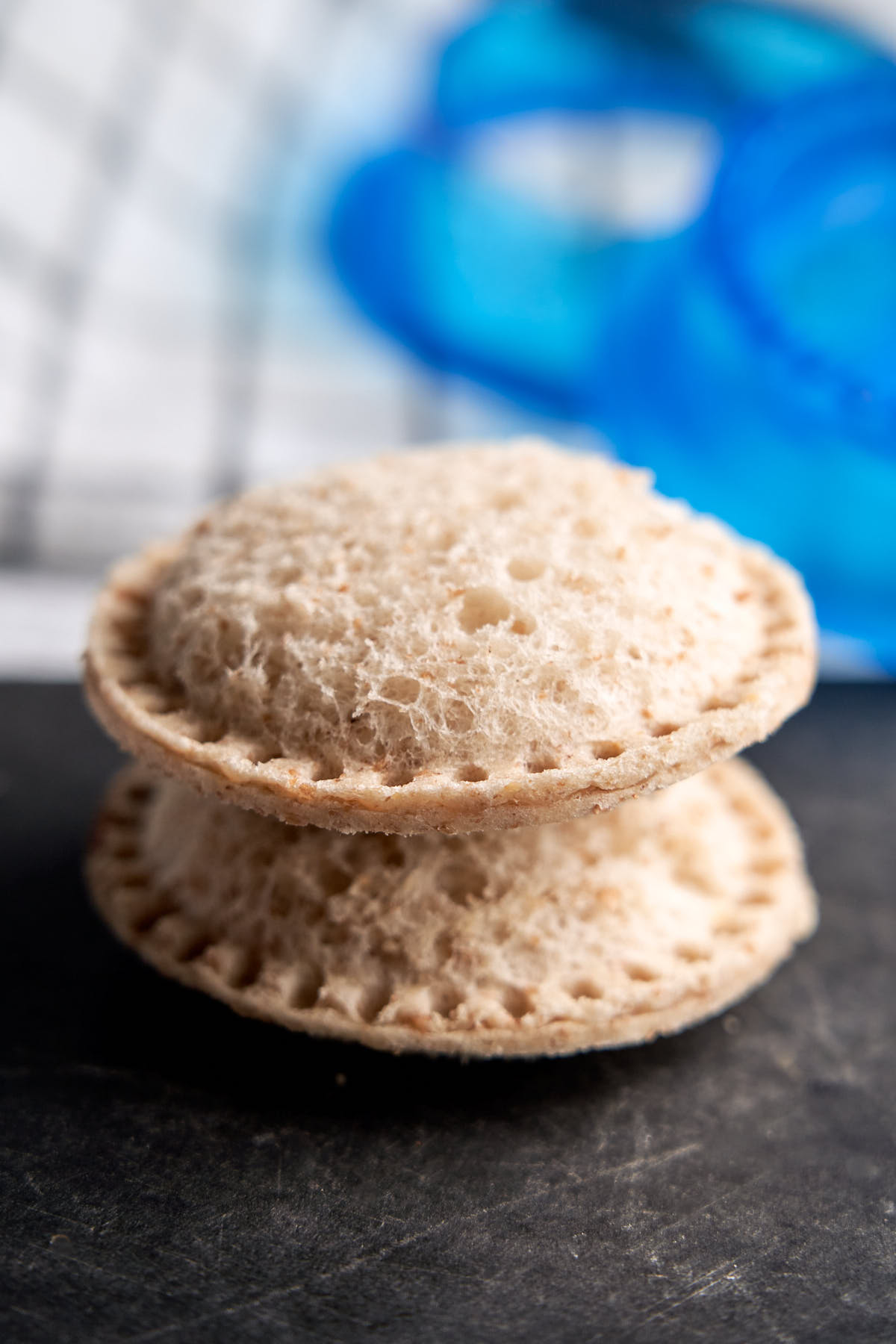
- Seal and Cut: Place the assembled sandwich onto the Uncrustable maker. Press down firmly to seal the edges and cut the sandwich into its final shape. Some makers require a single press, while others may involve a separate cutting action.
- Inspect and Enjoy: Remove the sealed sandwich. Inspect the edges to ensure a secure seal. The excess bread crusts can be saved for other culinary uses.
Tips for Success and Variations
- Filling Distribution: For optimal sealing, avoid overfilling the sandwich. A thin, even layer of both peanut butter and honey is recommended.
- Bread Choice: The type of bread can influence the final texture and seal. Softer breads tend to seal more effectively.
- Creative Fillings: While peanut butter and honey is a classic, the Uncrustable maker can be used for a variety of other fillings. Consider alternatives such as:
- Peanut butter and jelly (using high-quality preserves)
- Almond butter and banana slices
- Cream cheese and fruit preserves
- Nutella and marshmallow fluff (for a sweeter treat)
- Storage: Homemade Uncrustables can be stored in an airtight container in the refrigerator for up to 2-3 days. For longer storage, they can be individually wrapped and frozen. Thaw overnight in the refrigerator before consuming.
Addressing Leftover Crusts: A Culinary Opportunity
A common question regarding homemade Uncrustables is what to do with the leftover bread crusts. Far from being waste, these crusts offer a versatile ingredient for other dishes:
- Croutons: Cut the crusts into bite-sized pieces, toss with olive oil or butter, and season with herbs and spices (such as garlic powder, onion powder, paprika, or Italian seasoning). Bake or pan-fry until golden brown and crispy. These make excellent additions to salads and soups.
- Breadcrumbs: Dry out the crusts in a low oven or toaster oven, then process them in a food processor or blender until fine crumbs form. These homemade breadcrumbs can be used for coating meats, vegetables, or as a topping for casseroles.
- Snack: For a simple and satisfying snack, the crusts can be eaten as is, or lightly toasted and spread with butter or jam.
The Impact and Future of Homemade Uncrustables
The trend of making homemade Uncrustables signifies a broader shift in consumer behavior towards mindful consumption. It reflects a desire for greater control over what goes into our bodies, a pragmatic approach to household budgeting, and a growing commitment to environmental responsibility. As awareness of these issues continues to grow, the popularity of DIY food solutions like the homemade Uncrustable is likely to increase.
This movement also empowers families to engage in culinary activities together, fostering a connection with food and encouraging healthier eating habits from a young age. The ability to replicate a beloved store-bought item with superior ingredients and a reduced environmental footprint presents a compelling narrative for consumers seeking both convenience and consciousness in their everyday choices. The humble peanut butter and honey sandwich, in its Uncrustable form, has become a symbol of this evolving consumer landscape.
