
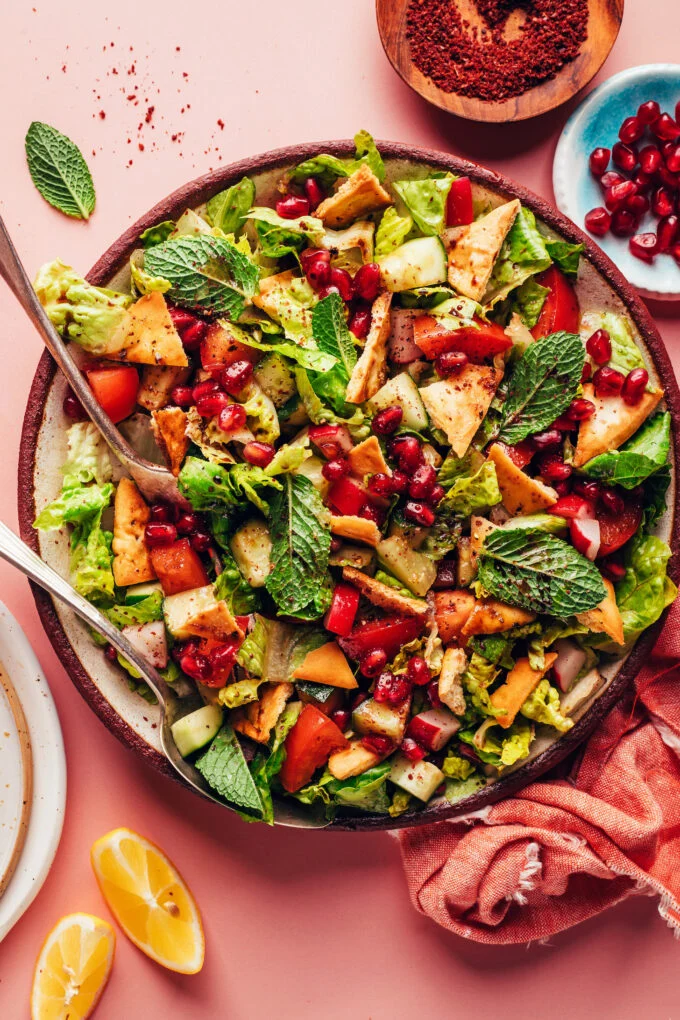
The culinary landscape is continually evolving, with a persistent demand for dishes that blend traditional flavors with modern convenience. Amidst this trend, the introduction of a simplified, "weeknight-friendly" Fattoush salad recipe exemplifies how classic Levantine cuisine is being adapted for contemporary kitchens. This particular rendition, distinguished by its "1-bowl" preparation and "20-minute" completion time, offers a vibrant, healthful option for busy individuals seeking both authentic taste and efficiency. It serves as a compelling case study in the broader movement towards accessible ethnic meals, marrying fresh, crunchy vegetables with a bright pomegranate dressing, herby mint leaves, crispy pita chips, and the distinct sweetness of pomegranate arils.
The Historical Tapestry of Fattoush: A Levantine Staple
To fully appreciate the modern adaptation of Fattoush, it is essential to understand its rich historical and cultural roots. Fattoush is more than just a salad; it is a foundational element of Levantine cuisine, a regional culinary tradition spanning countries such as Lebanon, Syria, Jordan, Palestine, and parts of Turkey. The name "Fattoush" itself is derived from the Arabic word "fatt" (فتّ), meaning to crumble or tear, referring to the characteristic toasted or fried pieces of flatbread incorporated into the dish.
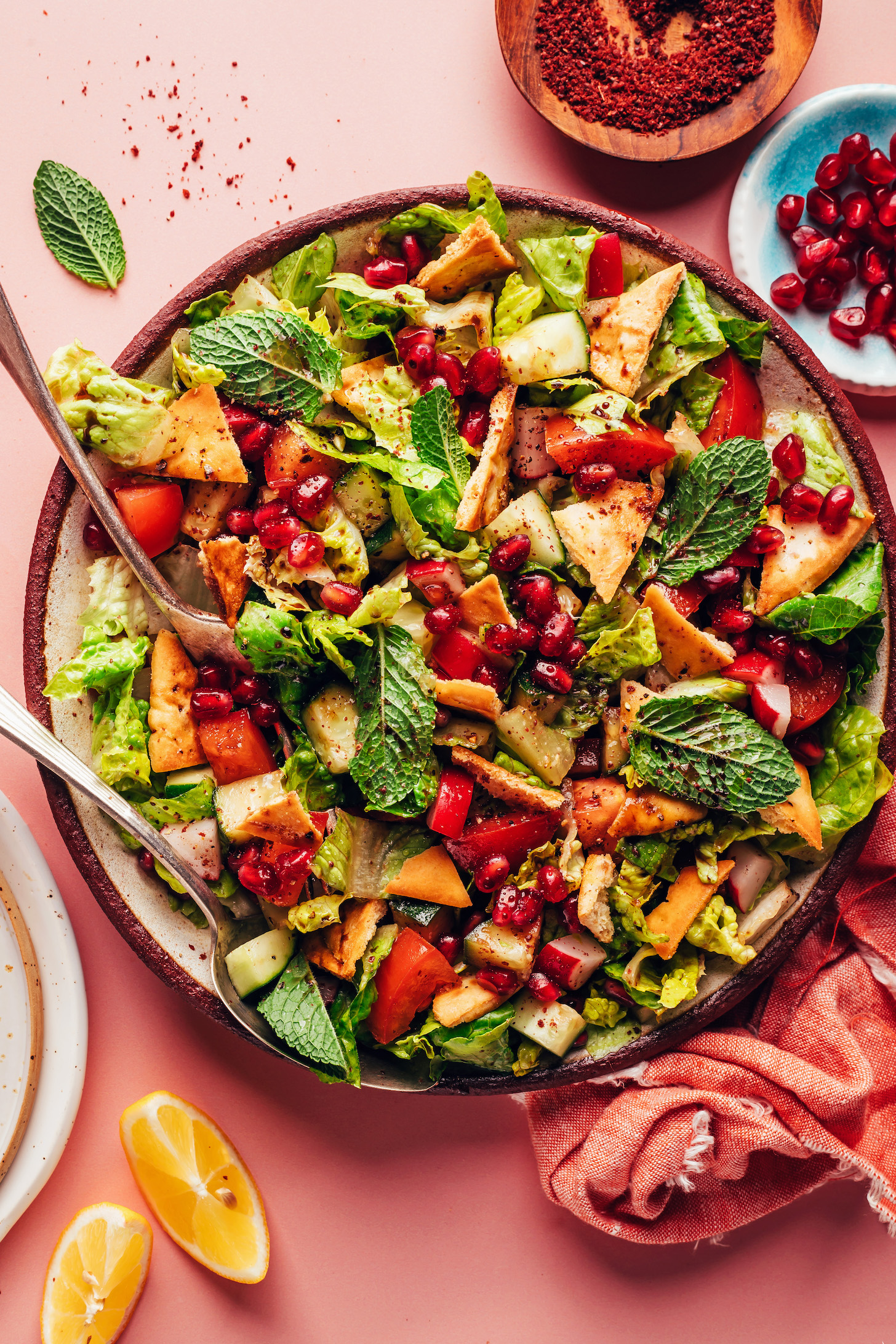
Historically, Fattoush emerged from a resourceful culinary practice of utilizing stale or leftover pita bread. Instead of discarding day-old bread, it was repurposed, toasted, or fried, adding a textural dimension to fresh vegetable salads. This practice reflects a broader ethos of minimizing waste and maximizing flavor, common in traditional Middle Eastern kitchens. While the precise origins are debated, the salad has been a beloved component of meals across the Levant for centuries, evolving slightly from village to village and family to family, yet always maintaining its core identity.
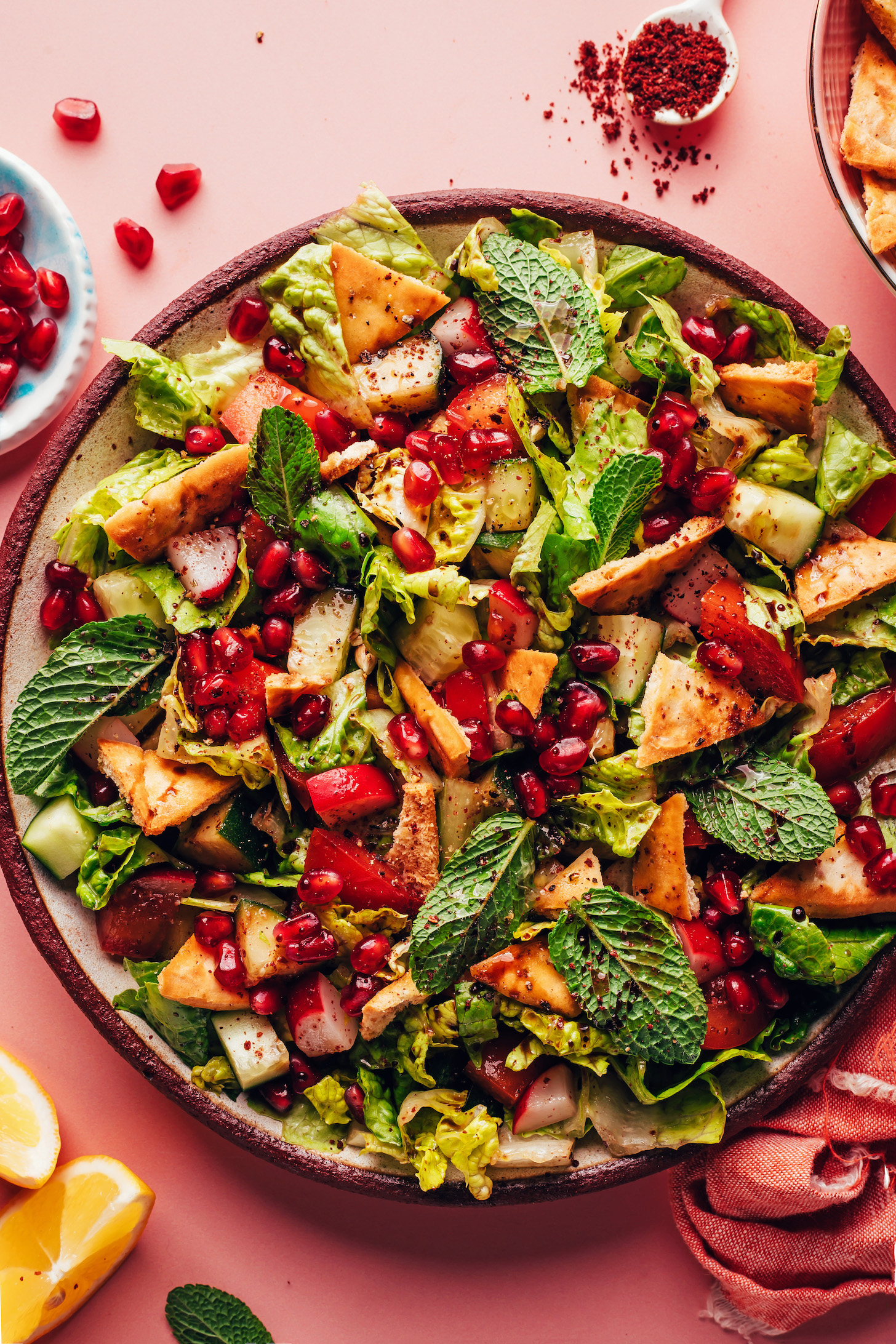
Traditional Fattoush typically features a medley of chopped vegetables such, as cucumber, tomatoes, radishes, bell peppers, and various leafy greens like romaine lettuce or purslane. A generous amount of fresh herbs, particularly mint and parsley, is crucial for its aromatic profile. The dressing is typically a simple yet potent concoction of olive oil, lemon juice, and a distinctive spice called sumac. Sumac, a deep red, tart spice derived from dried berries, imparts a lemony, slightly astringent flavor that is fundamental to Fattoush’s bright character. Pomegranate molasses, a thick syrup made from reduced pomegranate juice, is another frequent addition, contributing a unique sweet-sour depth that elevates the dressing. The interplay of fresh, crunchy vegetables, aromatic herbs, tart dressing, and crispy bread creates a harmonious balance of textures and flavors, making Fattoush a refreshing accompaniment to rich main courses or a light meal on its own.
The Evolution of Cuisine: Adapting Tradition for Modern Lifestyles
The increasing pace of modern life has significantly influenced global culinary trends, driving a demand for recipes that are quick to prepare, require minimal cleanup, and yet do not compromise on flavor or nutritional value. The "Easy Fattoush Salad" exemplifies this adaptation, streamlining a traditional dish to fit the demands of a "weeknight-friendly" schedule. This particular recipe’s emphasis on "1-bowl" preparation and a "20-minute" total time reflects a broader culinary movement towards efficiency, addressing the common challenges faced by home cooks with limited time.
This trend is not unique to Levantine cuisine. Across various global culinary traditions, chefs and food enthusiasts are experimenting with ways to simplify complex, multi-step dishes without sacrificing their cultural essence. The goal is often to make authentic flavors more accessible to a wider audience, encouraging culinary exploration even for those with nascent cooking skills or tight schedules. This simplification often involves:
- Reduced ingredient lists: Focusing on core components.
- Streamlined cooking methods: Utilizing fewer pots and pans, or no-cook assemblies.
- Pre-prepared components: Incorporating readily available items like store-bought pita chips or pre-seeded pomegranate arils.
The implications of this trend are significant. On one hand, it democratizes access to diverse cuisines, allowing more people to experience and appreciate global flavors. On the other hand, it raises questions about the preservation of traditional culinary techniques and the potential for simplification to dilute authenticity. However, in the case of Fattoush, the core elements – fresh vegetables, a tart dressing, and crispy bread – remain central, suggesting a thoughtful adaptation rather than a complete overhaul.
Key Ingredients and Their Nutritional Contributions
The components of this simplified Fattoush salad offer a robust nutritional profile, aligning with widely recognized healthy eating principles, particularly those of the Mediterranean diet.
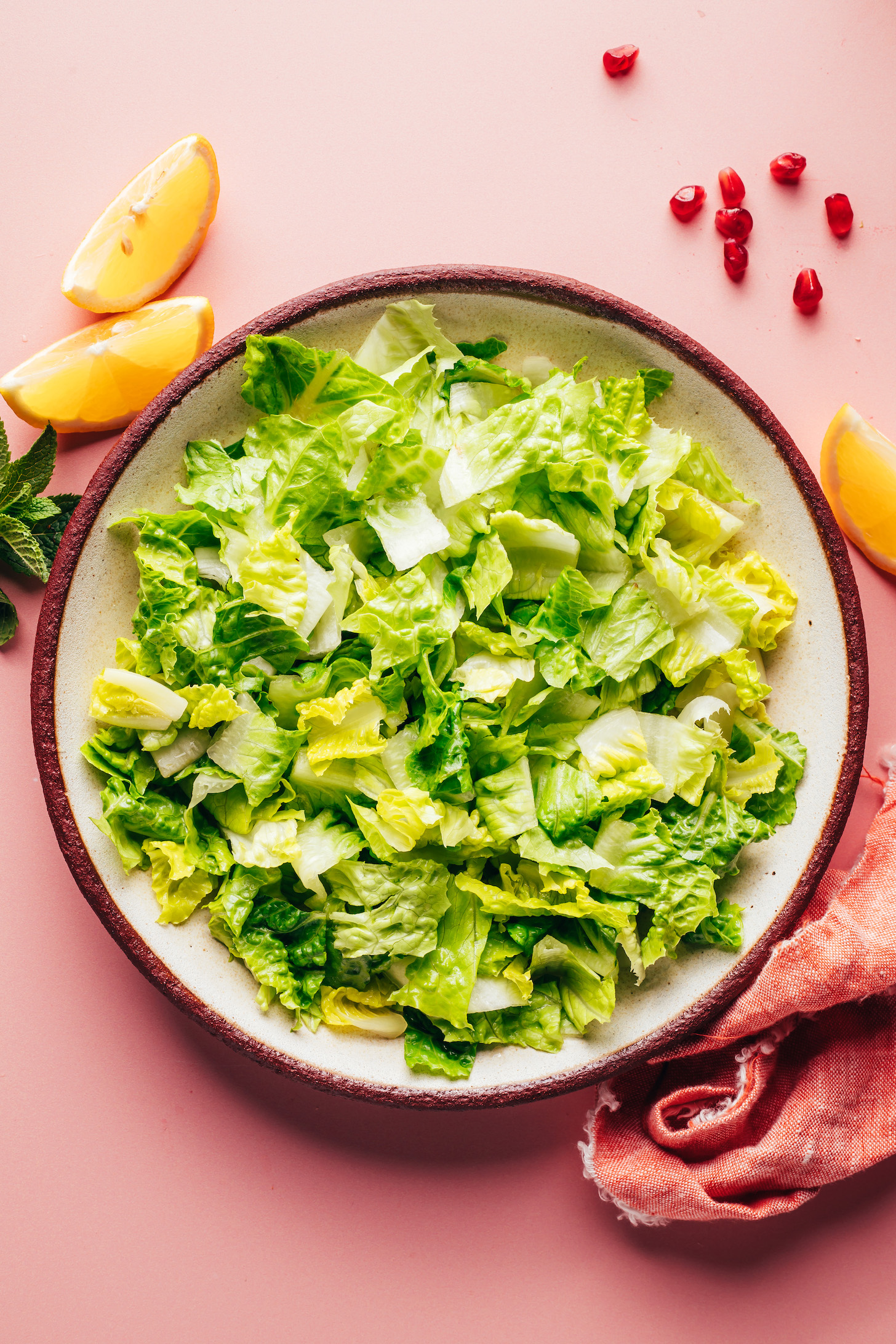
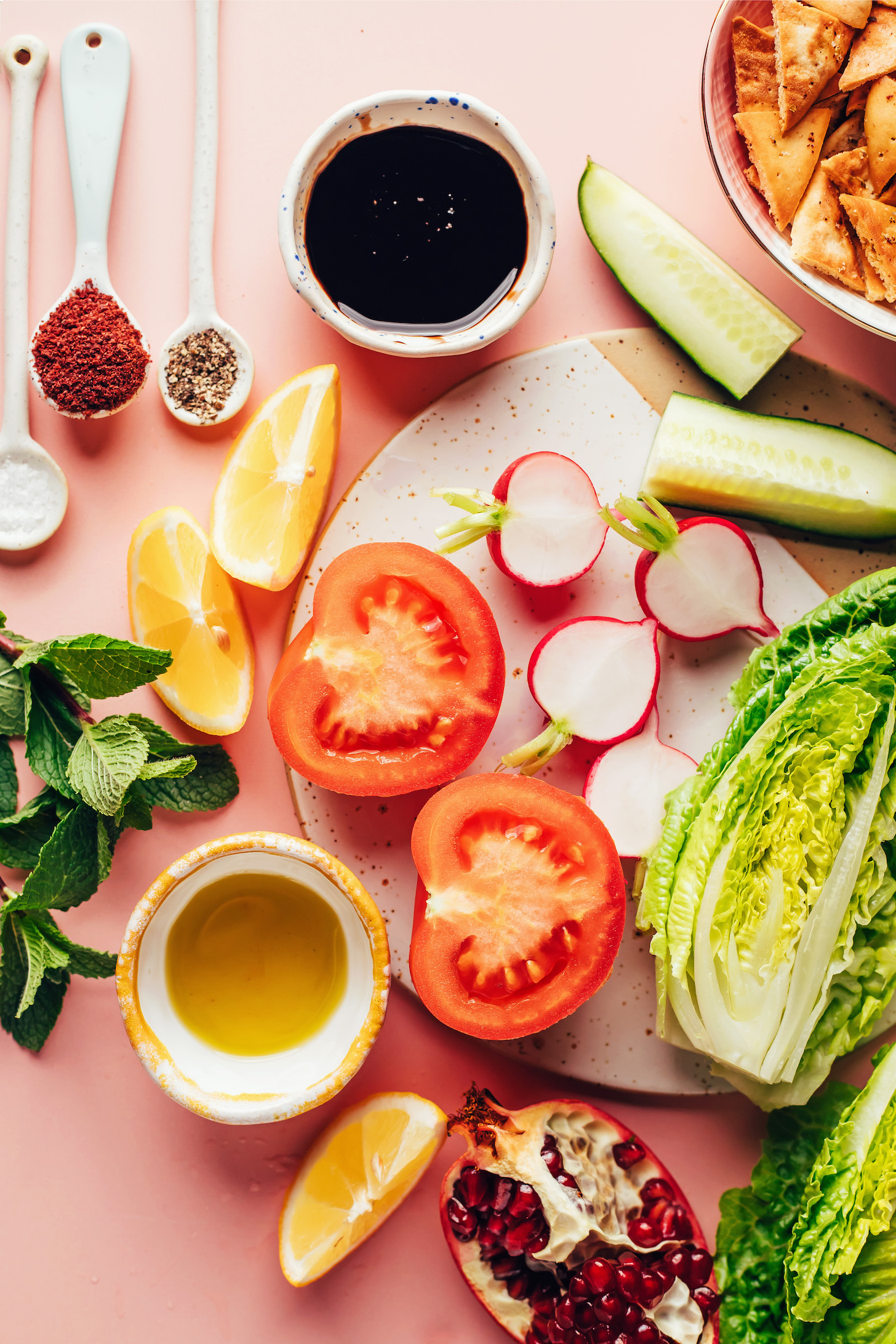
- Romaine Lettuce: Forming the base, romaine is a rich source of Vitamins A and K, and provides essential dietary fiber. Its crisp texture is crucial for the salad’s appeal.
- Cucumber: High in water content, cucumbers contribute hydration and a refreshing crunch. They also provide small amounts of Vitamin K and antioxidants.
- Tomatoes: A key source of Vitamin C, potassium, and lycopene, a powerful antioxidant associated with heart health. Using seasonal, flavorful tomatoes enhances the overall taste.
- Radishes: These peppery root vegetables add a vibrant color and a sharp, refreshing bite. They are a good source of Vitamin C and antioxidants.
- Fresh Mint Leaves: Beyond their invigorating aroma and flavor, mint leaves are packed with antioxidants and have been traditionally used for digestive benefits. Keeping them whole in this recipe not only aids presentation but also delivers potent bursts of flavor.
- Pita Chips: While providing textural contrast, the pita chips (whether store-bought or homemade) contribute carbohydrates for energy. The recipe notes the option for gluten-free pita, catering to diverse dietary needs. Homemade versions offer control over ingredients and can be seasoned with additional sumac and oregano, further enriching the flavor profile.
- Pomegranate Arils: These jewel-like seeds are a highlight, offering a sweet-tart burst of flavor and a significant dose of antioxidants, particularly polyphenols. Pomegranates are known for their anti-inflammatory properties and cardiovascular benefits.
- Pomegranate Molasses: A concentrated syrup, it intensifies the fruit’s unique sweet-sour notes in the dressing. Rich in antioxidants, it is a healthier alternative to refined sugars in many dressings.
- Sumac: This essential Levantine spice, derived from the dried berries of the sumac plant, is not only responsible for Fattoush’s characteristic tang but also possesses notable antioxidant properties.
- Lemon Juice and Olive Oil: The foundation of many Mediterranean dressings, lemon juice provides Vitamin C and freshness, while extra virgin olive oil offers healthy monounsaturated fats, known for their heart-protective benefits.
When considered as a whole, this salad embodies the principles of a plant-forward diet, emphasizing fresh produce, healthy fats, and vibrant flavors. Incorporating chickpeas, as suggested, would further boost the protein and fiber content, transforming it into a more substantial, satisfying meal.
The "One-Bowl, Twenty-Minute" Phenomenon: Efficiency in the Kitchen
The specific marketing of this Fattoush recipe as a "1-bowl, 20-minute" dish highlights a critical aspect of modern food preparation: the premium placed on time and simplicity. This approach caters directly to demographics characterized by demanding work schedules, family commitments, and a general desire for quick, healthy meal solutions.
The "one-bowl" concept minimizes cleanup, a significant deterrent for many home cooks. It implies that all ingredients can be combined and tossed in a single vessel, reducing the stack of dishes and simplifying the post-meal routine. This focus on efficiency extends beyond just cooking time, encompassing the entire meal preparation and cleanup cycle.
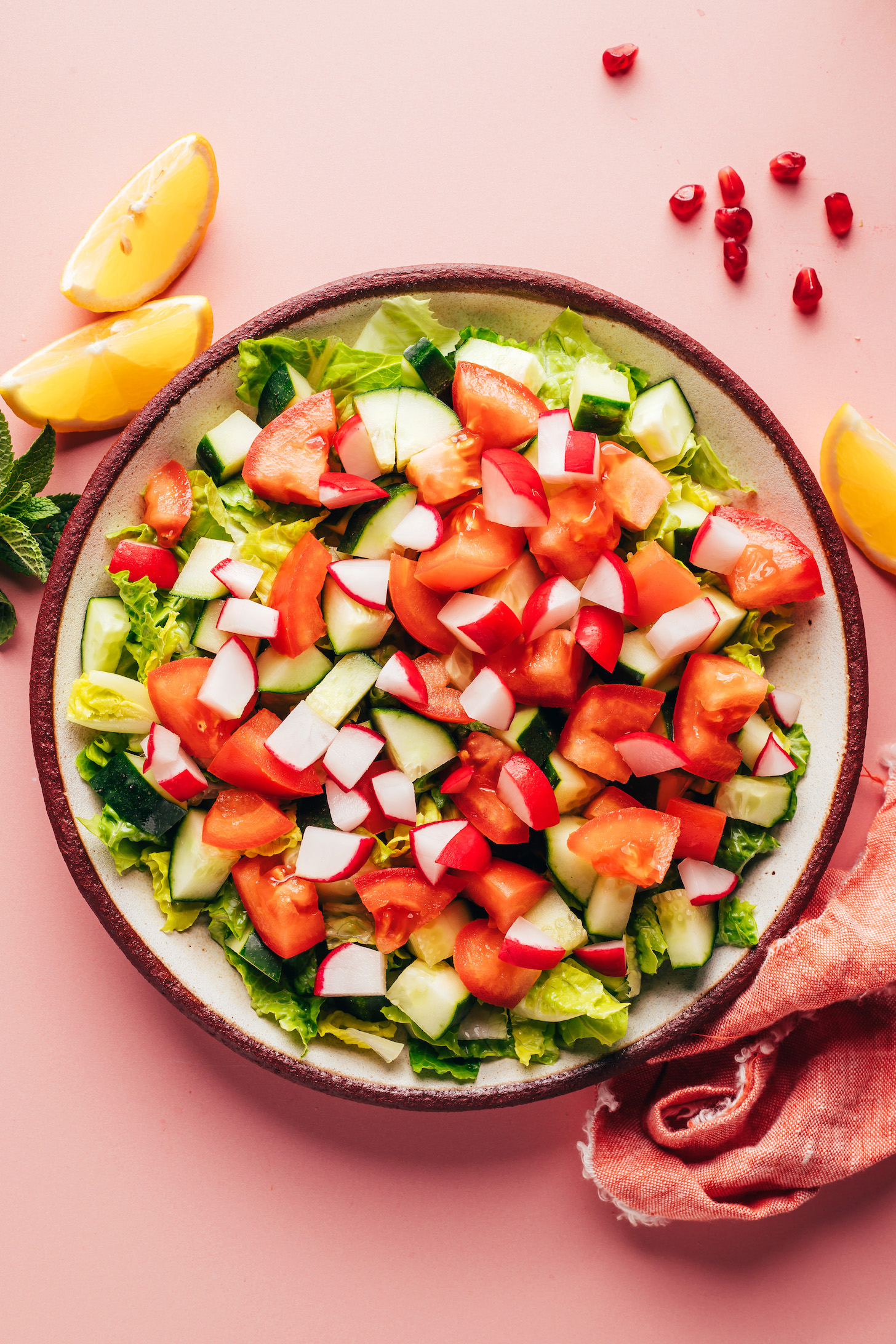
The "20-minute" promise positions this recipe as a viable alternative to takeout or processed meals, directly competing with the convenience offered by fast food. For consumers increasingly aware of health implications associated with highly processed foods, a quick, homemade option that is both nutritious and flavorful is highly attractive. This speed is achieved through:
- Minimal cooking: The salad is largely an assembly job, with no complex cooking steps.
- Pre-cut ingredients: Encouraging the use of pre-chopped vegetables or ready-to-use arils.
- Simple dressing preparation: A "no-mix dressing" further reduces steps.
The broader implication of this "speed-cooking" trend is a potential resurgence in home cooking, driven by recipes that are genuinely achievable for the average person. It empowers individuals to take control of their diets, experiment with global flavors, and enjoy fresh meals without feeling overwhelmed by lengthy preparation times or intricate techniques. This accessibility is crucial for fostering sustainable healthy eating habits in a fast-paced world.
Broader Culinary and Health Implications
The popularization of recipes like the "Easy Fattoush Salad" has several significant implications for culinary trends and public health.
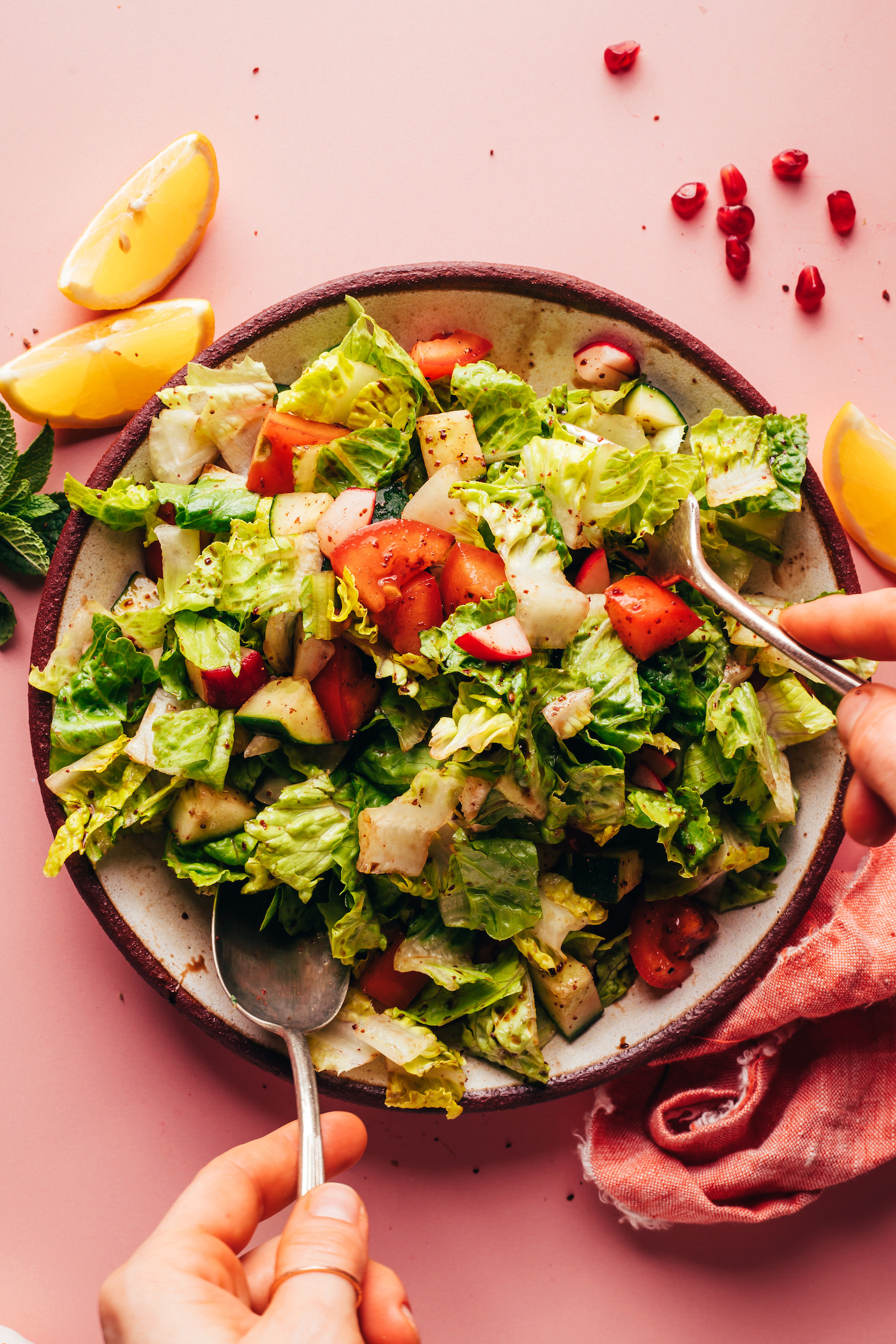
Firstly, it contributes to the global diversification of home cooking. As ethnic cuisines become more accessible and less intimidating to prepare, home cooks are more likely to experiment beyond their traditional repertoire. This leads to a richer, more varied diet and a greater appreciation for different food cultures. The increasing availability of specialized ingredients like sumac and pomegranate molasses in mainstream grocery stores further supports this trend, indicating a growing consumer interest in authentic global flavors.
Secondly, such recipes align perfectly with the growing emphasis on plant-based and whole-food diets. Fattoush, at its core, is a vegetable-centric dish, naturally rich in fiber, vitamins, and minerals. By offering a quick and appealing way to incorporate a substantial amount of fresh produce into daily meals, it supports public health initiatives promoting increased fruit and vegetable consumption. Health organizations globally, such as the World Health Organization and national dietary guidelines, consistently advocate for diets rich in plant foods to combat chronic diseases like heart disease, diabetes, and certain cancers. The inherent freshness and vibrant nutrient profile of Fattoush make it an excellent choice in this context.
Furthermore, the "light meal" potential of Fattoush when paired with chickpeas highlights a move towards flexible eating patterns. For many, a salad no longer serves merely as a side dish but as a complete, satisfying main course, especially during warmer months or for those seeking lighter options. This flexibility allows for greater dietary customization and responsiveness to individual needs and preferences.
Expert Perspectives on Accessible Ethnic Cuisine
Culinary nutritionists and food trend analysts frequently emphasize the positive impact of making culturally rich, healthy dishes accessible to a broader audience. While no specific "official responses" exist regarding this particular recipe, the general consensus in the health and culinary communities supports the principles it embodies.
Experts often highlight that the Mediterranean diet, of which Levantine cuisine is a significant part, is consistently ranked among the healthiest dietary patterns globally. Its emphasis on fresh fruits and vegetables, whole grains, legumes, healthy fats (like olive oil), and lean proteins is linked to improved cardiovascular health, better blood sugar control, and reduced risk of chronic diseases. Simplifying recipes like Fattoush encourages adherence to these beneficial eating habits by removing barriers to preparation.
Food trend forecasters also note the continued rise of "globalization in the kitchen," where consumers are increasingly adventurous and seek authentic flavors from around the world. However, this desire for authenticity is often tempered by a need for convenience. Recipes that successfully bridge this gap, offering genuine taste profiles with minimal effort, are therefore highly valued. The "Easy Fattoush Salad" fits this niche perfectly, serving as an approachable entry point for many to explore the rich culinary heritage of the Levant.
Moreover, the focus on whole, unprocessed ingredients in such recipes aligns with calls from public health bodies to reduce consumption of ultra-processed foods. By demonstrating how quickly and easily a fresh, homemade meal can be assembled, it implicitly encourages healthier choices and strengthens home cooking skills, which are seen as fundamental to long-term dietary well-being.
Conclusion: A Blend of Tradition and Modernity on the Plate
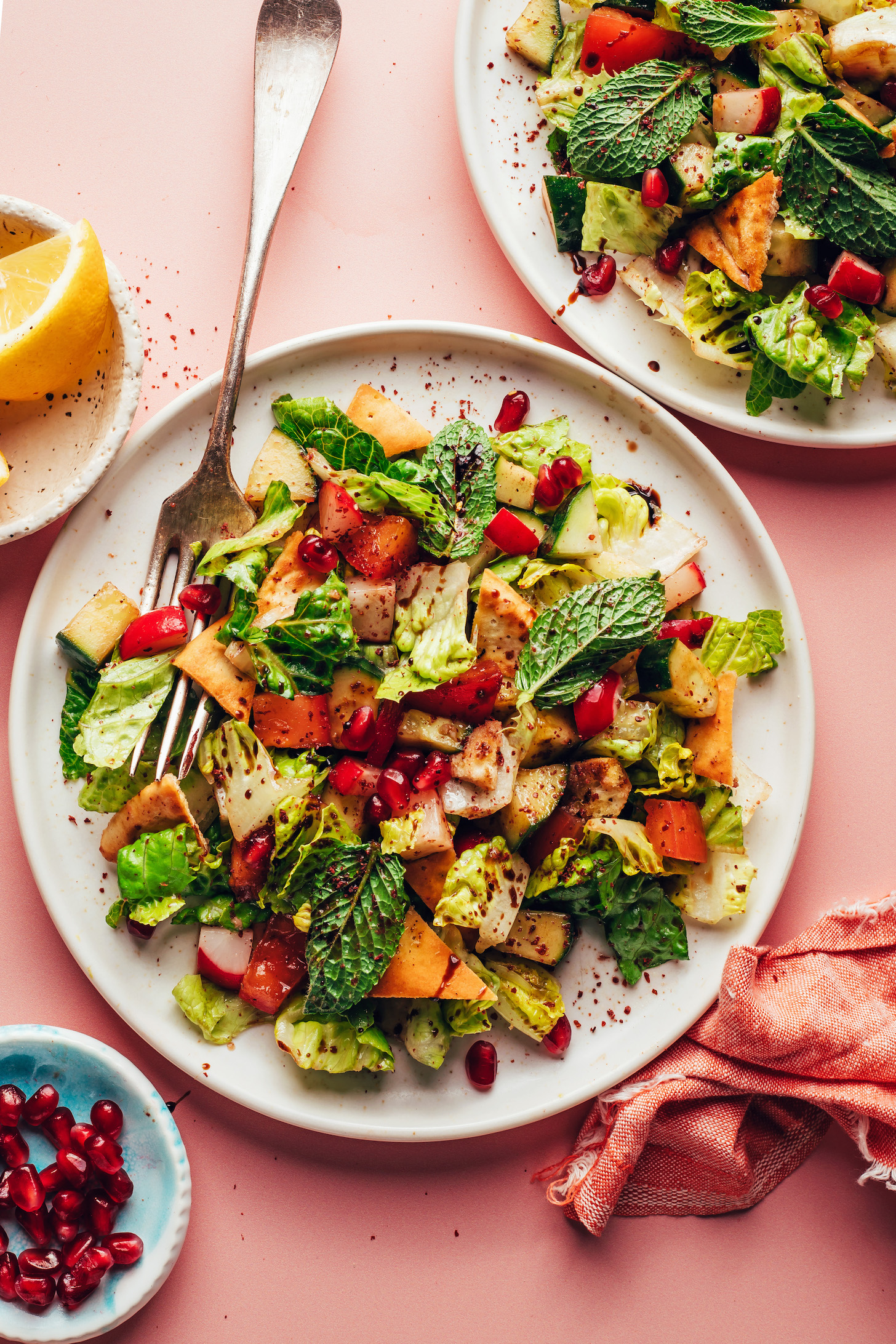
The "Easy Fattoush Salad (1 Bowl!)" represents a thoughtful and practical evolution of a cherished Levantine classic. It stands as a testament to the ongoing dialogue between culinary tradition and the demands of modern life. By offering a crisp, bright, crunchy, refreshing, and tart-sweet experience in just 20 minutes with minimal cleanup, it not only honors the essence of Fattoush but also makes this delicious and nutritious dish accessible to a wider audience.
This adaptation serves as more than just a recipe; it is a micro-trend within the larger culinary movement towards health, convenience, and global flavor exploration. Whether enjoyed as a light meal fortified with chickpeas, or as a vibrant side alongside other Mediterranean- and Middle Eastern-inspired dishes such as Vegan Lentil Fesenjān or Kale Falafel Hummus Wraps, this simplified Fattoush underscores the enduring appeal and adaptability of traditional cuisines in the contemporary world. Its presence in the digital culinary sphere further solidifies the role of online platforms in disseminating and popularizing such innovative, yet respectful, approaches to global gastronomy.
