
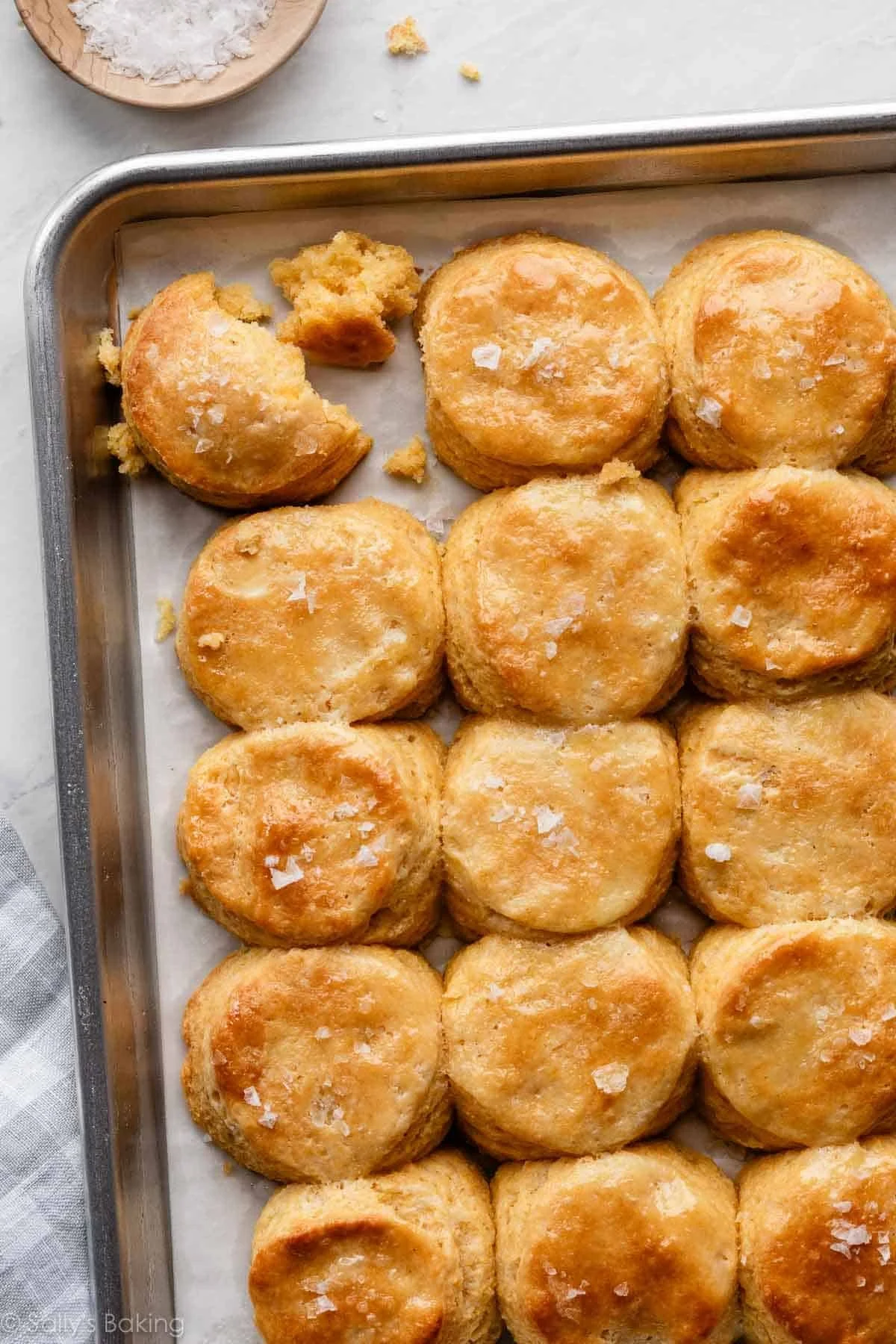
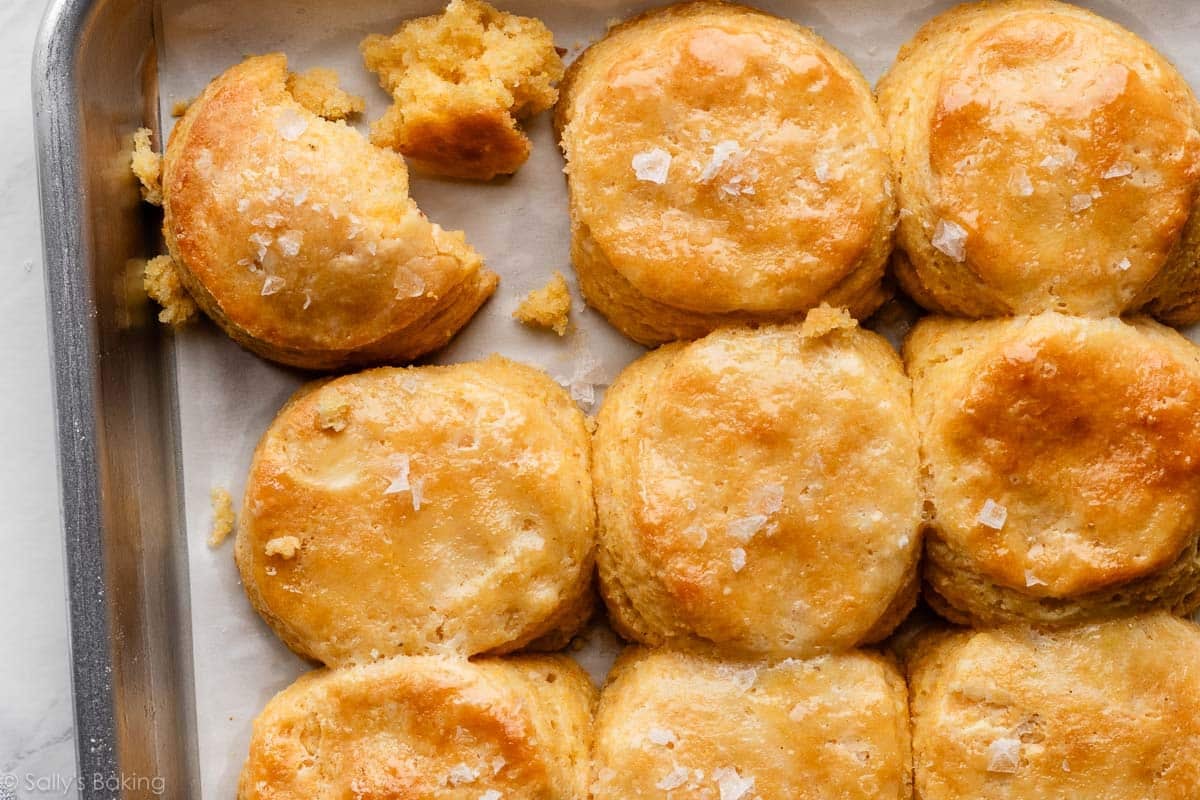
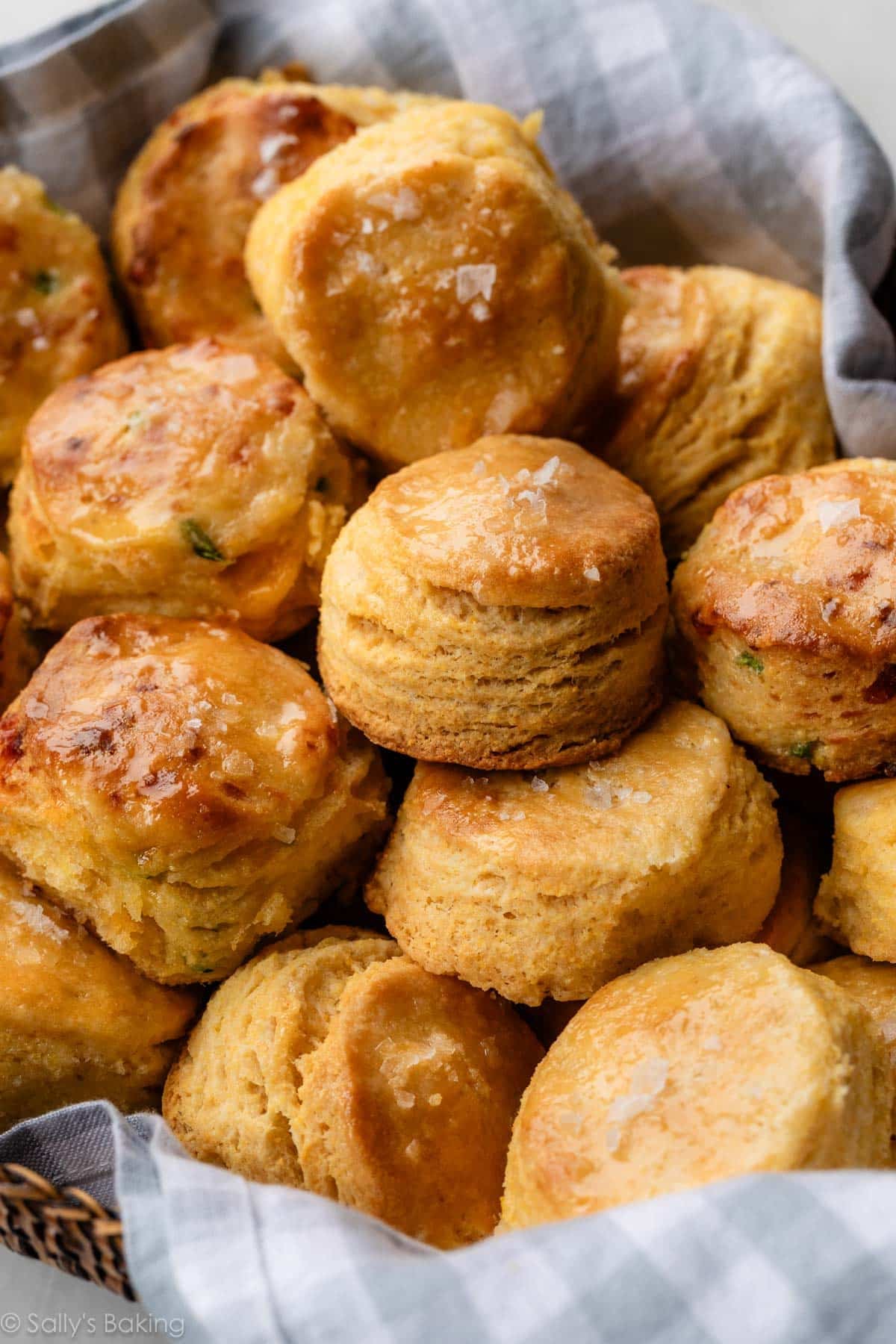
A new culinary delight, the cornbread biscuit, is rapidly gaining prominence, expertly blending the beloved characteristics of two iconic American quick breads. These golden, buttery creations offer a unique profile: the flaky, tender layers typical of classic buttermilk biscuits are infused with the distinctive flavor, subtly crisp texture, and inviting golden hue of cornmeal. Enhanced by a touch of honey for a delicate sweetness, and meticulously crafted with cold butter and buttermilk, these biscuits promise an exceptionally tender crumb and impressive rise, achieving sky-high, defined layers. Beyond their plain iteration, adventurous variations such as jalapeño cheddar and maple bacon are expanding their appeal, making them a versatile side dish suitable for an array of meals.
A Hybrid Heritage: Tracing the Roots of a New Staple
The cornbread biscuit represents a thoughtful evolution in American baking, marrying the distinct histories and preparations of two foundational comfort foods. To fully appreciate this innovative hybrid, one must first understand the individual legacies of its components.
Biscuits, particularly in their modern, flaky form, have a rich history rooted in practicality and ingenuity. Early iterations, often dry and hardtack-like, served as sustenance for travelers and soldiers. However, it was in the American South that the biscuit truly transformed into the tender, ethereal pastry we recognize today. The availability of soft winter wheat flour, coupled with the rising popularity of leavening agents like baking soda and later baking powder, allowed for the development of quick breads that could be prepared swiftly. The art of cutting cold butter into flour to create pockets of steam during baking became a hallmark, yielding the coveted flaky layers that define a superior Southern biscuit. This evolution turned a simple bread into a symbol of hospitality and a breakfast staple.
Cornbread, on the other hand, boasts an even deeper heritage, predating European settlement in North America. Indigenous peoples cultivated corn for millennia, utilizing its ground form (cornmeal) to create various flatbreads and porridges. As European settlers arrived, they adopted cornmeal, adapting it to their baking traditions. In the South, cornbread became a cornerstone of the diet, often prepared without sugar and baked in a cast-iron skillet, developing a crisp crust and a hearty, savory interior. Northern versions sometimes incorporated sugar and baking powder, resulting in a sweeter, cake-like consistency. Regardless of regional variations, cornbread symbolized resilience, resourcefulness, and community, a simple yet profoundly satisfying food.
The emergence of the cornbread biscuit is a natural progression of culinary innovation, reflecting a desire to fuse familiar comforts into something novel yet comforting. It bridges the gap between the savory, often dense texture of traditional cornbread and the light, airy flakiness of a buttermilk biscuit. This fusion capitalizes on the strengths of both, offering the best of each world in a single, irresistible bite. Culinary historians suggest that such hybrid creations often arise from home kitchens, where bakers experiment with beloved recipes, or from professional chefs seeking to elevate classic flavors.
The Science of Flakiness and Flavor
Achieving the tender, layered texture and rich flavor profile of these cornbread biscuits is a testament to precise culinary techniques and the interplay of key ingredients. The process hinges on a few fundamental principles of baking science.
Central to the biscuit’s structure is the use of cold butter. When small, cold pieces of butter are cut into the dry ingredients (flour, cornmeal, leavening agents), they remain discrete within the dough. As the biscuits bake, the water content in these butter pieces rapidly turns into steam, creating tiny pockets that force apart the layers of dough. This process, known as "lamination," is what gives biscuits their characteristic flaky texture. If the butter is too warm, it melts into the flour prematurely, coating the gluten strands and resulting in a denser, tougher biscuit.
Similarly, cold buttermilk plays a critical role. Its acidity reacts with the baking powder, producing carbon dioxide gas that contributes to the biscuit’s rise. The cold temperature further helps keep the butter solid, preventing premature melting. Moreover, buttermilk’s acidity tenderizes the gluten in the flour, yielding a softer, more delicate crumb. The slight tang of buttermilk also complements the subtle sweetness of honey and the earthy notes of cornmeal.
The cornmeal itself is a defining ingredient, contributing not only flavor and a vibrant golden color but also a unique textural dimension. Unlike all-purpose flour, cornmeal has a coarser texture, which introduces a delicate crunch and a satisfying chewiness to the biscuit’s interior and edges. The choice of cornmeal grind can influence this texture, with finer grinds creating a smoother biscuit and medium grinds offering a more pronounced "cornmeal crunch," as noted by enthusiastic home bakers.
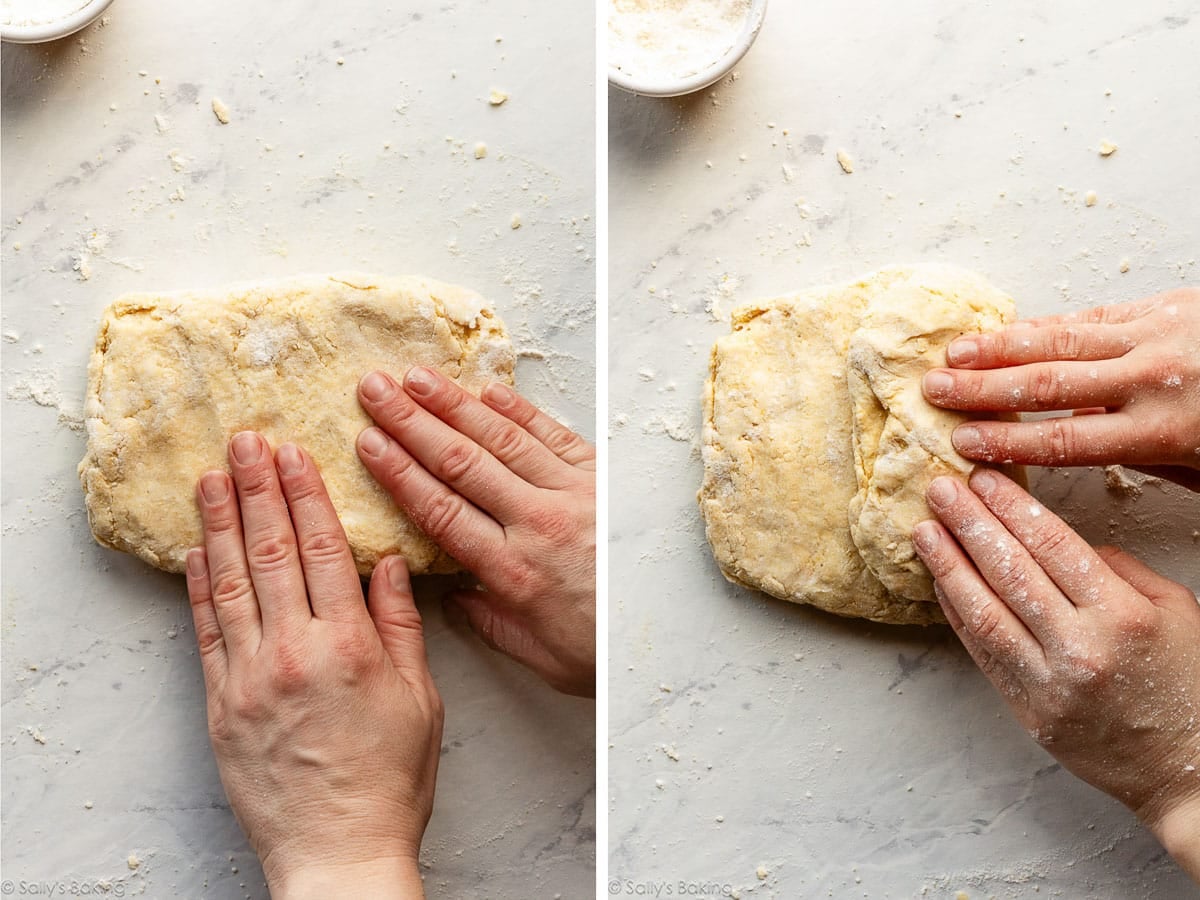
The technique of folding and flattening the dough is another critical step that directly contributes to the biscuit’s layered structure. This method, reminiscent of techniques used for puff pastry or croissants, involves repeatedly rolling out the dough and folding it over itself. Each fold creates new layers within the dough, which then separate during baking due to the steam generated by the melting butter. Typically, shaping the dough into a rectangle, folding one side into the center, and then folding the other side over (like a business letter), and repeating this process several times after rotating the dough 90 degrees, maximizes the development of these desirable flaky strata. This seemingly simple step transforms a potentially dense dough into a marvel of airy, tender layers.
Essential Ingredients and Preparation Workflow
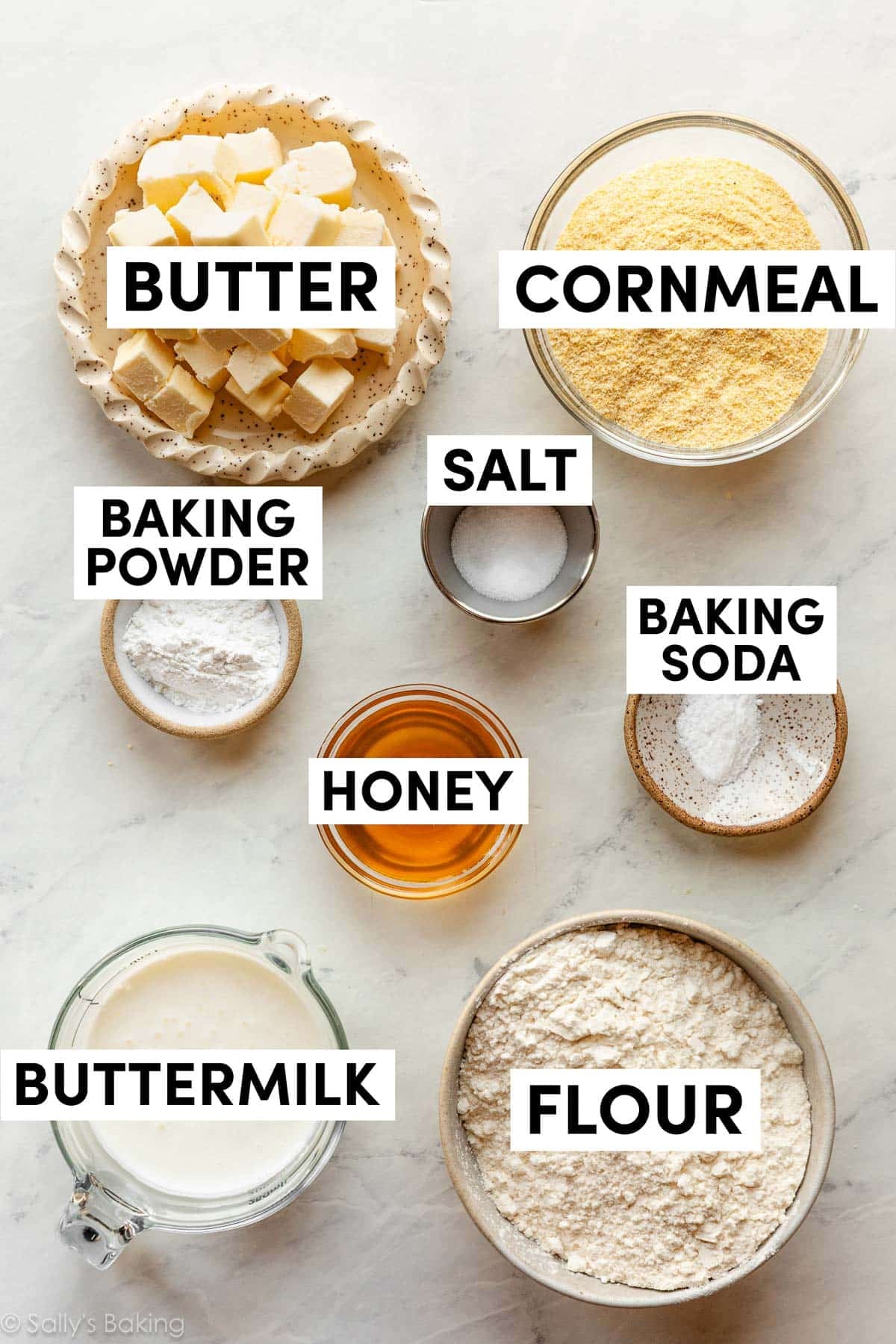
The simplicity of the cornbread biscuit recipe belies the importance of its eight core ingredients. Quality is paramount, and substitutions are generally discouraged to maintain the integrity of the texture and flavor. Key components include all-purpose flour, fine-to-medium grind cornmeal, cold unsalted butter, cold buttermilk, baking powder, baking soda, a touch of salt, and honey. The exact ratios and the quality of each ingredient significantly influence the final product.
The preparation begins with combining the dry ingredients—flour, cornmeal, baking powder, baking soda, and salt—in a large bowl. This ensures even distribution of the leavening agents. Next, cold butter, cut into small cubes, is incorporated. This can be done using a pastry cutter, which efficiently blends the butter into the dry mixture without overworking the dough or allowing the butter to warm up excessively. Alternatively, a food processor can be used for a quick pulse, creating a coarse, crumbly mixture with visible pea-sized pieces of butter.
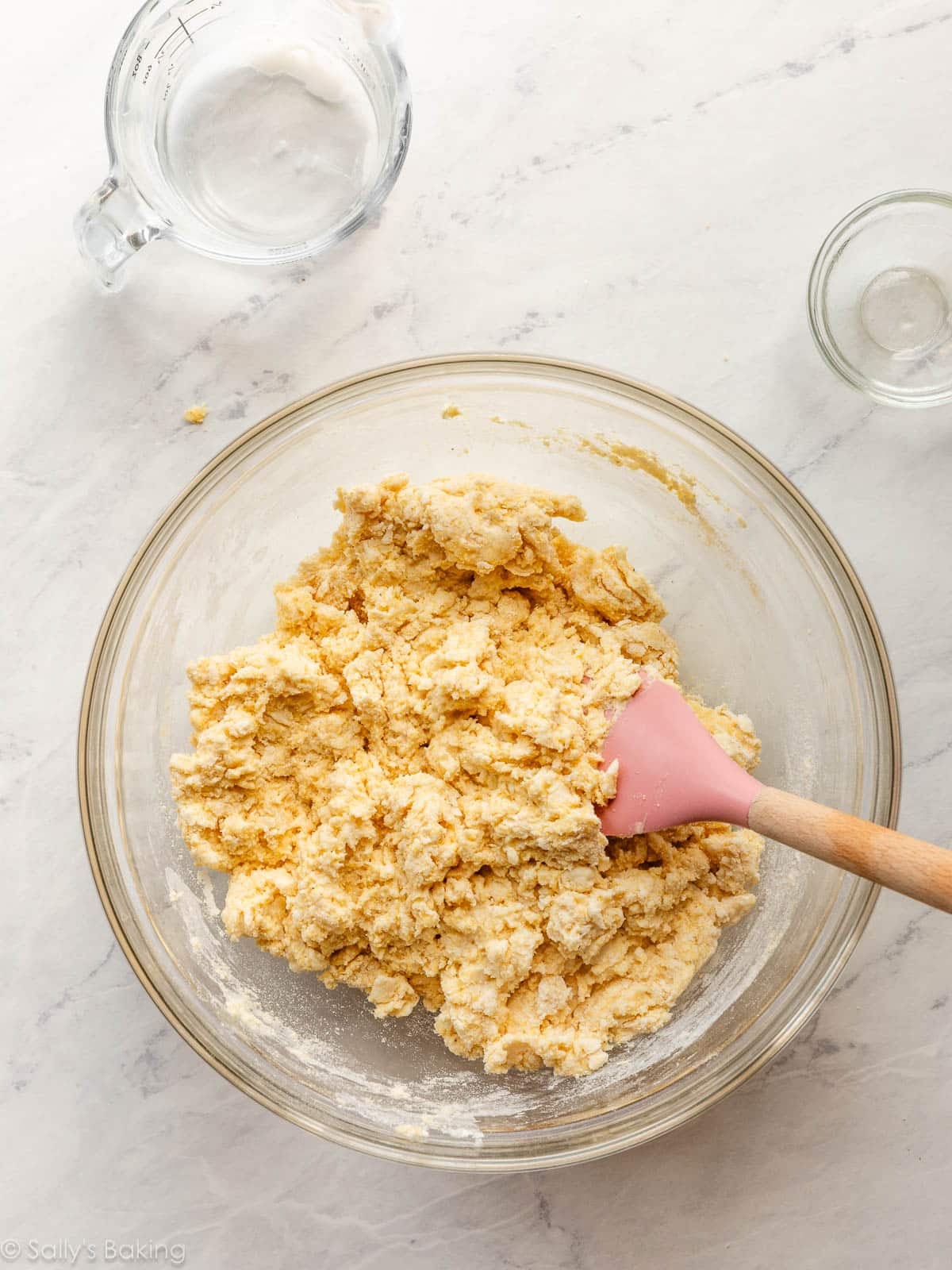
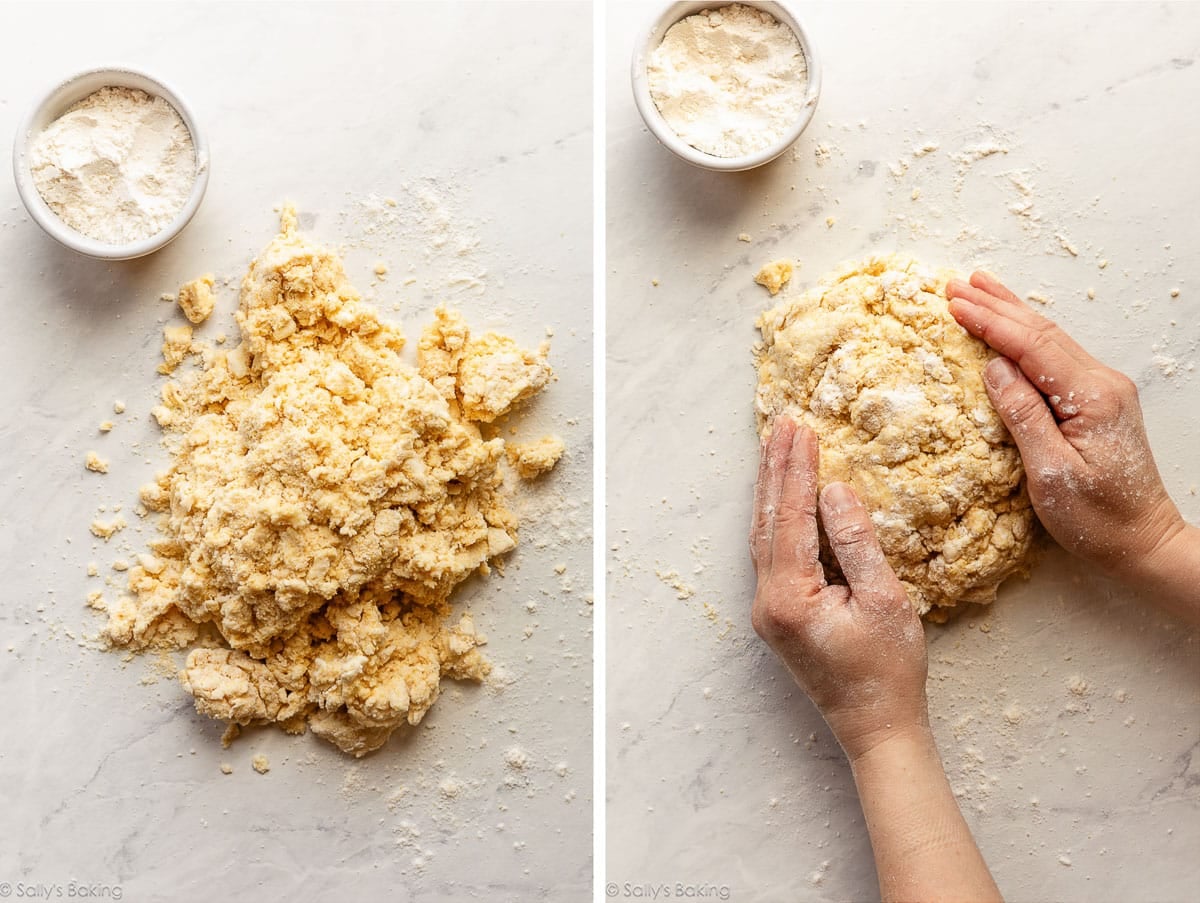
Once the butter is integrated, the cold buttermilk and honey are added. The mixture is gently stirred until a shaggy, moist dough forms. It is crucial not to overmix at this stage, as excessive handling can develop gluten, leading to tough biscuits. The dough is then turned out onto a lightly floured surface, where it is gently brought together by hand. It will appear dry and somewhat crumbly in places, with some moist spots—this is a normal and desirable consistency for biscuit dough.
The aforementioned folding and flattening technique follows. The dough is shaped into a 3/4-inch thick rectangle, folded, rotated, and repeated two more times. This layering process is quick but fundamental to achieving height and flakiness. After the final fold, the dough is gently flattened to its desired thickness, typically around 3/4 to 1 inch.
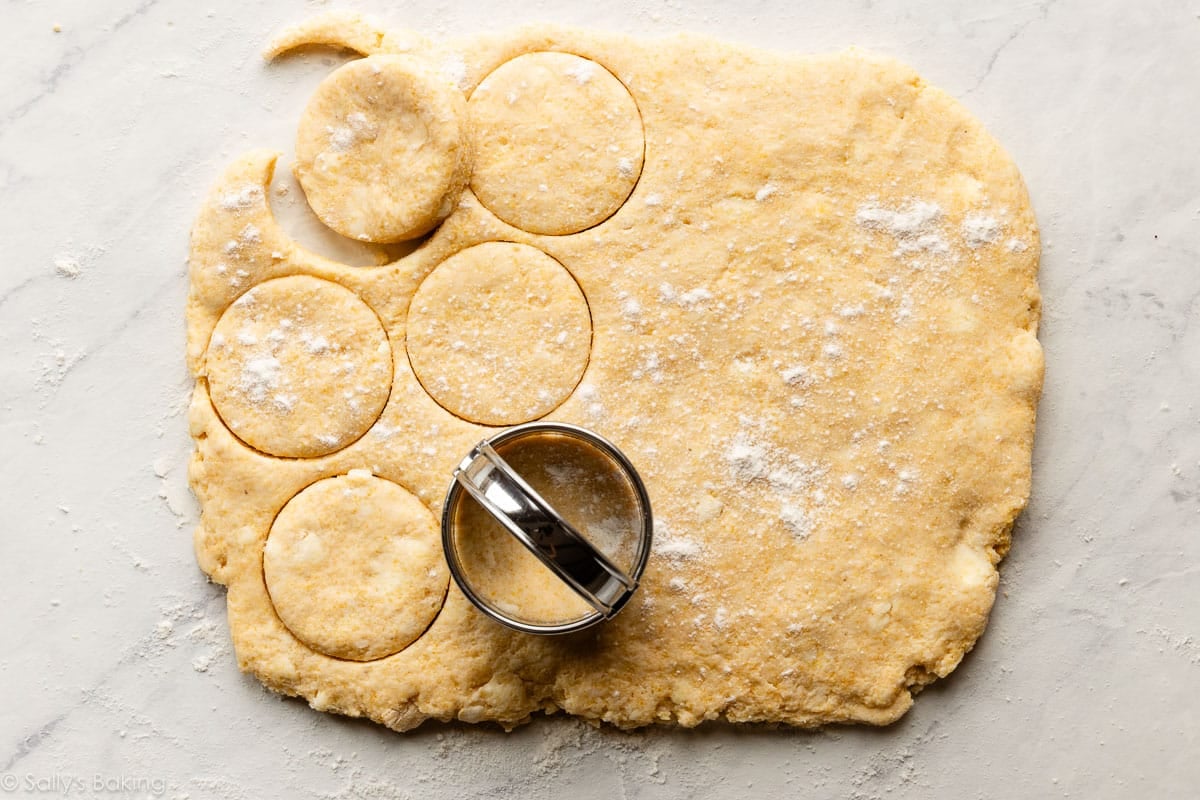
Using a biscuit cutter, the dough is then shaped into rounds. For smaller biscuits, a 2-inch cutter yields approximately 15-18 pieces, while a 2.5-inch cutter results in 10-12 larger biscuits. If a cutter is unavailable, the dough can be cut into squares. It is important to press the cutter straight down without twisting to avoid sealing the edges of the biscuit layers, which can impede rising. Any scraps are gently gathered, lightly re-folded, and cut again until all dough is utilized.
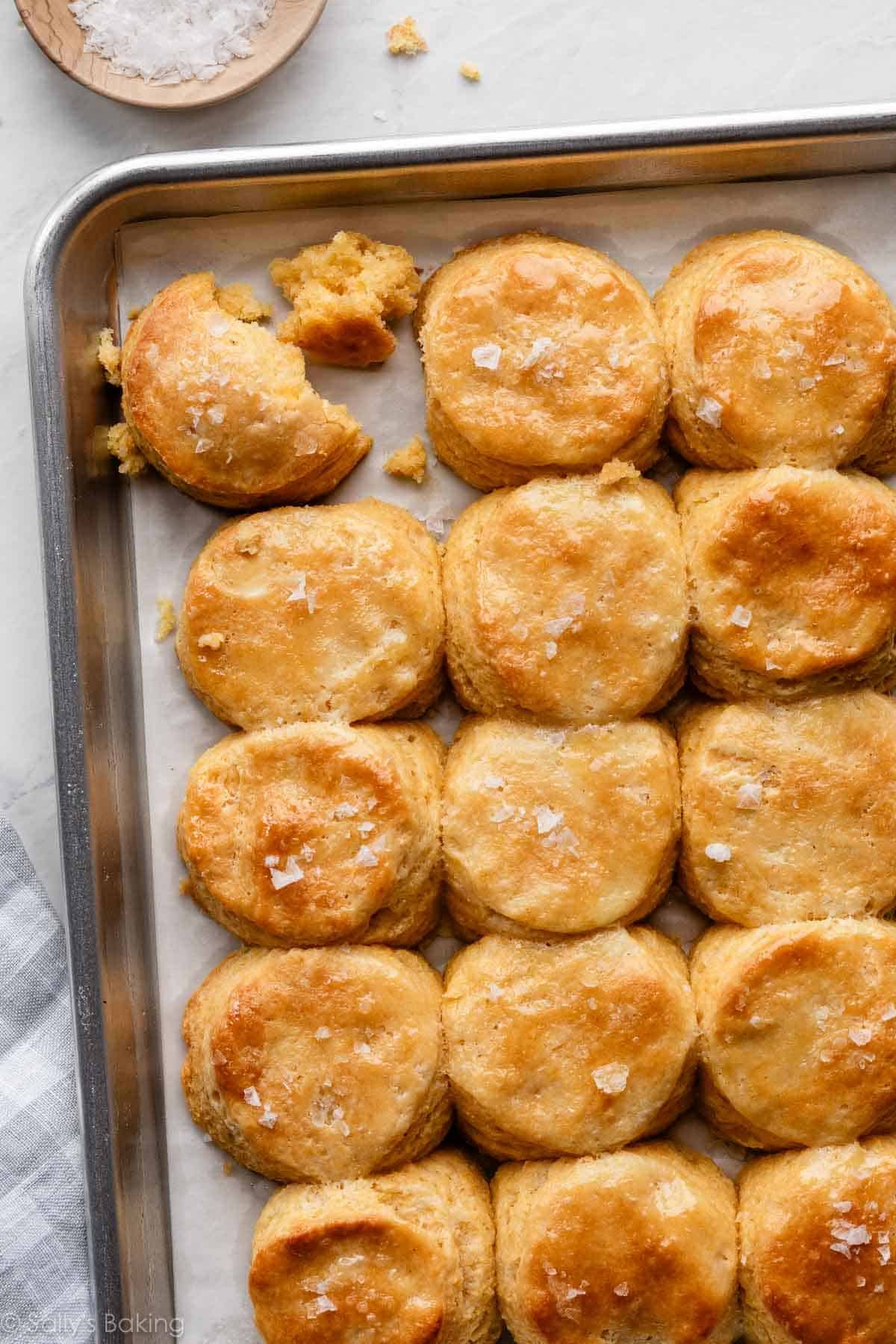
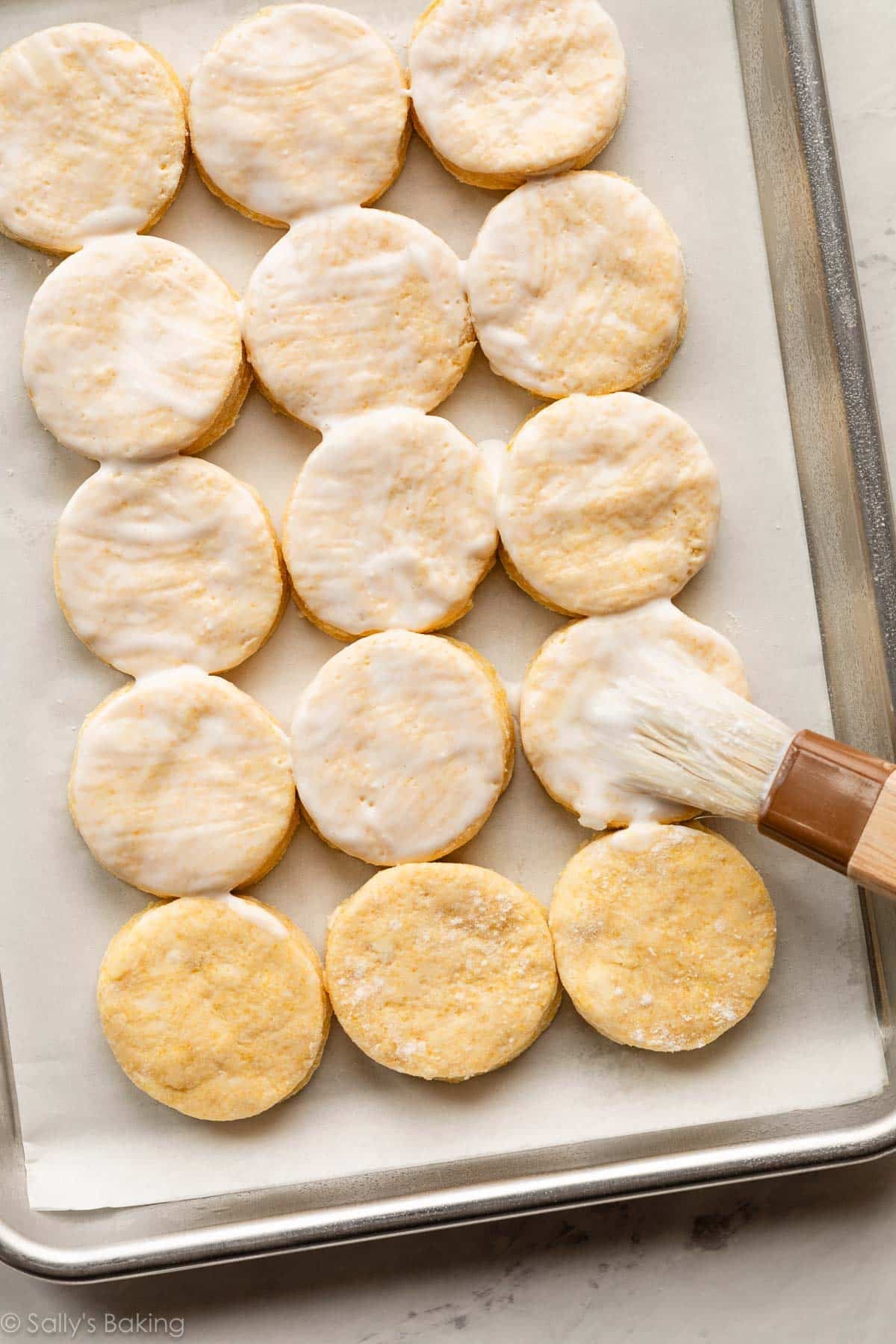
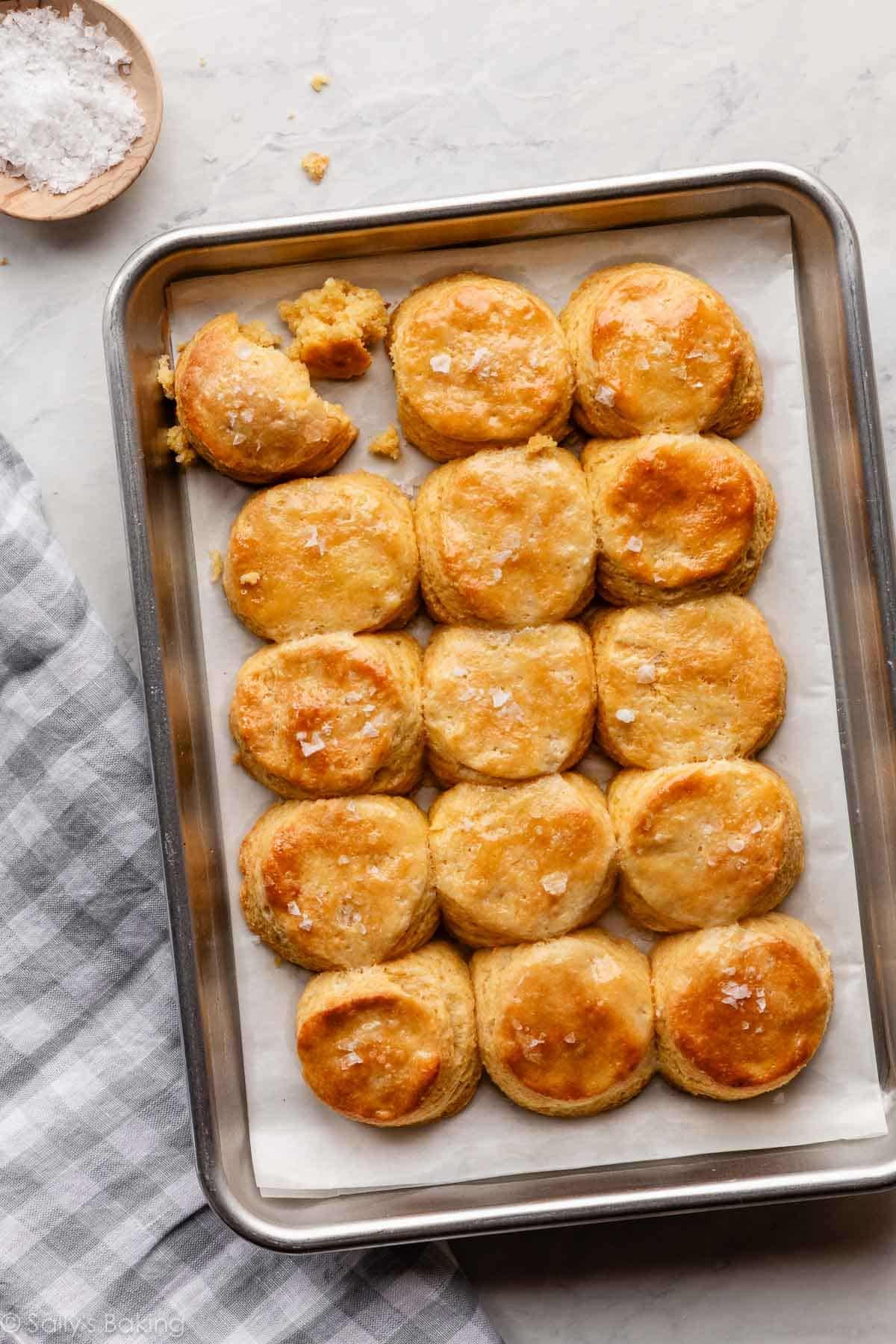
The shaped biscuits are arranged close together on a parchment-lined baking sheet or in a cast-iron skillet. Placing them in proximity encourages them to rise upwards rather than spreading outwards, contributing to their impressive height. Before baking, the tops are brushed with a little extra buttermilk, which promotes even browning and a beautiful golden crust. After baking to perfection, a final flourish of melted butter mixed with honey and a sprinkle of flaky sea salt elevates these biscuits from good to truly exceptional.
Versatility and Culinary Implications
The cornbread biscuit’s adaptability is a key factor in its burgeoning popularity. Its unique flavor profile—a balance of savory, sweet, and tangy—makes it suitable for a wide range of culinary applications, transcending traditional mealtime boundaries.
For breakfast, these biscuits shine alongside eggs, maple chicken breakfast sausage, or simply with a dollop of peach preserves or homemade honey butter. Their hearty yet tender texture makes them an ideal base for breakfast sandwiches, offering a more substantial alternative to standard bread.
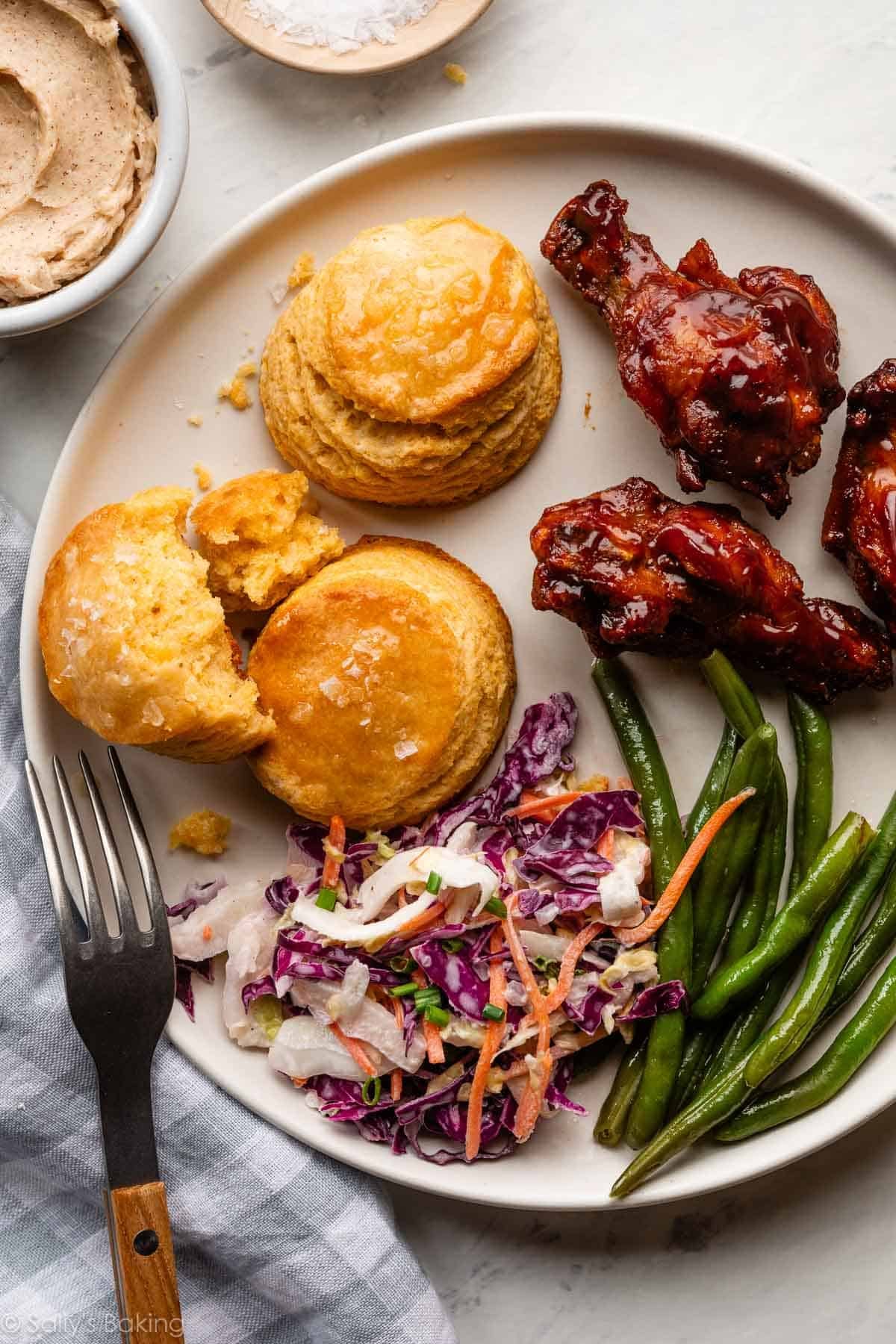
At lunch or dinner, they serve as an exemplary accompaniment to classic comfort foods. Their robust flavor stands up beautifully to the richness of barbecue, chili, and various soups and stews. They also make an excellent addition to a summertime dinner spread, complementing grilled meats and fresh salads. The jalapeño cheddar variation, with its spicy kick and cheesy goodness, pairs exceptionally well with hearty stews or as a standalone snack. The maple bacon version, with its irresistible sweet and savory notes, is particularly well-suited for brunch menus or as an accompaniment to roasted poultry.
The enthusiasm from home bakers underscores their appeal. Emily, a satisfied reader, commented, "What a great combo—cornbread and biscuits. Yum! Easy to make, great directions as usual, and very yummy. My family of 4 finished the whole batch except for 2… Served them with the honey butter and some chili. Perfect combo." Another, Elizabeth, highlighted the textural success: "These cornbread biscuits were easier to make than I thought, and they came out amazing. Think flaky biscuit with a cornmeal crunch! So delicious." Nikki echoed this sentiment, praising their ease of preparation and pillowy layers, stating, "Goodness, these are so delicious! Easier to prepare than I expected… We ate them as they came out of the oven, warm and soft, with pillowy layers and great flavor. Yum!" Such testimonials highlight the recipe’s accessibility and the consistent, delightful results it delivers.
Beyond these direct applications, the cornbread biscuit’s versatility suggests broader implications for culinary trends. It exemplifies the growing interest in elevated comfort food, where familiar dishes are refined through innovative combinations and meticulous technique. This hybrid also speaks to the ongoing exploration of fusion cuisine, demonstrating how traditional regional staples can be combined to create exciting new experiences while honoring their heritage.
Beyond the Basics: Flavor Variations and Broader Impact
The foundational cornbread biscuit recipe serves as an excellent canvas for creative flavor explorations. The two highlighted variations—jalapeño cheddar and maple bacon—demonstrate the breadth of possibilities.
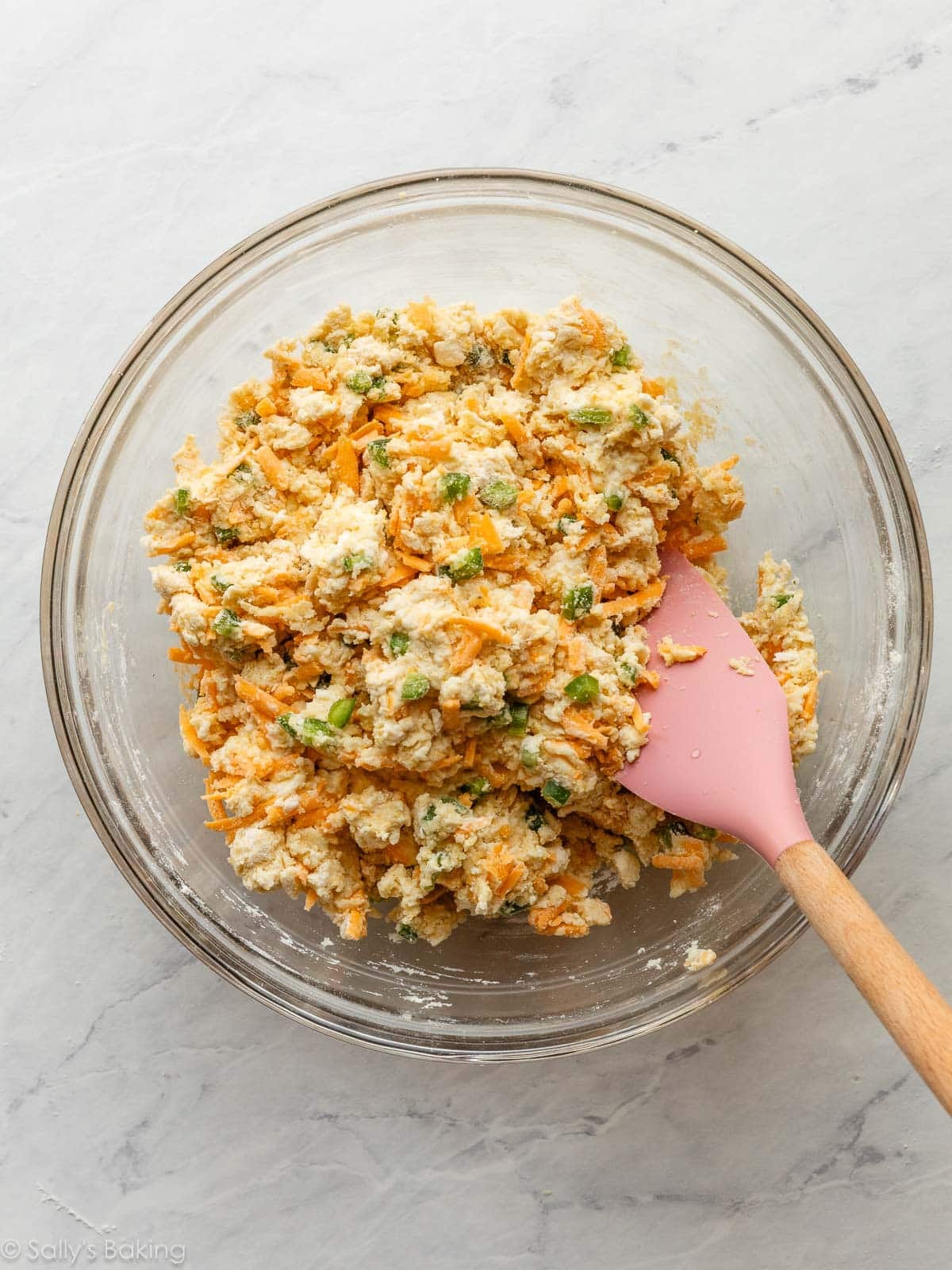
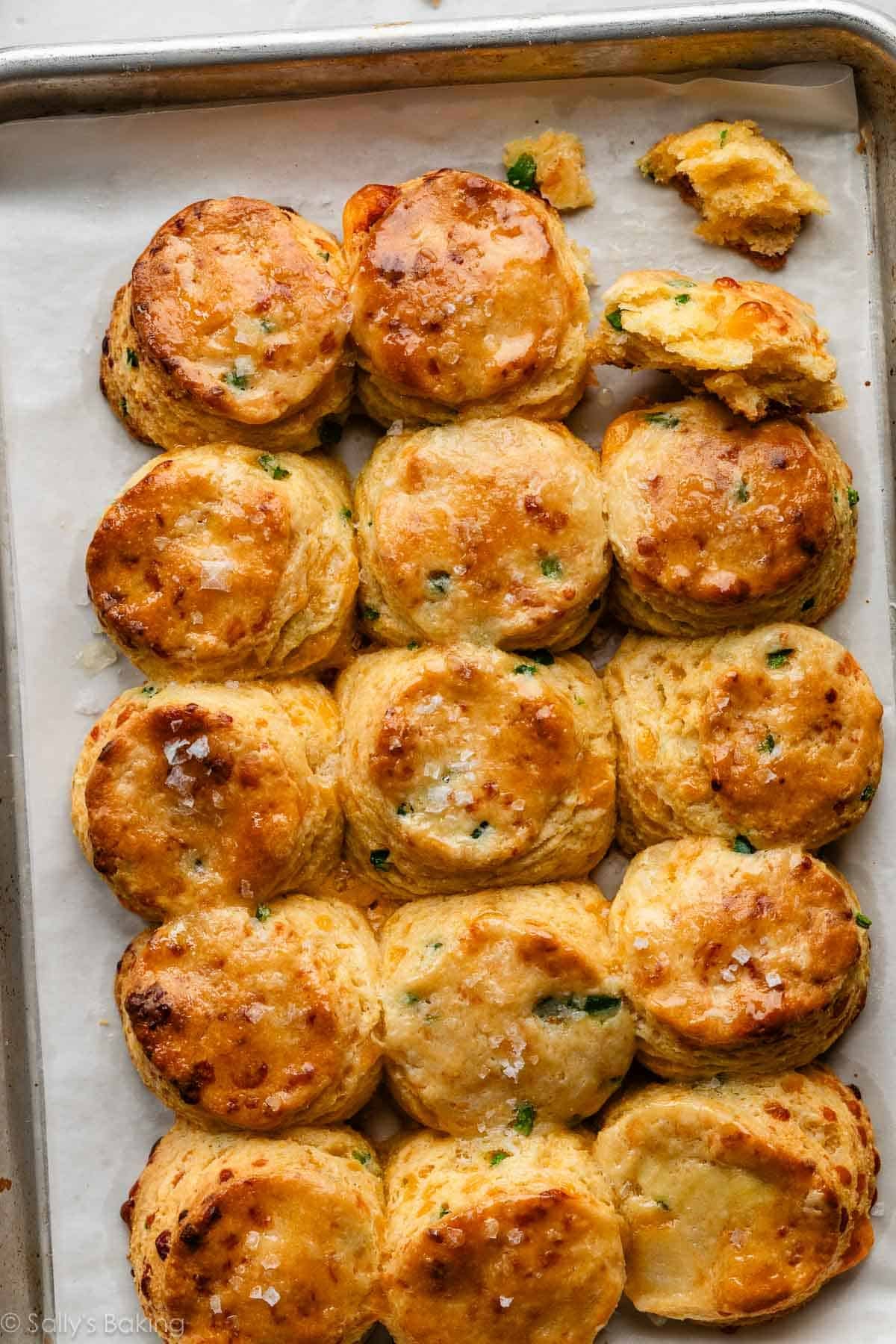
The Jalapeño Cheddar variation introduces a vibrant savory dimension. By deseeding and finely dicing a jalapeño pepper and incorporating freshly shredded sharp cheddar cheese into the dough, the biscuits gain a spicy warmth and a rich, tangy depth. The sharp cheddar melts into gooey pockets, contrasting beautifully with the cornmeal’s texture and the biscuit’s flakiness. This variation is particularly popular for those seeking a more robust, savory side or a flavorful base for savory sandwiches.
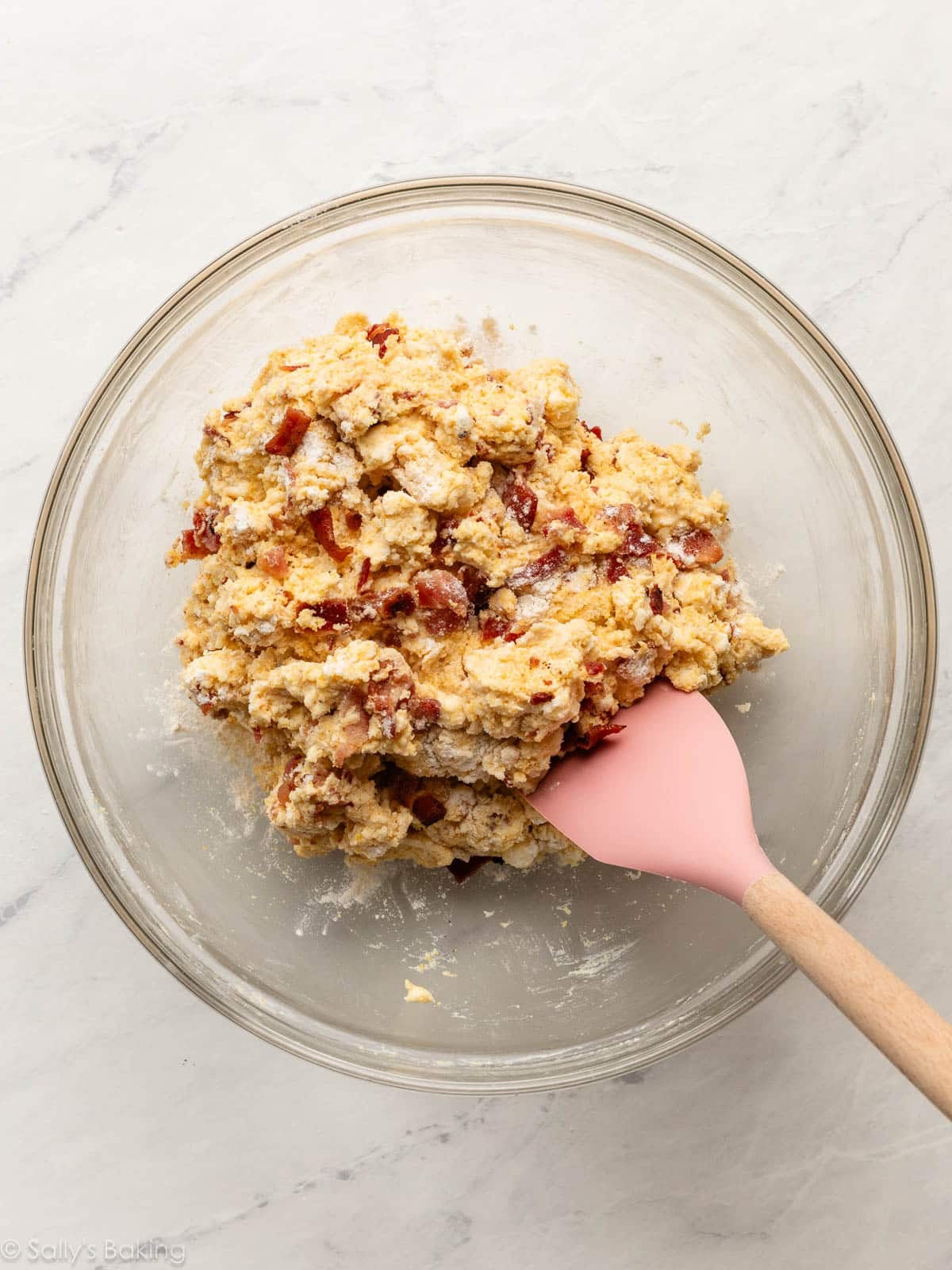
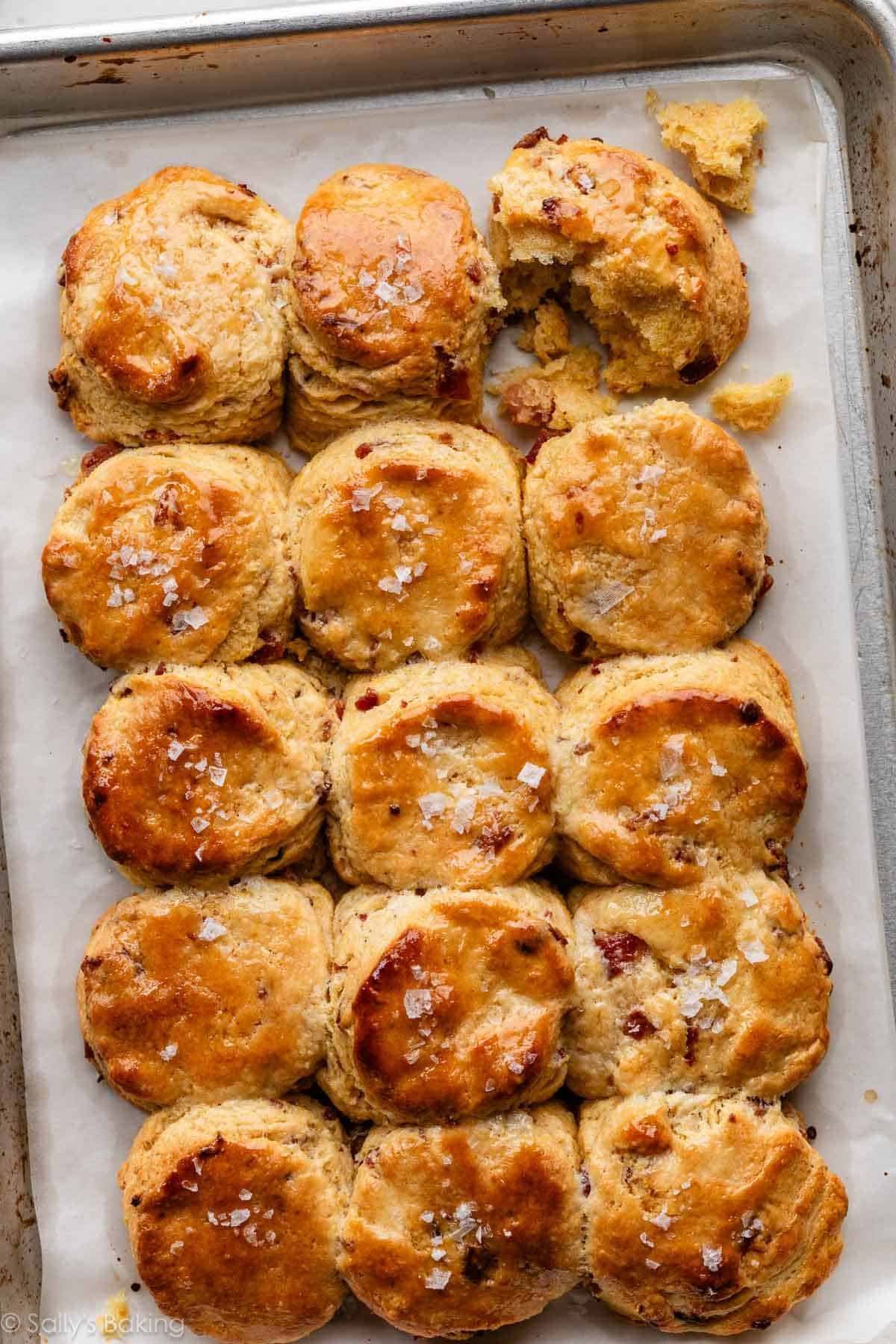
The Maple Bacon iteration leans into the popular sweet-and-savory trend. Replacing honey with pure maple syrup imbues the biscuit with a distinct, earthy sweetness, while crumbled or chopped cooked bacon adds smoky, salty notes and a textural crunch. These biscuits are a standout for breakfast or brunch, pairing exceptionally well with eggs, or even as a unique addition to a charcuterie board.
These variations, and the potential for others (such as incorporating fresh herbs like rosemary or thyme, different cheeses, or even dried fruits for a sweeter profile), underscore the cornbread biscuit’s potential to become a culinary staple with endless permutations. Dr. Eleanor Vance, a prominent food historian and author on Southern cuisine, observes, "The cornbread biscuit is more than just a recipe; it’s a statement about the dynamism of comfort food. It takes two deeply ingrained culinary traditions and marries them in a way that feels both innovative and profoundly familiar. This kind of thoughtful fusion is what keeps regional cuisines alive and evolving."
The rise of the cornbread biscuit reflects a broader trend in home baking and culinary arts: a renewed appreciation for fundamental techniques and quality ingredients, combined with a spirit of creative experimentation. It encourages home bakers to engage with the science behind their creations, understanding how factors like cold butter and precise folding contribute to superior results. By demystifying these techniques, recipes like the cornbread biscuit empower individuals to elevate their everyday meals and explore new flavor horizons. This delightful hybrid is poised to continue its ascent, gracing tables from casual family dinners to sophisticated brunch spreads, cementing its place as a modern classic.
