
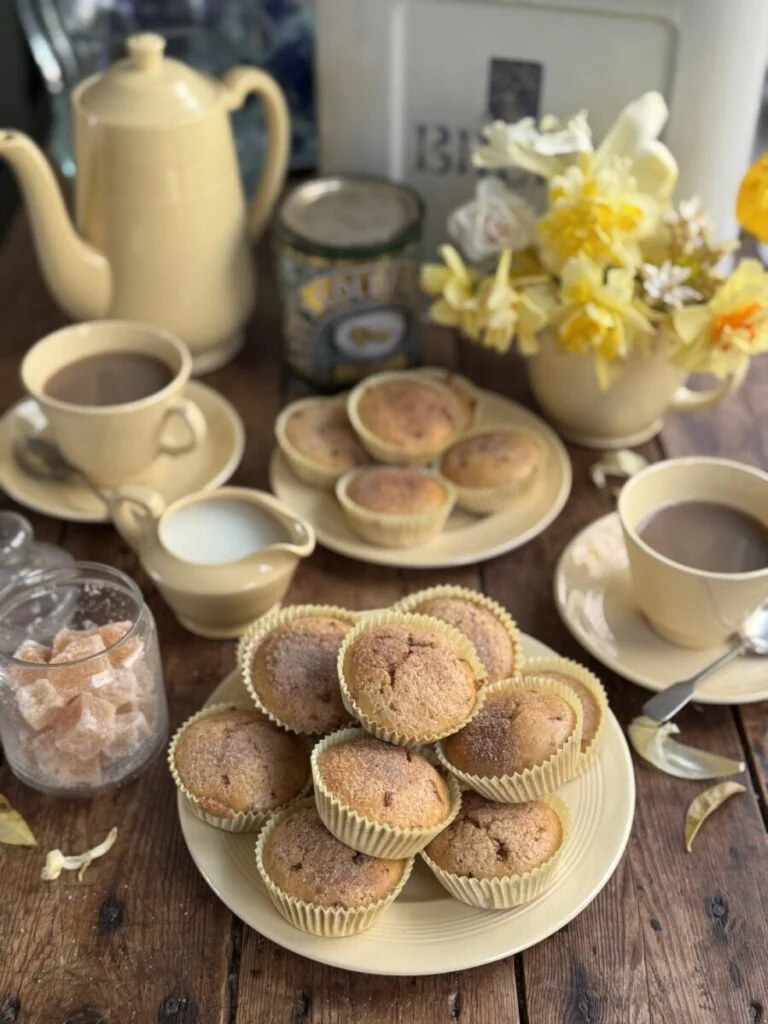
A vintage recipe for "Afternoon Tea Cakes with Golden Syrup," discovered in a Lyle’s Golden Syrup booklet now marking its centenary, has been brought back into the modern kitchen, offering a tangible link to British culinary traditions of the 1920s. Published by Karen Burns-Booth on April 25, 2026, the recipe underscores the enduring appeal of simple, comforting bakes and the rich history embedded within household staples like golden syrup. This rediscovery is not merely a nostalgic exercise but a valuable insight into the domestic life, ingredient availability, and baking practices of a century ago, providing a snapshot of an era still grappling with the aftermath of the Great War and the dawn of a new social landscape.

The Historical Context of 1920s Baking and Afternoon Tea

The year 1926, the probable origin year for this recipe booklet, marked a distinct period in British history. The roaring twenties, while characterized by social change and economic recovery, still saw many households embracing traditional values, especially around meal times. Afternoon tea, a ritual deeply ingrained in British culture since the mid-19th century, remained a cherished occasion. Originating as a light meal to bridge the long gap between lunch and a late dinner, it evolved into a social event, particularly for the middle and upper classes, and gradually permeated all strata of society in more simplified forms. The cakes served were typically small, delicate, and easy to eat, perfectly complementing a cup of tea. Fairy cakes, as these "Afternoon Tea Cakes" are described, fit this description perfectly – dainty, individual portions that could be prepared with relatively accessible ingredients.

The culinary landscape of the 1920s was shaped by several factors. Rationing from World War I had ended years prior, but thriftiness and resourcefulness remained common. Ingredients like butter, sugar, and flour were more readily available than during the war years, but cost-consciousness still influenced recipe development. Golden syrup, a by-product of sugar refining, had become a household staple since its invention in 1883 by Scottish chemist Charles Eastick for Abram Lyle & Sons. Its affordability, long shelf life, and unique flavour profile made it an invaluable ingredient for sweetening and moistening cakes, puddings, and biscuits, particularly during times when refined white sugar might have been more expensive or scarce. The inclusion of crystallised ginger in this particular recipe also points to a period when spices, while not exotic novelties, were valued for adding distinct flavour notes to otherwise simple bakes. Alternatively, the suggestion to use raisins or currants highlights the flexibility and practicality often found in vintage recipes, allowing for substitutions based on preference or availability.

Lyle’s Golden Syrup: A Century of Sweetness

Lyle’s Golden Syrup holds a unique place in British culinary history, recognized by its distinctive green and gold tin featuring the biblical depiction of a lion with a swarm of bees, accompanied by the motto "Out of the strong came forth sweetness" (Judges 14:14). This iconic branding, largely unchanged since 1883, contributes significantly to the syrup’s nostalgic appeal. The company, now part of Tate & Lyle Sugars, has consistently produced golden syrup, a thick, amber-coloured inverted sugar syrup, beloved for its rich, buttery caramel flavour. Its consistent presence in British kitchens for over 140 years means that vintage recipe booklets like the one featuring these Afternoon Tea Cakes are not just historical documents but practical guides that remain relevant today. The recipe’s centenary in 2026 coincides with Lyle’s long-standing heritage, celebrating a product that has been a sweet cornerstone of British baking for generations.

Recipe Rediscovery and Modern Relevance

The re-evaluation of this 100-year-old recipe by Karen Burns-Booth, a respected food writer and blogger behind Lavender and Lovage, highlights a growing trend in culinary circles: the appreciation and revival of vintage recipes. This movement is driven by a desire to reconnect with culinary heritage, explore traditional flavours, and understand the evolution of food preparation. The recipe, described as "a fabulous cake recipe for individual cakes, or buns," uses simple ingredients and a straightforward method, making it accessible even for novice bakers. The use of a small cake tin and paper fairy cake cases further emphasizes their intended role as dainty, bite-sized treats.

For contemporary home bakers, this recipe offers several appealing qualities. In an era where complex, multi-layered desserts often dominate, the simplicity of these golden syrup cakes is refreshing. They provide a comforting, familiar taste that evokes a sense of nostalgia, aligning with current trends favouring comfort food and traditional baking. The small size makes them ideal for modern portion control, and their suitability for children (with the optional omission of ginger) broadens their appeal. Furthermore, the practicality of the cakes – their ability to keep well in a cake tin for 3-4 days and their freezer-friendliness – speaks to the enduring wisdom embedded in older recipes, designed for efficiency and minimal waste.

Nutritional Insights and Dietary Shifts

The provided nutritional information for the "Afternoon Tea Cakes with Golden Syrup" offers a glimpse into historical dietary considerations, albeit through a modern lens. With a yield of 18 cakes and a serving size of one, each cake contains approximately 75 calories, 3g total fat (1g saturated, 2g unsaturated), 38mg sodium, 12g carbohydrates (3g sugar, 0g fiber), and 1g protein. This profile indicates a relatively light treat, particularly when compared to many contemporary commercial baked goods which often contain higher sugar and fat content per serving.

In the 1920s, public understanding of nutrition was still evolving. While the concept of calories was known, the detailed breakdown of macronutrients and the focus on saturated versus unsaturated fats were not as prevalent as today. The primary concern was often caloric intake for energy and affordability. The relatively low sugar content (3g per cake) for a sweet item, combined with the moderate fat, suggests a balanced approach to treat-making, reflecting a time when sweets were perhaps consumed more sparingly or as part of a larger, more varied afternoon tea spread rather than as standalone, high-energy snacks. The golden syrup itself, while a sugar, also contributes trace minerals, and its unique flavour allows for a satisfying sweetness without requiring excessive amounts. This nutritional snapshot highlights how older recipes can often align surprisingly well with modern dietary recommendations for moderation, particularly in contrast to the heavily processed foods that became more common in later decades.

The Craft of Presentation: Enhancing the Experience

The original article mentions serving these cakes on "pretty vintage Woodsware Jasmine china" alongside "spring flowers from our cottage garden." This detail is significant, as it underscores the holistic experience of afternoon tea. In the 1920s, and indeed today, the presentation of food, especially for social occasions, was as important as the taste. Vintage china, such as Woodsware’s Jasmine pattern, evokes a sense of elegance and tradition, transforming a simple cake into part of a cherished ritual. The inclusion of fresh flowers further enhances the aesthetic, connecting the culinary experience to nature and the seasons. This emphasis on presentation reflects a broader cultural appreciation for domesticity and the art of homemaking that was prevalent a century ago and continues to resonate with those who value mindful eating and creating beautiful experiences around food.

Implications for Culinary Heritage and Modern Brands

The resurgence of vintage recipes like these Afternoon Tea Cakes has broader implications. For culinary historians and food anthropologists, such discoveries provide invaluable primary sources, offering direct insights into past dietary habits, ingredient supply chains, and social customs. They allow for a deeper understanding of how economic, social, and technological changes have shaped our foodways over time. The explicit mention of Lyle’s Golden Syrup in the original booklet also serves as a testament to the brand’s historical significance and continued relevance.

For modern food brands, the revival of vintage recipes presents a unique marketing opportunity. Companies like Lyle’s can leverage their heritage to connect with consumers through nostalgia and authenticity, reminding them of the enduring quality and versatility of their products. This aligns with a growing consumer interest in products with a story, local provenance, and a sense of tradition. Food bloggers and culinary platforms, by featuring and adapting these historical recipes, play a crucial role in preserving and disseminating this culinary heritage, making it accessible to a new generation of home cooks. This collaborative effort ensures that the flavours and techniques of the past continue to enrich our present culinary landscape.

In conclusion, the simple "Afternoon Tea Cakes with Golden Syrup" are more than just a recipe; they are a delicious artifact from a bygone era. Their rediscovery in a centenary Lyle’s Golden Syrup booklet, championed by modern food enthusiasts, serves as a poignant reminder of the rich tapestry of British culinary history. As we continue to explore and appreciate these vintage treasures, we gain not only delightful new additions to our baking repertoire but also a deeper connection to the cultural and social narratives that have shaped our food for generations. The enduring appeal of these dainty cakes proves that some traditions, like the comforting taste of golden syrup, truly stand the test of time.
