
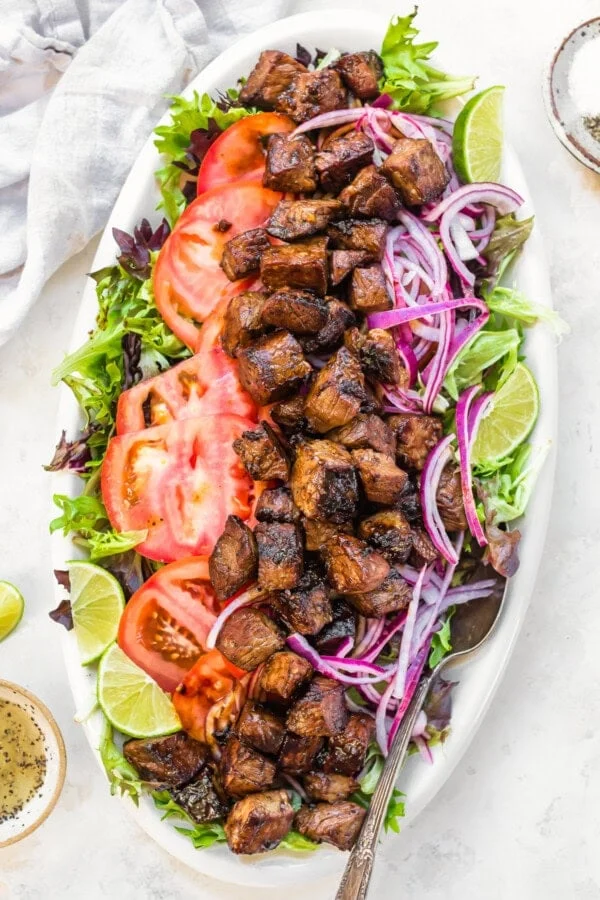
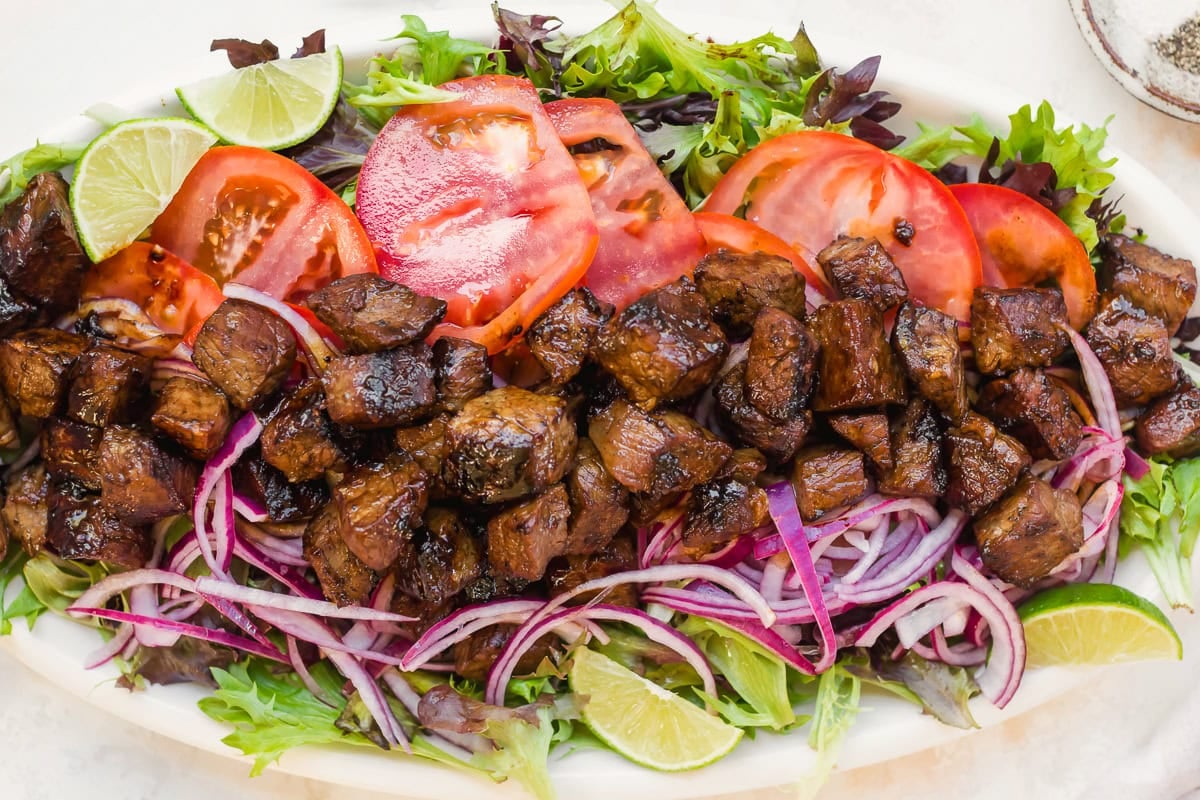
Vietnamese Shaking Beef, known in its native tongue as Bò Lúc Lắc, stands as a vibrant testament to the rich culinary traditions of Vietnam, offering a harmonious blend of savory, sweet, tangy, and fresh flavors. This popular dish, essentially a steak salad, features succulent, wok-seared beef served atop a bed of crisp greens and ripe tomatoes, often garnished with piquant pickled onions and accompanied by a zesty lime dipping sauce. Its distinctive name, "shaking beef," directly translates from "Bò Lúc Lắc," referring to the energetic tossing motion employed during its rapid cooking in a hot wok, ensuring each piece of beef is perfectly seared to a tender finish.
The Historical Tapestry of Bò Lúc Lắc
The origins of Bò Lúc Lắc are deeply intertwined with Vietnam’s complex history, particularly the period of French colonial influence. While beef was not traditionally a staple in Vietnamese cuisine, the French introduced its consumption, along with culinary techniques such as stir-frying and the use of black pepper, which became integral to the dish. Over time, Vietnamese cooks ingeniously adapted these foreign elements, incorporating indigenous ingredients and flavor profiles to create unique dishes like Bò Lúc Lắc. The precise timeline of its invention is difficult to pinpoint, but it emerged as a popular dish in Southern Vietnam, particularly in Saigon (now Ho Chi Minh City), where it was embraced by both locals and expatriates. Its evolution reflects a broader trend in Vietnamese gastronomy—the masterful fusion of local ingredients with foreign culinary concepts, resulting in dishes that are distinctly Vietnamese yet globally appealing.
Initially, Bò Lúc Lắc might have been a more upscale dish, given the relative expense of beef. However, as ingredients became more accessible, it transcended social strata, becoming a beloved fixture in family meals, street food stalls, and high-end restaurants alike. Its versatility and quick preparation made it ideal for bustling urban environments, solidifying its status as a culinary icon.
Deconstructing the Dish: Ingredients and Culinary Techniques
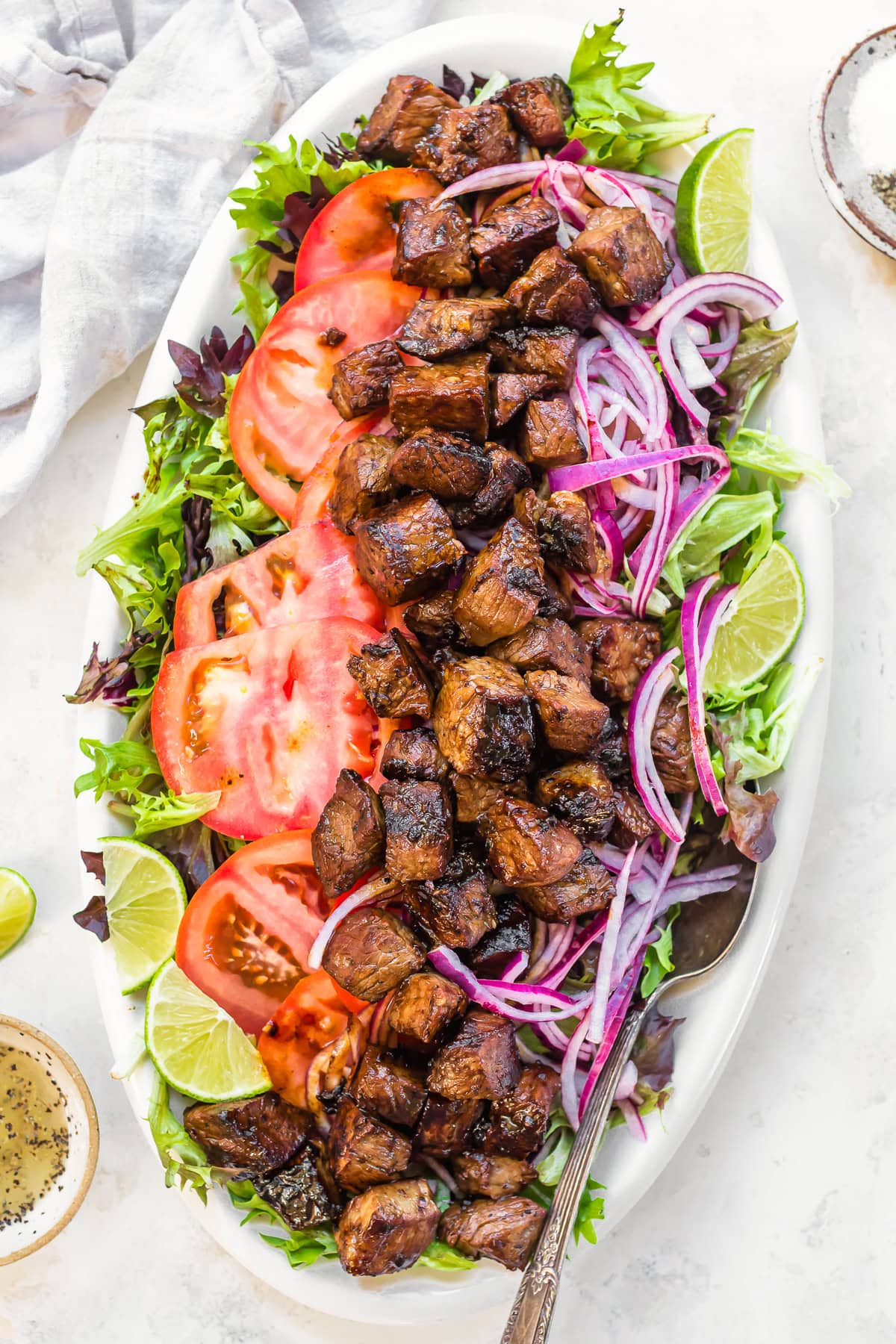
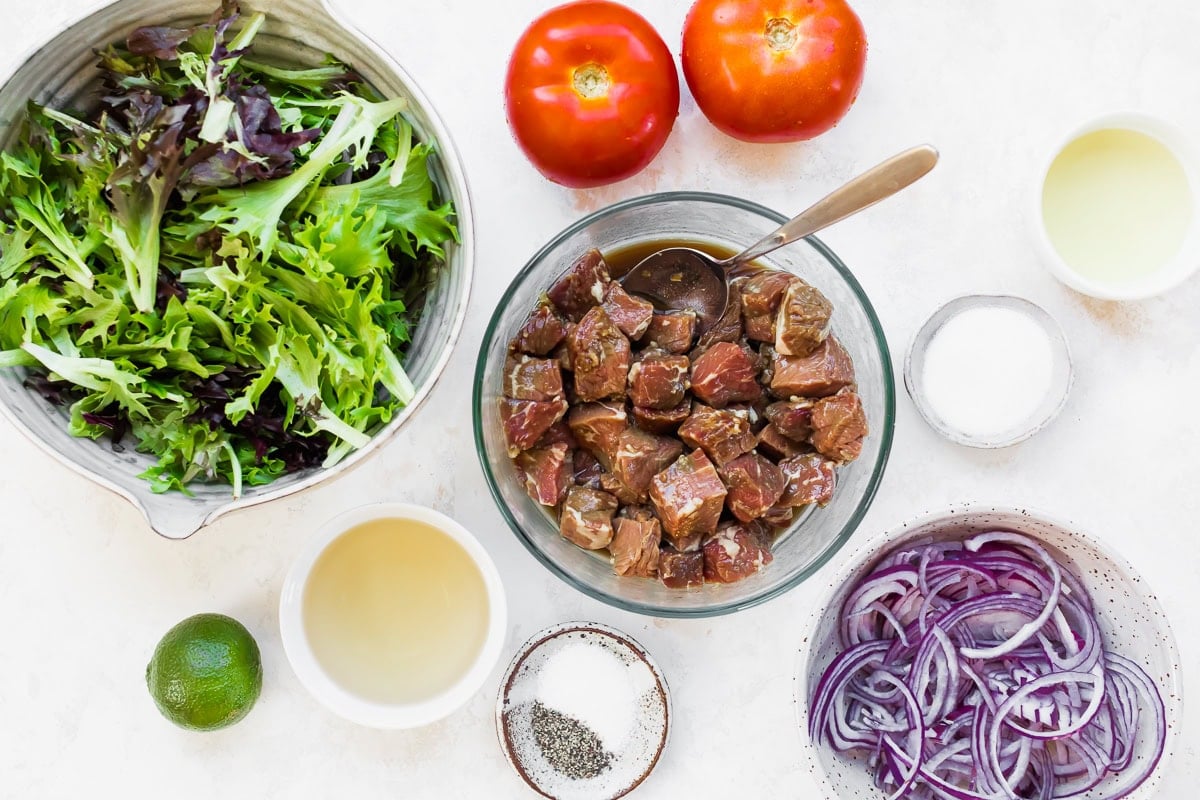
At its core, Bò Lúc Lắc is a celebration of contrasting textures and balanced flavors. The dish is typically composed of several distinct elements, each contributing to its overall appeal:
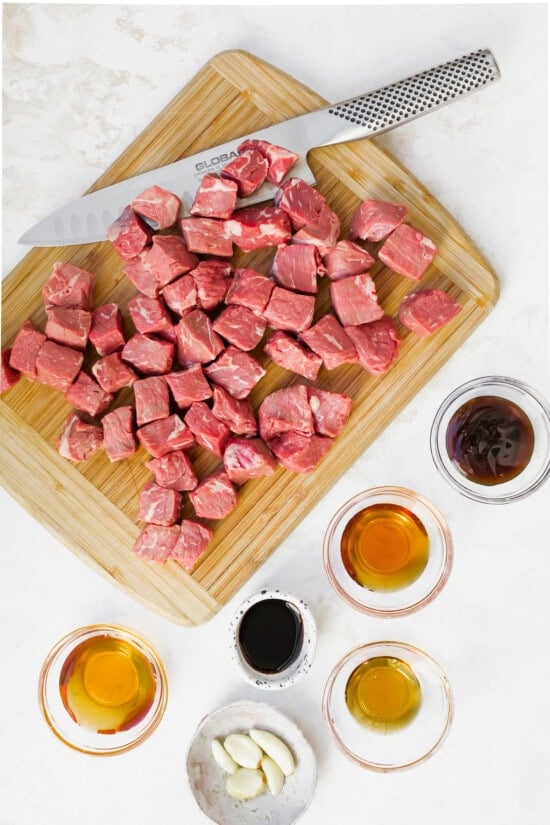
- The Beef: The choice of beef is paramount. Traditionally, high-quality cuts like sirloin or tenderloin (filet mignon) are preferred due to their tenderness and ability to cook quickly without becoming tough. The beef is cut into bite-sized cubes, which maximizes surface area for searing and ensures even cooking.
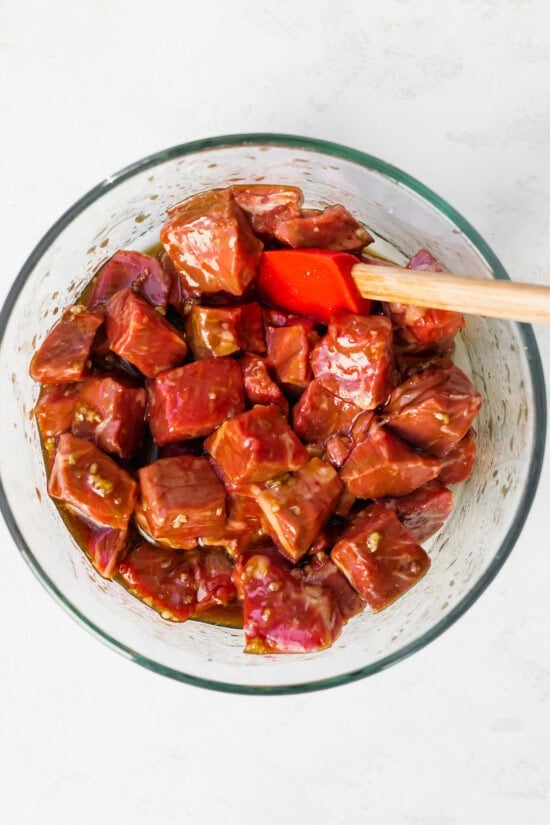
- The Marinade: This is where much of the flavor infusion begins. A typical marinade for Bò Lúc Lắc includes a blend of soy sauce for umami, oyster sauce for depth and a hint of sweetness, sugar to aid caramelization and balance saltiness, minced garlic for aromatic punch, and freshly cracked black pepper, a crucial ingredient that imparts a distinctive warmth and spice. Some recipes might also include a touch of sesame oil or cornstarch for tenderization. The marination process, ideally lasting at least an hour, allows the flavors to penetrate the beef, preparing it for the intense heat of the wok.
- The "Shaking" Technique (Lúc Lắc): This is the signature cooking method. The marinated beef cubes are rapidly stir-fried in a very hot wok or skillet, often with a small amount of oil or butter. The "shaking" or tossing motion ensures that each piece of beef makes direct contact with the hot surface for a brief period, creating a beautiful sear and caramelized crust while keeping the interior juicy and tender. This high-heat, quick-cooking method is essential to prevent the beef from overcooking and becoming tough, a common pitfall in stir-frying. The goal is a medium-rare to medium doneness, preserving the beef’s natural succulence.
- The Salad Base: To counteract the richness of the beef, Bò Lúc Lắc is traditionally served on a refreshing bed of greens. Watercress is a classic choice, offering a slightly peppery bite, though crisp lettuce (such as butter lettuce or romaine) is also common. Sliced ripe tomatoes are added for their acidity and vibrant color, creating a visually appealing and texturally diverse foundation.
- Pickled Onions: These provide a sharp, tangy counterpoint to the savory beef. Thinly sliced onions are quickly pickled, often in a mixture of vinegar, sugar, and water, which softens their raw pungency and adds a bright, acidic element that cleanses the palate.
- The Dipping Sauce (Nước Chấm): No Vietnamese dish is complete without a quintessential dipping sauce, and Bò Lúc Lắc is no exception. A classic Nước Chấm Gừng (ginger fish sauce) or a simple lime-based sauce is typically served alongside. Key ingredients usually include fish sauce, fresh lime juice for acidity, sugar for sweetness, minced garlic, and often a touch of sliced bird’s eye chili for heat. This sauce acts as the final flavor enhancer, allowing diners to customize each bite to their preference, adding an extra layer of complexity and zest.
Nutritional Profile and Health Considerations
From a nutritional standpoint, Bò Lúc Lắc offers a relatively balanced meal, particularly when prepared with fresh ingredients and mindful portion control. A serving, often comprising approximately 3 ounces of beef alongside lettuce, onions, and tomato, typically provides around 216 kcal. Its macronutrient breakdown highlights its strength as a protein source, with about 28 grams of protein per serving, making it an excellent option for muscle maintenance and satiety.

Carbohydrates are moderate at approximately 11.5 grams, primarily derived from the sugar in the marinade and dipping sauce, as well as the natural sugars in the vegetables. Fat content is around 7 grams, with about 1.5 grams of saturated fat, which can vary depending on the beef cut and the amount of cooking oil or butter used. Cholesterol stands at about 78 mg.
One area for consideration is sodium, which can be relatively high at around 796.5 mg per serving, primarily due to the use of soy sauce, oyster sauce, and fish sauce in both the marinade and dipping sauce. Individuals monitoring their sodium intake might consider using low-sodium alternatives for these sauces or adjusting the quantities. The dish also provides a modest amount of fiber (around 1 gram) from the fresh vegetables and about 7.5 grams of sugar. The inclusion of fresh greens and tomatoes also contributes vitamins and antioxidants, making it a wholesome choice.
Global Reach and Culinary Adaptations

Bò Lúc Lắc’s appeal extends far beyond the borders of Vietnam. It has become a beloved dish in Vietnamese restaurants worldwide, from bustling Chinatowns to upscale eateries in major metropolitan areas. Its straightforward yet sophisticated flavor profile makes it accessible to diverse palates, appealing to those new to Vietnamese cuisine as well as connoisseurs.
The dish’s global journey has naturally led to various adaptations. While traditionally served with a salad, it is also frequently presented with steamed jasmine rice, allowing the flavorful beef juices to meld with the grains. In some Western interpretations, the choice of greens might vary, or additional vegetables like bell peppers or cucumbers might be incorporated into the stir-fry itself. The dipping sauce might also see regional variations, with some chefs opting for a simpler salt and pepper lime dip, or even a spicier Sriracha-infused option.
The role of food blogs and culinary personalities has been instrumental in popularizing Bò Lúc Lắc for home cooks globally. Websites like Skinnytaste, which featured an adapted version of a recipe from Ravenous Couple, exemplify how authentic recipes are shared, refined, and made accessible. Gina from Skinnytaste noted her efforts to lighten the dish while maintaining its authentic essence, demonstrating a common practice in modern culinary discourse where traditional dishes are reimagined for contemporary dietary preferences without compromising cultural integrity. These adaptations reflect a dynamic culinary landscape where tradition meets innovation, allowing more people to enjoy the rich tapestry of global flavors.
Expert Perspectives and Culinary Insights
Culinary experts often praise Bò Lúc Lắc for its elegant simplicity and the harmonious balance of its core elements. The dish perfectly embodies the Vietnamese culinary philosophy of achieving a delicate equilibrium between the five fundamental tastes: sour, bitter, sweet, spicy, and salty. The lime dipping sauce provides sourness, the sugar in the marinade offers sweetness, the black pepper and chili deliver spice, and the fish sauce and soy sauce bring saltiness and umami. The slight bitterness from watercress can complete this sensory experience.
Chefs emphasize the critical importance of proper heat management when preparing Bò Lúc Lắc. The high heat of the wok is not merely for speed; it’s a scientific principle that creates the Maillard reaction, responsible for the deep, complex flavors and appealing crust on the beef, while simultaneously locking in moisture. Overcrowding the pan is a common mistake that lowers the temperature, leading to steamed rather than seared beef, thus losing the desired texture and flavor.
The dish also showcases the beauty of fresh, vibrant ingredients. The crispness of the lettuce, the juiciness of the tomatoes, and the sharp tang of the pickled onions are not mere accompaniments but essential components that provide textural contrast and refresh the palate, making each bite exciting and preventing the dish from becoming heavy.
Preparing Bò Lúc Lắc: Tips for the Home Cook
For those aspiring to recreate this Vietnamese classic at home, several tips can ensure success. Preparing the components in advance is highly recommended. The beef can be marinated overnight, deepening its flavor. The pickled onions can also be made ahead of time, and the dipping sauce can be mixed and stored in the refrigerator, allowing the flavors to meld. This "mise en place" approach streamlines the final cooking process, which is inherently fast-paced.
When cooking the beef, a heavy-bottomed pan or, ideally, a wok, heated to a very high temperature, is crucial. Cook the beef in batches if necessary to avoid overcrowding, ensuring a proper sear. The cooking time for each batch should be brief, typically only a minute or two per side, to achieve the desired medium-rare to medium doneness. Serving the dish immediately after cooking is also key to enjoying the beef at its peak tenderness and the salad at its freshest.
For storage, any leftover cooked beef and salad components should be stored separately in airtight containers in the refrigerator. The beef will remain palatable for up to three days, while the fresh greens are best consumed within a day. Reheating the beef gently on the stovetop can help retain some of its tenderness, though it may not be as succulent as freshly cooked.
In conclusion, Bò Lúc Lắc is more than just a meal; it is a culinary narrative, reflecting historical influences, sophisticated techniques, and a profound appreciation for fresh, balanced flavors. Its journey from Vietnamese kitchens to global renown underscores its universal appeal and its enduring legacy as a quintessential dish of Vietnamese cuisine.
