
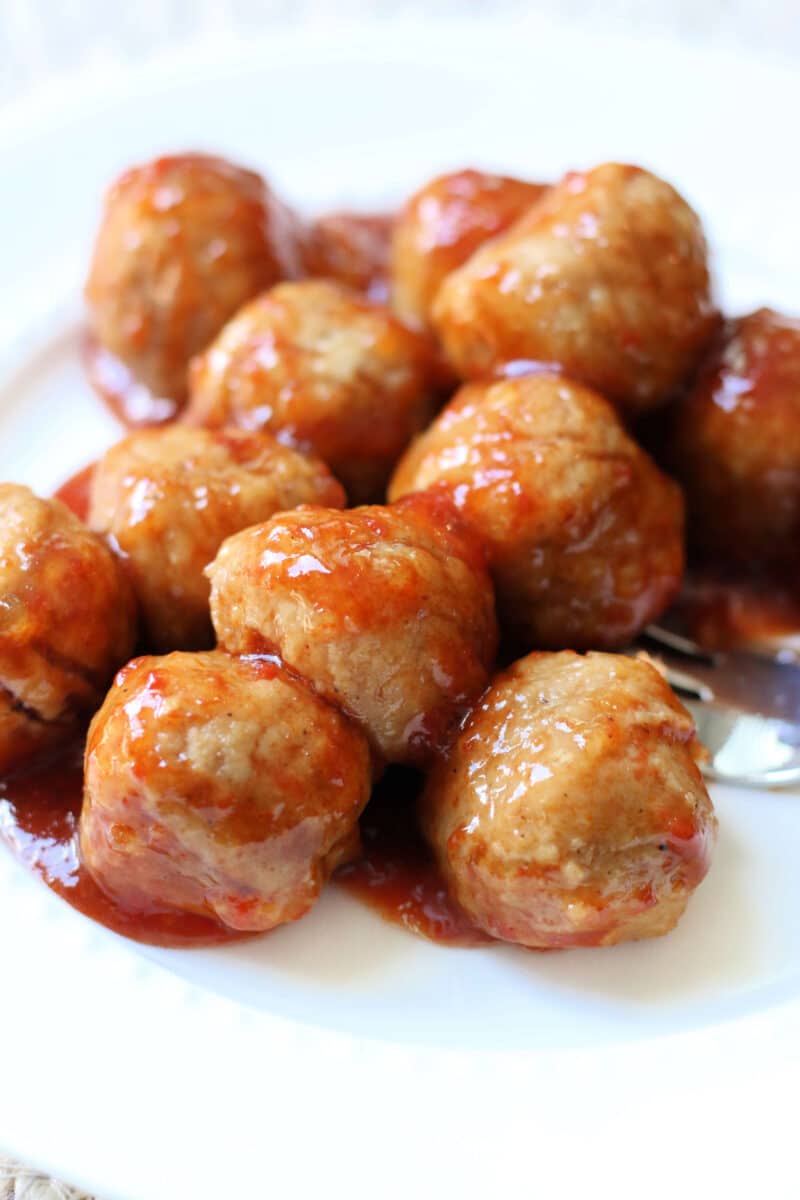
The intersection of American carbonated beverage culture and traditional slow-cooker gastronomy has reached a new milestone with the rise of Dr Pepper-infused meat dishes. This culinary trend, characterized by the utilization of the distinct 23-flavor profile of Dr Pepper to create a complex glaze, has transitioned from a niche regional specialty into a mainstay of modern "semi-homemade" cooking. The Dr Pepper Meatball represents a significant shift in contemporary home entertaining, prioritizing efficiency and flavor depth through the strategic use of pantry staples and frozen convenience items. As domestic consumption of frozen appetizers continues to climb, this specific recipe offers a case study in how simple ingredients—ketchup, brown sugar, vinegar, and soda—can be synthesized into a sophisticated, glossy glaze that satisfies the growing consumer demand for "sweet-and-savory" flavor profiles.
The Evolution of Soda-Based Culinary Techniques
The practice of using carbonated beverages as a cooking medium is rooted in mid-20th-century American domesticity. Historically, colas and root beers were utilized to glaze hams or tenderize pot roasts, with the phosphoric acid and sugar content acting as both a chemical tenderizer and a caramelizing agent. Dr Pepper, invented by pharmacist Charles Alderton in Waco, Texas, in 1885, occupies a unique space in this tradition. Unlike standard colas, its proprietary blend of flavors—often cited to include cherry, licorice, amaretto, and various spices—provides a pre-built complexity that reduces the need for extensive seasoning in the kitchen.
In the context of the modern slow cooker, which gained mass-market popularity in the 1970s under the "Crock-Pot" brand, the use of Dr Pepper allows for a low-and-slow reduction process. As the moisture evaporates over several hours, the sugars in the soda concentrate, resulting in a thick, syrupy consistency that adheres effectively to protein surfaces. This method has become particularly popular for game-day appetizers and large-scale social gatherings due to its "set-and-forget" nature.
Composition and Chemical Synergy of Ingredients
The effectiveness of the Dr Pepper Meatball glaze relies on a specific balance of acidity, sweetness, and thickening agents. According to culinary analysts, the recipe is structured to hit multiple palate points simultaneously:
- The Base (Dr Pepper): Provides the foundational liquid and a complex spice profile. The sugar content facilitates the Maillard reaction, even at the lower temperatures of a slow cooker.
- The Acid (Ketchup and Vinegar): Ketchup serves as both a tomato base and a source of vinegar and salt. The addition of extra white or apple cider vinegar cuts through the heaviness of the meat and the sweetness of the soda, providing a "tangy" finish.
- The Sweetener (Brown Sugar): While the soda is sweet, brown sugar adds molasses notes and increases the viscosity of the sauce as it reduces.
- The Aromatics (Garlic Powder): A staple savory component that grounds the sweeter elements of the sauce.
- The Thickener (Tapioca): Unlike cornstarch, which can sometimes break down or become chalky during long cooking cycles, tapioca pearls or starch provide a clear, glossy finish that maintains its integrity under prolonged heat.
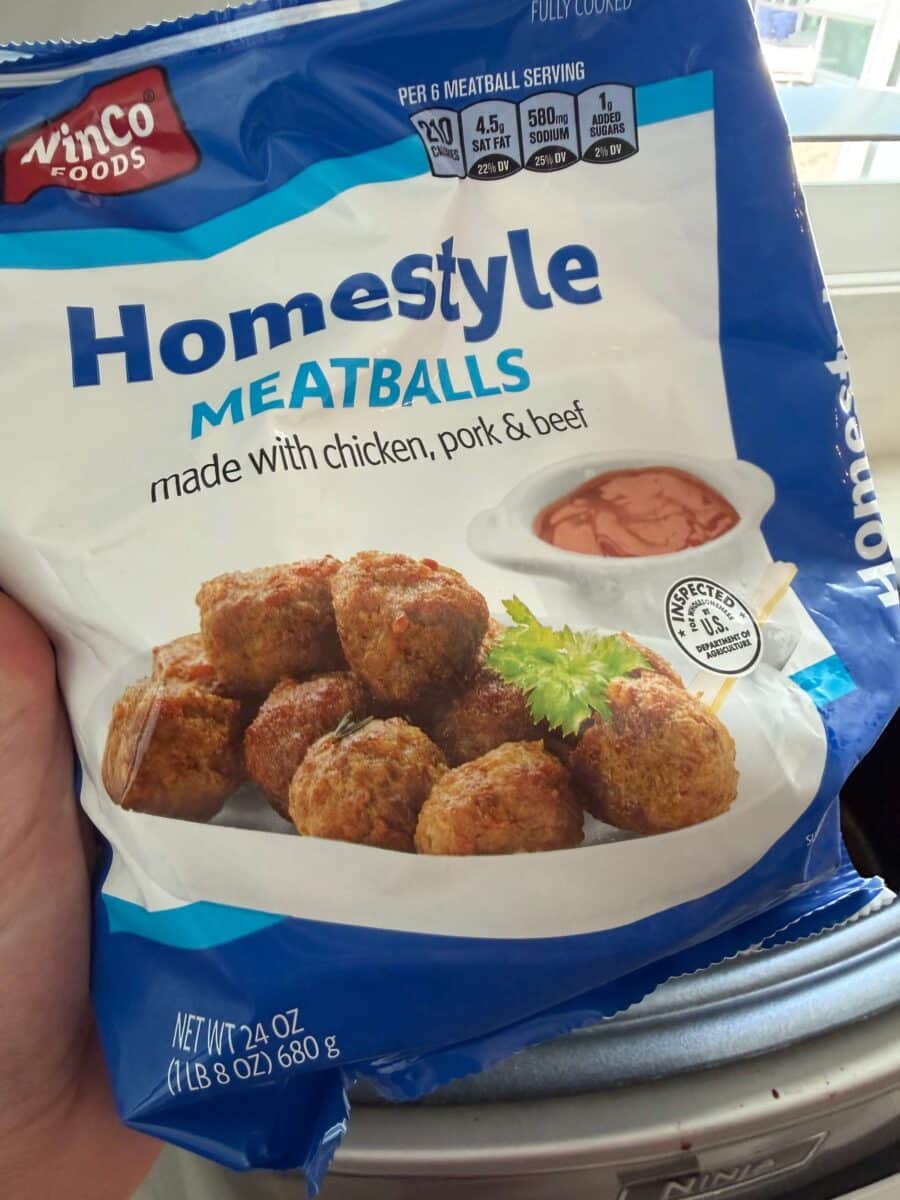
The protein component typically involves frozen, pre-cooked meatballs. Market data suggests that products such as the Kirkland Signature Meatballs from Costco have become a preferred choice for this recipe due to their consistent texture and seasoning, which complements the Dr Pepper glaze without competing with it.
Chronology of the Preparation Process
The preparation of Dr Pepper Meatballs is defined by its brevity and logical sequence, designed to minimize labor while maximizing output.
Phase 1: The Emulsification
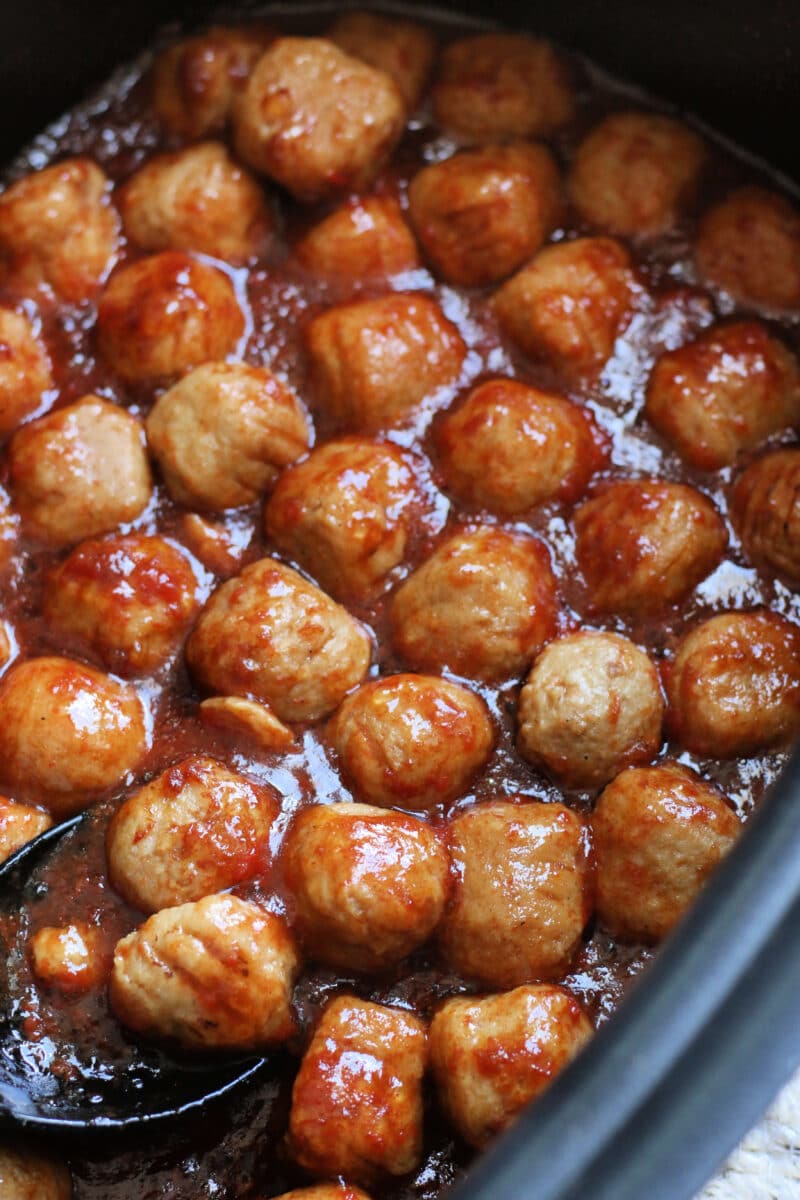
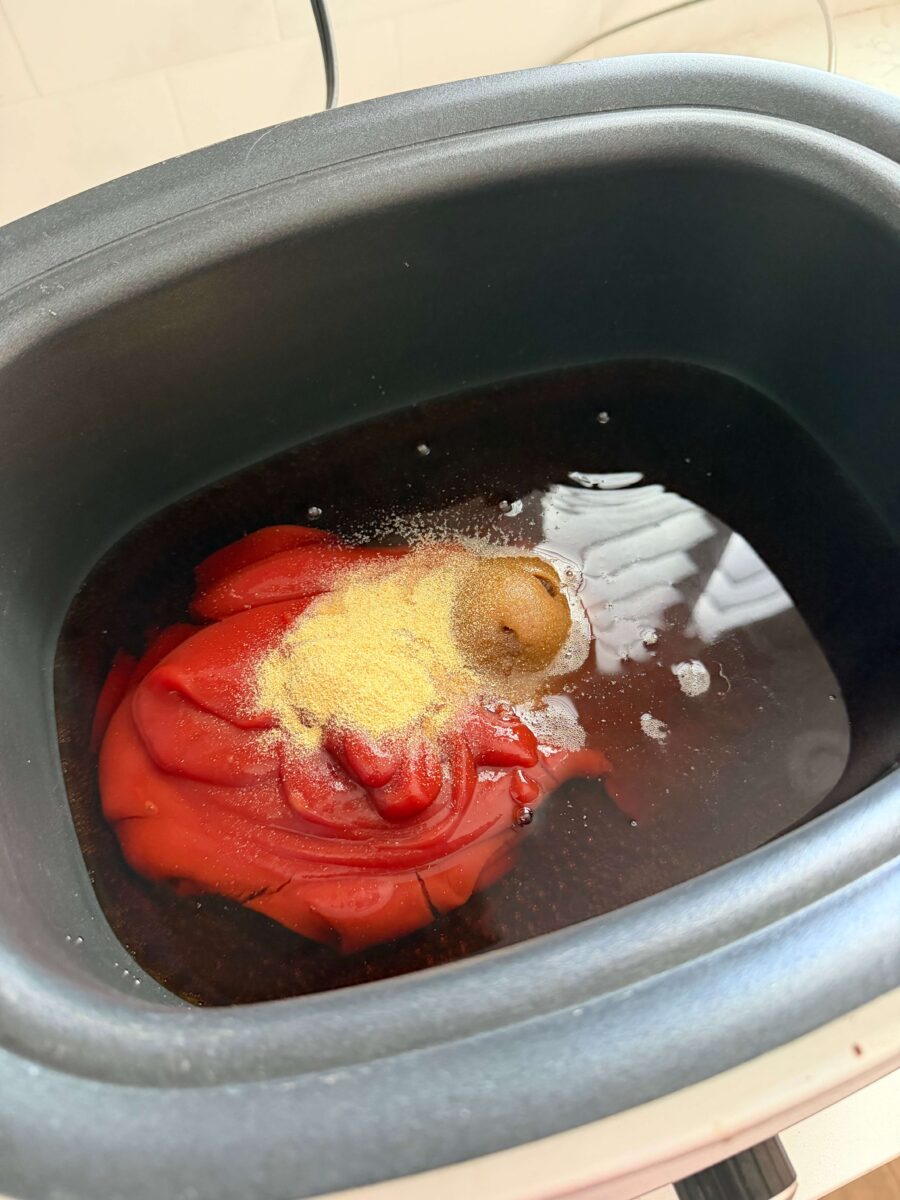
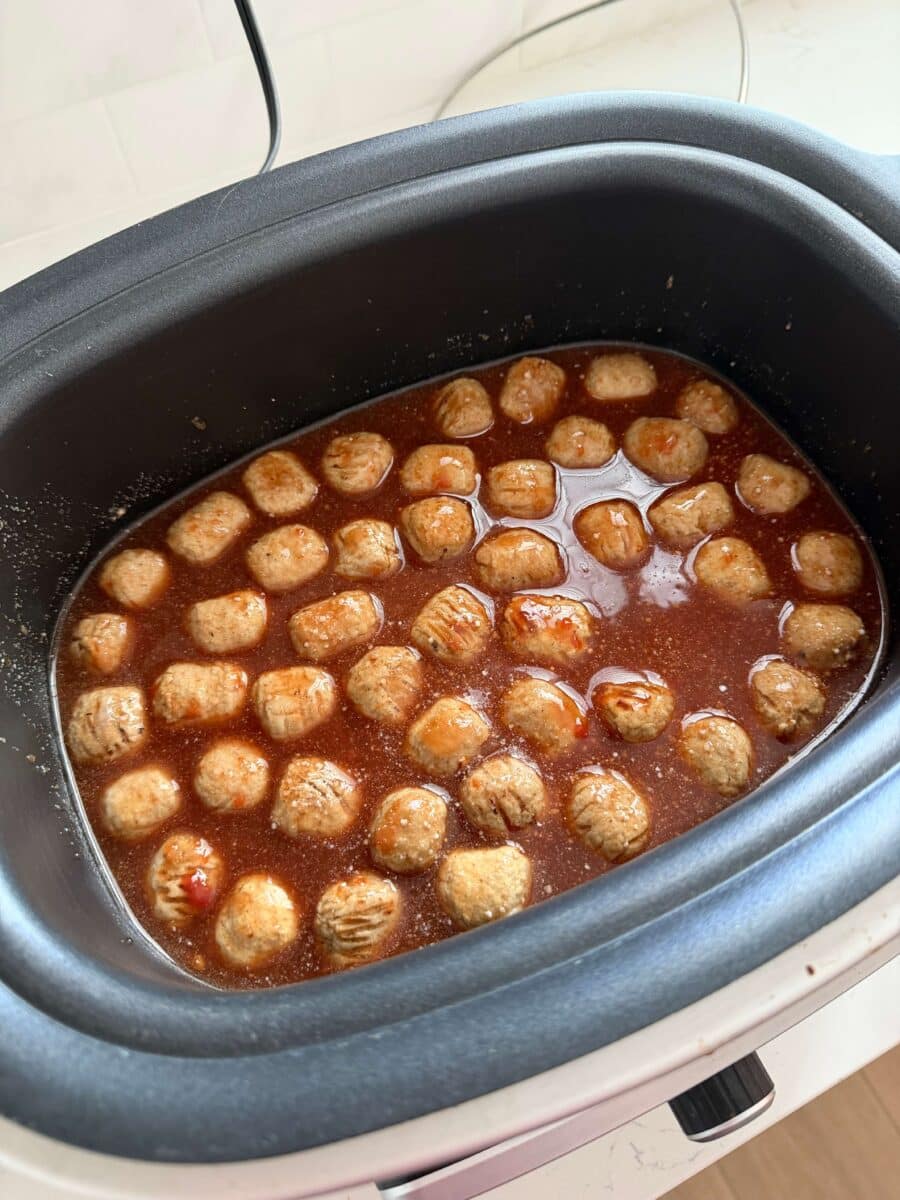
The process begins with the integration of the liquid and dry ingredients directly within the slow cooker ceramic insert. This eliminates the need for secondary mixing bowls, adhering to the "one-pot" philosophy of modern efficiency. The Dr Pepper is combined with ketchup, brown sugar, vinegar, garlic powder, and tapioca. A thorough whisking is required at this stage to ensure the tapioca is evenly distributed, preventing clumping during the heating cycle.
Phase 2: Protein Integration
Frozen meatballs are added directly to the mixture. Because the meatballs are pre-cooked, the primary objective of the slow cooker is not to cook the meat from a raw state, but to facilitate the "simmering" process. This allows the sauce to penetrate the outer layers of the meat while the internal temperature reaches a food-safe level.
Phase 3: The Thermal Reduction
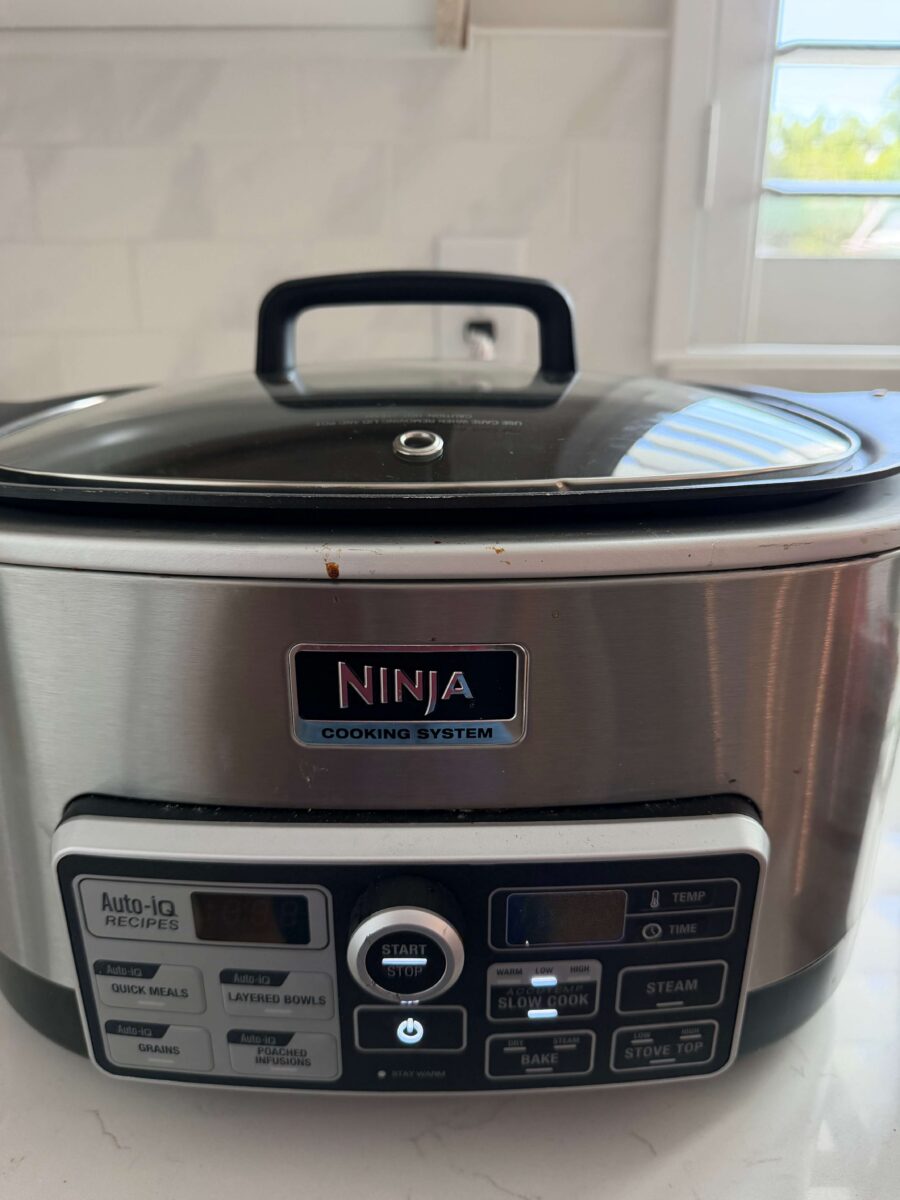
The slow cooker is set to "Low" for a duration of approximately two hours. During this window, the heat activates the thickening properties of the tapioca and allows the sugars to caramelize. The "Low" setting is critical; high heat can lead to the scorching of sugars against the ceramic walls, which would introduce a bitter profile to the sauce.
Phase 4: Final Homogenization and Service
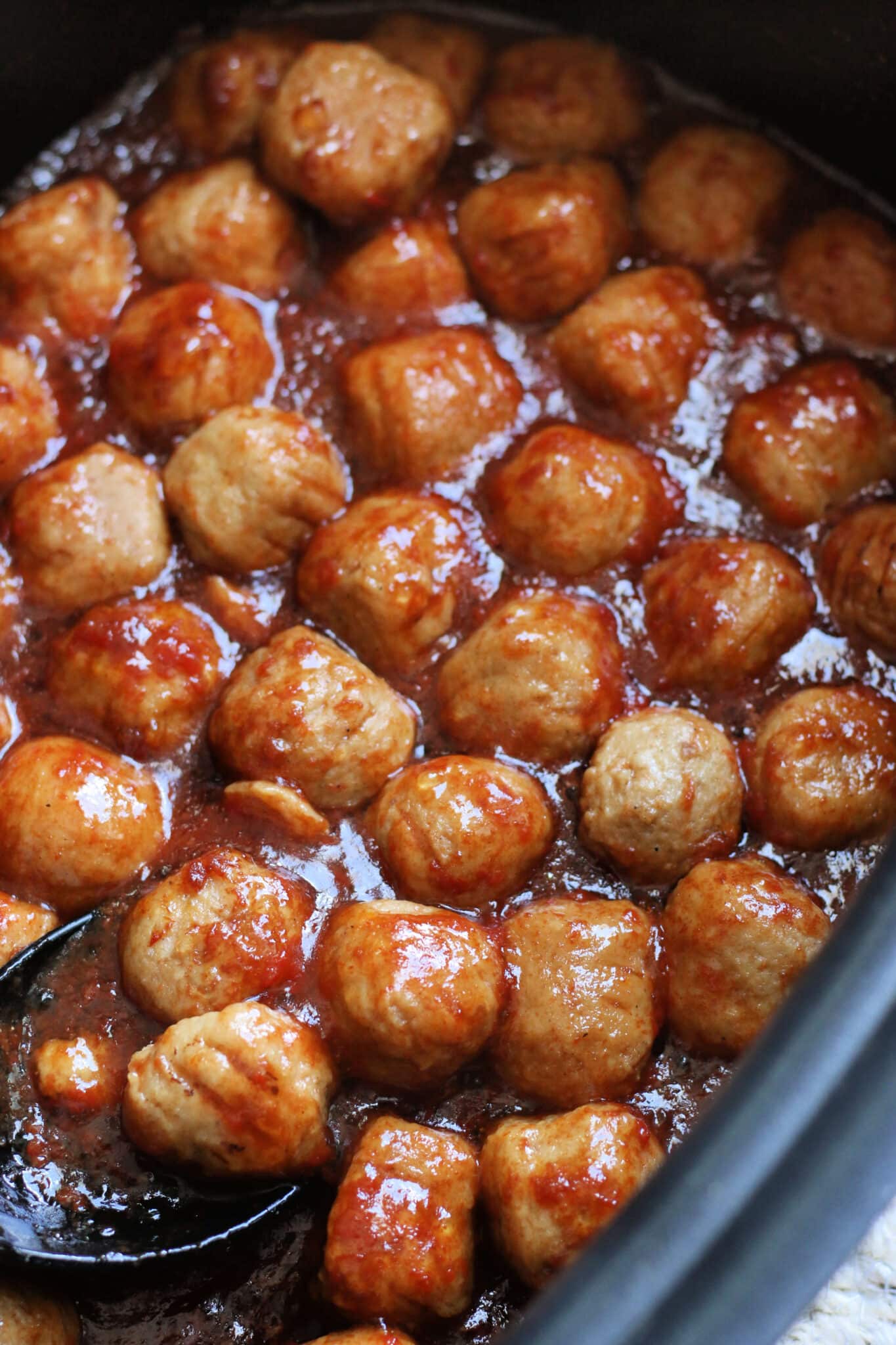
Following the two-hour cycle, the mixture is gently stirred to ensure every meatball is coated in the now-thickened, glossy sauce. The appetizer is typically served directly from the slow cooker to maintain temperature, often accompanied by toothpicks for ease of consumption in a social setting.
Market Data and Consumer Trends
The popularity of recipes like Dr Pepper Meatballs is supported by broader shifts in the global food market. According to a 2023 report on the frozen food industry, the global frozen snacks market is projected to grow at a CAGR of 5.8% through 2030. Within this sector, frozen meatballs represent a significant share, driven by the consumer’s desire for high-protein, easy-to-prepare meal solutions.
Furthermore, the "nostalgia food" trend has seen a resurgence in the use of classic American brands in cooking. Dr Pepper Snapple Group (now Keurig Dr Pepper) has benefited from this cultural crossover, as social media platforms like Pinterest and TikTok have viralized "soda-hacking" in the kitchen. Analysts observe that these recipes appeal to a demographic that values "at-home" entertaining but possesses less time for traditional, from-scratch culinary labor.
Professional Responses and Inferred Culinary Analysis
While traditionalists might view the use of soda in cooking with skepticism, food scientists note that the ingredient list for such a sauce mimics the components of high-end barbecue sauces. "If you break down the components of a premium BBQ sauce, you find sugar, acid, spices, and a liquid base," notes one industry consultant. "Dr Pepper simply provides those elements in a pre-emulsified format."
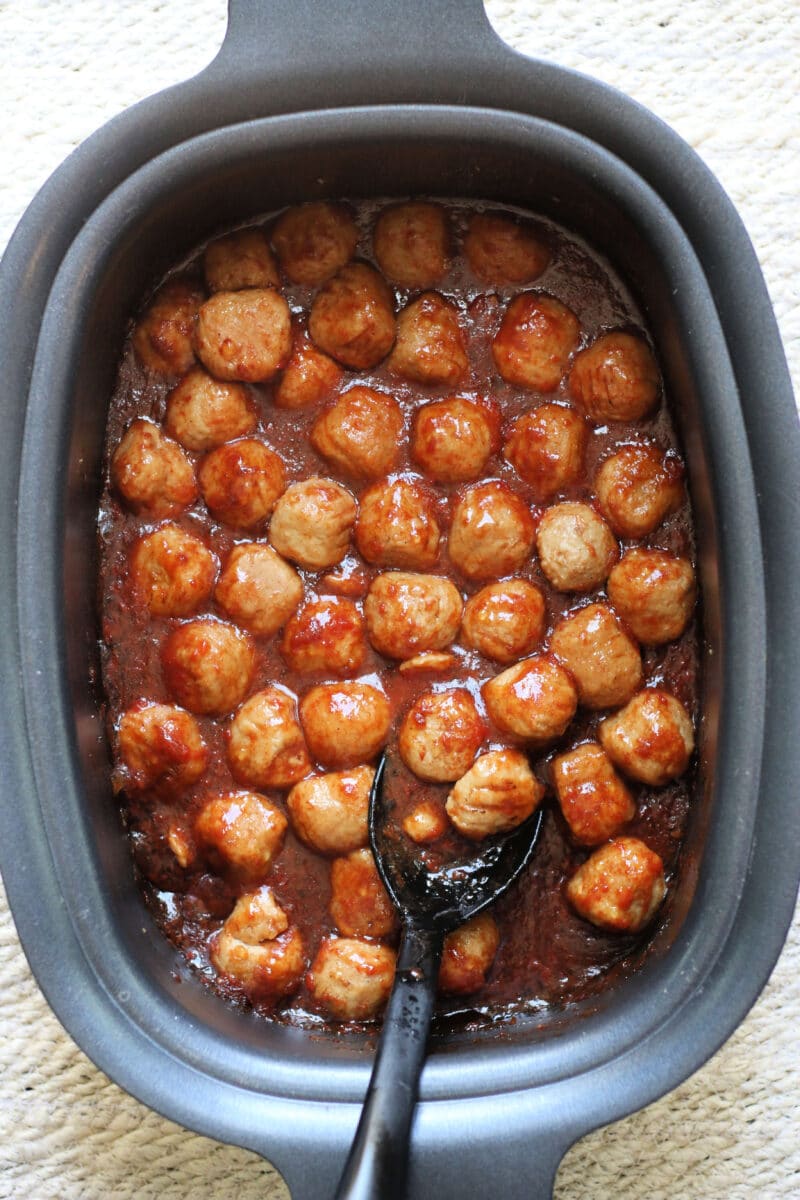
Home cooks and party hosts have responded overwhelmingly to the reliability of the dish. Feedback from culinary forums indicates that the "surprise ingredient" of Dr Pepper serves as a conversation starter, while the actual flavor profile is often described as more sophisticated than the sum of its parts. The use of tapioca as a thickener is frequently highlighted as a "pro-tip" that elevates the dish from a standard "potluck meatball" to a restaurant-quality appetizer with a professional sheen.
Broader Impact and Implications for Modern Dining
The rise of the Dr Pepper Meatball is indicative of a larger movement toward "convenience-plus" dining. This movement does not reject processed or frozen foods but seeks to "upgrade" them through creative assembly. This approach has several implications for the future of the food industry:
- Retail Synergy: Grocery chains are increasingly positioning related items—such as frozen meatballs and 2-liter sodas—in proximity to capitalize on these viral recipe trends.
- Recipe Customization: The Dr Pepper Meatball serves as a template. Variants using spicy coconut milk, sriracha, or ravioli (as seen in related "clean out the freezer" recipes) demonstrate the versatility of the slow cooker as a tool for culinary experimentation.
- Social Connectivity: The dish has become a staple of "Game Day" culture, where the focus is on communal eating and low-maintenance hosting. It represents a democratization of the appetizer, accessible to those with minimal culinary training but a desire for flavorful results.
In conclusion, the Dr Pepper Meatball is more than a simple appetizer; it is a reflection of 21st-century American food values. It combines the legacy of a century-old beverage brand with the mid-century innovation of the slow cooker and the modern necessity of time-management. By utilizing the chemical properties of carbonated soda to create a complex, savory-sweet glaze, this recipe provides a blueprint for efficient, high-impact home cooking that is likely to remain a fixture of social gatherings for years to come. Whether utilized for a casual family dinner or a high-stakes playoff party, the dish remains a testament to the enduring appeal of the "sweet-and-savory" tradition.
