
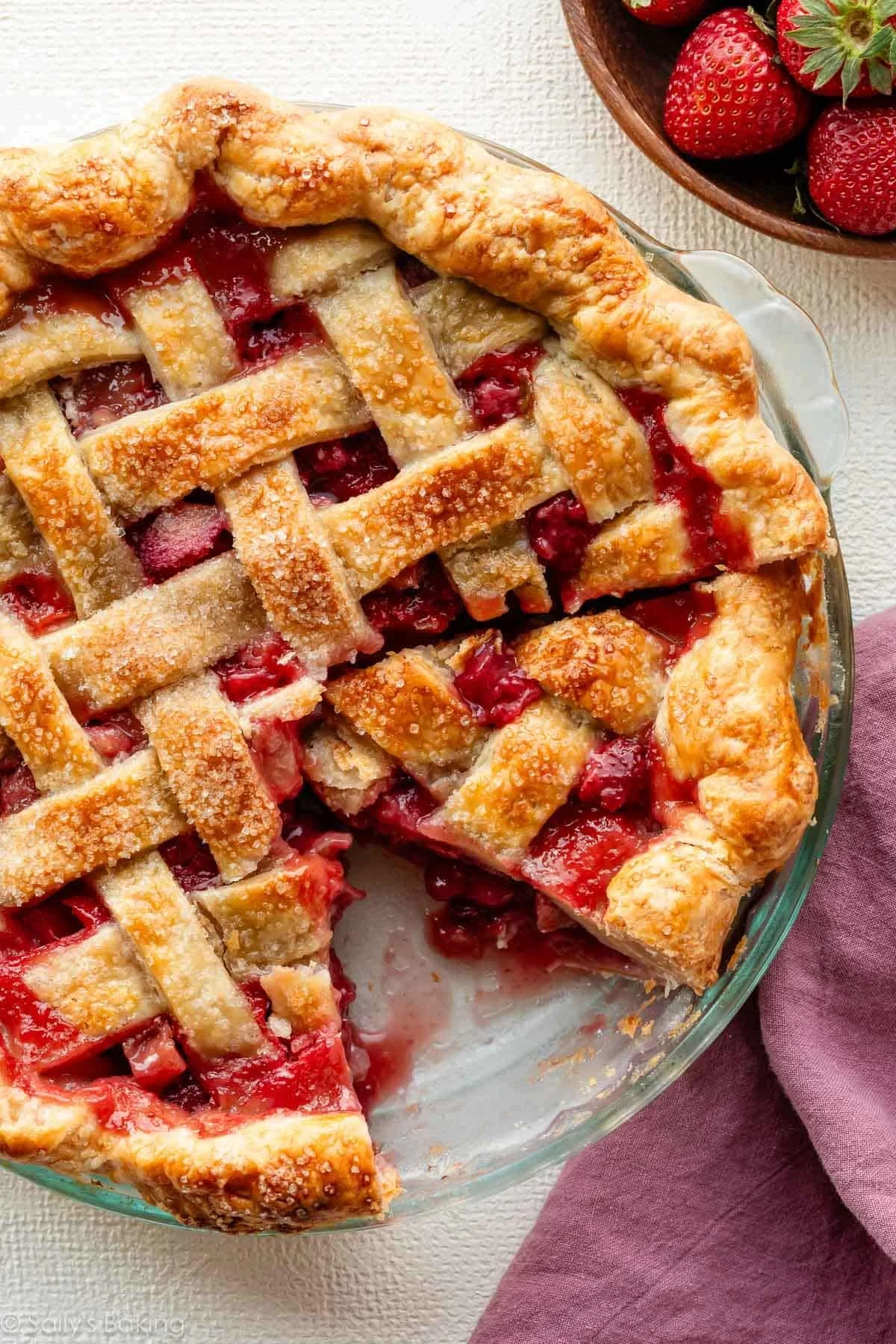
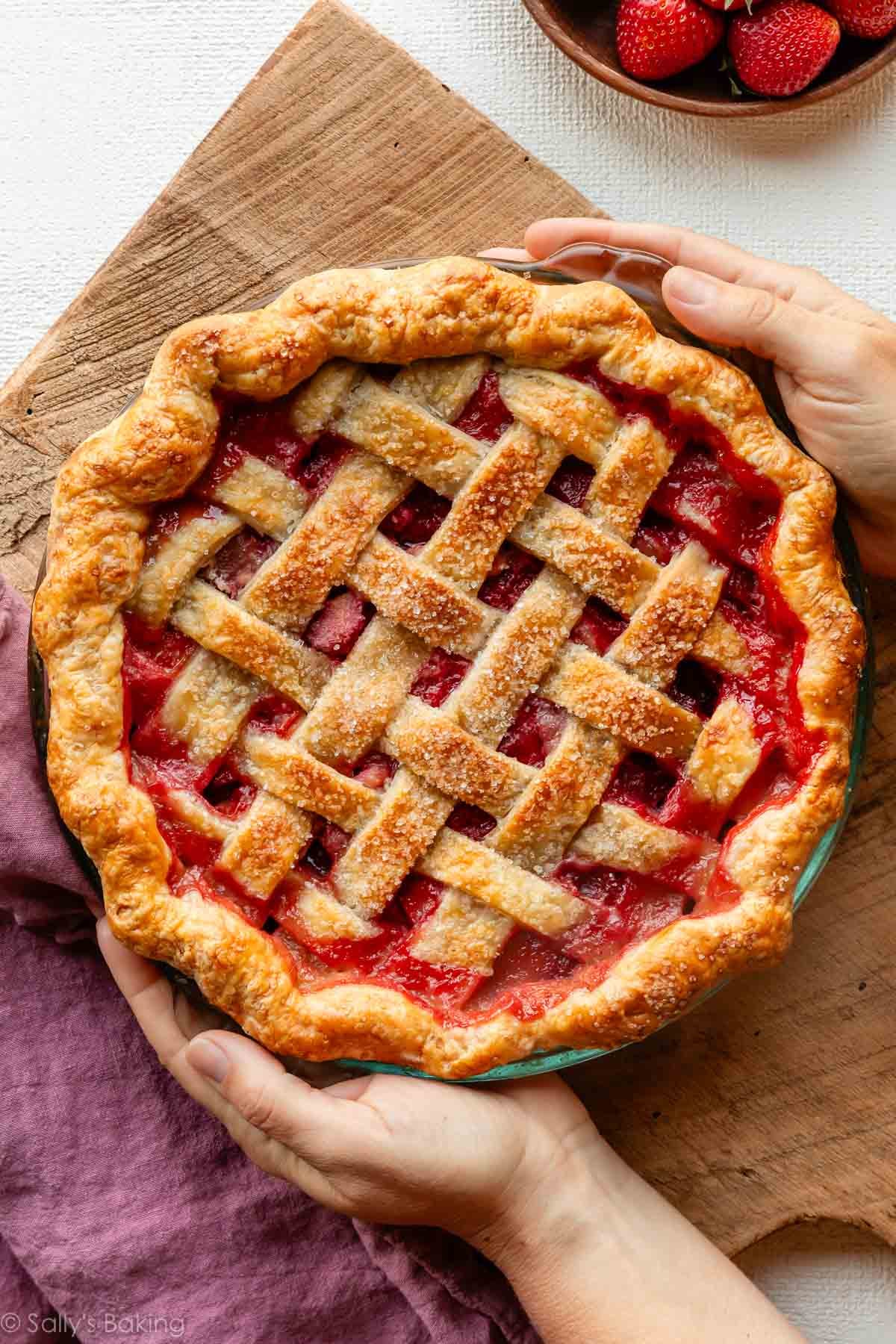
The strawberry rhubarb pie stands as an enduring symbol of spring and early summer desserts, celebrated for its harmonious blend of sweet and tart flavors encased within a flaky, buttery crust. This quintessential American pie, however, often presents a significant challenge for home bakers: achieving a filling that is both juicy and firmly set, capable of holding its shape beautifully when sliced. Recent updates to popular recipes, including a notable one first published in 2016 and subsequently enhanced with new visuals, a video tutorial, and critical success tips, aim to demystify this process, offering a foolproof approach to a perfectly structured, jammy filling. These refinements highlight the ongoing evolution of culinary techniques, driven by a deeper understanding of food science and a desire to elevate the home baking experience.
Historical and Cultural Significance of Strawberry Rhubarb Pie
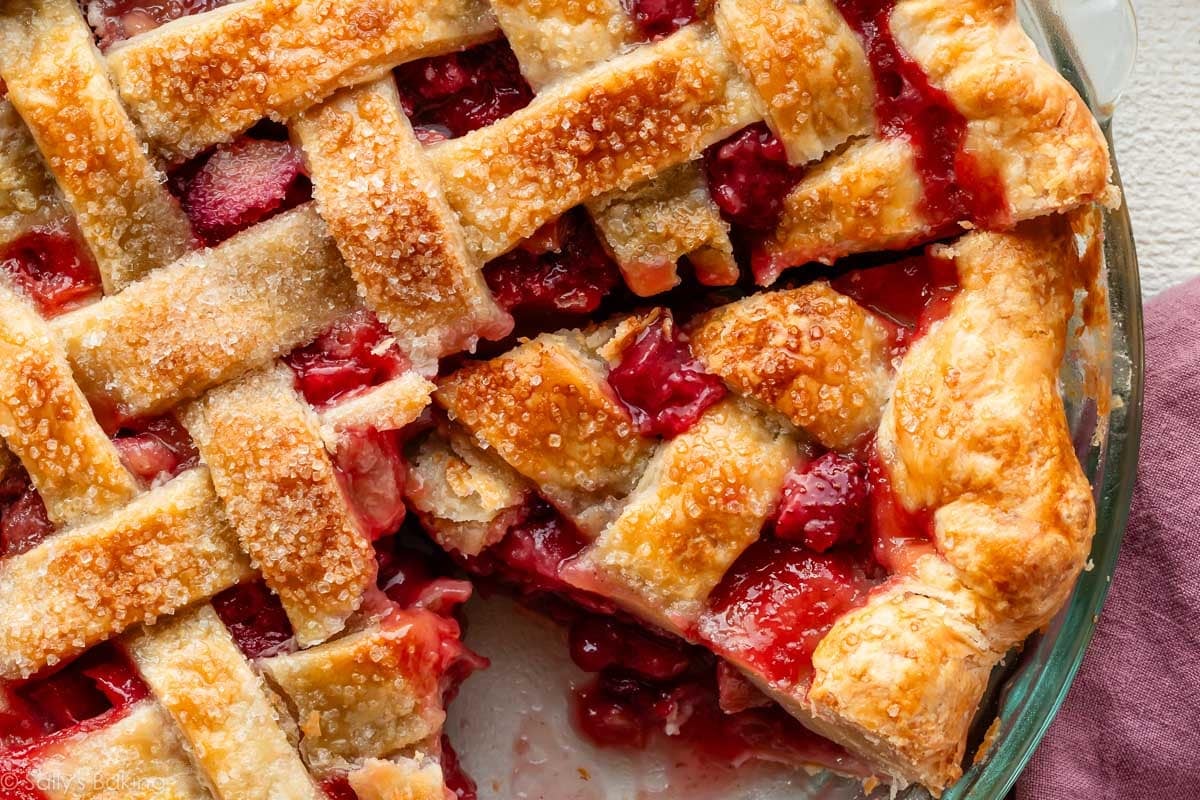
The pairing of strawberries and rhubarb is a culinary tradition deeply rooted in North American and European spring seasons. Rhubarb, botanically a vegetable but culinarily treated as a fruit, typically becomes available in early spring, often before many fruits have ripened. Its intensely tart flavor makes it an ideal counterpart to the sweetness of ripe strawberries, which emerge slightly later in the season. This fortuitous seasonal overlap led to the creation of what is affectionately known as "pie plant pie" due to rhubarb’s common use in desserts. Historically, pies were a practical way to preserve seasonal produce, and the robust combination of strawberry and rhubarb quickly became a beloved classic, symbolizing the transition from winter’s scarcity to the abundance of warmer months. The dessert’s popularity is not merely anecdotal; surveys consistently show fruit pies, particularly those featuring seasonal berries, ranking high among preferred desserts in the United States, with strawberry rhubarb pie holding a special place for its nostalgic appeal and vibrant flavor profile.
The Science Behind the Perfect Pie Crust
A pie’s foundation is its crust, and for a fruit pie like strawberry rhubarb, a sturdy yet tender and flaky crust is paramount. It must be robust enough to contain the juicy filling without becoming soggy, while also contributing its own rich flavor and appealing texture. The most common recommendation, as seen in many updated recipes, is an all-butter pie crust. Butter, with its varying fat and water content, creates steam pockets during baking, resulting in distinct, flaky layers. The use of cold butter, often cut into small pieces or grated, is crucial. This ensures that the butter melts slowly in the oven, releasing steam and separating the dough layers before being fully absorbed, thus preventing a dense, hard crust.
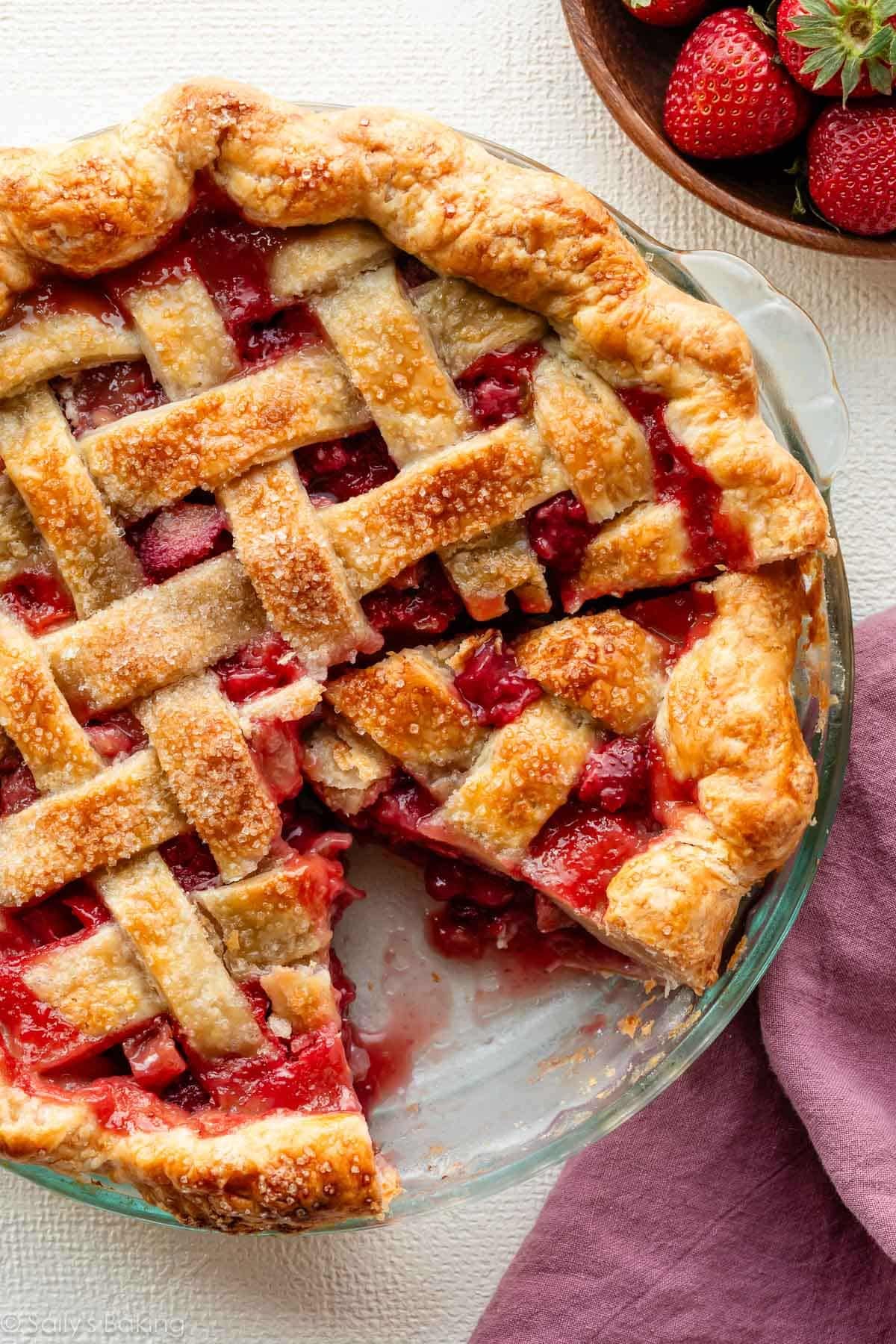
Alternatively, some recipes advocate for a mixed-fat crust, combining butter with shortening. Shortening, being 100% fat and having a higher melting point than butter, can contribute to an even flakier and more tender crust. However, it often sacrifices some of the rich flavor that pure butter imparts. Regardless of the fat choice, the dough requires significant chilling—typically at least two hours—before rolling. This chilling period serves multiple purposes: it allows the gluten to relax, making the dough easier to roll without snapping back; it solidifies the fat, which is essential for flakiness; and it prevents the dough from becoming too warm and sticky, which can lead to overworking and a tough crust. Culinary experts often emphasize that patience during the dough-making and chilling stages is a non-negotiable step for achieving a superior pie crust.
Deconstructing the Filling: Key Ingredients and Their Roles
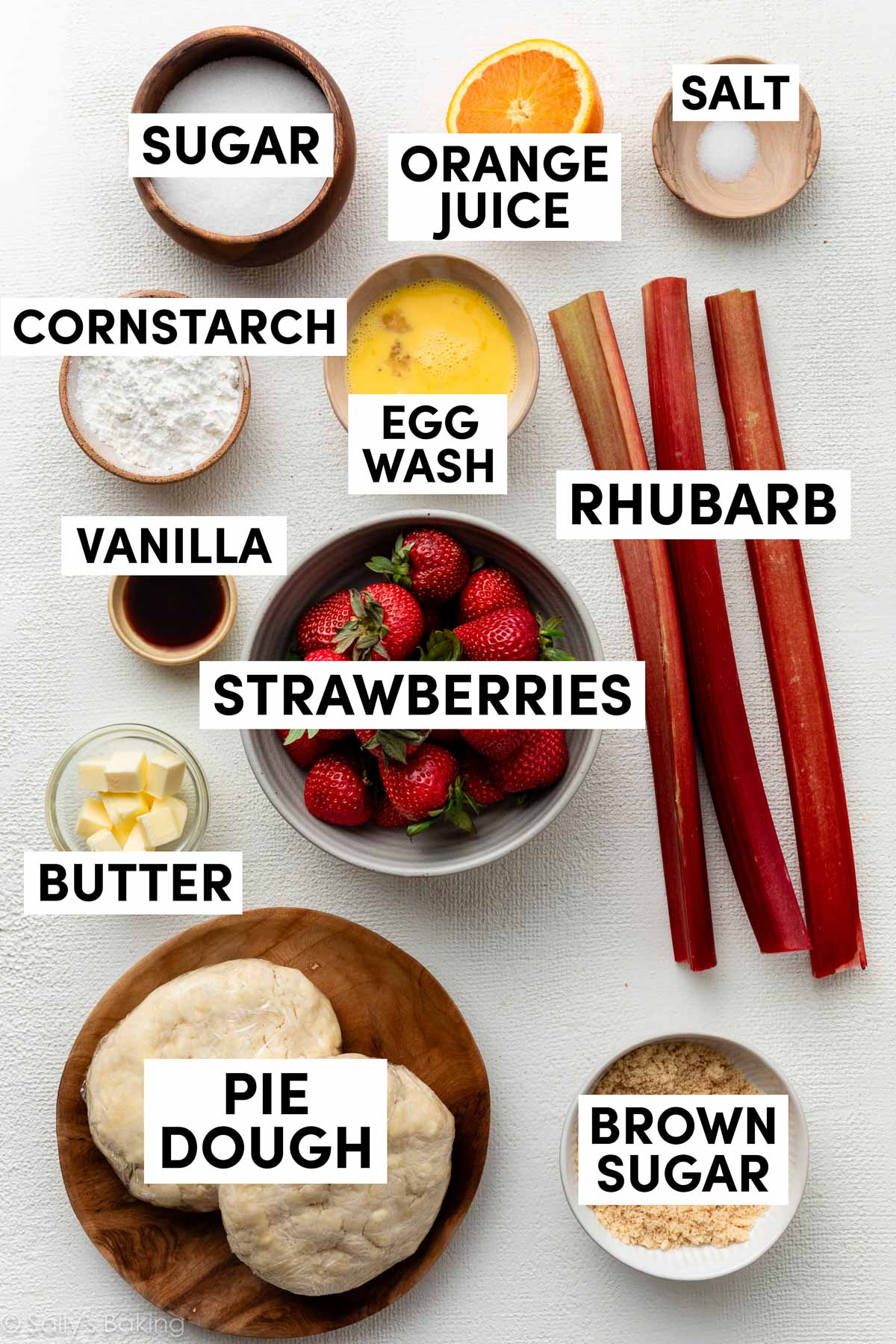
The heart of the strawberry rhubarb pie lies in its vibrant, balanced filling. Each ingredient plays a critical role in achieving the desired taste and texture.
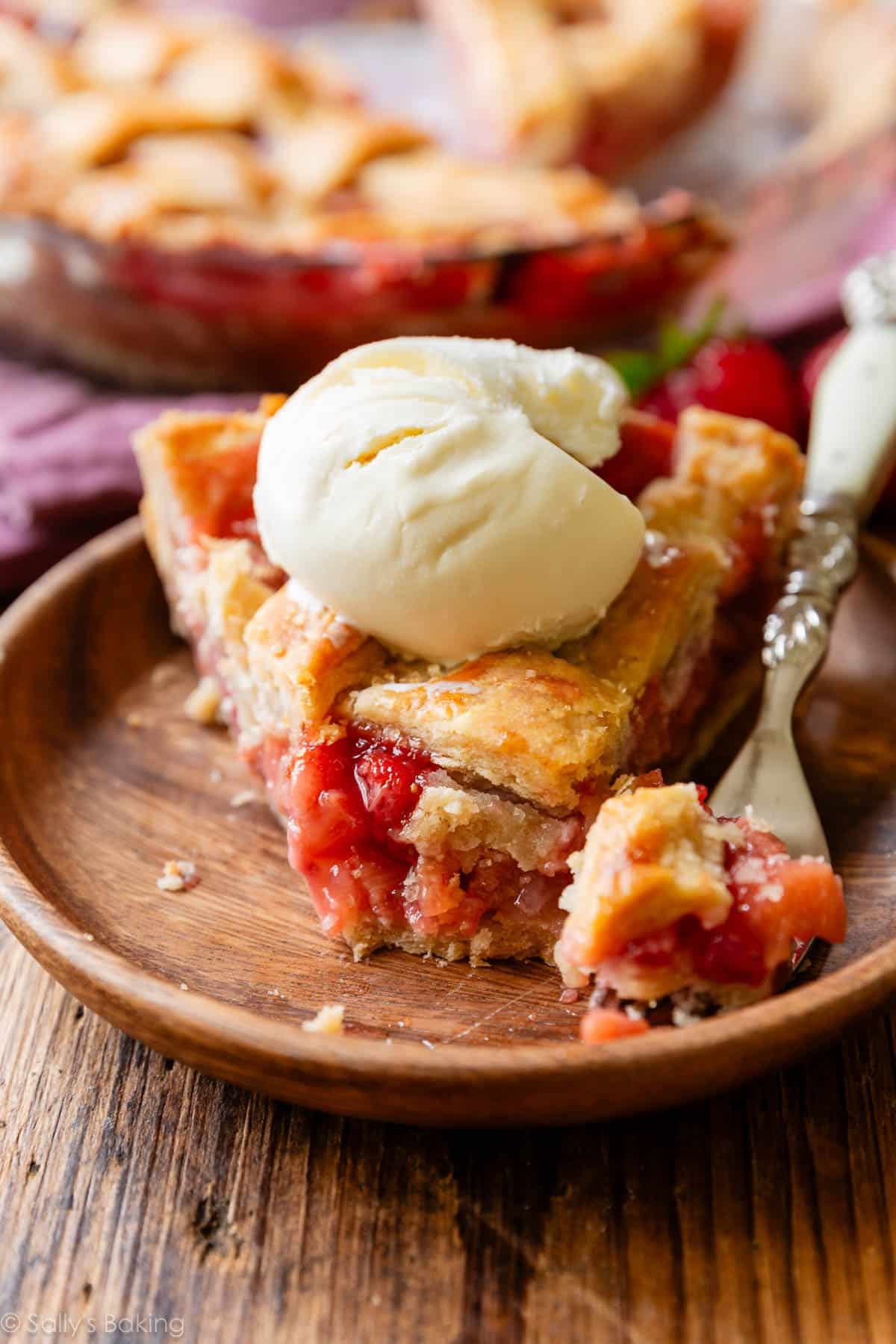
- Strawberries: These contribute sweetness, a distinctive aroma, and a significant amount of moisture. Strawberries are approximately 90% water, and as they heat during baking, their cell walls break down, releasing this liquid. This inherent juiciness is the primary culprit behind a potentially runny pie if not properly managed. Nutritionally, strawberries are rich in Vitamin C, manganese, and antioxidants, adding a healthy dimension to the dessert.
- Rhubarb: The tartness of rhubarb is essential for balancing the sweetness of the strawberries. Its fibrous stalks soften considerably during baking, contributing a unique texture and earthy notes. Rhubarb contains oxalic acid, which gives it its characteristic sour taste and necessitates cooking before consumption. It is also a source of Vitamin K and dietary fiber. The ratio of strawberries to rhubarb is often carefully calibrated in recipes to achieve optimal flavor equilibrium.
- Cornstarch: This is the hero ingredient for thickening. Cornstarch, a complex carbohydrate, works by absorbing liquid and swelling when heated, a process known as gelatinization. As the pie bakes and the filling reaches a high temperature, the cornstarch granules absorb the fruit juices, preventing them from pooling and creating a firm, jam-like consistency. The precise amount of cornstarch is critical; too little and the pie remains runny, too much and the filling can become gummy. Other thickeners like flour or tapioca can also be used, but cornstarch is favored for its clarity and neutral flavor, which allows the fruit flavors to shine.
- Orange Juice (and Zest): A touch of citrus, often in the form of orange juice or zest, serves multiple functions. It brightens the overall flavor profile, adding a subtle complexity that complements both the strawberries and rhubarb. The acidity in orange juice can also slightly assist in the breakdown of fruit fibers and may interact with the pectin in the fruit to enhance gelling.
Addressing the Runny Filling Conundrum: Advanced Techniques
The perennial challenge of a runny fruit pie filling, particularly with high-moisture fruits like strawberries, has led to the development of specific culinary strategies. One of the most effective, highlighted in updated recipe guidance, involves a pre-cooking step for the fruit juices.
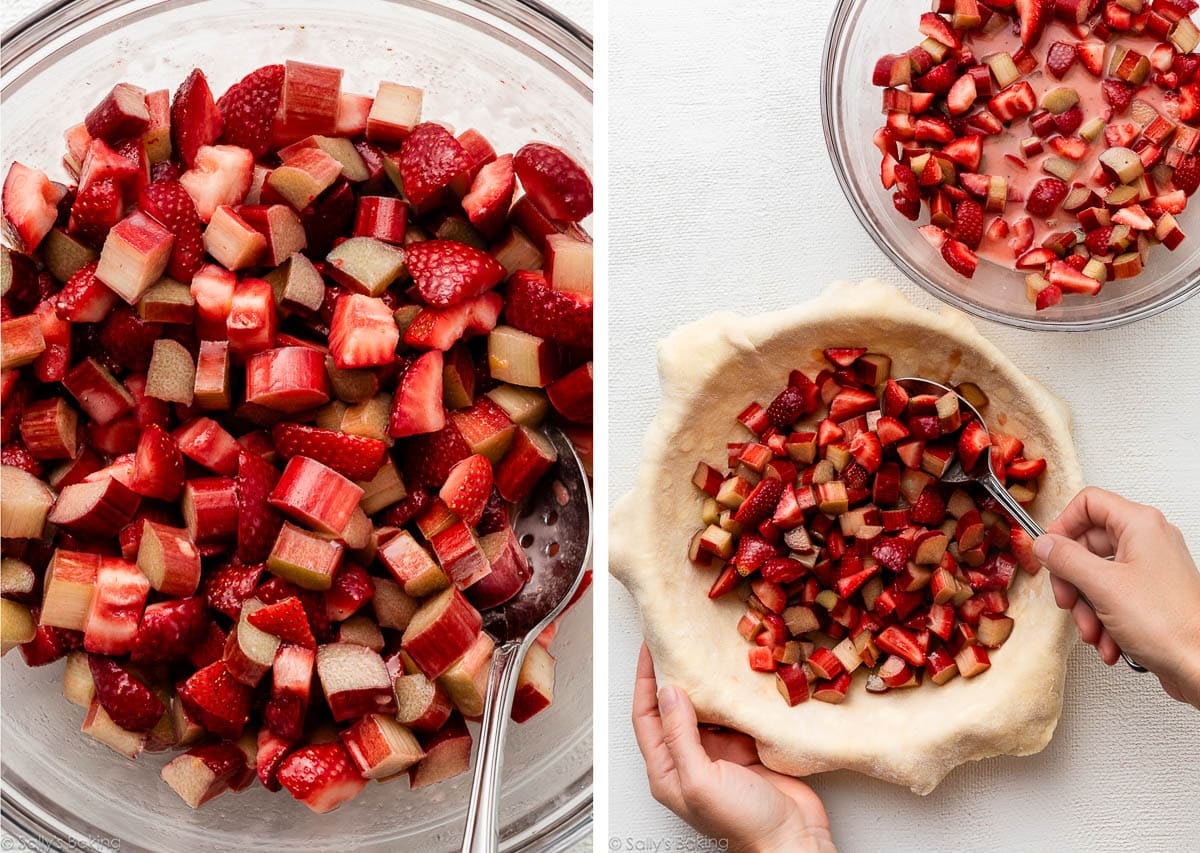
When raw fruit is mixed with sugar and allowed to sit, a process of osmosis occurs: the sugar draws moisture out of the fruit cells. This results in a significant amount of juice pooling at the bottom of the bowl. While this juice is flavorful, if it goes directly into the pie crust, the cornstarch might not fully gelatinize and thicken it during the standard baking time, leading to a soupy pie.
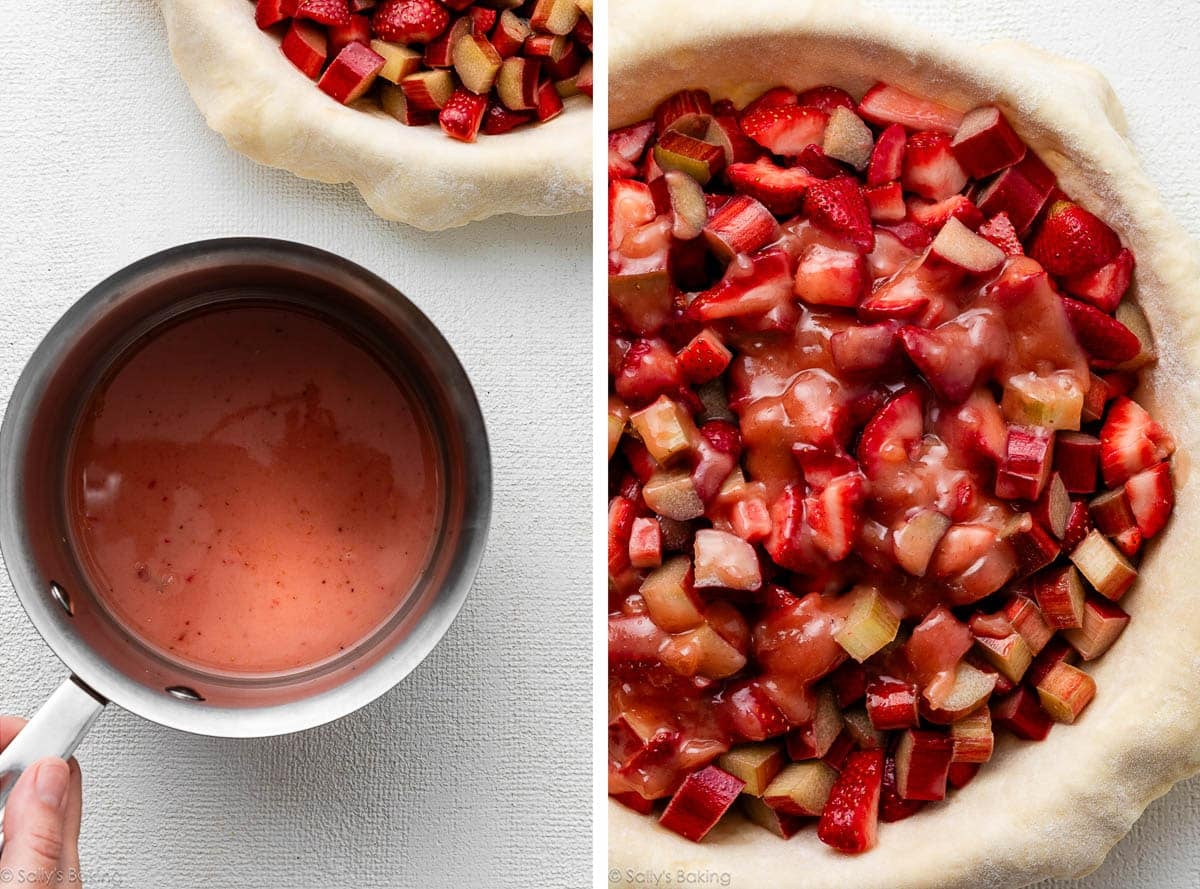
The refined technique suggests that if excessive juice accumulates, it should be carefully drained and briefly reduced on the stovetop over medium-low heat. This focused heating rapidly activates the cornstarch that has already dissolved into the liquid, causing it to thicken into a syrupy consistency. This concentrated, pre-thickened liquid is then poured back over the fruit in the pie crust and gently stirred to redistribute. This pre-cooking step acts as an insurance policy, ensuring that a significant portion of the thickening agent is already engaged before the pie even enters the oven. This method is akin to practices used in other notoriously juicy fruit pies, such as cherry or blueberry peach, where pre-activation of thickeners guarantees a superior set.
Crafting the Ideal Top Crust: Aesthetics and Functionality
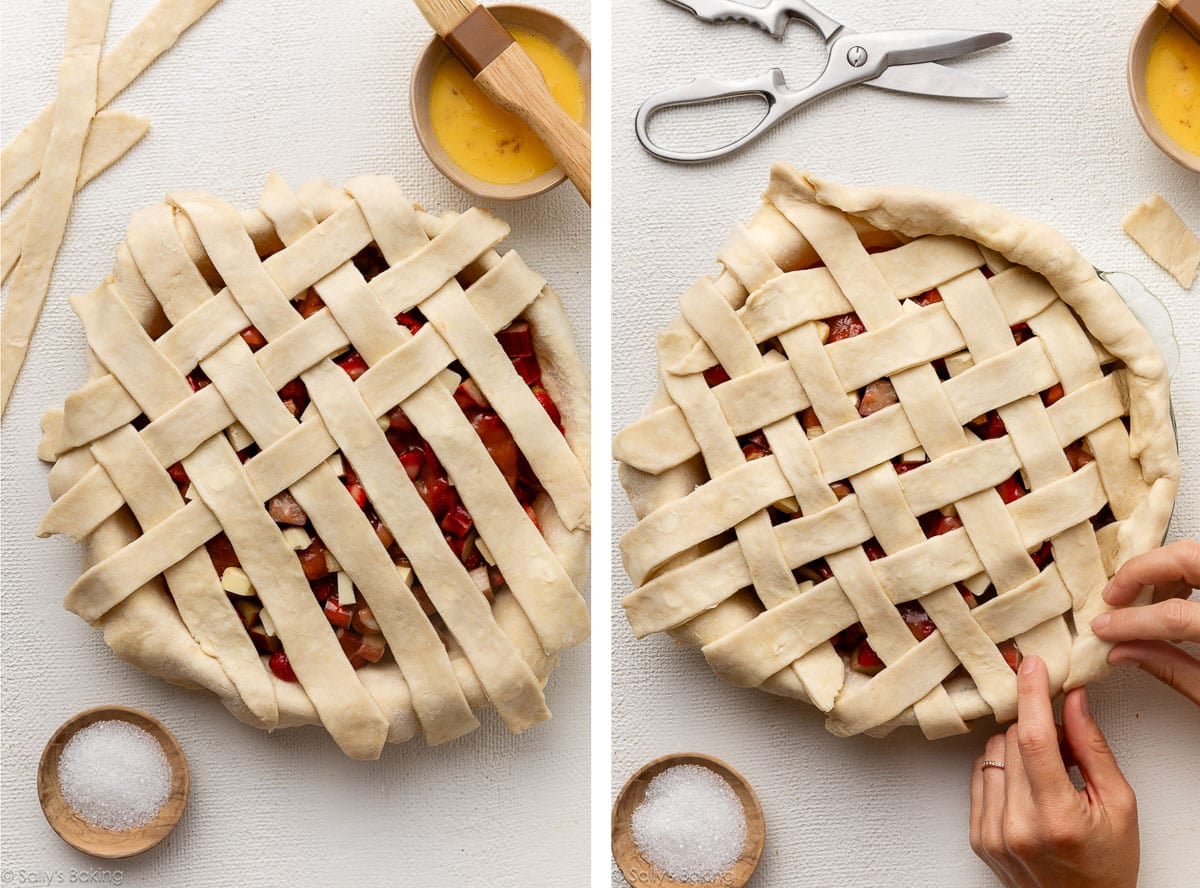
Beyond its structural role, the top crust contributes significantly to the pie’s visual appeal and the baking process. A lattice topping, a classic choice for fruit pies, is not merely decorative. Its open weave allows steam to escape efficiently from the baking fruit filling. This controlled release of moisture is crucial for preventing a soggy bottom crust and for allowing the filling to thicken properly as the excess water evaporates. Mastering the lattice technique, while requiring some practice, is a rewarding skill for any baker.
For those seeking alternative aesthetics or a less labor-intensive approach, other top crust options exist. A full top crust with several vent holes provides similar steam release. Alternatively, a crumble topping, often made from a mixture of flour, sugar, butter, and sometimes oats, offers a delightful textural contrast and is simpler to execute, as demonstrated by variations like blueberry crumble pie. The choice of top crust can influence the final moisture content and textural complexity of the pie.
The Baking Process: Temperature Control and Doneness
Achieving a perfectly baked pie involves precise temperature management. Many recipes, including the updated strawberry rhubarb pie, recommend starting the baking process at a higher oven temperature—typically around 400°F (204°C)—for the initial 15-20 minutes. This initial burst of high heat serves several critical functions:
- Crust Setting: The intense heat rapidly sets the shape of the pie crust, particularly the edges, helping to prevent shrinkage and creating a crisp exterior. It also initiates the Maillard reaction, contributing to the golden-brown color and flavor development of the crust.
- Thickener Activation: The elevated temperature quickly brings the filling to a boil, which is essential for fully activating the cornstarch and initiating the gelatinization process. Without this initial high heat, the cornstarch may not reach the necessary temperature to fully thicken, resulting in a runny filling even after prolonged baking.
After this initial phase, the oven temperature is typically reduced to a moderate 350°F (177°C) for the remainder of the baking time. This lower temperature allows the pie to bake through evenly without burning the crust, giving the fruit ample time to soften and the filling to reach its optimal jammy consistency. This two-stage baking approach is a common and effective strategy for many fruit pies.
Determining when a pie is truly "done" is another critical factor. Visual cues are primary indicators: the filling should be visibly bubbling up through the lattice or vent holes, and the crust should be deeply golden brown. For a more scientific and accurate assessment, an instant-read thermometer can be used to check the internal temperature of the filling, which should register at least 200–212°F (approximately 93–100°C). This temperature range confirms that the cornstarch has fully gelatinized and the fruit has cooked through.
The Non-Negotiable Cooling Phase: A Scientific Necessity
Perhaps the most challenging, yet absolutely crucial, step in achieving a perfectly set strawberry rhubarb pie is the extended cooling period. After baking, the pie must cool completely, often for several hours, before being sliced. This is not merely a suggestion but a scientific necessity. During this cooling phase, the starches in the filling undergo a process called retrogradation, where the gelatinized starch molecules realign and form a more rigid gel structure. This gelling action is what causes the filling to firm up and solidify, allowing for clean, defined slices. Cutting into the pie too soon, while the filling is still hot, will invariably result in a runny, unstable slice, regardless of how well it was baked. The temptation to slice into a warm, aromatic pie is strong, but patience is truly a virtue here, ensuring the structural integrity of the dessert.
Broader Implications: Culinary Science and Home Baking
The continuous refinement of classic recipes, such as the strawberry rhubarb pie, underscores several broader implications in the culinary world. Firstly, it highlights the increasing integration of culinary science into home baking. What once might have been attributed to "baker’s intuition" is now being broken down into understandable scientific principles, such as starch gelatinization, osmotic pressure, and thermal conductivity. This empowers home bakers with knowledge, allowing them to troubleshoot common problems and achieve consistent, professional-quality results.
Secondly, the emphasis on seasonal ingredients like strawberries and rhubarb reinforces the growing trend towards mindful consumption and sustainable culinary practices. Utilizing produce at its peak not only guarantees the best flavor but also supports local agriculture and reduces the carbon footprint associated with out-of-season produce. This aligns with broader movements like "farm-to-table," which prioritize freshness and provenance.
Finally, the role of online platforms and food blogs in disseminating updated, meticulously tested recipes and techniques cannot be overstated. These resources act as dynamic cookbooks, constantly evolving and incorporating feedback from a global community of bakers. The provision of detailed success tips, video tutorials, and troubleshooting guides democratizes advanced baking knowledge, making once intimidating recipes accessible to a wider audience. This collaborative and iterative approach to recipe development ensures that beloved classics like the strawberry rhubarb pie continue to be enjoyed, perfected, and passed down through generations, each slice a testament to both tradition and innovation.
