
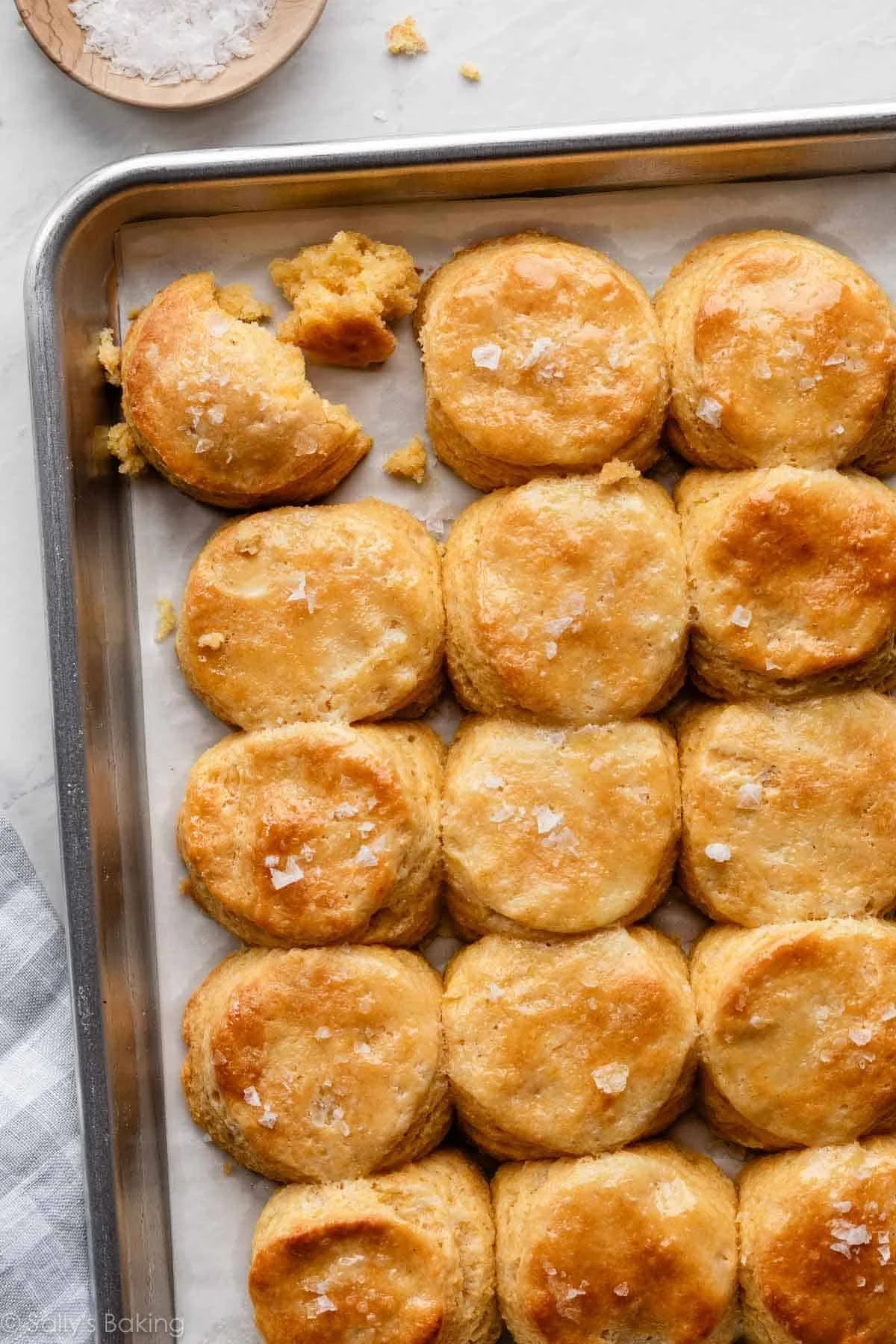
The culinary landscape continually evolves, yet some traditions remain steadfast, finding new expressions through innovative combinations. A prime example of this inventive spirit is the emergence of cornbread biscuits, a harmonious blend that marries the revered characteristics of classic buttermilk biscuits with the distinctive flavor and texture of traditional cornbread. These golden, buttery creations are designed to be a versatile accompaniment for a multitude of meals, offering a subtle sweetness from honey and a unique, lightly crisp texture and appealing golden hue courtesy of cornmeal. The foundational principles of superior biscuit making, notably the meticulous use of cold butter and buttermilk, are paramount in promising the wonderfully tender, sky-high, and layered structure that defines an exceptional quick bread. Beyond their plain, comforting form, these biscuits lend themselves to flavorful variations, including piquant jalapeño cheddar and rich maple bacon, expanding their appeal across diverse palates and meal occasions.
The Fusion of Southern Staples: A Culinary Background
The cornbread biscuit represents a deliberate culinary bridge between two iconic Southern American staples: the buttermilk biscuit and cornbread. Each boasts a rich history and cultural significance, deeply embedded in regional identity and comfort food traditions.
The buttermilk biscuit, a cornerstone of Southern cuisine, evolved from simpler, harder "hardtack" biscuits carried by early settlers. Over centuries, with the advent of accessible leavening agents like baking soda and powder, and the widespread availability of buttermilk—a byproduct of butter churning—the biscuit transformed into the soft, flaky, and tender delicacy known today. Its preparation became an art form, with countless family recipes passed down through generations, each claiming the secret to the perfect rise and texture. Biscuits are typically served at breakfast with gravies, jams, or fried meats, but also frequently accompany lunch and dinner, soaking up savory juices from stews and roasts.
Cornbread, equally venerated, traces its origins to Native American culinary practices, who cultivated corn (maize) long before European arrival. Early American settlers adopted corn as a primary grain, and cornbread, in its various forms—from skillet-baked rounds to hushpuppies and spoonbread—became a staple due to its affordability, ease of preparation, and hearty nutritional value. Traditionally, Southern cornbread is made with cornmeal, flour, buttermilk, and often cooked in a cast iron skillet, developing a crisp crust and a moist, crumbly interior. It serves as a classic accompaniment to barbecue, chili, and various Southern greens.
The innovative concept of cornbread biscuits, therefore, is not merely a novel recipe but a thoughtful homage to this shared heritage. It seeks to encapsulate the best attributes of both: the structural integrity and flakiness of a classic biscuit, achieved through precise layering techniques and cold fat, combined with the distinctive earthy sweetness and characteristic texture derived from cornmeal and honey. This fusion offers a product that is both familiar and refreshingly new, appealing to those who appreciate traditional flavors reimagined.
Anatomy of the Perfect Biscuit: Key Ingredients and Their Roles
Achieving the desired golden, buttery, and layered cornbread biscuit relies on a precise understanding of the function of each of its eight core ingredients. The quality and temperature of these components are not merely suggestions but critical determinants of the final product’s success.
- Cold Butter: This is perhaps the most crucial ingredient for flaky biscuits. When butter is kept exceptionally cold and then cut into the dry ingredients, it remains in small, distinct pieces within the dough. During baking, these cold butter pockets melt, releasing steam. This steam creates tiny air pockets, forcing the layers of dough apart and resulting in the signature flakiness. If the butter is warm or overworked, it integrates too fully with the flour, leading to a denser, more cake-like texture rather than distinct layers.
- Buttermilk: The acidity of buttermilk plays a dual role. Firstly, it reacts with leavening agents (baking soda and baking powder) to produce carbon dioxide gas, which contributes significantly to the biscuit’s rise. Secondly, the lactic acid in buttermilk helps tenderize the gluten in the flour, resulting in a softer, more delicate crumb. Cold buttermilk is essential, mirroring the cold butter’s function in maintaining dough temperature.
- Cornmeal: This ingredient is what defines the "cornbread" aspect of these biscuits. It imparts a unique texture, a subtle, earthy sweetness, and contributes to the beautiful golden color. The type of cornmeal can influence texture; a fine-ground cornmeal will yield a smoother biscuit, while a medium-ground variety will offer a more pronounced, slightly gritty texture, reminiscent of traditional cornbread. The choice often comes down to personal preference for textural integrity.
- Honey: Serving as the primary sweetening agent, honey provides a nuanced sweetness that is more complex and less overt than granulated sugar. It also contributes to moisture retention, helping the biscuits stay tender longer, and aids in achieving that desirable golden-brown crust.
- All-Purpose Flour: As the structural backbone of the biscuit, all-purpose flour provides the necessary gluten network. The objective is to develop just enough gluten for structure without overworking it, which would result in a tough biscuit.
- Baking Powder and Baking Soda: These are chemical leavening agents. Baking powder is a double-acting leavener, releasing gas both when mixed with liquid and when exposed to heat. Baking soda requires an acid (provided by the buttermilk) to activate and produce carbon dioxide. The combination ensures a robust and consistent rise.
- Salt: Beyond flavor enhancement, salt plays a role in regulating the yeast activity (though not directly relevant in quick breads like biscuits, it balances flavors) and strengthens the gluten structure.
- Melted Butter (for topping): Applied post-baking, this adds an extra layer of richness, shine, and flavor, contributing to the overall decadent experience.
The careful selection and handling of these ingredients, particularly maintaining their cold temperature, are fundamental to unlocking the full potential of these exceptional cornbread biscuits.
The Craft of Biscuit Making: A Step-by-Step Process
The creation of cornbread biscuits, while seemingly straightforward, involves a methodical approach that leverages specific techniques to ensure optimal texture and rise. This process, when meticulously followed, transforms simple ingredients into a layered, tender, and flavorful quick bread.
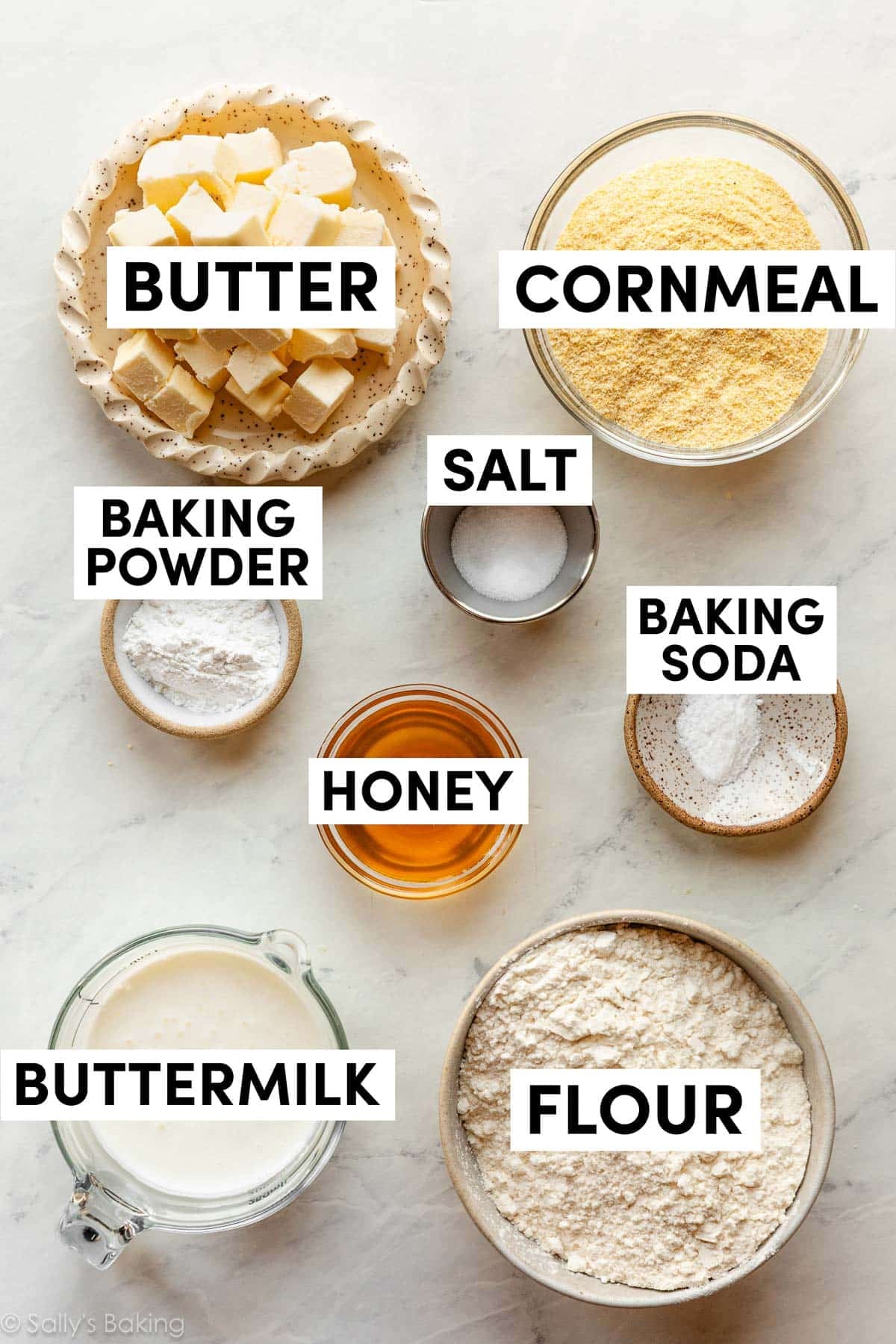
The initial phase commences with the careful combination of dry ingredients. All-purpose flour, cornmeal, baking powder, baking soda, and salt are thoroughly whisked together. This ensures an even distribution of the leavening agents and seasoning, which is critical for a uniform rise and flavor profile.
Subsequently, the thoroughly chilled, cubed butter is introduced into the dry mixture. Culinary experts consistently advise against using softened butter, as its integrity as distinct, cold fat particles is essential. Utilizing a pastry cutter or a food processor, the butter is cut into the dry ingredients until the mixture resembles coarse crumbs with some larger, pea-sized butter pieces still visible. This specific consistency is paramount; these butter fragments are the precursors to the flaky layers that will develop during baking, as they create steam pockets when heated.
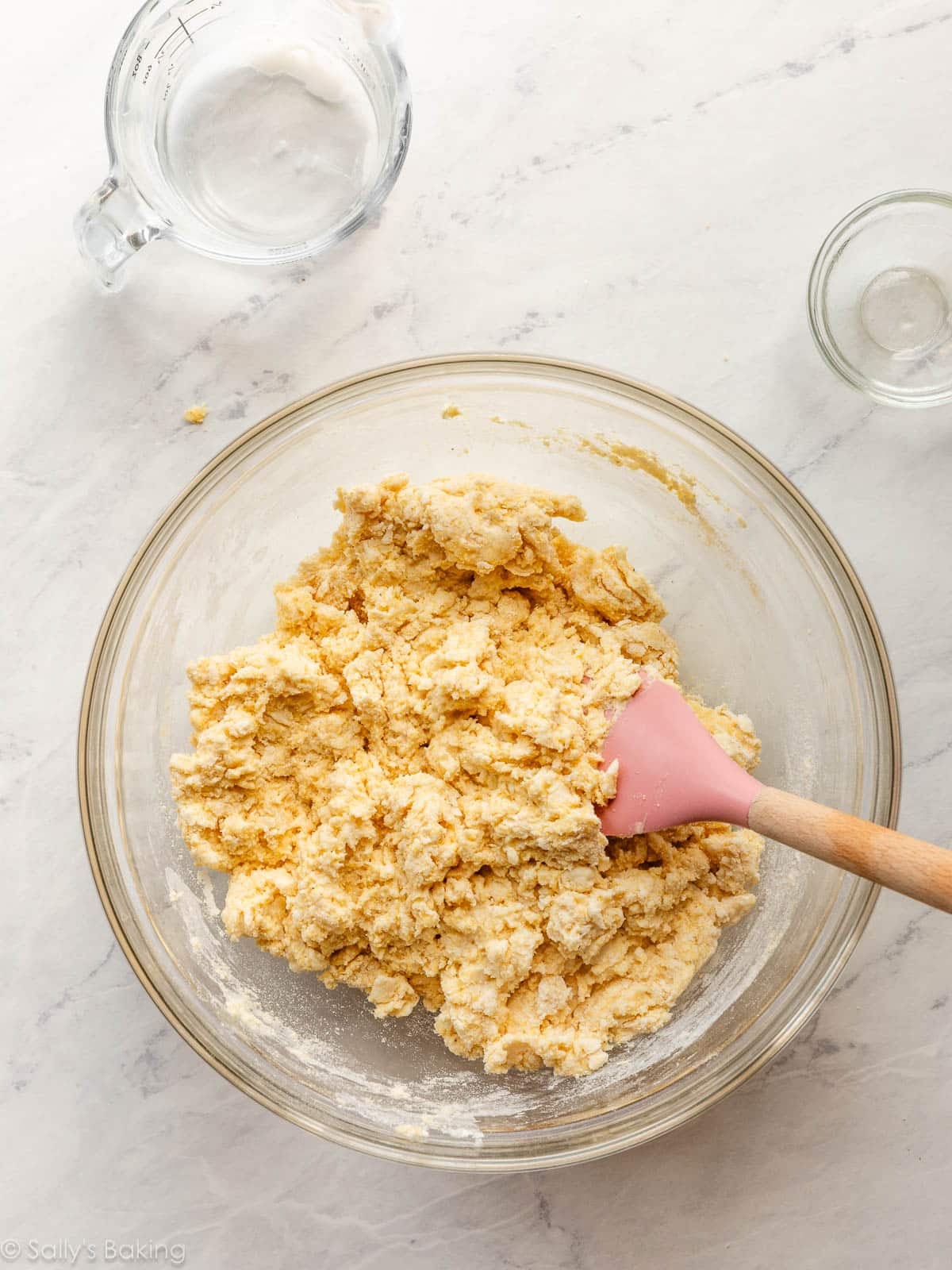
Once the butter is appropriately incorporated, the cold buttermilk and honey are added. The mixture is then gently combined until a "shaggy dough" forms. This stage is characterized by a somewhat dry, uneven texture with several moist spots. Overmixing at this point is a common pitfall, as it can lead to excessive gluten development, resulting in a tough rather than tender biscuit. The goal is to just bring the ingredients together.
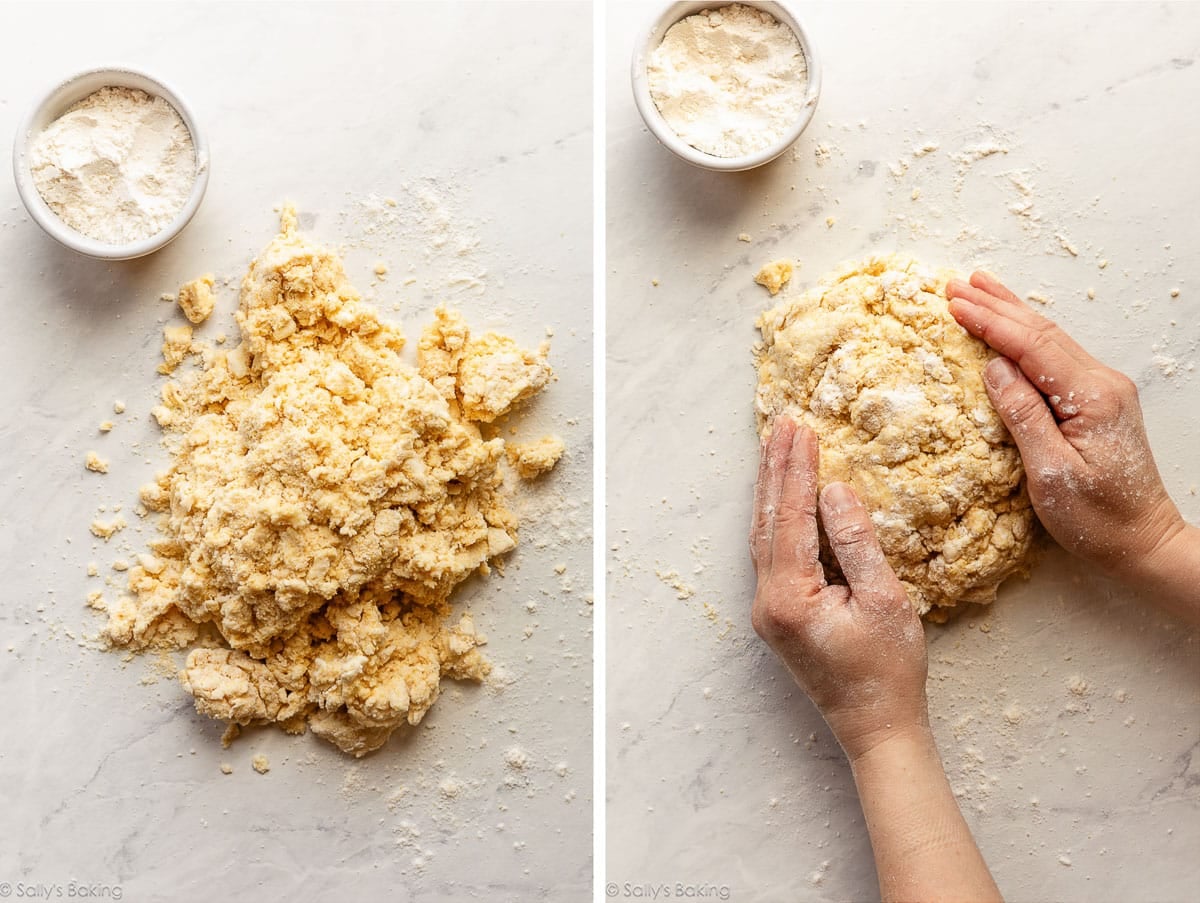
The dough is then transferred onto a lightly floured work surface. Here, the technique of laminating, often associated with pastries like croissants and puff pastry, is applied in a simplified form. The dough is gently brought together by hand and then flattened into a rectangular shape, typically about three-quarters of an inch thick. This initial shaping is crucial for the subsequent folding process.
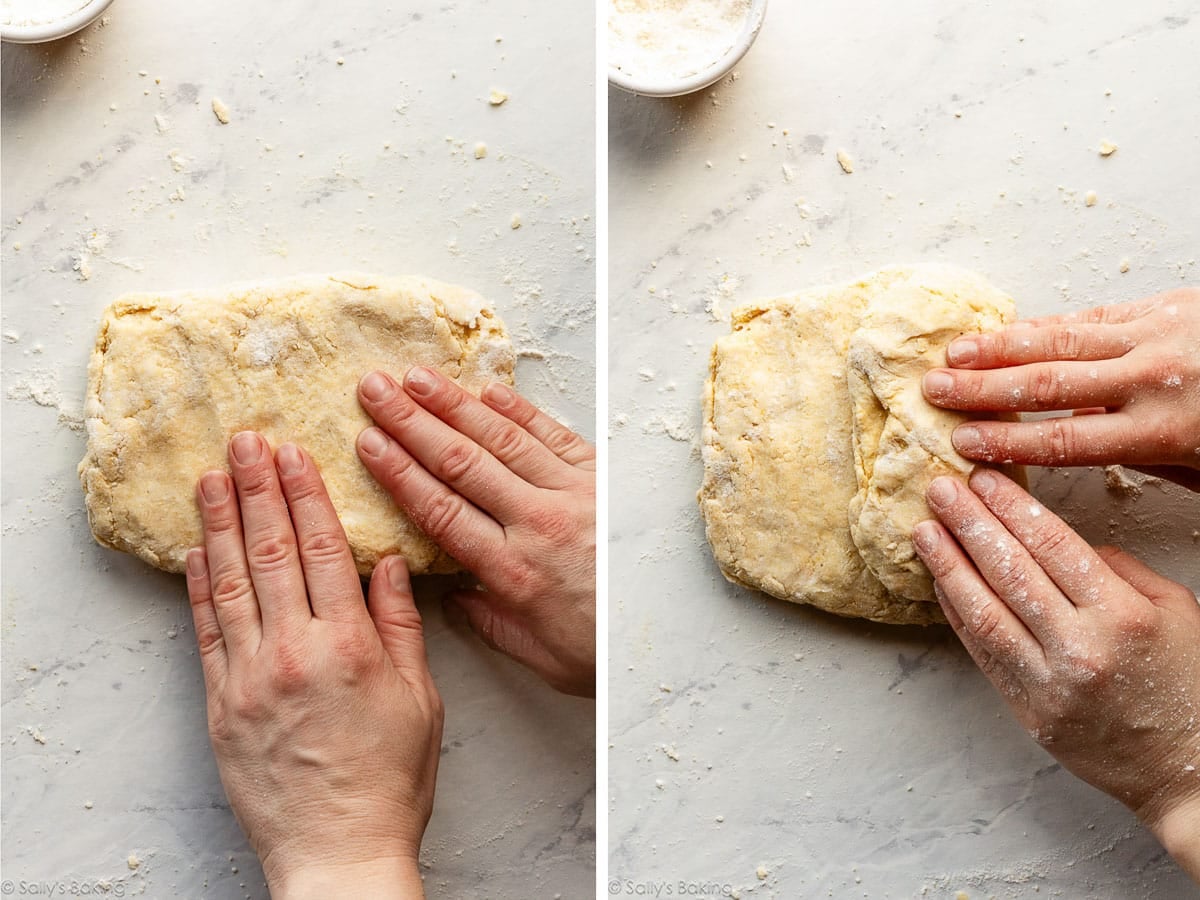
The lamination technique involves a series of folds, often referred to as the "business letter fold." One side of the rectangular dough is folded into the center, and then the opposite side is folded over the top, effectively creating three layers. After this initial fold, the dough is rotated 90 degrees, flattened again to the same thickness, and the folding process is repeated two more times. This systematic folding and flattening action is the secret to developing the numerous, distinct, and flaky layers that are a hallmark of a well-made biscuit, enabling maximum rise and tenderness.
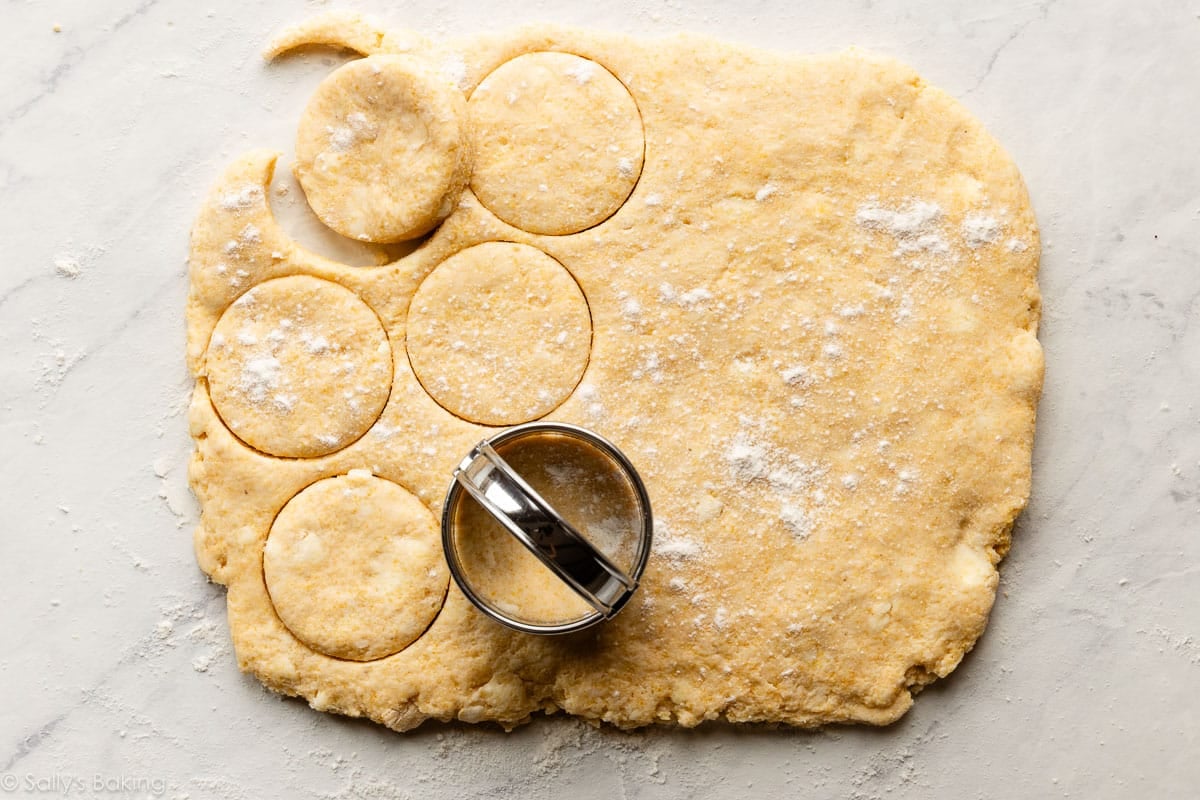
Following the lamination, the dough is ready for shaping. A biscuit cutter, ideally dipped in flour to prevent sticking, is used to cut rounds. For optimal rise and to prevent "pinching" the layers together, the cutter should be pressed straight down without twisting. Any remaining dough scraps are gently gathered, briefly re-folded (a few times to maintain some layering), and then cut into additional biscuits, minimizing waste. A 2-inch cutter typically yields 15-18 smaller biscuits, while a 2.5-inch cutter produces approximately 10-12 larger ones.
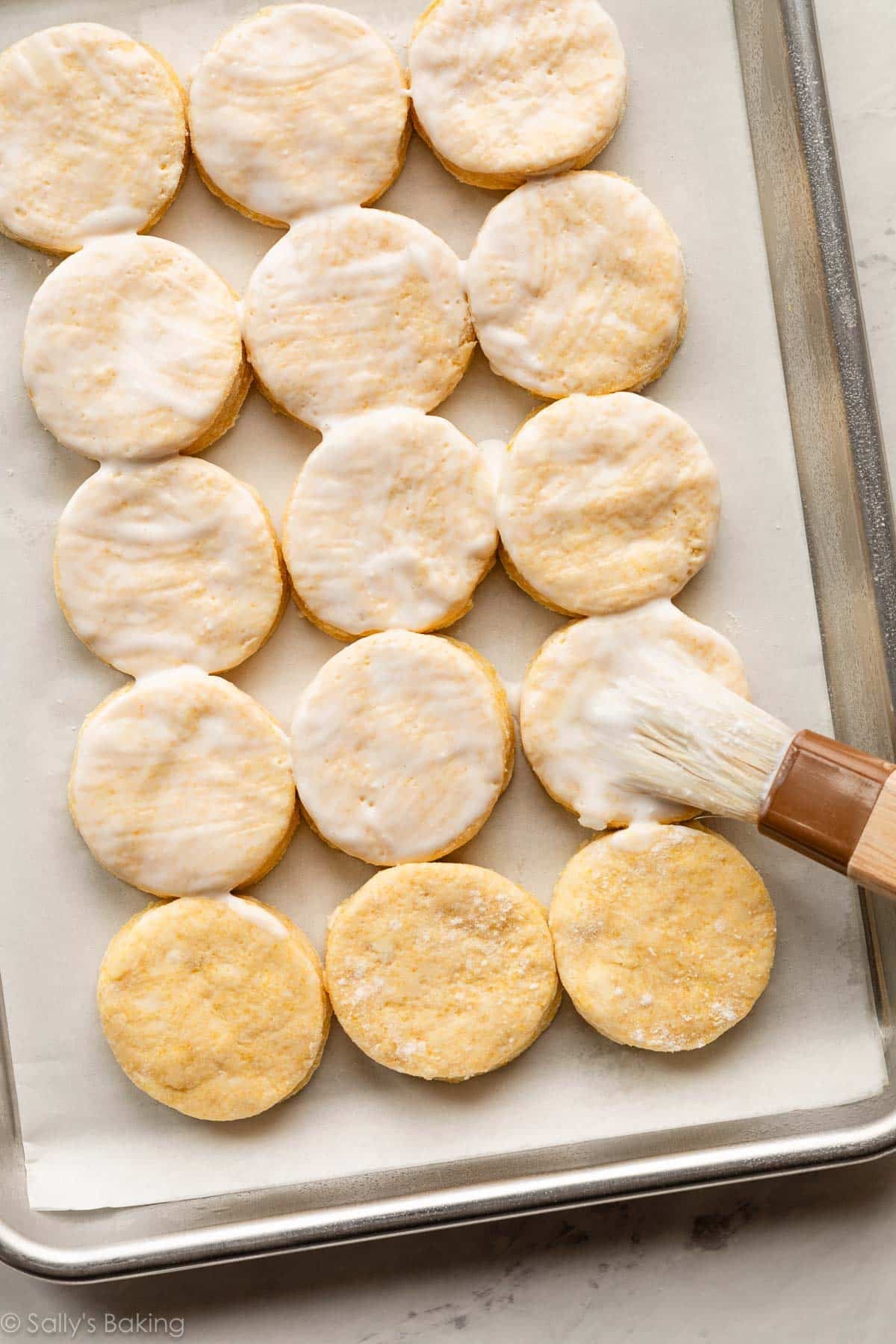
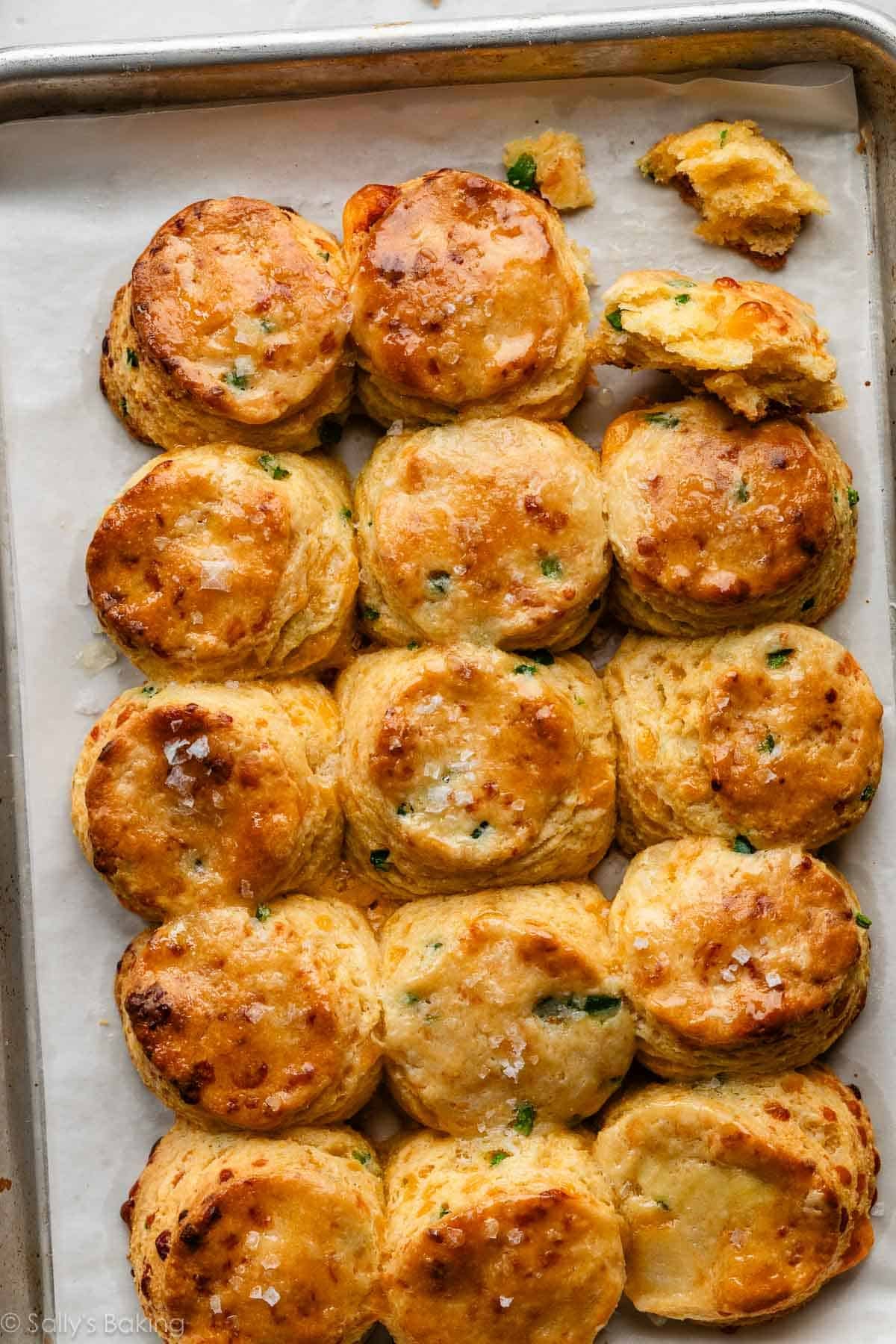
The shaped biscuits are then arranged on a lined baking sheet or in a cast iron skillet. A critical detail for achieving a high rise is to place the biscuits close together, or even touching. This proximity provides mutual support during baking, encouraging them to rise vertically rather than spreading horizontally. Before baking, the tops of the biscuits are brushed with buttermilk, which contributes to an even, golden-brown crust.
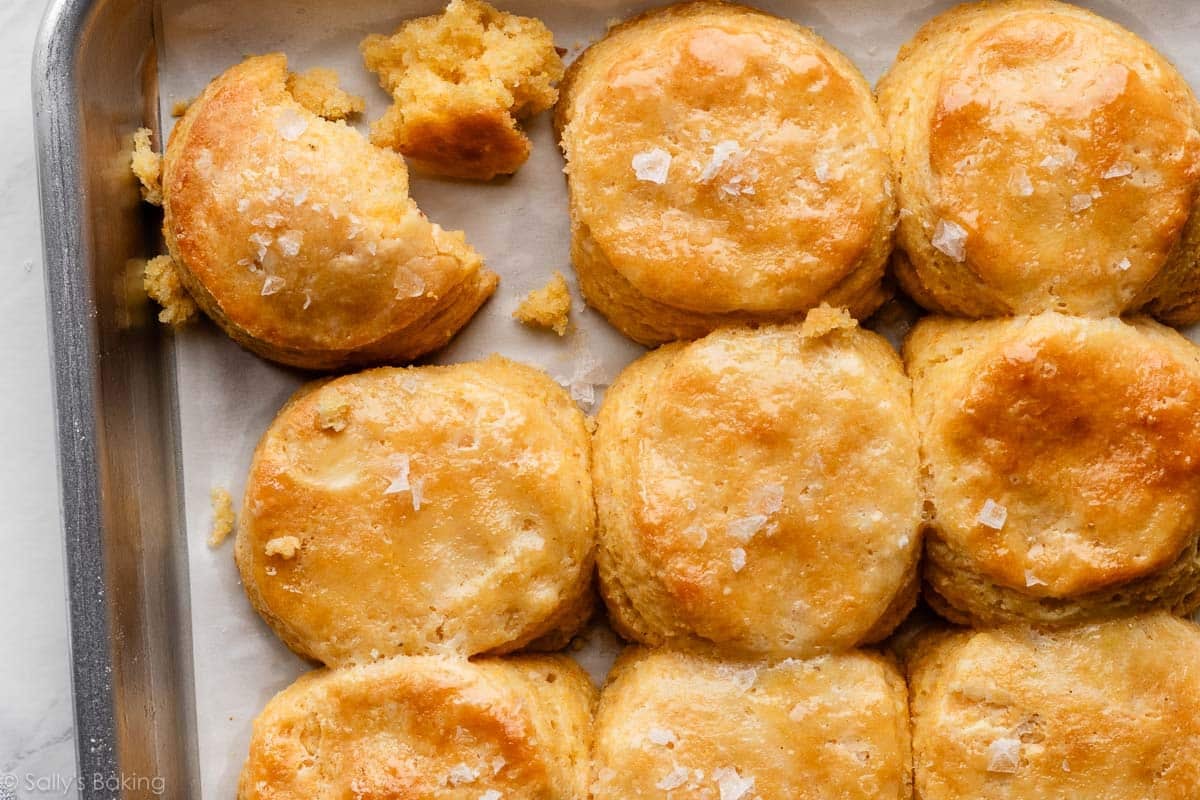
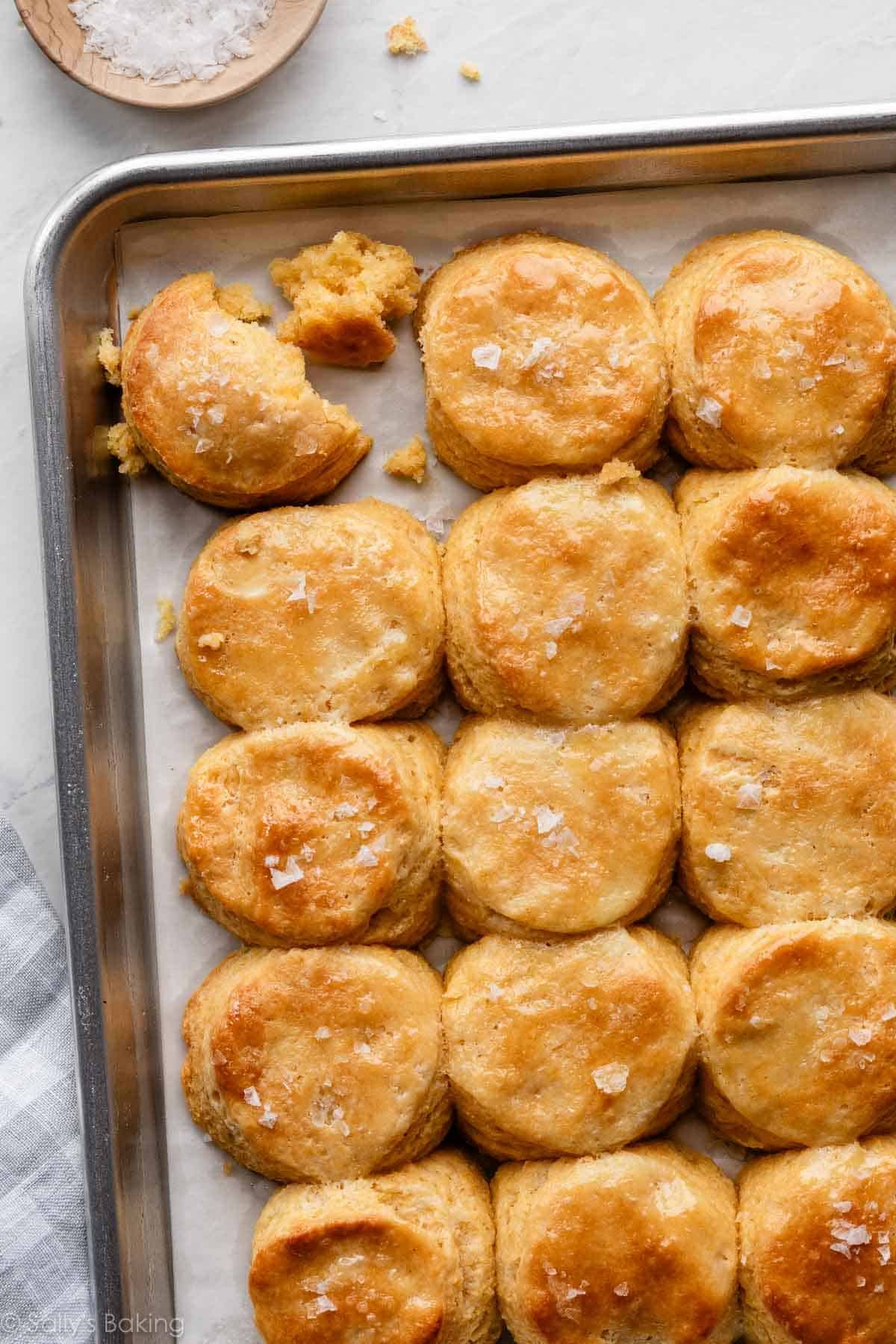
Upon emerging from the oven, still warm, the biscuits receive a final touch: a brush of melted butter combined with a touch of honey, followed by a light sprinkle of flaky sea salt. This finishing step not only enhances their visual appeal but also introduces an additional layer of rich flavor and a subtle textural contrast, elevating the overall sensory experience.
Flavor Innovations: Expanding the Cornbread Biscuit Palette
While the classic cornbread biscuit offers a delightful blend of flavors and textures, its robust base lends itself exceptionally well to creative flavor enhancements. The versatility of the recipe allows for the incorporation of savory and sweet add-ins, transforming the standard offering into a tailored culinary experience. Two particularly popular and well-received variations include Jalapeño Cheddar and Maple Bacon, each designed to complement specific meal preferences.
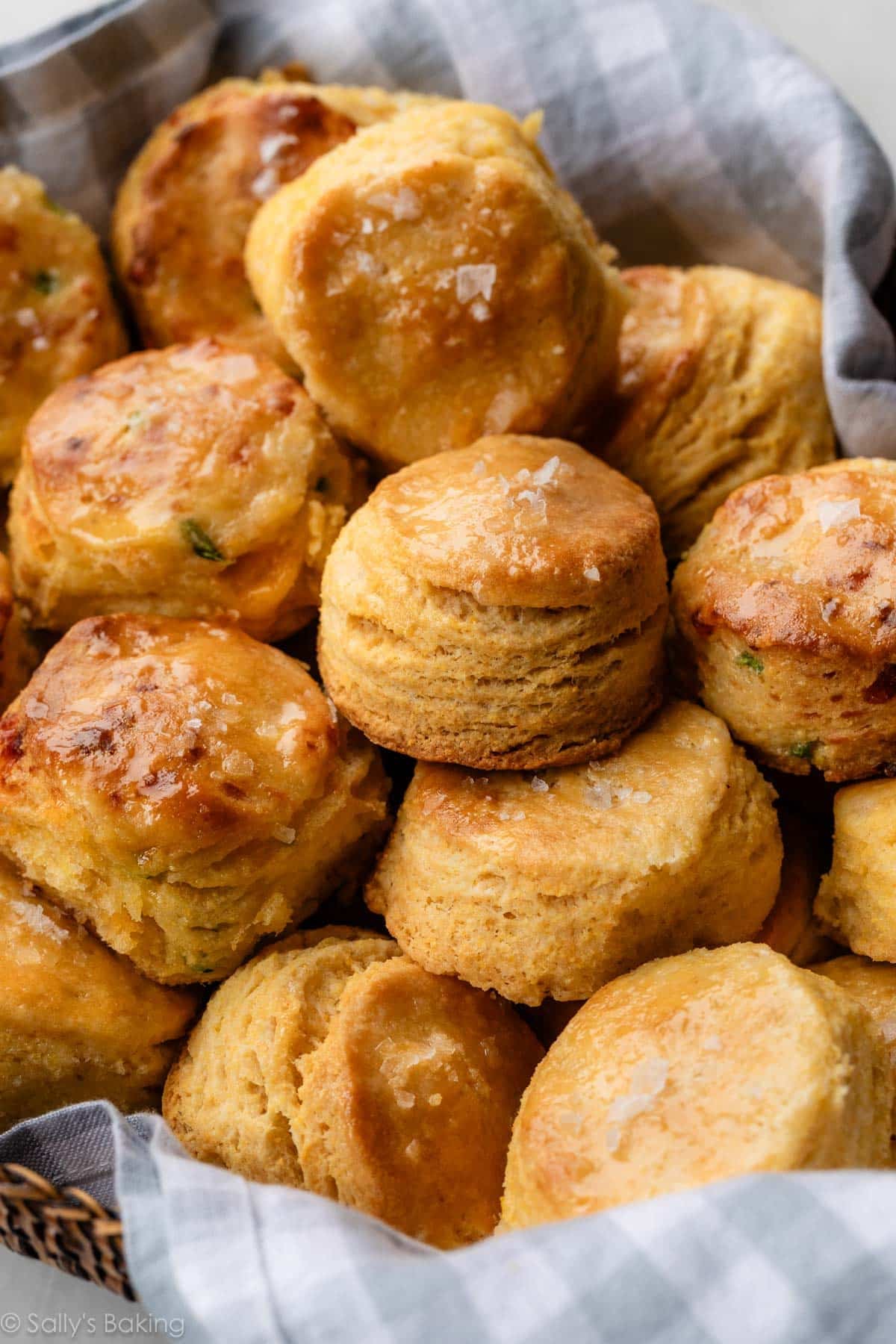
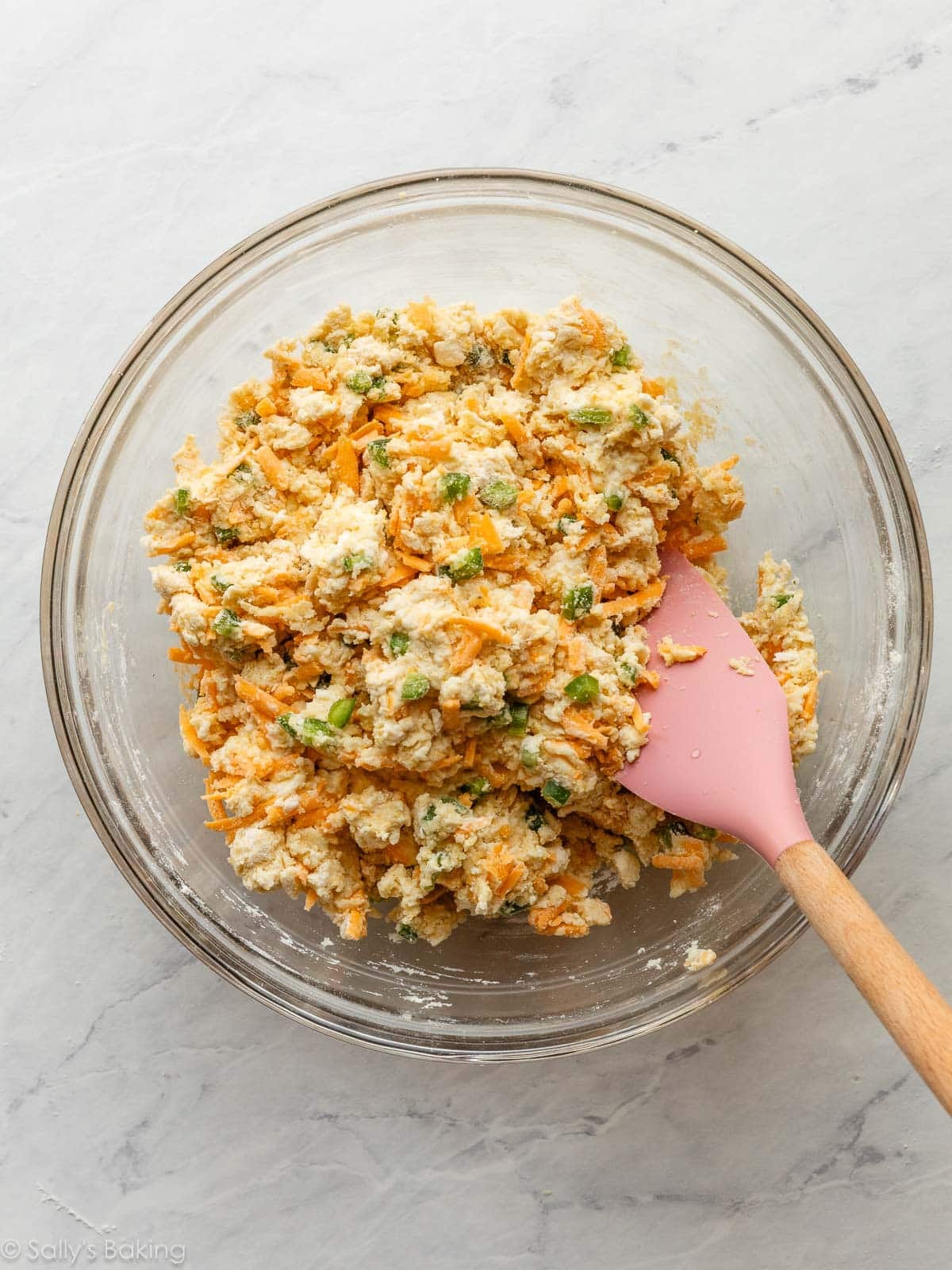
The Jalapeño Cheddar variation introduces a piquant and savory dimension to the subtly sweet biscuit. To prepare this, one jalapeño pepper is carefully deseeded and finely diced. Removing the seeds is crucial for controlling the heat level, ensuring a pleasant warmth rather than an overpowering spiciness. Alongside the diced jalapeño, freshly shredded sharp cheddar cheese is incorporated into the dough. The use of freshly shredded cheese is often emphasized by baking enthusiasts, as pre-shredded varieties frequently contain anti-caking agents that can hinder smooth melting and even distribution. The sharp cheddar provides a robust, tangy counterpoint to the sweetness of the cornmeal and honey, while the jalapeño introduces a subtle heat and fresh, green notes. This variation is particularly well-suited for serving alongside chili, barbecue, or as a flavorful accompaniment to a hearty soup. The visual appeal is also enhanced by the flecks of green pepper and melted orange cheese peeking through the golden crust.
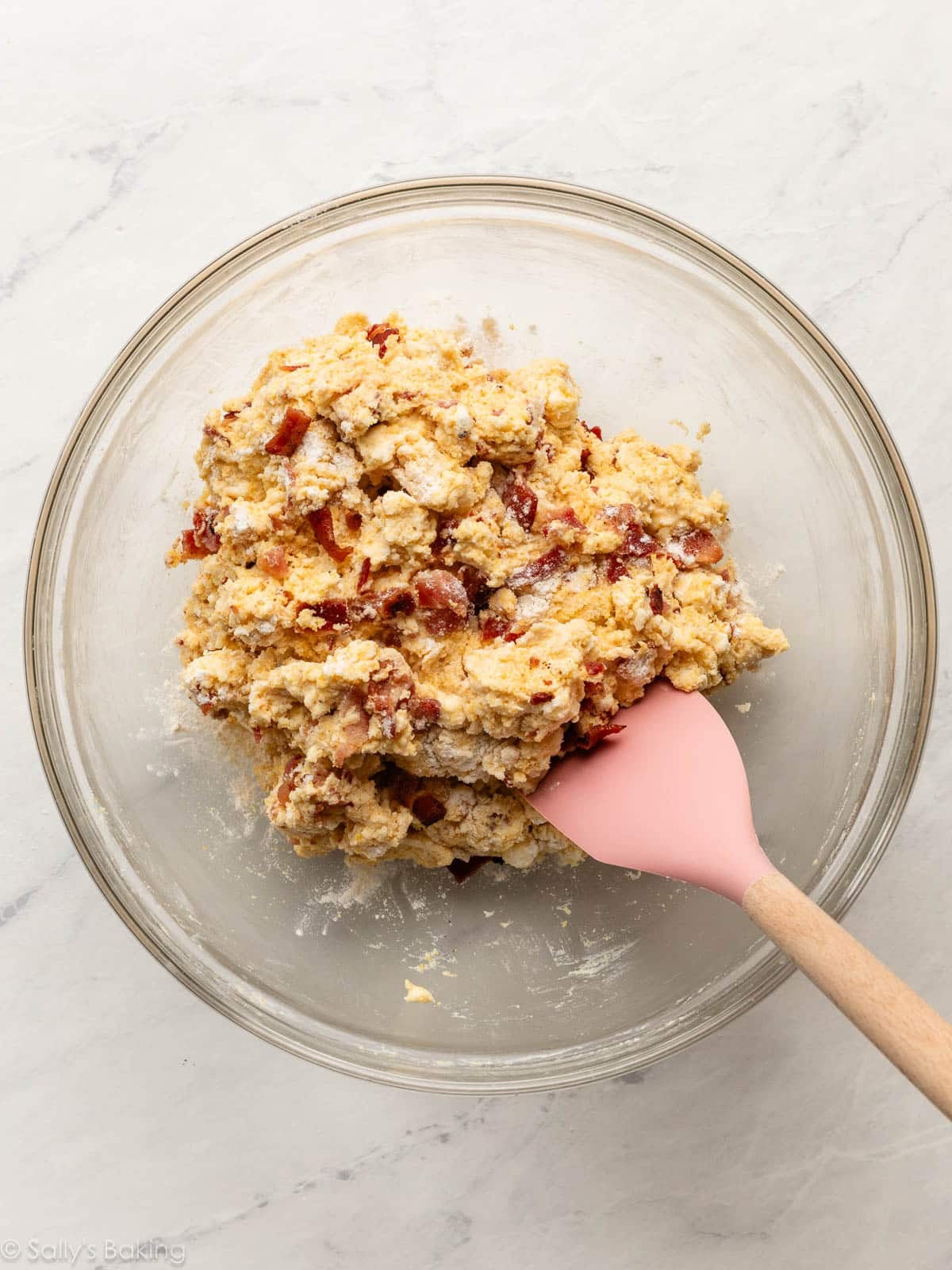
For those who appreciate a harmonious blend of sweet and savory, the Maple Bacon cornbread biscuit offers an indulgent option. In this rendition, the traditional honey in the recipe is replaced with pure maple syrup, which imbues the biscuits with its distinct, earthy sweetness and characteristic aroma. The richness of the maple is then beautifully complemented by the addition of crumbled or chopped cooked and cooled bacon. The bacon, typically cooked to a crisp texture and then allowed to cool completely to prevent excess moisture from affecting the dough, provides a salty, smoky, and textural contrast. This variation is often highlighted for breakfast applications, pairing exceptionally well with eggs, or accompanying a side of maple chicken breakfast sausage for a truly elevated morning meal. The interplay of the sweet maple, savory bacon, and the subtle corn flavor creates a complex and deeply satisfying profile.
The inherent adaptability of the cornbread biscuit dough suggests further possibilities for customization. Other potential additions could include fresh herbs like rosemary or chives for an aromatic touch, different types of cheese such as smoked gouda or pepper jack for varying flavor profiles, or even dried fruits like cranberries or apricots for a sweet and tangy twist. This capacity for modification underscores the recipe’s strength as a foundational element for diverse culinary creations.
Culinary Applications and Serving Suggestions
The versatility of cornbread biscuits extends beyond their appealing taste and texture, manifesting in a broad spectrum of culinary applications and serving suggestions suitable for virtually any meal of the day. Their unique flavor profile, blending the subtle sweetness of cornmeal and honey with a rich, buttery base, allows them to transition effortlessly from a breakfast staple to a robust dinner accompaniment or even a creative dessert component.
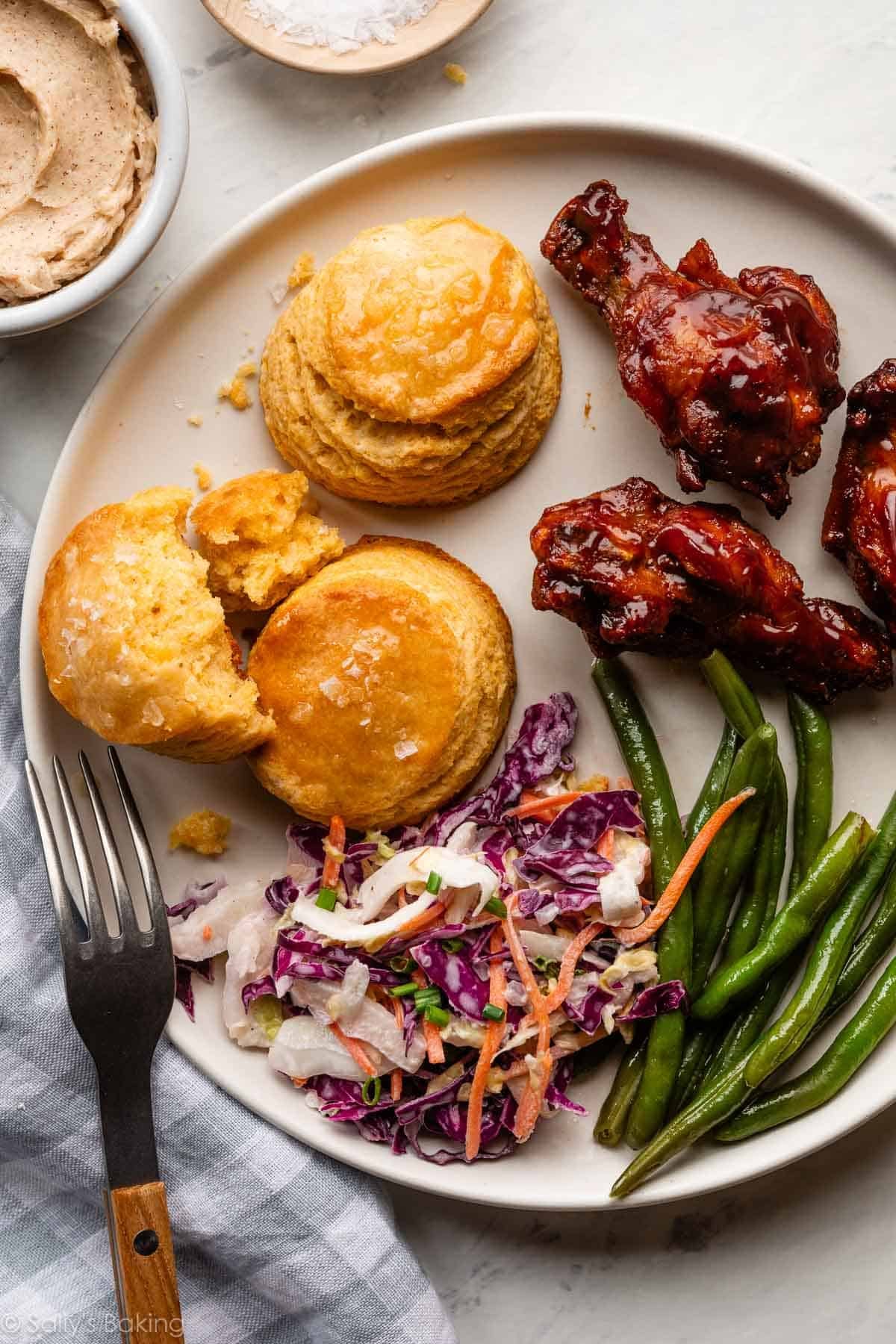
For traditionalists, serving these biscuits warm with classic spreads remains a highly favored option. A simple pat of butter, allowing its rich creaminess to melt into the tender crumb, is often sufficient. Elevating this, homemade honey butter or cinnamon butter provide an added layer of sweetness and spice, complementing the biscuit’s inherent flavors. Fruit preserves, particularly peach or berry varieties, offer a bright, tangy contrast that is particularly refreshing.
In savory contexts, cornbread biscuits shine as an ideal partner for a variety of main courses. Their absorbent nature and hearty flavor make them a natural accompaniment to rich, saucy dishes. They are frequently lauded as an excellent side for barbecue, soaking up the tangy, smoky sauces, and pairing perfectly with classic coleslaw and baked beans. Similarly, their presence alongside a steaming bowl of chili or a hearty soup not only adds substance but also provides a comforting textural element. For a quintessential Southern dinner, they can be served with fried chicken, pot roasts, or various stews, offering a delightful counterpoint to the main fare.
Breakfast applications are equally diverse and satisfying. Beyond simply serving them with butter or preserves, cornbread biscuits can form the foundation of a substantial breakfast sandwich. Paired with scrambled or fried eggs and savory maple chicken breakfast sausage patties, they create a hearty and flavorful start to the day. The maple bacon variation, in particular, finds its ideal home in the breakfast setting, where its sweet and savory notes align perfectly with traditional morning fare.
While primarily positioned as a savory or mildly sweet bread, the structural integrity and slight sweetness of cornbread biscuits also allow for their imaginative inclusion in dessert recipes. Although not explicitly detailed for this recipe, the concept of using a biscuit as a base for fruit-topped desserts is well-established in baking. With minor adjustments (perhaps a touch more honey or a sprinkle of sugar on top), they could serve as a rustic topping for berry cobblers or a sturdy base for homemade strawberry shortcake, absorbing fruit juices and cream beautifully, creating a less formal, more comforting dessert experience.
This wide array of serving possibilities underscores the cornbread biscuit’s adaptability and enduring appeal, cementing its place as a versatile and cherished item in the modern kitchen.
Expert Baking Principles for Success
The journey to crafting the perfect cornbread biscuit is paved with adherence to fundamental baking principles, many of which are universally applicable to quick breads. Drawing upon the accumulated wisdom of culinary experts and experienced bakers, several key tips emerge as critical for transforming raw ingredients into sky-high, flaky, and tender biscuits.
Firstly, the temperature of ingredients is paramount. The consistent advice to use thoroughly cold butter and cold buttermilk is not merely a suggestion but a foundational rule. As discussed, cold butter is essential for creating the steam that forms flaky layers. If the butter is warm, it integrates too readily with the flour, leading to a denser texture. Similarly, cold buttermilk helps maintain the overall low temperature of the dough, preventing the butter from softening prematurely during handling and ensuring a tender crumb by minimizing gluten development. Some advanced techniques even suggest chilling the dry ingredients before incorporating the butter.
Secondly, minimal handling of the dough is crucial. Overworking biscuit dough activates gluten, a protein network in flour, leading to a tough, chewy texture rather than the desired tenderness. Bakers advocate for mixing just until the ingredients are combined and the dough barely comes together. The process of cutting in butter, adding liquids, and even the subsequent folding should be executed with a light touch and efficiency. This principle ensures that the biscuits remain soft and delicate.
Thirdly, the folding technique plays an indispensable role in achieving height and distinct layers. This method, akin to rudimentary lamination, strategically folds butter-laden dough onto itself multiple times. Each fold creates additional layers, which, when baked, separate due to steam expansion, resulting in the characteristic flaky structure. Skipping this step, or performing it inadequately, will result in biscuits that lack significant rise and internal texture.
Fourthly, the cutting technique for shaping biscuits is often overlooked but holds significant importance. When using a biscuit cutter, it is imperative to press straight down firmly and avoid twisting the cutter. Twisting seals the edges of the dough layers, inhibiting their ability to rise freely and create distinct flakes. A clean, straight cut ensures that the layers remain open, allowing for maximum vertical expansion in the oven. When dealing with scraps, they should be gently pressed together and re-folded minimally, as overworking these remnants will inevitably lead to tougher biscuits.
Fifthly, ensuring the oven is accurately preheated to the correct temperature is critical. Biscuits require a relatively high baking temperature to encourage a rapid rise and a golden crust. An oven that is not fully preheated or is running at an incorrect temperature can lead to uneven baking, poor rise, and an undesirable texture. An oven thermometer can be a valuable tool for verifying accuracy.
Finally, the freshness of leavening agents cannot be overstated. Baking powder and baking soda have a limited shelf life, and their efficacy diminishes over time. Using fresh leavening agents ensures that the chemical reactions necessary for the biscuit’s rise occur effectively, leading to light and airy results. An easy test for baking powder involves mixing a small amount with hot water; if it fizzes vigorously, it’s still active. For baking soda, mixing it with vinegar should produce a similar bubbly reaction.
By diligently adhering to these expert principles, bakers can consistently produce cornbread biscuits that are not only delicious but also exhibit the ideal characteristics of tenderness, flakiness, and impressive rise, solidifying their status as a cherished homemade treat.
The advent of cornbread biscuits marks a delightful evolution in the realm of comfort baking, expertly blending the beloved qualities of two Southern culinary icons. These golden, buttery, and layered creations, subtly sweetened with honey and imbued with the distinctive texture of cornmeal, offer a versatile addition to any meal. From their foundational preparation, emphasizing cold ingredients and strategic dough folding, to their exciting variations like piquant jalapeño cheddar and savory maple bacon, cornbread biscuits demonstrate a remarkable adaptability. Their capacity to complement everything from barbecue and chili to breakfast eggs and even dessert applications underscores their broad appeal and enduring culinary significance, solidifying their place as a cherished and adaptable baking creation in kitchens far and wide.
