
The Cultural Synthesis of the Ella Langley Casserole
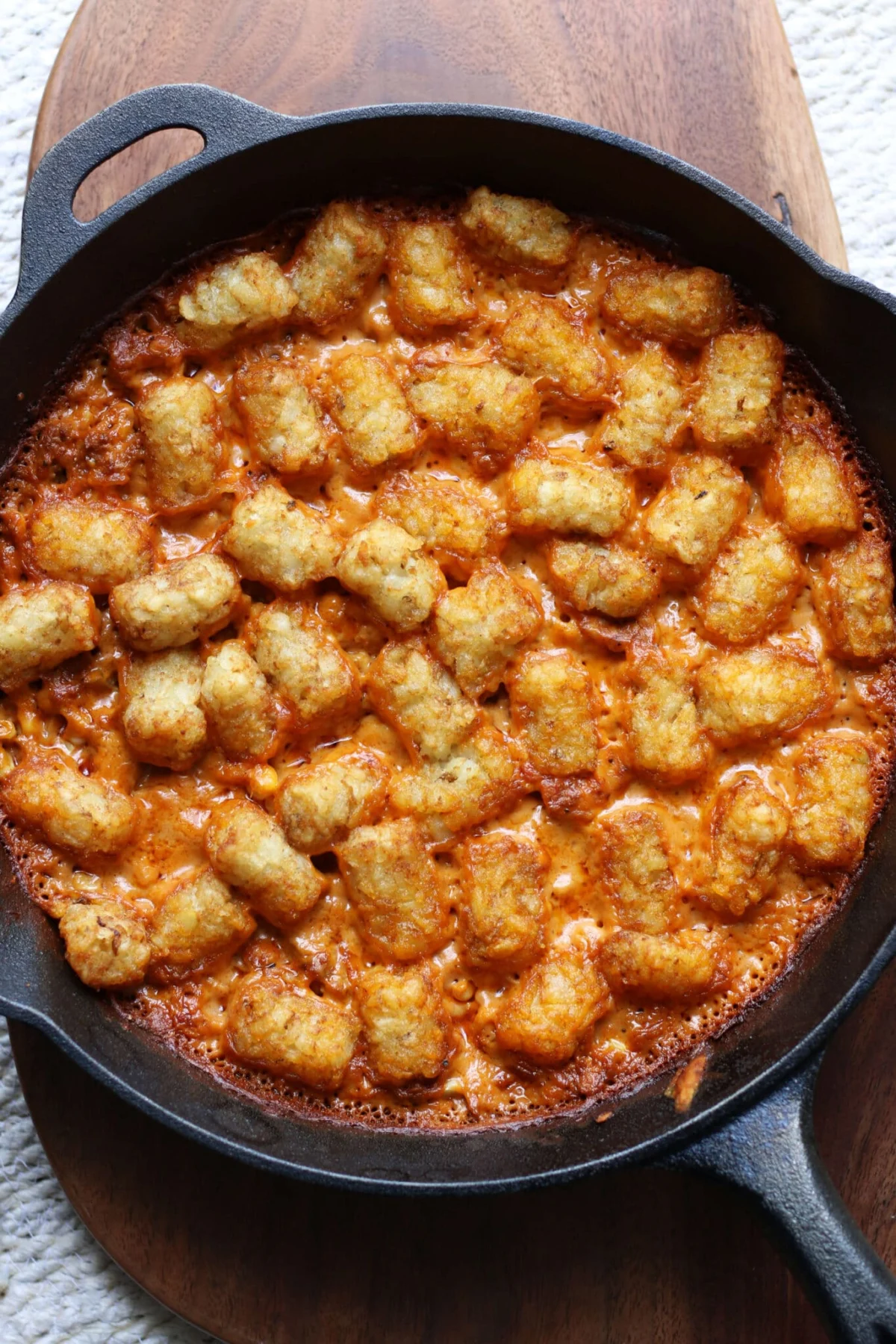
The emergence of the Ella Langley Casserole coincides with a broader cultural movement that seeks to reclaim and modernize traditional community recipes. Historically, casseroles—or "hotdishes" as they are known in the Upper Midwest—served as a primary method for feeding large families or church congregations with minimal expense. The Ella Langley variant utilizes a base of ground protein, typically beef or turkey, and layers it with corn, salsa, and a distinctive cream cheese binder. The dish is finished with a topping of tater tots, a frozen potato product that has maintained its status as a staple of American domestic life since its invention in the mid-20th century.
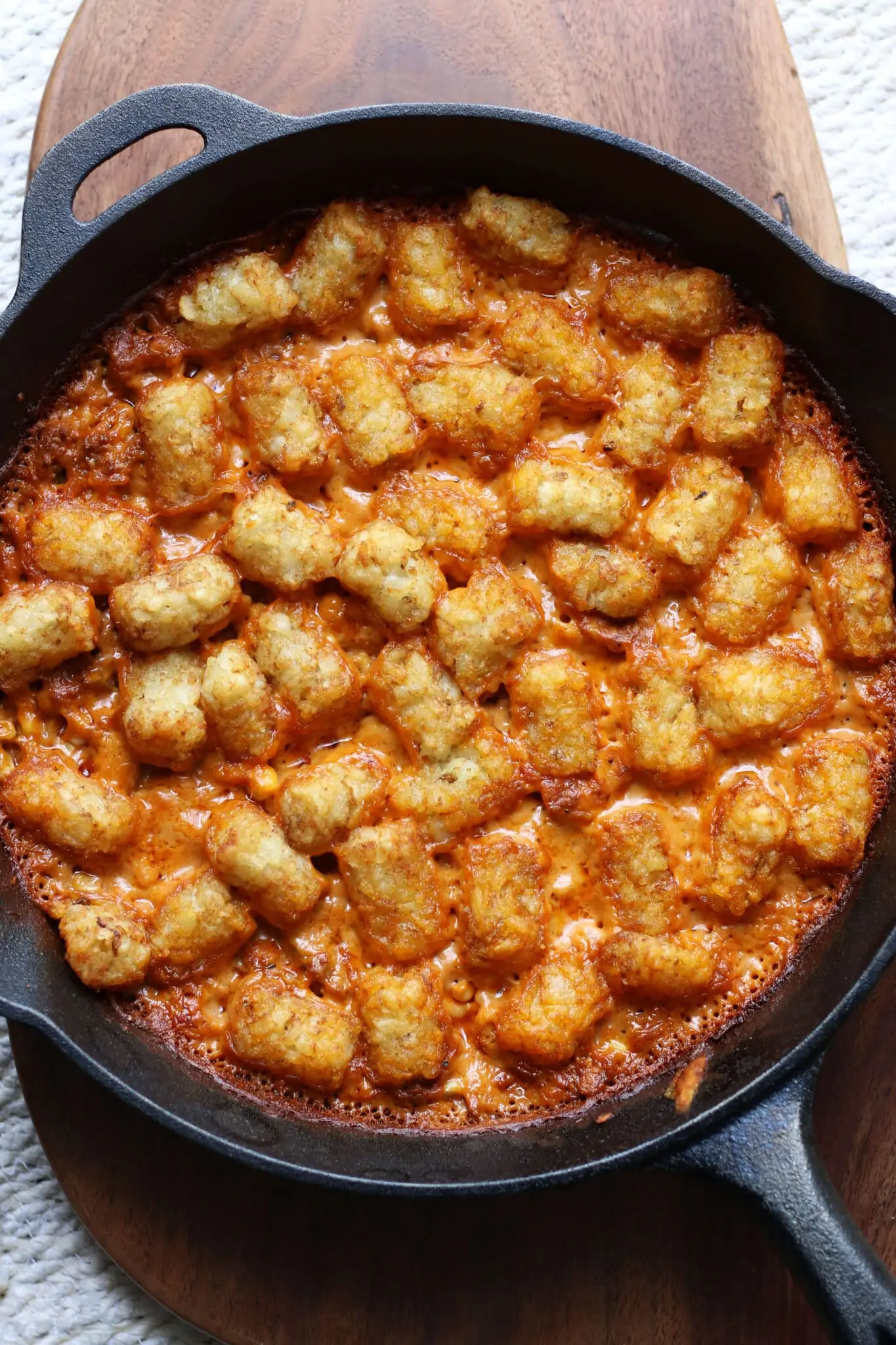
Culinary analysts note that the naming of the dish after Ella Langley is not merely a branding exercise but a reflection of the artist’s persona. Langley, known for her authentic Southern storytelling and high-energy performances, embodies the "Southern flare" described by the recipe’s proponents. The casserole mirrors this energy by combining bold, spicy flavors from the salsa and chili powder with the heavy, comforting textures of melted cheddar and crispy potatoes.
Chronological Methodology of Preparation
The construction of an Ella Langley Casserole follows a precise chronological sequence designed to maximize flavor extraction and textural integrity. The process begins with the thermal preparation of the cooking vessel, ideally a cast-iron skillet, which provides the heat retention necessary for a consistent sear and a successful oven finish.
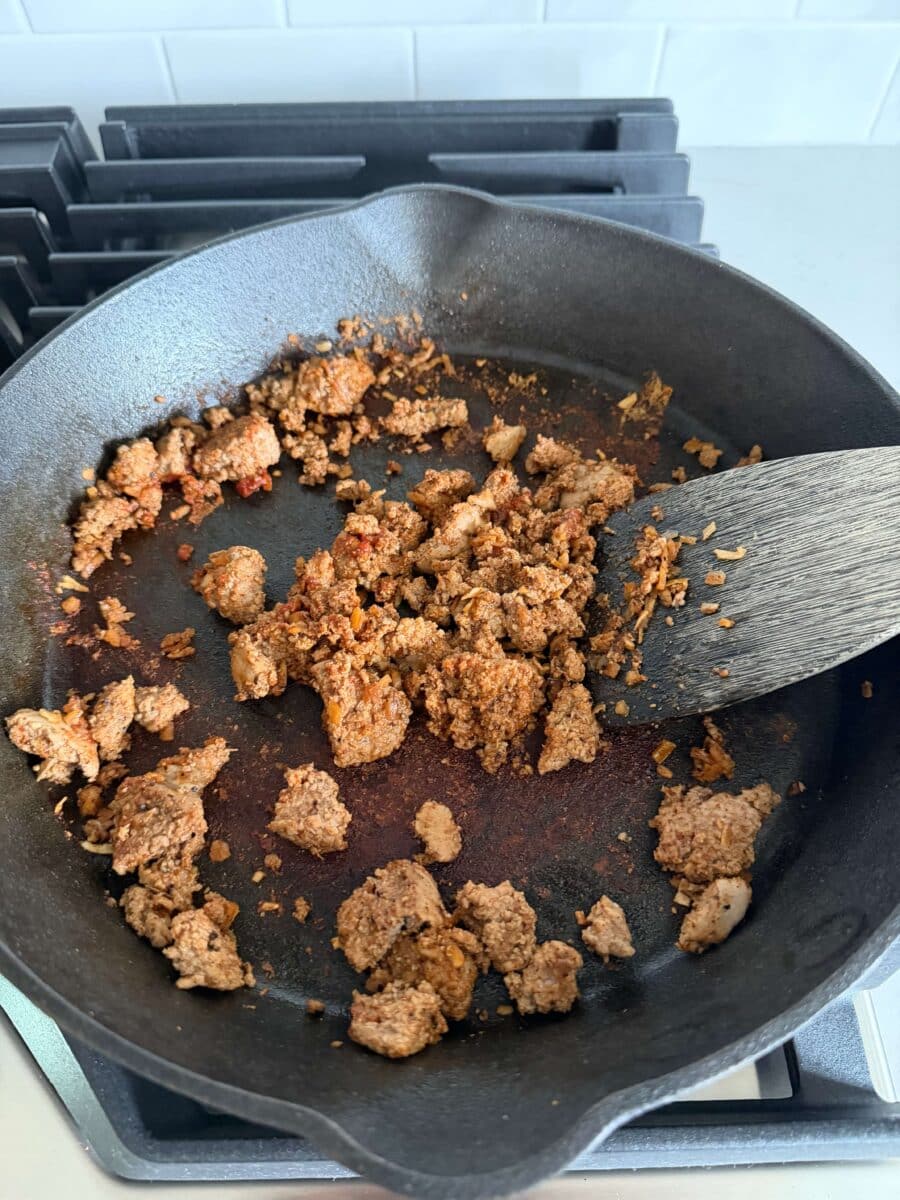
- Protein Searing and Aromatic Integration: The initial phase involves browning the ground beef or turkey over medium-high heat. During this stage, chopped onions are introduced to the skillet, allowing the natural fats from the meat to soften the aromatics. This phase is critical for the Maillard reaction, which develops the complex savory notes essential to the dish’s foundation.
- Flavor Fortification: Once the meat is browned and excess grease is removed, a suite of seasonings is introduced, including salt, black pepper, chili powder, and garlic powder. The addition of Worcestershire sauce provides an umami depth, while tomato paste offers a concentrated acidity that balances the richness of the proteins.
- Emulsification and Sauce Development: Unlike traditional casseroles that rely on condensed mushroom or chicken soup, the Ella Langley Casserole utilizes a combination of broth, cream cheese, and salsa. These elements are heated through until the cream cheese melts, creating a velvety, cohesive sauce. Salsa acts as a "secret ingredient," providing acidity and a multi-dimensional spice profile without the need for an extensive list of individual vegetables or spices.
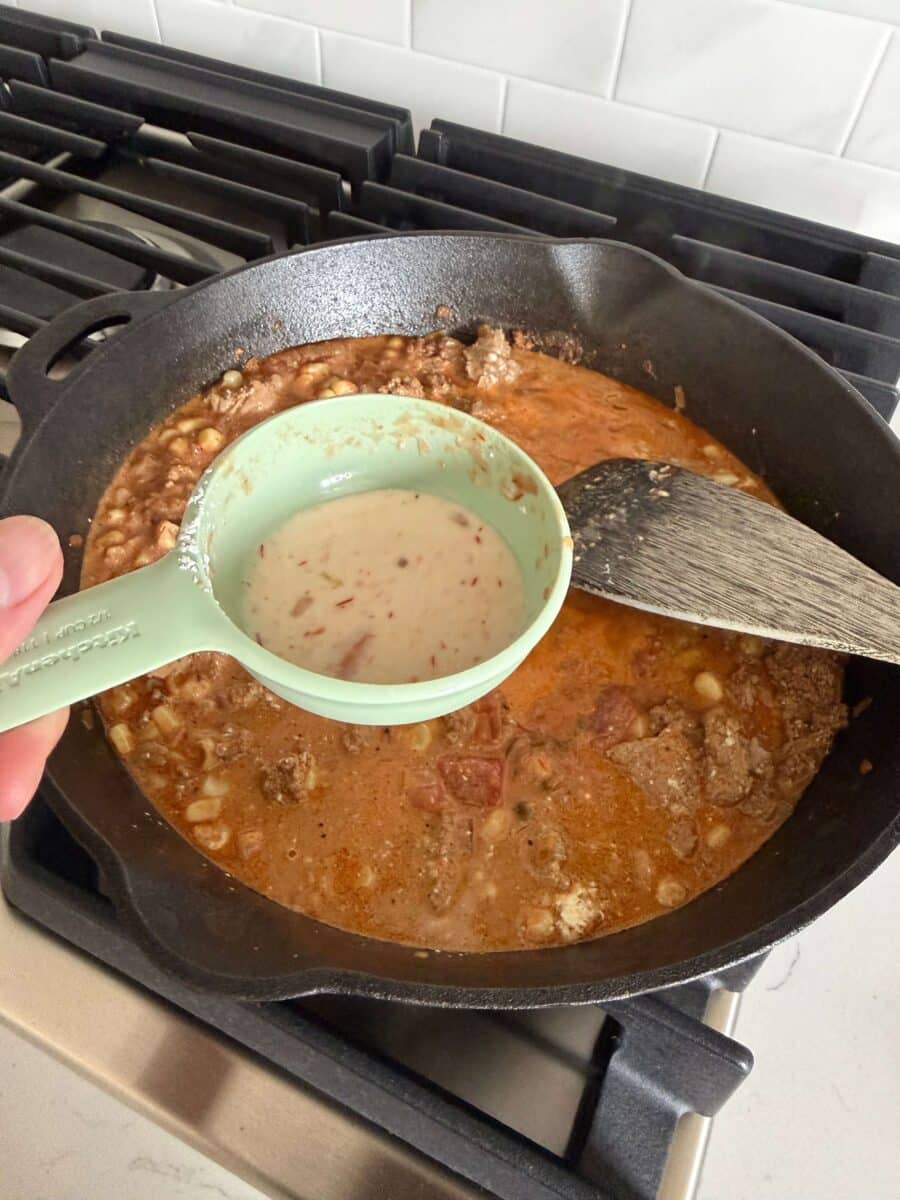
- Viscosity Management: To ensure the sauce maintains its structure during the baking process, a cornstarch slurry—a mixture of cornstarch and cold water—is stirred into the simmering base. This technique allows for a controlled thickening that prevents the casserole from becoming watery.
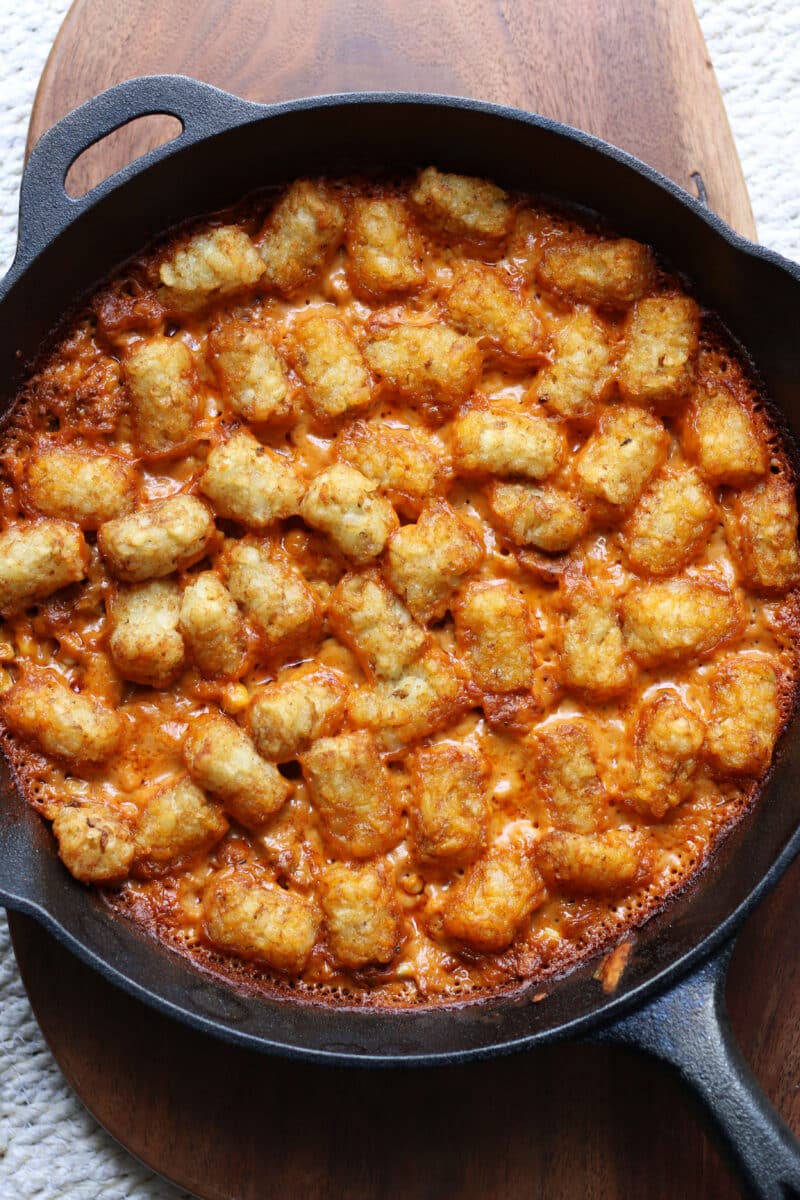
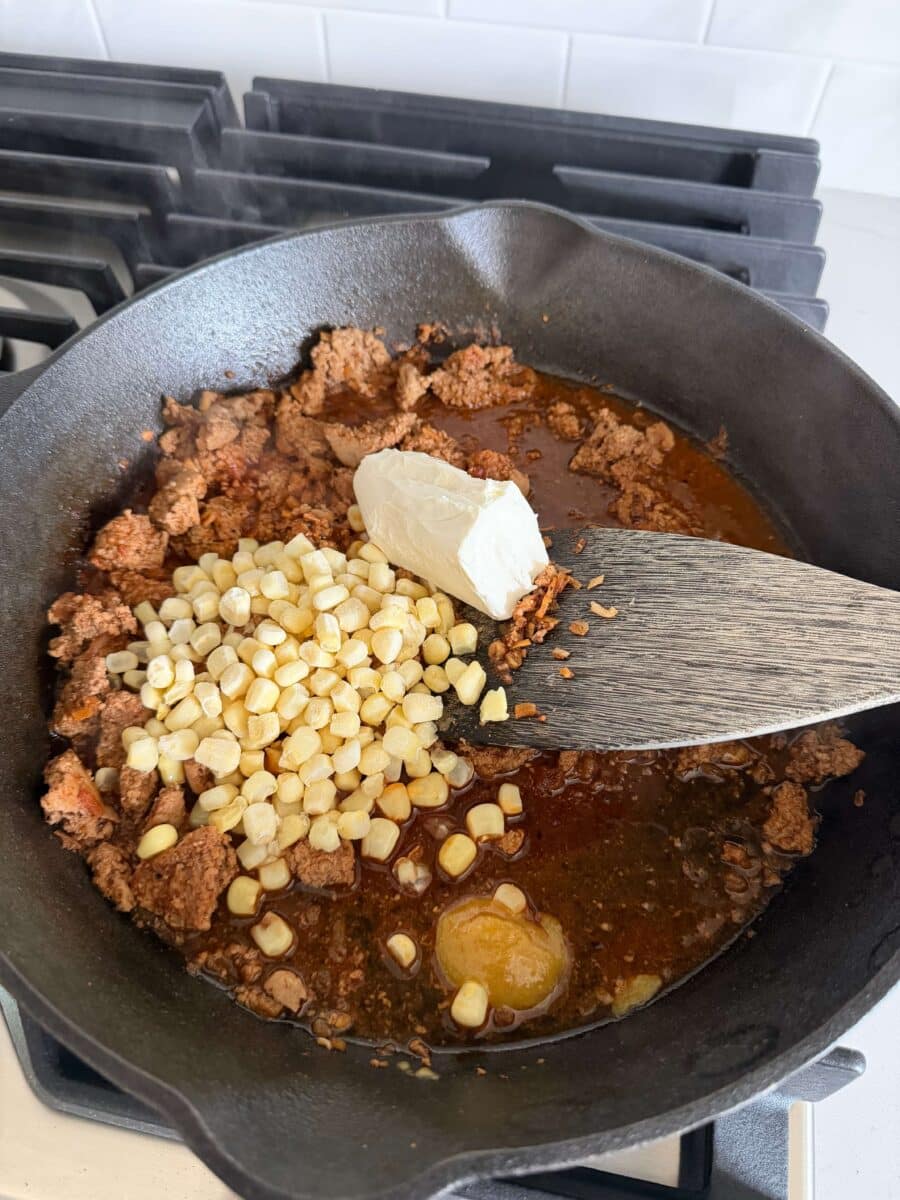
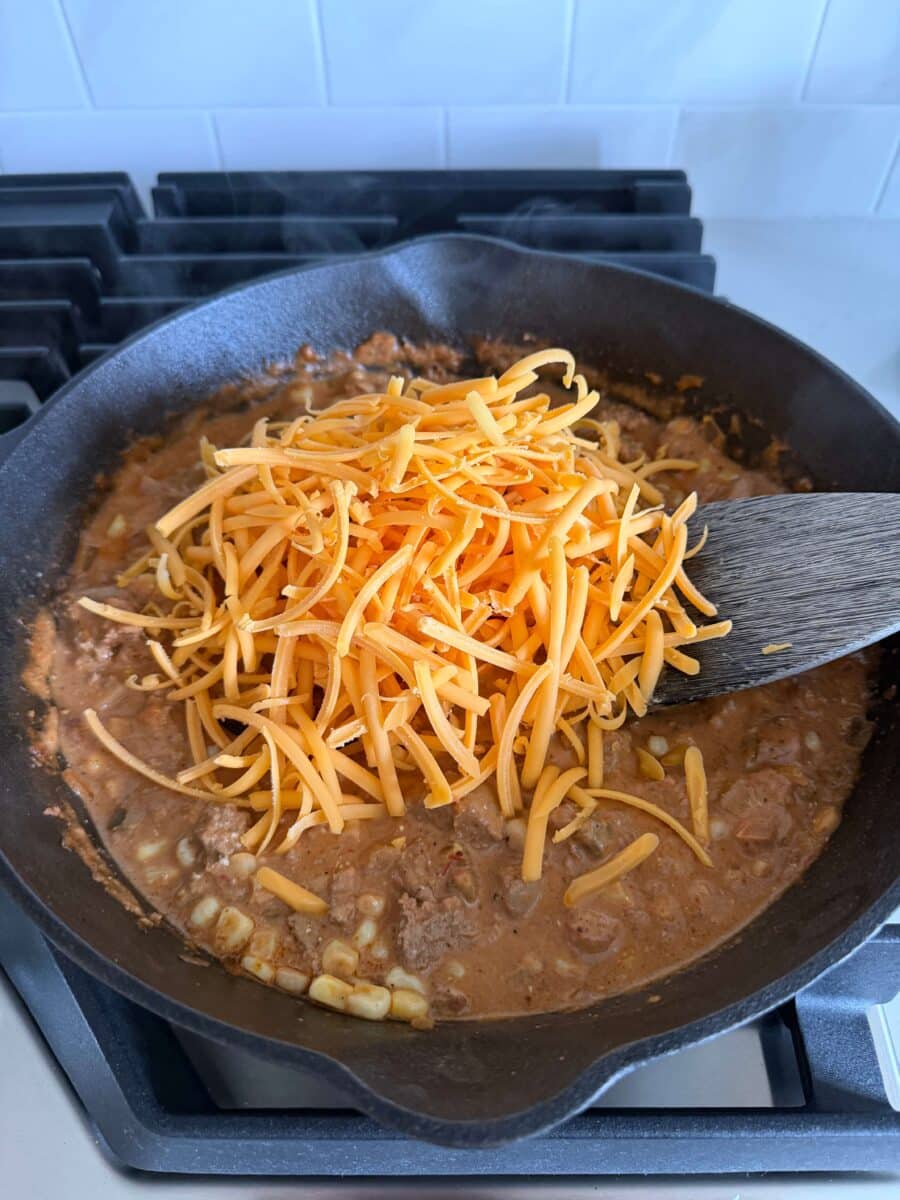
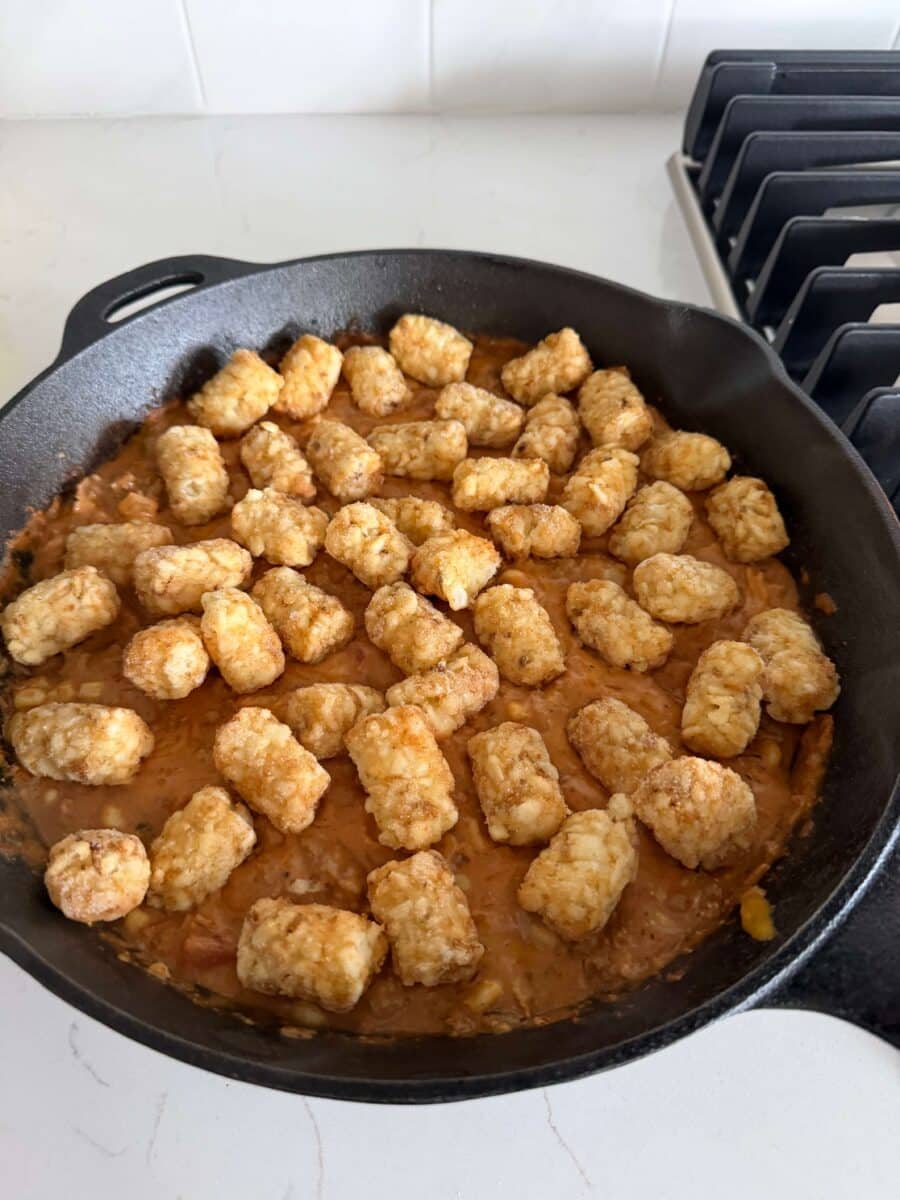
- Assembly and Thermal Processing: The final assembly involves folding in corn and melted cheddar cheese before layering frozen tater tots in a uniform pattern across the top. The skillet is then transferred to an oven preheated to 400°F (approx. 204°C). The 40-minute baking period is essential for two reasons: it ensures the interior is heated to a safe and palatable temperature, and it facilitates the crisping of the tater tots, creating the necessary textural contrast between the crunchy topping and the creamy interior.
Culinary Analysis: Ingredients and Substitutions
The versatility of the Ella Langley Casserole is a key factor in its widespread adoption. From a nutritional and dietary perspective, the recipe allows for significant modifications without compromising its essential character.
Protein Variations
While ground beef remains the traditional choice for maximum flavor density, ground turkey has become an increasingly popular substitute for those seeking a leaner profile. Journalistic observations of home cooking trends indicate that turkey, when seasoned correctly with the recipe’s chili and garlic powders, absorbs the surrounding flavors effectively, making it a viable alternative for health-conscious consumers.
The Role of Salsa and Cream Cheese
The move away from canned "cream of" soups represents a shift toward "cleaner" ingredient lists. Cream cheese provides a tangy richness that canned substitutes often lack, while salsa introduces a fresh, acidic component. This combination reflects a broader trend in American home cooking where traditional recipes are being retrofitted with ingredients that offer more vibrant flavor profiles.
Textural Components
The inclusion of corn provides a subtle sweetness and a "pop" of texture that disrupts the softness of the meat and cheese. The tater tot topping serves as the dish’s primary structural element. Invented in 1953 by the founders of Ore-Ida as a way to utilize leftover potato slivers, the tater tot has evolved from a commercial byproduct to a beloved culinary icon, particularly in the "hotdish" cultures of Minnesota and the Dakotas, and now, in the hybridized Southern skillet meals.
Historical Context: From Community Cookbooks to Digital Virality
The Ella Langley Casserole is a modern iteration of a long-standing communal tradition. In the early to mid-20th century, community cookbooks—often compiled by church groups or women’s auxiliary clubs—were the primary vehicles for recipe dissemination. These books emphasized economy, ease of preparation, and the ability to feed large numbers of people.
In the 21st century, this communal sharing has migrated to social media platforms such as Facebook, Pinterest, and TikTok. The Ella Langley Casserole, which traces its lineage back to these community shared recipes, has found a new audience through digital "word-of-mouth." The "church cookbook vibes" mentioned by enthusiasts refer to this sense of shared heritage and the comfort associated with reliable, non-pretentious food.
Socio-Economic Implications of the Casserole Trend
The resurgence of the casserole in the American diet can be analyzed through a socio-economic lens. During periods of economic fluctuation or high inflation, consumers often gravitate toward "one-pot" meals that utilize affordable staples like ground meat, frozen vegetables, and potatoes. The Ella Langley Casserole fits this profile perfectly, offering a high-calorie, satisfying meal that can be prepared with ingredients found in any standard supermarket.
Furthermore, the "comfort food" aspect of the dish addresses a psychological need for nostalgia and stability. In a rapidly changing digital world, the act of preparing a dish that feels "classic" provides a sense of continuity. The association with a contemporary figure like Ella Langley bridges the gap between the past and the present, making the tradition feel relevant to younger generations.
Comparative Regional Variations
While the Ella Langley Casserole is distinct, it exists within a family of similar regional dishes that highlight the diversity of American comfort food:
- Mandatory Midwest Casserole: A "from-scratch" hotdish that typically features a higher concentration of green vegetables and a more neutral flavor profile compared to the spice-forward Ella Langley version.
- Truth Casserole: Often incorporating smoky bacon and spicy "Rotel" (canned tomatoes and green chilies), this dish leans closer to a Tex-Mex profile, utilizing sour cream and mushroom soup for its base.
- BYU Casserole: A staple in Intermountain West culture, particularly in Utah, this version is known for its extreme creaminess and is frequently adapted for the Instant Pot, reflecting the region’s focus on family-sized, efficient meal prep.
- Napoleon Dynamite Soup: A liquid variation of the tater tot casserole, where the potatoes serve as croutons in a cheesy, hashbrown-based ground beef soup.
Expert and Community Reaction
The response to the Ella Langley Casserole from the home-cooking community has been overwhelmingly positive, with many praising its balance of convenience and flavor. Culinary influencers note that the use of a cast-iron skillet is a "game-changer" for the dish, as it allows for a seamless transition from the stovetop to the oven, reducing cleanup time and enhancing the "rustic" presentation of the meal.
Statements from home cooks often highlight the "secret ingredient" of salsa as the primary reason for the dish’s success. By eliminating the need for complex spice blends or multiple chopped vegetables, the salsa provides a shortcut to a "simmered-all-day" flavor. This efficiency is highly valued in the modern household, where time is often at a premium.
Conclusion: The Enduring Appeal of the Skillet Meal
The Ella Langley Casserole represents more than just a recipe; it is a testament to the enduring appeal of the American skillet meal. By combining the soul of the South with the practicality of the Midwest, and updating it for a modern palate that values bold flavors and fewer processed ingredients, the dish has secured its place in the contemporary culinary canon. As long as there is a need for hearty, comforting, and accessible food, the legacy of the "church cookbook" casserole—reimagined for the current era—will continue to thrive on dinner tables across the nation. Through the lens of journalists and culinary historians alike, the Ella Langley Casserole stands as a vibrant example of how tradition evolves, ensuring that the flavors of the past remain a vital part of the cultural present.
