
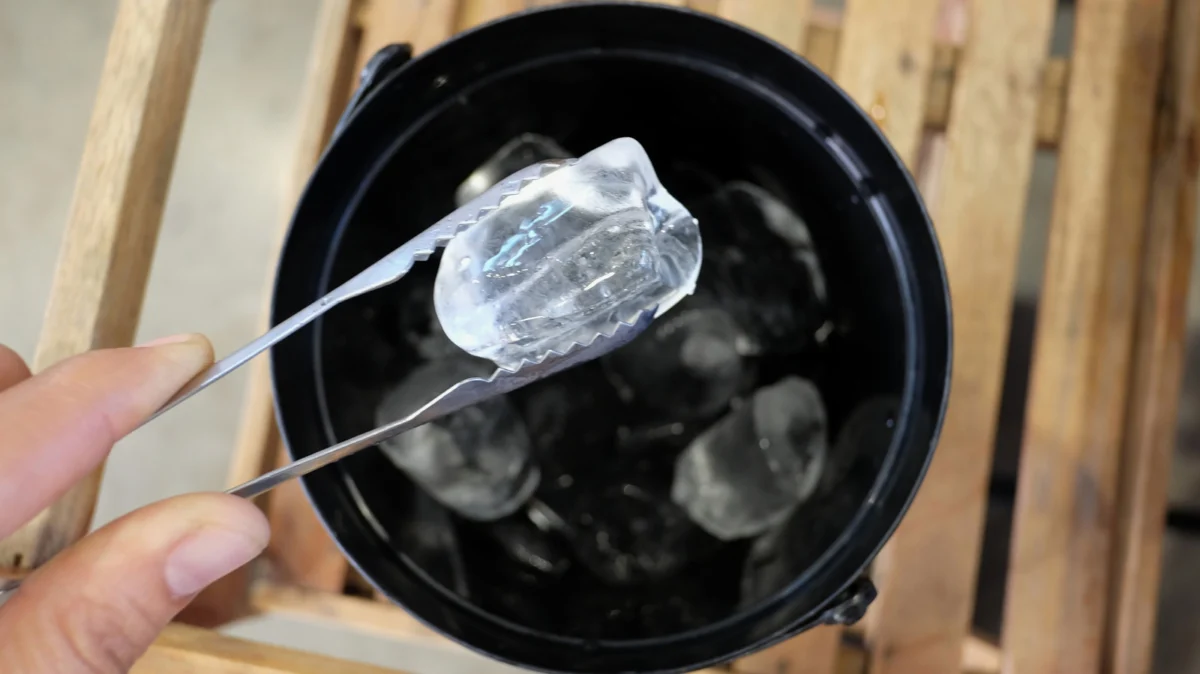
The age-old dilemma of cleaning a barbecue grill after a successful cookout has plagued many a home chef. While wire brushes have long been the go-to tool for tackling stubborn, burnt-on residue, a growing consensus among culinary professionals and industry publications suggests a critical re-evaluation of this method. The inherent risks associated with wire brushes – the potential for loose bristles to embed themselves in food, posing a serious health hazard, and their often-ineffective struggle against deeply ingrained grease and char – are prompting a search for safer and more efficient alternatives. Similarly, the use of harsh chemical cleaners, while seemingly effective at dissolving grease, raises concerns about complete removal from cooking surfaces, leaving a lingering question of food safety. However, a simple, readily available, and cost-effective solution, well-guarded within the circles of the culinary service industry, has emerged: frozen water. This straightforward technique harnesses the power of ice cubes to obliterate stubborn grill grime with minimal effort.
The Science Behind the Chill: Thermal Shock and Grime Removal
The efficacy of the ice cube method lies in a fundamental scientific principle: thermal shock. When ice, at its frigid temperature, is applied to a searingly hot grill or griddle, it creates an extreme and rapid temperature differential. This sudden and uneven contraction of the burnt-on debris, known as carbonized material, causes it to fracture and disintegrate. The carbonized particles, brittle from the intense heat and then subjected to rapid cooling, lose their tenacious grip on the metal. Simultaneously, the instant vaporization of the ice into steam introduces a dynamic agitation to the surface, further assisting in the dislodgement of grease and loosened char. This dual action of thermal shock and steam-induced movement effectively lifts the grime, leaving behind a significantly cleaner cooking surface with far less physical exertion than traditional scrubbing. This technique is applicable to a wide range of grilling surfaces, from traditional barbecue grates to flat-top griddles, offering a versatile approach to grill maintenance.
A Step-by-Step Guide to the Ice Cube Cleaning Method
Implementing the ice cube cleaning method is remarkably simple, making it an attractive option for both novice and experienced grillers. The process begins with preheating the grill or griddle to its maximum temperature. A thoroughly heated surface is crucial for initiating the thermal shock effect. Once the grill reaches its optimal heat, strategically place a generous amount of ice cubes directly onto the grates or the griddle surface. The rapid melting and vaporization of the ice will immediately begin to work on the hardened residue. After a short period, during which the ice has melted and steam has been generated, the loosened grime can be easily scraped away using a suitable scraper or spatula. For grates, a stiff nylon brush or a metal scraper can be employed, while a flat-edged scraper is ideal for griddles. The process can be repeated if necessary to tackle particularly stubborn patches of burnt-on food.
Examining the Risks and Considerations: A Word of Caution
While the ice cube cleaning method offers an appealing alternative to conventional methods, it is not without its potential drawbacks and necessitates a degree of caution. Industry reports, such as those from Foodservice Equipment Reports, have raised concerns that the intense thermal shock generated by this technique could, in some instances, lead to fracturing of the grill equipment itself, not just the debris adhering to it. This risk is particularly pronounced with certain types of metals.
Material Compatibility: Understanding Your Grill’s Limits
The susceptibility of grill materials to thermal shock varies significantly. Stainless steel, known for its resilience and resistance to temperature fluctuations, is generally considered a safer material for the ice cube cleaning method. Grills and griddles constructed from stainless steel are less likely to sustain damage from rapid cooling. Conversely, materials like cast iron are more prone to cracking or warping under such extreme temperature changes. For these metals, the ice cube method should be approached with extreme circumspection, or perhaps avoided altogether. Furthermore, materials such as glass and ceramics are unequivocally unsuitable for this cleaning technique, as the rapid temperature shifts would almost certainly cause them to shatter.
Beyond Fractures: Other Potential Hazards
Beyond the risk of equipment damage, other safety considerations are paramount. The rapid creation of steam during the ice cube cleaning process can pose a burn hazard. It is essential to maintain a safe distance from the grill while the steam is being generated and to avoid direct contact with the escaping vapor. Online discussions and anecdotal evidence also point to the potential for rapid cooling and heating cycles to stress and damage welds, even in robust stainless steel constructions, potentially leading to warping of flat surfaces, which can compromise the even heating of food.
Mitigating Risks for Cast Iron and Other Materials
For individuals who own cast iron grills or griddles and wish to explore less aggressive cleaning alternatives, several strategies can be employed to reduce the intensity of thermal shock. Utilizing smaller ice cubes, rather than larger blocks, can lead to a more gradual and less intense cooling of the surface. This can help to minimize the stress placed on the metal. If concerns about cracking remain significant, alternative cleaning methods should be considered. One such innovative approach involves the use of a halved onion. The natural acidity of the onion, combined with its fibrous texture, can act as a gentle abrasive and degreaser when rubbed over a warm grill surface. This method is not only effective but also imparts a subtle flavor to the grill.
Another widely recommended practice for effective grill maintenance is to clean the grill immediately after use. As soon as cooking is complete and the grill is still warm, burnt-on debris is far more pliable and easier to remove with a scraper or brush. This proactive approach significantly reduces the need for more aggressive cleaning methods later on, thus preserving the integrity and longevity of the grill. Many grilling enthusiasts and professional chefs advocate for a consistent cleaning routine, often referring to it as "grill hygiene," which involves a quick wipe-down after each use and a more thorough cleaning periodically. This philosophy aligns with the broader principles of maintaining cooking equipment for optimal performance and longevity.
The Evolution of Grill Cleaning: From Wire Brushes to Innovative Solutions
The debate surrounding grill cleaning methods is a testament to the ongoing quest for efficiency, safety, and effectiveness in the culinary world. For decades, the wire brush has been the ubiquitous tool, its metallic bristles promising to scrub away the toughest grime. However, a growing body of evidence and anecdotal reports highlight the inherent dangers. A 2016 study published in the Annals of Internal Medicine identified 1,700 emergency room visits over a 12-year period related to injuries from ingesting or inhaling wire bristles from grill brushes. This statistic alone underscores the critical need for safer alternatives.
The introduction of chemical cleaners offered a different approach, relying on the power of solvents to dissolve grease and char. While these products can be effective, their use raises questions about residual chemicals on cooking surfaces. The Food and Drug Administration (FDA) provides guidelines for food contact surfaces, emphasizing the importance of thorough cleaning and rinsing to prevent contamination. The uncertainty surrounding the complete removal of chemical residues from porous grill grates can be a significant concern for health-conscious consumers.
In this context, the ice cube method, despite its caveats, represents a significant step towards a more natural and less hazardous approach. Its reliance on readily available, non-toxic materials – water and ice – makes it an environmentally friendly option. Furthermore, its effectiveness in breaking down stubborn residues without the need for harsh chemicals or potentially dangerous metal bristles positions it as a compelling alternative for many grill owners. The culinary industry, ever-innovative, continues to explore and refine cleaning techniques, prioritizing both the quality of food and the safety of those who prepare and consume it. The ice cube trick, therefore, is not just a novel hack but a reflection of a broader trend towards more intelligent and responsible kitchen practices.
Broader Impact and Implications for Home and Professional Kitchens
The implications of adopting safer and more effective grill cleaning methods extend beyond the immediate task of tidying up. For home cooks, it translates to greater peace of mind, knowing that their cooking surfaces are free from potentially harmful contaminants. It also means a less arduous and more enjoyable post-meal cleanup, encouraging more frequent and enthusiastic grilling. For professional kitchens, where efficiency and food safety are paramount, the widespread adoption of methods like the ice cube trick could lead to reduced labor costs associated with cleaning, fewer equipment-related injuries, and a lower risk of foodborne illnesses stemming from contaminated cooking surfaces. The continued dissemination of such information through culinary publications and online platforms plays a vital role in educating consumers and professionals alike, fostering a culture of informed and responsible culinary practices. As the understanding of thermal dynamics and material science advances, we can anticipate further innovations in kitchen equipment maintenance, ensuring that the joy of cooking remains both safe and sustainable.
