
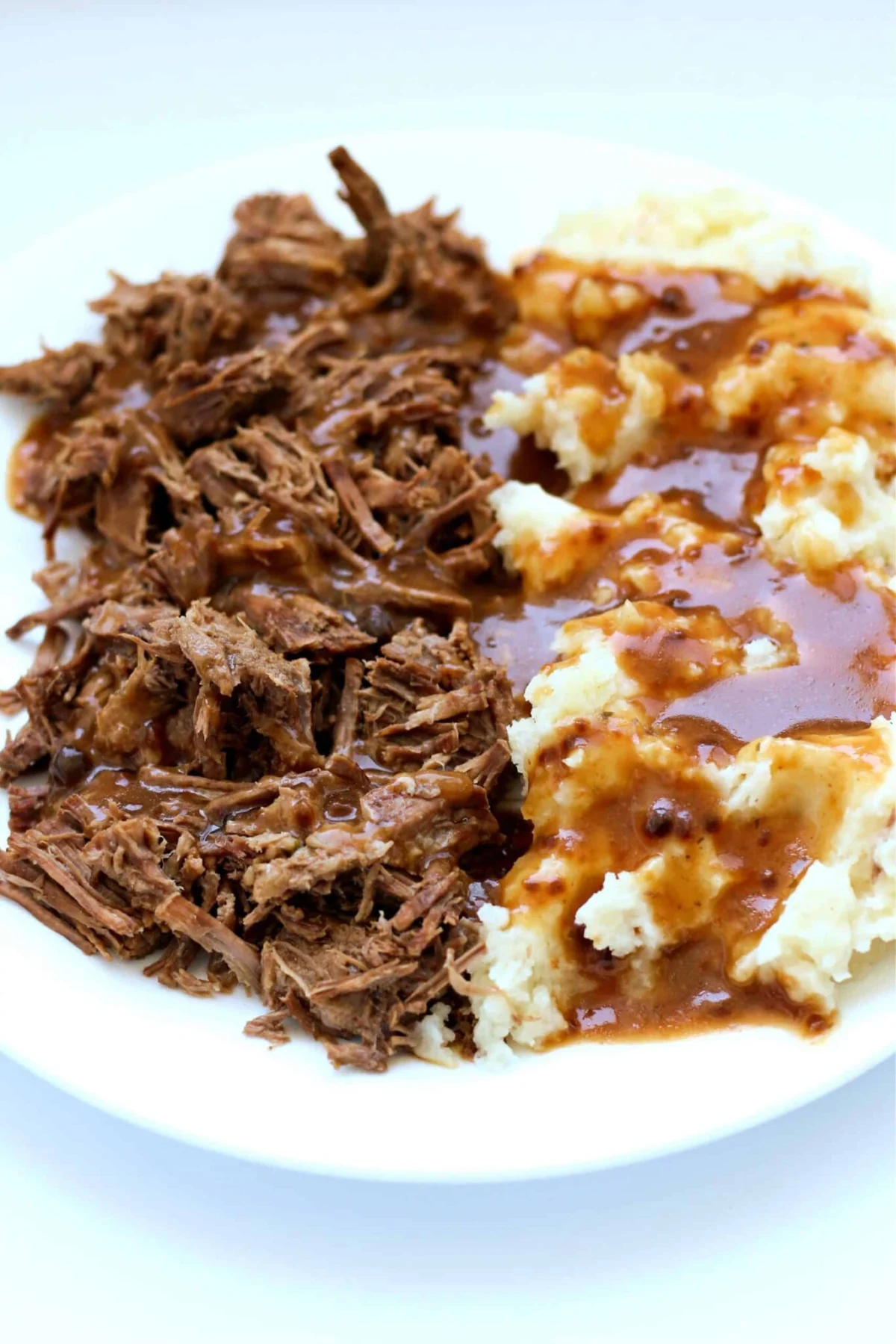
The culinary landscape of the American Midwest is frequently defined by dishes that emphasize communal sharing, simplicity, and the efficient use of local ingredients, with the Amish Pot Roast serving as a quintessential example of this tradition. While the dish is a staple at post-church gatherings and community "pitch-in" dinners, its modern iteration represents a fascinating intersection between traditional 18th-century preservation methods and 21st-century kitchen technology. At its core, the recipe is a slow-braised beef chuck roast accompanied by root vegetables, but the inclusion of unconventional liquids for tenderization—specifically brewed coffee or carbonated cola—highlights a pragmatic approach to domestic science that has defined Pennsylvania Dutch and Amish cooking for generations.
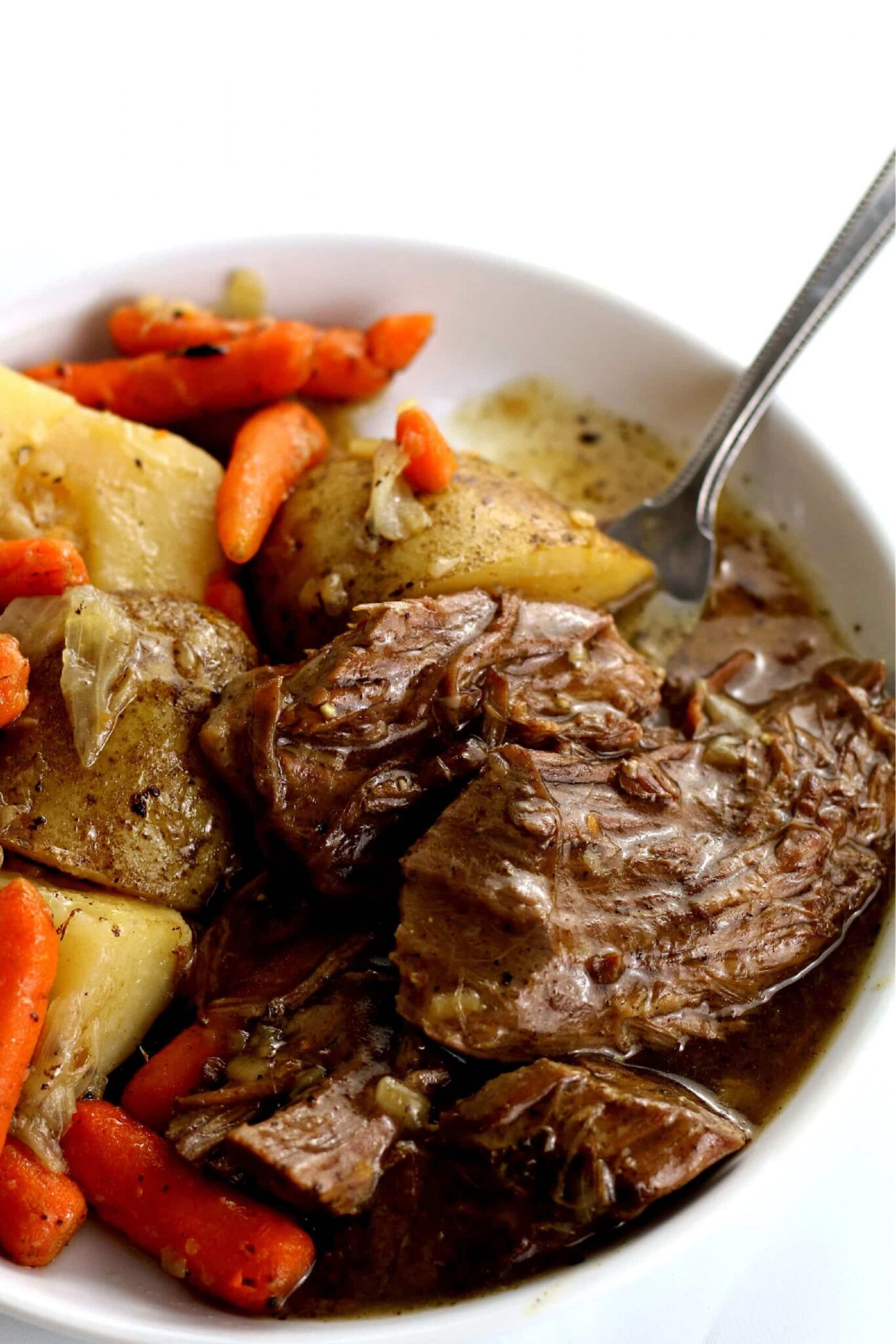
Historical Context and the Evolution of Amish Braising Techniques
The origins of the Amish Pot Roast are rooted in the necessity of tenderizing tougher, less expensive cuts of beef. Historically, the Amish and Mennonite communities have practiced a "nose-to-tail" philosophy, ensuring that no part of the livestock was wasted. The chuck roast, harvested from the shoulder of the cattle, is known for its high connective tissue and collagen content. While flavorful, these cuts require long, moist-heat cooking methods to break down the tough fibers into gelatin, resulting in the "melt-in-the-mouth" texture associated with the dish.
Traditionally, Amish recipes relied on acidic components like vinegar or fermented juices to assist in this breakdown. However, as the community interacted with broader American commerce in the 19th and 20th centuries, ingredients like coffee became standard pantry staples. The introduction of coffee into pot roast recipes was not merely for flavor; the natural acidity and tannins in coffee act as a chemical tenderizer. In more recent decades, a modern variation has emerged substituting coffee with cola. This transition is believed to have originated from home cooks seeking a sweeter flavor profile or as a substitute when coffee supplies were low. The phosphoric acid found in many commercial sodas serves as an even more aggressive tenderizing agent than coffee, while the high sugar content facilitates a rich, dark glaze during the reduction of the cooking liquid into gravy.
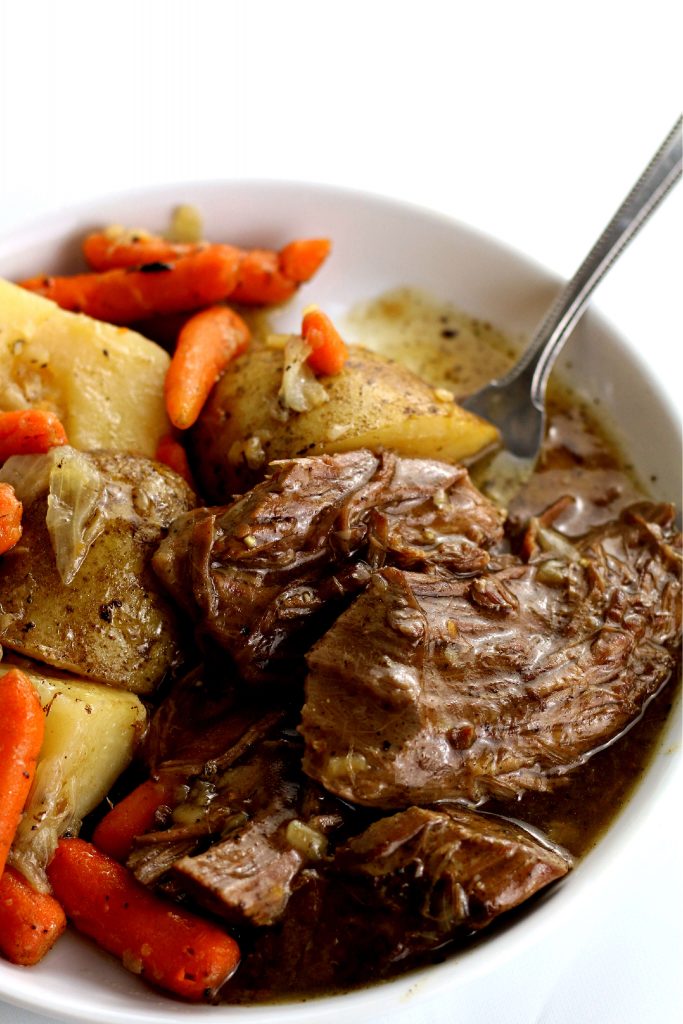
The Chemistry of Tenderization: Why Cola and Coffee Work
To understand the efficacy of the Amish Pot Roast, one must examine the biochemical processes at play during the cooking cycle. Beef chuck contains significant amounts of collagen, a structural protein that does not soften at standard searing temperatures. To convert collagen into succulent gelatin, the meat must be held at temperatures between 160°F and 180°F (71°C to 82°C) for an extended period.
The "unique ingredients" mentioned in traditional Amish variations—cola or coffee—accelerate this process through two primary mechanisms:
- Acidic Breakdown: Cola typically maintains a pH level between 2.5 and 3.0. When beef is submerged in an acidic medium, the muscle fibers begin to denature, allowing moisture to penetrate more deeply. This prevents the meat from becoming "stringy" even after long cooking times.
- Enzymatic Interaction: While less prevalent in processed sodas, natural coffee contains compounds that interact with meat proteins to soften the exterior, allowing heat to conduct more evenly through the center of the roast.
Culinary analysts note that using full-sugar cola is vital for the structural integrity of the gravy. Artificial sweeteners used in diet sodas, such as aspartame or sucralose, can undergo chemical changes when subjected to high pressure or prolonged heat, often resulting in a bitter aftertaste that compromises the savory profile of the beef and root vegetables.
Technological Shifts: From Dutch Ovens to the Instant Pot
The methodology for preparing Amish Pot Roast has undergone a significant technological evolution. For centuries, the heavy cast-iron Dutch oven was the primary vessel, placed at the back of a wood-burning stove to simmer throughout the morning. The mid-20th century saw the rise of the electric slow cooker (Crock-Pot), which mirrored the low-and-slow philosophy of the Amish kitchen while providing the convenience of unattended cooking.
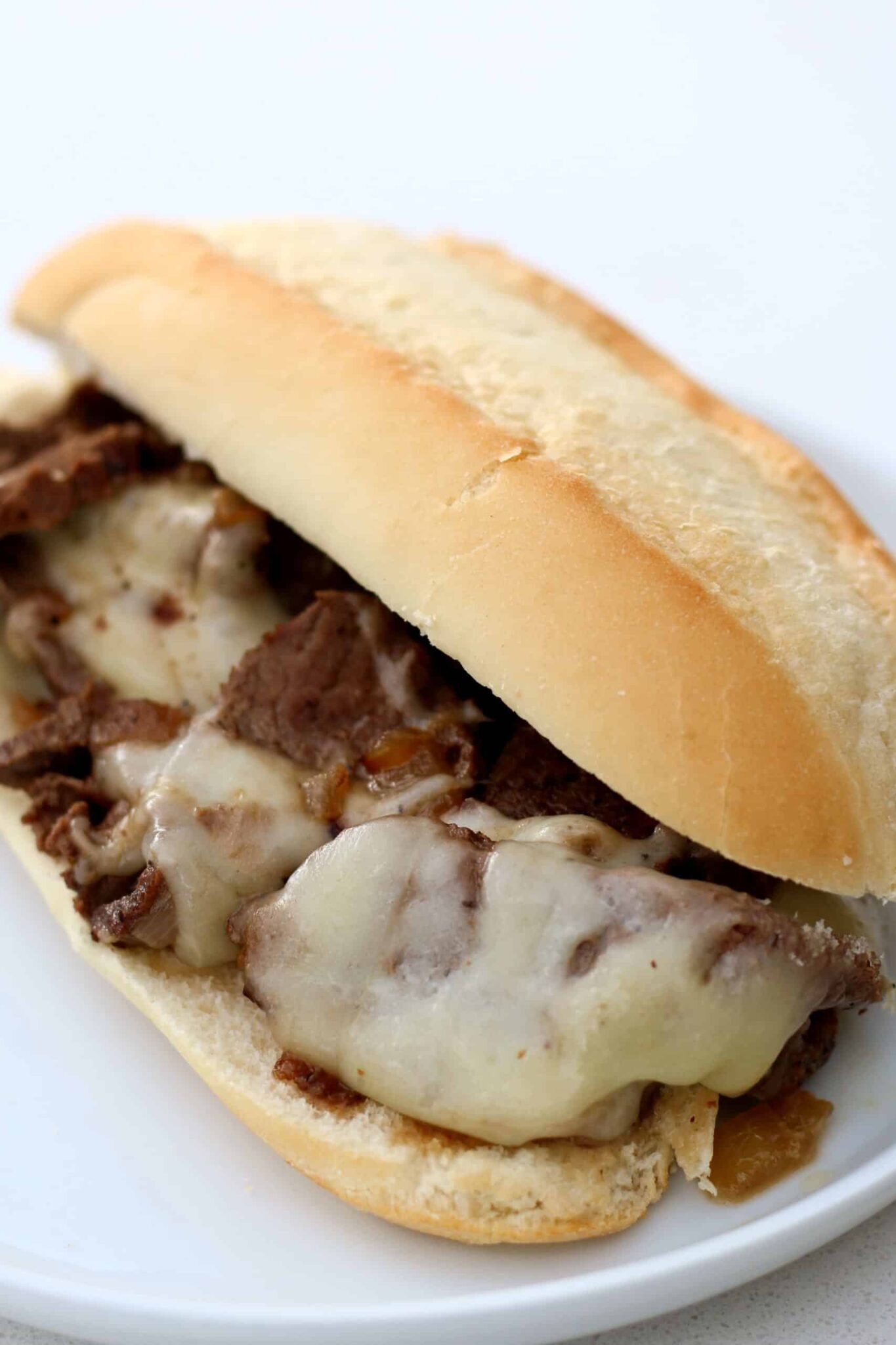
The most recent shift occurred with the mass adoption of electric pressure cookers, such as the Instant Pot. This technology has reduced the cooking time for a traditional pot roast from eight hours to approximately ninety minutes. However, this speed introduces new variables in meat texture. Professional chefs and home-cooking experts emphasize the importance of the "Natural Pressure Release" (NPR) method. When pressure is released too quickly, the sudden drop in atmospheric force causes the moisture within the meat’s muscle fibers to boil and expand rapidly, resulting in a toughened texture. By allowing the pressure to dissipate naturally, the muscle fibers remain relaxed, preserving the tenderization achieved by the cola or coffee.
Chronology of Preparation and Best Practices
A factual analysis of the most successful Amish Pot Roast preparations reveals a consistent timeline of operations designed to maximize flavor through the Maillard reaction—a chemical reaction between amino acids and reducing sugars that gives browned food its distinctive flavor.
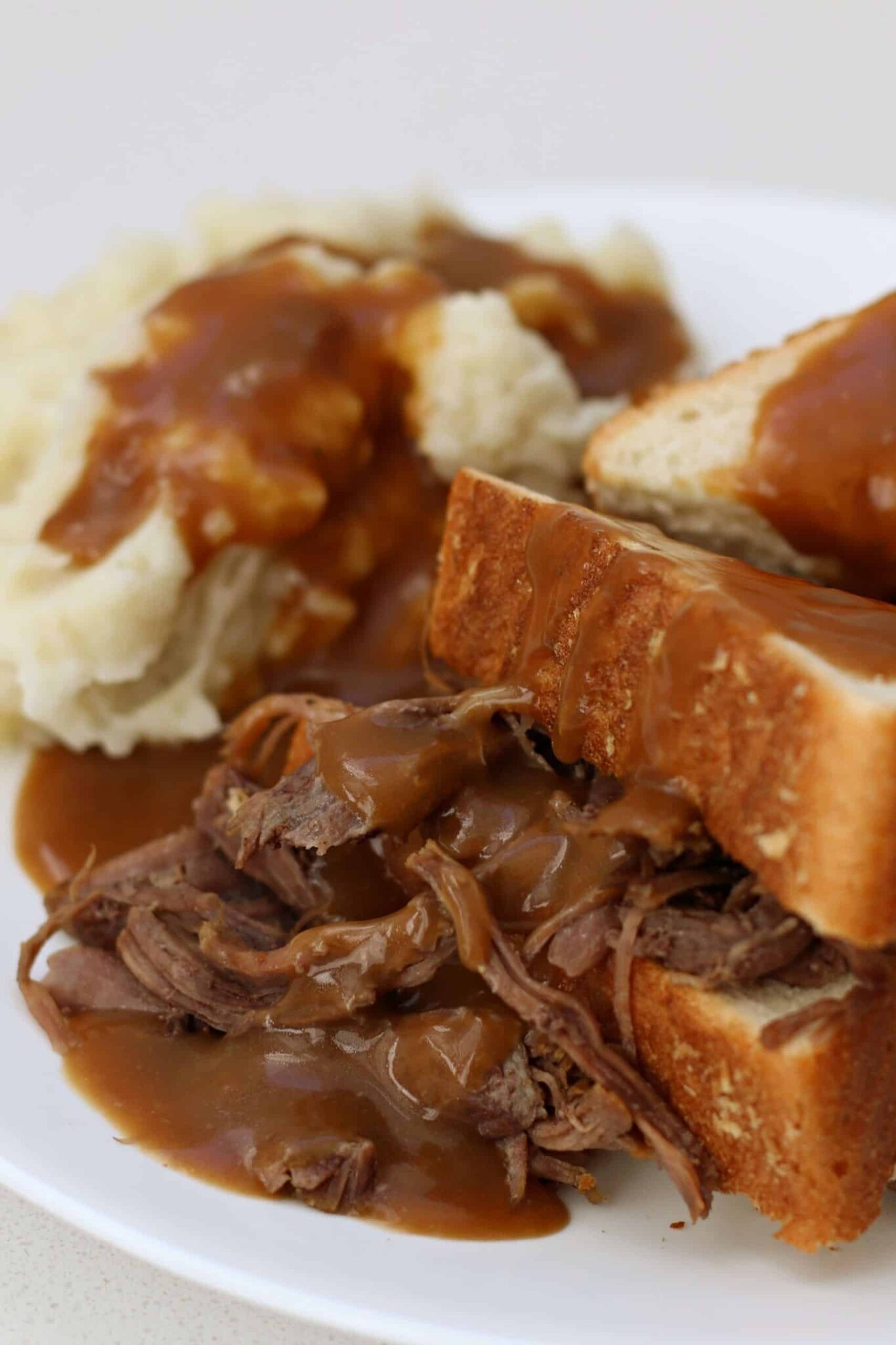
- The Searing Phase: Before the introduction of liquids, the beef must be seared at high heat. This step does not "lock in juices" (a common culinary myth) but rather creates hundreds of new flavor compounds on the surface of the meat.
- The Deglazing Phase: Once the meat is browned, the unique liquid (cola or coffee) is used to scrape the "fond"—the caramelized bits of protein stuck to the bottom of the pot—back into the sauce.
- The Layered Cooking Phase: In modern pressure cooking, vegetables such as carrots and potatoes are often added after the meat has partially cooked. This prevents the vegetables from turning into a puree while the meat reaches its target tenderness.
- The Reduction Phase: The final stage involves thickening the remaining liquid with a slurry of flour or cornstarch to create a traditional brown gravy, a hallmark of the Amish dining experience.
Supporting Data: The Pot Roast in the American Diet
Market data suggests that the pot roast remains a dominant figure in American "comfort food" statistics. According to consumer research, beef chuck roast sales see a significant uptick during the autumn and winter months, correlating with the "slow cooking season." Furthermore, the rise of "dump-and-go" recipes on social media platforms has revitalized interest in traditional Amish methods, as these recipes prioritize minimal preparation with high-yield results.
In terms of nutritional data, a standard serving of Amish Pot Roast provides approximately 30 to 40 grams of protein. While the inclusion of cola adds a small amount of sugar to the overall dish, much of this remains in the gravy, and the per-serving impact is relatively low compared to the nutritional density of the beef and fiber-rich root vegetables.
Broader Implications and Culinary Variations
The popularity of the Amish Pot Roast has paved the way for a variety of beef-centric variations that utilize similar braising principles. These include:
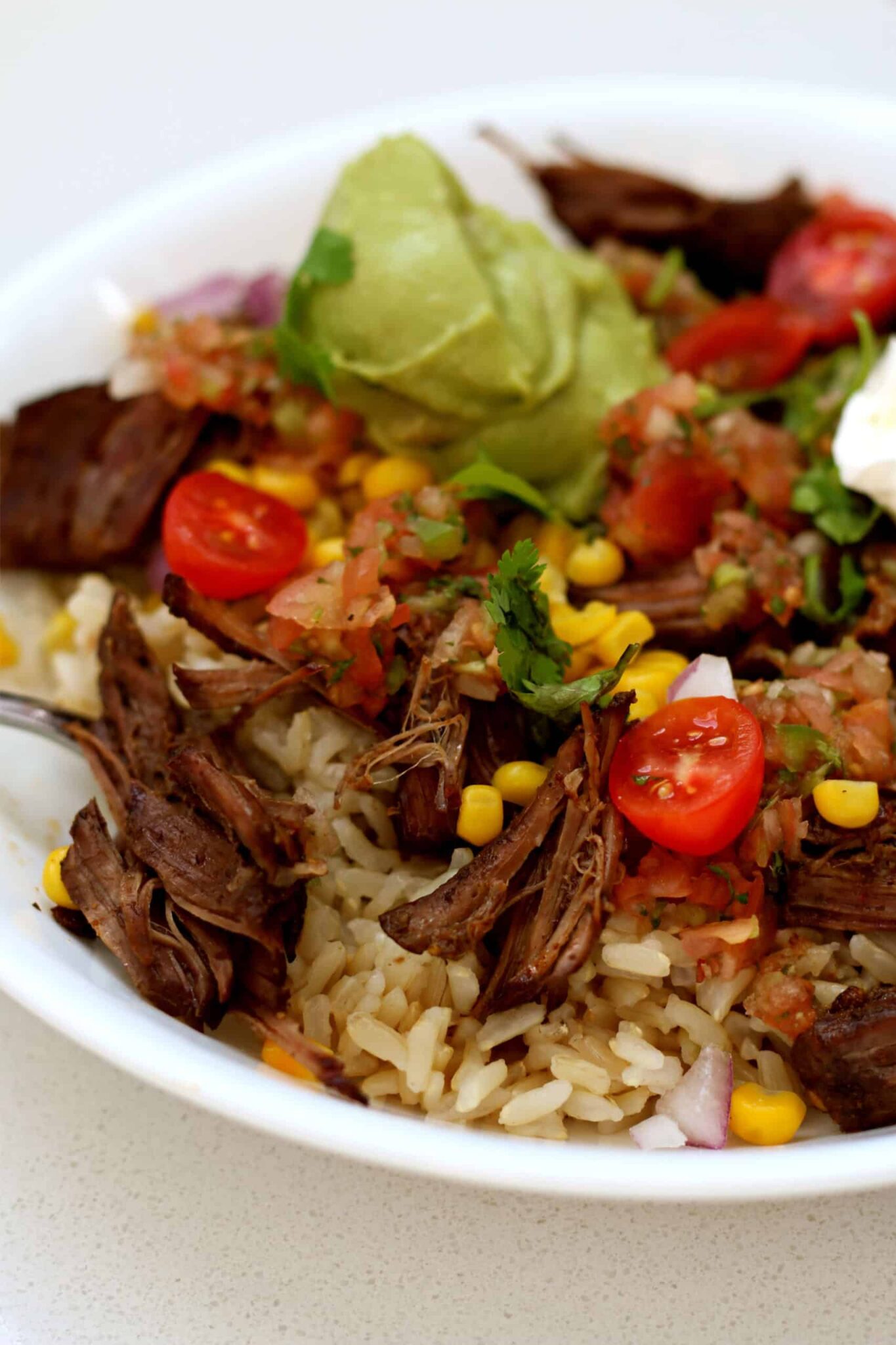
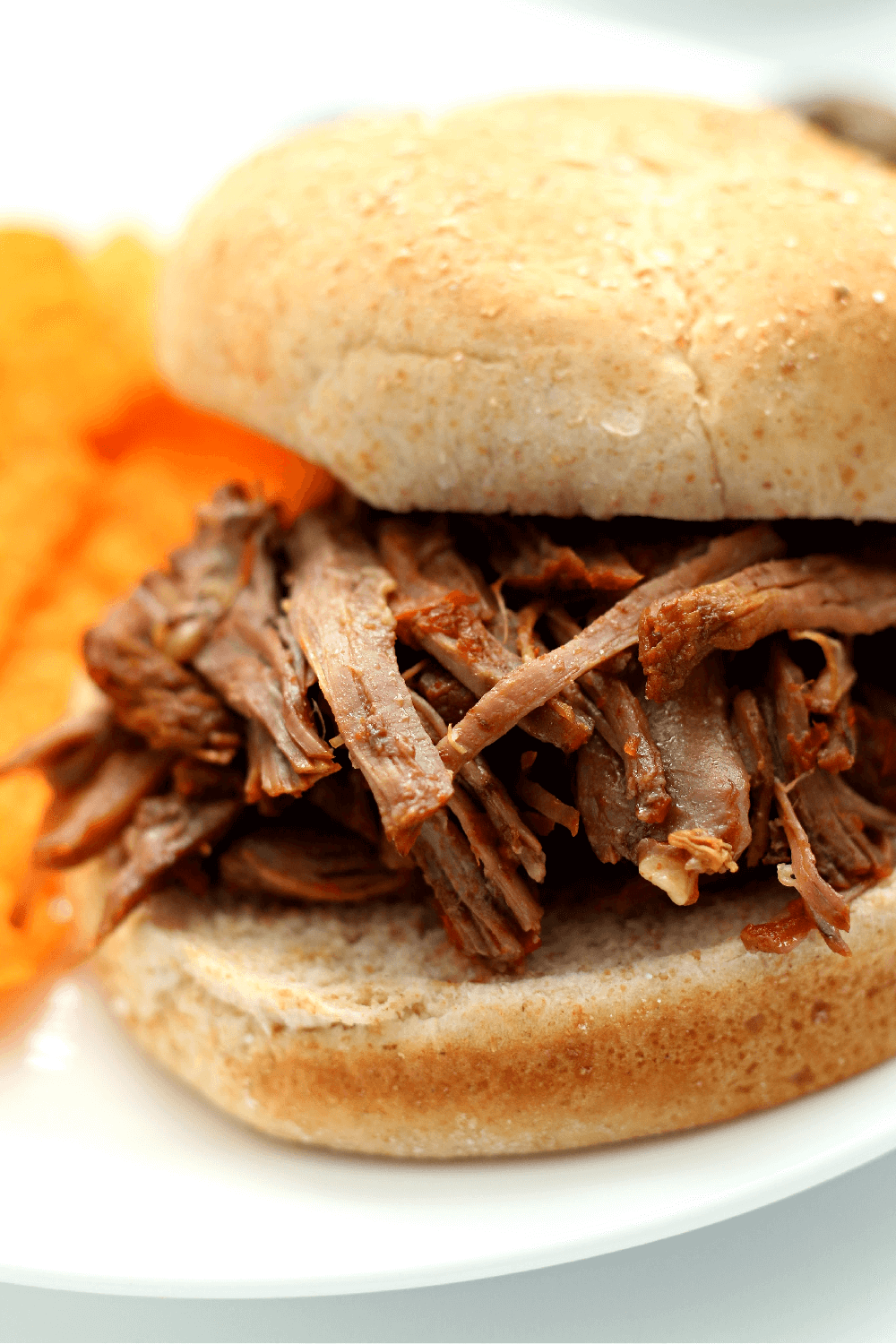
- Barbacoa-Style Beef: Utilizing citrus acids and peppers instead of cola for a Mexican-inspired profile.
- Dill Pickle Roast: A recent trend that uses pickle brine (vinegar and salt) as the primary tenderizing agent, echoing the preservationist roots of the original Amish recipes.
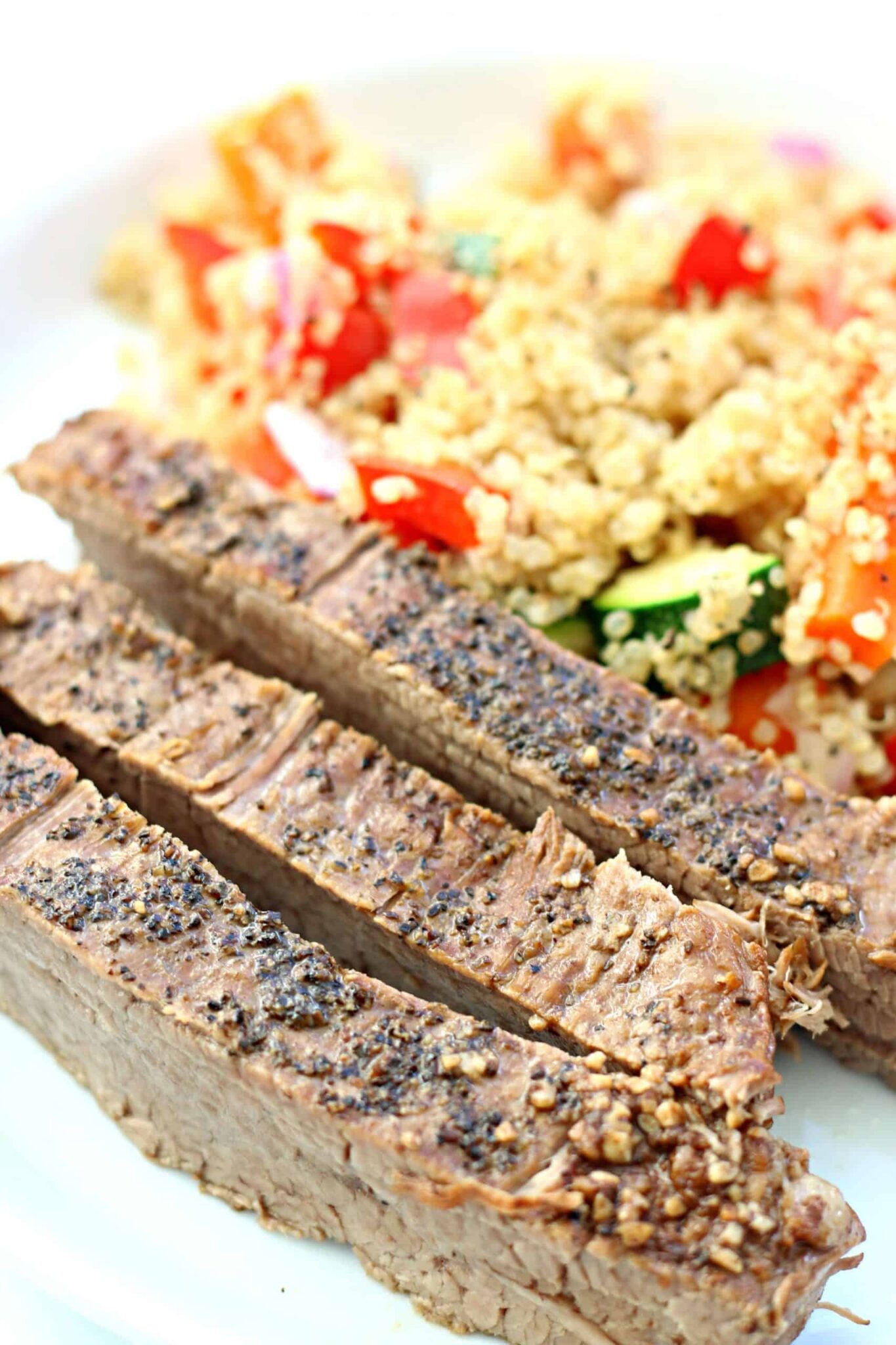
- Garlic Balsamic Flank Steak: Applying pressure-cooking techniques to leaner cuts of meat, using balsamic vinegar to mimic the acidic breakdown provided by coffee.
These variations signify a broader movement in home cooking toward understanding the science of ingredients. The "Amish" designation, while perhaps not strictly limited to the Amish community in its modern soda-based form, serves as a cultural shorthand for reliability, heartiness, and the comfort of a home-cooked meal.
Conclusion: The Enduring Legacy of the Pot Roast
The Amish Pot Roast is more than a simple recipe; it is a testament to the adaptability of traditional cooking in the face of modern convenience. By combining the resourcefulness of the past—using whatever liquids were available to make a tough cut of meat palatable—with the precision of modern appliances, the dish continues to be a cornerstone of American domestic life.
Whether prepared in a slow cooker over the course of a workday or in an Instant Pot for a quick Sunday dinner, the fundamental principles remain unchanged: quality beef, a touch of acidity for tenderization, and the patience to let heat transform simple ingredients into a complex, flavorful meal. As culinary trends cycle through various fads, the steady presence of the pot roast on dinner tables across the country suggests that the Amish philosophy of simple, delicious, and functional food remains as relevant today as it was centuries ago.
