
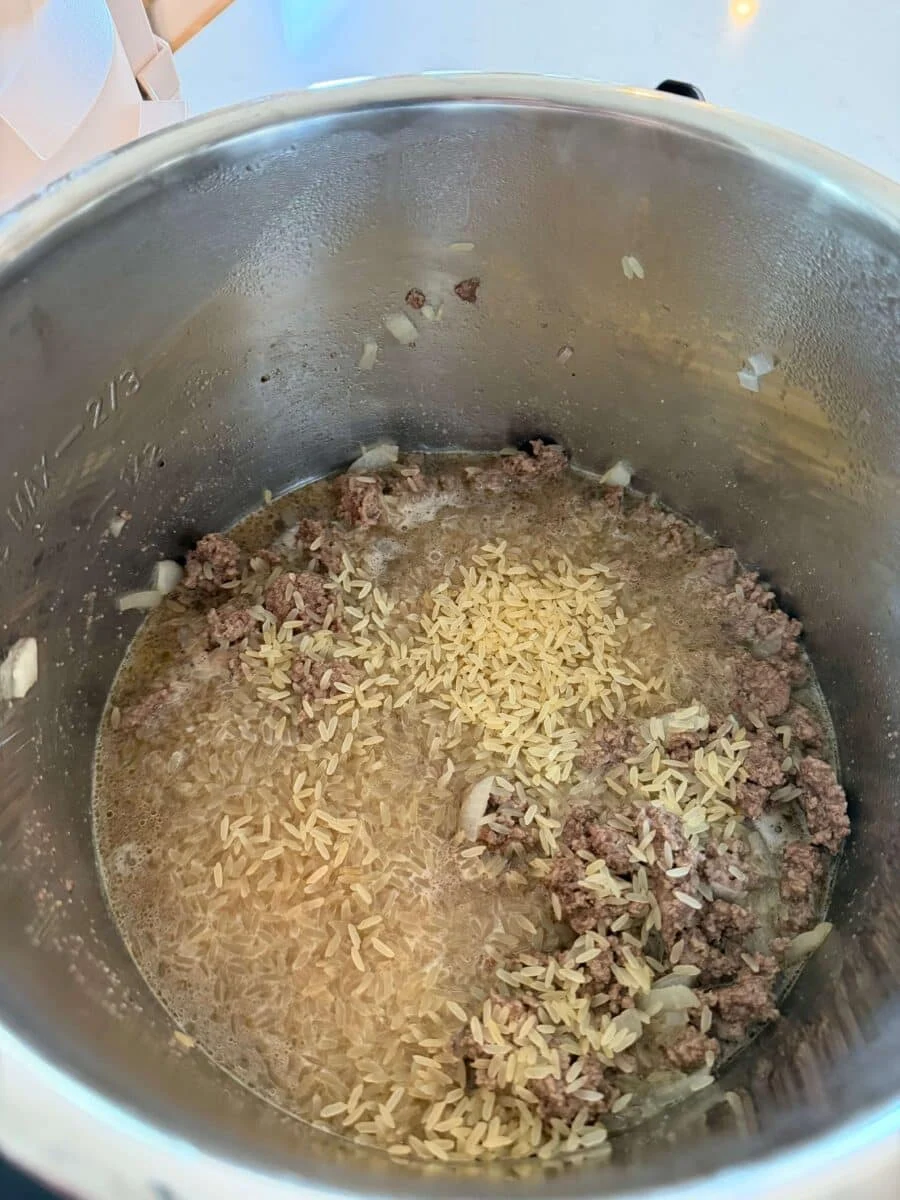
The landscape of American home cooking is undergoing a significant transformation as traditional regional appetizers are being reimagined into substantial, one-pot family meals. Central to this movement is the Texas Caviar Casserole, a culinary evolution that adapts the iconic Lone Star State dip into a warm, protein-rich dinner utilizing modern pressure-cooking technology. This shift reflects a broader trend in the United States toward "pantry-friendly" comfort food that prioritizes efficiency, cost-effectiveness, and the fusion of distinct regional flavors.
The Historical Context of Texas Caviar
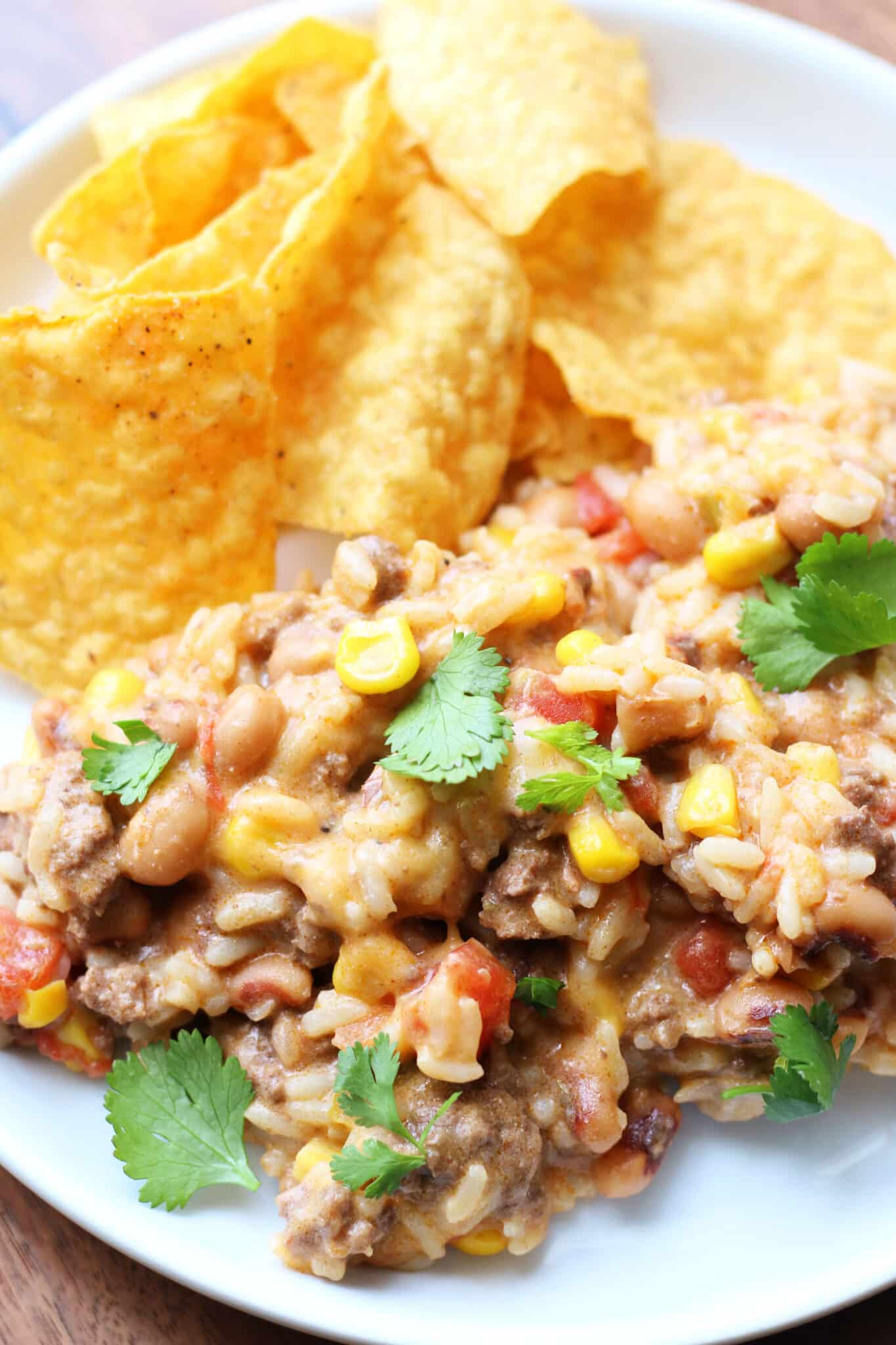
To understand the emergence of the Texas Caviar Casserole, one must examine the origins of its namesake. "Texas Caviar" was famously created in the 1940s by Helen Corbitt, a New York-born chef who became the culinary director for Neiman Marcus in Dallas. Originally served at the Zodiac Room, the dish was a humorous take on expensive sturgeon roe, substituting high-end caviar with the humble black-eyed pea.
Corbitt’s original recipe was a cold salad consisting of black-eyed peas pickled in vinaigrette with onions and garlic. Over the decades, the dish evolved to include bell peppers, corn, tomatoes, and cilantro, becoming a staple at Southern barbecues and holiday gatherings. The transition from a cold, vinegar-based appetizer to a hot, cheese-laden casserole represents a significant departure from Corbitt’s original vision, yet it maintains the core identity of the ingredients that defined the original "caviar" of the South.
The Mechanics of the Modern One-Pot Meal
The contemporary iteration of the Texas Caviar Casserole is designed specifically for the Instant Pot—a multi-functional pressure cooker that has become a fixture in American kitchens over the last decade. The recipe’s structure follows a logical progression intended to maximize flavor extraction while minimizing cleanup.
Phase I: Searing and Aromatics
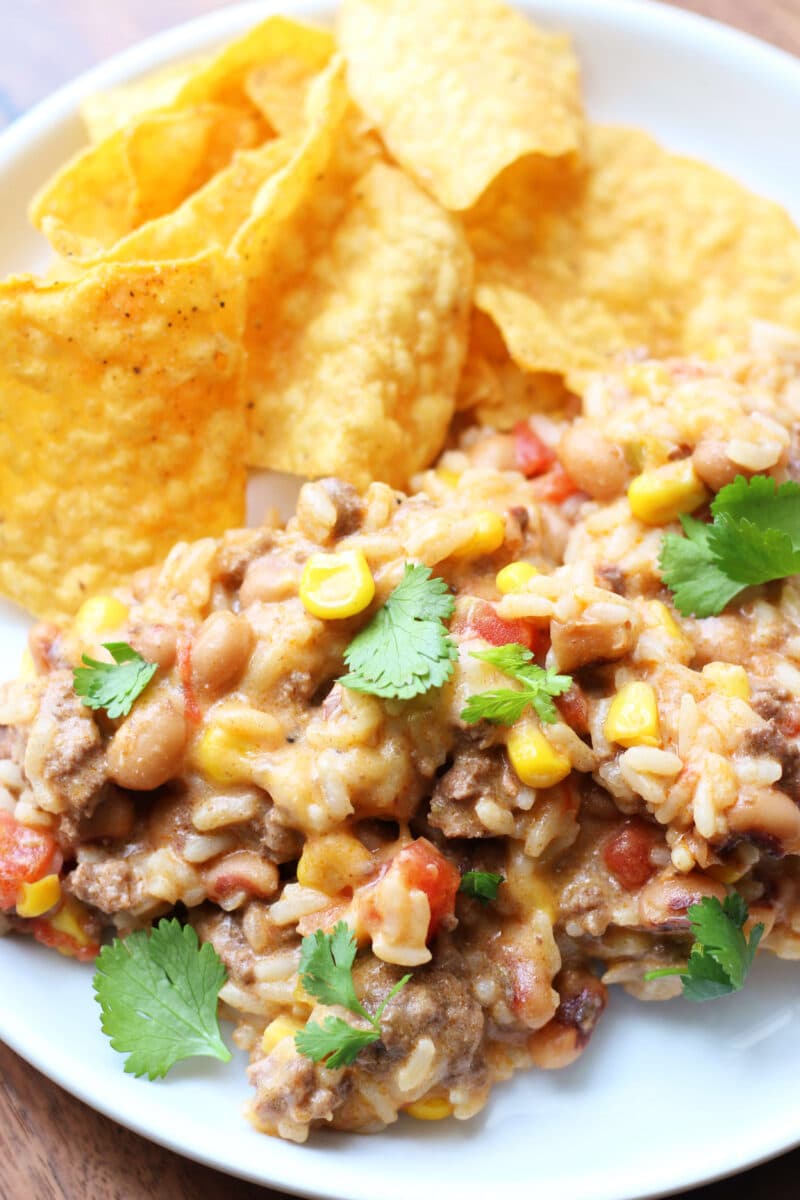
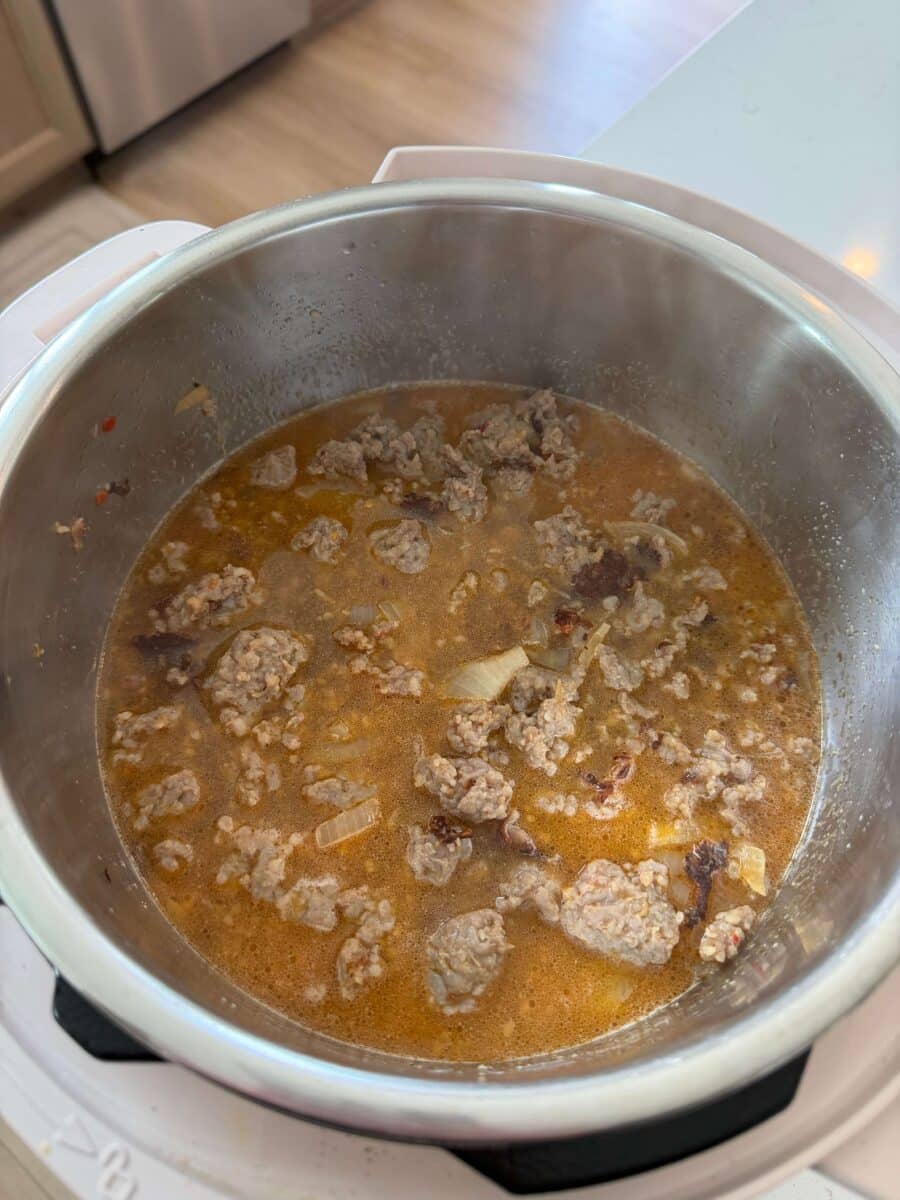
The process begins with the "Sauté" function, a feature that distinguishes modern electric pressure cookers from their stovetop predecessors. Ground beef is browned alongside diced onions for approximately five minutes. This stage is critical for the Maillard reaction, which develops the savory depth necessary to balance the acidity of the later ingredients. Culinary experts note that draining excess grease at this stage is a standard procedural requirement to ensure the final casserole maintains a cohesive texture rather than becoming overly oily.
Phase II: Deglazing and Layering
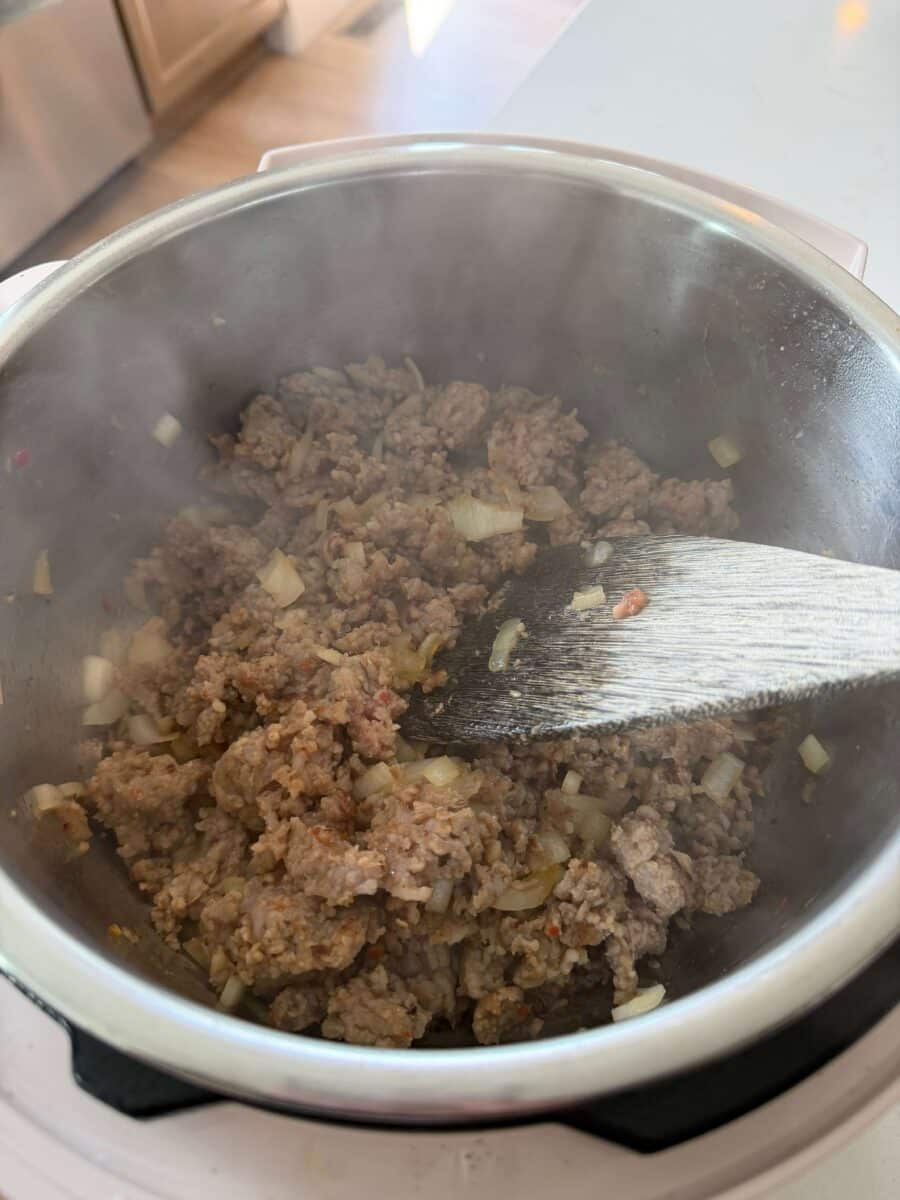
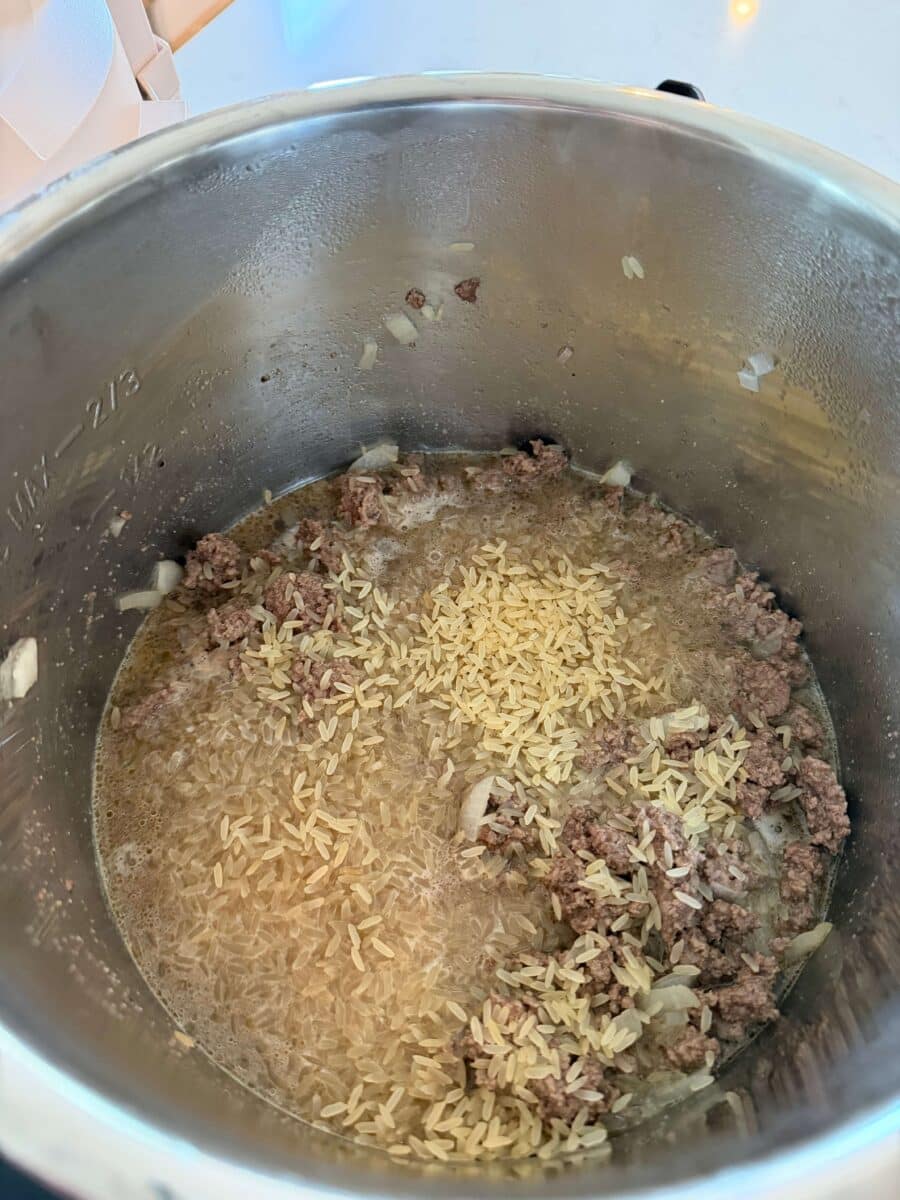
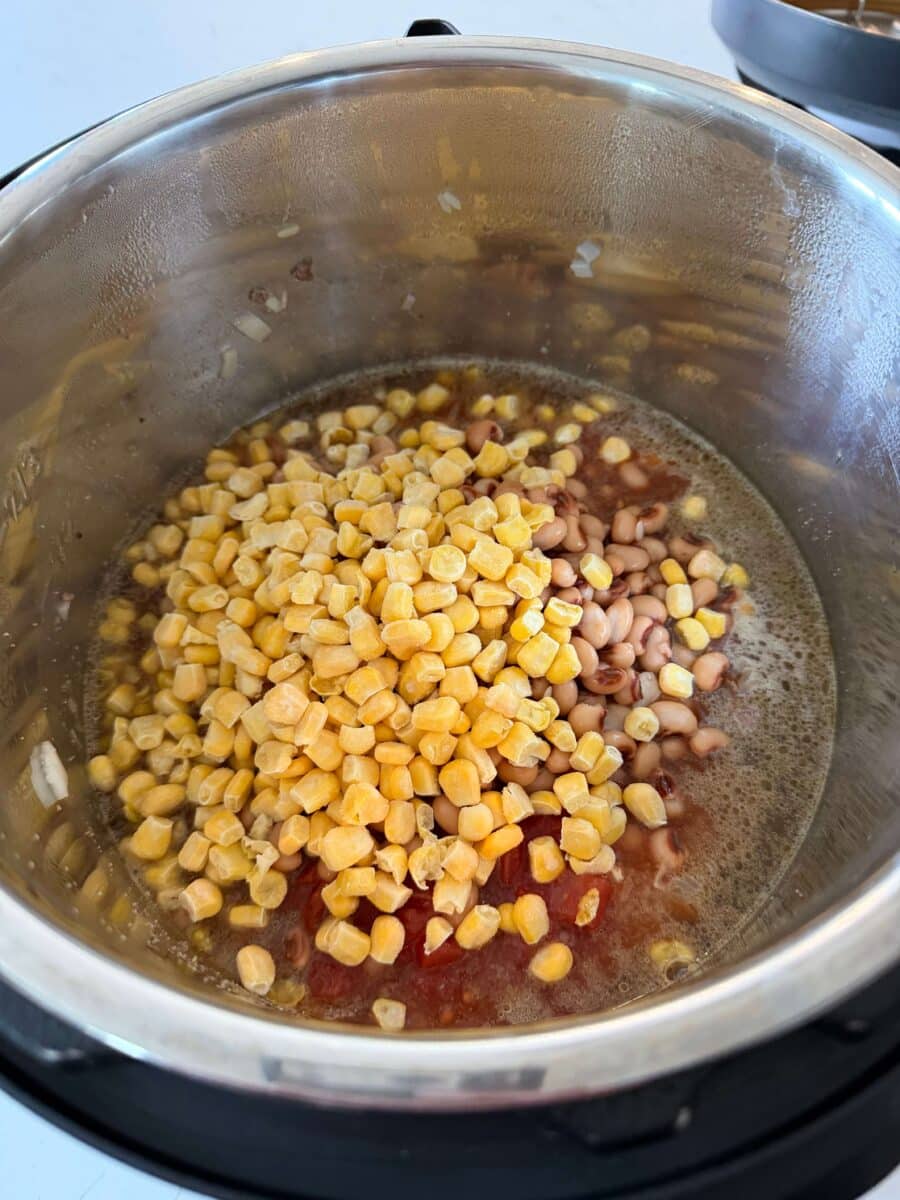
Following the browning of the meat, the device is deglazed with broth. This step is a technical necessity in pressure cooking to prevent the "burn notice"—a safety feature that triggers when food particles are stuck to the bottom of the pot, impeding heat distribution. Once the pot is deglazed, the starch component—white rice—is added, followed by a layering of black-eyed peas, Rotel (canned tomatoes with green chilies), corn, and enchilada sauce.
Phase III: High-Pressure Synthesis
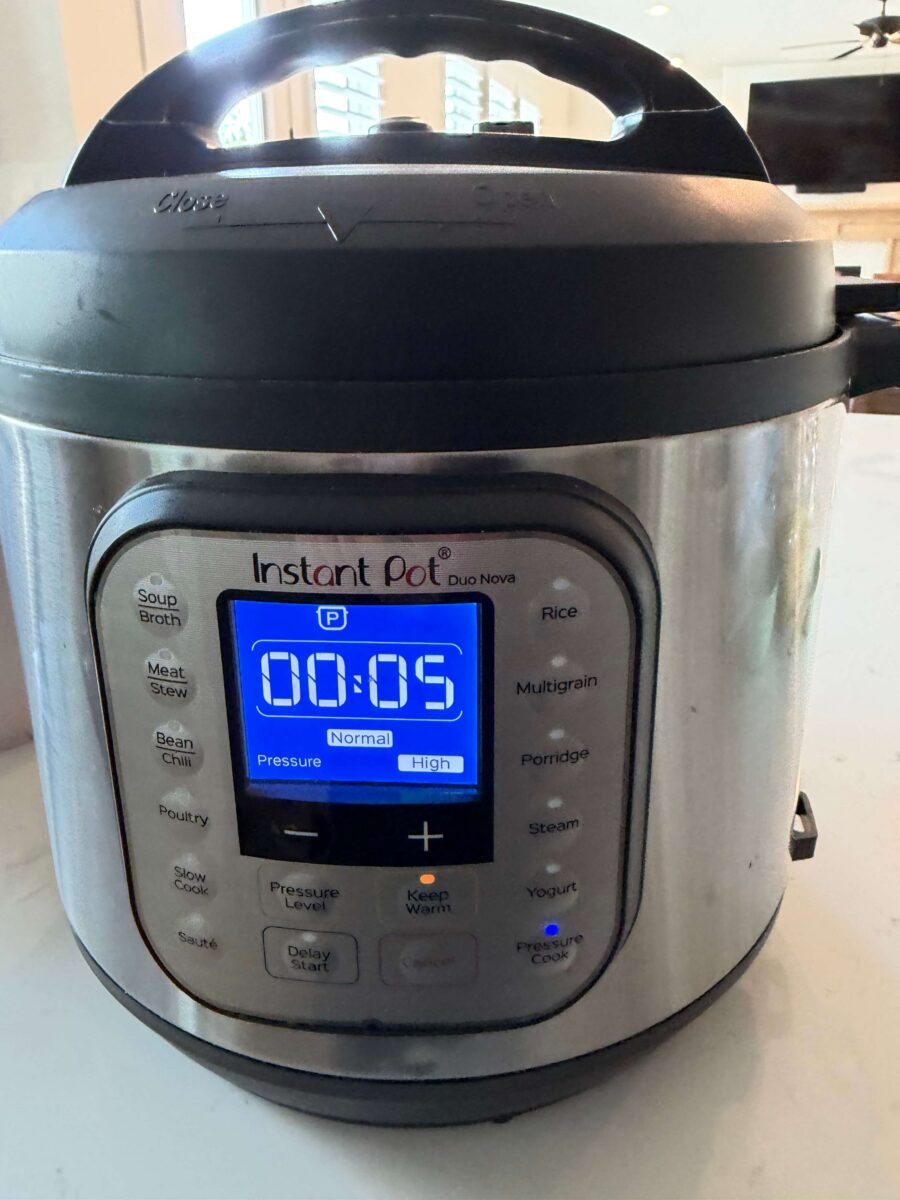
The casserole is cooked under high pressure for a duration of five minutes, followed by a "Natural Pressure Release" (NPR) period of five to ten minutes. This controlled depressurization allows the rice to finish steaming without becoming mushy, a common challenge in one-pot rice dishes.
Phase IV: Finishing and Emulsification
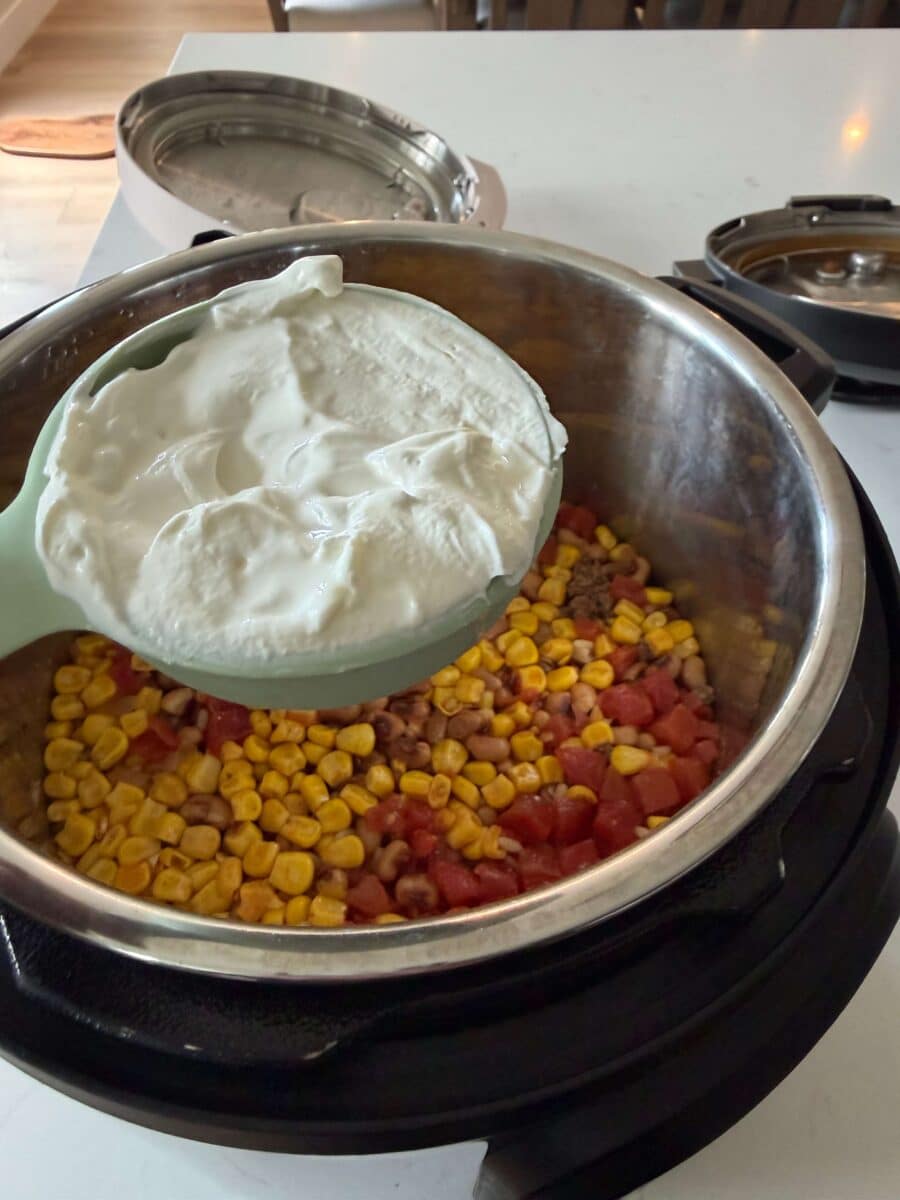
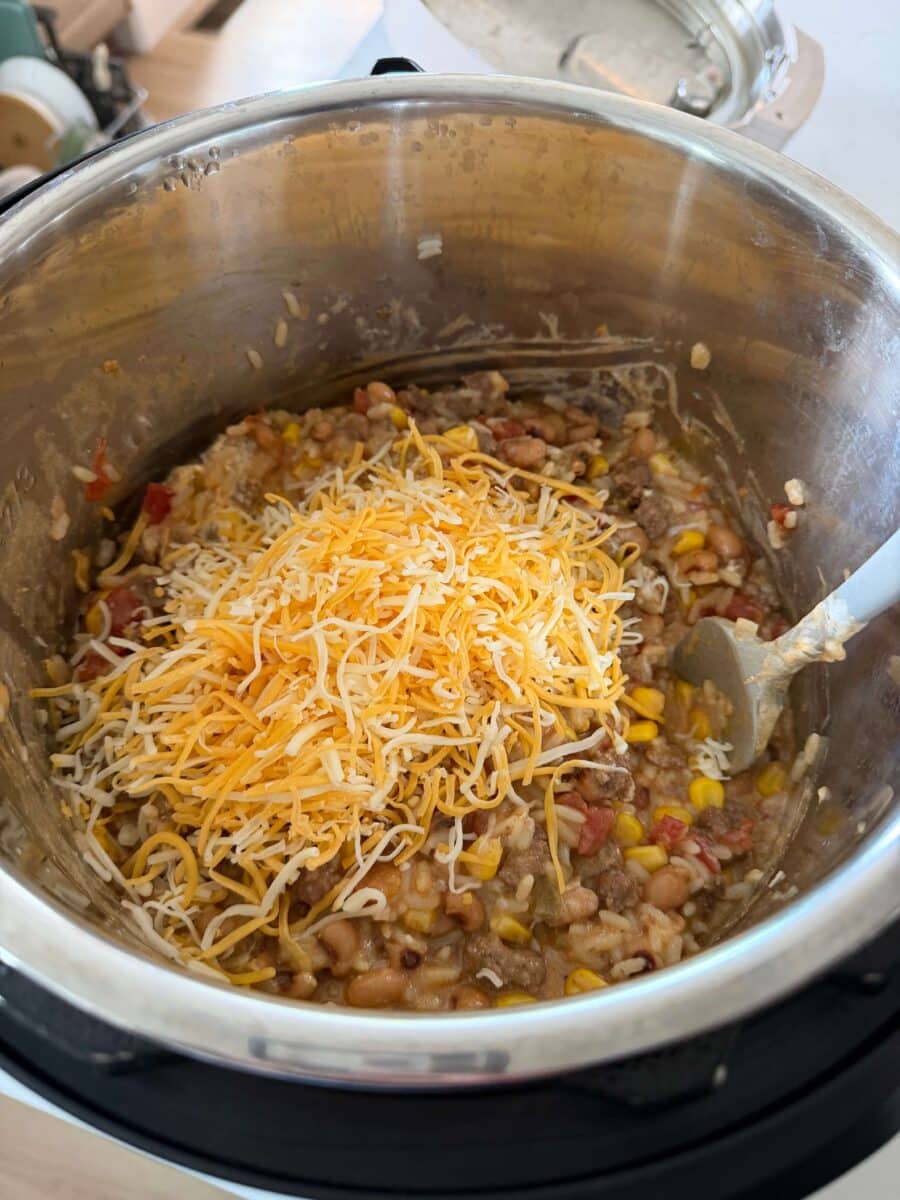
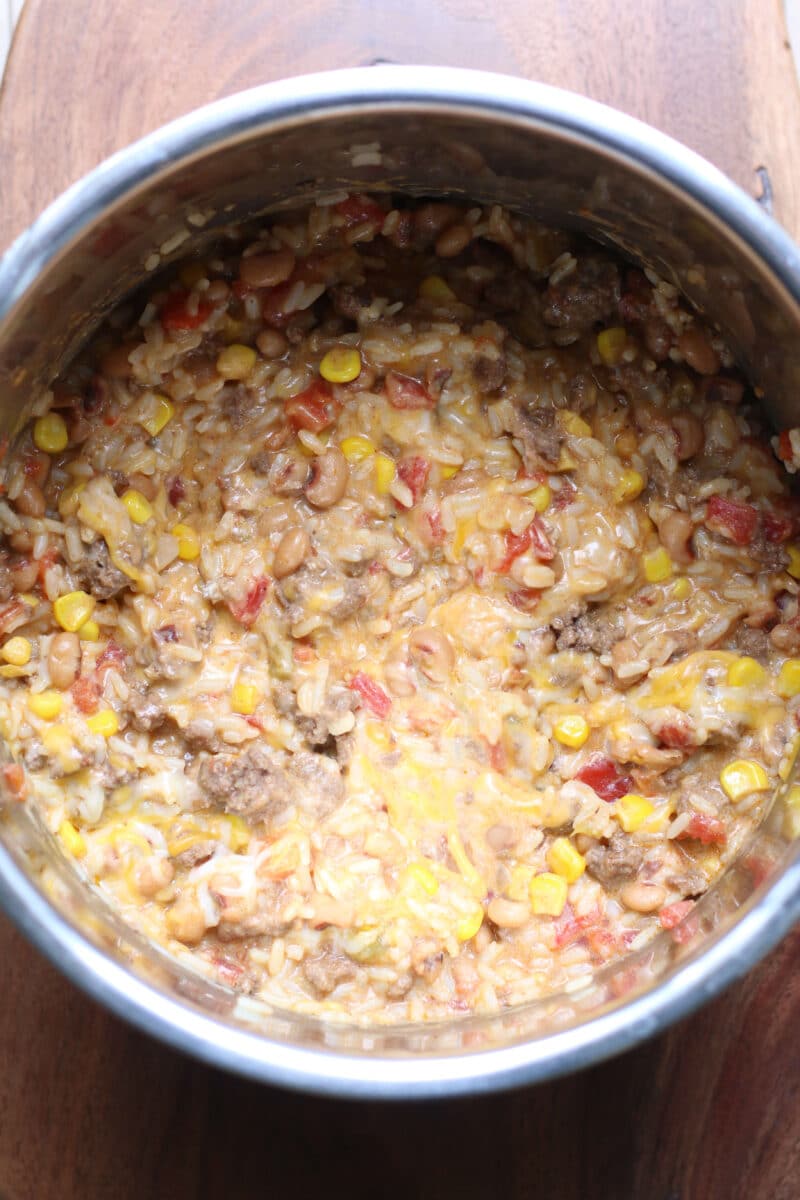
The final stage occurs after the lid is removed. Fresh lime juice is introduced to provide a bright, acidic counterpoint to the heavy starches. Sour cream and shredded cheese are then stirred into the mixture, creating a creamy emulsion that transforms the individual components into a unified casserole.
Economic and Sociological Drivers
The popularity of dishes like the Texas Caviar Casserole can be attributed to several macroeconomic factors affecting American households. According to data from the Bureau of Labor Statistics, grocery prices have seen volatile fluctuations over the past three years, leading consumers to seek out "pantry-stable" ingredients.
The reliance on black-eyed peas, rice, and canned goods (corn, tomatoes, and enchilada sauce) makes this dish highly resilient to supply chain disruptions and inflation. Ground beef, while subject to price increases, remains one of the most accessible animal proteins for the average family. Furthermore, the "one-pot" nature of the recipe appeals to the time-poverty experienced by dual-income households, reducing active cooking time to under fifteen minutes.
Supporting Data and Culinary Trends
Market research indicates that the "Casserole" category remains one of the most searched terms on recipe-sharing platforms like Pinterest and AllRecipes. A 2023 consumer behavior report suggested that 64% of home cooks prefer recipes that require fewer than ten ingredients and only one cooking vessel. The Texas Caviar Casserole aligns perfectly with these preferences.
| Ingredient Category | Primary Function | Traditional Substitute |
|---|---|---|
| Protein | Satiety/Flavor | Ground Turkey/Lentils |
| Legume | Texture/Fiber | Black Beans |
| Starch | Bulk/Absorption | Quinoa/Pasta |
| Acid | Balance | Apple Cider Vinegar |
| Dairy | Creaminess | Greek Yogurt |
Culinary analysts observe that the use of "Rotel" and enchilada sauce serves as a shorthand for Tex-Mex flavor profiles, allowing home cooks to achieve complex seasoning without an extensive spice cabinet. This "convenience seasoning" trend has become a multi-billion dollar industry in North America.
Statements and Expert Analysis
While no official "Casserole Commission" exists, food historians and professional chefs have weighed in on the evolution of regional American cuisine. Dr. Linda Westmoreland, a food sociologist, suggests that the "casserole-ization" of appetizers is a form of cultural preservation.
"When we take a dish like Texas Caviar and turn it into a main course, we are not just making dinner; we are re-contextualizing regional identity for a faster-paced world," Westmoreland stated in a recent symposium on Southern foodways. "The Instant Pot has become the modern hearth, and the casserole is the communal vessel."
Chefs also point to the nutritional balance of the dish. The combination of legumes (black-eyed peas) and grains (rice) provides a complete protein profile, while the addition of corn and tomatoes contributes essential vitamins and minerals. The inclusion of lime juice at the end is cited as a "professional touch" that elevates the dish from standard "cafeteria food" to a balanced culinary experience.
Broader Impact and Implications
The rise of the Texas Caviar Casserole is indicative of a larger shift toward "fusion comfort." By combining the flavor profile of a cold Southwestern dip with the format of a Midwestern hotdish, the recipe transcends geographic boundaries. This has significant implications for the food processing and retail industries.
Grocery chains have noted an increase in "bundle buying," where customers purchase all the components of a specific viral recipe at once. The Texas Caviar Casserole, frequently featured in "meal prep" circles, contributes to the steady demand for canned legumes and specialty canned tomatoes.
Furthermore, the recipe’s adaptability—allowing for the substitution of ground turkey for beef or brown rice for white—makes it a template for modern dietary flexibility. As more families move toward "flexitarian" diets, the ability to increase the ratio of black-eyed peas while decreasing the meat content allows the dish to remain relevant in a health-conscious market.
Chronology of a Meal: From Pantry to Plate
The lifecycle of a Texas Caviar Casserole dinner typically spans less than 45 minutes from inception to service:
- 0-5 Minutes: Inventory check and ingredient gathering (pantry-heavy).
- 5-15 Minutes: Sautéing beef and onions; deglazing the pot.
- 15-17 Minutes: Layering ingredients (no stirring required to prevent rice sticking).
- 17-30 Minutes: Pressurization and active cooking cycle.
- 30-40 Minutes: Natural pressure release and steam finishing.
- 40-45 Minutes: Final seasoning, dairy integration, and garnishing with fresh cilantro and crushed tortilla chips.
Conclusion
The Texas Caviar Casserole represents more than just a convenient dinner option; it is a reflection of the current American culinary zeitgeist. It honors the history of Texas’s most famous "mock" appetizer while embracing the technological efficiency of the 21st-century kitchen. As households continue to navigate economic pressures and time constraints, the reliance on such versatile, flavorful, and culturally resonant one-pot meals is expected to grow. The dish stands as a testament to the enduring appeal of Tex-Mex flavors and the ingenious ways in which home cooks reinvent tradition to serve the needs of the modern family.
