
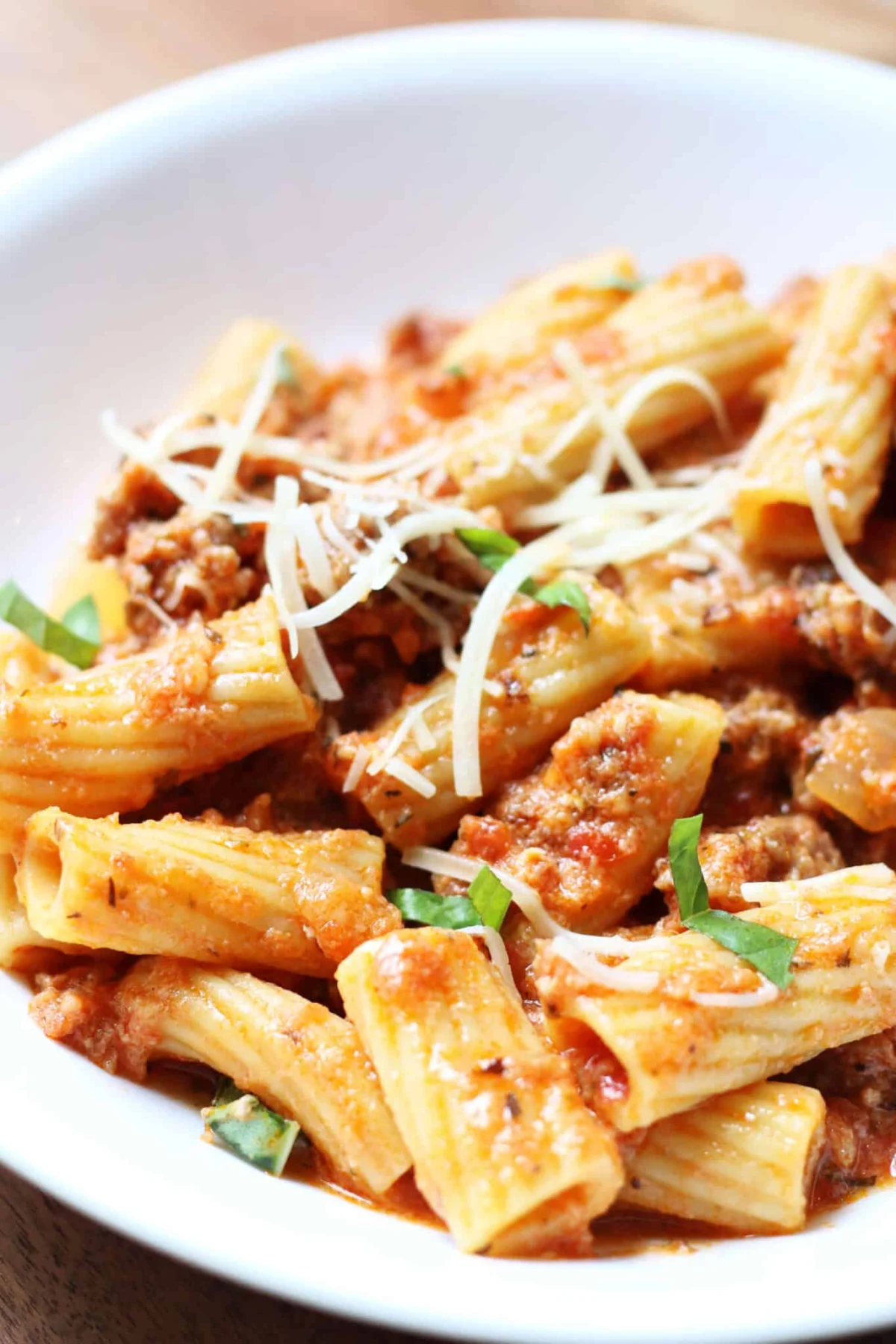
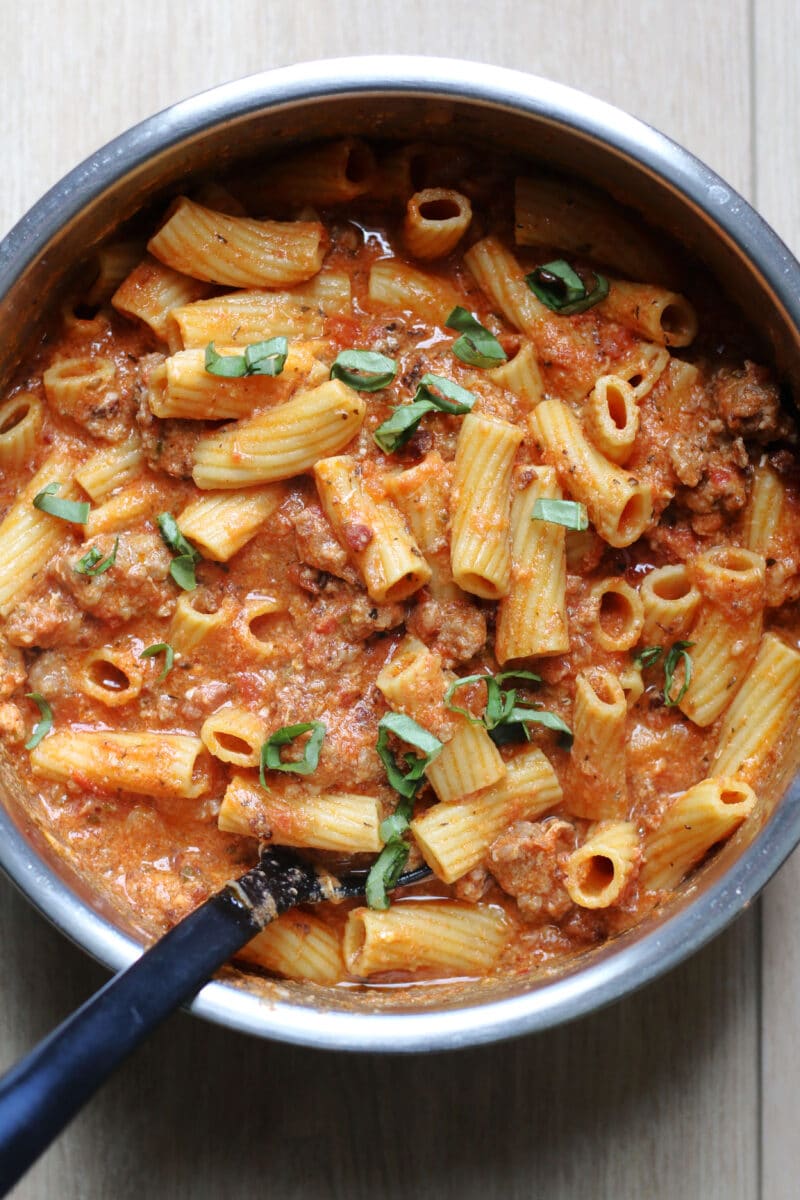
Pasta Alla Zozzona represents a significant evolution in the landscape of contemporary home gastronomy, synthesizing the complex traditions of Roman culinary heritage with the efficiency of modern kitchen technology. This dish, often described by culinary experts as a robust hybrid between the creamy textures of a traditional Carbonara and the structured, tomato-heavy profile of a classic Baked Ziti, has gained traction as a staple for households seeking high-quality, "one-pot" solutions. Historically rooted in the trattorias of Rome, the dish—whose name derives from the Romanesco word "zozzo," meaning "dirty" or "messy" in a slang context of delicious indulgence—serves as a maximalist intersection of Italy’s most famous pasta preparations.
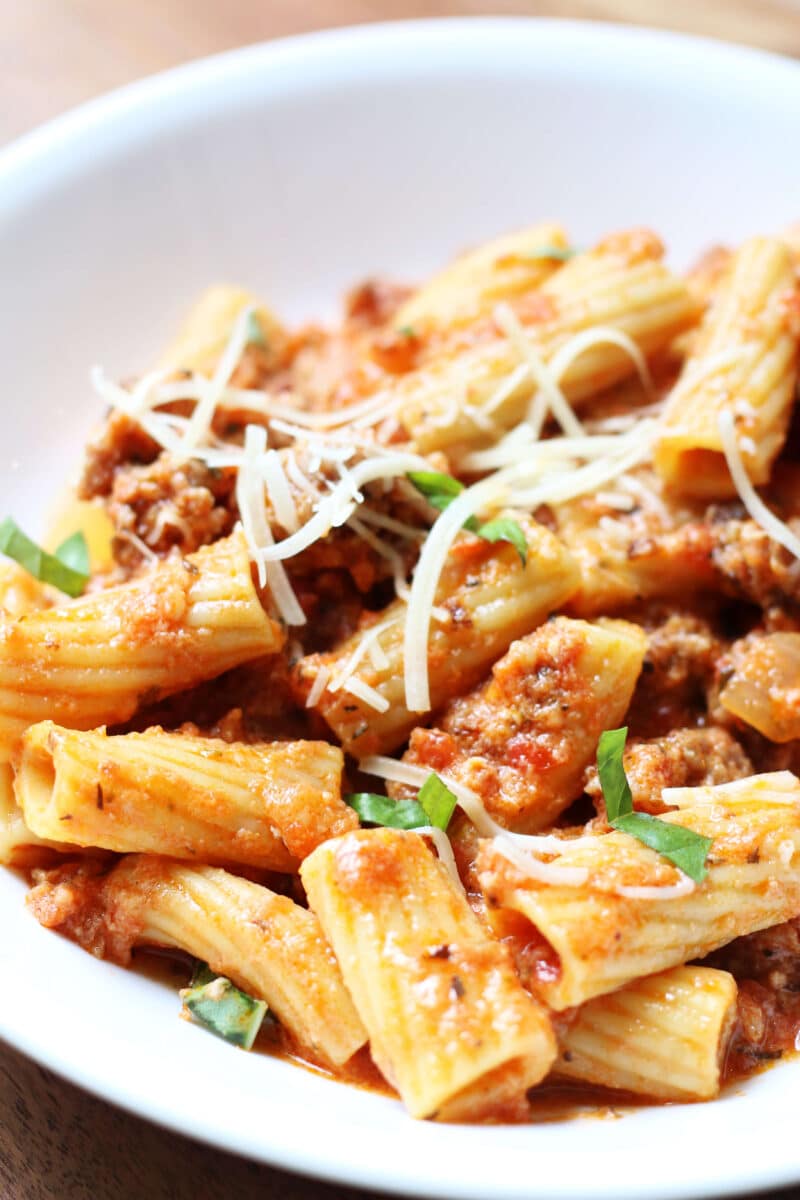
The Gastronomic Architecture of Pasta Alla Zozzona
The fundamental appeal of Pasta Alla Zozzona lies in its ability to consolidate the flavor profiles of the four classic Roman pastas: Cacio e Pepe, Pasta alla Gricia, Carbonara, and Amatriciana. While those four dishes rely on a strict hierarchy of ingredients—typically limited to pecorino romano, guanciale, black pepper, egg, and tomato—the Zozzona variant adopts an inclusive philosophy. It incorporates the egg yolks and cheese of a Carbonara, the tomato base of an Amatriciana, and the fatty richness of sausage and bacon typical of a Gricia.
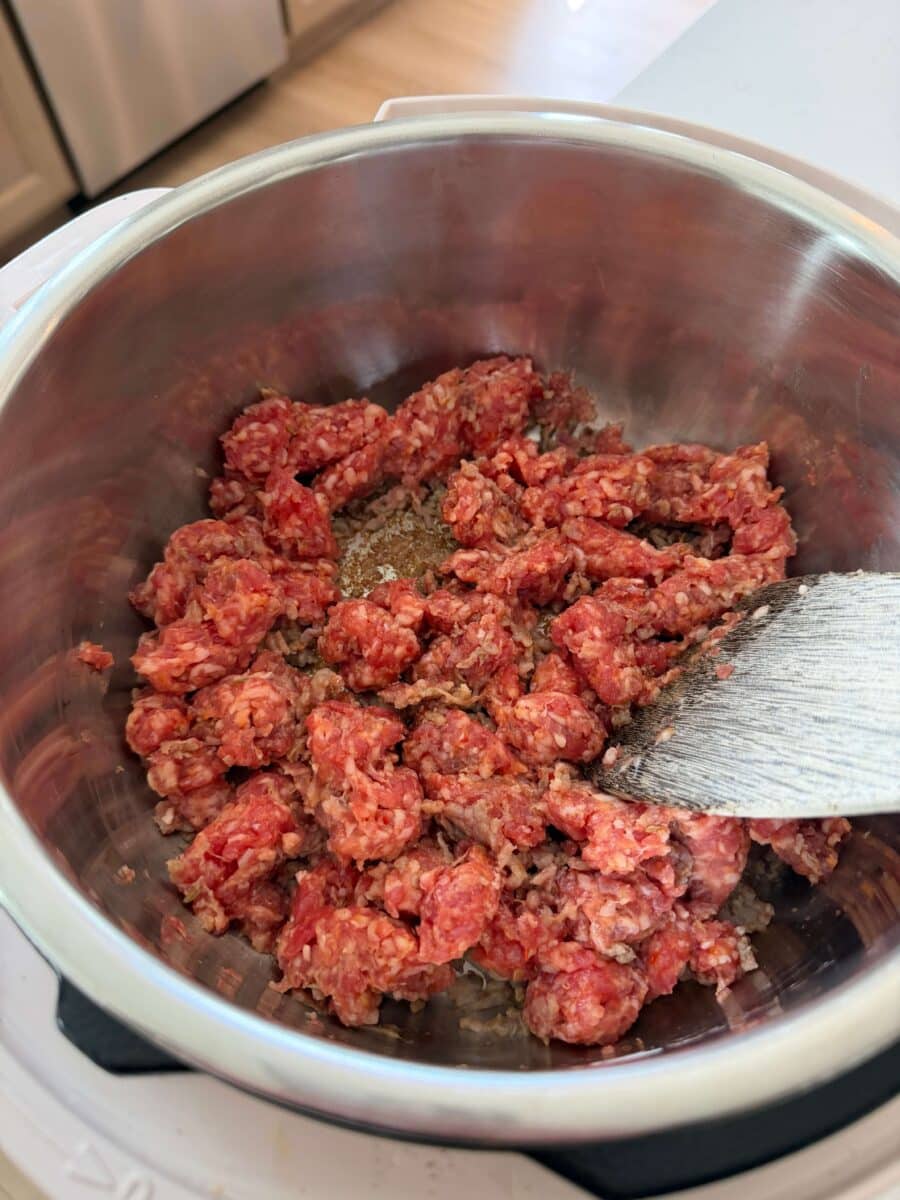
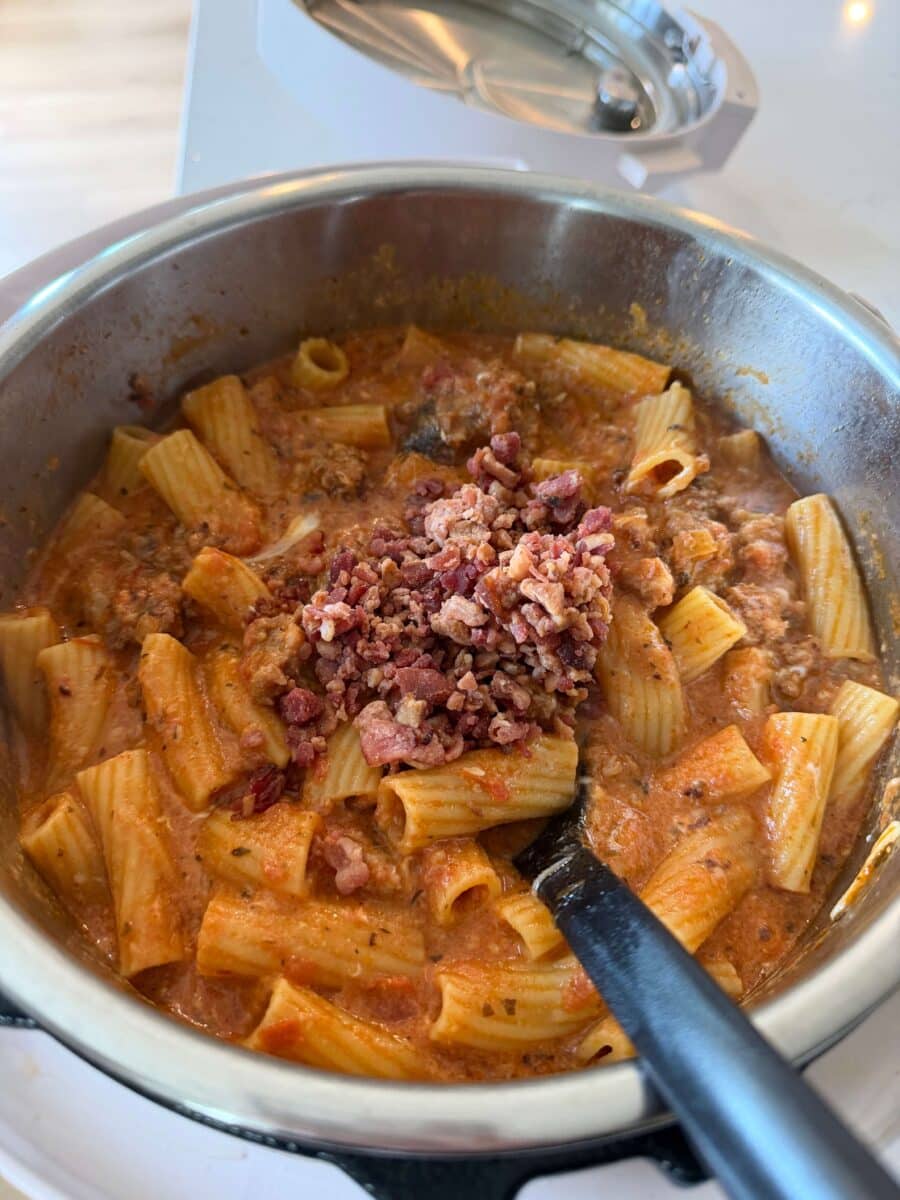
In a professional culinary analysis, the dish is recognized for its high umami content. The use of Italian sausage provides a foundational spice profile, often featuring fennel and garlic, which eliminates the need for an extensive external spice rack. The addition of bacon—or more traditionally, guanciale—introduces a smoky, cured depth that elevates the dish beyond standard meat sauces. When processed through an Instant Pot or similar electric pressure cooker, these ingredients undergo a rapid Maillard reaction during the sauté phase, followed by a pressurized infusion that forces flavors into the starch of the pasta.
Chronology of Modern Preparation and Technical Execution
The transition of Pasta Alla Zozzona from a labor-intensive stovetop method to a streamlined pressure-cooker recipe marks a shift in domestic labor patterns. The chronological execution of the modern one-pot method follows a specific technical sequence designed to maximize flavor extraction while maintaining structural integrity in the pasta.
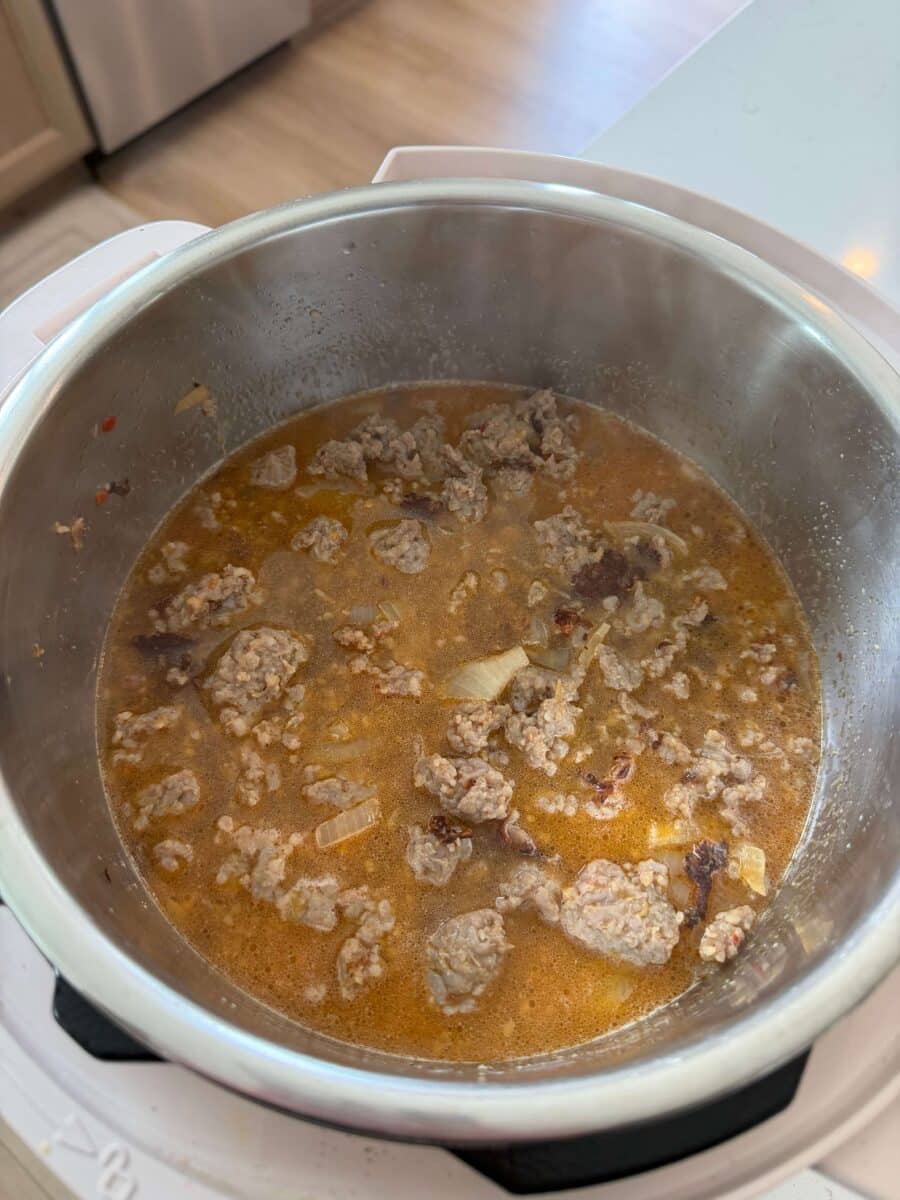
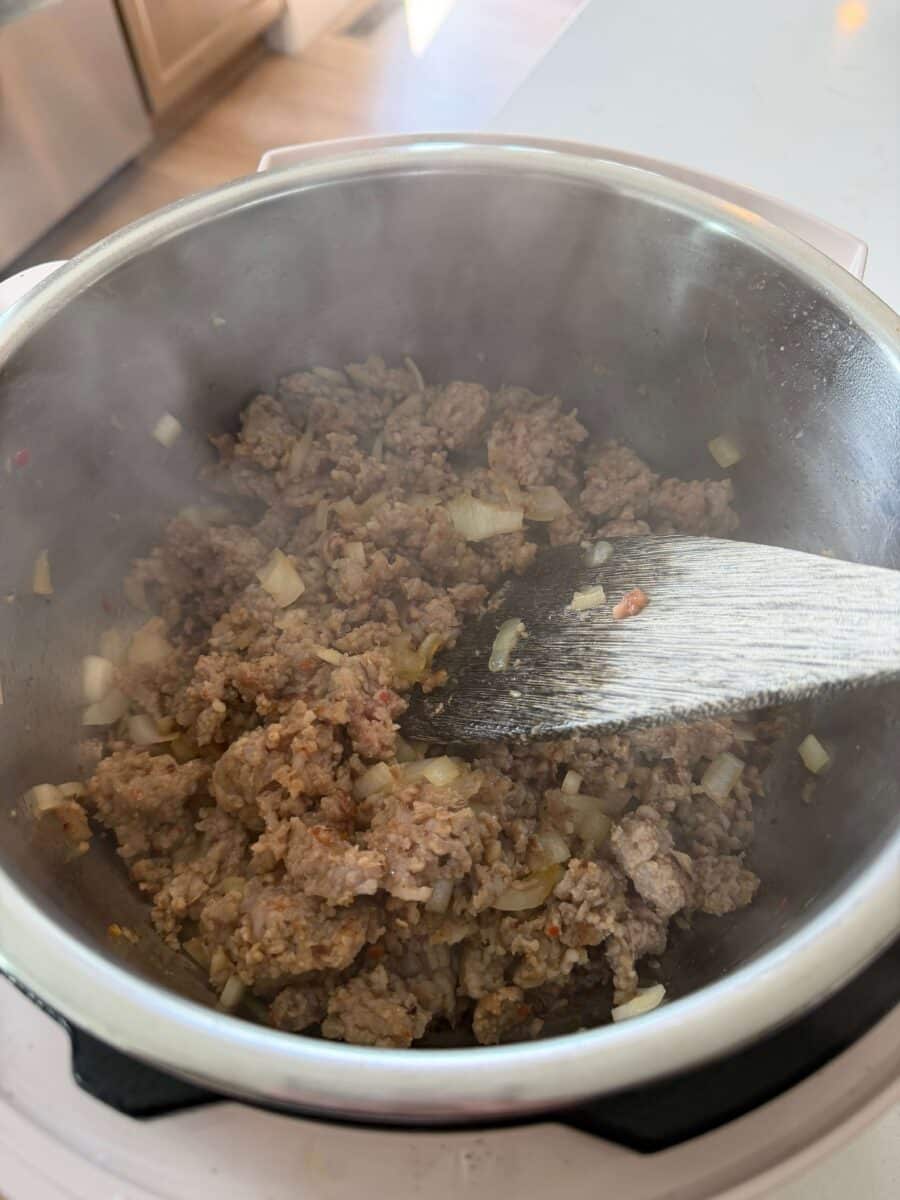
- The Thermal Foundation: The process begins with the "Sauté" function of the pressure cooker. This phase is critical for the rendering of animal fats. The Italian sausage is broken down and browned alongside diced onions for approximately five minutes. This step is not merely for color; it creates a "fond"—the caramelized bits at the bottom of the pot—that serves as the base of the sauce.
- Deglazing and Aromatics: Once the meat is browned and excess grease is managed, garlic is introduced briefly to prevent burning. The introduction of liquid broth serves a dual purpose: it stops the browning process and allows for "deglazing," where the fond is scraped into the liquid, ensuring no flavor is lost.
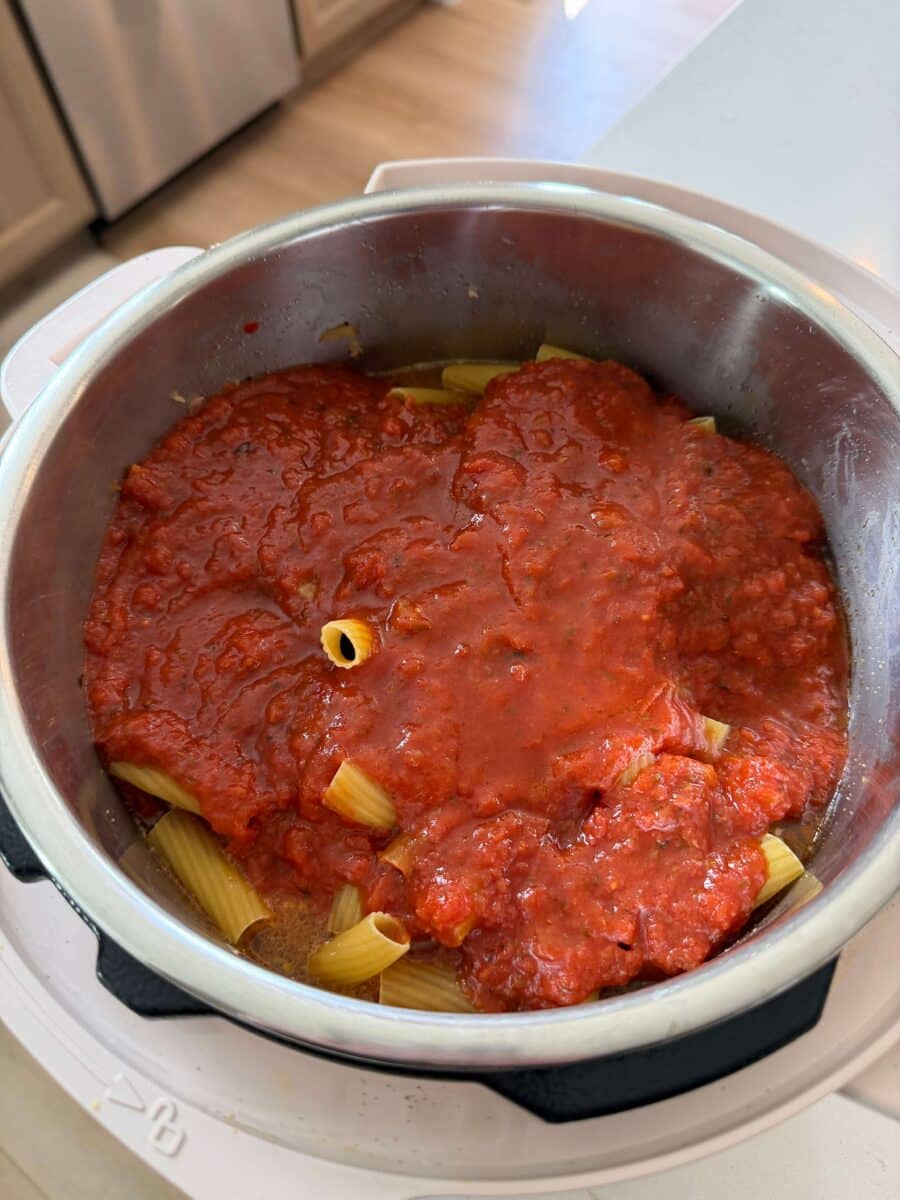
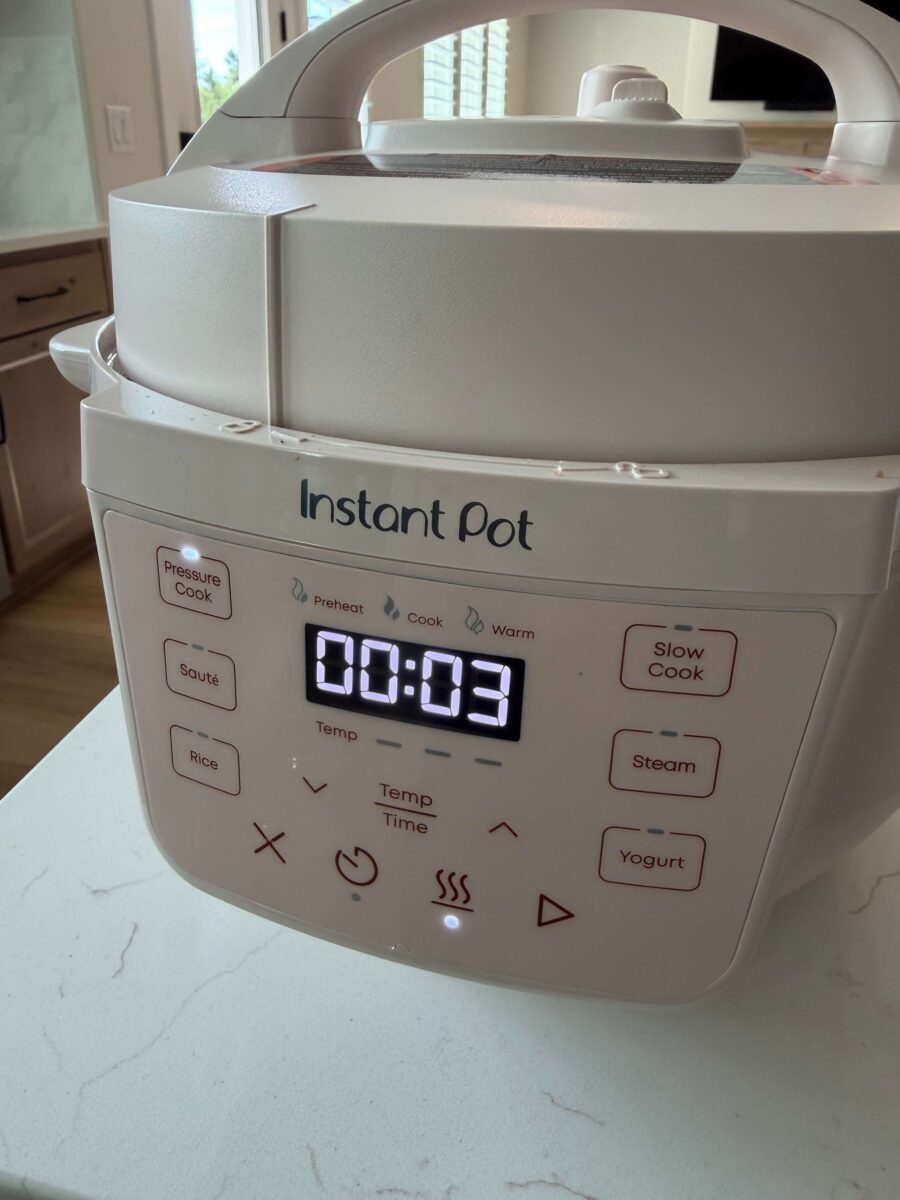
- The Pressure Phase: The rigatoni is added to the pot, followed by a layer of marinara sauce. A key technical requirement in pressure cooking pasta is the "no-stir" rule; the sauce must sit atop the pasta to prevent the "burn" warning often triggered by thick, tomato-based liquids contacting the heating element directly. The unit is then sealed and subjected to a high-pressure cycle of exactly three minutes.
- Controlled Steam Release: Following the active cook time, a five-minute natural pressure release is observed. This allows the internal temperature to stabilize and the pasta to reach an al dente state without becoming mushy.
- The Emulsification: The final and most delicate step involves the "Carbonara element." A mixture of egg yolks, grated parmesan, and black pepper is whisked separately and then slowly folded into the hot pasta. The residual heat of the dish is sufficient to cook the egg into a creamy, silken sauce without scrambling it, a process known in professional kitchens as tempering.
Supporting Data and Market Trends in One-Pot Cooking
The rise of recipes like Pasta Alla Zozzona is supported by broader economic and consumer data. According to market research on the "Electric Pressure Cooker" segment, the industry has seen a compound annual growth rate (CAGR) of over 7% in the last five years. This growth is driven by a consumer base that prioritizes "time-saving" and "minimal cleanup."
Data from digital recipe platforms indicates that "one-pot pasta" is among the most searched culinary terms globally. The appeal of Pasta Alla Zozzona specifically fits into the "comfort food" category, which saw a 25% increase in social media engagement during the post-pandemic era. Furthermore, nutritional analysis of the dish highlights its calorie-dense nature, making it a popular choice for families seeking "keeper" meals—dishes that provide high satiety and are universally accepted by different age groups, as evidenced by consumer feedback from home testers such as Greg and Skyler, who noted the dish’s immediate status as a household favorite.
Comparative Analysis: Rigatoni in the Pressure Cooker Environment
Pasta Alla Zozzona exists within a wider ecosystem of rigatoni-based pressure cooker recipes. To understand its impact, it must be compared to other market-leading preparations:
- The Creamy Meat Casserole: Often referred to in domestic circles as "Hubby’s Pleasure Casserole," this variant focuses on ground beef and a creamy tomato-mozzarella finish. While popular, it lacks the sophisticated egg-yolk emulsion that defines the Zozzona.
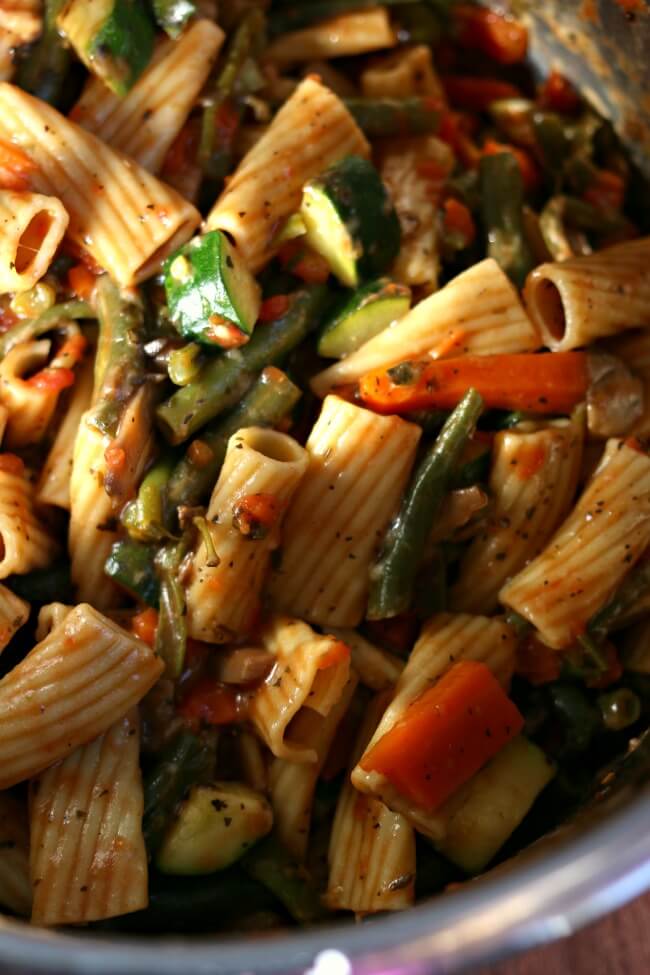
- The Vegetarian Alternative: "Pasta Primavera" represents the opposite end of the spectrum, utilizing carrots, zucchini, and mushrooms. While it utilizes the same rigatoni base, the chemical interaction of the ingredients is entirely different, relying on vegetable moisture rather than rendered animal fat.
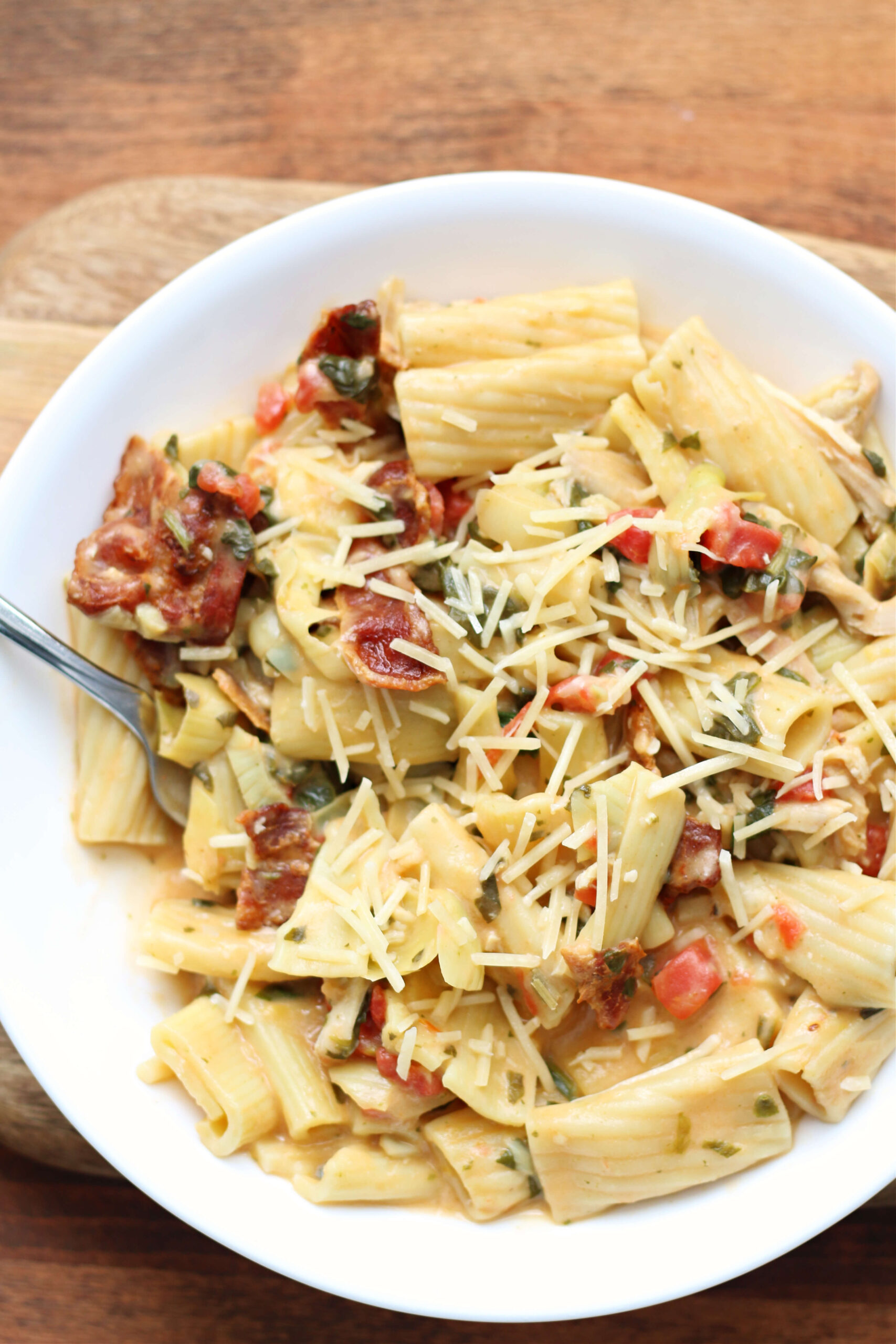
- The Seasonal Variant: Recipes such as the "March Madness Casserole" or "Winter Doldrums Dinner" utilize niche ingredients like artichokes or lemon slices to combat palate fatigue.
In comparison, Pasta Alla Zozzona remains the most robust option, offering a "kitchen-sink" approach that appeals to traditionalists and modernists alike.
Cultural and Economic Implications
The globalization of Roman regional recipes through technology like the Instant Pot has significant implications for cultural preservation. While some purists argue that pressure cooking "shortcuts" devalue the artisanal nature of Italian cooking, others suggest that these methods actually preserve culinary traditions by making them accessible to the modern, time-poor workforce.
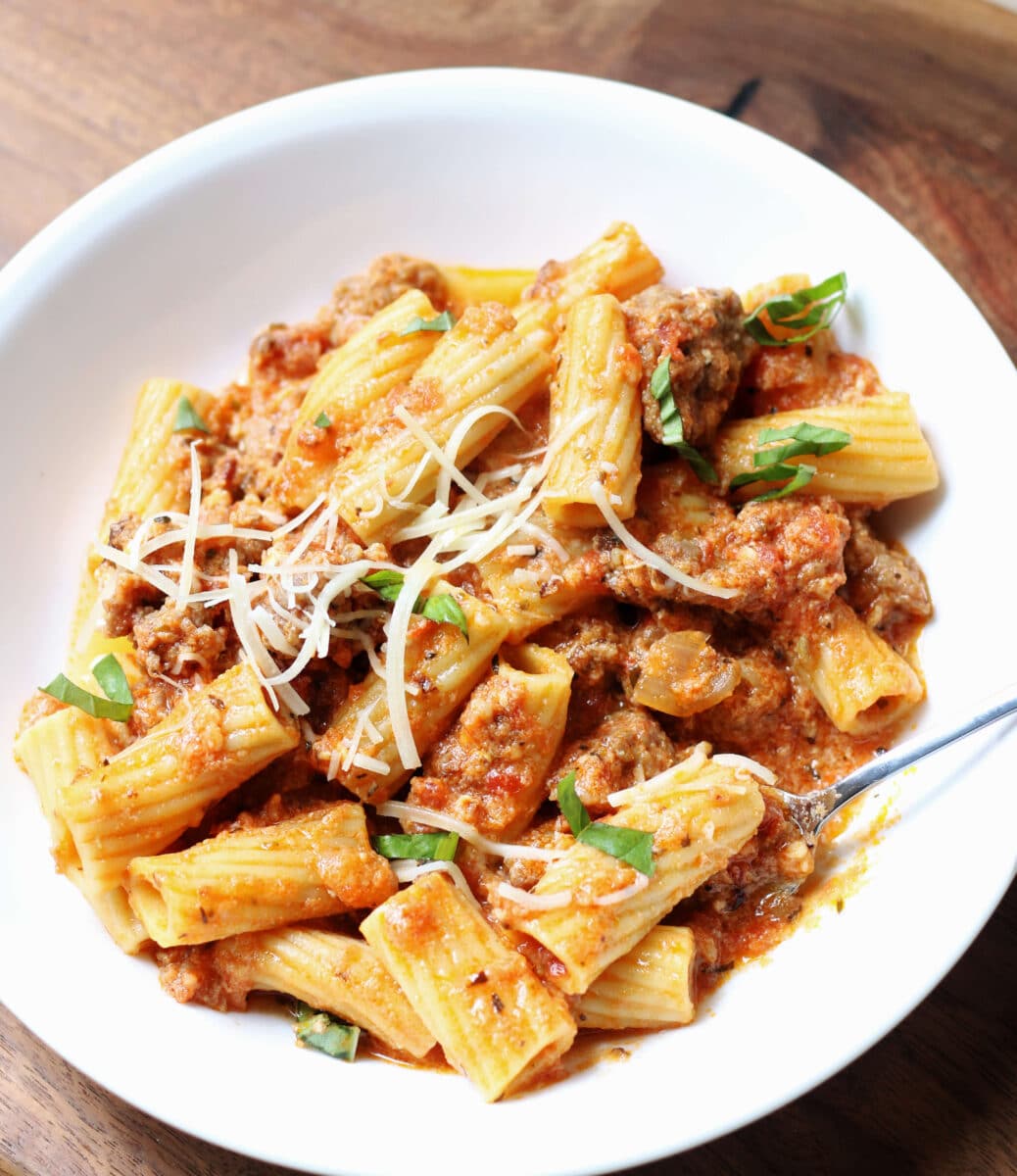
Economically, Pasta Alla Zozzona is a cost-effective meal. By utilizing bulk-purchasable items like dried rigatoni, canned marinara, and sausage, a family can produce a restaurant-quality meal at a fraction of the cost of dining out. This "premiumization" of home cooking allows middle-class households to experience complex flavor profiles—like the interplay of guanciale-style bacon and egg-tempered sauces—without requiring professional culinary training.

Official Responses and Culinary Synthesis
While there is no single governing body for Roman pasta, culinary historians and chefs have increasingly recognized the "Zozzona" style as a legitimate and vital part of the city’s food identity. In response to the growing popularity of these automated methods, professional chefs have begun to offer "pressure-cooker friendly" versions of their signature dishes, acknowledging that the tool is a permanent fixture in the 21st-century kitchen.
The consensus among food bloggers and digital creators, including prominent voices like Karen Petersen, is that the versatility of the dish is its greatest asset. The ability to filter and search for recipes based on dietary needs—such as gluten-free pasta substitutions or low-carb meat adjustments—has turned Pasta Alla Zozzona from a static recipe into a dynamic template for home innovation.
Future Outlook and Broader Impact
Looking ahead, the trajectory of Pasta Alla Zozzona suggests a continued move toward "fusion efficiency." As smart kitchen appliances become more integrated with recipe databases, we can expect the precise timings required for the perfect Zozzona—such as the 3-minute pressure window and the 5-minute vent delay—to become automated.
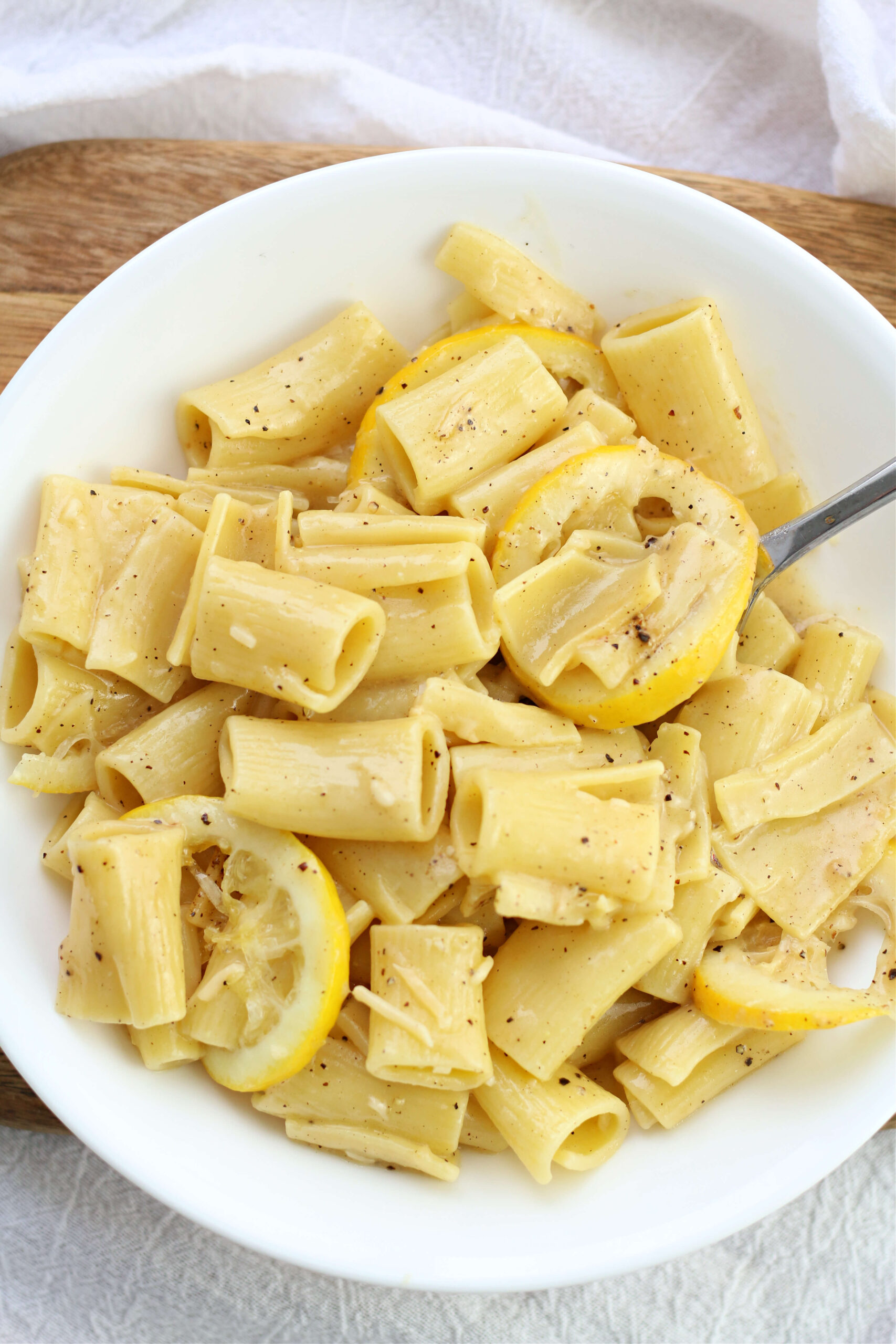
The broader impact of this dish is its role as a "gateway recipe." For many home cooks, mastering the egg-yolk emulsion in an Instant Pot provides the confidence to explore more complex Italian techniques. By demystifying the "dirty" pasta of Rome, modern technology is not replacing tradition; it is providing a new platform for it to thrive. Pasta Alla Zozzona stands as a testament to the fact that even in a fast-paced world, there is still a profound appetite for the rich, messy, and deeply comforting flavors of the past.
