
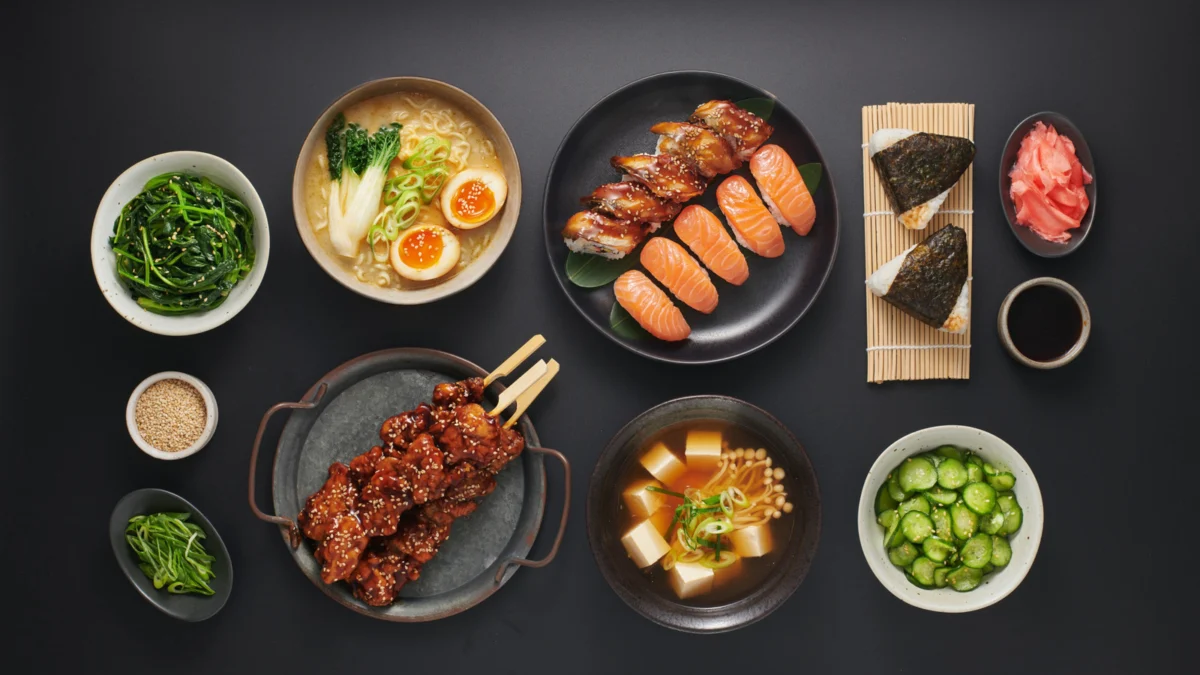
Traditional Japanese cuisine, revered globally for its refined flavors, delicate presentations, and emphasis on seasonality, is underpinned by a fundamental culinary philosophy known as "washoku." More than just a descriptor for Japanese food, washoku translates to "harmonious eating," a principle that encapsulates the meticulous balance and sensory delight inherent in its dishes. At the heart of this philosophy lies the "Sa-Shi-Su-Se-So" rule, a mnemonic device that guides the precise application of five core ingredients to achieve this harmonious flavor profile, a practice recognized by UNESCO as an Intangible Cultural Heritage of Humanity in 2013.
This guiding principle, Sa-Shi-Su-Se-So, is derived from the initial Japanese characters of five essential seasonings: sugar (satoh), salt (shio), vinegar (su), soy sauce (shoyu), and miso (fermented bean paste). These five ingredients, when employed with careful consideration of their order and proportion, form the bedrock of washoku’s complex yet balanced taste. While other vital components like mirin, dashi, kombu, and sake are integral to Japanese cooking, they are not part of this specific foundational rule, which focuses on the core interplay of sweet, salty, sour, umami, and the nuanced contribution of miso.
Washoku’s enduring appeal is rooted in a long-standing set of principles that champion healthfulness, a deep respect for nature and the inherent seasonality of ingredients, visually stunning presentations, a diverse array of meticulously honed cooking techniques, an appreciation for simplicity, and, critically, a harmonious balance across all sensory elements – color, texture, and flavor. The Sa-Shi-Su-Se-So rule is the practical embodiment of this sensory balance, orchestrating the interplay of the five fundamental tastes to create dishes that are both profoundly satisfying and exquisitely refined.
The "Rules of Five" and Shintoist Influences
The Sa-Shi-Su-Se-So principle is part of a broader set of "rules of five" that permeate Japanese culinary traditions, with roots tracing back to the principles of Japan’s indigenous Shinto religion. Shintoism emphasizes purity, harmony, and a connection with nature, and these values are reflected in the ideal composition of a Japanese meal. According to these tenets, a traditional Japanese meal should ideally incorporate five distinct colors, five fundamental flavors, five different cooking methods, and engage the five senses. This holistic approach aims to nourish not only the body but also the spirit, fostering a sense of well-being and appreciation for the food itself.
The five colors, often referred to as goshiki, typically include red (e.g., peppers, tomatoes), green (e.g., spinach, broccoli), yellow (e.g., egg yolk, corn), white (e.g., rice, daikon), and black (e.g., seaweed, mushrooms). The five flavors, as exemplified by Sa-Shi-Su-Se-So, are sweetness, saltiness, sourness, bitterness, and umami. The five cooking methods can encompass boiling, grilling, steaming, frying, and raw preparation. The engagement of the five senses – sight, smell, taste, touch (texture), and even sound (e.g., the crispness of fried food) – further contributes to the complete dining experience. While Sa-Shi-Su-Se-So focuses on the flavor dimension, its integration within the larger framework of the "rules of five" underscores the comprehensive nature of washoku.
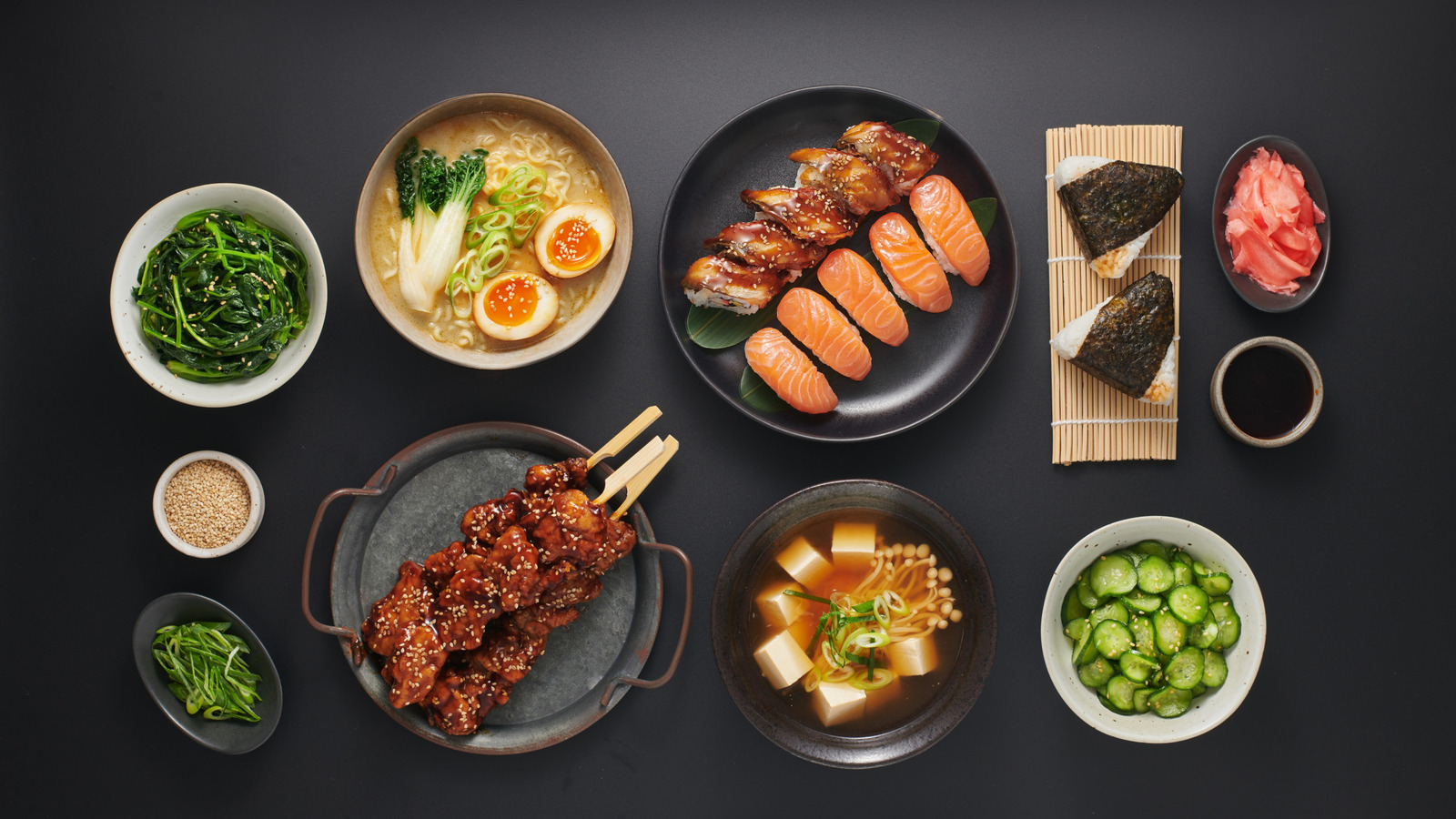
Unraveling the Sa-Shi-Su-Se-So Sequence: A Culinary Chronology
The precise order in which the Sa-Shi-Su-Se-So ingredients are introduced into a dish is not arbitrary; it is a crucial element that dictates the final flavor profile and the overall success of the recipe. This sequence is dictated by the chemical properties of the ingredients and how they interact with heat and with each other.
Sugar (Sa – Satoh): The Sweet Foundation
The rule dictates that sugar should be the first of these five ingredients to be added. This may seem counterintuitive to some Western culinary approaches, where sugar is often added later to enhance sweetness or create a glaze. However, in Japanese cooking, adding sugar early allows it to dissolve fully and integrate into the dish. Crucially, if salt or soy sauce is added before sugar, the saltiness can inhibit the sugar’s ability to permeate the ingredients and develop its intended sweetness. This early addition of sugar sets a foundational sweetness that will be balanced by the subsequent ingredients. For instance, in the preparation of a delicate broth or a simmered vegetable dish, introducing sugar at the outset ensures that its subtle sweetness is infused throughout, rather than remaining on the surface.
Salt (Shi – Shio): The Flavor Enhancer
Following sugar, salt is typically added during the early stages of cooking. Salt’s primary role is to enhance and amplify the natural flavors of other ingredients. By adding it early, it has sufficient time to be absorbed by all components of the dish, ensuring a consistent seasoning throughout. If salt is added too late, particularly once the food is already on the plate, it tends to season only the outer layer, leading to an uneven and potentially overwhelming salty taste. This early introduction of salt is critical for building a robust flavor base, allowing the inherent taste of the main ingredients to shine while being perfectly complemented.
Vinegar (Su): The Balancing Acidity
Vinegar is introduced after salt. Its primary function is multifaceted: it can temper excessive saltiness, add a bright, refreshing acidity that cuts through richness, and provide structural balance to sweetness. The acidity of vinegar helps to lighten heavier dishes and provides a counterpoint to the sweetness established by the sugar. Different types of Japanese vinegars, such as rice vinegar (komezu), black vinegar (kurozu), and seasoned rice vinegar (sushi-zu), each offer distinct flavor profiles and are chosen based on the specific dish. For example, in the preparation of oshinko (Japanese pickles), vinegar is indispensable, contributing not only flavor but also acting as a preservative. The careful addition of vinegar at this stage prevents the dish from becoming overly sweet or salty, achieving a more complex and appealing taste.
Soy Sauce (Shoyu): The Umami Depth
Soy sauce, a cornerstone of Japanese cuisine, is generally added towards the end of the cooking process. This is because the complex flavors and aromas of soy sauce can be significantly altered and diminished by prolonged exposure to heat. Adding it last preserves its nuanced umami character and aromatic qualities, creating an additional layer of sensory appeal. The type of soy sauce used is also important, as varieties range from light (usukuchi) to dark (koikuchi), each offering different levels of saltiness, color, and flavor intensity. Understanding these distinctions is key to achieving the desired depth of flavor without overwhelming the dish.
Miso (So – Miso): The Fermented Richness
Miso, a fermented soybean paste, is also typically incorporated towards the end of cooking, similar to soy sauce. Its rich, savory, and often slightly sweet or nutty flavor profile adds significant depth and complexity. Miso’s fermentation process imbues it with a unique umami quality that can be lost or transformed if subjected to high heat for extended periods. Therefore, adding miso late in the cooking process ensures that its distinctive character is fully appreciated. Miso is a versatile ingredient, used in soups, marinades, glazes, and dressings, and its specific type – such as white miso (shiro miso), red miso (aka miso), or mixed miso (awase miso) – will significantly influence the final taste.
Flexibility within the Framework
It is important to note that the Sa-Shi-Su-Se-So rule is a guiding principle, not an inflexible law. Not every Japanese recipe will necessarily include all five ingredients. For instance, it is uncommon to find miso and vinegar used together in the same dish, as their strong flavors might clash or overpower other elements. The core of the principle lies in the correct sequencing of the ingredients that are used, whether that involves two or all five. This adaptability ensures that the fundamental concept of flavor balance, achieved through thoughtful ingredient integration, remains central to washoku.
The Broader Impact: Culinary Harmony and Cultural Heritage
The Sa-Shi-Su-Se-So rule is a testament to the sophisticated culinary philosophy that underpins Japanese cuisine. It reflects a deep understanding of ingredient interaction, flavor development, and sensory appreciation. This meticulous approach contributes to washoku’s reputation for creating dishes that are not only delicious but also nourishing and aesthetically pleasing.
The UNESCO recognition of washoku as Intangible Cultural Heritage in 2013 highlights the global significance of these culinary traditions. It acknowledges that washoku represents more than just food; it embodies social customs, respect for nature, and a profound cultural heritage passed down through generations. The Sa-Shi-Su-Se-So rule, as a fundamental element of this heritage, plays a vital role in preserving and perpetuating the unique character of Japanese cooking.
In an era where global palates are increasingly diverse and appreciative of nuanced flavors, understanding principles like Sa-Shi-Su-Se-So offers invaluable insights into the art of creating balanced and harmonious dishes. It serves as a reminder that culinary excellence often lies not just in the quality of ingredients, but in the thoughtful and precise application of fundamental techniques that have been refined over centuries. The enduring relevance of this ancient rule underscores the timeless wisdom embedded within traditional cuisines, offering a blueprint for flavor harmony that continues to inspire chefs and home cooks worldwide.
