
The Architectural Foundation of the One-Pot Meal
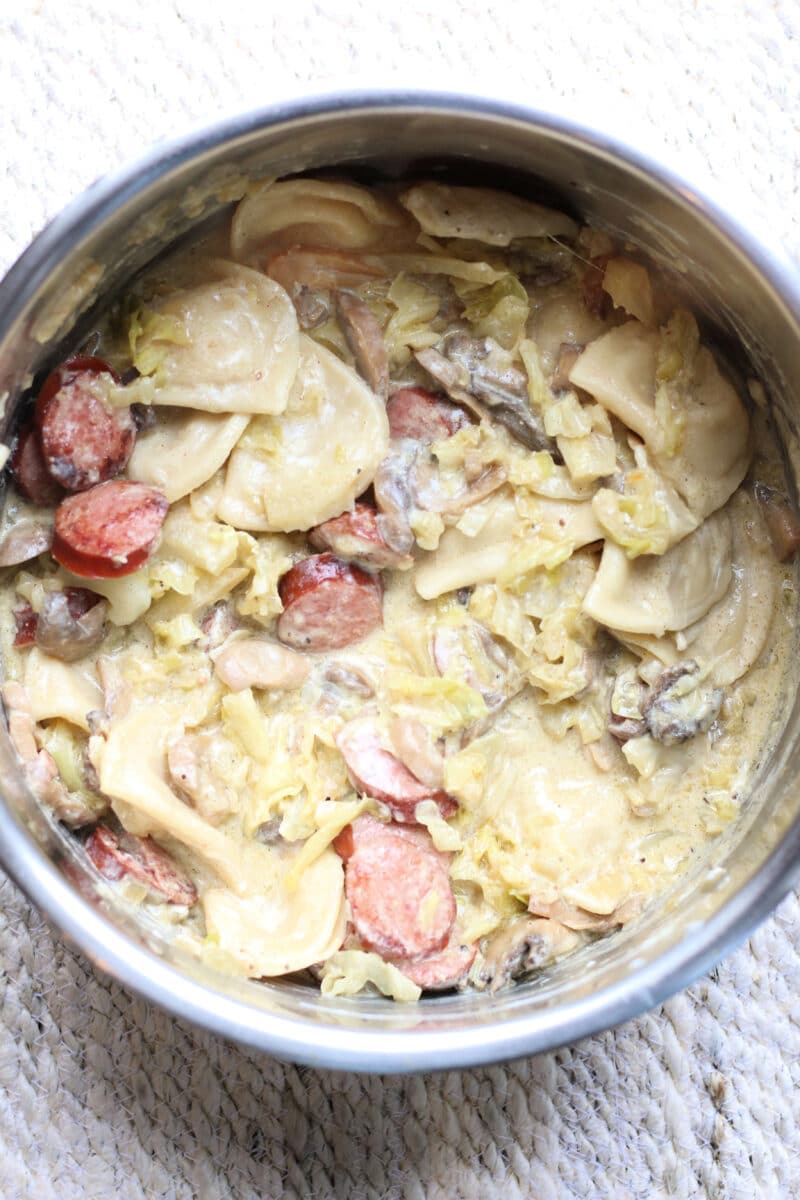
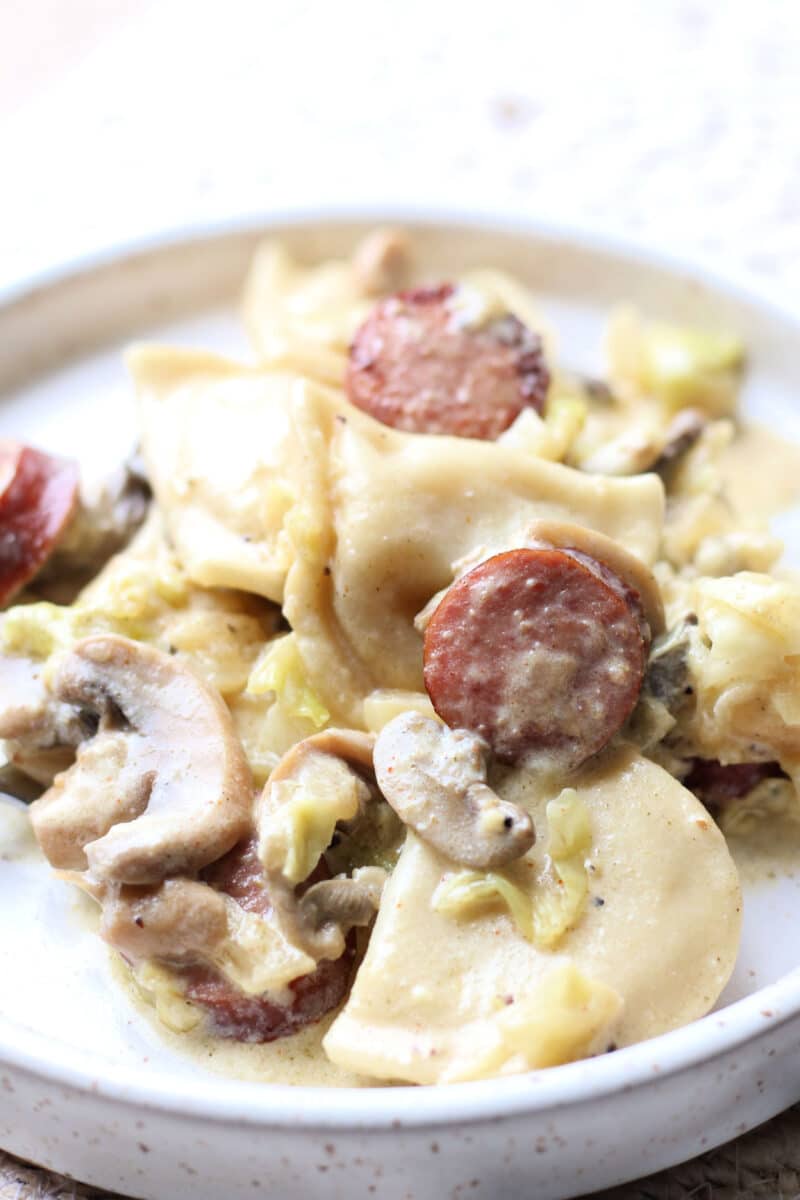
The Pierogi Cabbage Casserole serves as a comprehensive nutritional solution, consolidating protein, carbohydrates, and cruciferous vegetables into a single vessel. The dish is characterized by its reliance on frozen pierogies—unleavened dough dumplings traditionally stuffed with potato and cheese—which act as the primary starch. This selection represents a departure from labor-intensive manual dough preparation, signaling a shift toward "semi-homemade" culinary practices that prioritize time management without sacrificing the core identity of the dish.
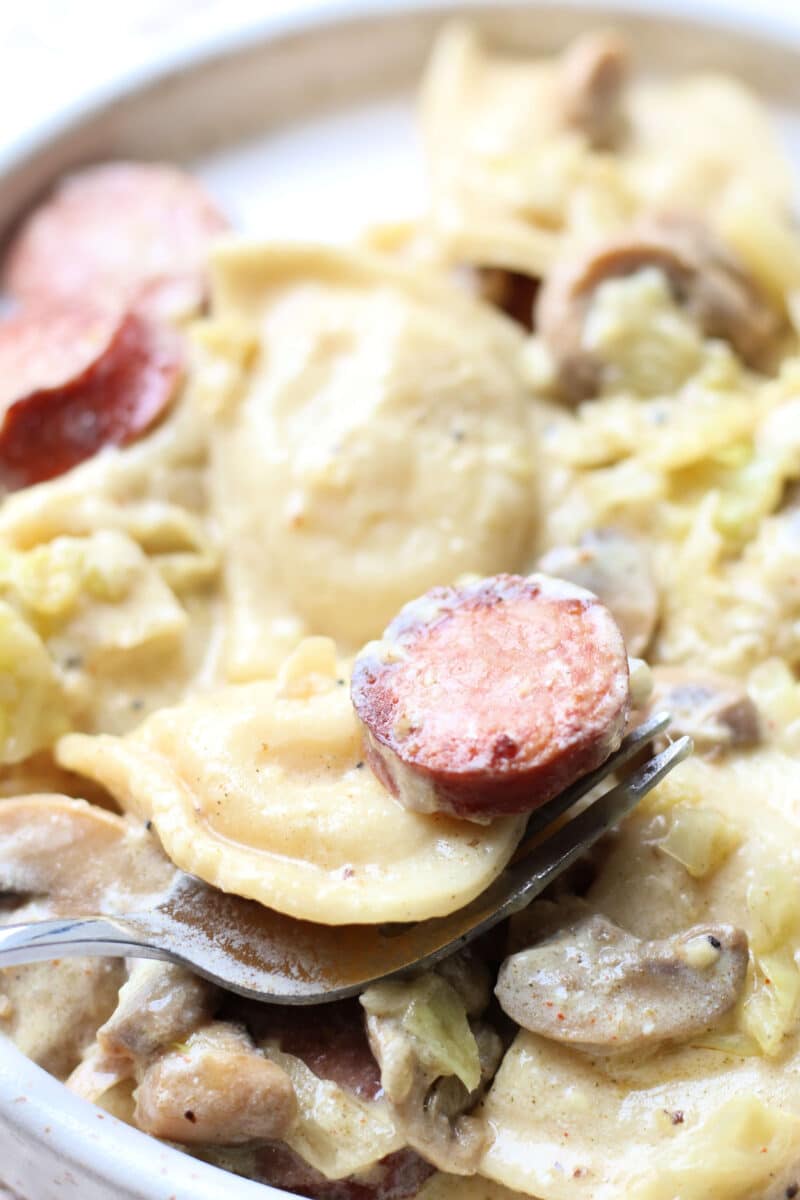
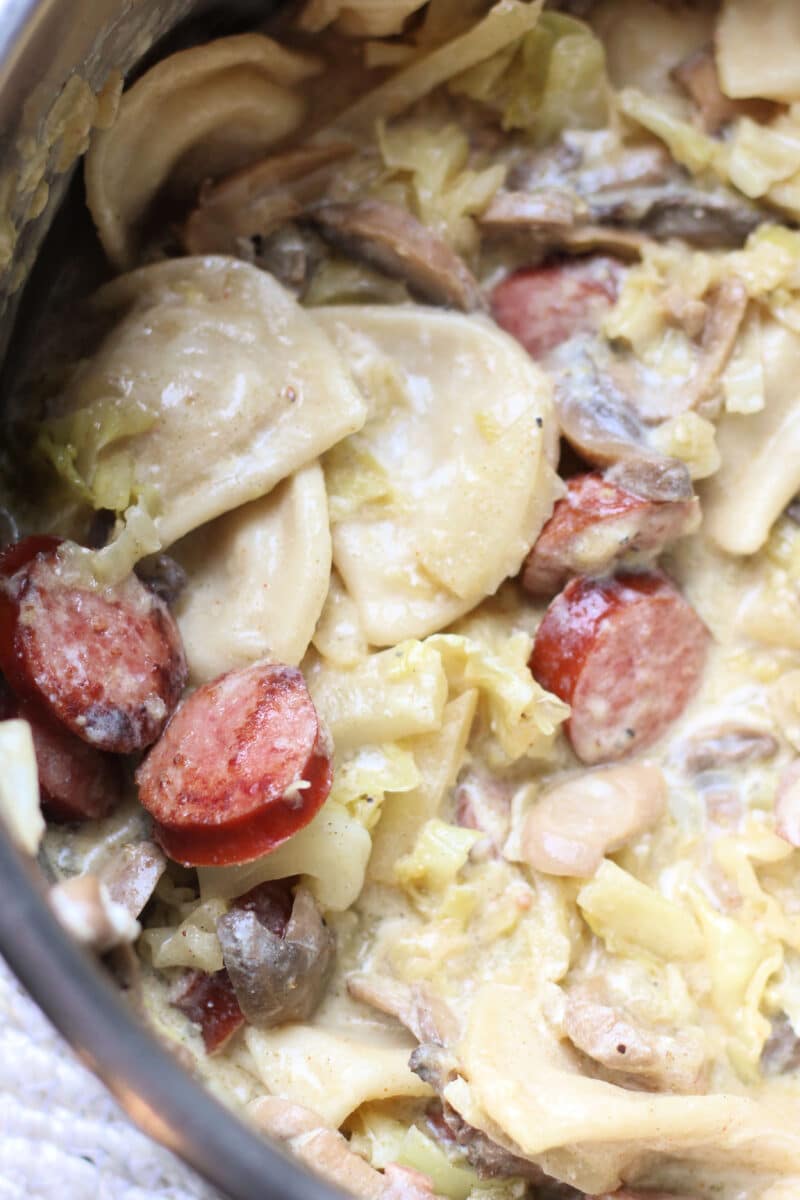
Supporting this starch base is a robust profile of smoked sausage, which provides the primary lipid and protein source. The inclusion of cabbage is not merely for bulk; when subjected to the high-pressure environment of an Instant Pot or the sustained heat of a slow cooker, the vegetable undergoes a structural breakdown, transitioning from a fibrous leaf to a tender, noodle-like consistency. This transformation is critical to the dish’s mouthfeel, allowing the cabbage to act as a secondary "pasta" element that absorbs the rendered fats from the sausage and the aromatic infusions of garlic and onion.
Technical Methodology: Instant Pot vs. Slow Cooker
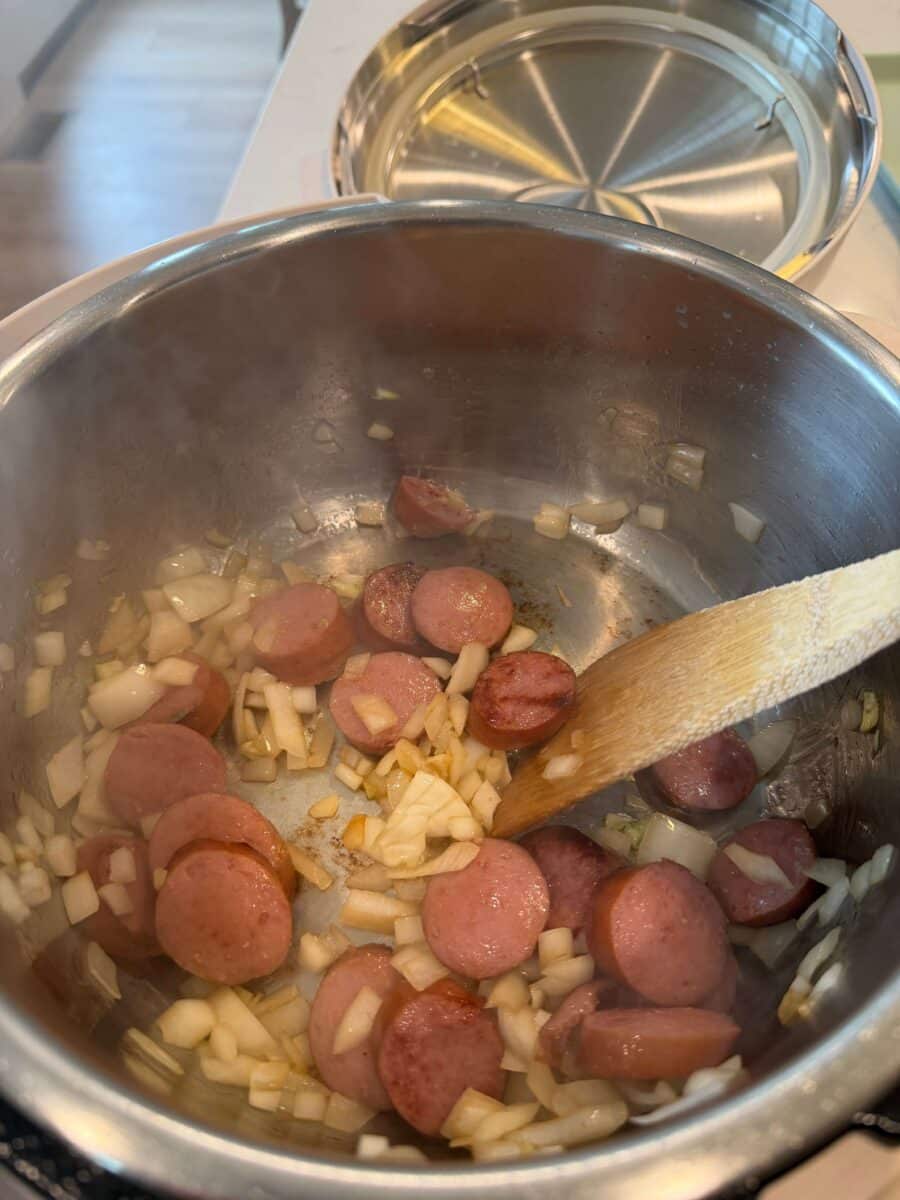
The preparation of the Pierogi Cabbage Casserole follows two distinct mechanical paths, each dictated by the appliance of choice. In the pressure cooker (Instant Pot) variant, the process begins with the "Sauté" function. This stage is essential for the Maillard reaction—the chemical interaction between amino acids and reducing sugars that gives browned food its distinctive flavor. The smoked sausage is seared in olive oil until a caramelized exterior is achieved, followed by the introduction of onions which are cooked until translucent.
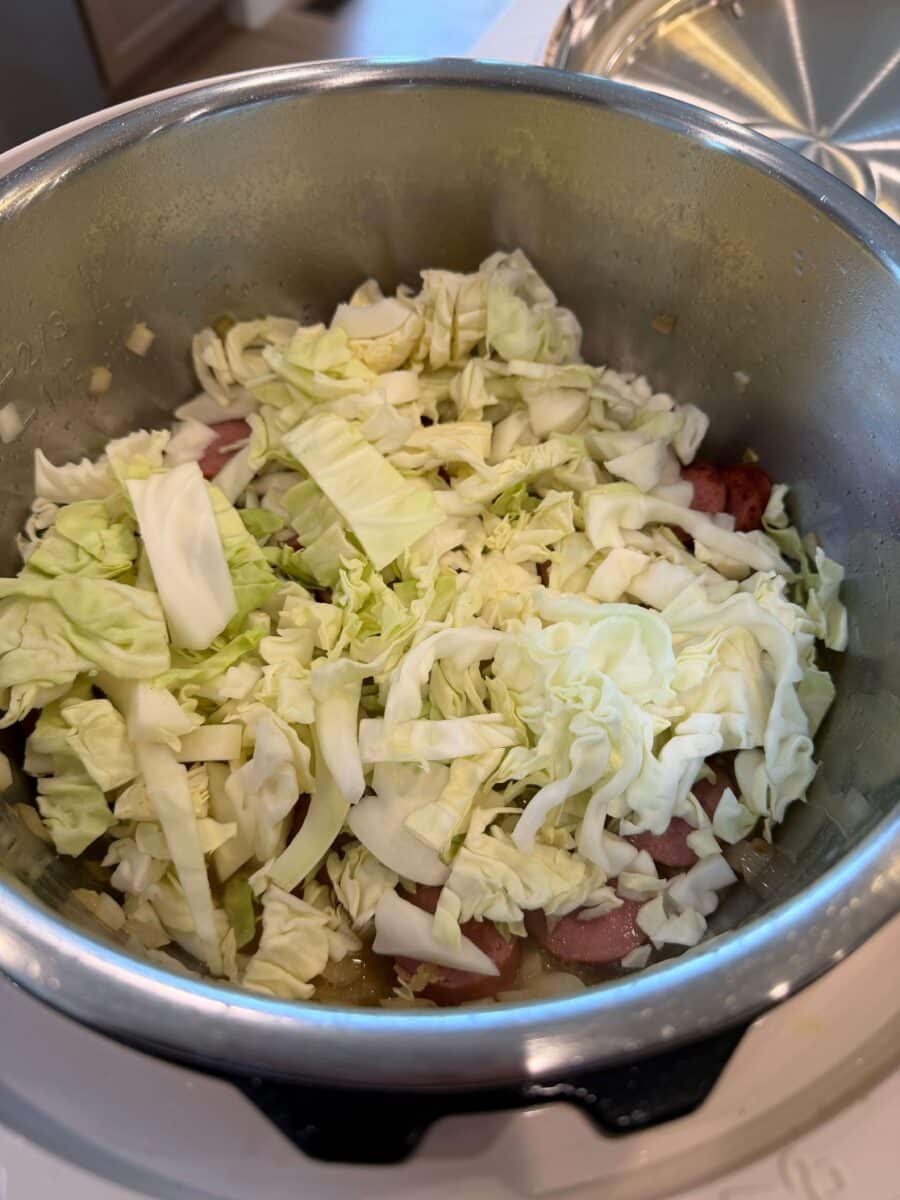
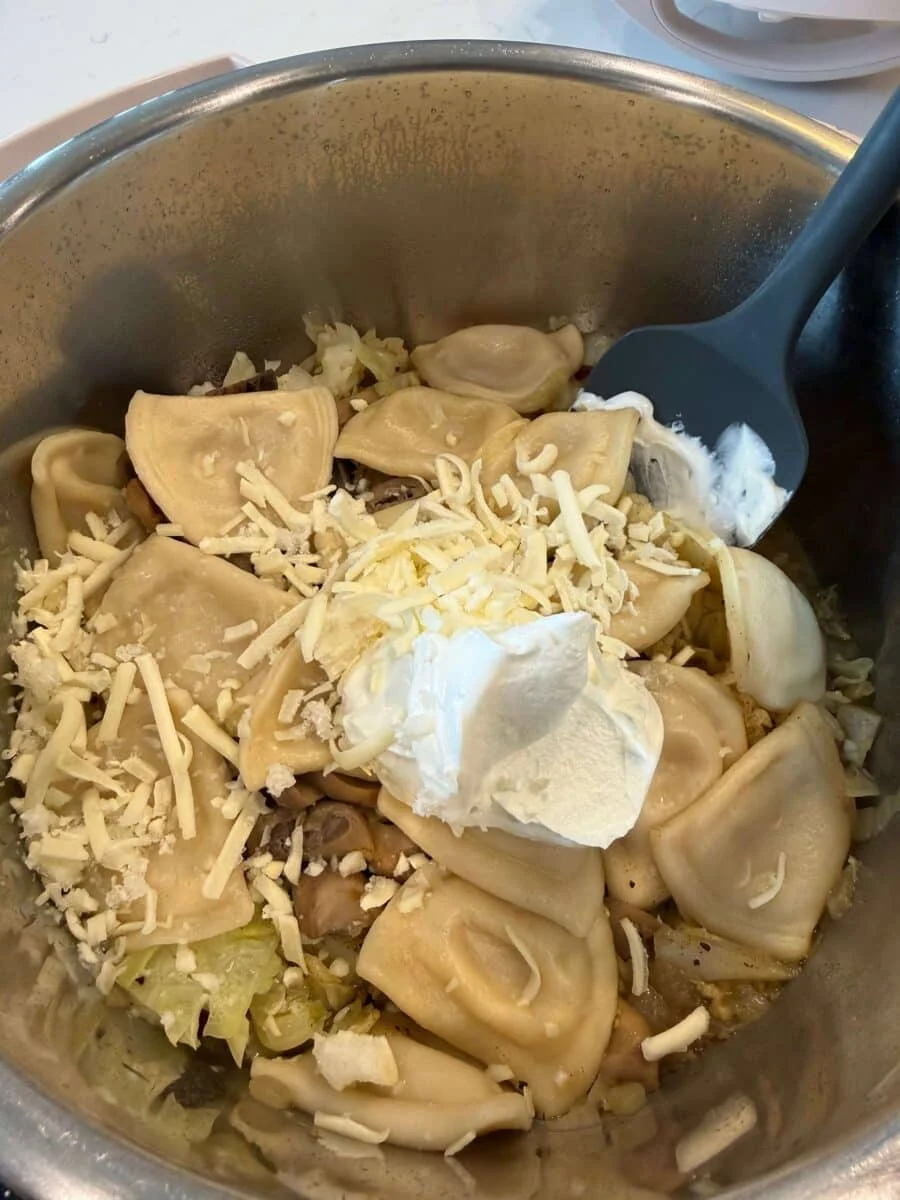
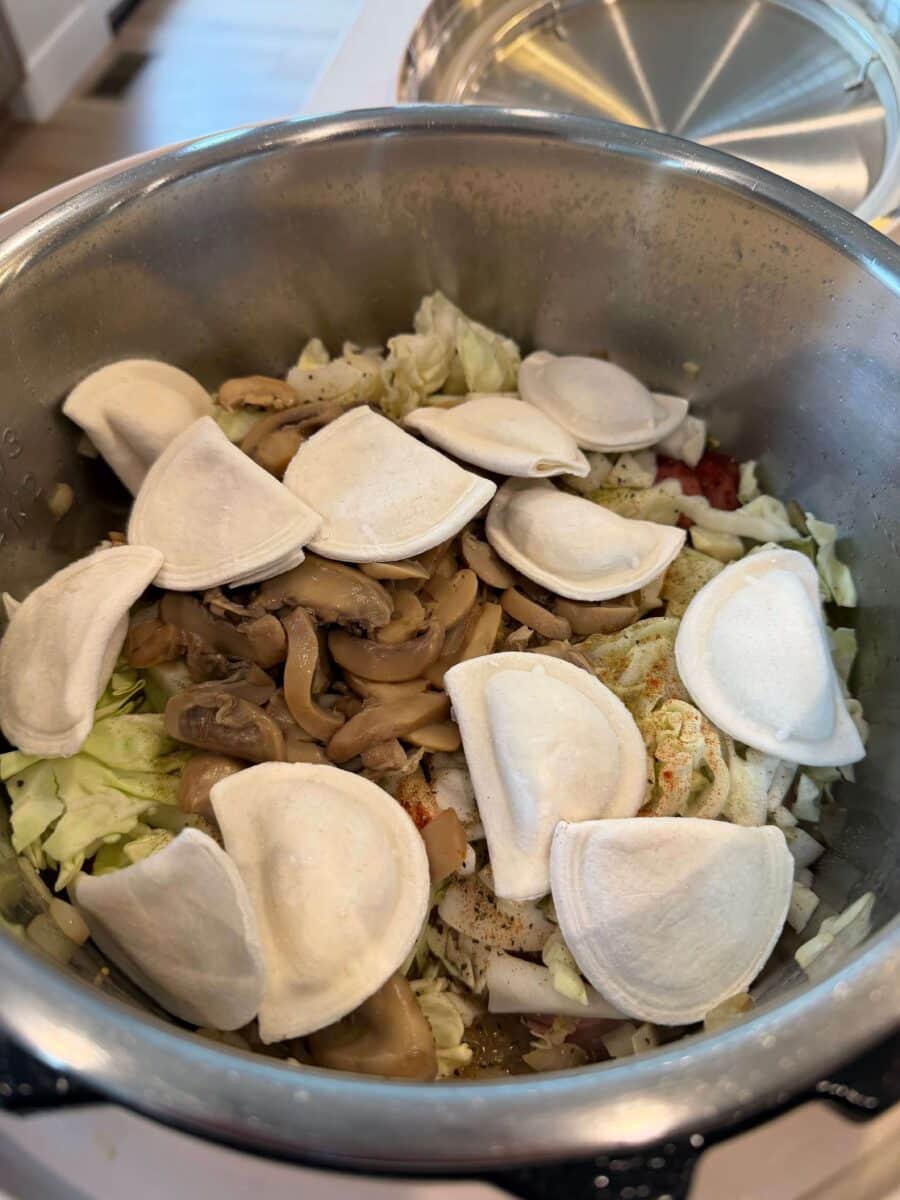
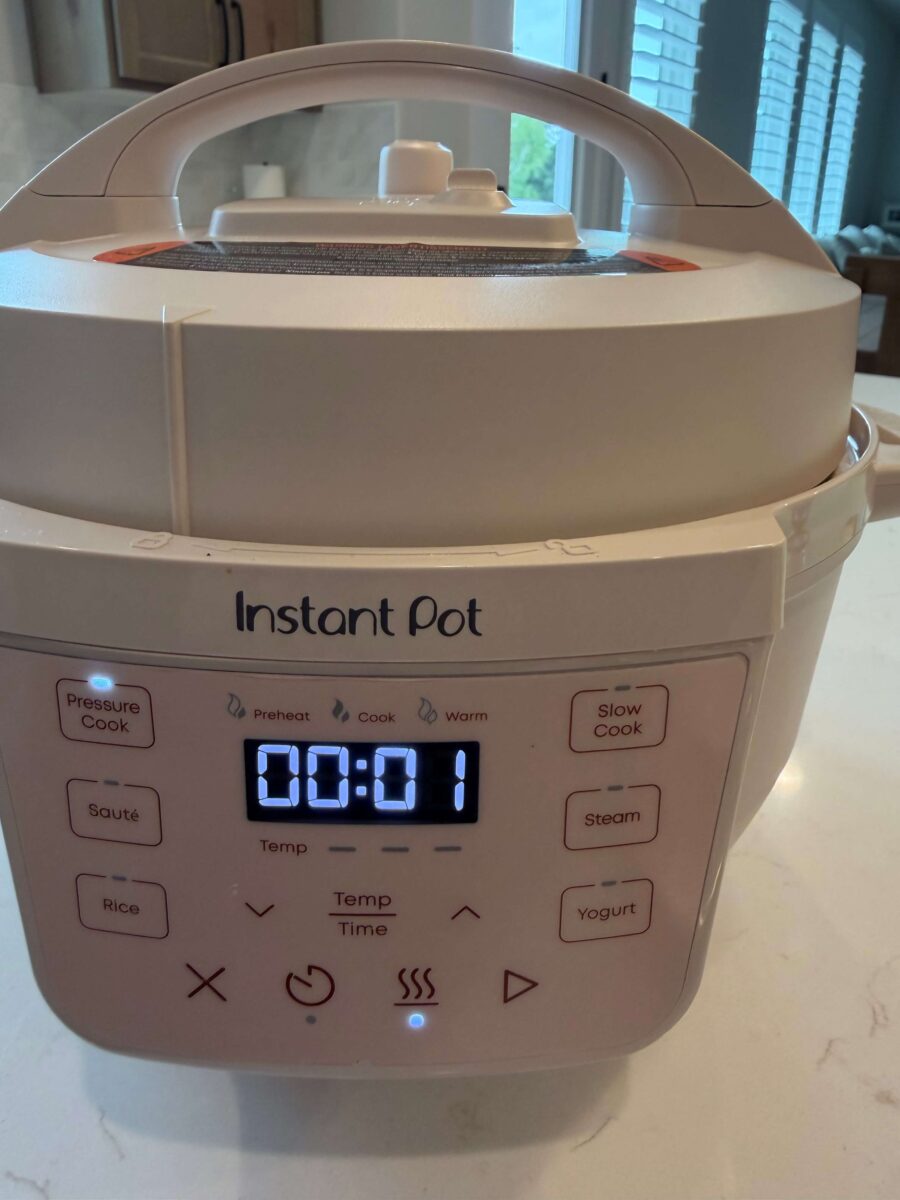
The chronology of the pressure cooking method is precise. Following the initial sear, the pot is deglazed with chicken or vegetable broth to prevent the "burn" warning common in high-viscosity recipes. A calculated layering technique is then employed: mustard is integrated for acidity, followed by a non-stirred layer of shredded cabbage, sliced mushrooms, and a suite of spices including thyme, paprika, salt, and pepper. The frozen pierogies are placed at the apex of this assembly. The device is sealed and subjected to one minute of high-pressure cooking, followed by a five-minute natural pressure release. This brief window of intense heat is sufficient to thaw and steam the pierogies while simultaneously wilting the cabbage to a silken texture.
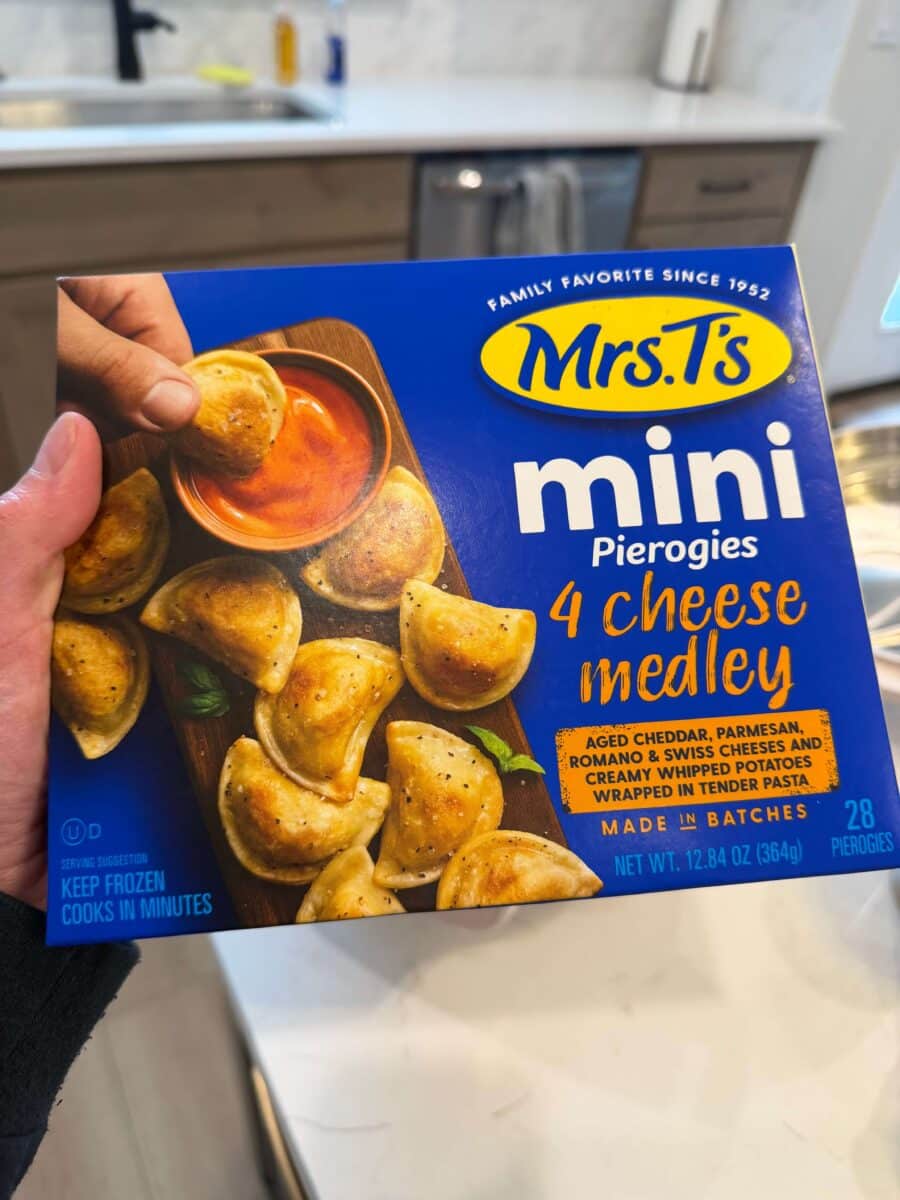
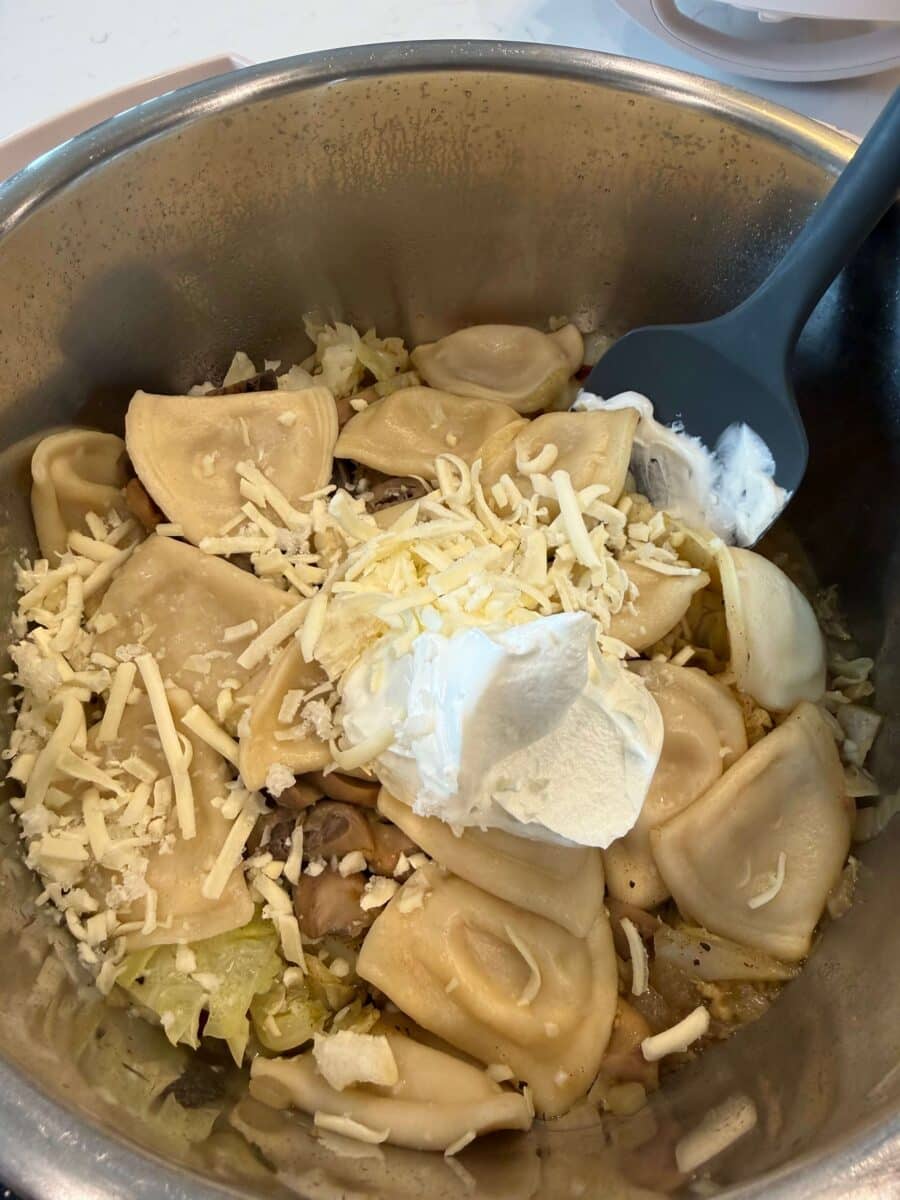
Conversely, the slow cooker methodology favors a prolonged thermal exposure. In this format, the ingredients—with the exception of the dairy components—are combined and cooked on a "low" setting for approximately four to five hours. This extended duration allows for a deeper melding of flavors, as the smoked sausage gradually releases its cured spices into the surrounding vegetables over several hours. In both methods, the final stage involves the folding in of sour cream, parmesan, and mozzarella cheese, creating a cohesive, emulsified sauce that binds the disparate elements.
Ingredient Analysis and Nutritional Context
The selection of ingredients in the Pierogi Cabbage Casserole reflects a pragmatic approach to modern grocery sourcing. Data from the frozen food industry suggests that sales of convenience items like frozen pierogies have seen a steady increase, as consumers look for shortcuts that do not compromise on the "homestyle" feel of their meals.
- Cabbage (Brassica oleracea): As a member of the cruciferous family, cabbage provides significant fiber, vitamin K, and vitamin C. Its ability to withstand long cooking times without disintegrating into a purée makes it an ideal candidate for slow-cooker casseroles.
- Smoked Sausage: Typically seasoned with garlic, salt, and pepper, the sausage acts as a built-in seasoning rack. This reduces the need for a complex array of individual spices, simplifying the recipe for the end-user.
- The Dairy Matrix: The combination of sour cream and cheeses (parmesan and mozzarella) serves to balance the acidity of the mustard and the smokiness of the meat. From a food science perspective, the fats in the dairy help to carry the fat-soluble flavors of the paprika and thyme across the palate.
Historical Evolution and Cultural Fusion
The Pierogi Cabbage Casserole is a definitive example of the "melting pot" of American regional cuisine. The pierogi itself has roots in Poland, Ukraine, and other Central and Eastern European nations, where it has been a staple since at least the 17th century. Historically, these dumplings were associated with peasant food—economical, filling, and made from readily available ingredients like potatoes, flour, and onions.
The transition of the pierogi from a hand-pinched traditional staple to a component in an American casserole highlights the evolution of domestic labor. In the mid-20th century, the rise of the slow cooker (popularized by the Crock-Pot brand) revolutionized the way American families approached dinner, allowing for "set-it-and-forget-it" convenience. The later introduction of the Instant Pot in 2010 added a layer of speed to this convenience. The Pierogi Cabbage Casserole represents a fusion of these timelines: Old World flavors meet mid-century convenience and 21st-century speed.
Market Trends and the Rise of "Dump-and-Go" Recipes
Culinary analysts have noted a surge in "dump-and-go" recipes—dishes where ingredients are simply added to a pot with minimal prep work. This trend is driven by several socioeconomic factors:
- Time Poverty: With an increasing number of multi-income households, the window for meal preparation has narrowed.
- Inflationary Pressures: Cabbage and frozen pierogies are relatively low-cost items, making this casserole an attractive option for budget-conscious consumers facing rising food prices.
- The Digital Recipe Economy: Food bloggers and influencers, such as Karen Petersen of 365 Days of Crockpot, have created a vast digital repository of these recipes, providing a constant stream of inspiration for home cooks who may lack formal training but possess the necessary appliances.
Comparative Analysis of Regional Variations
The Pierogi Cabbage Casserole does not exist in a vacuum; it is part of a broader family of cabbage-based "supper" recipes that utilize similar mechanical processes. For instance, the "Ukrainian Casserole" variant often incorporates a yogurt and tomato-based sauce, while the "Runza Casserole" adapts the flavors of the German-Russian meat pastry into a deconstructed format using ground beef and crescent rolls.
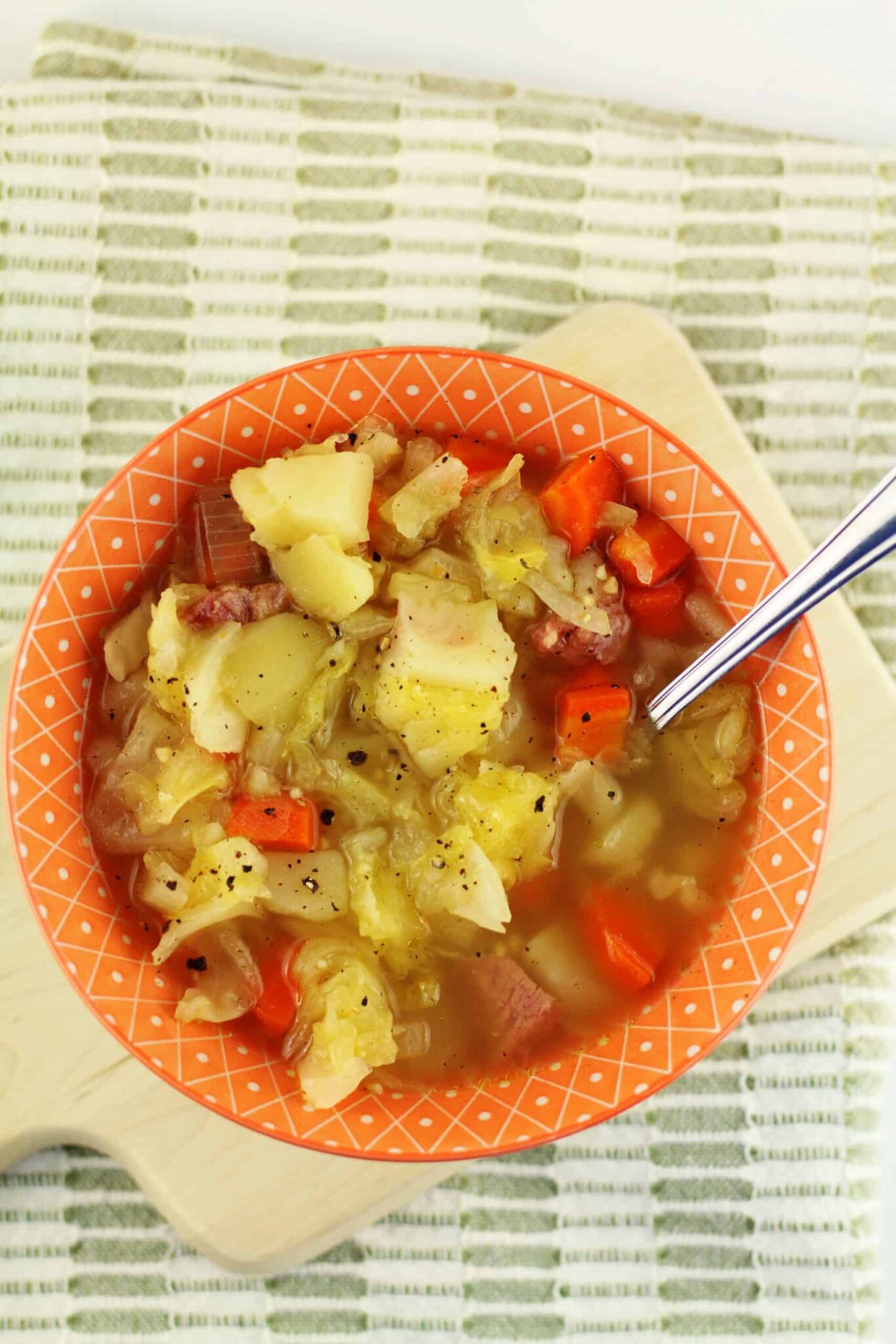
The "Stone Soup" variation, popularized in part by cultural figures like Dolly Parton, emphasizes a vegetable-forward approach with a ham hock base. Each of these dishes shares a common DNA: they utilize the durability of cabbage as a structural base and rely on a single pot to minimize cleanup and maximize flavor extraction.
Implications for Modern Domesticity and Future Outlook
The continued popularity of dishes like the Pierogi Cabbage Casserole suggests a permanent shift in the domestic culinary arts. The "professionalization" of the home kitchen through the use of multi-cookers has democratized complex braising and pressure-cooking techniques that were once the province of commercial kitchens or dedicated traditionalists.
Experts in the field of domestic science suggest that this trend toward deconstructed, one-pot meals will likely continue as manufacturers develop even more "intelligent" appliances capable of sensing moisture levels and adjusting cook times automatically. However, the core appeal of the Pierogi Cabbage Casserole remains its emotional resonance. It provides what psychologists refer to as "sensory comfort"—the combination of warmth, soft textures, and familiar savory flavors that serve as a psychological buffer against the stresses of modern life.
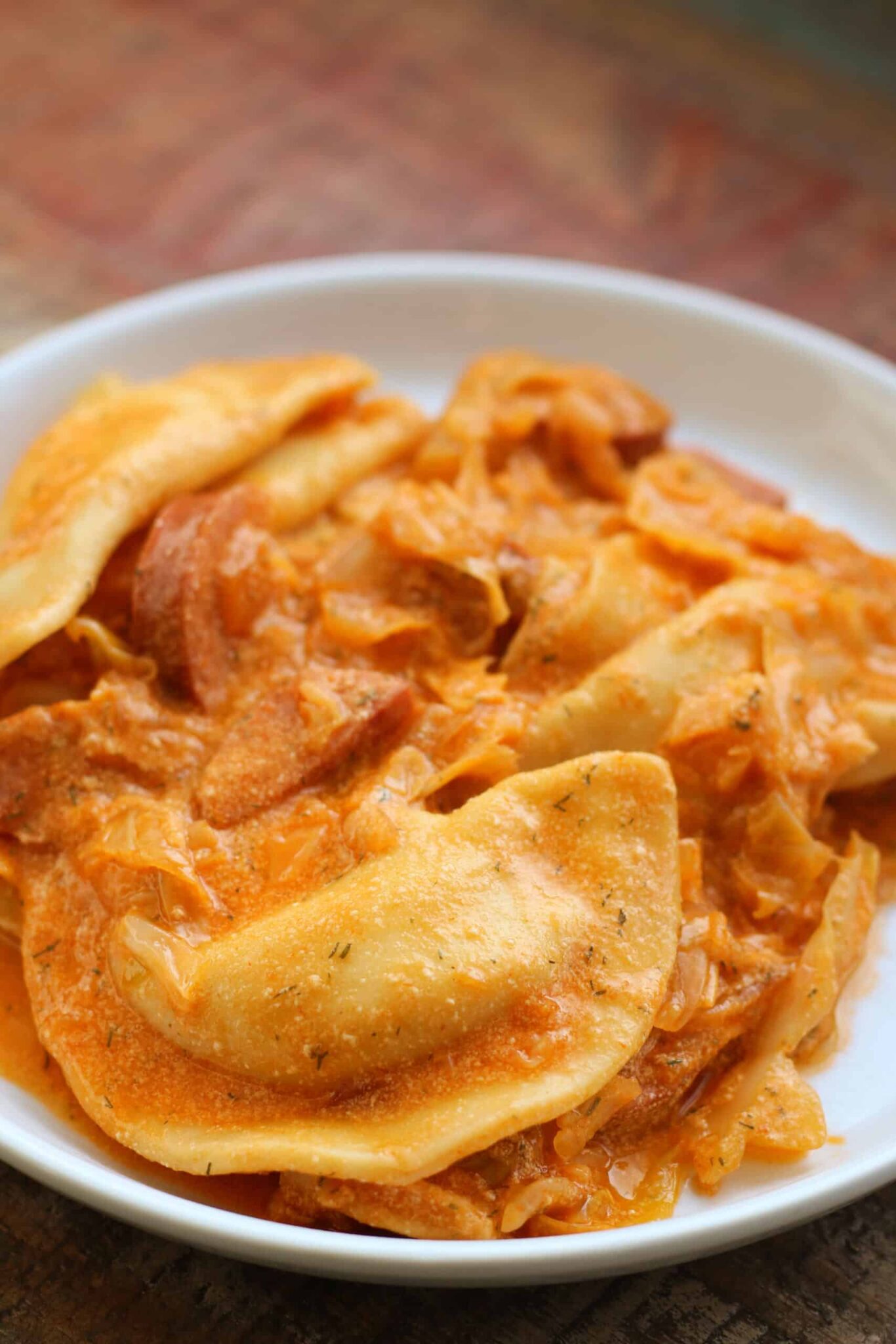
In conclusion, the Pierogi Cabbage Casserole is more than a simple recipe; it is a synthesis of historical tradition, technological advancement, and economic pragmatism. By transforming frozen staples and humble vegetables into a cohesive, nutrient-dense meal, it reflects the adaptive nature of human culinary habits in an ever-changing world. As the multi-cooker market continues to expand, and as the demand for efficient, "cozy" food remains high, the Pierogi Cabbage Casserole is poised to remain a staple of the contemporary kitchen.
