
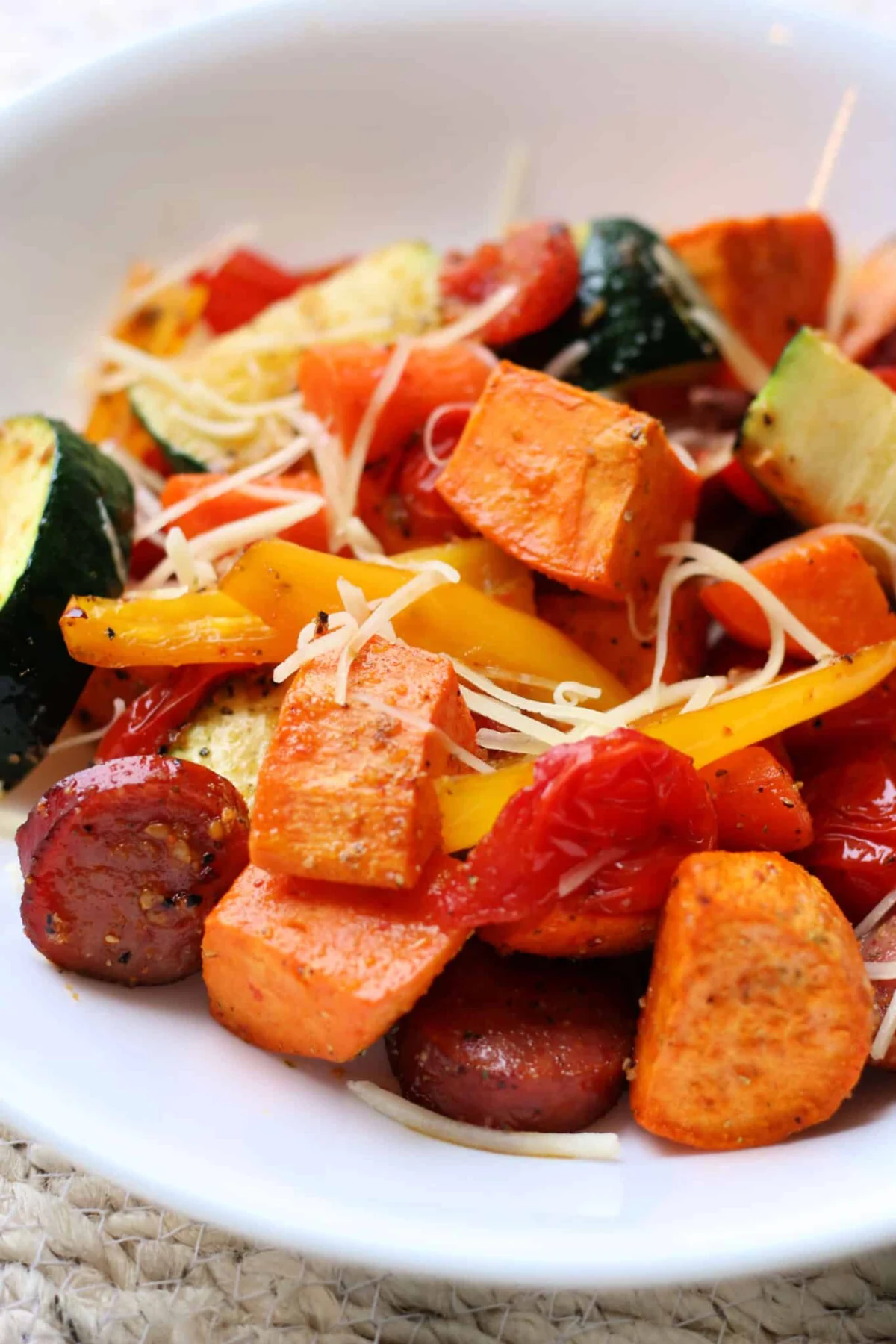
The culinary landscape for university students and young professionals is undergoing a significant shift toward efficiency, nutrition, and cost-effectiveness. Central to this movement is the "sheet pan meal," a cooking technique that has gained immense popularity for its ability to deliver high-quality nutrition with minimal equipment and cleanup. Among the most prominent examples of this trend is the Freshman Rainbow Casserole, a dish designed to maximize nutrient density through a variety of colorful vegetables and high-protein sausage, all prepared on a single tray. Originally inspired by the "Eat Like a Freshman" series from the University of Wisconsin Alumni Association, this recipe has become a staple for those navigating the transition from communal dining halls to independent meal preparation.
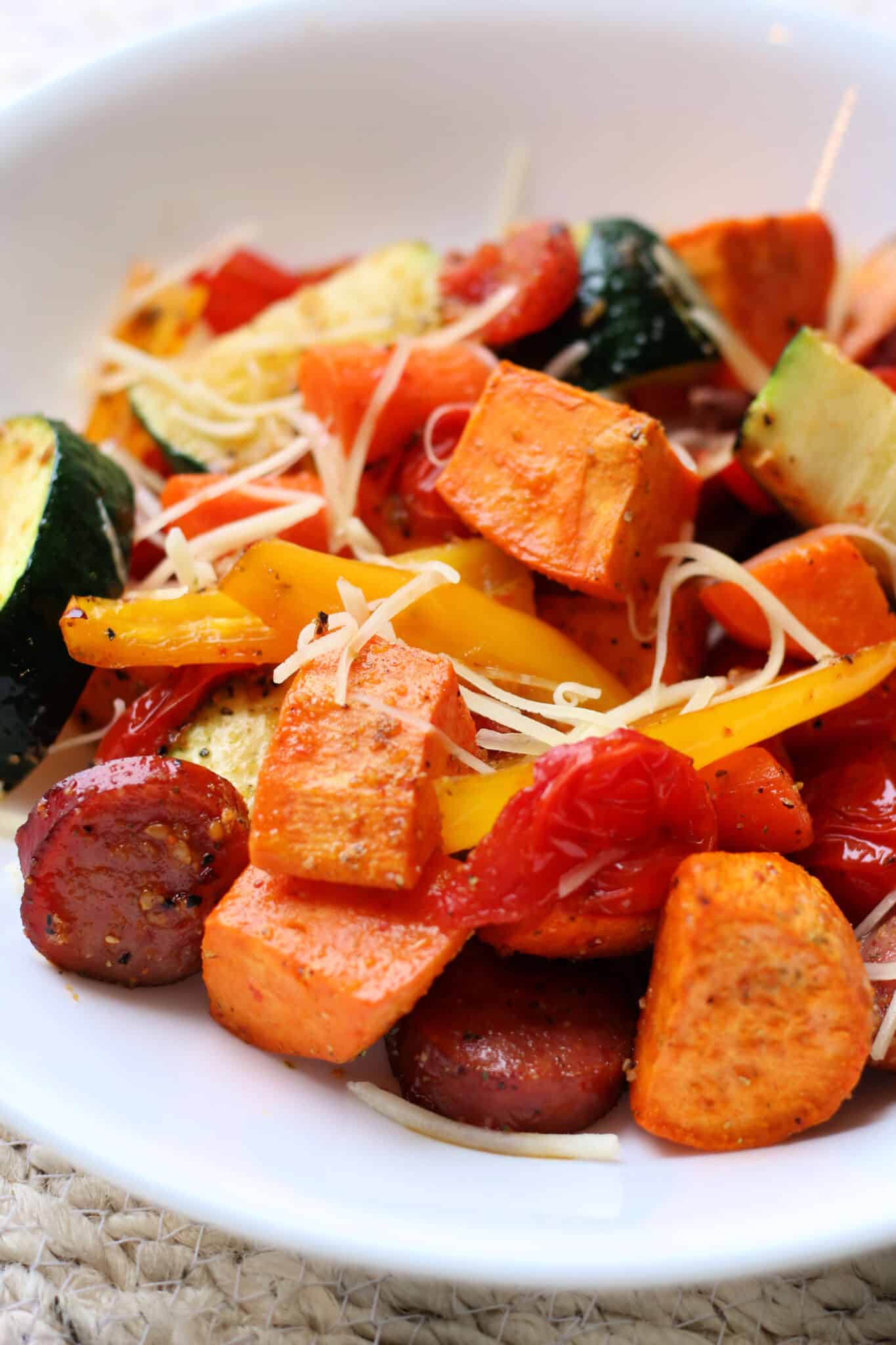
The Rise of the Sheet Pan Methodology
The sheet pan meal represents a departure from traditional multi-pot cooking, which often presents a barrier to entry for novice cooks. In a journalistic analysis of modern kitchen habits, the rise of the sheet pan can be attributed to the "one-pot" philosophy tailored for the oven. By roasting all ingredients together at a consistent temperature—typically 400°F (204°C)—the cook utilizes the dry heat of the oven to caramelize natural sugars in vegetables and render fats in proteins, resulting in deeper flavor profiles than boiling or steaming.
For the freshman demographic, the Freshman Rainbow Casserole addresses several logistical challenges. Limited kitchen space in dormitory suites or shared apartments often makes elaborate meal preparation difficult. The requirement of only a single sheet pan, a knife, and a cutting board reduces the physical footprint of the cooking process. Furthermore, the "rainbow" aspect of the dish is not merely aesthetic; it serves as a visual guide for balanced nutrition, ensuring that the consumer receives a broad spectrum of vitamins and minerals essential for cognitive function and physical stamina during the academic year.
Detailed Ingredient Profile and Nutritional Analysis
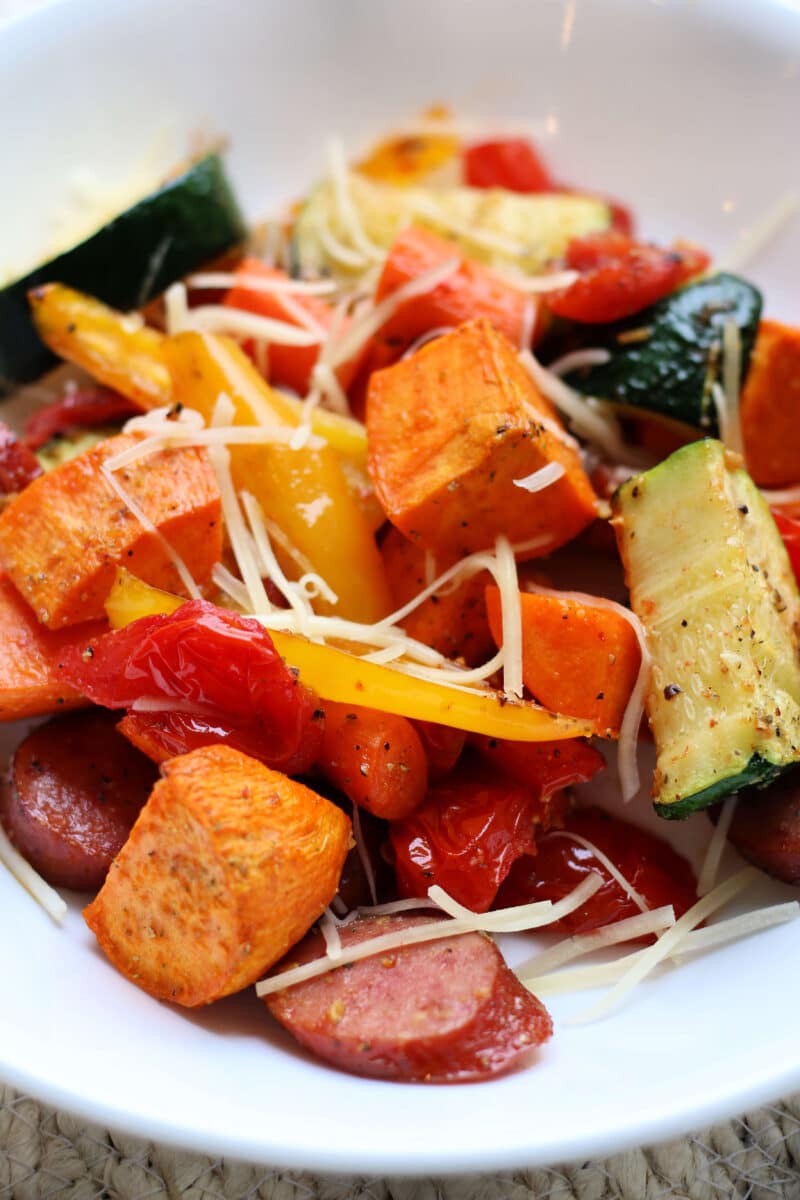
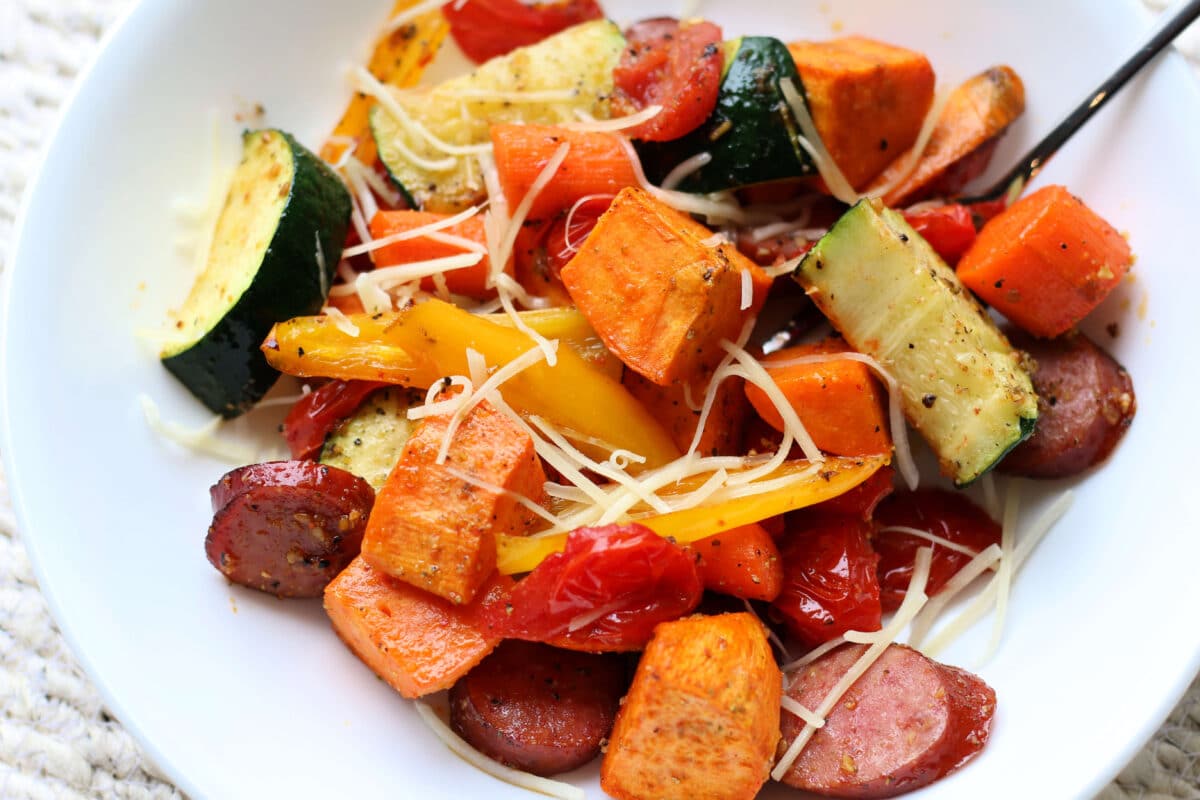
The Freshman Rainbow Casserole is defined by its vibrant color palette, which includes orange, yellow, red, and green components. Each element provides specific health benefits that contribute to the overall efficacy of the meal.
- Sweet Potatoes (Orange): As a complex carbohydrate, sweet potatoes provide a steady release of glucose into the bloodstream. They are exceptionally high in beta-carotene, which the body converts into Vitamin A, supporting immune function and ocular health—critical for students spending long hours looking at screens.
- Yellow Peppers (Yellow): Bell peppers are a primary source of Vitamin C. Roasting them softens their cellular structure, making the nutrients more bioavailable while adding a subtle sweetness to the dish.
- Zucchini (Green): This summer squash is low in calories but high in water content and fiber. It acts as a volume filler, providing satiety without excessive caloric density.
- Cherry Tomatoes (Red): When subjected to high heat, cherry tomatoes undergo a "bursting" process. This releases their juices, which mix with the olive oil and seasonings to create a natural sauce that coats the other ingredients. Tomatoes are also rich in lycopene, an antioxidant that becomes more potent when cooked.
- Smoked Sausage (Protein): The inclusion of smoky sausage provides the necessary protein and fat to make the meal satisfying. From a logistical standpoint, smoked sausage is often pre-cooked and has a longer shelf life than raw poultry or beef, making it a safer and more convenient option for students who may not grocery shop daily.
Chronology of Preparation and Cooking
The efficiency of the Freshman Rainbow Casserole is reflected in its streamlined preparation timeline. According to culinary experts, the process can be broken down into three distinct phases:
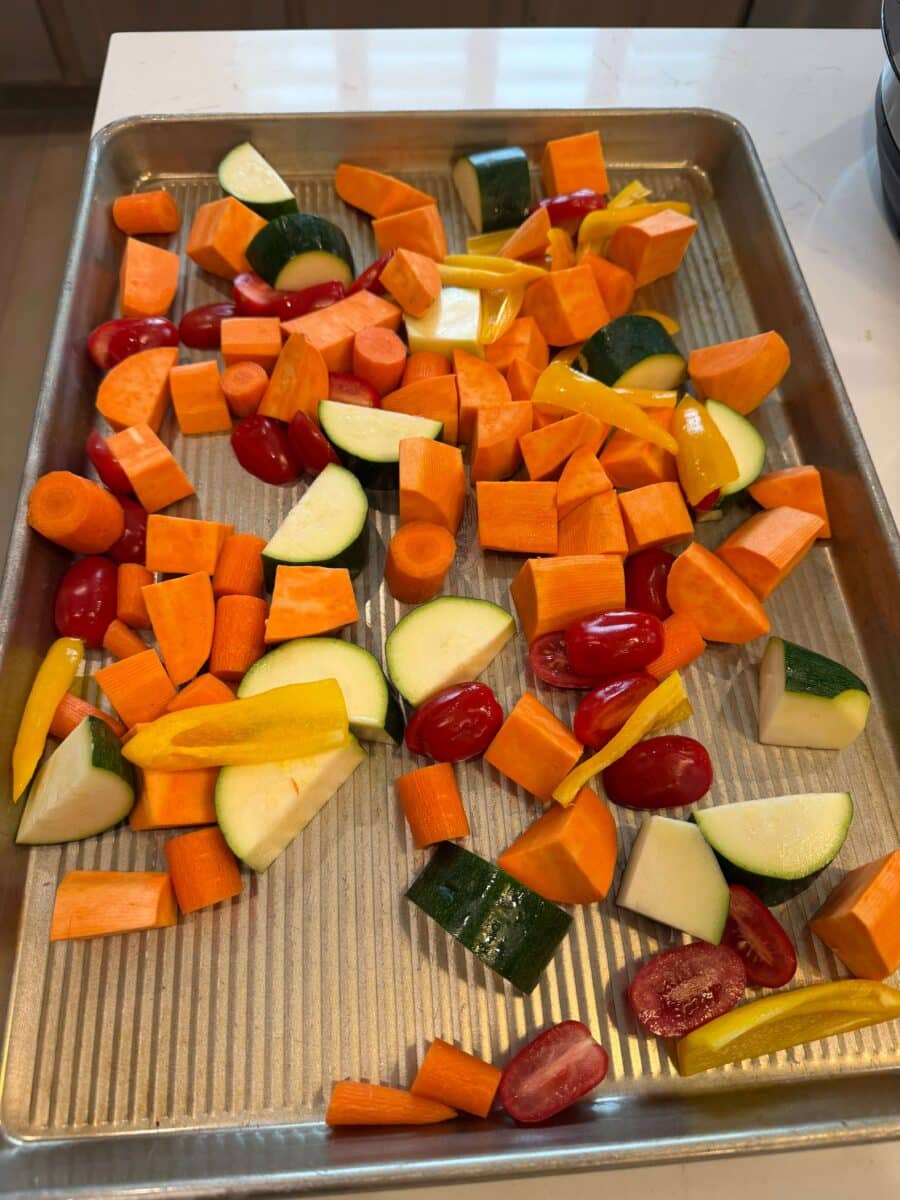
Phase I: Preparation (10–15 Minutes)
The cook begins by preheating the oven to 400°F. The vegetables are washed and chopped into bite-sized pieces. A key factor in the success of a sheet pan meal is uniformity; cutting the sweet potatoes into smaller cubes than the zucchini ensures that the denser root vegetable finishes cooking at the same time as the softer squash. The sausage is sliced into rounds, increasing the surface area for browning.
Phase II: Seasoning and Assembly (5 Minutes)
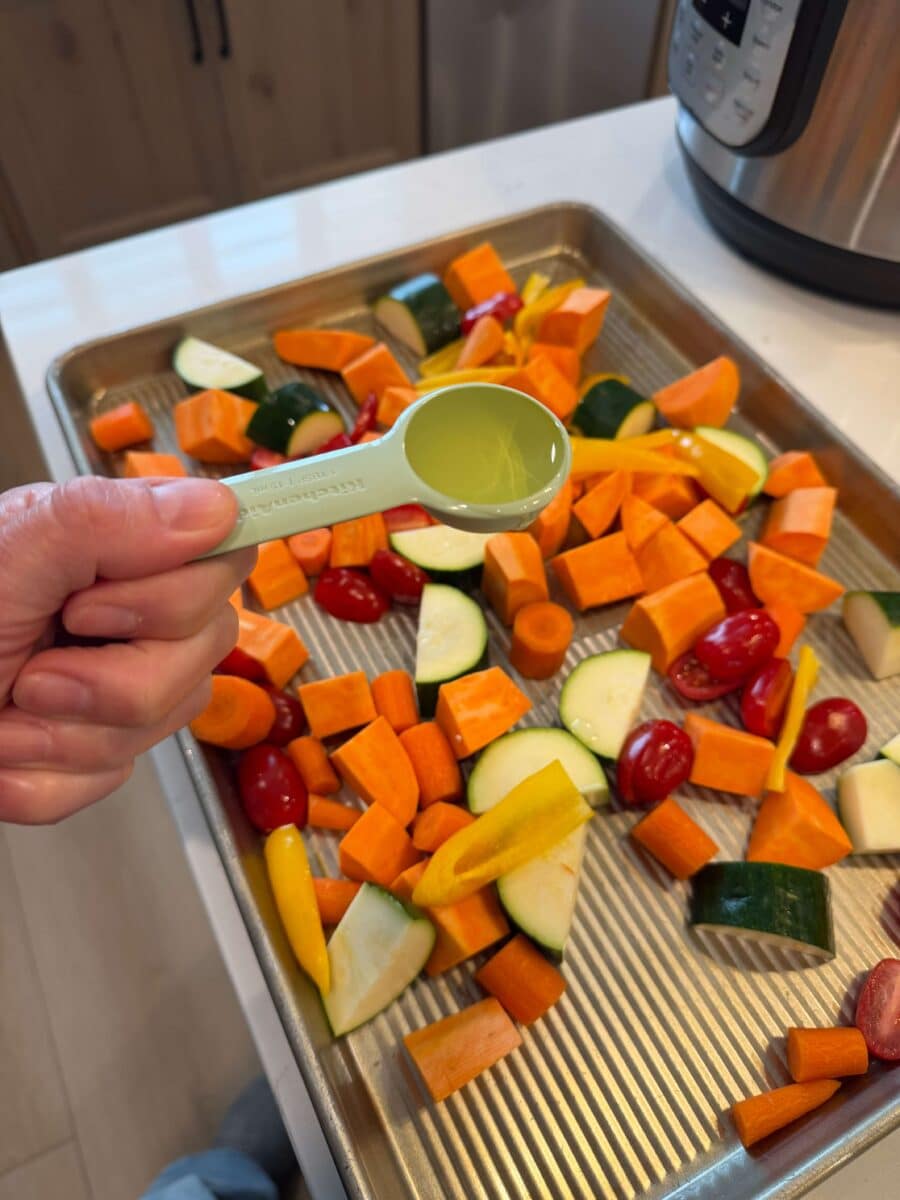
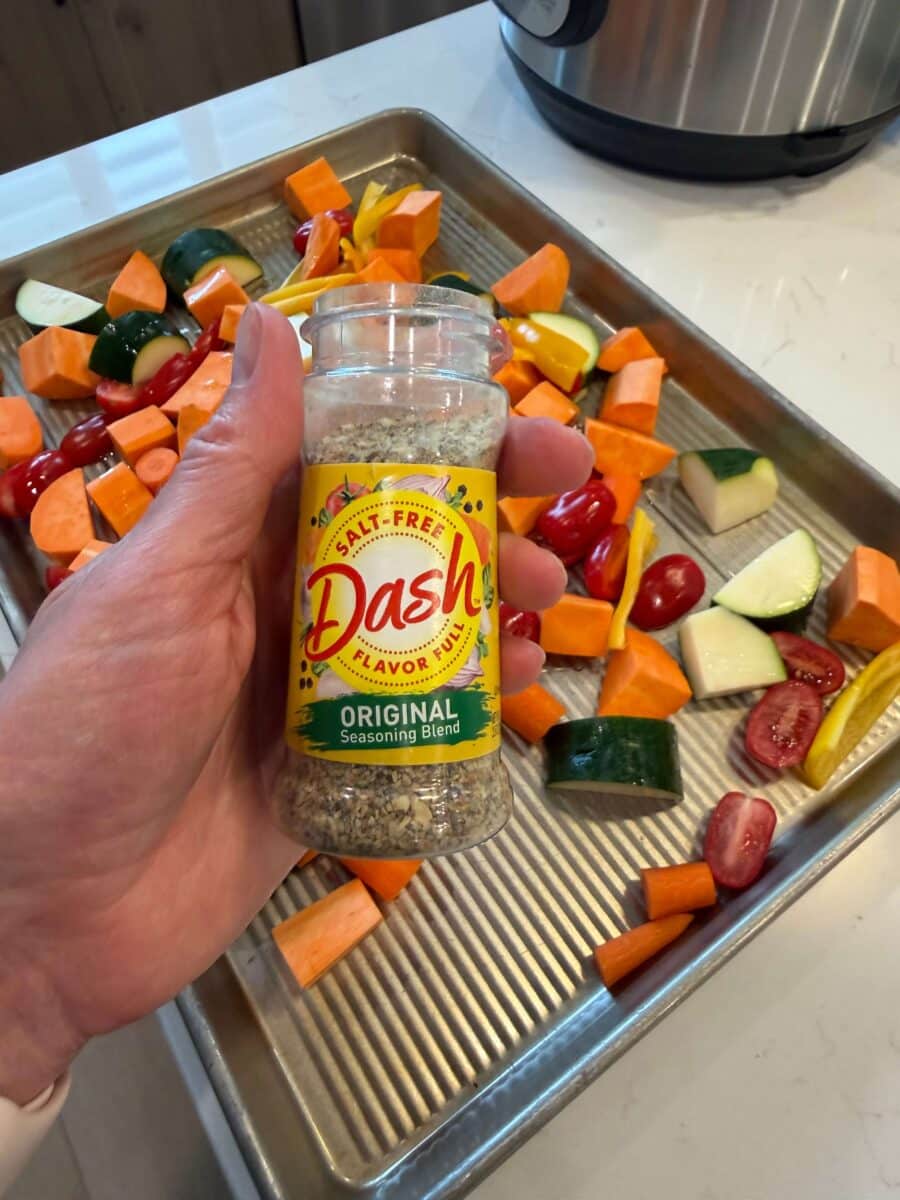
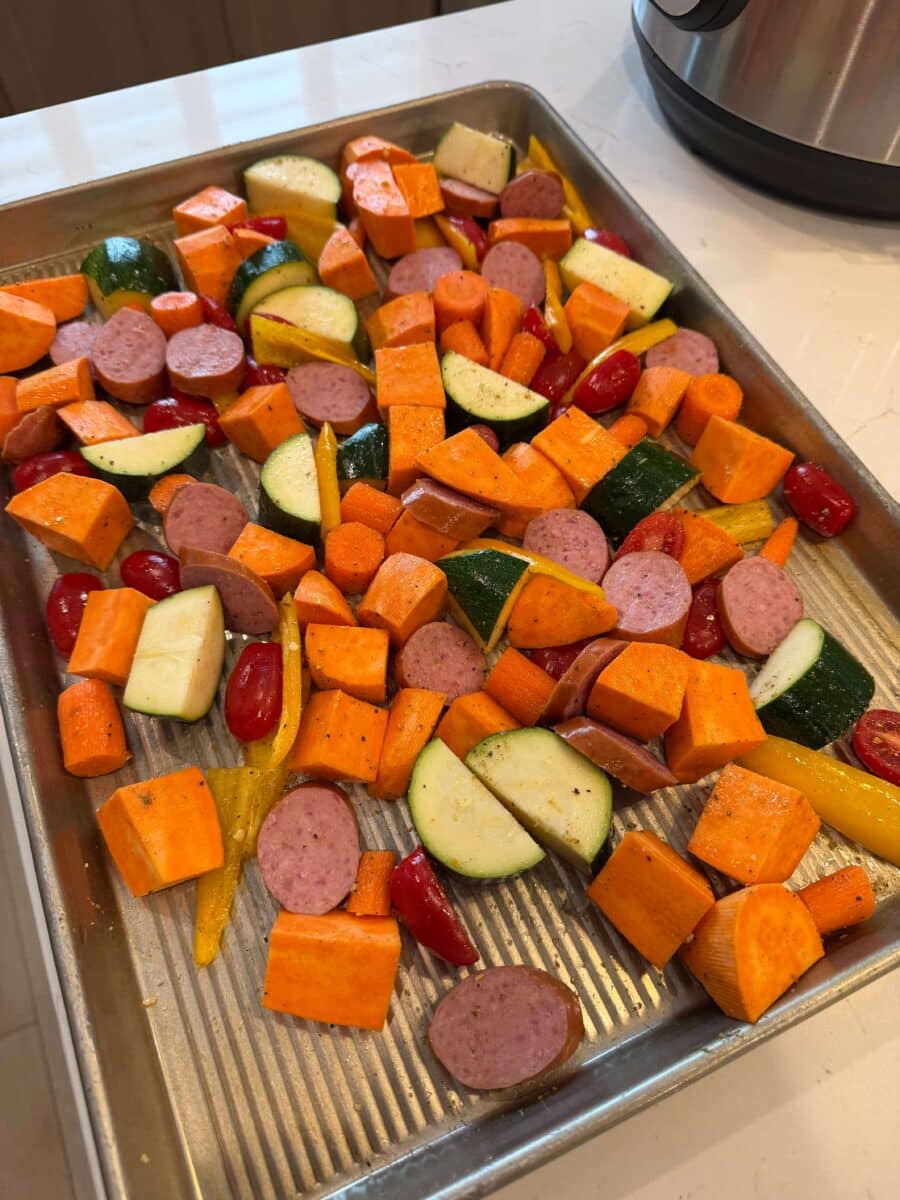
The chopped ingredients are spread across the sheet pan. They are drizzled with olive oil and seasoned with kosher salt and a multi-purpose seasoning blend, such as Dash. This stage is crucial for ensuring that the oil conducts heat evenly to all surfaces of the food, preventing sticking and promoting the Maillard reaction—the chemical reaction between amino acids and reducing sugars that gives browned food its distinctive flavor.
Phase III: Roasting (30 Minutes)
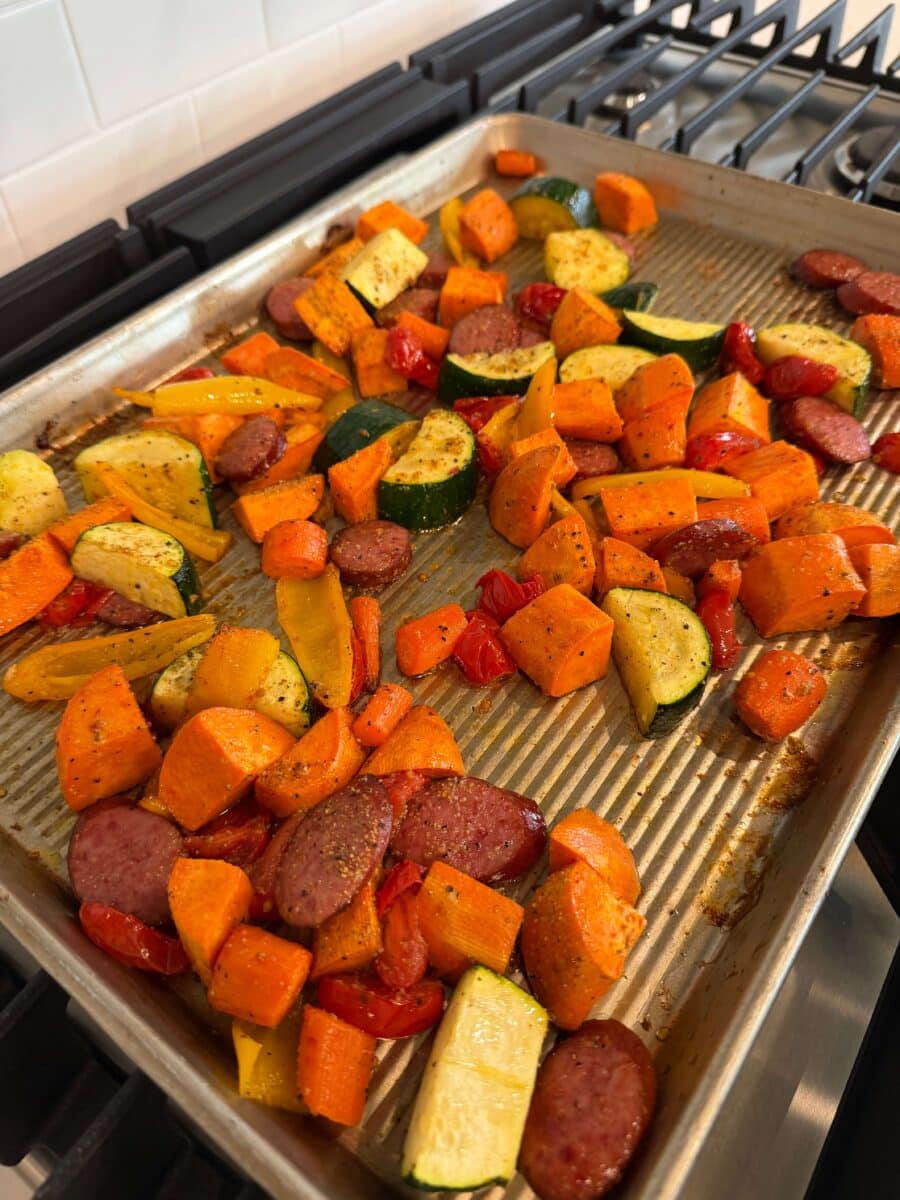
The pan is placed in the center rack of the oven. At the 15-minute mark, the ingredients are tossed or flipped. This prevents the underside of the vegetables from burning while ensuring even browning on all sides. The final five minutes are often when the tomatoes burst and the sausage edges become crisp.
Economic Impact and Waste Reduction
In an era of rising food inflation, the Freshman Rainbow Casserole offers a strategic solution for budget-conscious individuals. One of the primary causes of food waste in single-person households is the necessity of buying produce in bulk. However, this recipe encourages the "single-unit" purchase strategy.
Data from the USDA suggests that the average American household wastes approximately 30-40% of its food supply. By purchasing exactly one pepper, one zucchini, and one sweet potato, a student can create a high-volume meal that yields multiple servings without leaving unused produce to perish in the refrigerator. This "buy what you need" approach aligns with modern sustainability goals and reduces the financial burden on students who may be relying on limited stipends or part-time wages.
Furthermore, the recipe is highly adaptable. If eggplant is on sale, it can be added to provide a "purple" layer to the rainbow. If broccoli is more affordable than zucchini, it serves as an excellent green substitute. This flexibility ensures that the meal remains accessible regardless of seasonal price fluctuations or local availability.
Institutional Context and Wellness Initiatives
The origin of the "Freshman Rainbow Casserole" within the University of Wisconsin’s alumni network highlights a broader institutional concern for student wellness. Many universities have recognized that the "Freshman 15"—the colloquial term for weight gain during the first year of college—is often a result of poor nutritional literacy and the convenience of ultra-processed foods.
By promoting simple, whole-food recipes like the sheet pan casserole, institutions are providing students with the tools to manage their own health. Nutritionists argue that the act of cooking even one meal a day can significantly improve a student’s relationship with food, leading to better academic performance and mental health outcomes. The "Rainbow" concept simplifies complex nutritional science into a manageable visual goal: if your plate is colorful, it is likely healthy.
Broader Implications for the Culinary Industry
The popularity of the Freshman Rainbow Casserole is indicative of a larger shift in the cookbook and food media industry. There is a growing demand for "dump and bake" or "one-pan" recipes that do not sacrifice flavor for convenience. Leading food publications have seen a surge in traffic for sheet pan content, suggesting that the "freshman" lifestyle—characterized by a lack of time and a need for simplicity—is becoming the norm for a much wider demographic, including working parents and retirees.
From a culinary perspective, the dish also serves as an entry point into the world of roasting. Once a novice cook masters the timing and temperature of the Rainbow Casserole, they are more likely to experiment with other roasted proteins, such as salmon or chicken thighs, using the same fundamental techniques.
Conclusion: The Future of Accessible Nutrition
The Freshman Rainbow Casserole is more than just a recipe; it is a blueprint for modern, accessible nutrition. By combining the ease of a sheet pan with the nutritional diversity of the "rainbow" diet, it addresses the most common barriers to healthy eating: time, money, and skill.
As the trend toward home cooking continues to evolve, the focus will likely remain on dishes that offer high rewards for low effort. The ability to transform a handful of basic vegetables and a package of sausage into a week’s worth of healthy lunches is a powerful skill for any individual, whether they are stepping into a university kitchen for the first time or simply looking to simplify their daily routine. In the final analysis, the Freshman Rainbow Casserole stands as a testament to the idea that healthy eating does not have to be complicated, expensive, or time-consuming; it just requires a single pan and a bit of color.
