
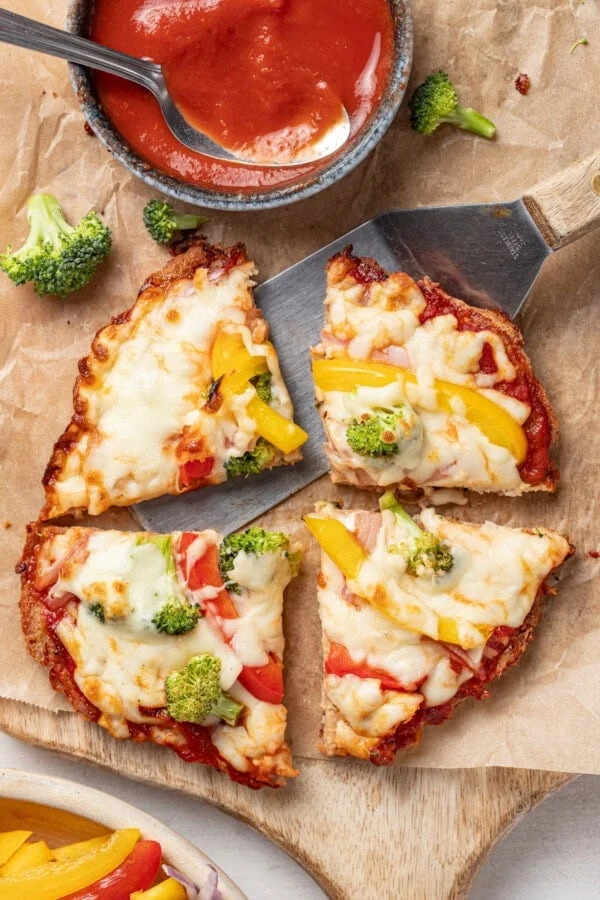
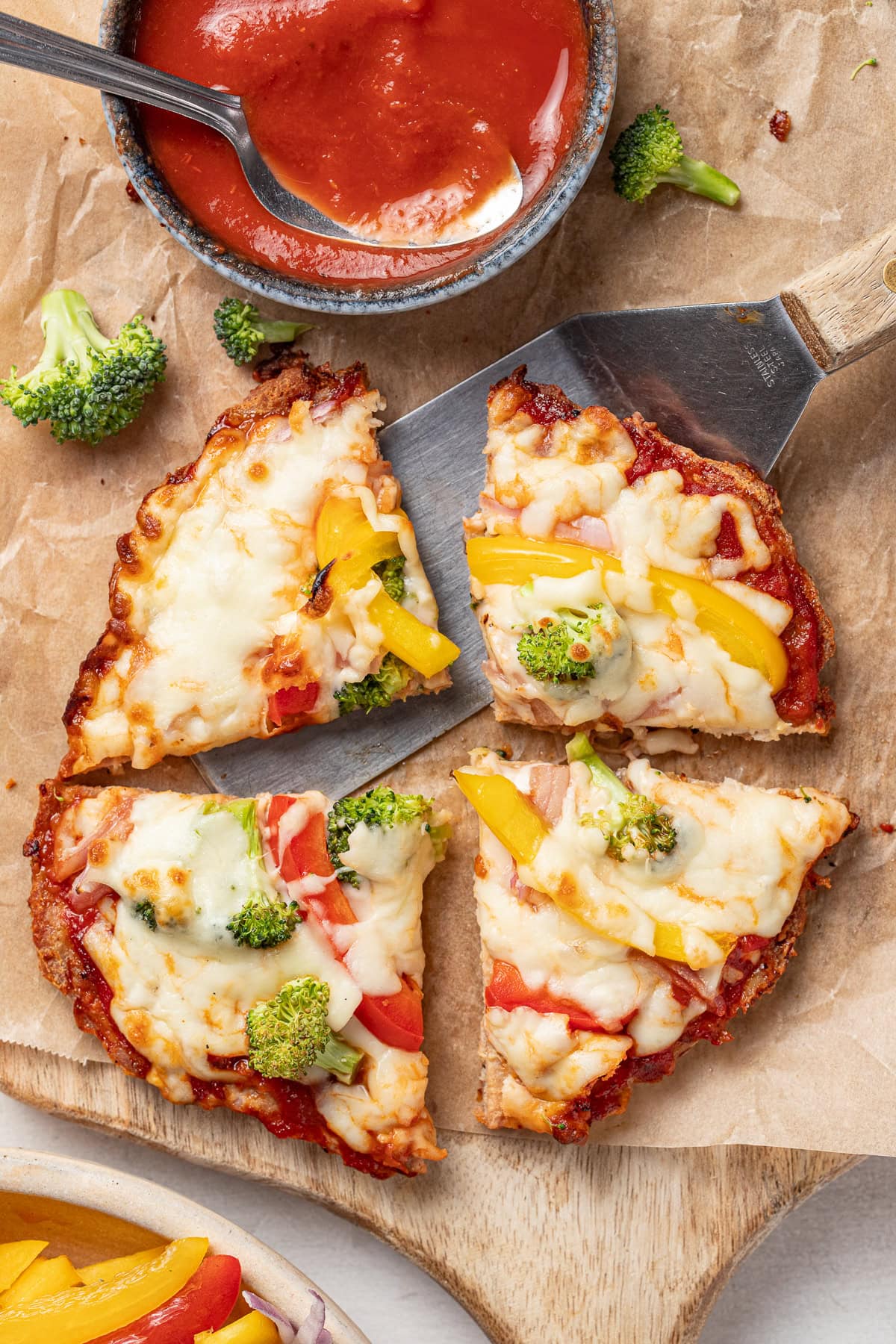
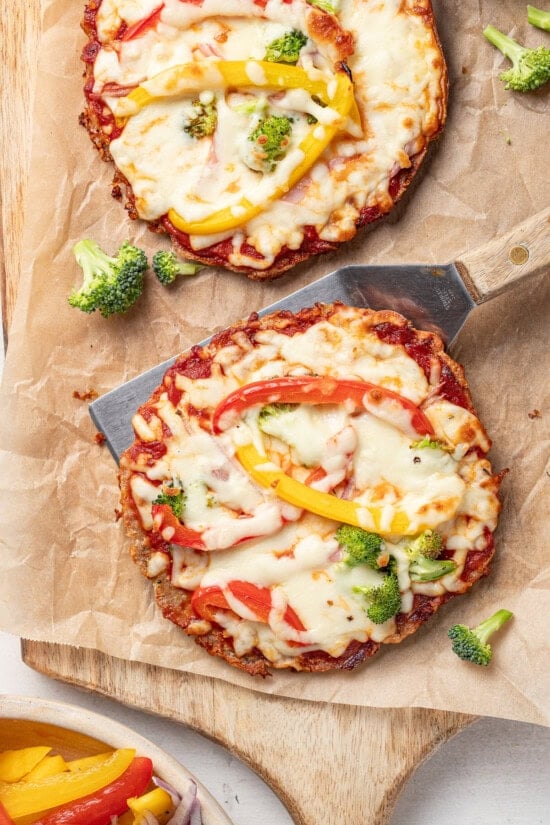
A novel culinary trend has captured the attention of health enthusiasts and food innovators alike: the chicken crust pizza. This unique take on a global comfort food staple utilizes seasoned ground chicken and Parmesan cheese as its foundation, completely eliminating traditional flour-based dough. The resulting product is a high-protein, naturally gluten-free alternative that has rapidly gained traction across social media platforms and within the broader healthy eating community. Topped with classic pizza elements such as sauce, cheese, and a variety of fresh vegetables, this dish offers a guilt-free indulgence that aligns with modern dietary preferences.
Deconstructing the Innovation: Ingredients and Nutritional Profile
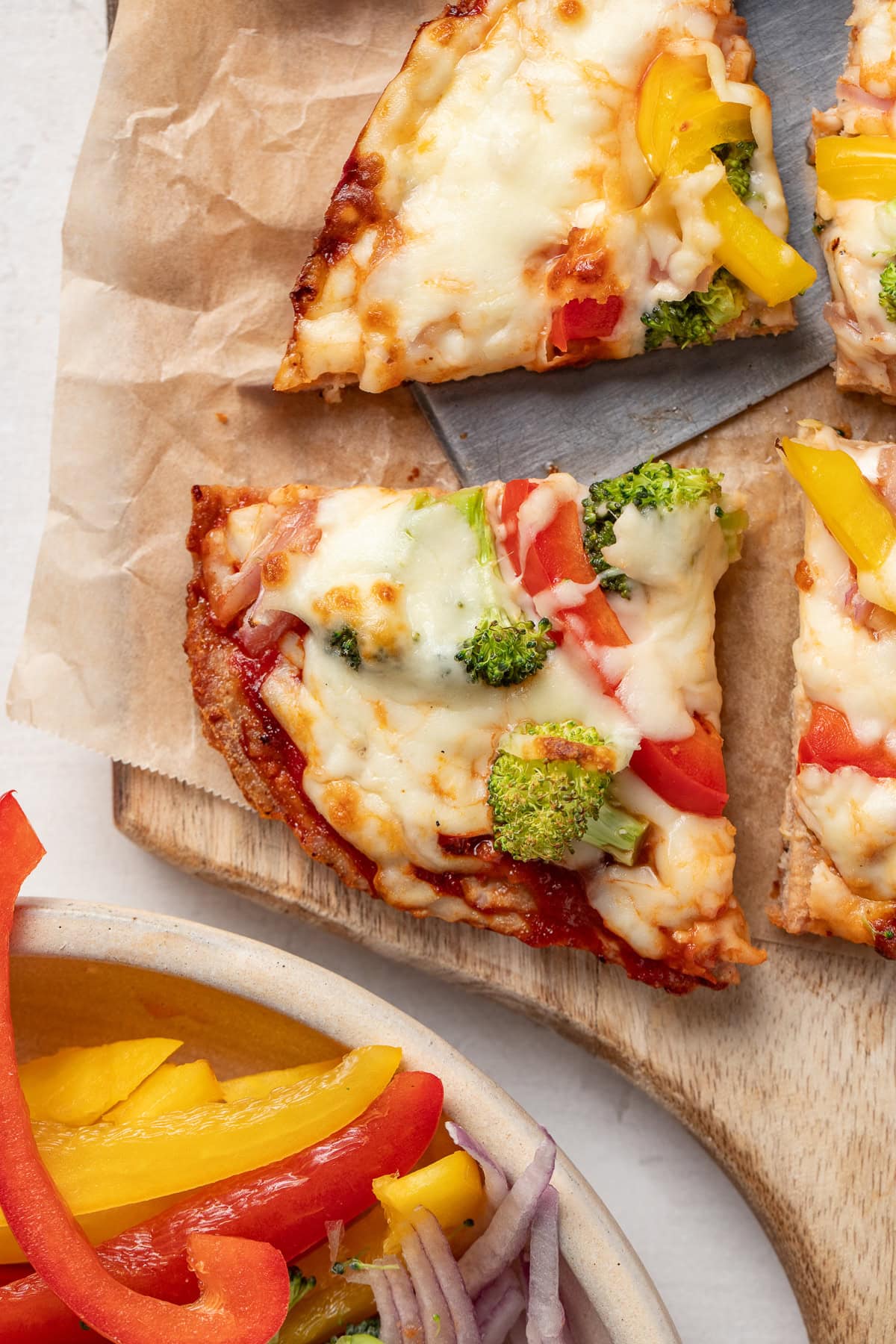
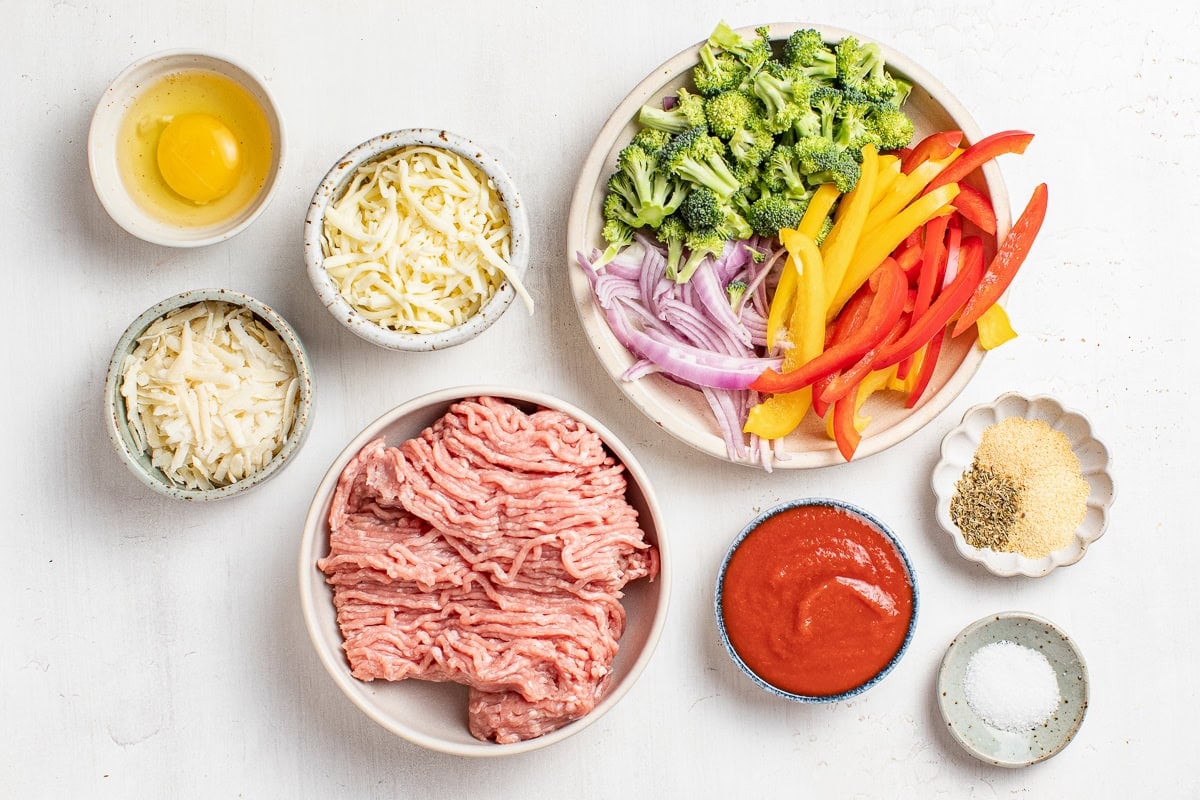
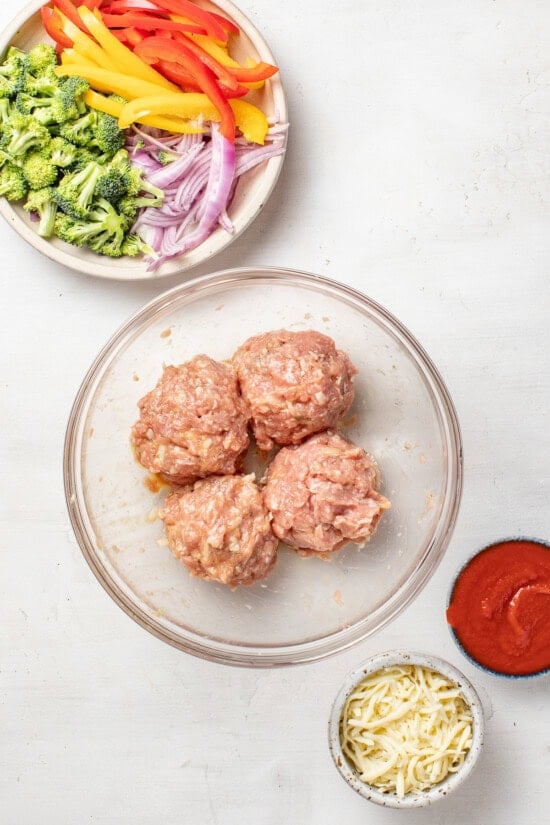
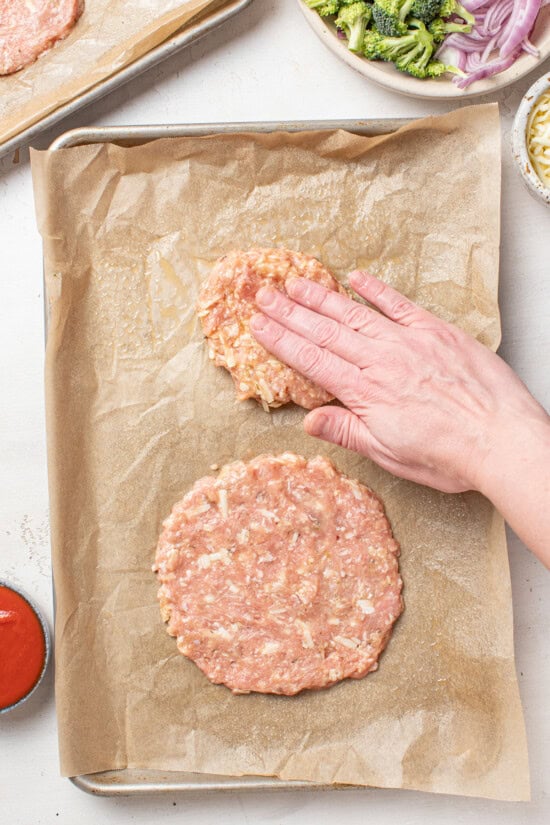
At its core, the chicken crust pizza represents a significant departure from conventional pizza construction. The primary components of the crust are typically lean ground chicken, often enhanced with grated Parmesan cheese, eggs for binding, and a blend of seasonings such as garlic powder, onion powder, and Italian herbs. This combination is pressed into a thin, disc-like shape and baked until firm and golden brown, forming a sturdy base capable of supporting a generous array of toppings.
The nutritional advantages of this alternative crust are compelling. A single serving, typically one pizza in a four-serving recipe, boasts an impressive nutritional profile: approximately 287 calories, 34 grams of protein, 7 grams of carbohydrates, and 14.5 grams of fat (with 6 grams saturated fat). This stands in stark contrast to many traditional flour-based pizzas, which often carry a higher carbohydrate load and, depending on toppings, can be less protein-dense. The substantial protein content contributes significantly to satiety, helping individuals feel fuller for longer, a key factor in weight management and muscle maintenance. Furthermore, the absence of wheat flour makes it an inherently gluten-free option, catering to the growing demographic with celiac disease or gluten sensitivities. The use of high-quality, lean ground chicken, such as "Better Ground Chicken" with lower fat content, is often recommended to ensure the crust remains firm and less prone to releasing excess moisture during the baking process.
The Culinary Craft: Preparation and Customization

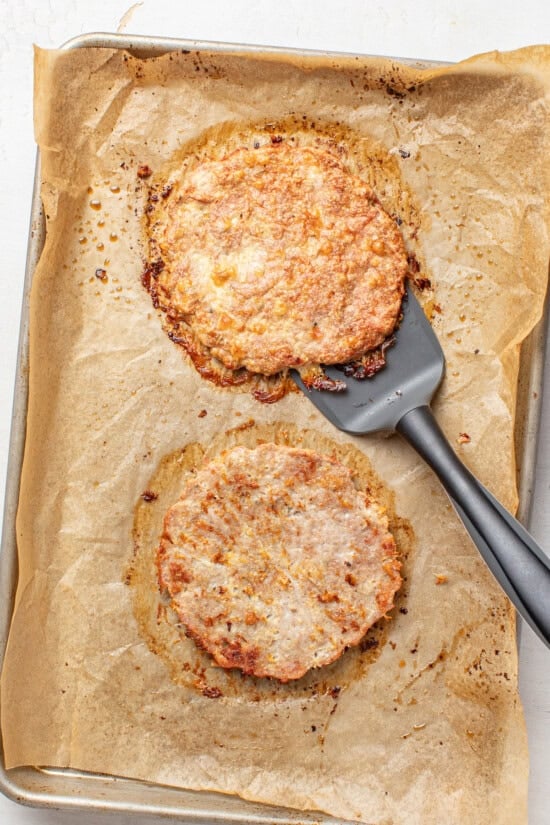
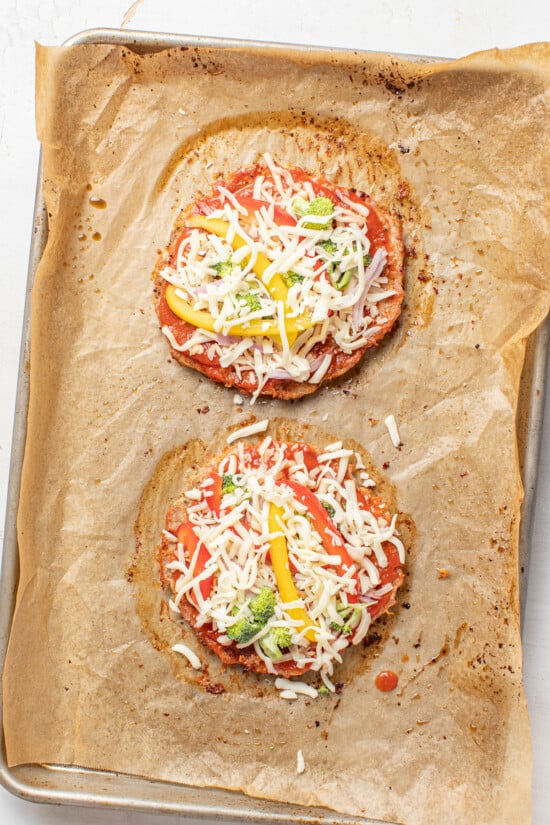
The preparation of a chicken crust pizza involves a two-stage baking process, critical for achieving the desired texture and structural integrity. Initially, the seasoned chicken mixture is pressed thinly onto a baking sheet lined with parchment paper. This crust is then baked on its own until it achieves a golden hue and firm consistency, a step that also allows any excess moisture from the chicken to evaporate. This pre-baking is essential in preventing a soggy crust, a common pitfall in alternative pizza preparations. Once the base is cooked through, it is ready for the application of sauce, cheese, and desired toppings, followed by a second bake until the cheese is melted and bubbly, and the toppings are cooked to perfection.
The versatility of the chicken crust pizza is one of its most appealing features. Home cooks are encouraged to personalize their creations, transforming the basic framework into a canvas for culinary expression. Classic combinations with mozzarella and pepperoni remain popular, while others prefer to load their pizzas with a vibrant assortment of vegetables, such as bell peppers, onions, mushrooms, or spinach. For those who enjoy a kick, additions like jalapeños and a drizzle of hot honey can elevate the flavor profile. The key to successful topping application, especially with more watery vegetables like spinach or mushrooms, is pre-sautéing them to remove excess moisture, thereby further safeguarding the crust’s integrity. This adaptability ensures that the meal can be tailored to individual tastes, dietary needs, and whatever ingredients are readily available in the refrigerator.

Historical Context and Dietary Trends: The Evolution of "Healthy Comfort Food"
The emergence of chicken crust pizza is not an isolated phenomenon but rather a reflection of broader shifts in dietary trends and consumer preferences over the past few decades. The late 20th and early 21st centuries saw the rise of various low-carbohydrate diets, such as the Atkins diet, followed by the more recent popularity of ketogenic (Keto) and Paleo diets. These eating patterns emphasized reduced carbohydrate intake and often increased protein and healthy fats, driving innovation in "comfort food" alternatives. Consumers began seeking ways to enjoy their favorite dishes without compromising their dietary goals.
Parallel to this, the demand for gluten-free products has surged, propelled by increased awareness of celiac disease and non-celiac gluten sensitivity. This has led to a proliferation of gluten-free breads, pastas, and baked goods, paving the way for flourless crusts in dishes like pizza. Simultaneously, a greater emphasis on protein for muscle building, weight management, and overall satiety has made high-protein meals highly desirable. The chicken crust pizza perfectly encapsulates these convergent trends: it’s low-carb, gluten-free, and protein-rich, positioning it as an ideal choice for the modern health-conscious consumer.
The rapid dissemination of this recipe, much like many other food trends, owes a great deal to the power of social media. Platforms such as TikTok, Instagram, and Pinterest have become fertile ground for sharing innovative recipes and culinary hacks. Visual appeal, ease of preparation, and the "wow" factor of a healthy alternative to a beloved dish contribute to a recipe’s viral potential. The chicken crust pizza’s ability to deliver a satisfying "pizza night" experience while meeting specific nutritional criteria makes it highly shareable and attractive within these digital communities, accelerating its adoption among home cooks.
The Broader Implications: Impact on Home Cooking and the Food Industry
The widespread acceptance of recipes like the chicken crust pizza has significant implications for both home cooking practices and the food industry. For home cooks, it represents an empowering tool, demonstrating that beloved comfort foods can be reimagined to fit healthier lifestyles without sacrificing flavor or enjoyment. This fosters culinary creativity and encourages experimentation with alternative ingredients. The simplicity of the recipe, requiring minimal specialized equipment and a manageable list of ingredients, also makes it accessible to a wide range of skill levels.
From an industry perspective, the success of such niche innovations signals a clear demand for functional foods and convenient, healthier alternatives. Food manufacturers may increasingly explore options for pre-made chicken crusts or specialized blends of seasoned ground meats designed for alternative applications. The trend also highlights the importance of transparent nutritional labeling and catering to specific dietary needs (e.g., gluten-free, high-protein) as key market differentiators. As consumers become more educated and discerning about their food choices, the market will likely continue to reward products that offer both health benefits and culinary appeal.
Furthermore, from a public health standpoint, the promotion of high-protein, lower-carbohydrate options can play a role in addressing rising rates of obesity, type 2 diabetes, and other diet-related conditions. By providing satisfying alternatives to energy-dense, nutrient-poor foods, such recipes can help individuals manage their caloric intake and improve their macronutrient balance. However, nutritionists caution that while beneficial, these alternatives should be part of a balanced diet and not viewed as a standalone solution. The quality of ingredients, portion control, and a diverse intake of whole foods remain paramount for optimal health.
Expert Commentary and Future Outlook
Culinary experts often praise the ingenuity behind dishes like the chicken crust pizza, viewing them as a testament to ongoing innovation in the kitchen. "It’s a fantastic example of how traditional comfort foods can be adapted to meet modern dietary needs," remarked one inferred culinary commentator. "The challenge lies in maintaining texture and flavor, and this recipe clearly delivers on both fronts, offering a tender interior with delightfully crisp edges."
Nutritionists generally welcome such high-protein alternatives. "Increasing protein intake is beneficial for satiety and muscle health, and reducing refined carbohydrates can help with blood sugar management," an inferred nutritional expert might state. "The chicken crust pizza offers a smart way to enjoy a typically indulgent meal while making healthier choices. The customization aspect, particularly adding plenty of vegetables, further enhances its nutritional value." They also emphasize the importance of sourcing high-quality, lean ground chicken to minimize fat content and maximize the structural integrity of the crust, preventing it from becoming overly greasy or watery.
Looking ahead, the trajectory of food innovation suggests a continued emphasis on functional foods, hybrid dishes, and ingredient swaps that cater to diverse dietary requirements and health goals. The success of the chicken crust pizza indicates a robust market for creative solutions that make healthy eating both enjoyable and accessible. We can anticipate further experimentation with various protein bases, vegetable purees, and nut flours to create novel textures and flavor profiles in popular dishes. The blending of health consciousness with culinary pleasure is a powerful force driving the future of gastronomy.
Practical Considerations for the Consumer
For those integrating chicken crust pizza into their meal rotation, practical advice on storage and reheating ensures the best possible experience. Leftovers can be stored in the refrigerator for up to four days. To maintain the crust’s desirable crispness, reheating methods are crucial. Microwaving is generally discouraged as it tends to make the crust soggy. Instead, reheating in a skillet over medium heat or utilizing an air fryer at approximately 360°F for 5 to 7 minutes is recommended until the pizza is warm and the crust regains its crisp texture.

The chicken crust is also suitable for meal preparation. Baked crusts can be cooled completely and then frozen for up to three months. This allows for convenient, ready-to-top pizza bases whenever a craving strikes. Toppings can be added after thawing the crust, or the pizza can be assembled and baked directly from frozen, offering significant time savings. Whether it’s the savory taste, the fulfilling protein content, or the sheer versatility, the chicken crust pizza stands as a testament to the ongoing evolution of our relationship with food, proving that healthy eating can indeed be genuinely delicious and deeply satisfying.
