
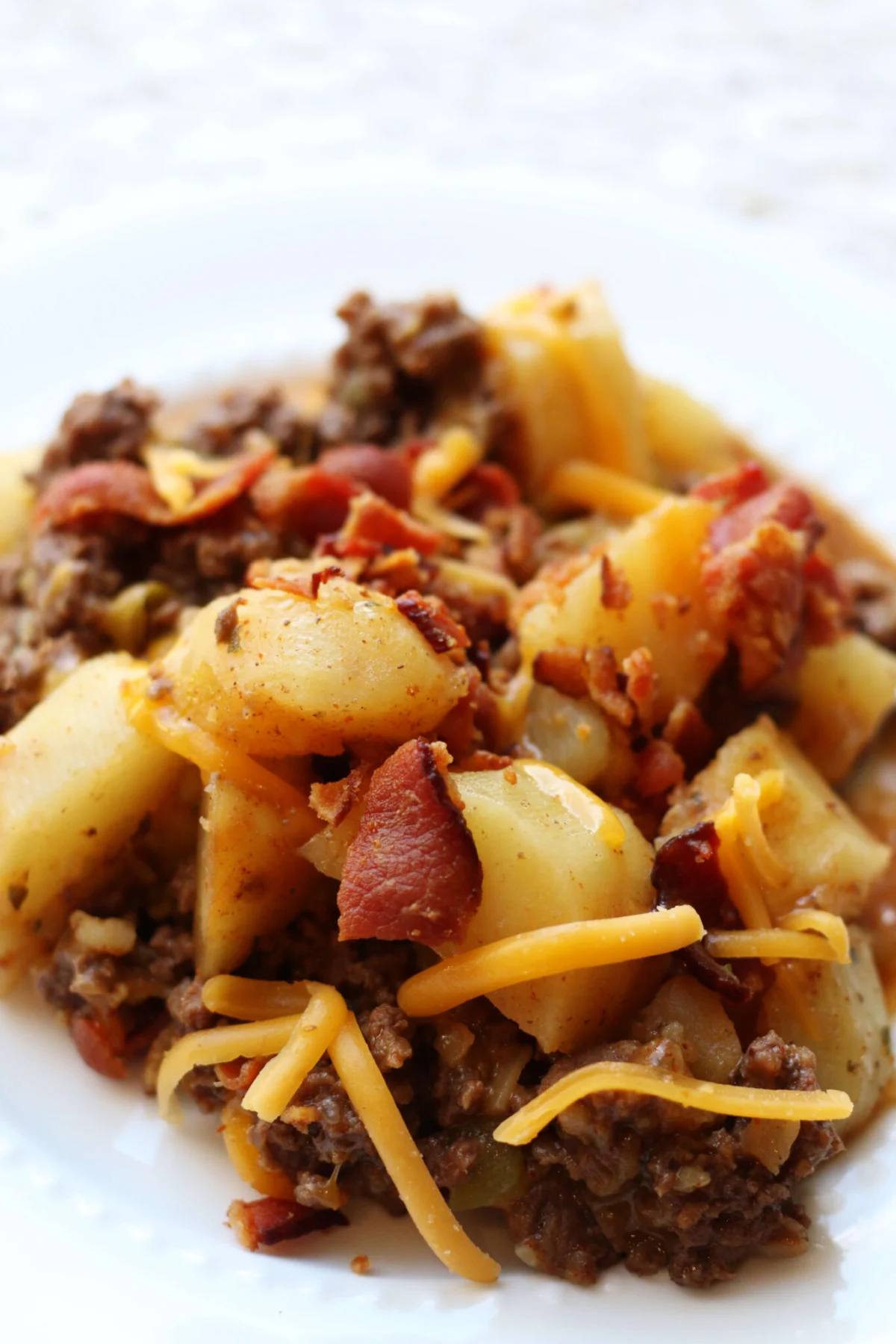
The culinary landscape of the 21st century has been increasingly defined by a tension between the desire for gourmet experiences and the practical constraints of modern life. In this context, the 4-Ingredient Hamburger Casserole emerges not merely as a recipe, but as a representative of a broader movement toward high-efficiency, minimalist home cooking. By utilizing the technological capabilities of the electric pressure cooker, specifically the Instant Pot, this dish exemplifies how modern appliances have reshaped domestic labor and dietary habits. The convergence of four primary staples—ground beef, potatoes, ranch dressing seasoning, and cheddar cheese—provides a case study in the optimization of flavor profiles through a limited ingredient deck, catering to a demographic that prioritizes both speed and satiety.
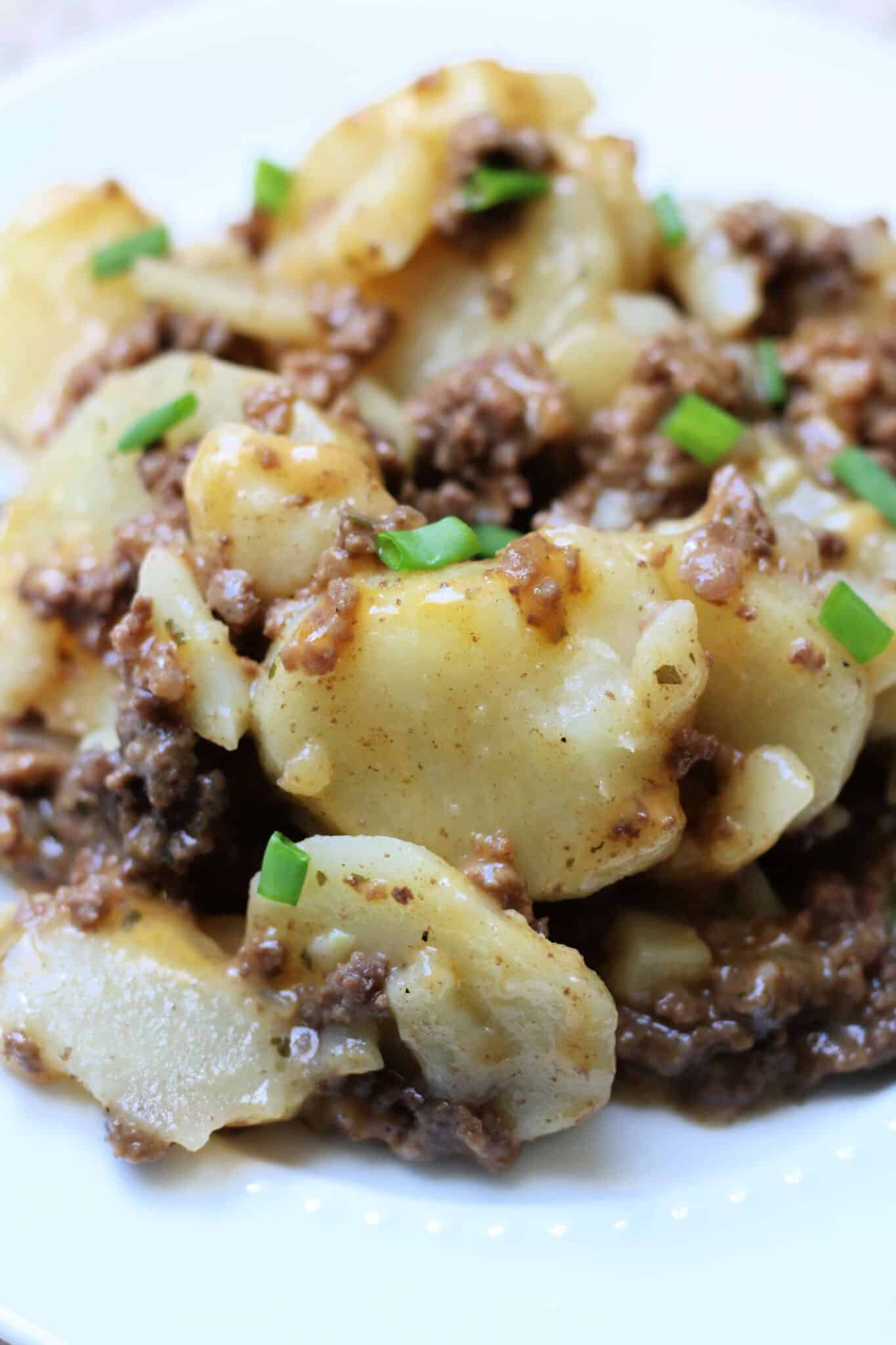
The Evolution of the American Casserole
To understand the significance of the 4-Ingredient Hamburger Casserole, one must examine the historical trajectory of the casserole in North American culture. Traditionally, the casserole served as a medium for economic resourcefulness, allowing households to stretch expensive proteins with accessible starches and binders. The mid-20th century saw the rise of the "condensed soup" era, where cream-based canned goods served as the primary sauce for meat and vegetable combinations.
However, as consumer preferences have shifted away from heavily processed binders and toward "cleaner" ingredient lists, the contemporary casserole has undergone a transformation. The 4-Ingredient Hamburger Casserole represents the latest iteration of this evolution. By stripping the dish down to its essential components, it bypasses the need for complex sauces, relying instead on the natural fats of the beef and the moisture released by the potatoes during pressure cooking to create a cohesive meal.
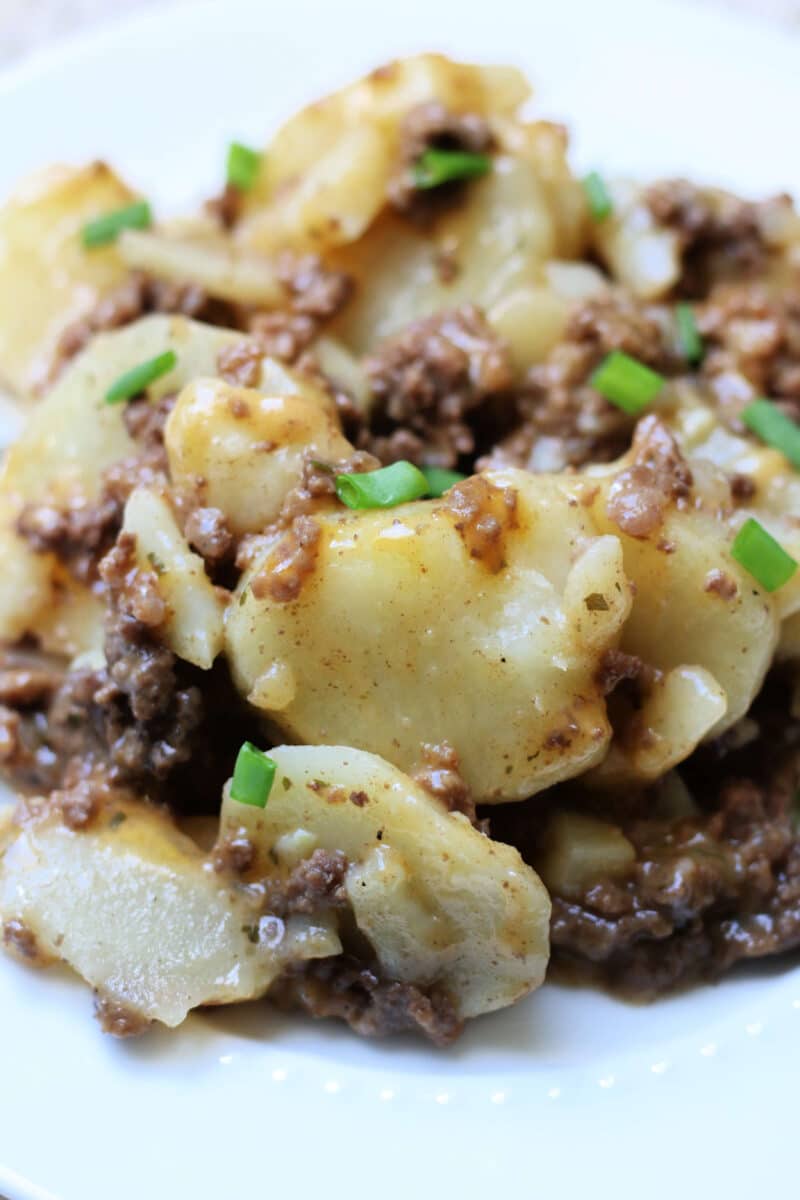
Technical Analysis of the Cooking Process
The preparation of the 4-Ingredient Hamburger Casserole utilizes several specific culinary techniques adapted for the electric pressure cooker environment. The process is divided into distinct phases that ensure food safety, texture retention, and flavor development.
Phase I: The Maillard Reaction and Lipid Management
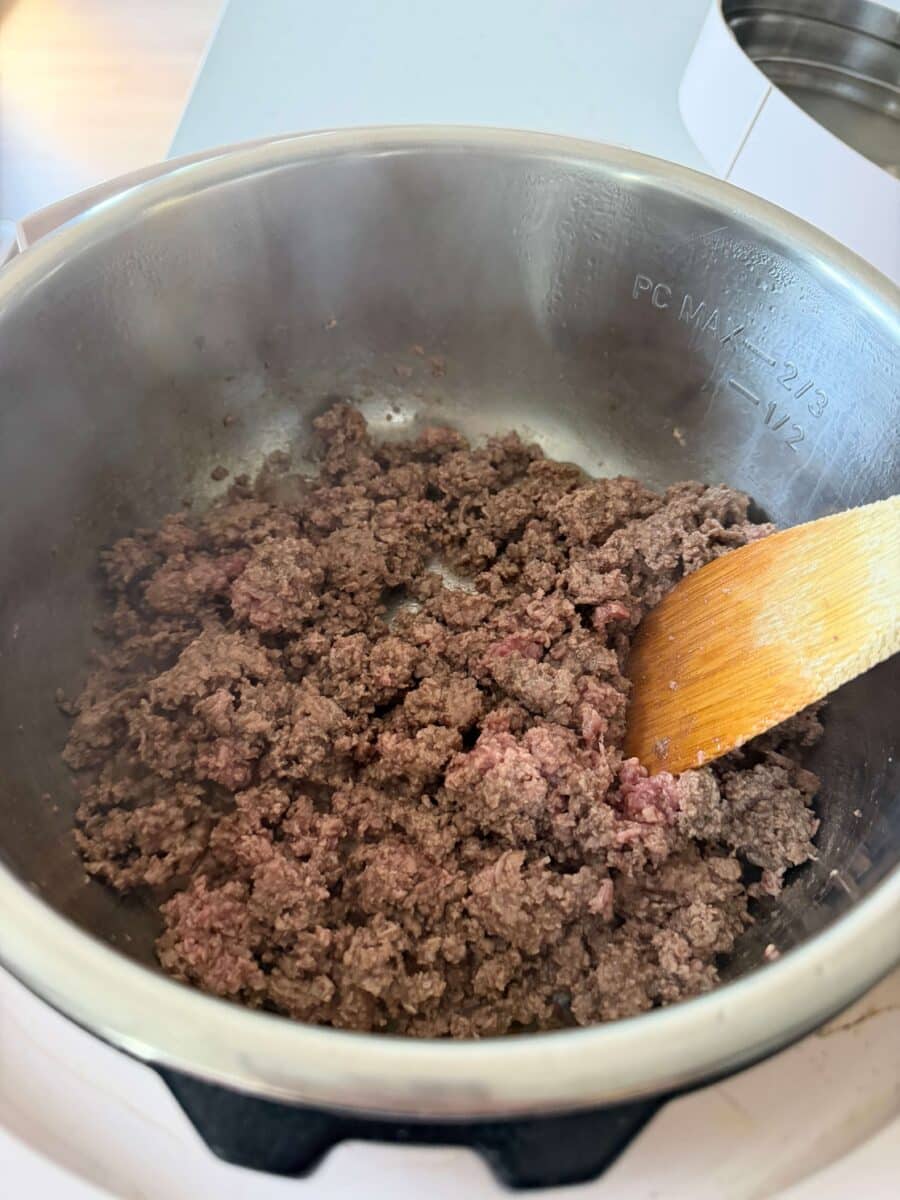
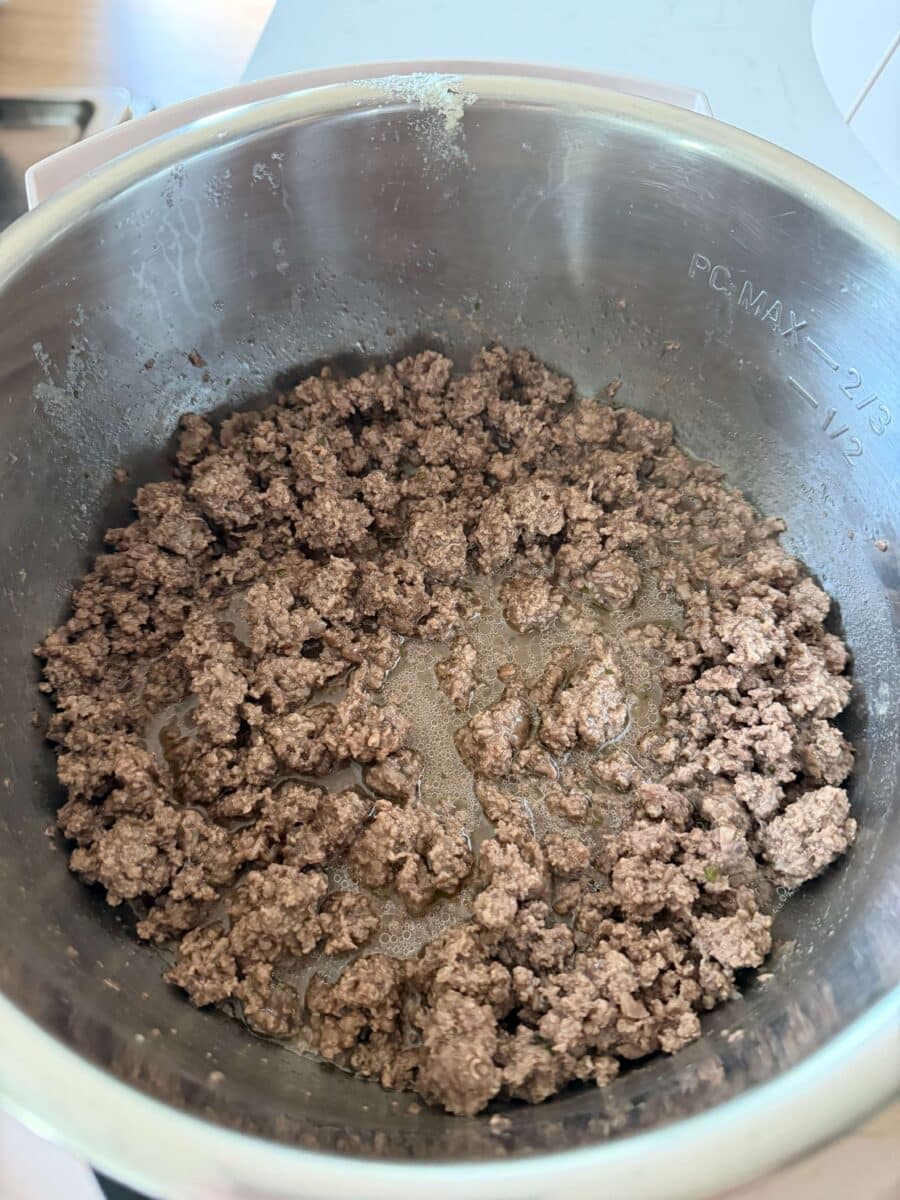
The initial step requires the Instant Pot to be set to the "Sauté" function. This stage is critical for the development of umami through the Maillard reaction—a chemical reaction between amino acids and reducing sugars that gives browned food its distinctive flavor. The ground beef is cooked for approximately five minutes until browned. A crucial technical requirement at this stage is the drainage of excess grease. Proper lipid management prevents the final casserole from becoming overly oily and ensures that the ranch seasoning can adhere directly to the protein fibers.
Phase II: Deglazing and Pressure Stabilization
Following the browning of the meat, half of the ranch seasoning is integrated. The introduction of a liquid medium—typically beef broth or water—serves a dual purpose. Primarily, it is used to deglaze the bottom of the stainless steel inner pot. In pressure cooking, any burnt remnants (fond) left on the bottom of the pot can trigger the "burn" notice, a safety feature that halts the cooking process. Secondarily, the liquid provides the necessary steam to build the internal pressure required for the subsequent cooking phase.
Phase III: Layering and Starch Integration
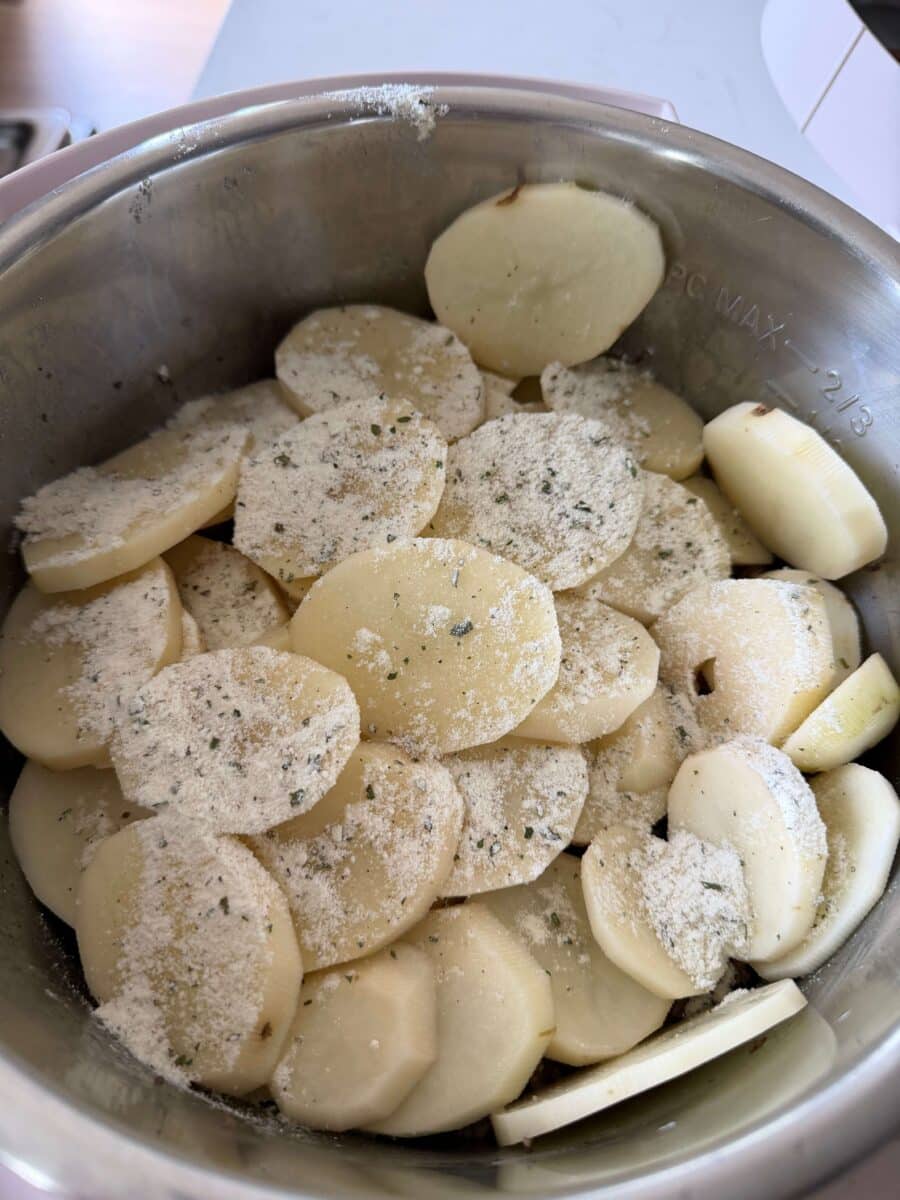
The arrangement of ingredients within the pot is a strategic decision. Potatoes are scattered over the beef rather than being stirred in. This layering technique prevents the potatoes from disintegrating into a mash, allowing them to steam-cook to a tender consistency while maintaining their structural integrity. The remaining ranch seasoning is applied to the top of the potato layer, ensuring that the flavor permeates the starch during the high-pressure cycle.
Phase IV: High-Pressure Synthesis
The Instant Pot is sealed and set to manual high pressure for a duration of two minutes. While two minutes may seem brief, the total time under temperature is significantly longer when accounting for the pressurization and depressurization periods. A five-minute natural pressure release (NPR) is utilized to allow the internal temperature to stabilize gradually, which prevents the beef from becoming tough due to a sudden drop in pressure.
Economic and Social Implications of Minimalist Cooking
The rise of recipes like the 4-Ingredient Hamburger Casserole is inextricably linked to current economic and social trends. According to data from the Bureau of Labor Statistics, food-at-home prices have seen significant fluctuations over the past three years, prompting consumers to seek "pantry staple" meals that minimize waste and reduce the need for specialized, expensive ingredients.
The Student and Outdoor Demographic
The simplicity of the recipe makes it particularly viable for specific sub-sectors of the population. For university students living in dormitory environments with limited kitchen access, the one-pot nature of the dish reduces the logistical burden of meal preparation. Similarly, the "overlanding" and camping communities have increasingly adopted electric pressure cookers powered by portable battery stations. In these scenarios, where ingredient storage space is at a premium, a four-ingredient profile is highly advantageous.
Efficiency and Labor
Sociological studies on domestic labor suggest that the "mental load" of meal planning is a significant stressor for modern households. By reducing the number of variables in a recipe, dishes like this casserole lower the barrier to entry for home cooking, potentially reducing reliance on ultra-processed takeout options.

Ingredient Profile and Nutritional Context
The flavor profile of the 4-Ingredient Hamburger Casserole relies on the synergy between its components:
- Ground Beef: Serves as the primary protein and fat source. Culinary experts suggest a 20% fat content (80/20) for maximum flavor, though leaner options are often used to reduce caloric density.
- Potatoes: Act as the complex carbohydrate base. When cooked under pressure, the starches in the potatoes undergo gelatinization, providing a satisfying mouthfeel.
- Ranch Dressing Mix: This is the primary flavoring agent. A typical ranch mix contains buttermilk powder, garlic, onion, and a blend of herbs like dill and chives. It acts as a "shortcut" to a complex flavor profile that would otherwise require a dozen separate spices.
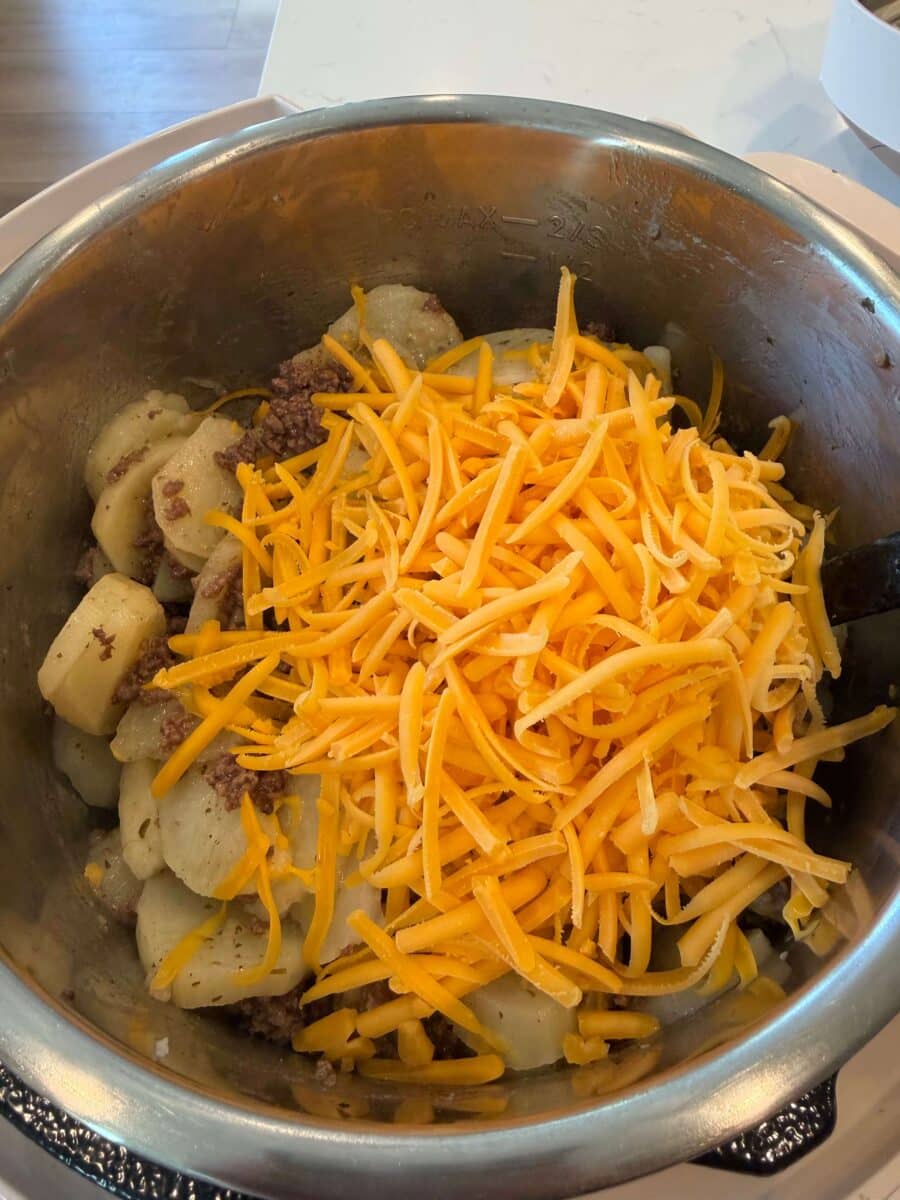
- Cheddar Cheese: The final addition provides the necessary salinity and fat to bind the dish together. The heat from the freshly cooked beef and potatoes is sufficient to melt the cheese during the "folding" stage, creating a silken texture without the need for a flour-based roux.
From a nutritional standpoint, the dish is calorie-dense and high in protein and carbohydrates. While it lacks a significant vegetable component in its base form, nutritional analysts often recommend the addition of frozen peas or a side salad to create a more balanced macronutrient profile.
Market Trends: The "Dump and Start" Phenomenon
The 4-Ingredient Hamburger Casserole falls under the "dump and start" category of recipes, a segment of the culinary market that has seen exponential growth on digital platforms. Analysis of search engine trends indicates a high volume of queries for "easy Instant Pot dinners" and "minimalist recipes."
Food industry analysts suggest that this trend is a reaction to the "recipe fatigue" caused by the overly complex, multi-step instructions often found on gourmet food blogs. Consumers are increasingly gravitating toward "utility cooking"—recipes that prioritize reliable results and minimal cleanup over aesthetic complexity.
Conclusion and Future Outlook
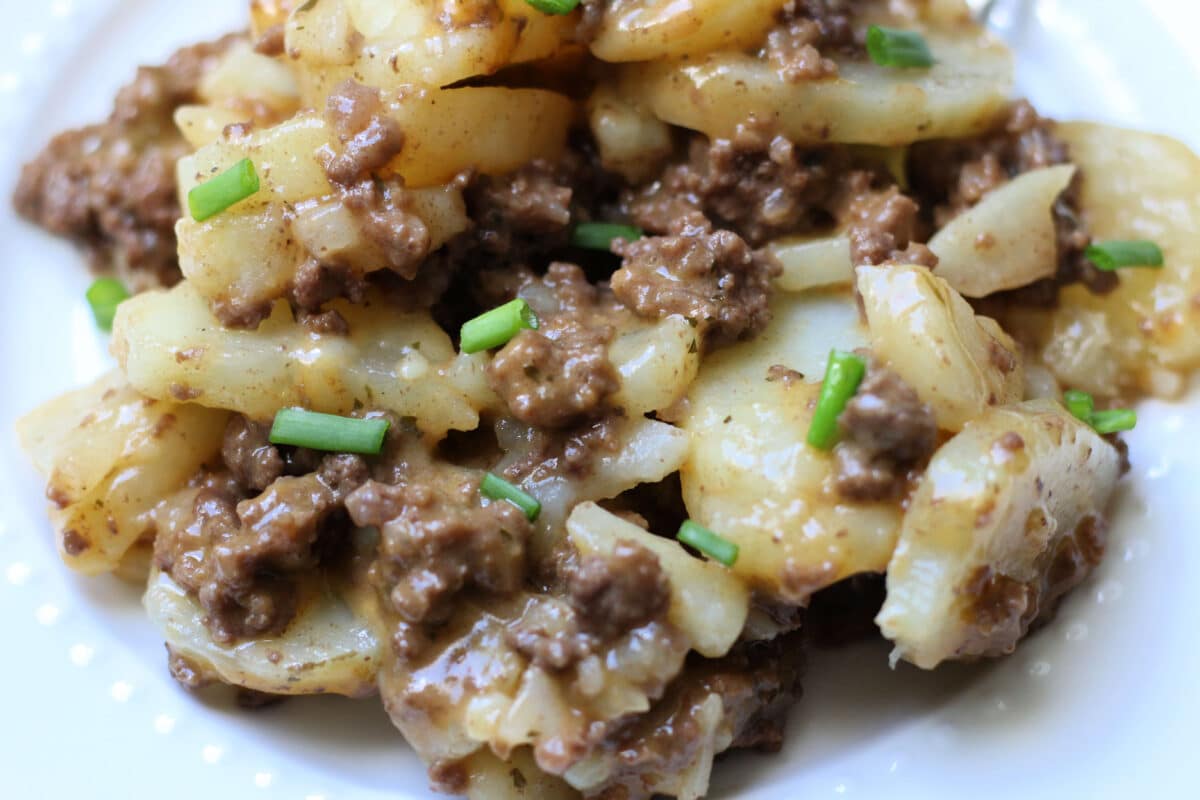
The 4-Ingredient Hamburger Casserole is a testament to the pragmatism of modern home cooking. It reflects a broader cultural shift toward efficiency, where the value of a meal is measured not just by its flavor, but by the ratio of effort to output. As technology continues to integrate further into the kitchen, it is likely that we will see a continued refinement of these minimalist techniques.
The success of this specific recipe—indicated by its popularity among diverse groups such as busy parents, students, and outdoor enthusiasts—suggests that the "less is more" philosophy has a permanent place in the contemporary diet. By leveraging the physics of pressure cooking and the strategic use of multi-functional seasonings like ranch mix, home cooks are able to produce hearty, comforting meals that align with the fast-paced demands of the 21st century.

Looking forward, the implications of this trend may influence food manufacturing, with a potential increase in the production of high-quality, multi-purpose seasoning blends and pre-prepped staple ingredients designed specifically for the electric pressure cooker market. For now, the 4-Ingredient Hamburger Casserole remains a staple of the modern digital cookbook, proving that complexity is not a prerequisite for satisfaction.
